Skip to content

The Homestead Post

Home & garden, state by state

  • Home
  • Garden
    • Flowers
    • Lawn
    • Soil & Compost
    • Trees & Shrubs
    • Vegetables
  • Home Care
    • Electrical
    • Foundations
    • HVAC
    • Plumbing
    • Roofing
  • Energy
    • Heating & Cooling
    • Insulation
    • Rebates & Credits
    • Solar
  • Pests
    • Ants
    • Mosquitoes
    • Rodents
    • Termites
    • Ticks
  • Decor
    • Bedrooms
    • Kitchens
    • Living Rooms
    • Outdoor Spaces
  • DIY
    • Repairs
    • Tools
    • Weekend Projects
  • State Guides
    • Northeast
      • Connecticut
      • Maine
      • Massachusetts
      • New Hampshire
      • New Jersey
      • New York
      • Pennsylvania
      • Rhode Island
      • Vermont
    • Southeast
      • Alabama
      • Arkansas
      • Delaware
      • Florida
      • Georgia
      • Kentucky
      • Louisiana
      • Maryland
      • Mississippi
      • North Carolina
      • South Carolina
      • Tennessee
      • Virginia
      • West Virginia
    • Midwest
      • Illinois
      • Indiana
      • Iowa
      • Kansas
      • Michigan
      • Minnesota
      • Missouri
      • Nebraska
      • North Dakota
      • Ohio
      • South Dakota
      • Wisconsin
    • Southwest
      • Arizona
      • New Mexico
      • Oklahoma
      • Texas
    • West
      • Alaska
      • California
      • Colorado
      • Hawaii
      • Idaho
      • Montana
      • Nevada
      • Utah
      • Wyoming
    • Pacific Northwest
      • Oregon
      • Washington
    • Canada
      • Alberta
      • British Columbia
      • Manitoba
      • New Brunswick
      • Newfoundland and Labrador
      • Northwest Territories
      • Nova Scotia
      • Nunavut
      • Ontario
      • Prince Edward Island
      • Quebec
      • Saskatchewan
      • Yukon

Growing Carrots in Indiana: Soil, Sowing and Forked Roots
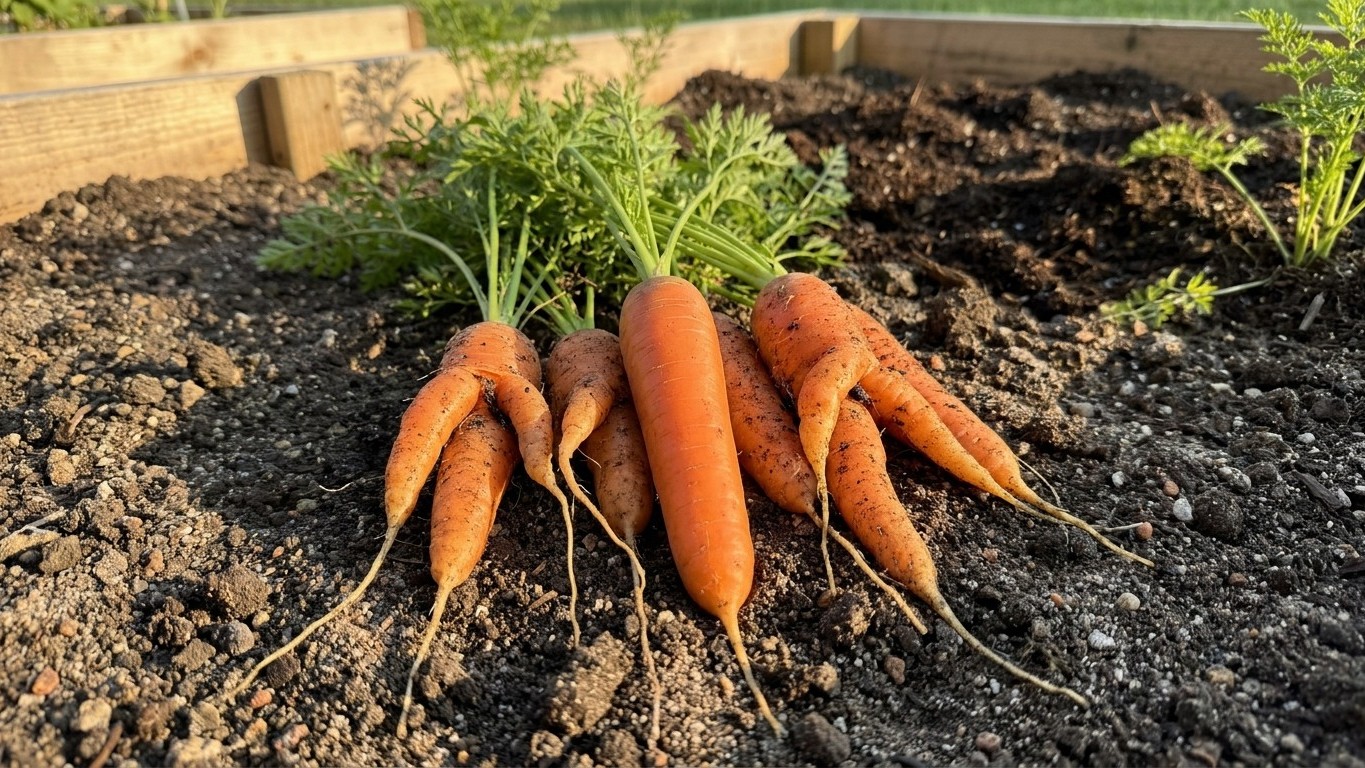
Growing Carrots in Indiana: Soil, Sowing and Forked Roots

Indiana’s representative soil, the Miami series, runs 30 percent sand, 20 percent clay and 49 percent silt: a silt loam with enough clay to compact and…
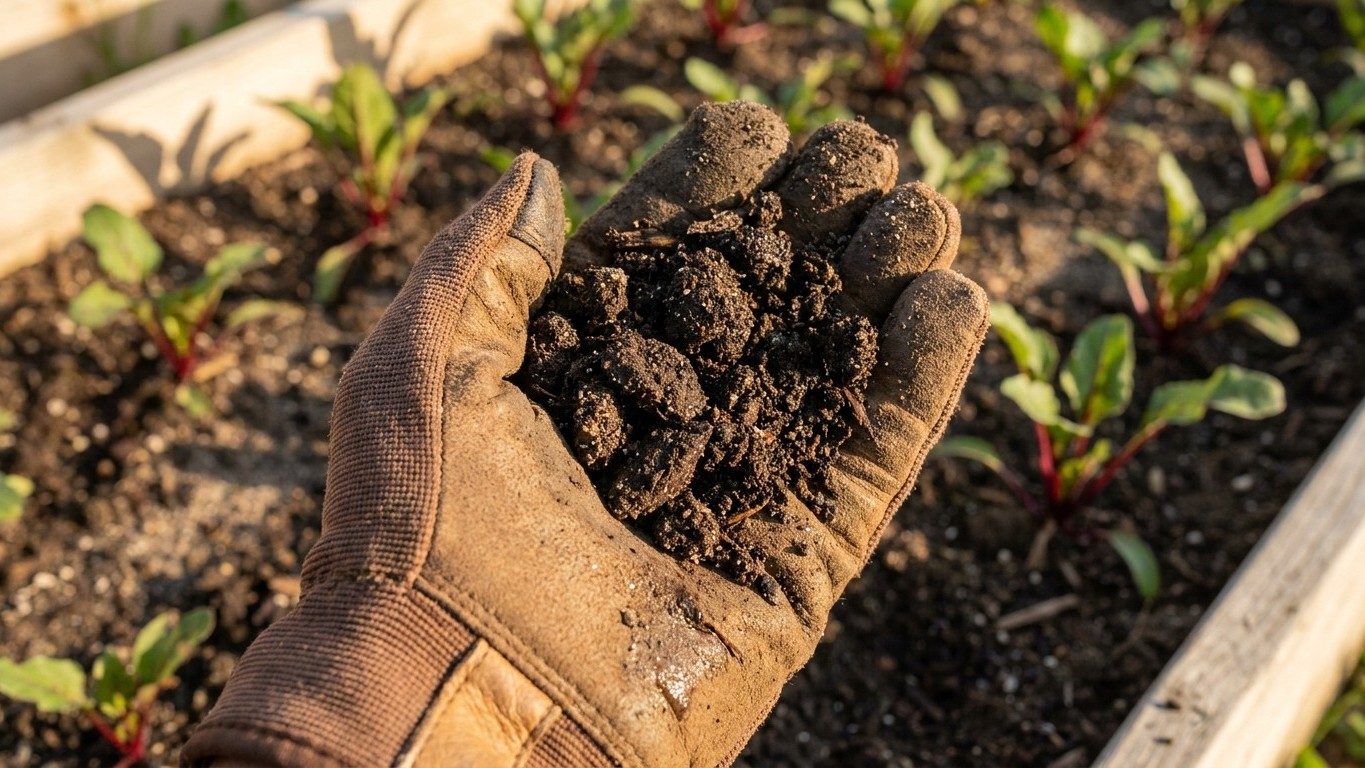
Growing Beets in Indiana: Soil, Sowing and Bolting

Growing Beets in Indiana: Soil, Sowing and Bolting

The Miami series, Indiana’s representative soil, runs 30 percent sand, 20 percent clay and 49 percent silt with a surface pH near 6.5 and about 2.0…
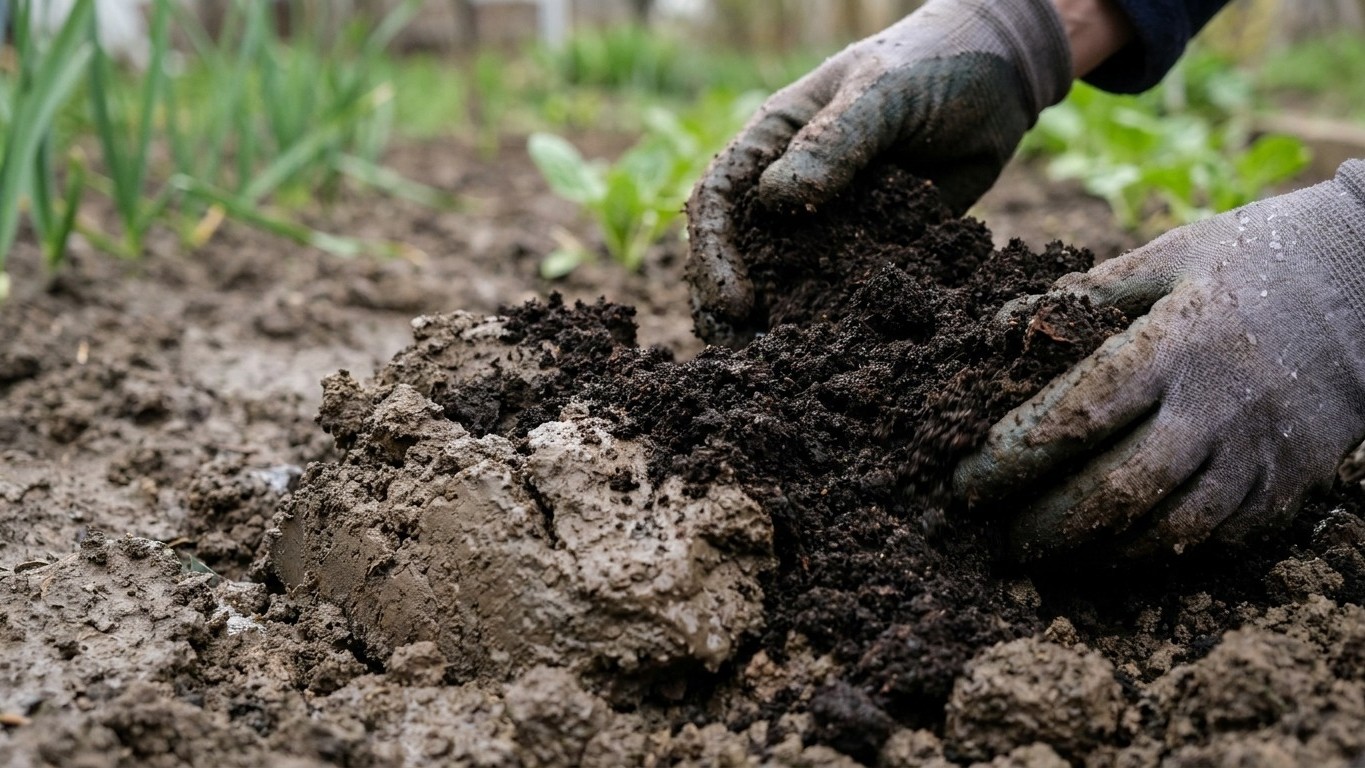
Growing Beets in Illinois: Soil, Sowing and Bolting

Growing Beets in Illinois: Soil, Sowing and Bolting

Illinois beets face a soil that holds water like a sponge and a spring that can swing from soggy to bone-dry within a few weeks.
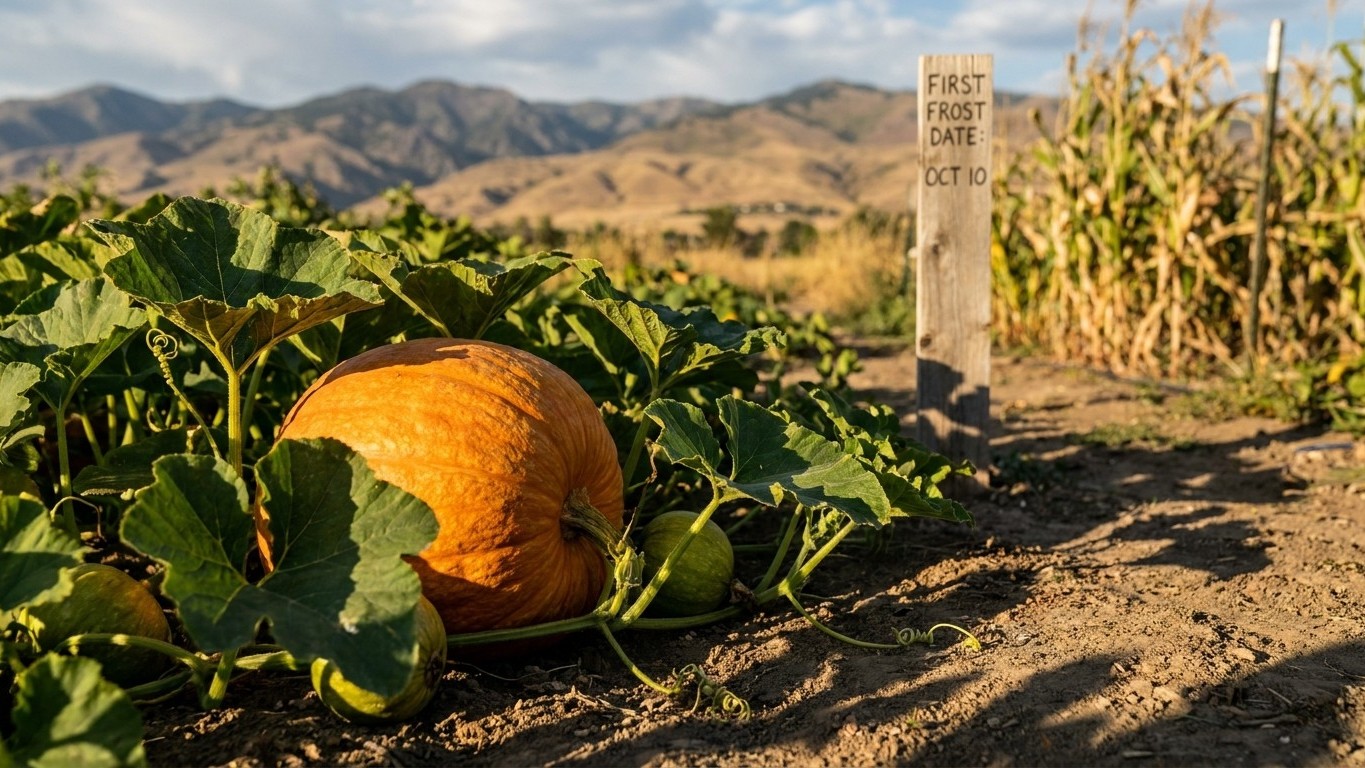
Growing Pumpkins in Idaho: Will They Ripen in Time?

Growing Pumpkins in Idaho: Will They Ripen in Time?

Idaho’s answer depends entirely on where you’re standing. In the Boise valley, a pumpkin sown and tended with care can ripen before the ground freezes…
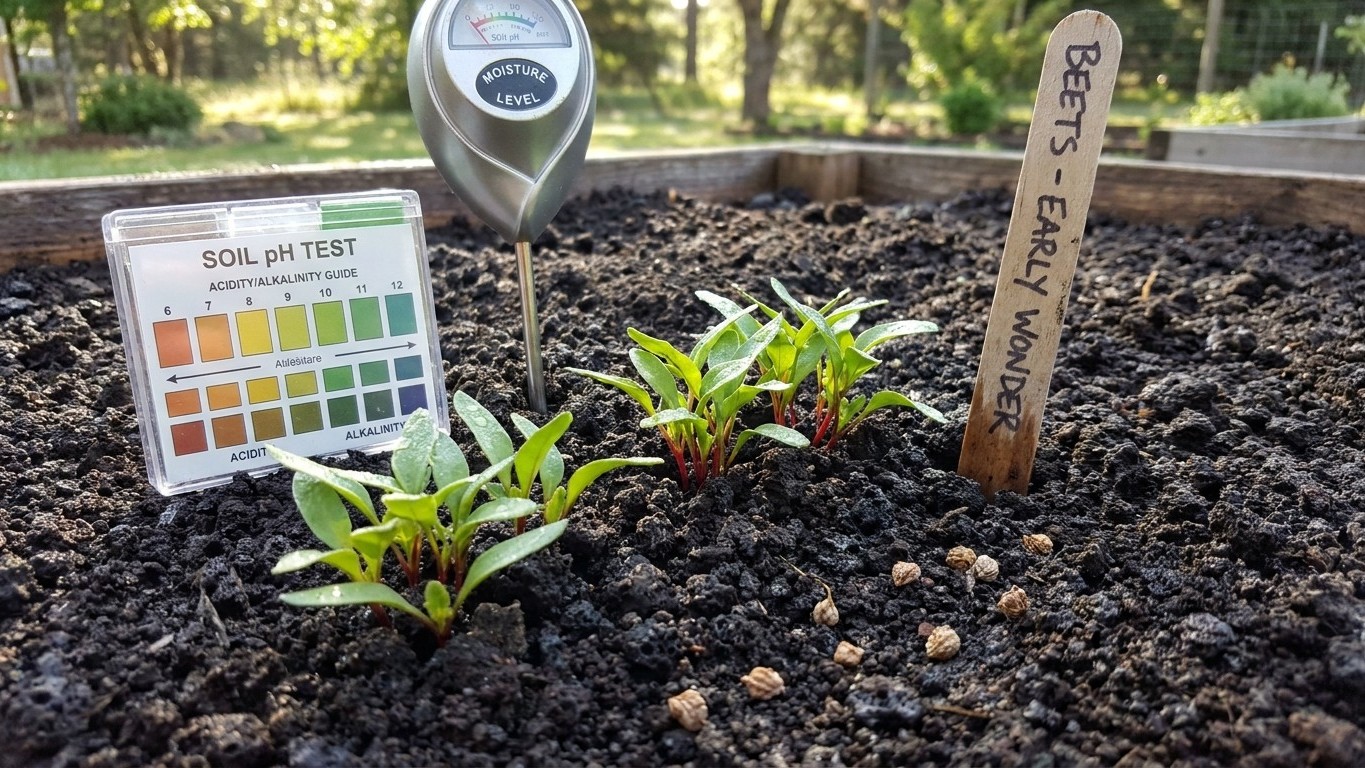
Growing Beets in Idaho: Soil, Sowing and Bolting

Growing Beets in Idaho: Soil, Sowing and Bolting

Beets grow reliably in Idaho once two things line up: the ground’s acidity gets checked before a seed goes in, and the first six weeks after sowing stay…
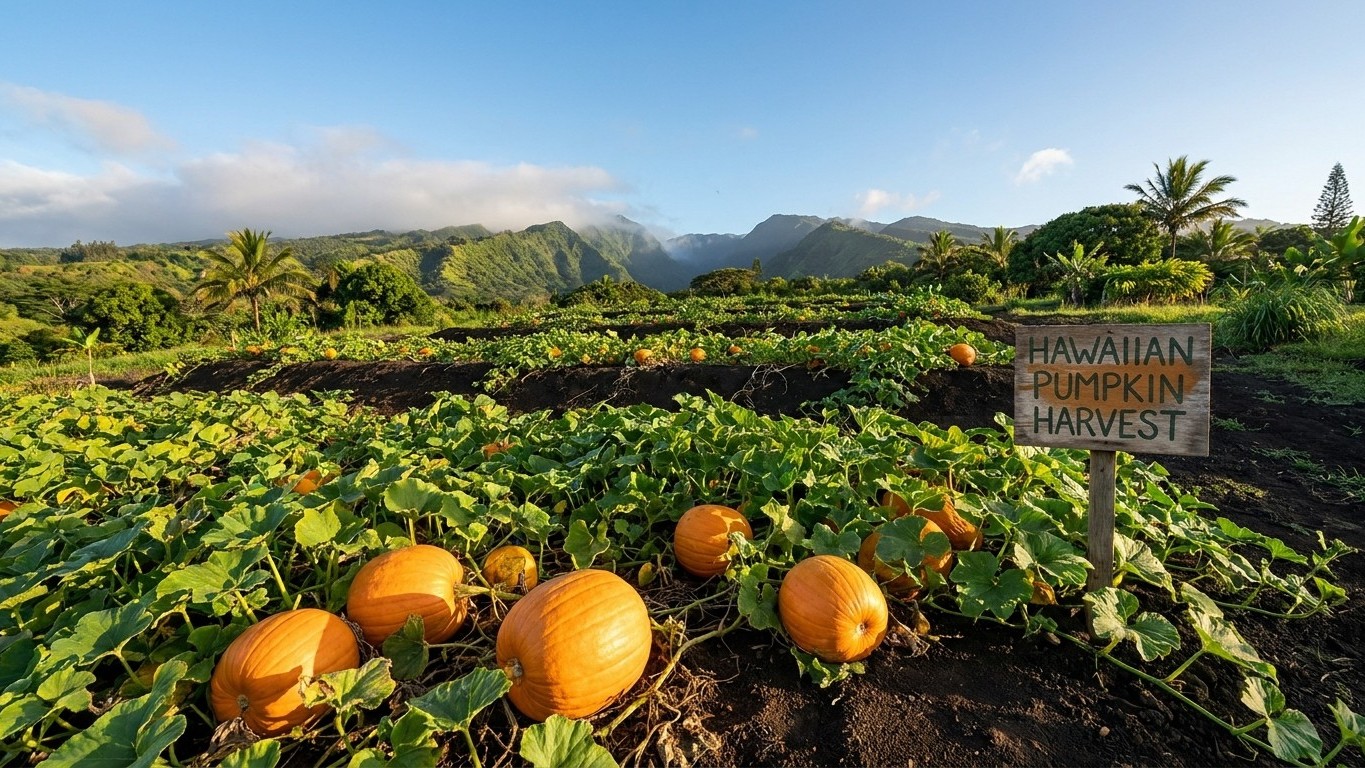
Growing Pumpkins in Hawaii: Will They Ripen in Time?

Growing Pumpkins in Hawaii: Will They Ripen in Time?

Pumpkins ripen fine in Hawaii, and the reason has nothing to do with frost. NOAA’s climate records show no measurable freeze at all in the state’s…
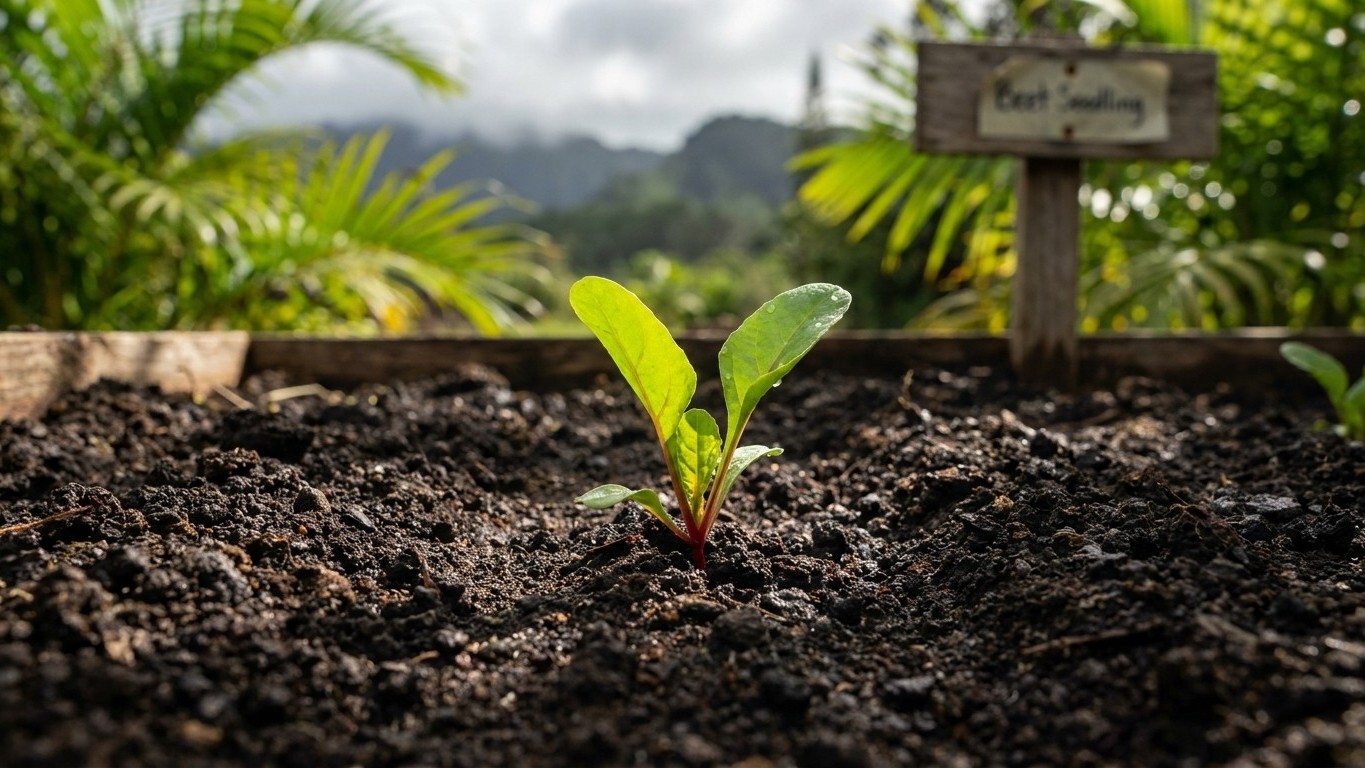
Growing Beets in Hawaii: Soil, Sowing and Bolting

Growing Beets in Hawaii: Soil, Sowing and Bolting

Beets in Hawaii do best in soil that drains fast and never dries out completely, which is a tricky combination in a state built from volcanic ash and…
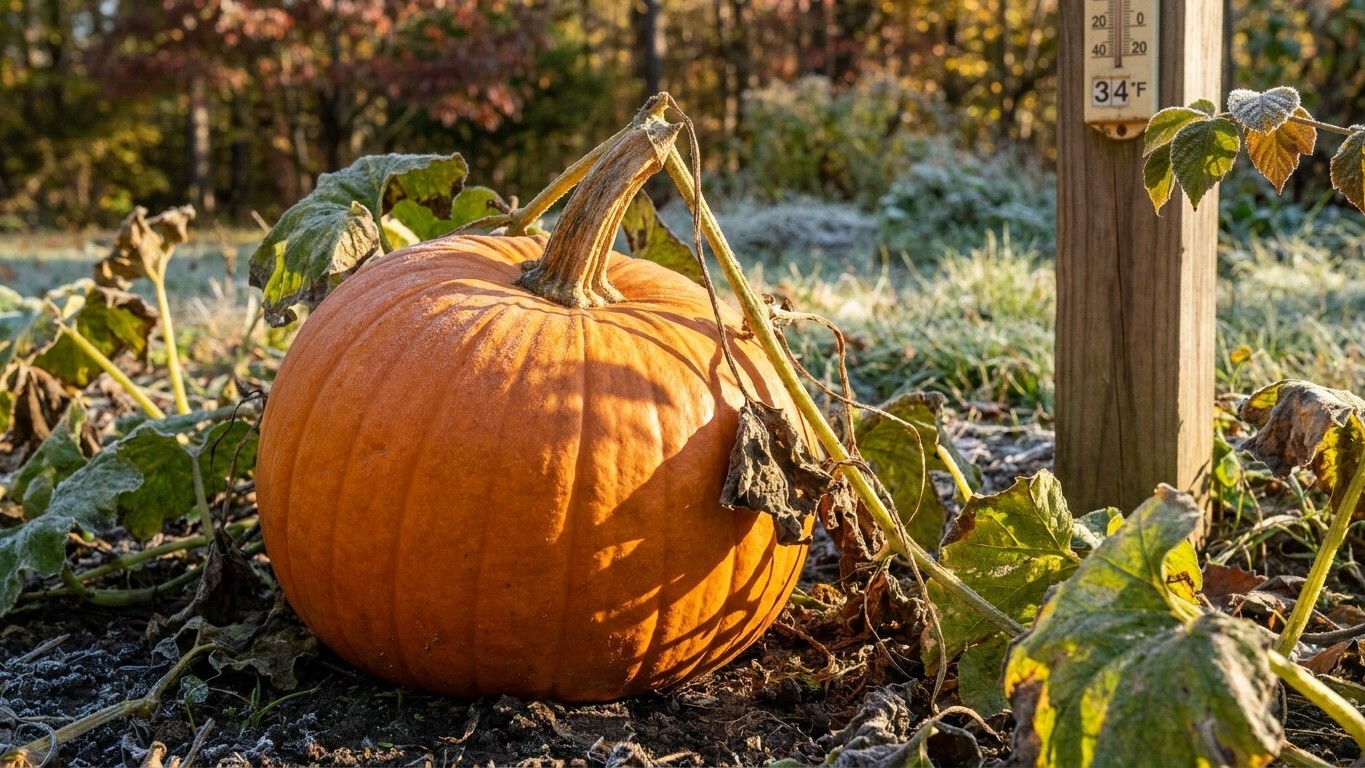
Growing Pumpkins in Georgia: Will They Ripen in Time?

Growing Pumpkins in Georgia: Will They Ripen in Time?

Yes, in most years, but only if the flowers open on schedule, not just the seeds.
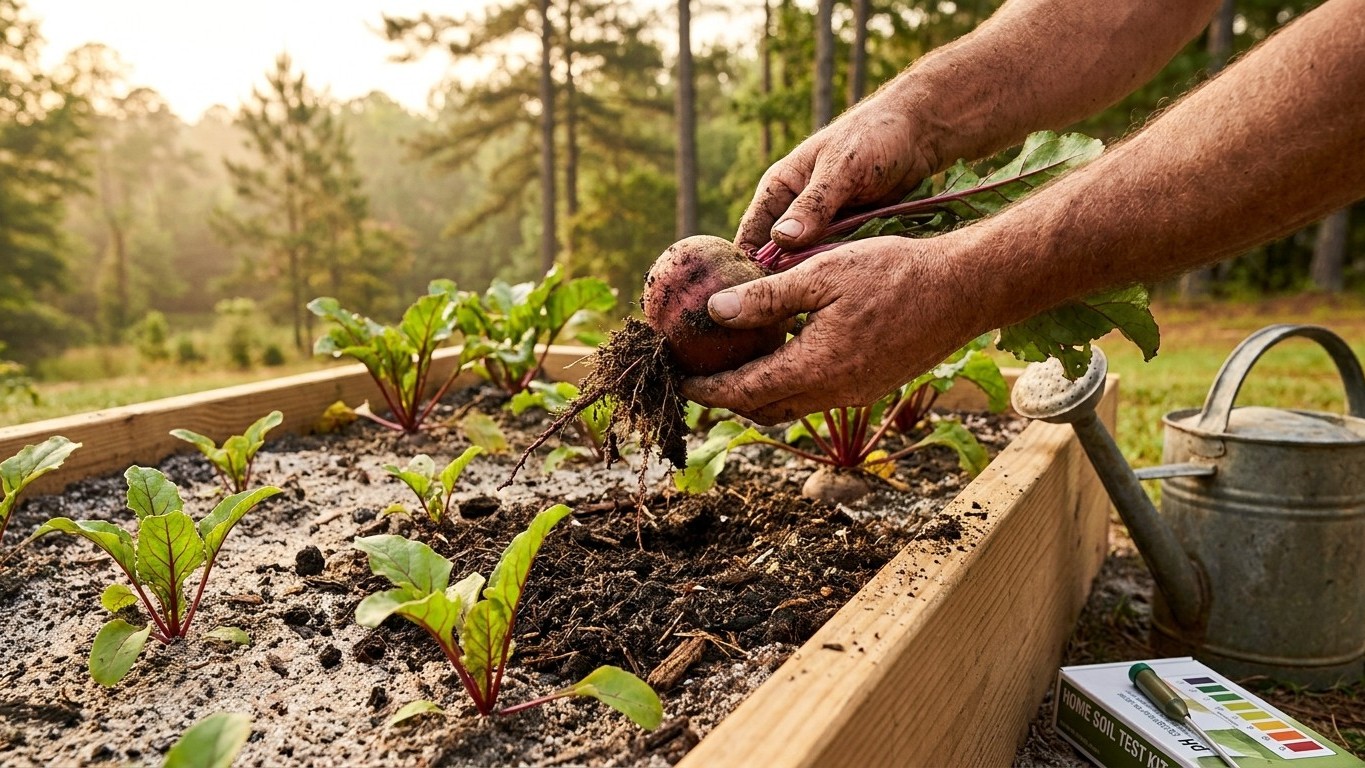
Growing Beets in Georgia: Soil, Sowing and Bolting

Growing Beets in Georgia: Soil, Sowing and Bolting

Georgia gardeners can grow beets successfully, but the state’s representative ground is sandy, acidic and low in organic matter, and its summers turn…
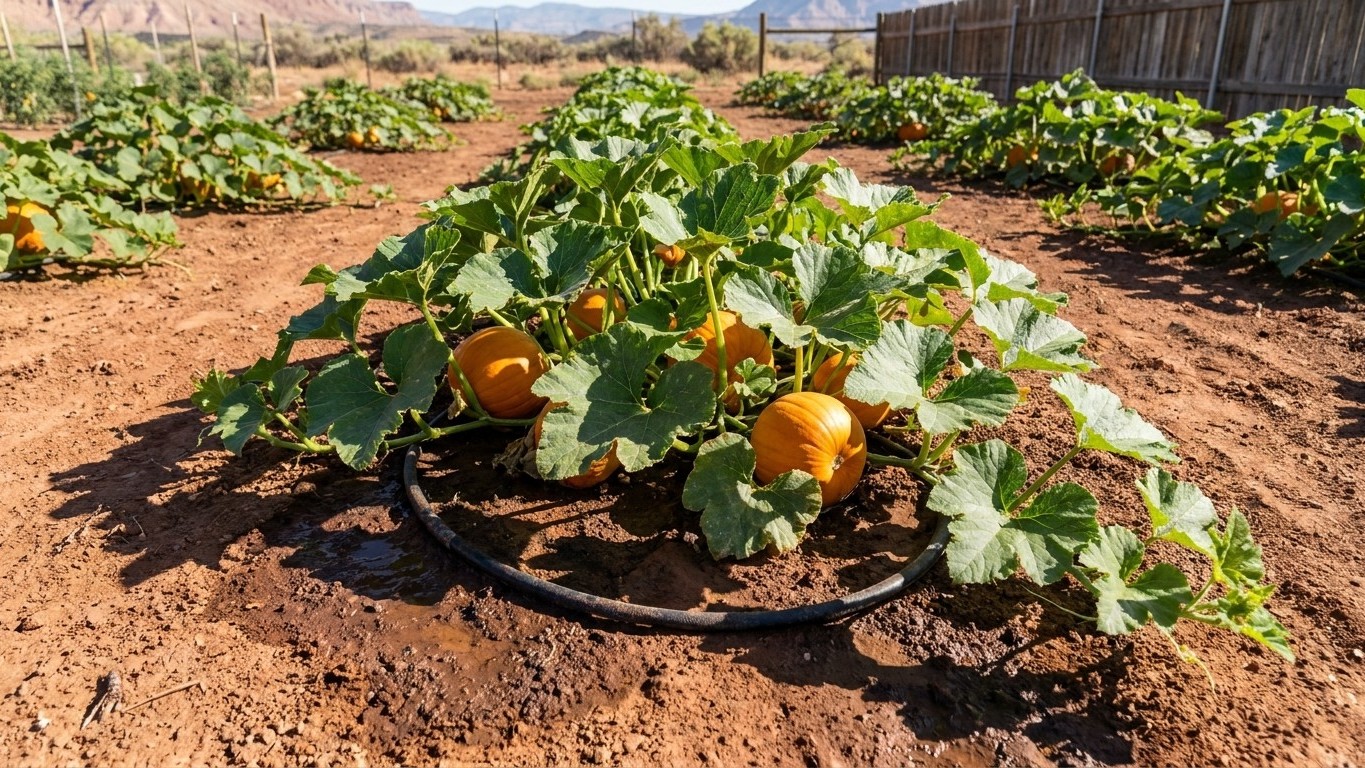
Watering Pumpkins: Deep, Infrequent, One to Two Inches

Watering Pumpkins: Deep, Infrequent, One to Two Inches

Utah State University Extension puts it plainly: pumpkins need 1-2 inches of water per week, applied deeply and infrequently rather than in daily sips.

Older posts
Newer posts
← Previous Page1 … Page497 Page498 Page499 … Page718 Next →

The Homestead Post

Home and garden advice with the numbers attached — written for your climate, your season and your local rules.

Sections

  • Garden
  • Home Care
  • Energy
  • Pests
  • Decor
  • DIY

Popular states

  • California
  • Texas
  • Florida
  • New York
  • Pennsylvania
  • Ohio
  • Georgia
  • North Carolina
  • All states →

The Post

  • About us
  • Contact
  • Editorial guidelines
  • Affiliate disclosure
  • Privacy policy
  • Terms of use
© 2026 The Homestead Post·Home & garden, state by state