Growing Carrots in California: Soil, Sowing and Forked Roots
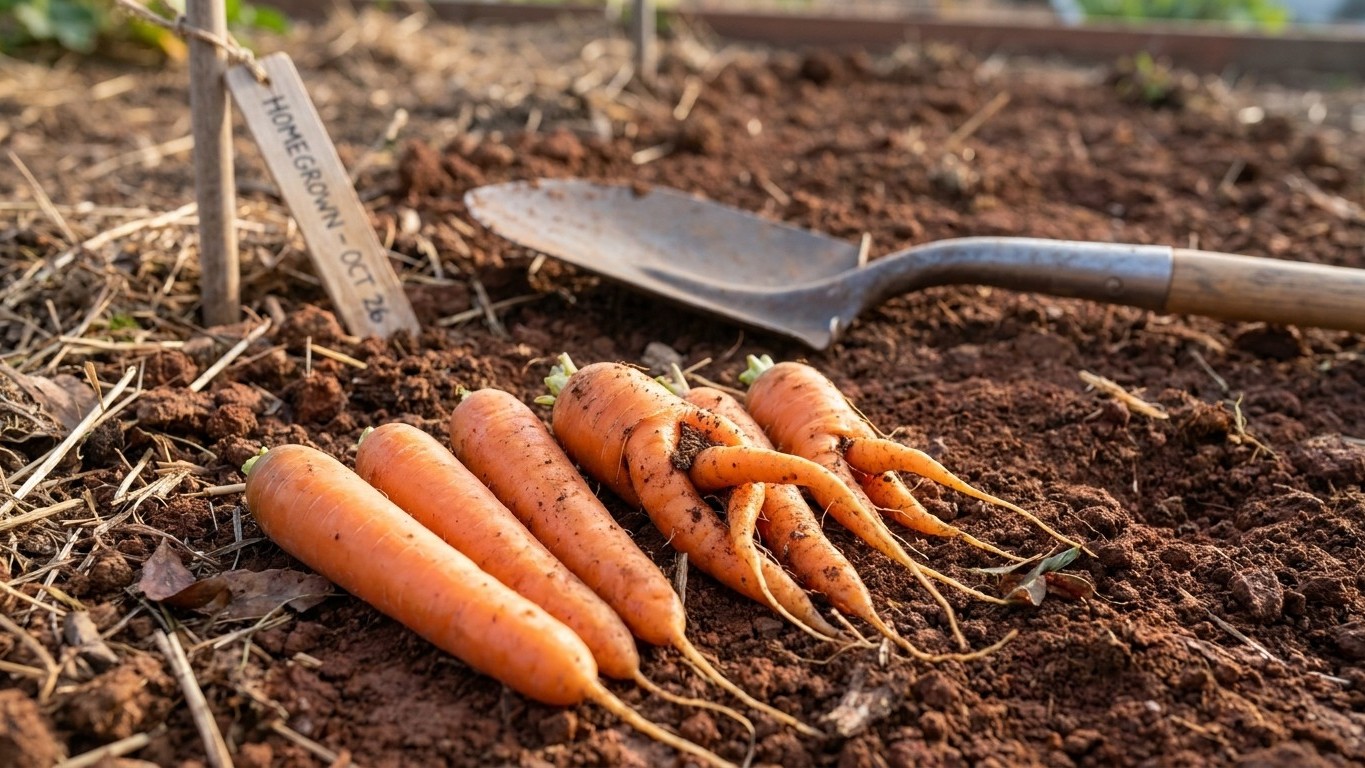
California’s official soil isn’t sandy at all — it’s a clay-heavy loam that resists a straight taproot more than it helps one.
Home & garden, state by state
California’s official soil isn’t sandy at all — it’s a clay-heavy loam that resists a straight taproot more than it helps one.
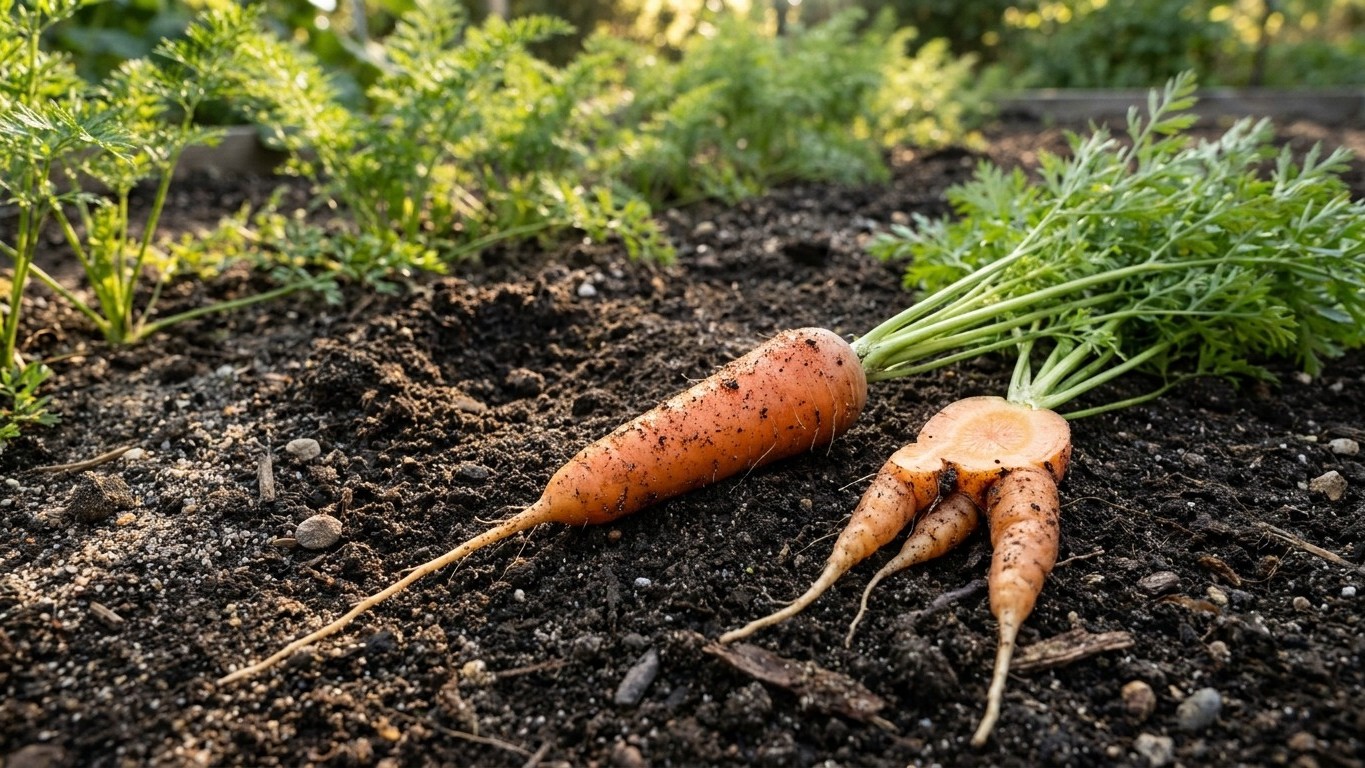
British Columbia’s farmland skews sandy and well drained, with only about 10 percent clay in a typical surface horizon.
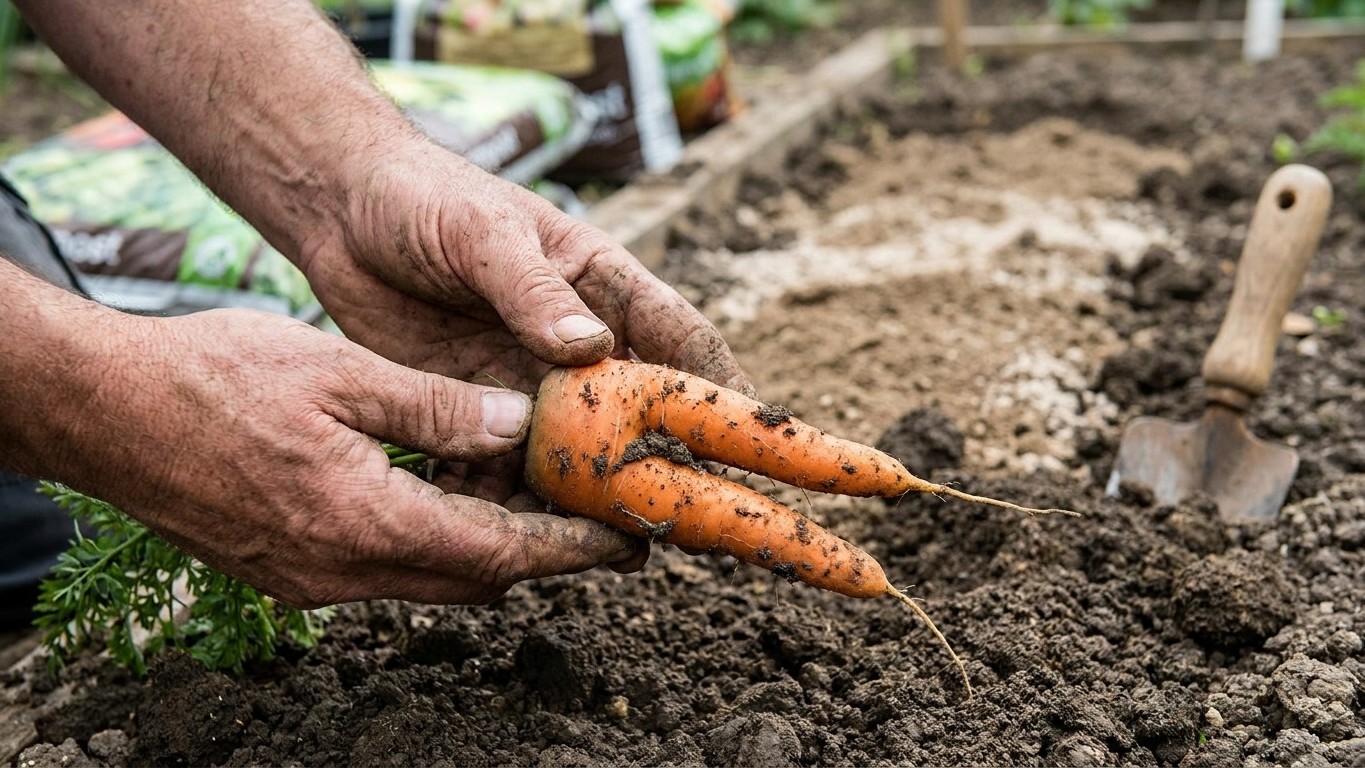
Arkansas’s official state soil, the Stuttgart series, is a slightly acid, silt-heavy ground that drains slowly, the kind of profile that pushes a carrot…
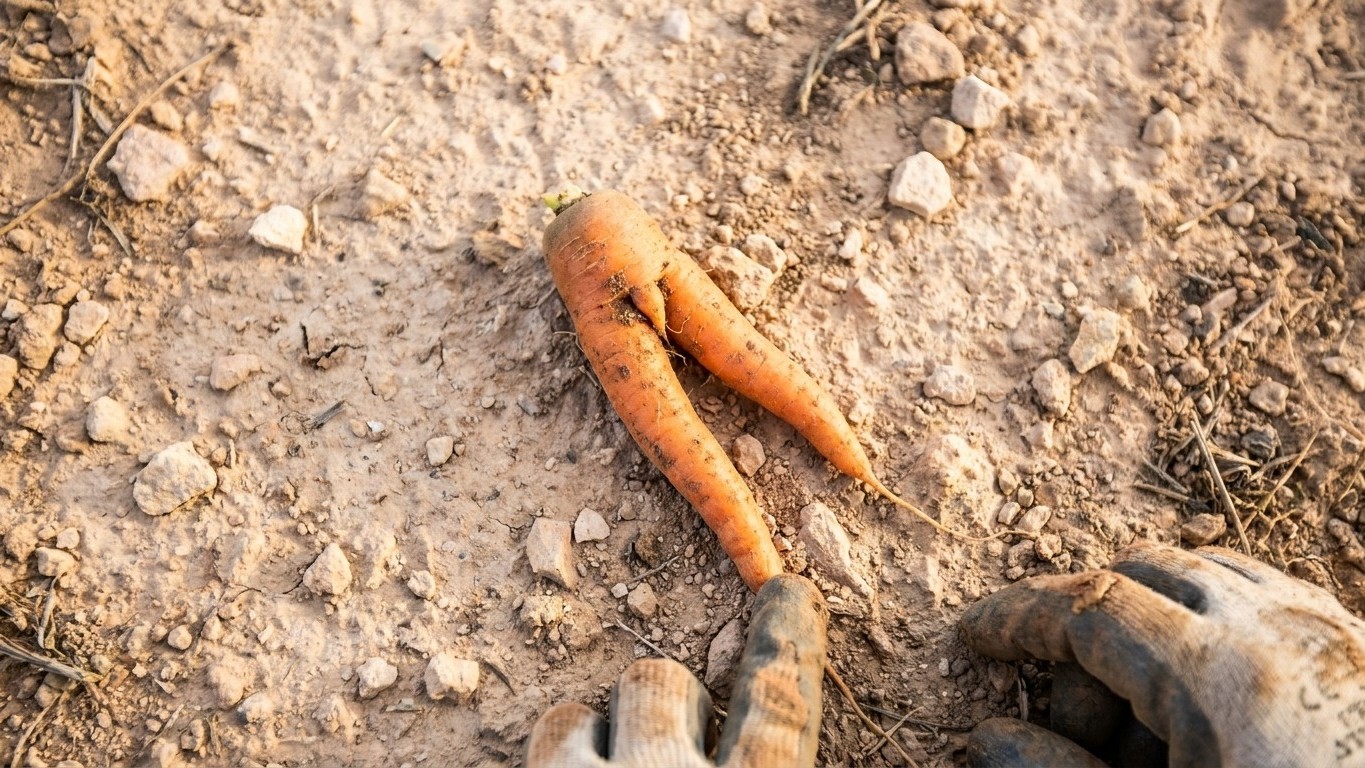
Carrots can grow well in Arizona, but the answer depends on which soil you’re working with and which part of the state you’re in.
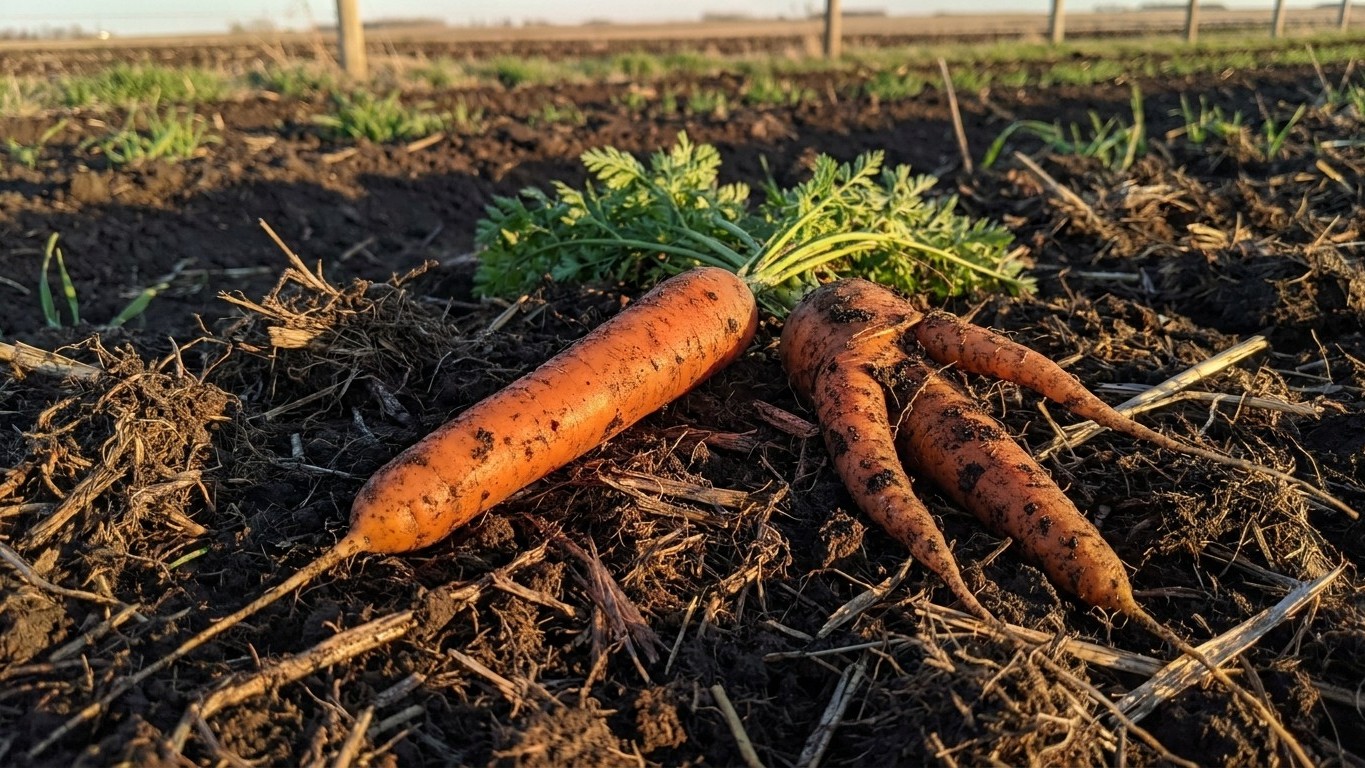
Alberta’s farmland soil runs loam to silt, roughly 37 percent sand, 21 percent clay and 42 percent silt, with organic matter near 5.2 percent and good…
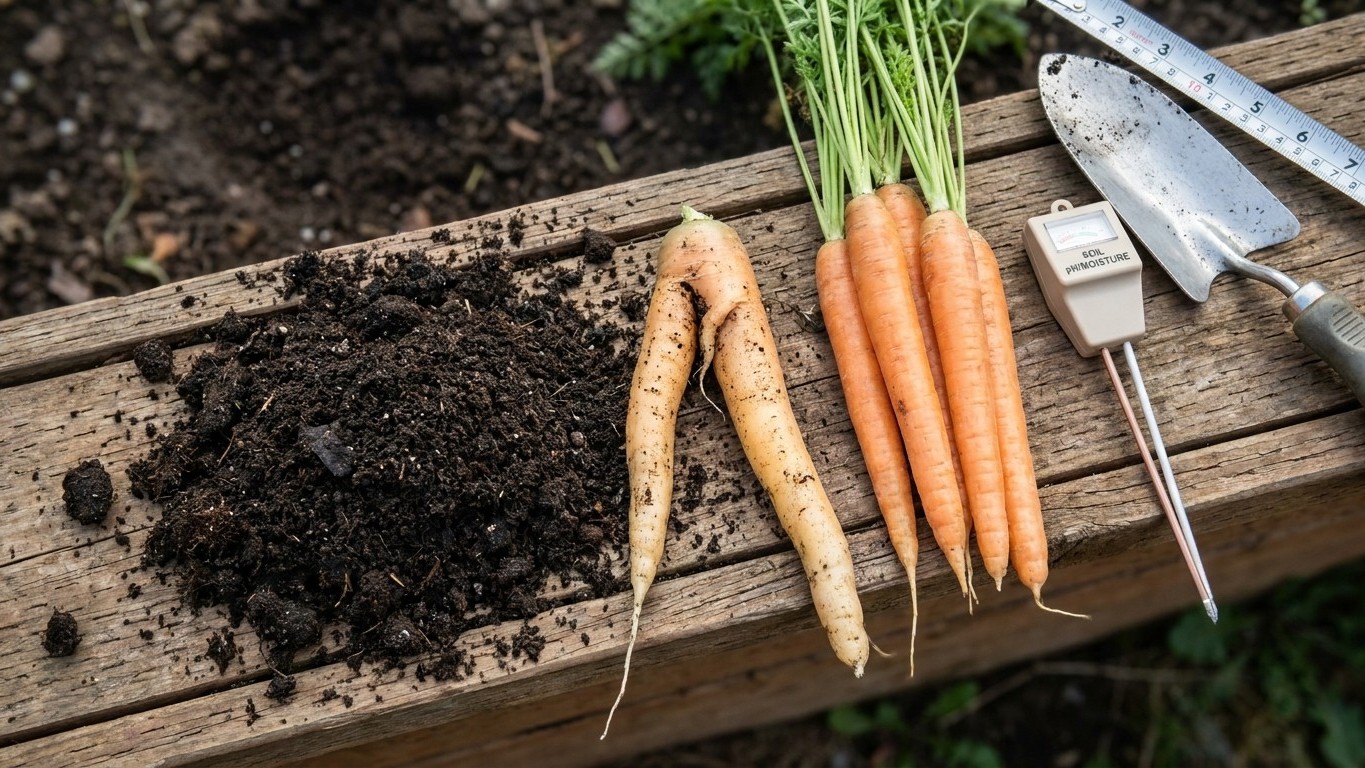
Alaska’s cold, acidic, poorly drained ground is not carrot-friendly by default, and the state’s signature soil actively encourages forked roots.
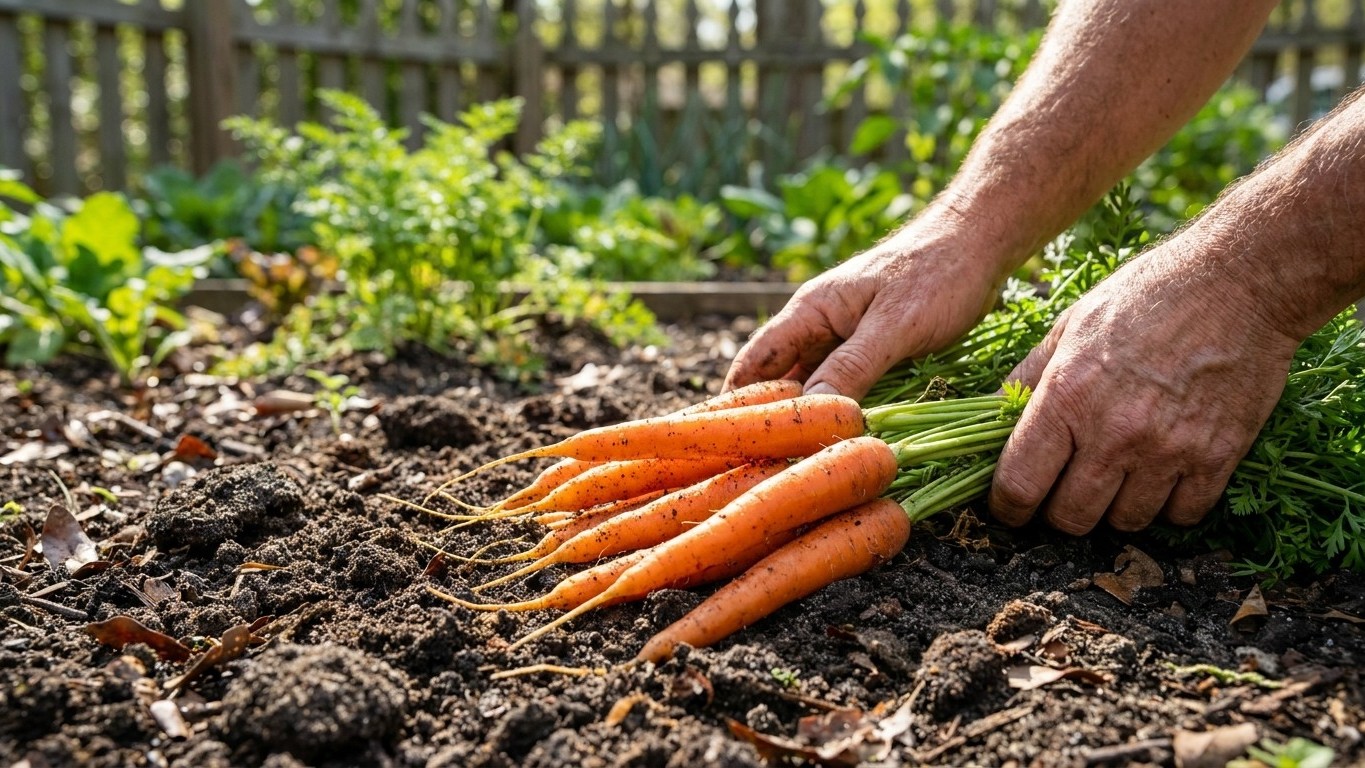
Alabama’s official state soil, the Bama series, is sandy and well drained but strongly acid and low in organic matter.
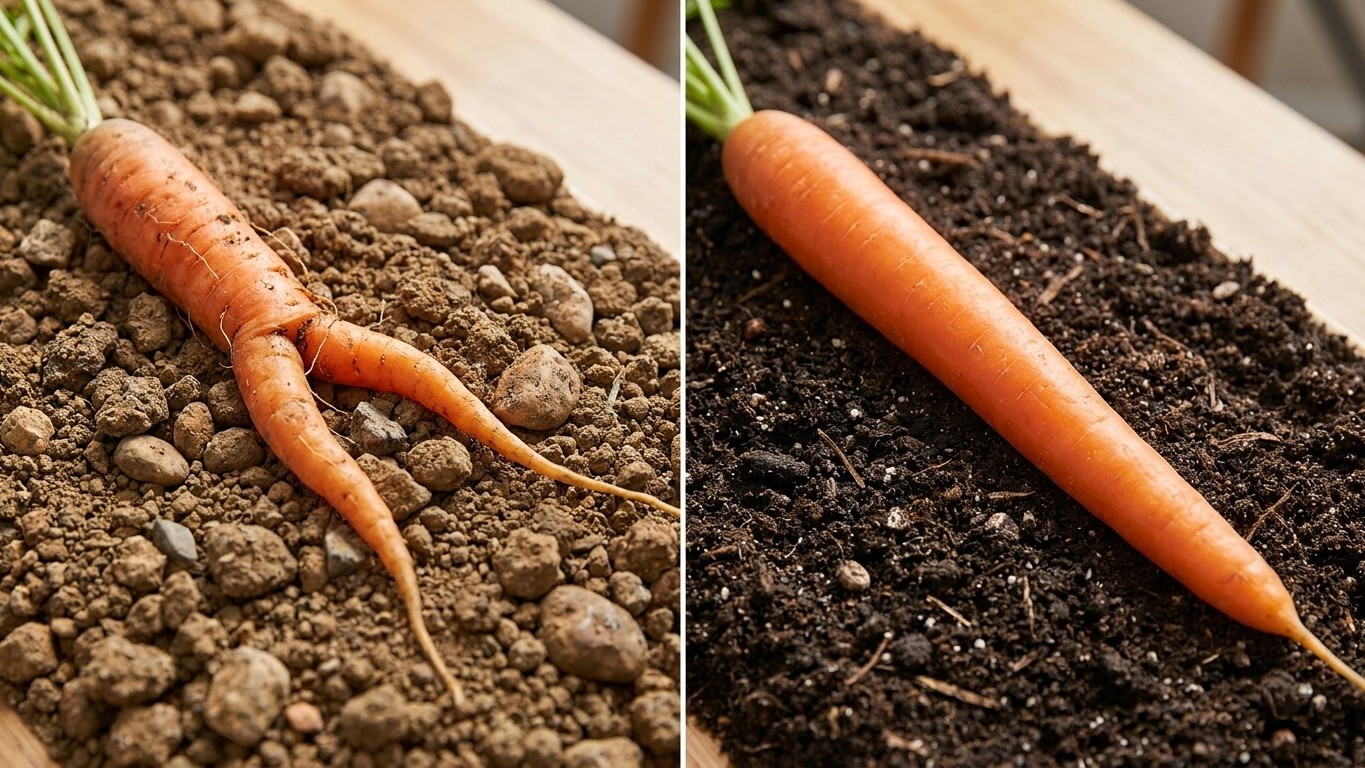
Carrots grown in heavy, rocky, or shallow soil come out forked, stunted, or twisted around whatever they hit underground.
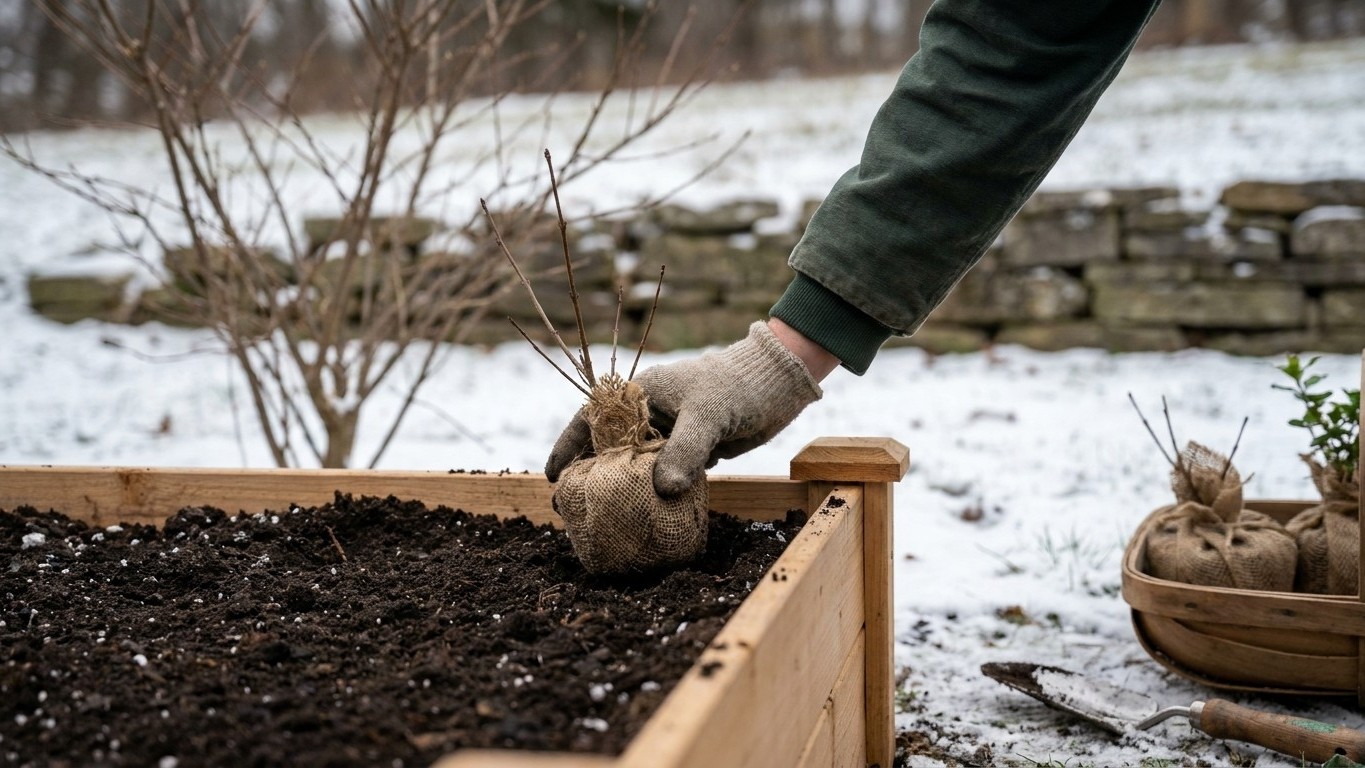
December in Nunavut is not a planting month. The ground is frozen solid, most communities sit in or near polar night, and there is no open-ground…
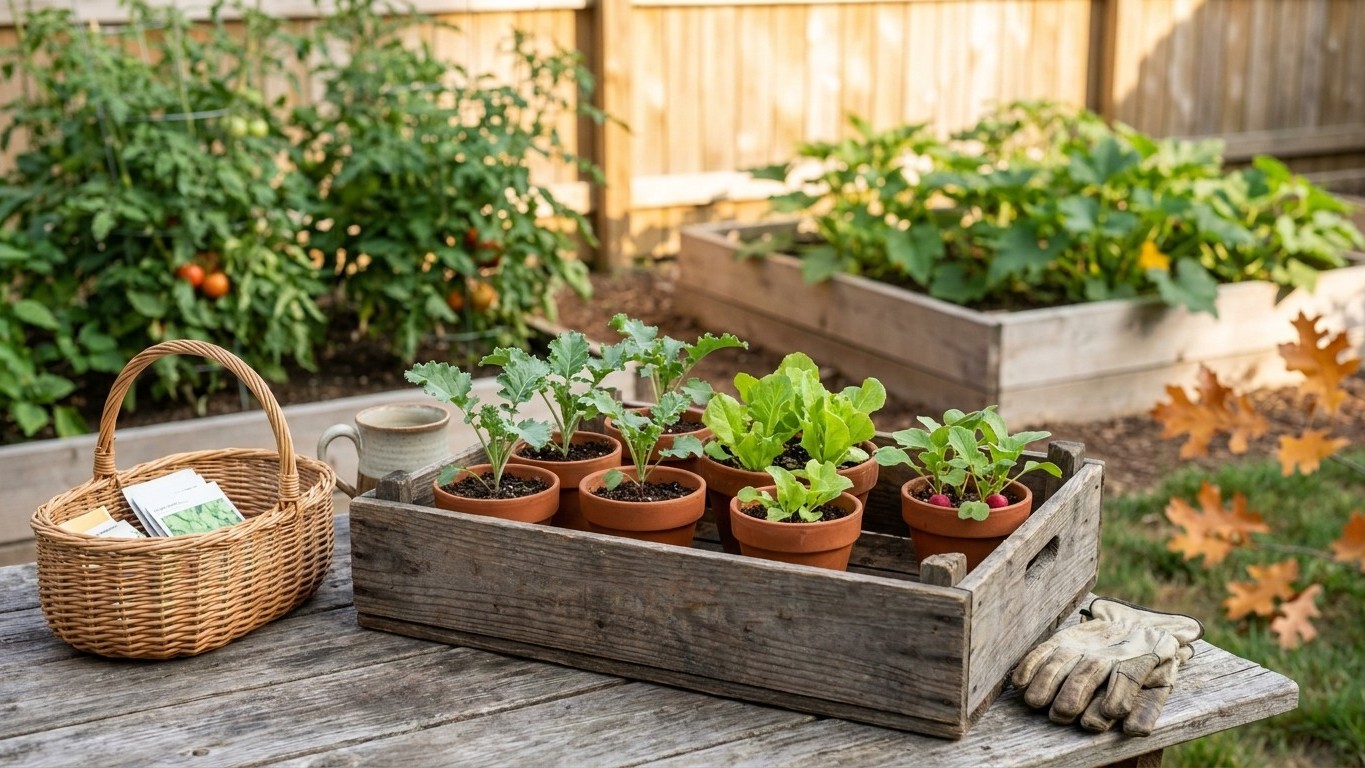
In Nunavut, August falls inside the territory’s brief frost-free stretch, but only just: the average last spring frost lands around June 19 and the…