Garlic Varieties That Suit Wisconsin Winters
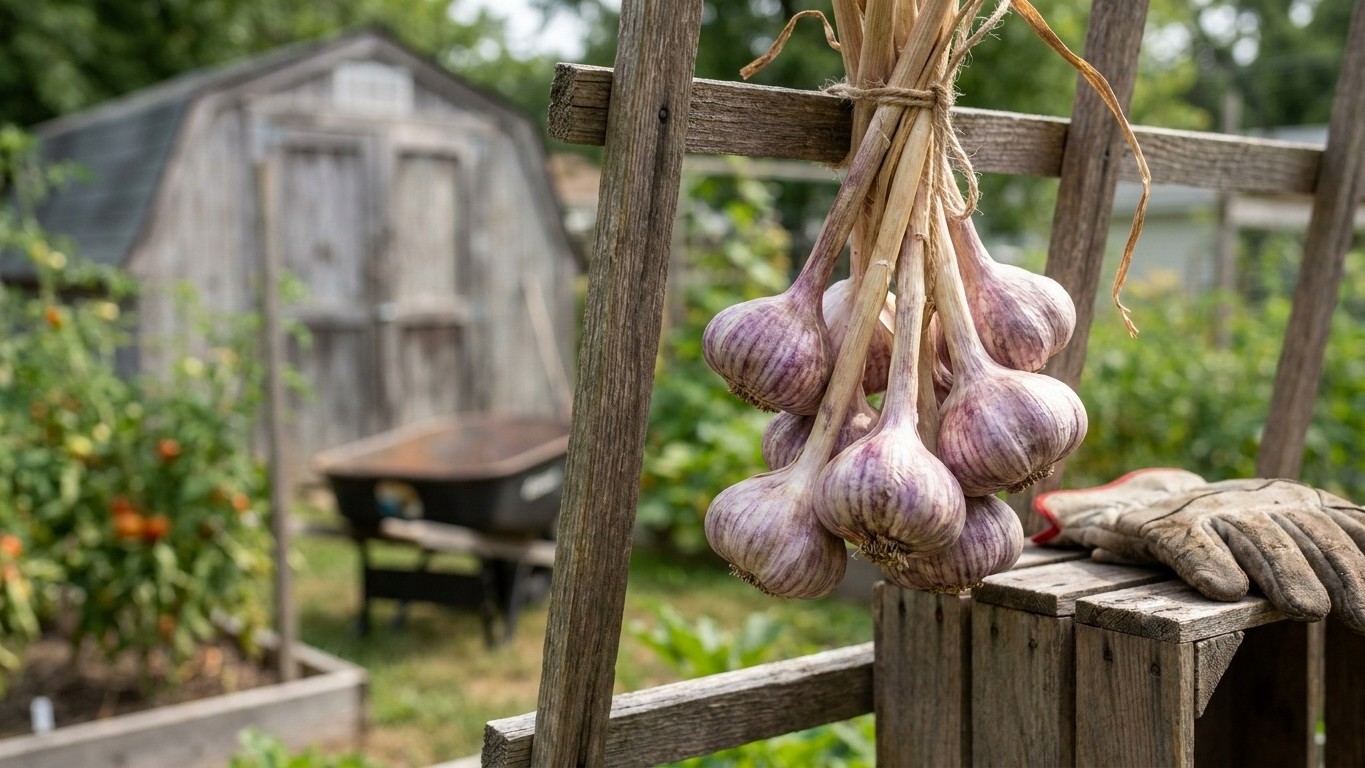
Wisconsin’s winters provide plenty of cold for garlic to form cloves, so hardneck and softneck varieties both work if planted on schedule.
Home & garden, state by state
Wisconsin’s winters provide plenty of cold for garlic to form cloves, so hardneck and softneck varieties both work if planted on schedule.
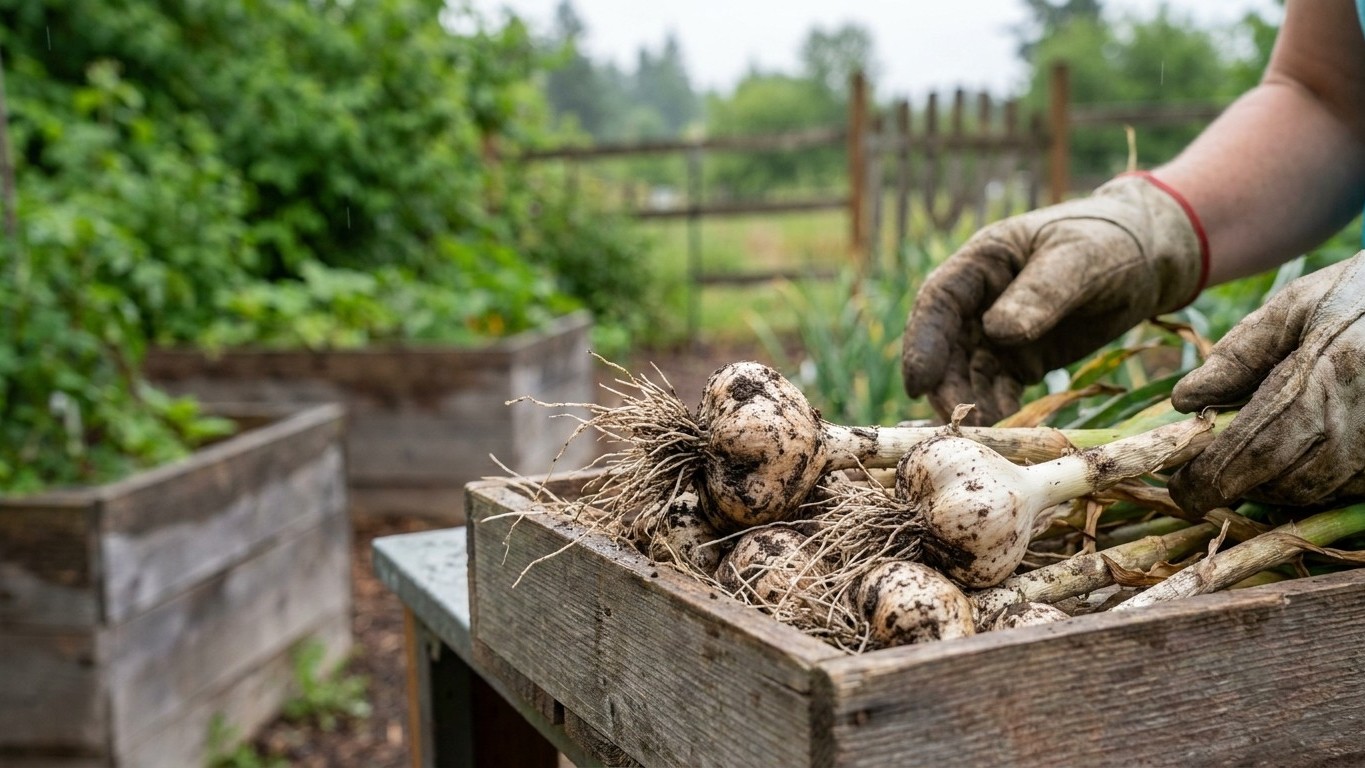
Washington growers plant garlic in fall using NOAA’s Seattle frost window and WSU Extension’s county data, choosing softneck or hardneck cultivars suited to the state’s winters.
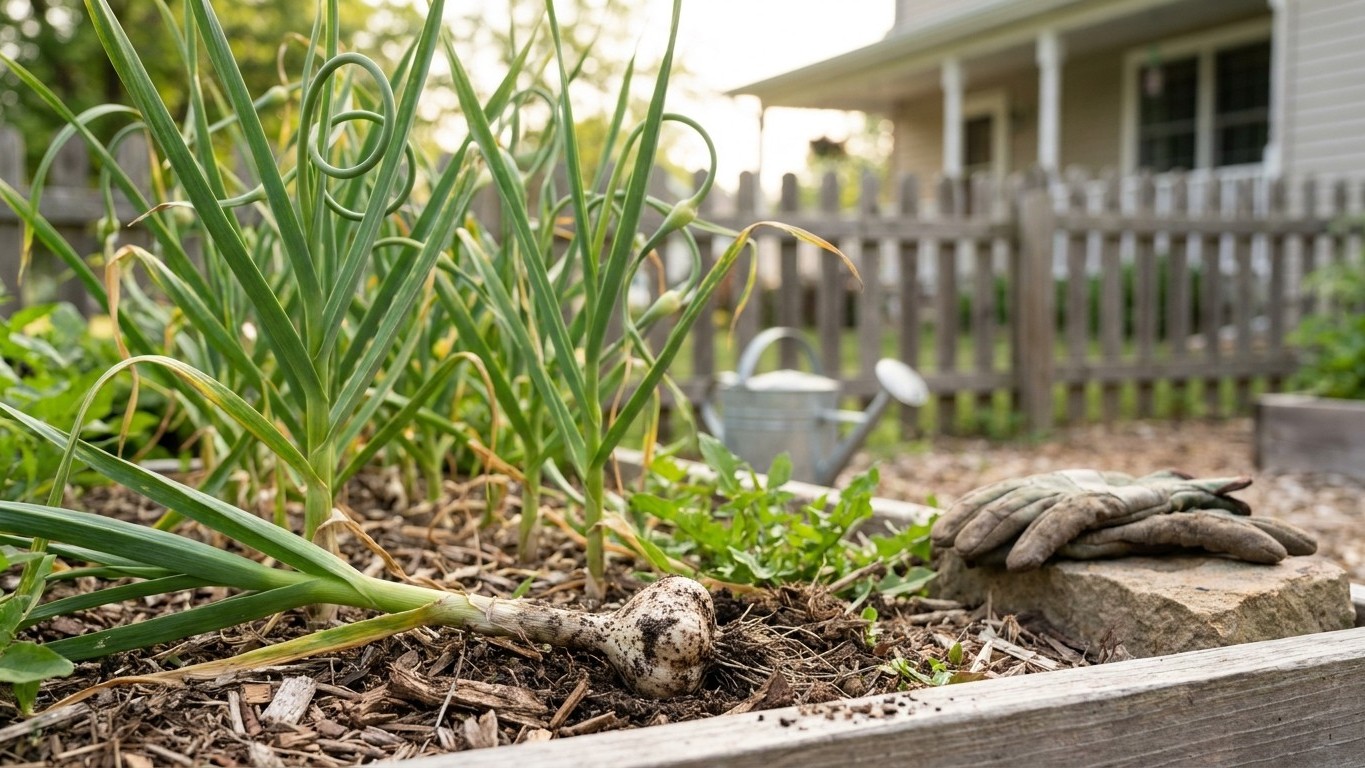
Wisconsin garlic goes in from late September to early October, timed against Milwaukee’s NOAA frost data, with adjustments for lakeshore and northern counties.
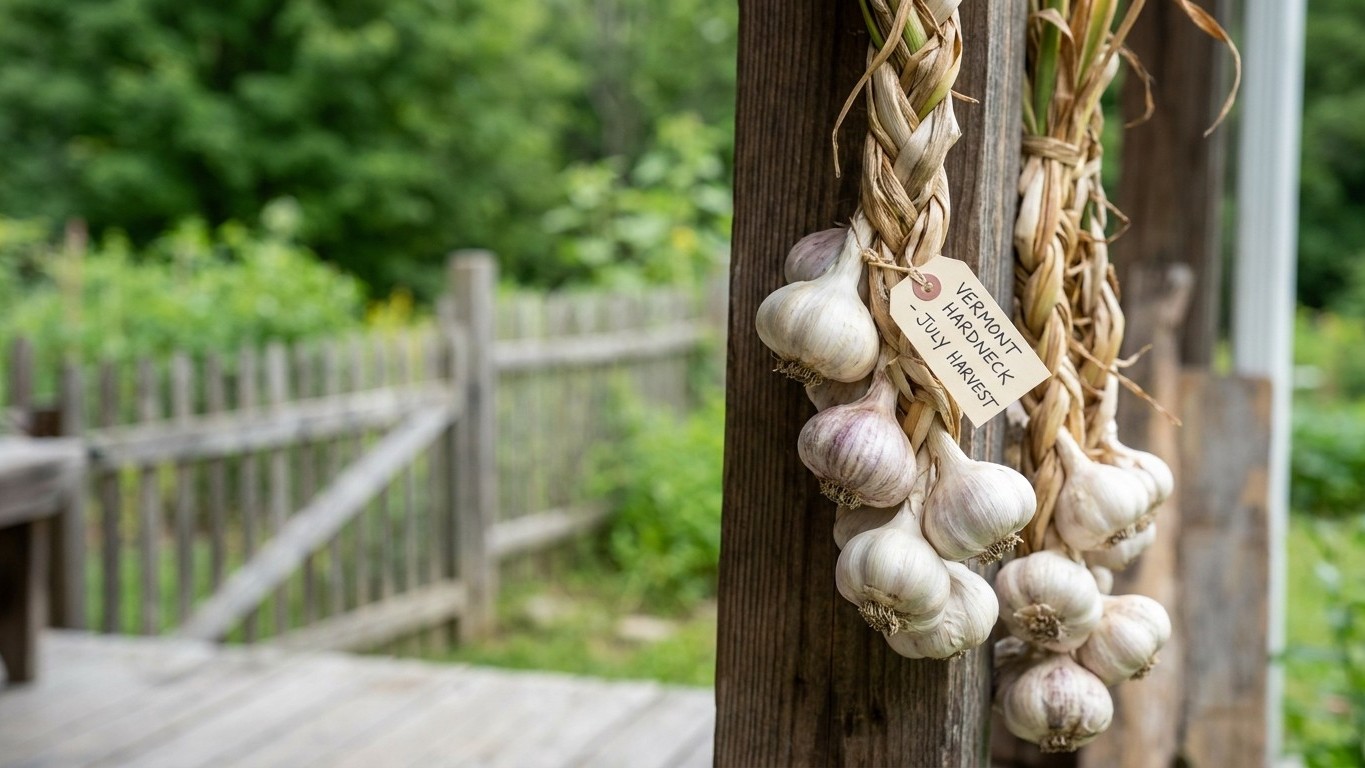
NOAA frost data for Burlington and a full list of hardneck and softneck garlic varieties show which ones suit Vermont’s cold winters and when to plant them.
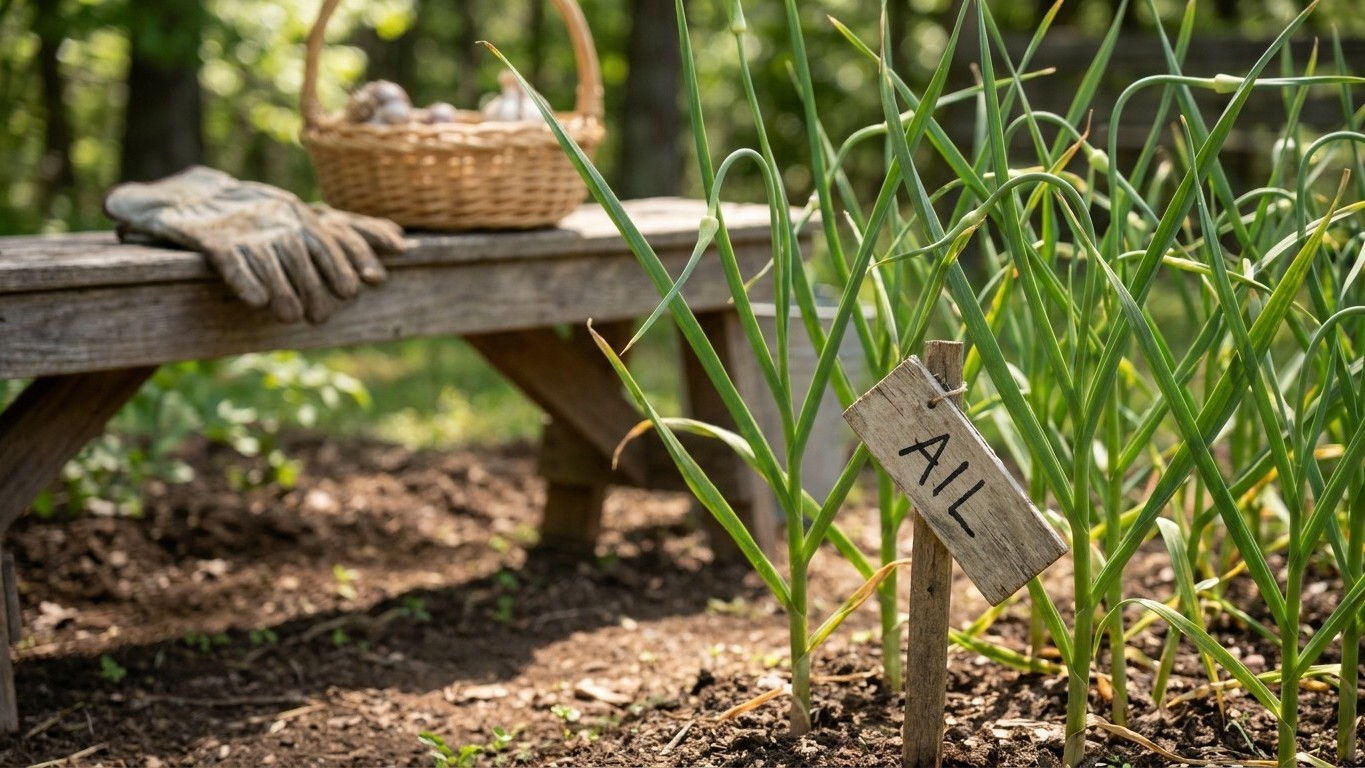
Virginia Cooperative Extension can refine the mid-October to early-November garlic planting window for your county, but this guide gives the statewide calculation and fourteen cultivar options.
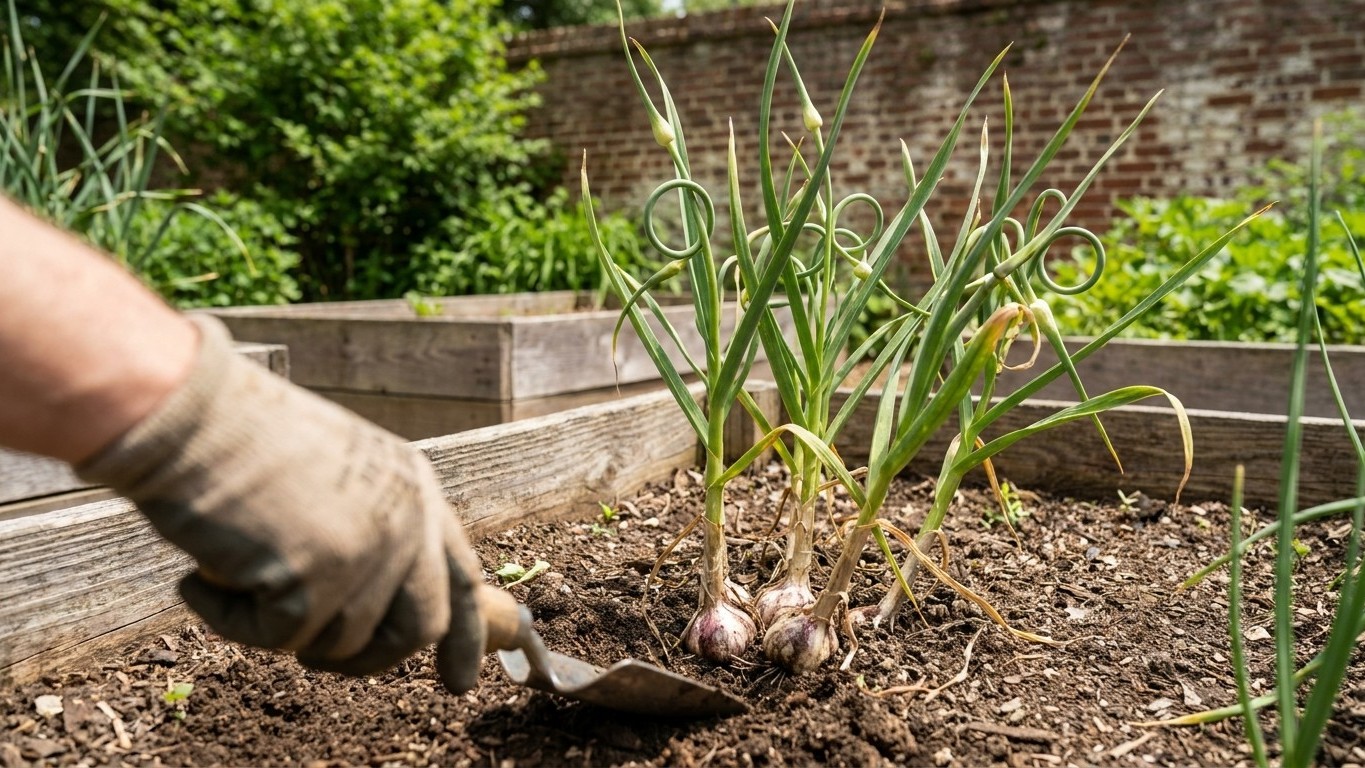
Virginia’s fall frost window runs November 10 to 24 near the coast, which sets the garlic planting range at mid October to early November.
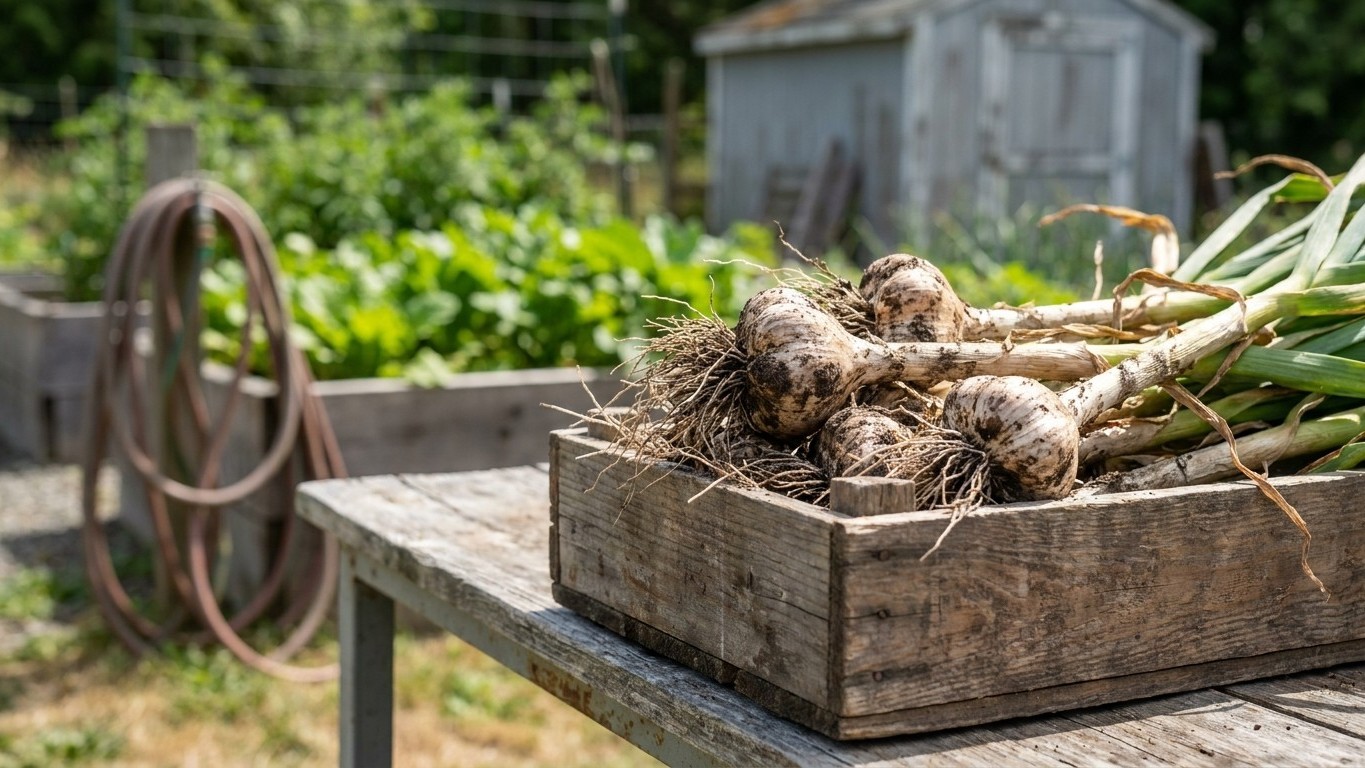
Washington garlic goes in the ground based on NOAA’s fall frost data for Seattle, with the calculation shown so any county can adjust the date.
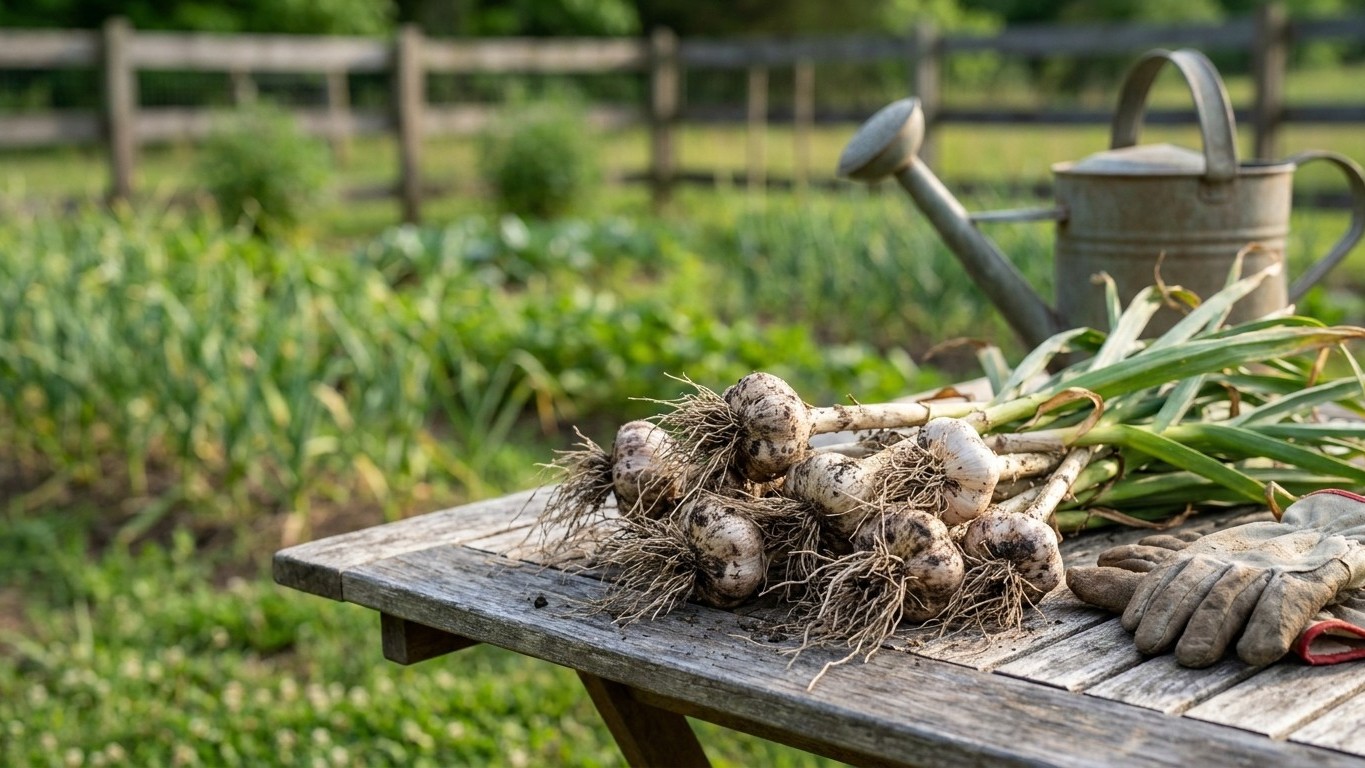
Tennessee’s long, cold winters suit almost any garlic variety, so this guide names the hardneck and softneck cultivars that fit the state’s fall planting window.
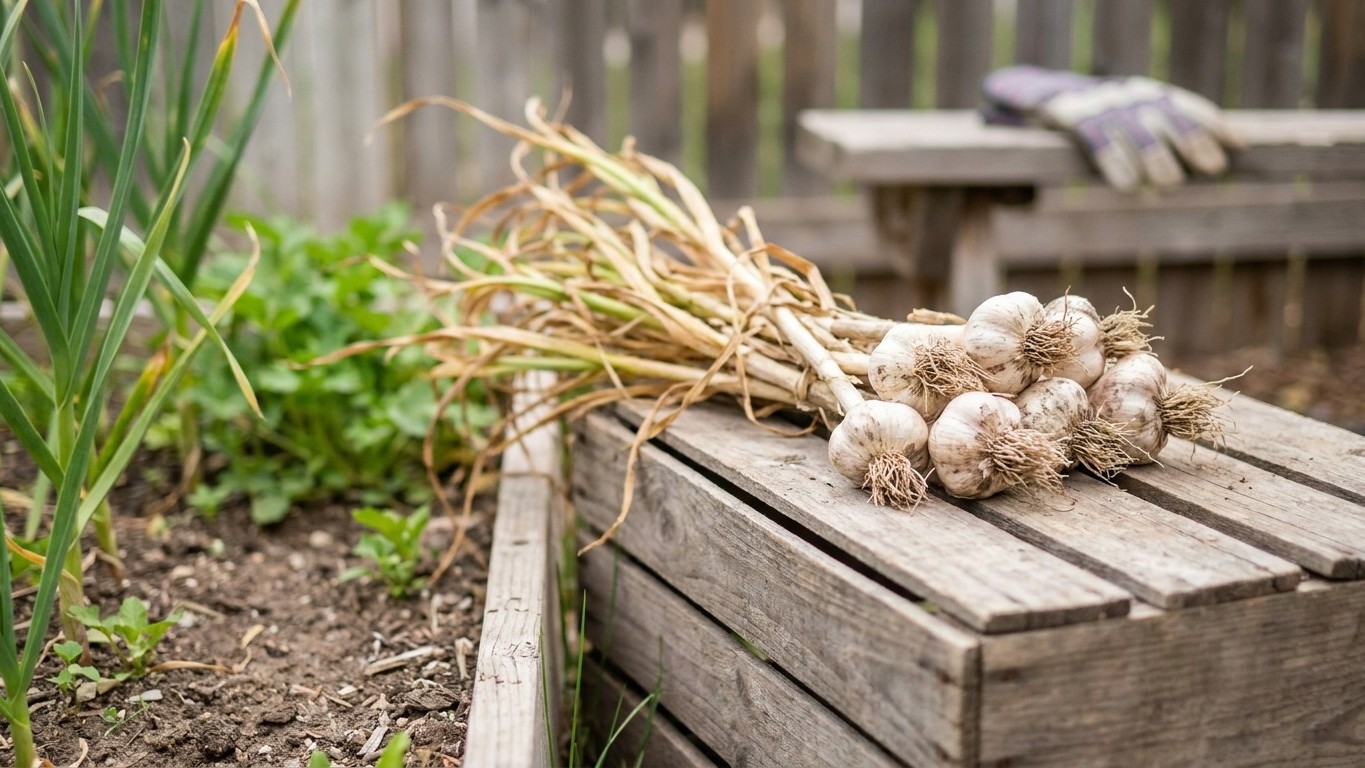
Utah’s garlic goes into the ground in late September to early October, timed against NOAA’s fall frost normals for Salt Lake City.
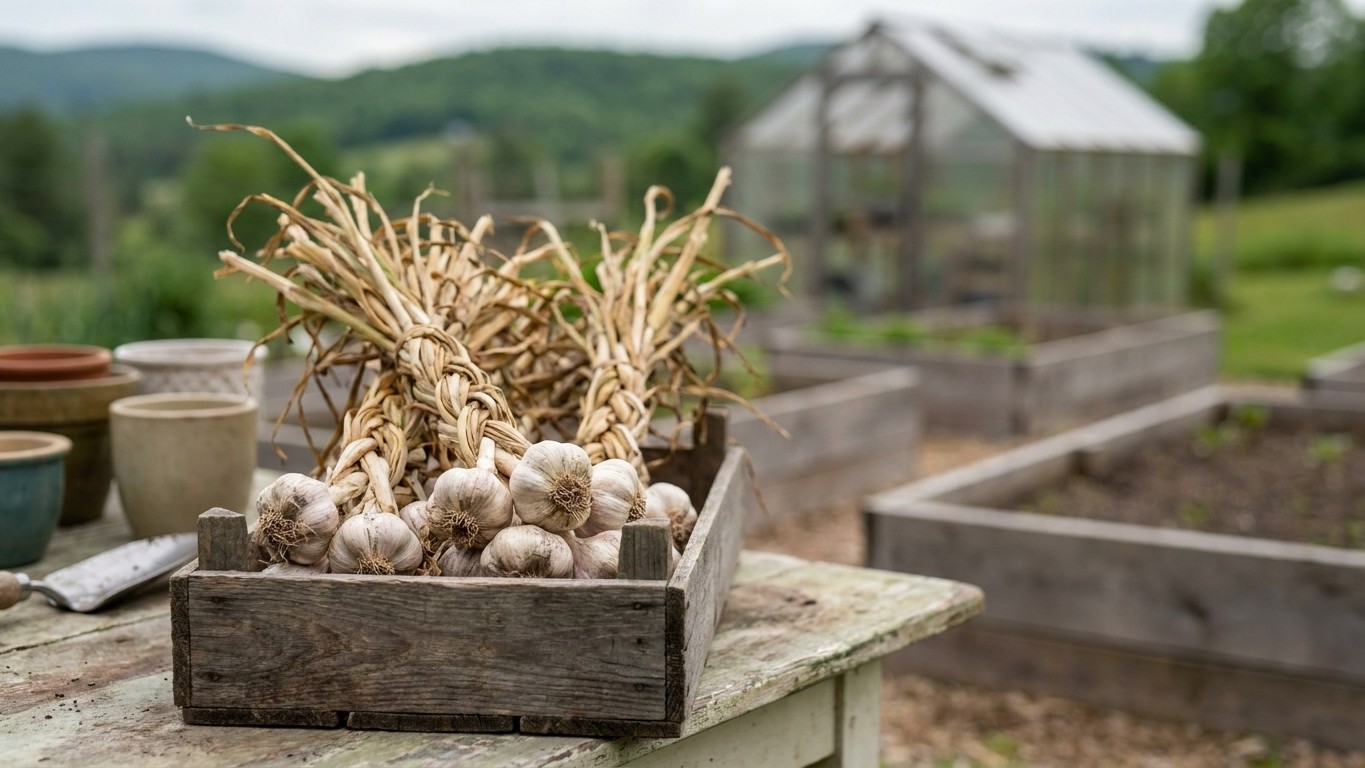
NOAA’s 1991-2020 climate normals set Burlington’s first fall frost at October 3 to 13, giving Vermont gardeners a mid to late September planting window for garlic.