Garlic Sprouting in Storage: What Went Wrong at Curing
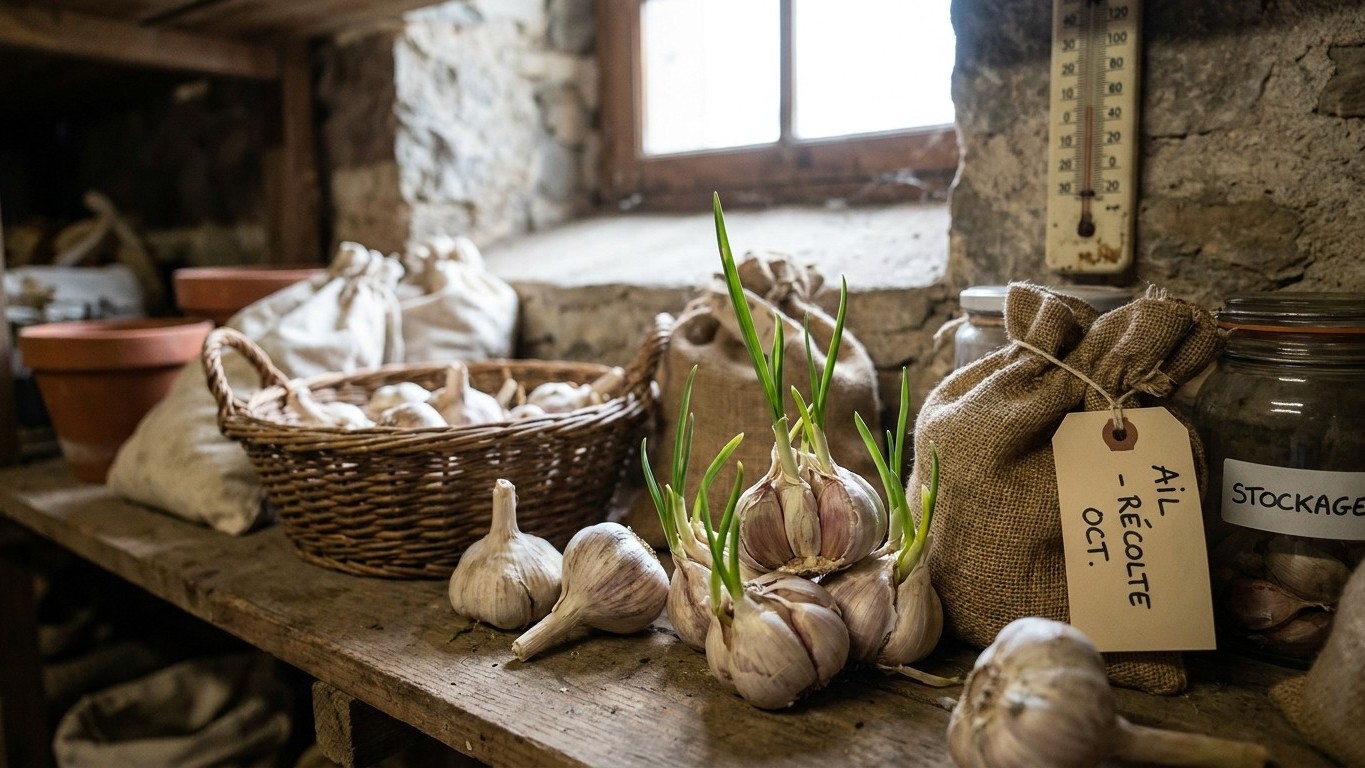
Explains why cured garlic bulbs sprout in storage, which conditions trigger it, what to do with sprouted bulbs, and how to store next year’s harvest properly.
Home & garden, state by state
Explains why cured garlic bulbs sprout in storage, which conditions trigger it, what to do with sprouted bulbs, and how to store next year’s harvest properly.
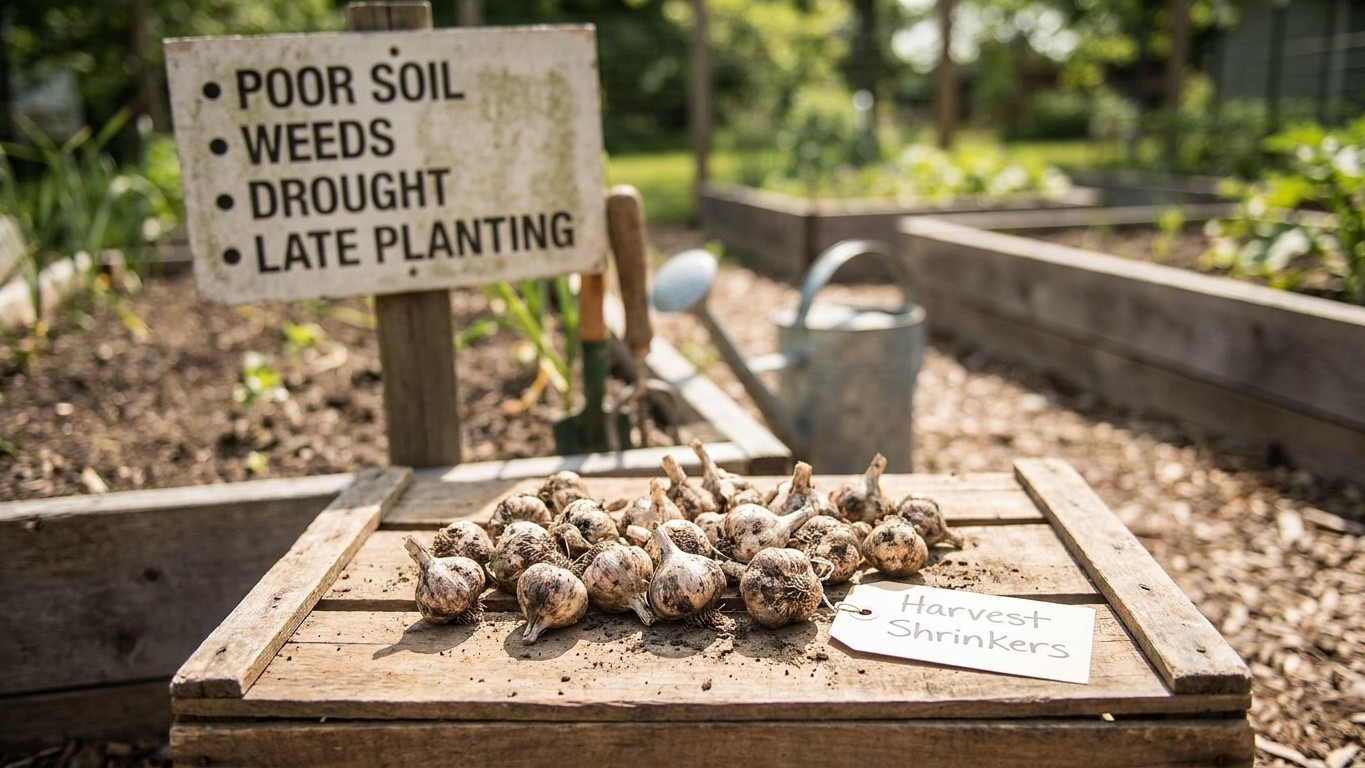
Small garlic bulbs almost always come from a decision made at planting or during winter, not from anything wrong at harvest time.
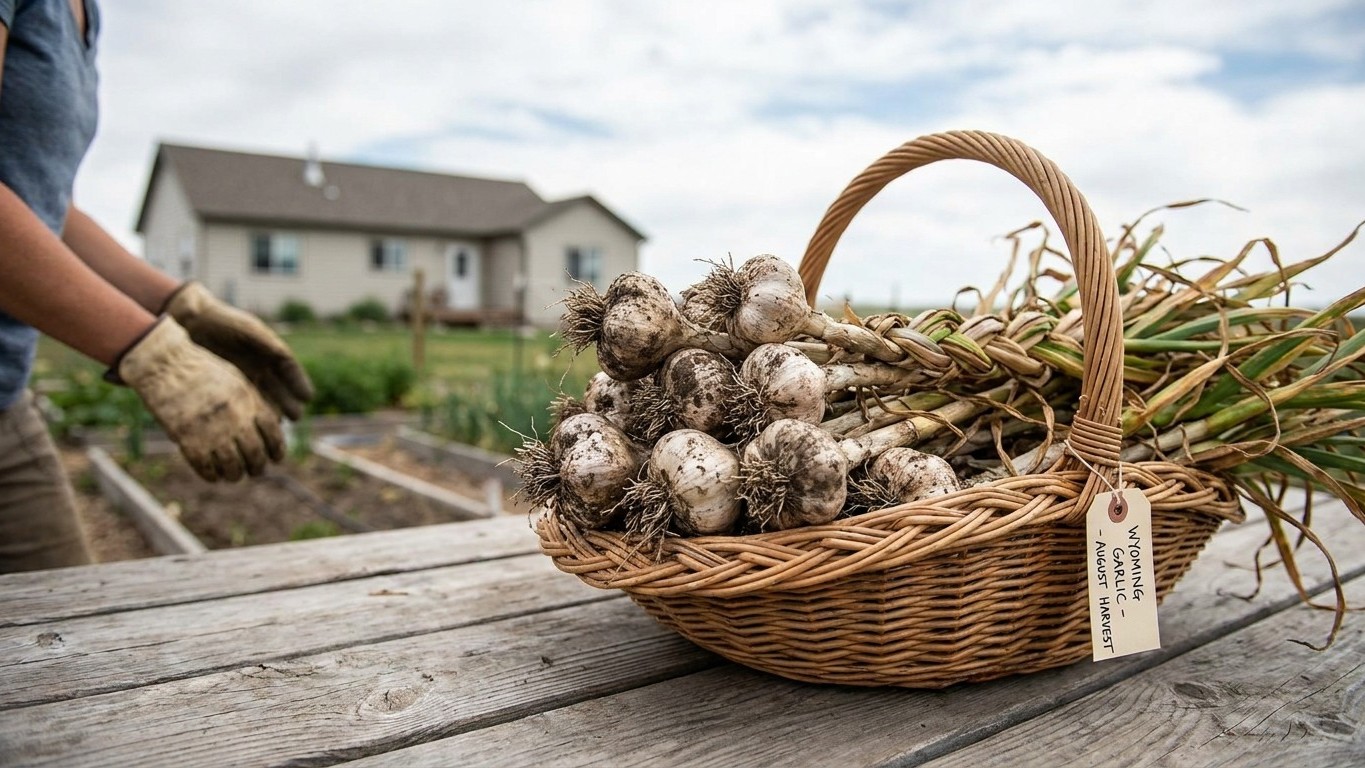
Wyoming garlic planting dates run early to mid-September, calculated from NOAA’s Cheyenne frost data and adjusted for elevation.
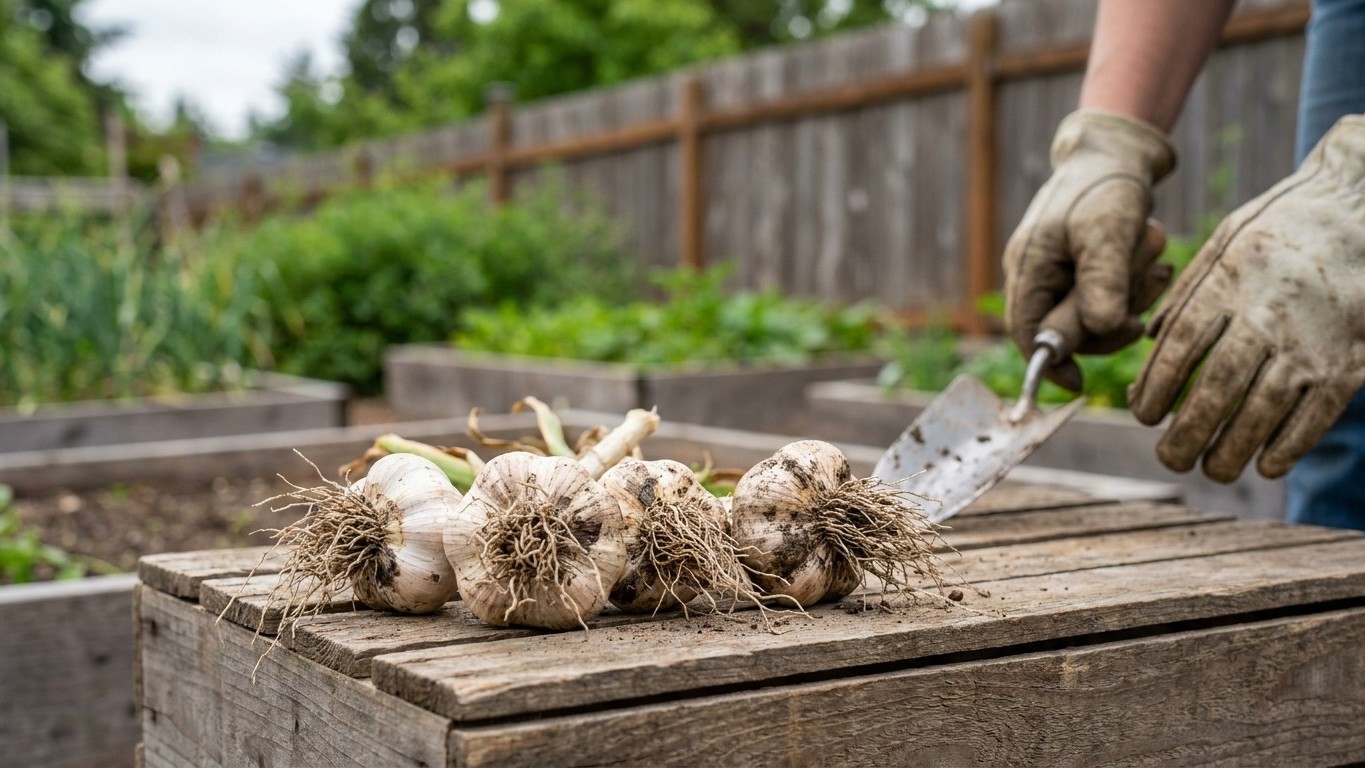
Oregon garlic goes in late October to early November, timed against Portland’s NOAA frost data, with cold winters more than enough to split cloves properly.
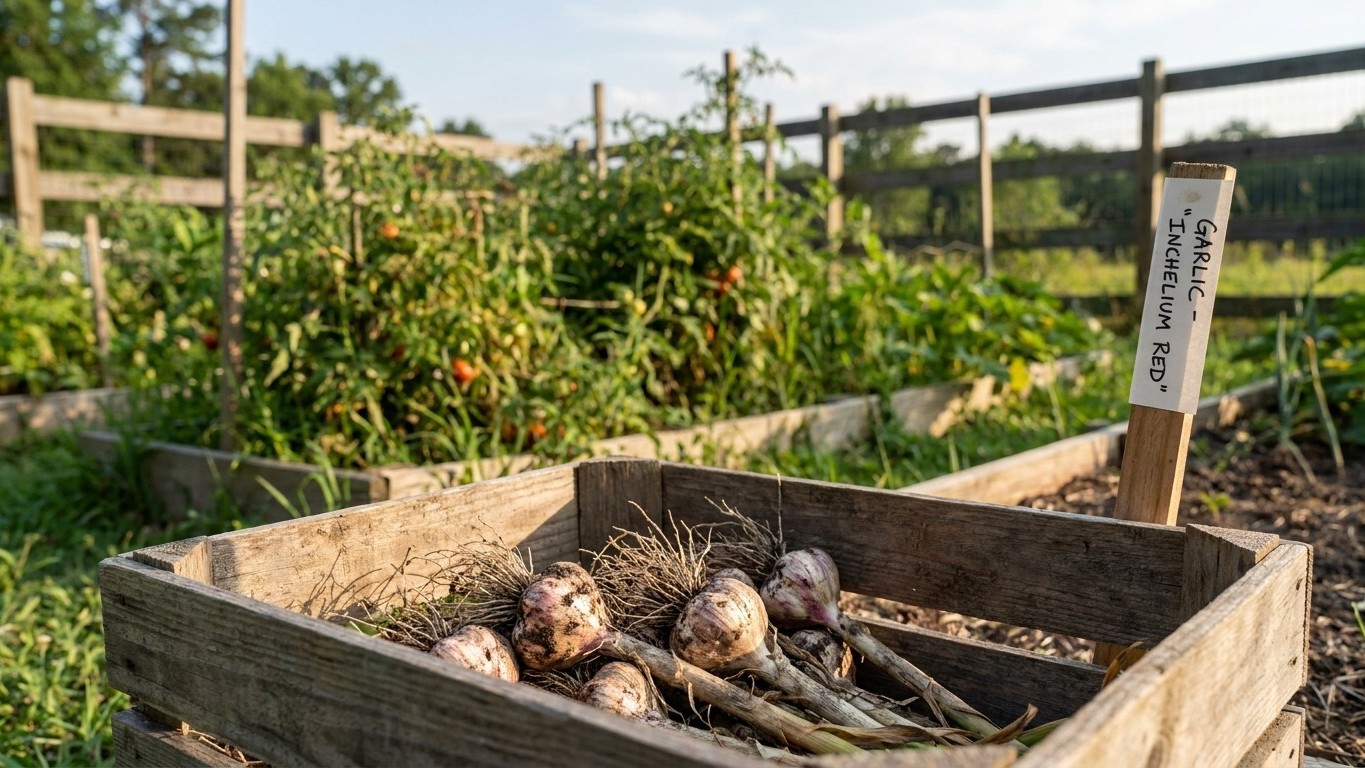
South Carolina’s winters rarely provide enough sustained cold for hardneck garlic, so softneck varieties like Inchelium Red and Lorz Italian are the more dependable choice statewide.
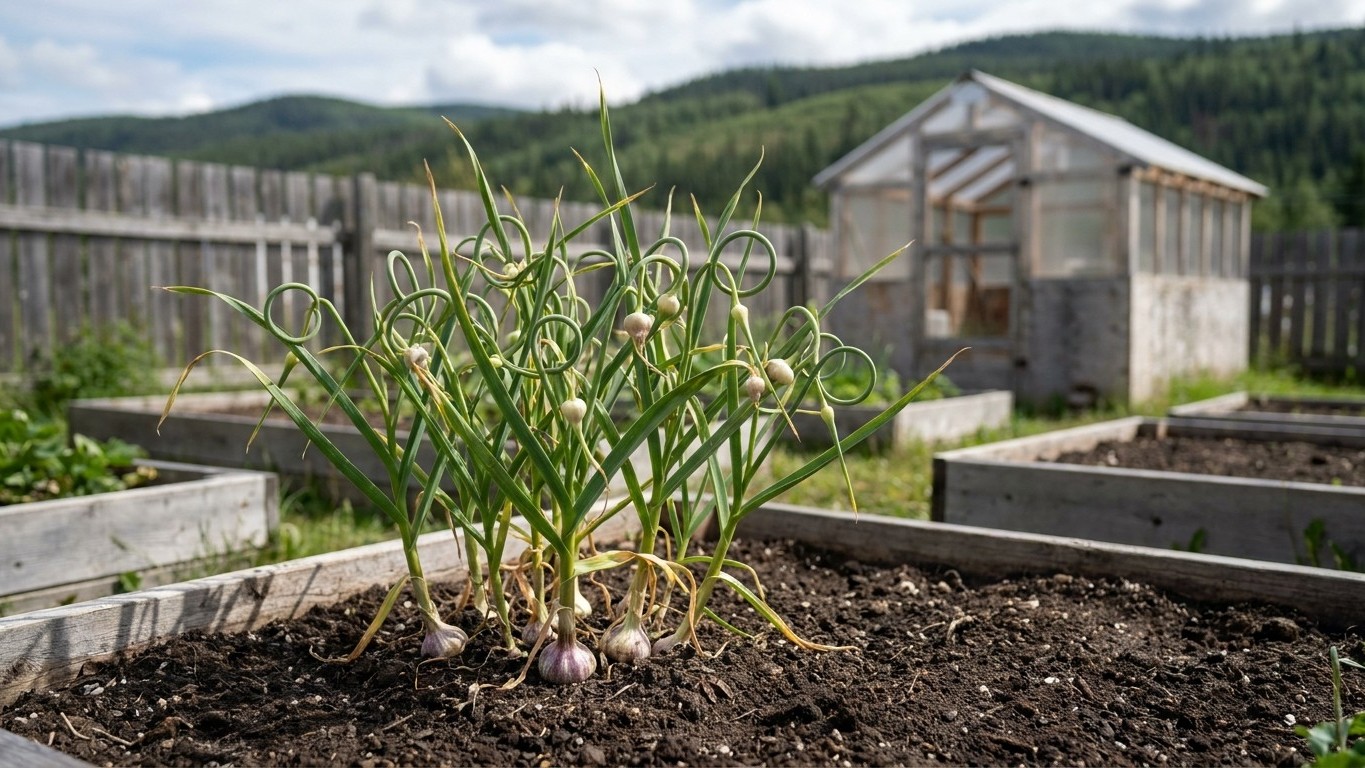
Environment Canada’s Whitehorse normals put the average first fall frost at August 25, but garlic goes in early August to root before the ground cools.
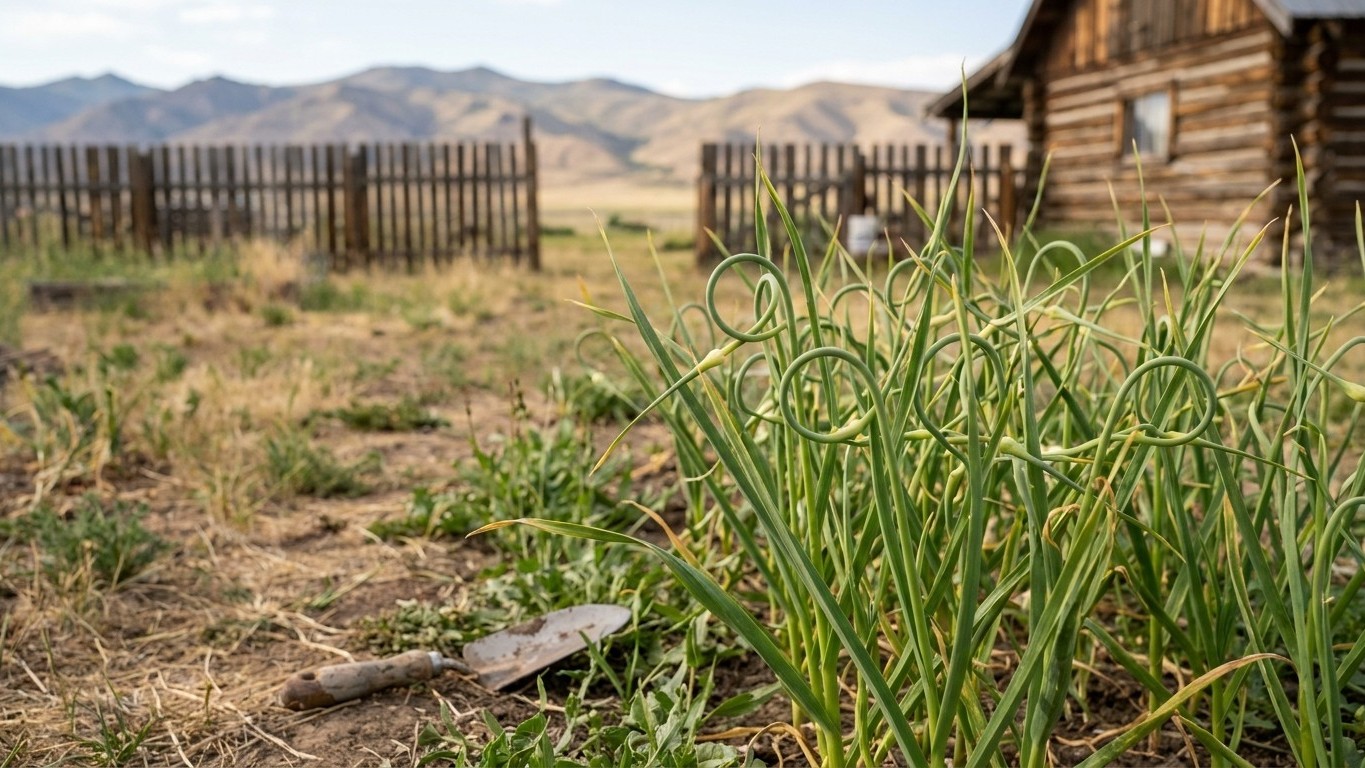
Wyoming’s winter cold comfortably exceeds what garlic needs to clove, making hardneck varieties the reliable choice, with softnecks workable in milder pockets.
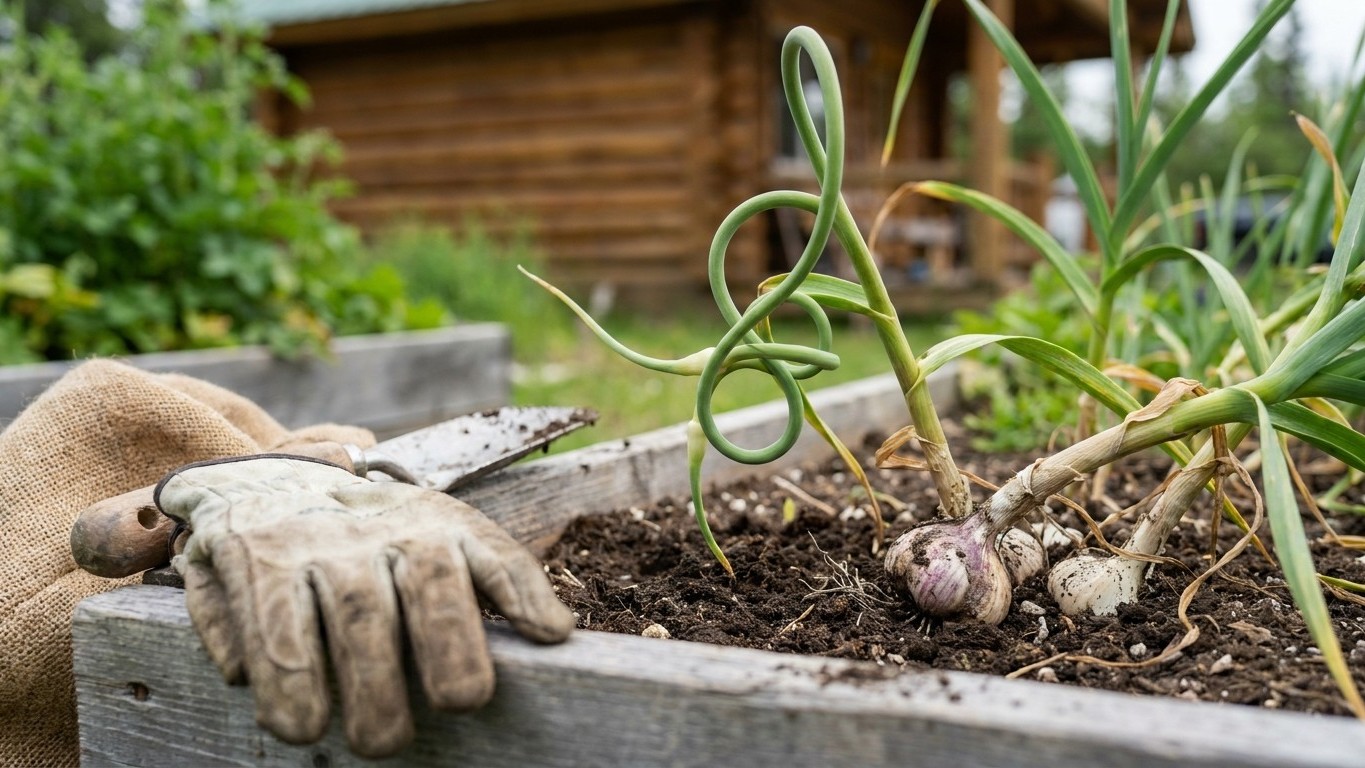
Yukon’s long, cold winters suit almost any garlic cultivar. The real decision is which one to plant, and when, before Whitehorse’s mean frost date.
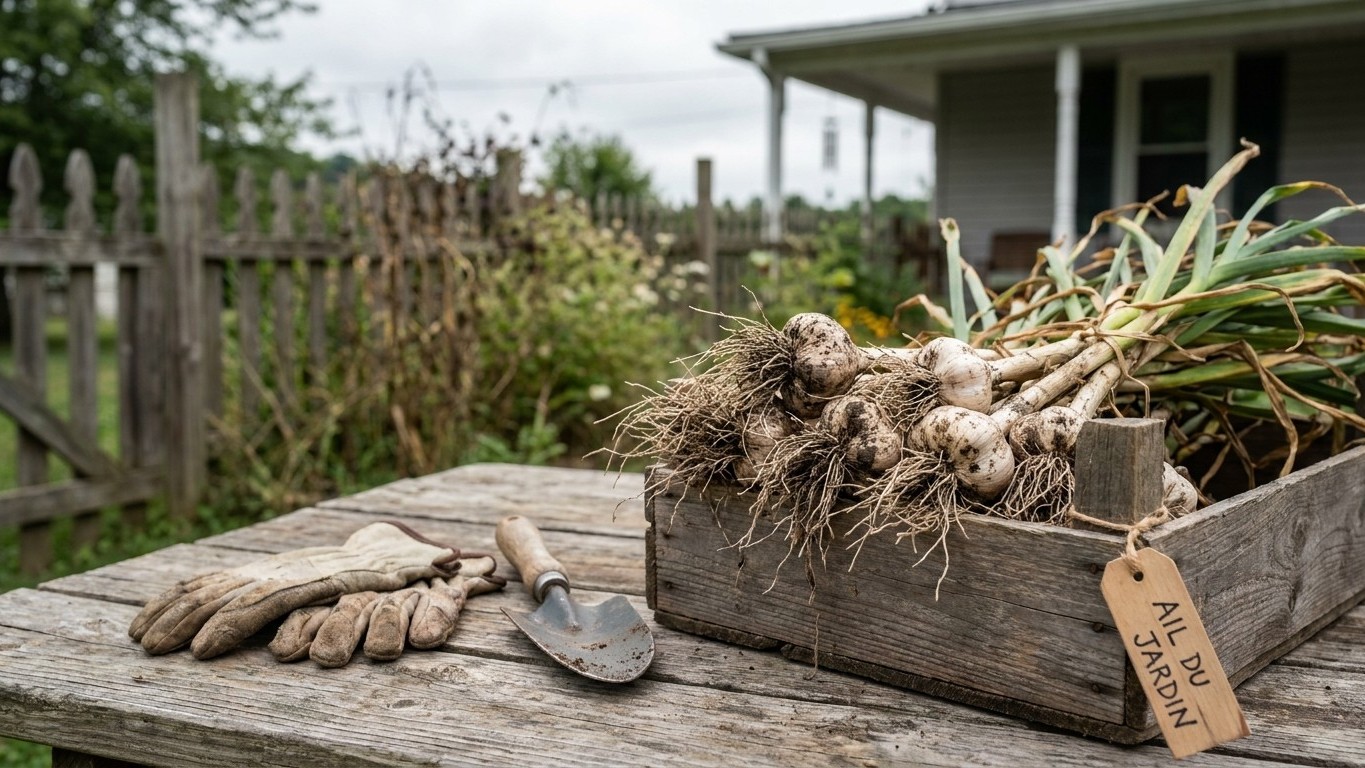
West Virginia’s fall frost window and winter cold set the planting date and decide which garlic types, hardneck or softneck, perform best in your county.
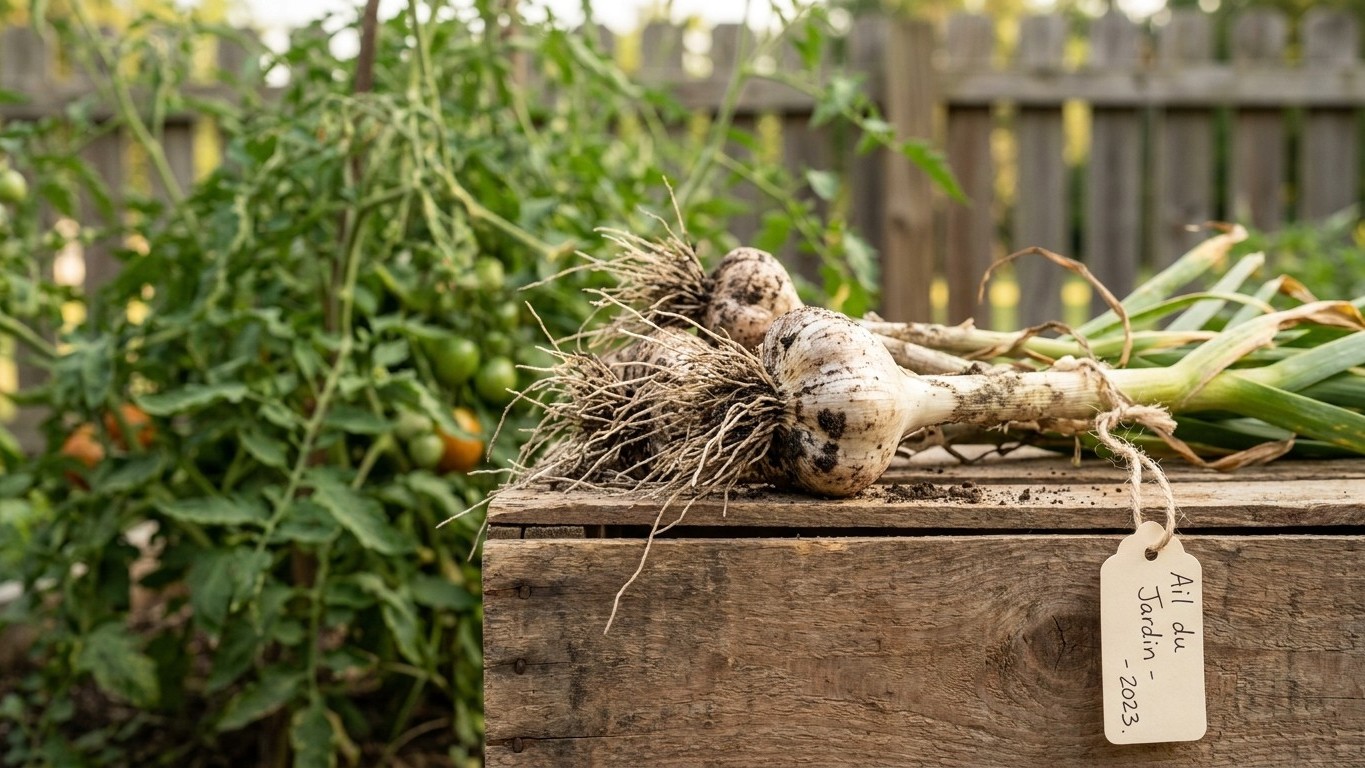
West Virginia’s garlic planting window runs late September to mid-October, calculated from NOAA’s Charleston-area first frost normals of October 18 to November 1.