Curing Garlic: The Weeks That Decide How Long It Keeps
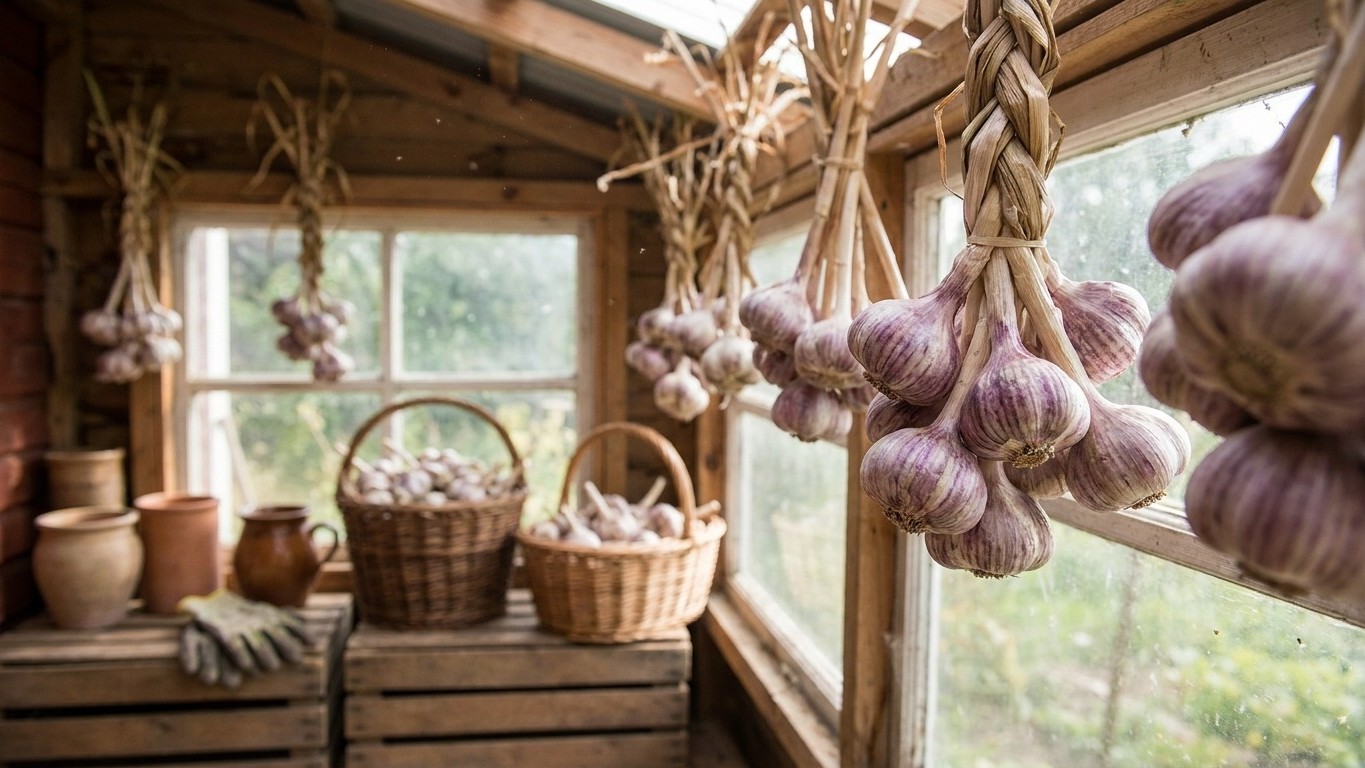
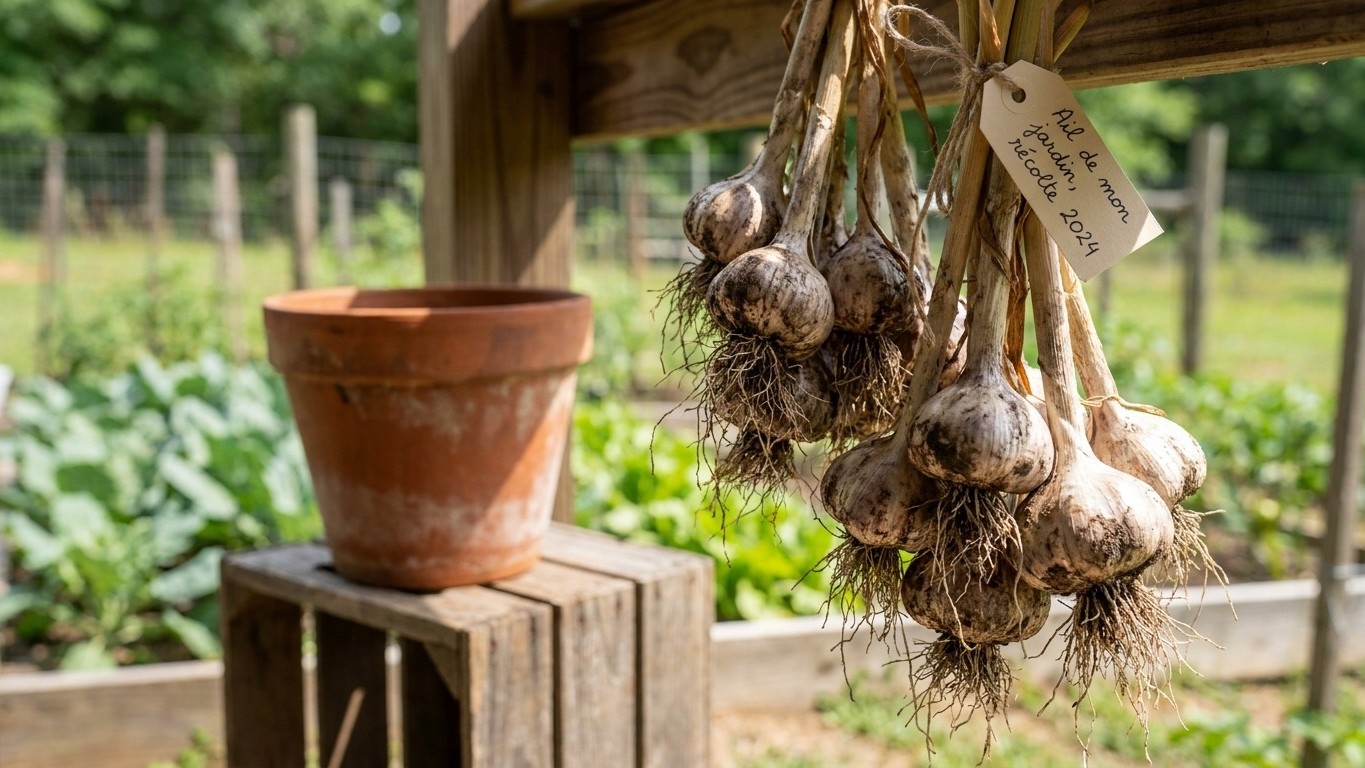
Curing turns freshly pulled garlic bulbs into long-keepers by drying the wrappers and neck in shade with airflow, a process that takes several weeks.
Home & garden, state by state
Curing turns freshly pulled garlic bulbs into long-keepers by drying the wrappers and neck in shade with airflow, a process that takes several weeks.
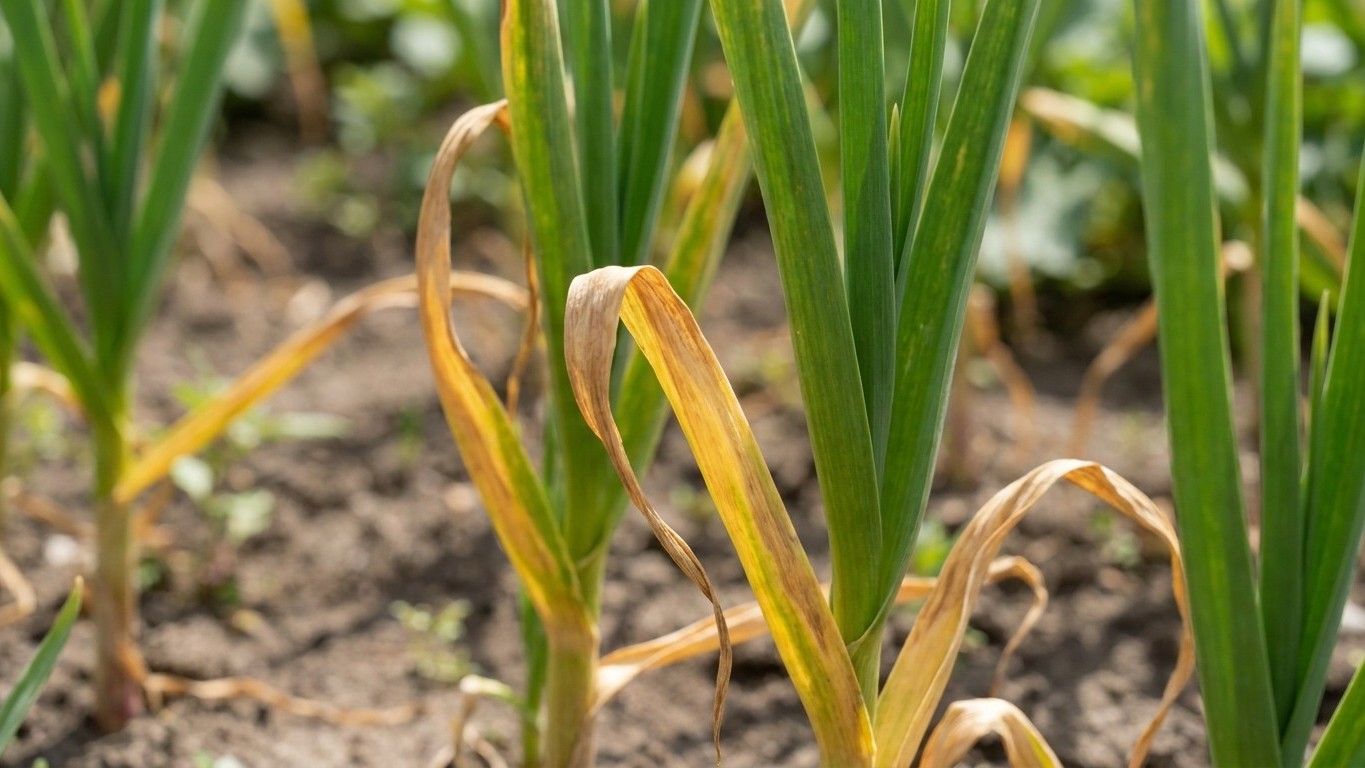
Explains the leaf-color stage and simple test-dig check that tell you when garlic bulbs are actually ready to pull, before they split or rot underground.
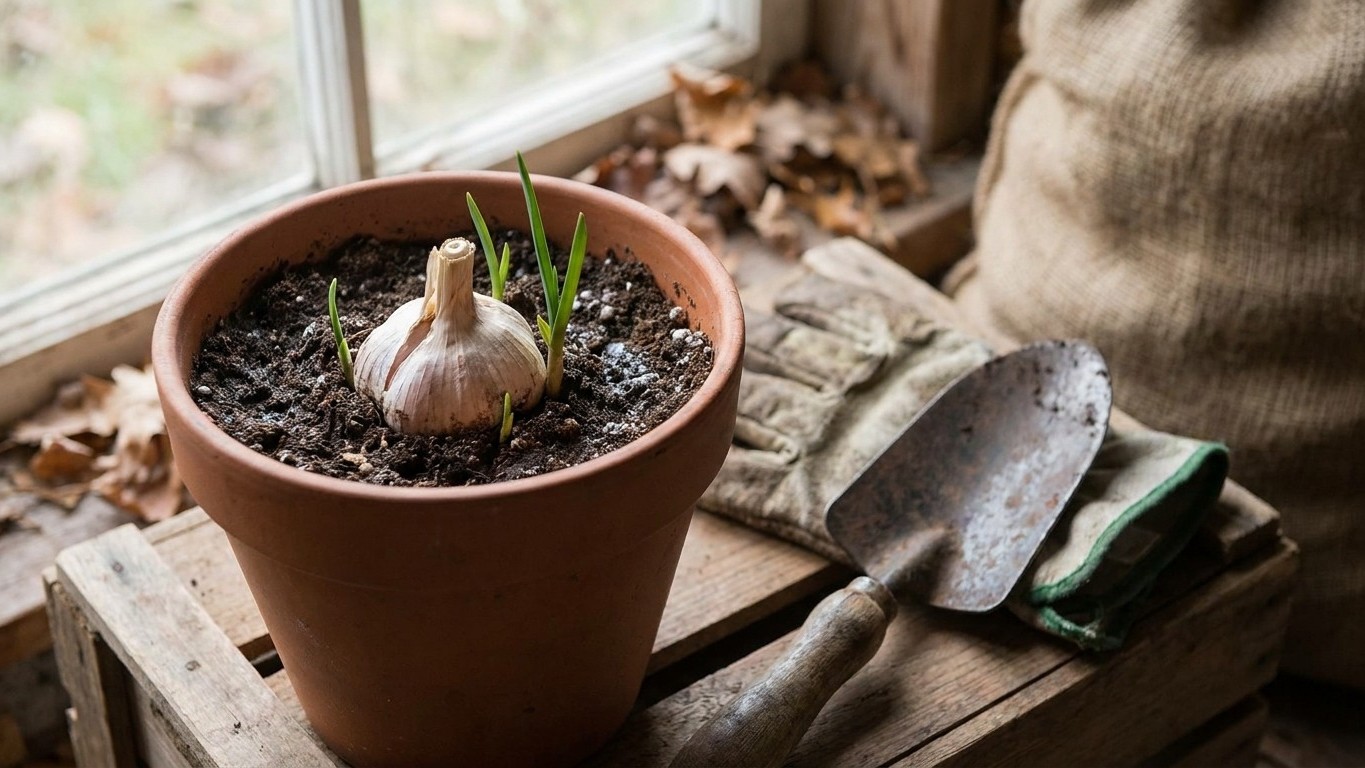
Garlic needs a sustained period of cold to divide into cloves, and without it the plant grows normally but produces one undivided bulb instead.
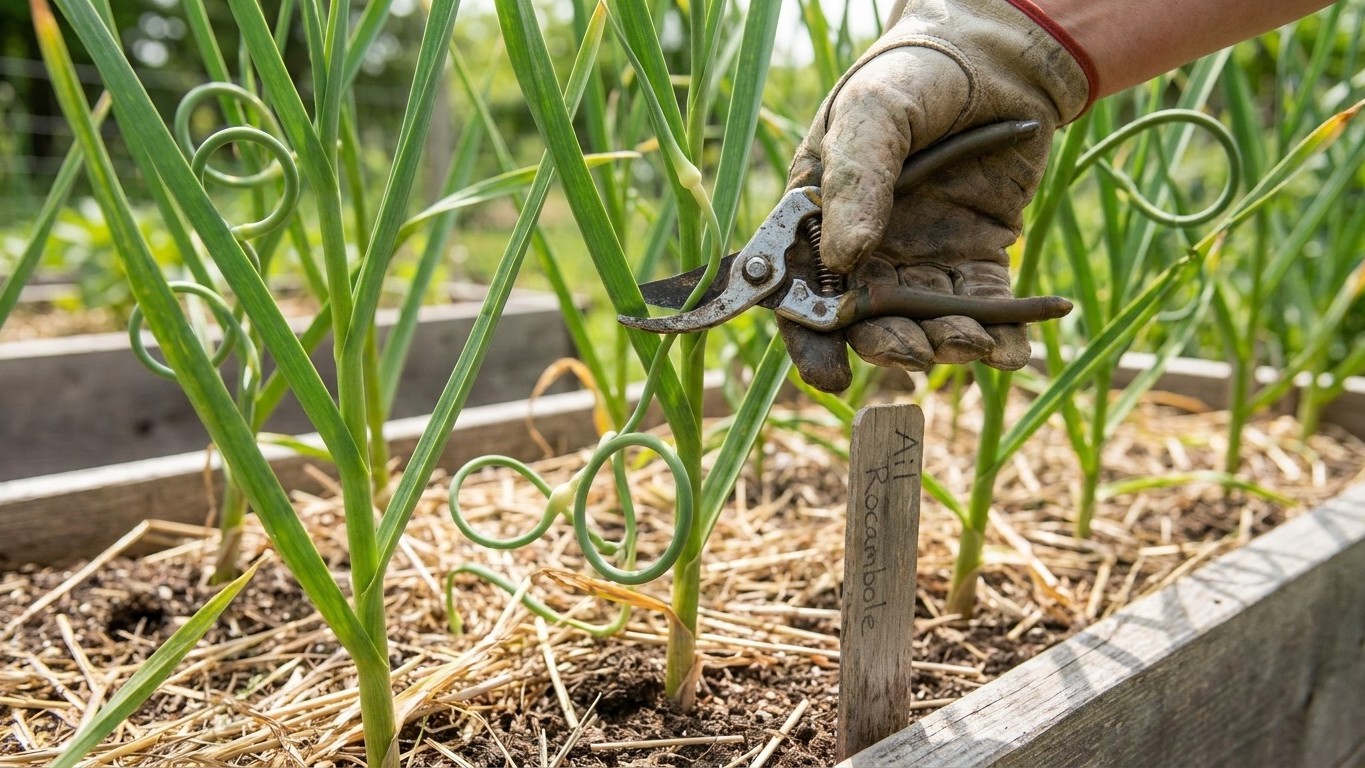
Garlic scapes need cutting at the one-curl stage to push the plant’s energy back into the bulb instead of a flower stalk.
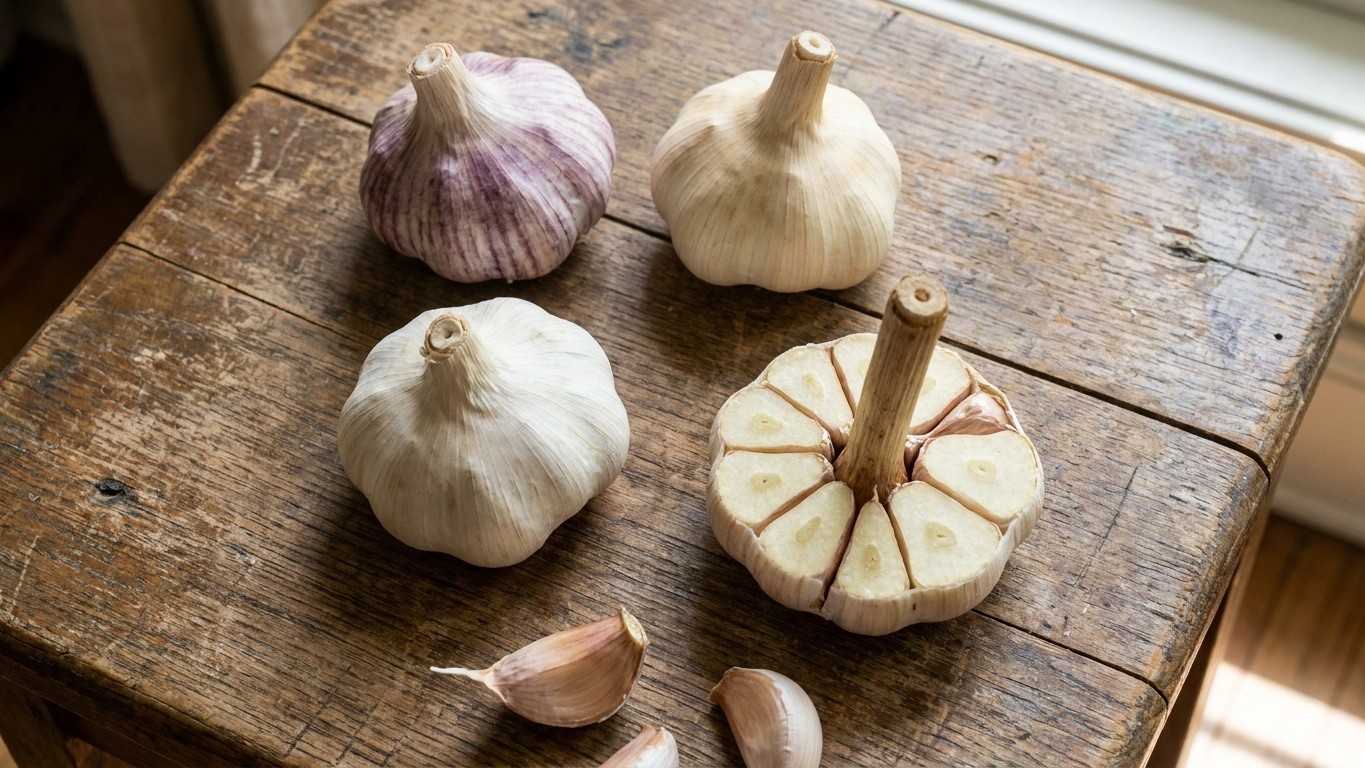
If you’re standing in your garden right now turning a bulb over in your hand, the short answer is this: grow a hardneck if your winters bite hard and you want big, easy-to-peel cloves with real character, and grow a softneck if you want a braid on the wall and cloves that keep until next … Read more
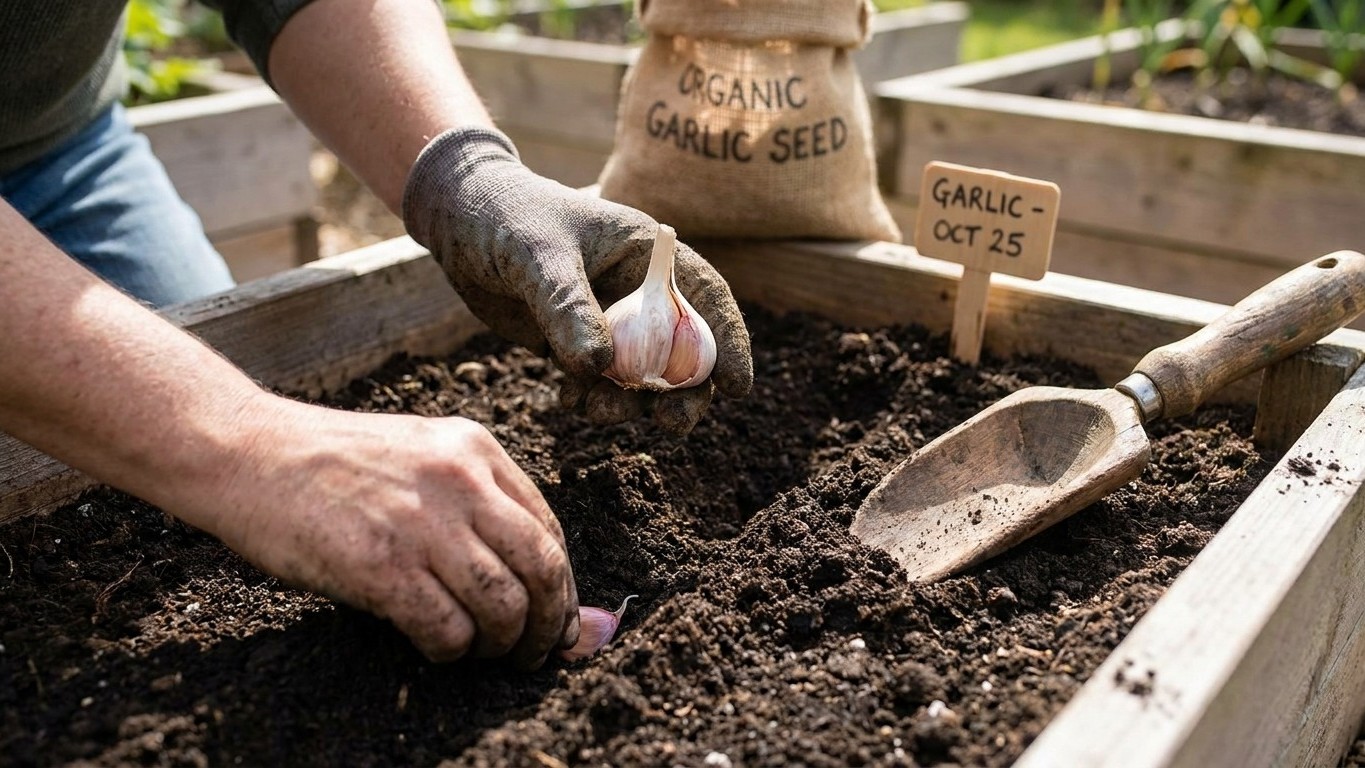
Planting garlic correctly means the right depth, spacing, and orientation, timed to the first hard frost rather than a fixed date.
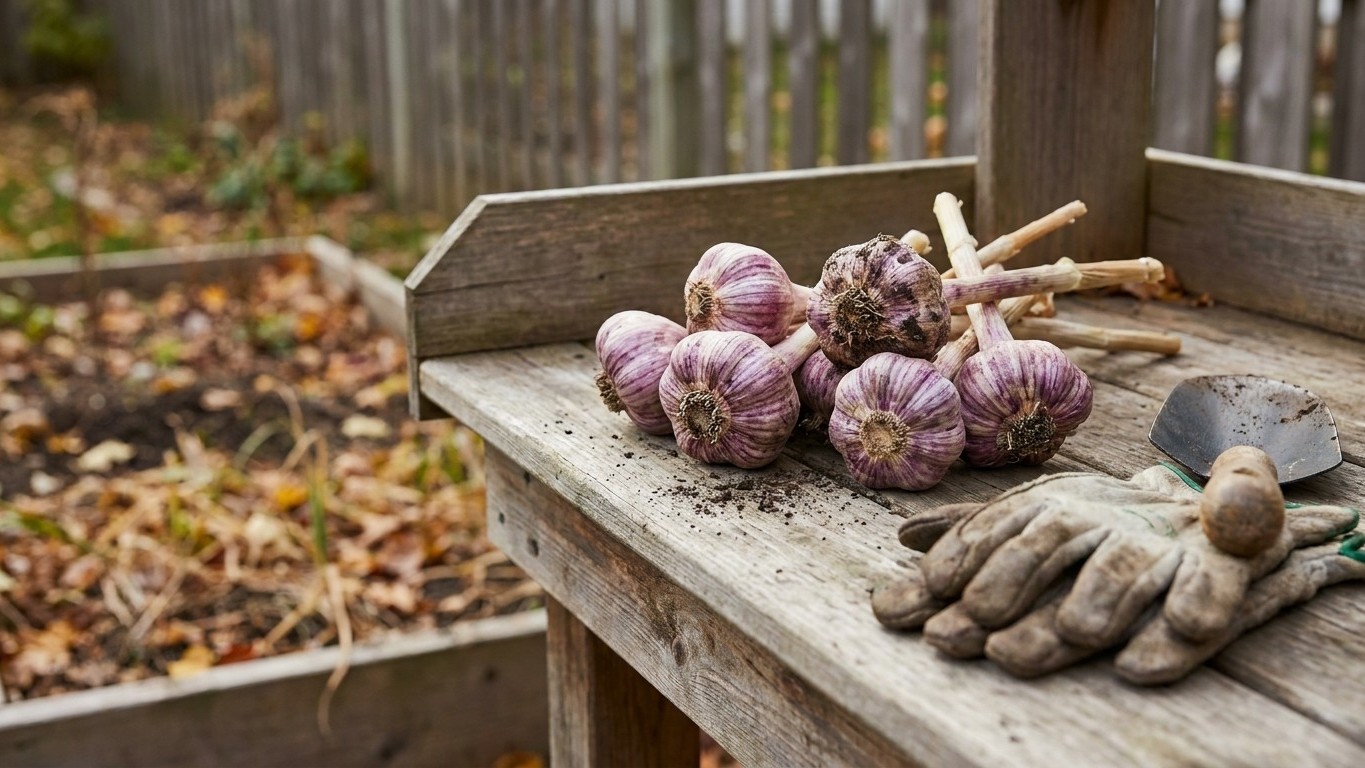
Duganski needs several weeks of real winter cold to divide into cloves, and this rundown shows which US and Canadian regions provide it and which fall short.
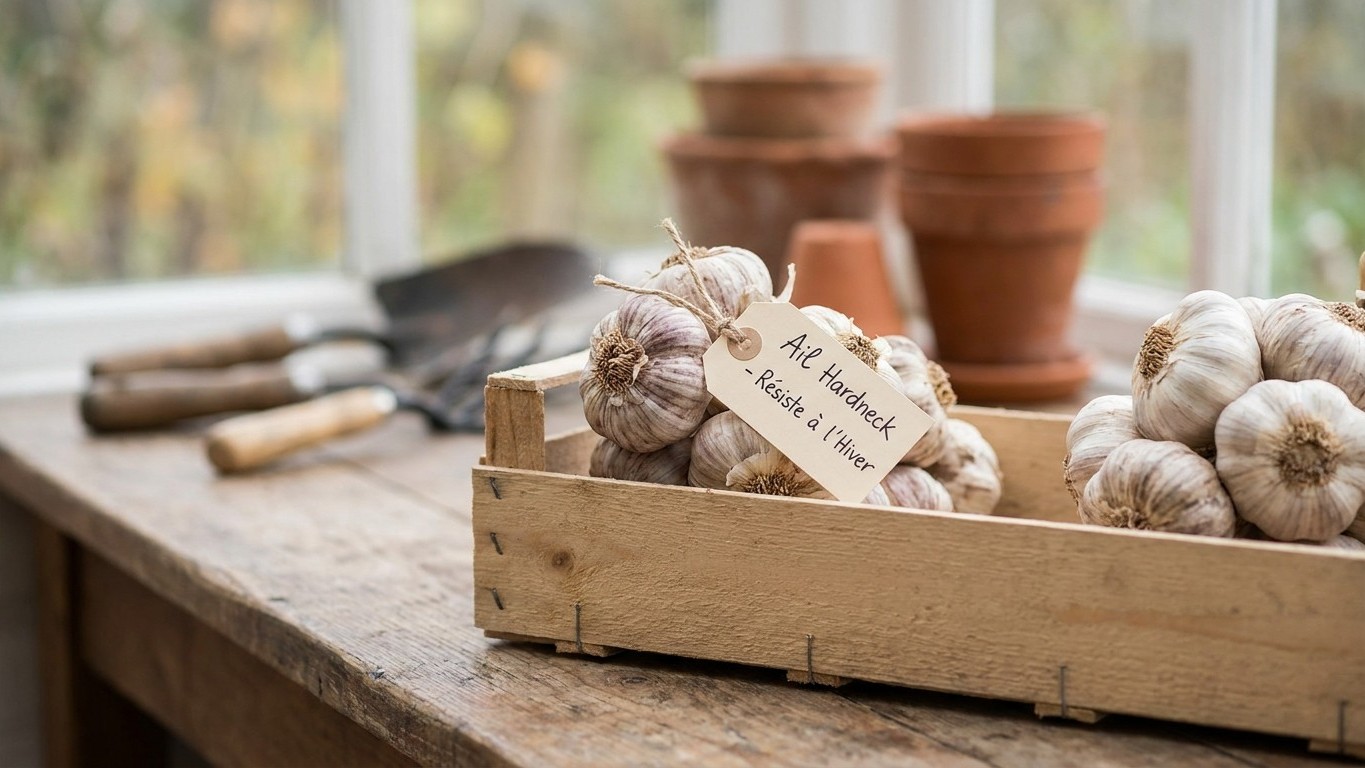
Hardneck garlic needs cold to form cloves and stores only a few months, while softneck skips that requirement and stores far longer.
Alabama’s fall frost timing and winter chill determine which garlic varieties bulb properly, when to plant cloves, and how to protect them through winter.
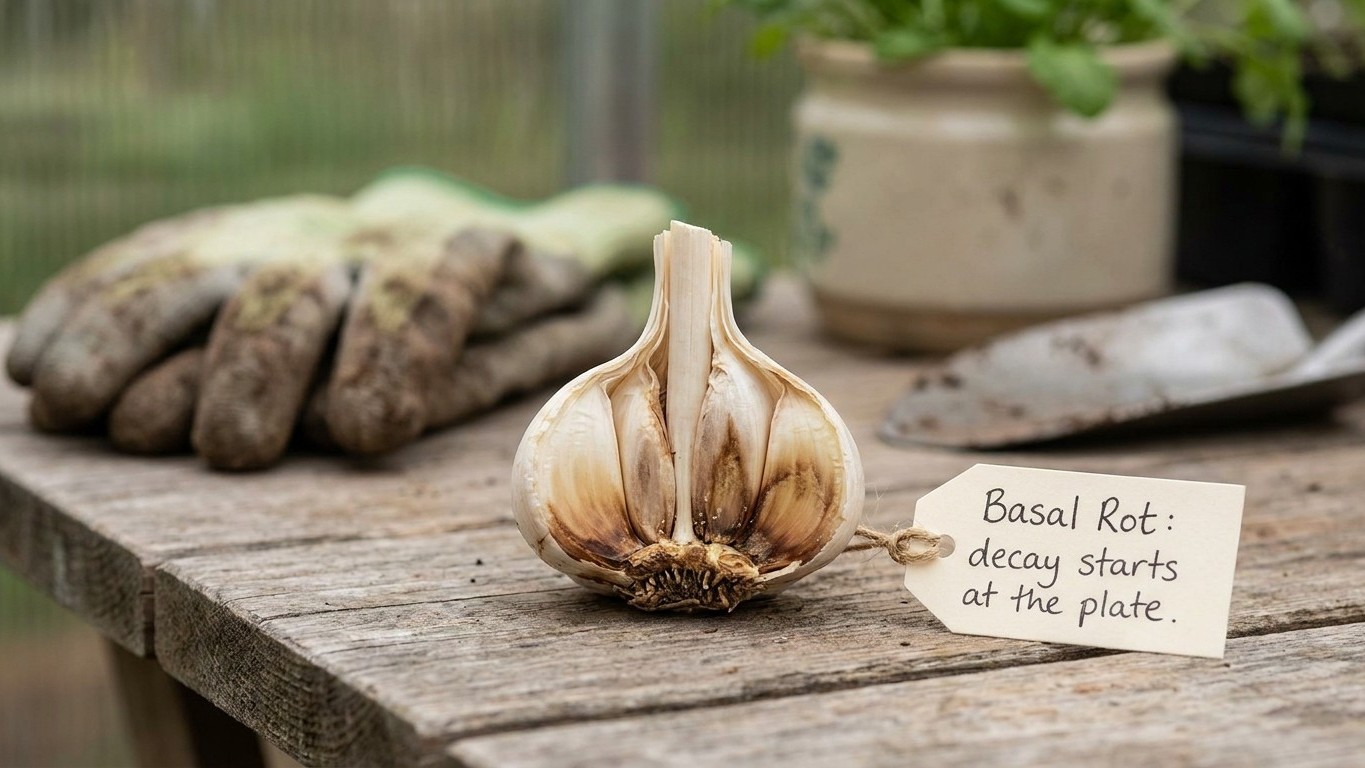
Garlic basal rot begins at the stem plate and cannot be cured once a bulb is infected, so identification and prevention matter more than treatment.