Growing Unusual Root Crops in Indiana
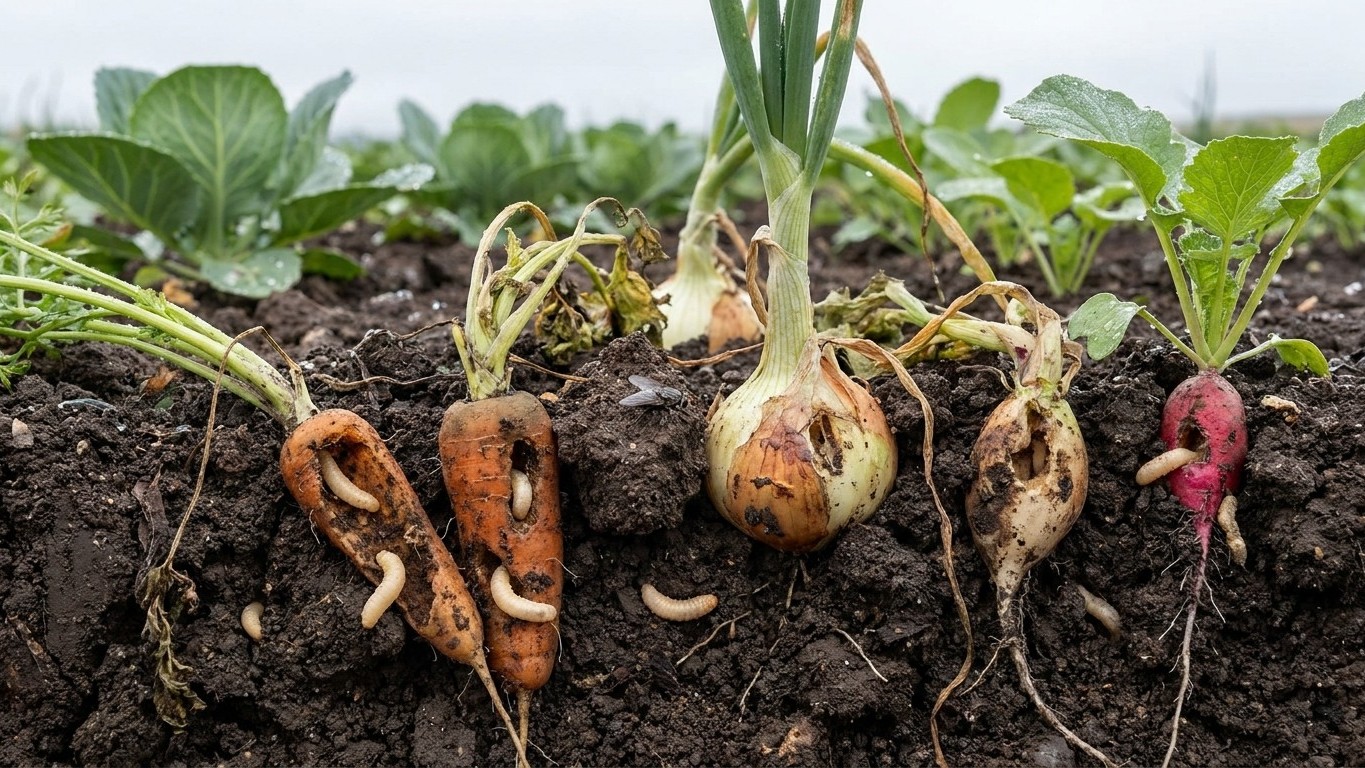
Indiana gives unusual root crops a long, forgiving window, but the date to watch is the soil’s, not the calendar’s.
Home & garden, state by state
Indiana gives unusual root crops a long, forgiving window, but the date to watch is the soil’s, not the calendar’s.
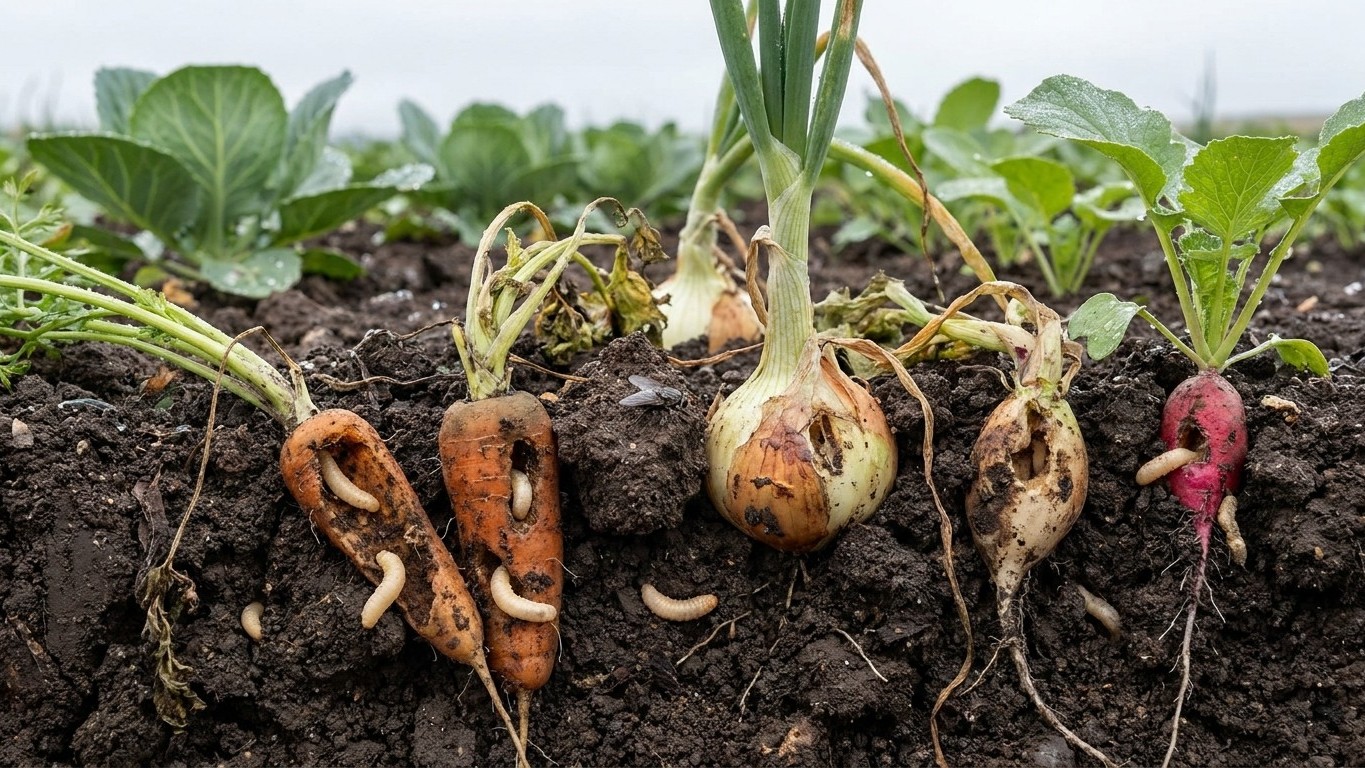
Plant Illinois root crops after the soil warms, not the day the frost date passes.
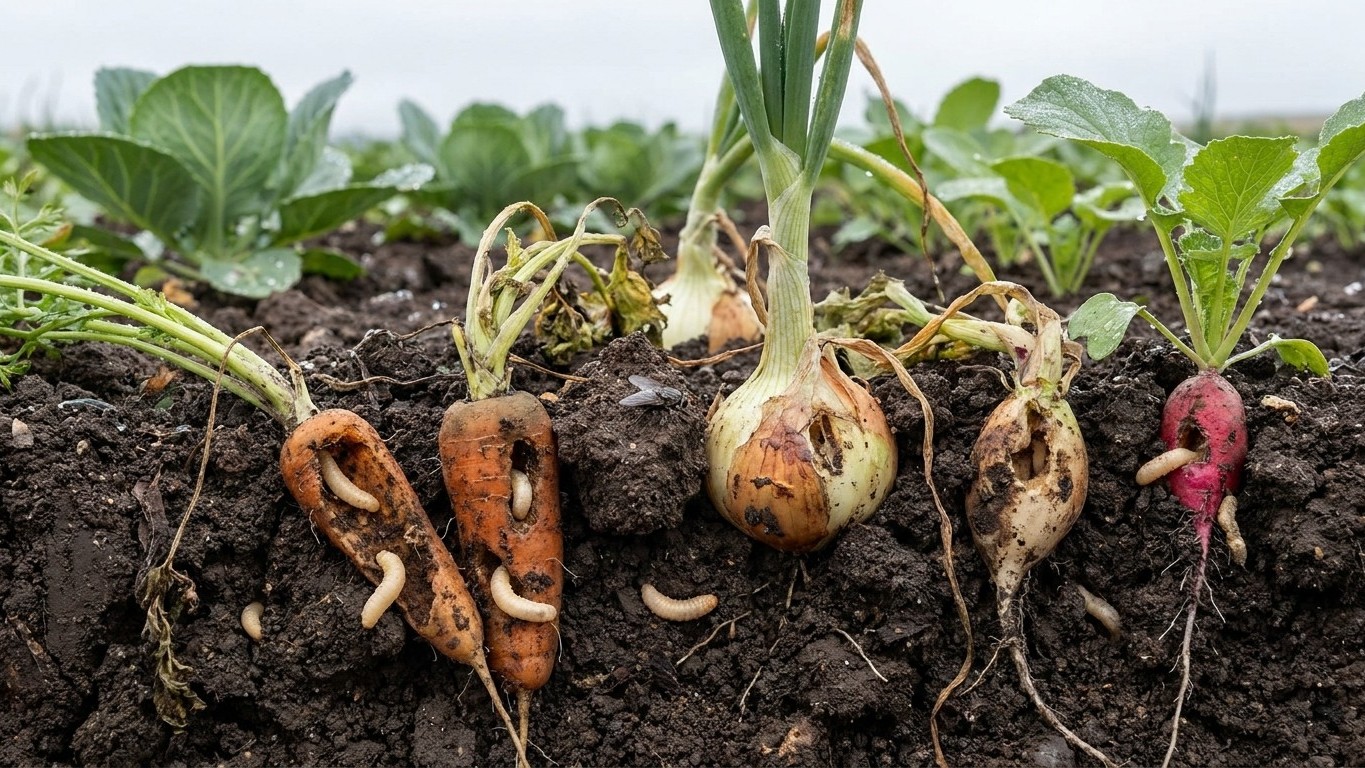
Plant them after the soil warms, not when the calendar says spring. For a Boise-type valley that points to early or mid-May.
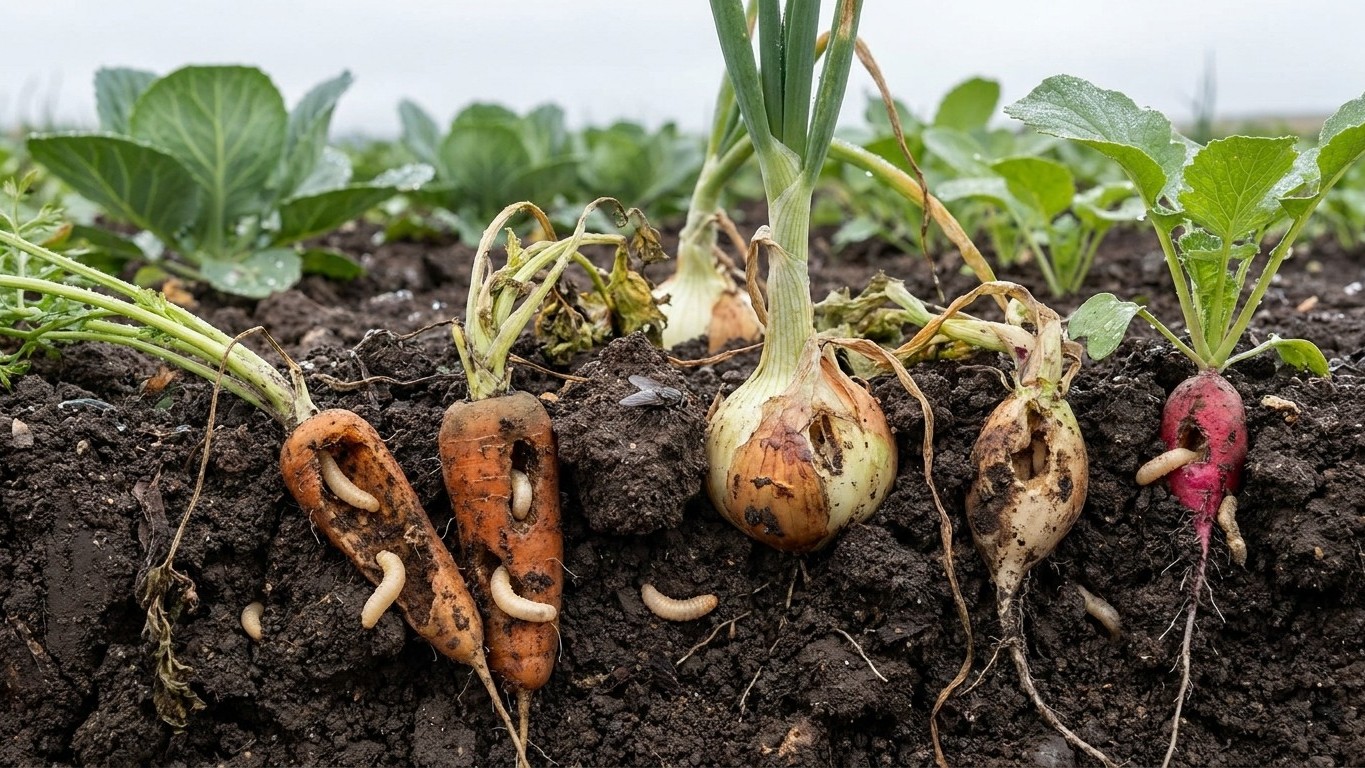
Lowland Hawaii has no frost date to wait for. NOAA’s 1991-2020 normals for Honolulu show zero days a year at or below 32°F, so the mainland calendar for…
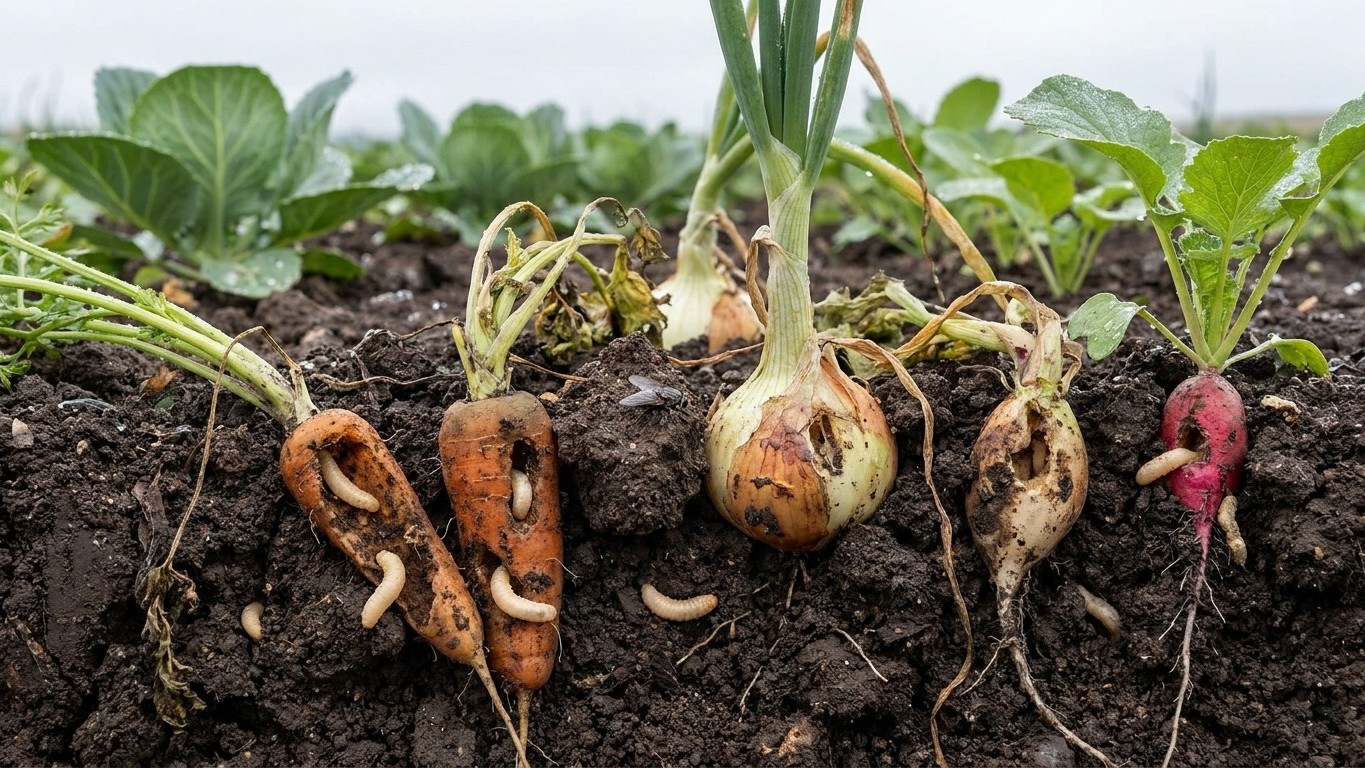
Most gardeners in Georgia can sow or plant unusual root crops twice a year: once after the soil warms in spring, and again in late summer for fall and…
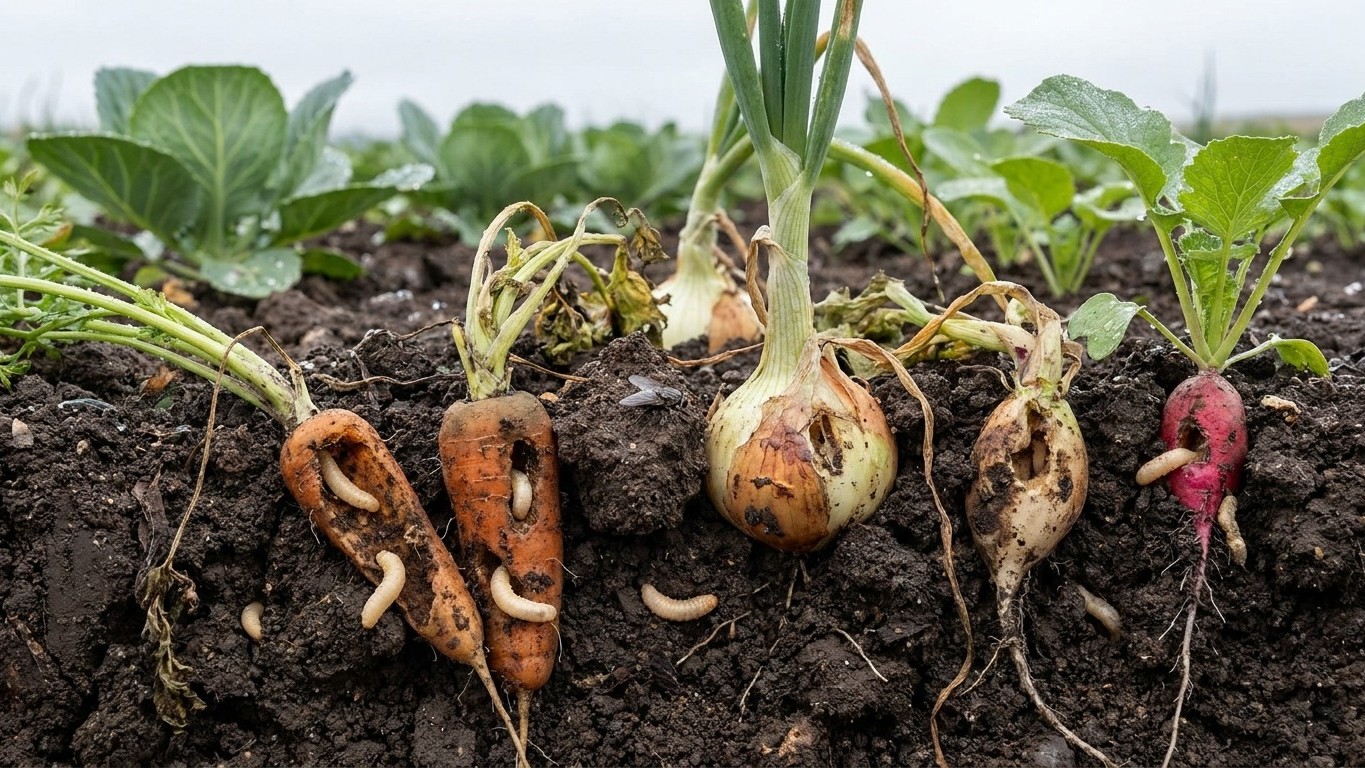
In north Florida, most of these roots go in as the cold ends in late winter or early spring, and the cool-loving ones also go in during fall.
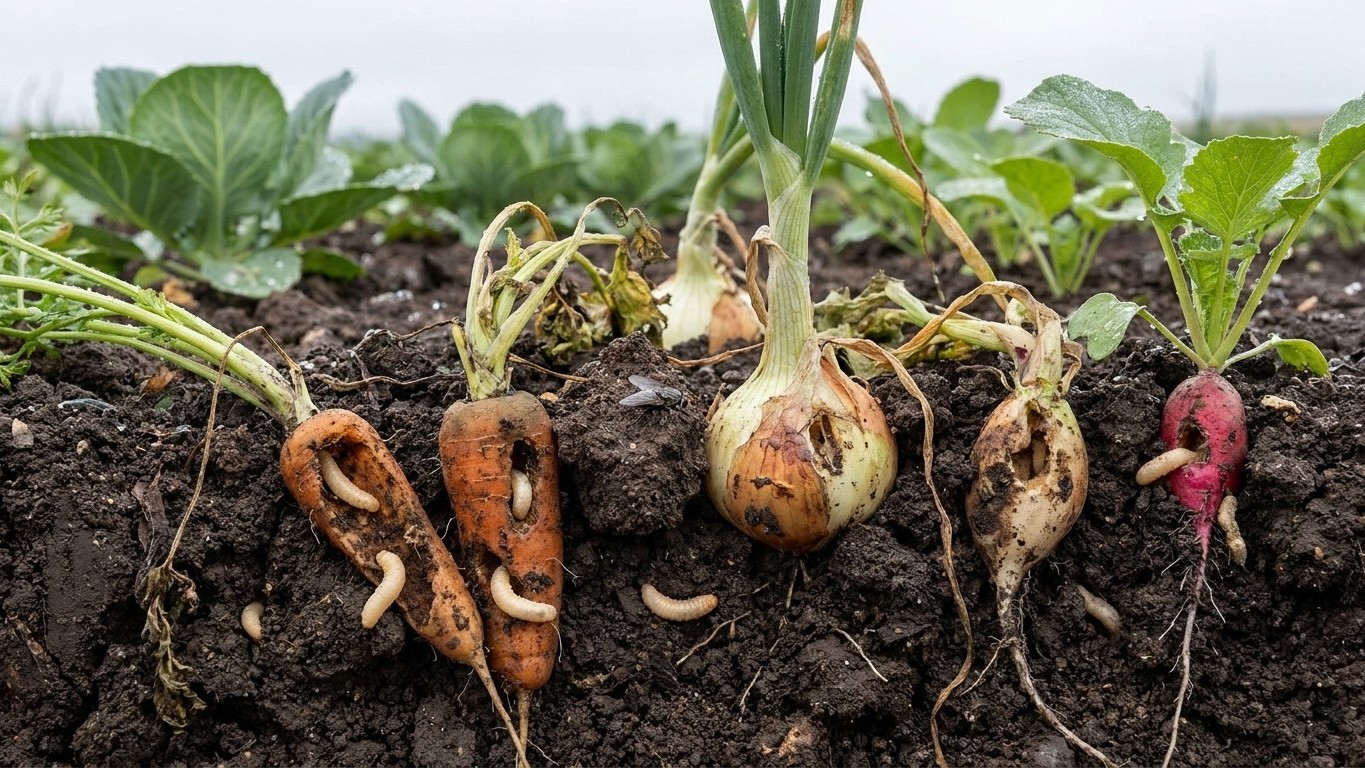
Delaware gardeners can sow the hardiest unusual roots in early spring, but the frost date is only a starting line.
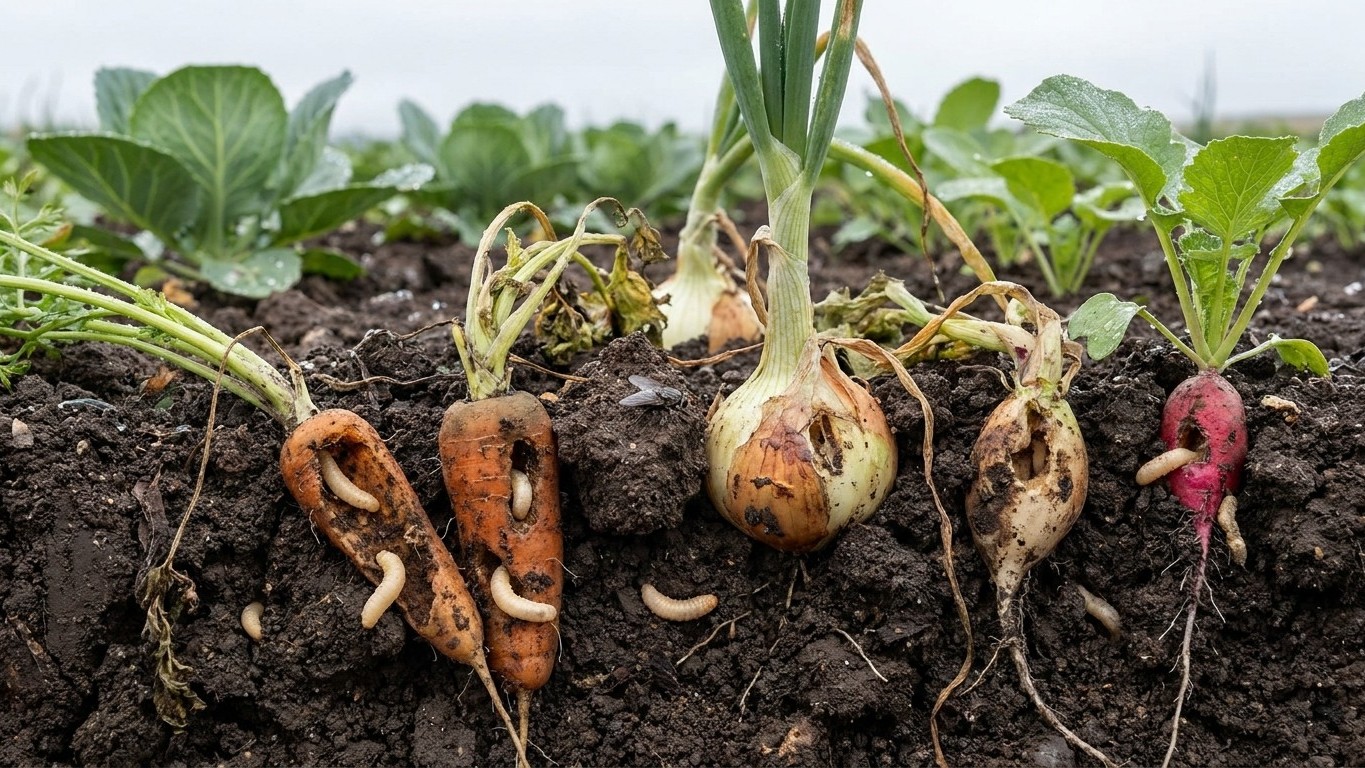
In Connecticut, the calendar date matters less than the soil temperature, and these roots wait for warm soil, not a frost-free forecast.
In the Denver area, the last spring freeze falls between May 1 and May 11, and the first fall freeze between September 30 and October 12.
Coastal and southern California has no frost date to wait for: Los Angeles records no freeze in an average year.