Hawaii Lawn Care: What to Plant and When to Feed It
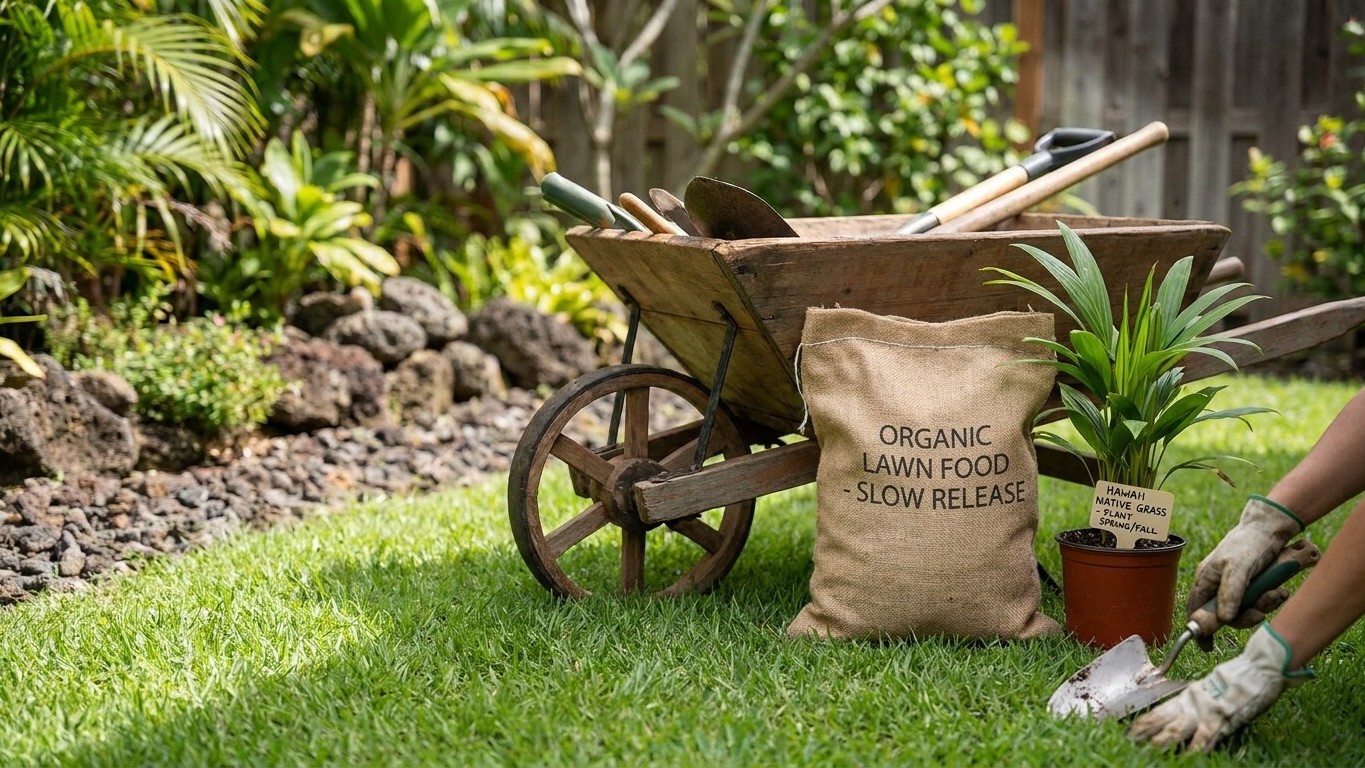
Explains why only warm-season grasses survive in Hawaii’s lowlands, when to plant them, and how much nitrogen each species actually needs.
Home & garden, state by state
Everything we have worked out for Hawaii: what to plant and when, which varieties finish in time, the pests that actually turn up here, and the jobs that pay off month by month. We also cover the rest of the property, from lawns and soil to home care and energy, because a garden rarely stops at the vegetable bed.
The numbers first, because everything else follows from them. Measured at the weather station in Honolulu, the last spring freeze falls around no freeze occurs in inhabited areas and the first fall freeze falls around no freeze occurs in inhabited areas, USDA zones 9a-13a, 9,934 growing degree days in the year.
Heat, not frost, is what shortens the season here: above 86 °F tomato pollen goes sterile, so growers run a spring crop and an autumn one rather than a single long season. Garlic is the awkward one: only 0 weeks below 40 °F, where it needs six to split into cloves. Chill the cloves before planting, or grow a softneck type.
Elsewhere on the property in Hawaii: the pests that turn up here.
Figures from NOAA's 1991-2020 climate normals. A state is not one climate: elevation, a large lake or the coast can move these dates by two weeks either way, so check your own county with the extension service before you spend money.
Explains why only warm-season grasses survive in Hawaii’s lowlands, when to plant them, and how much nitrogen each species actually needs.
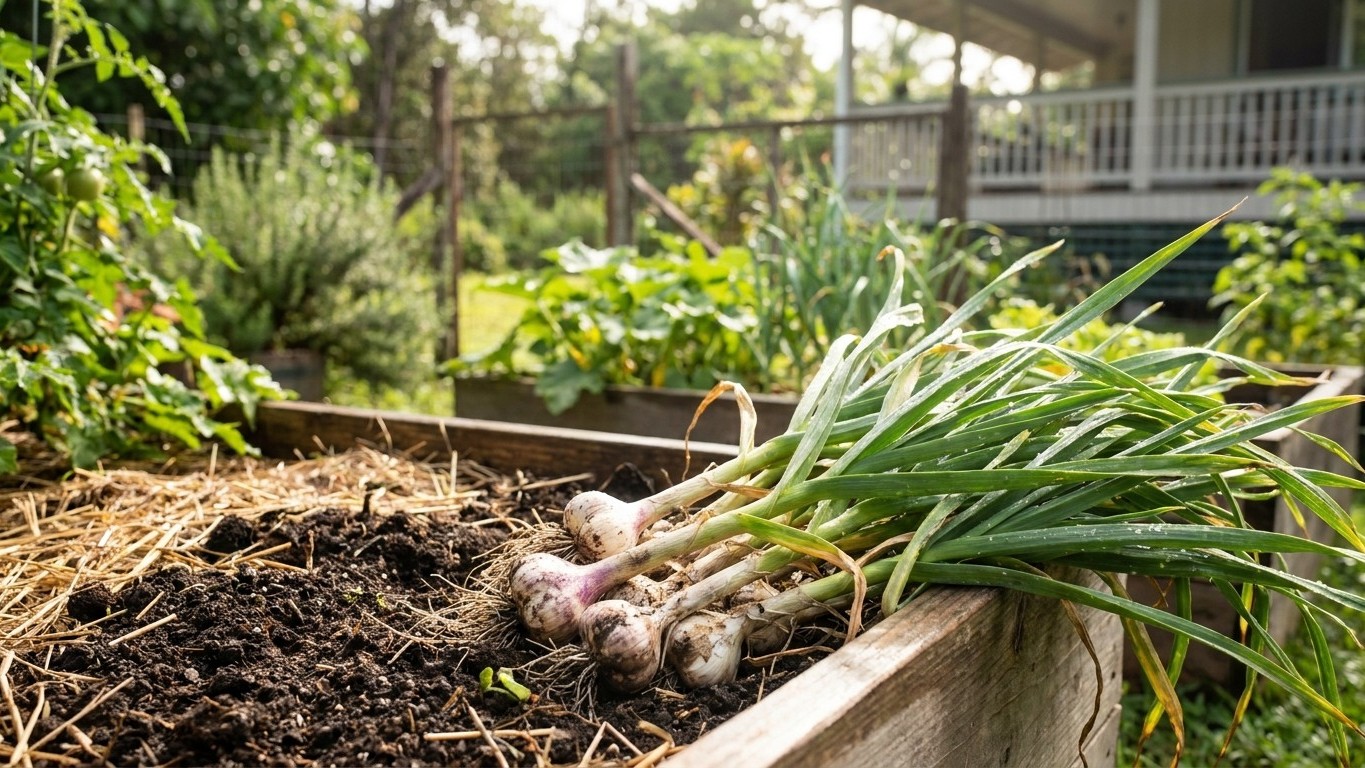
Hawaii has no frost season, so garlic planting timing depends on elevation, rainfall patterns, and district rather than a countdown from freeze dates.
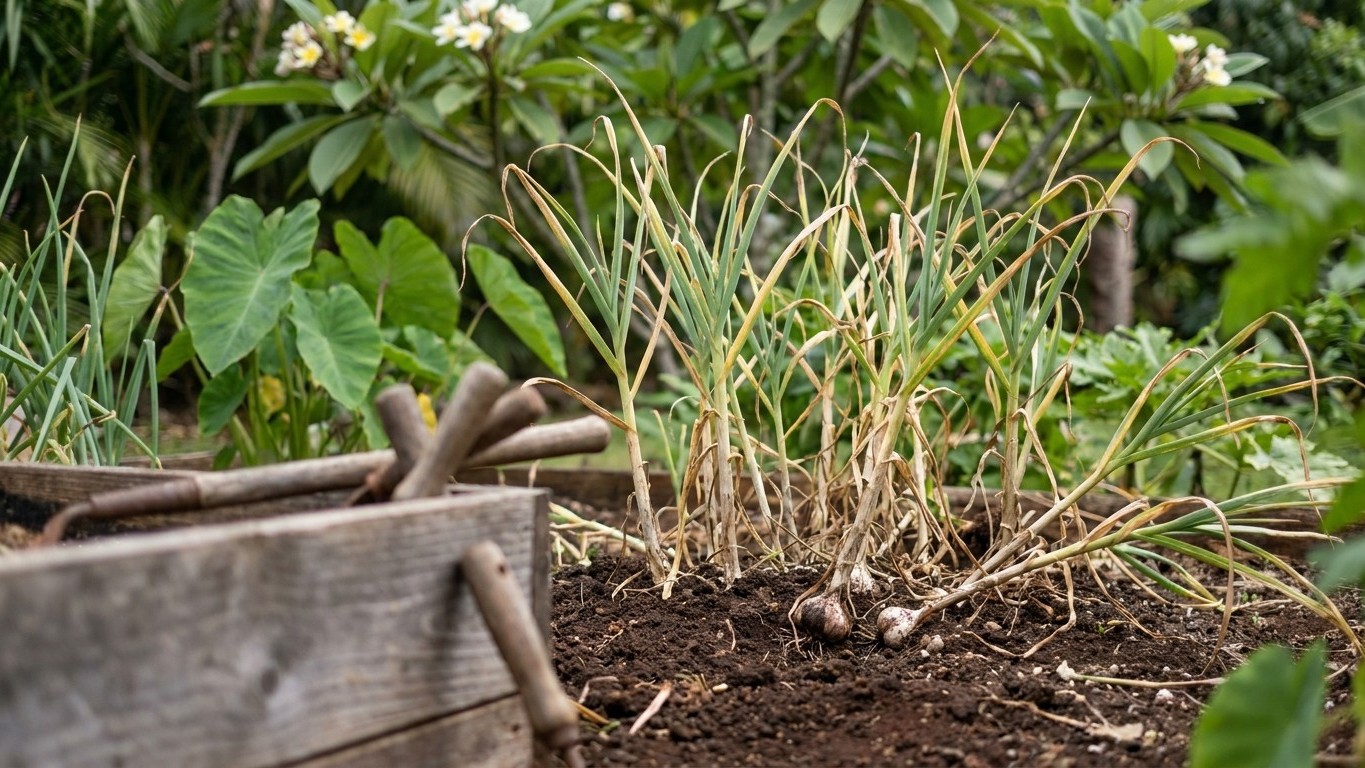
Hawaii never gets cold enough for a hardneck winter, so softneck garlic is the reliable choice, with elevation deciding the rest.
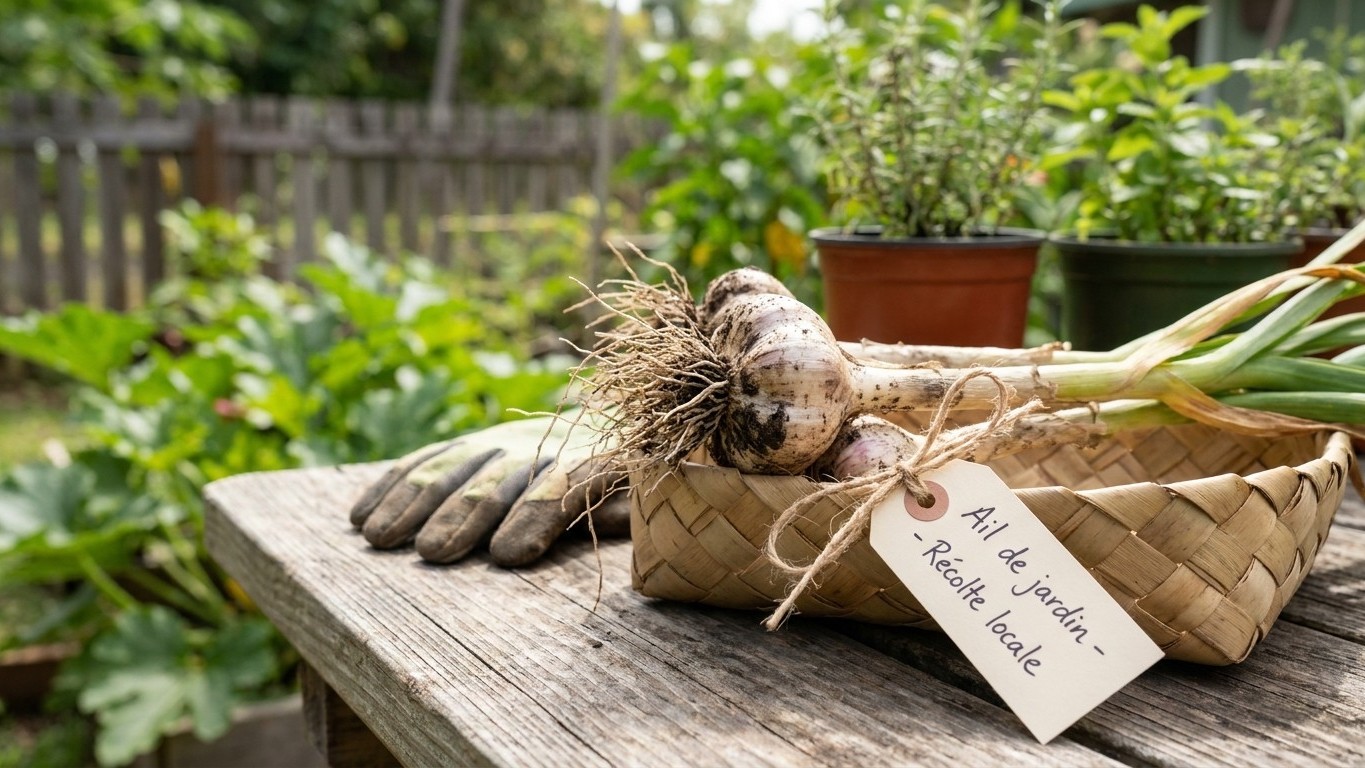
Hawaii’s frost-free lowlands lack the cold garlic needs to split into cloves, so growers rely on refrigerated stock and softneck varieties like Inchelium Red.
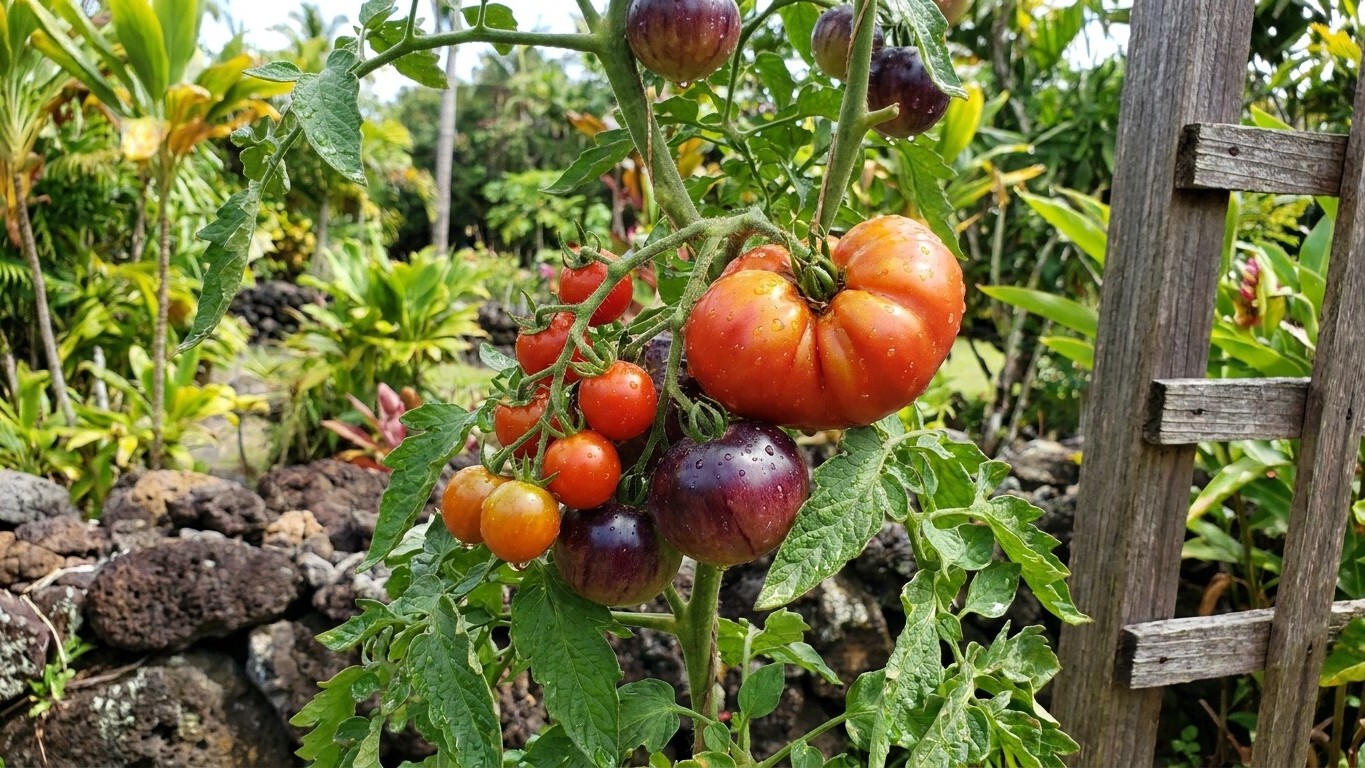
In Hawaii’s frost-free lowlands, variety choice comes down to days to maturity and disease resistance against wet-season pressure, not a frost cutoff.
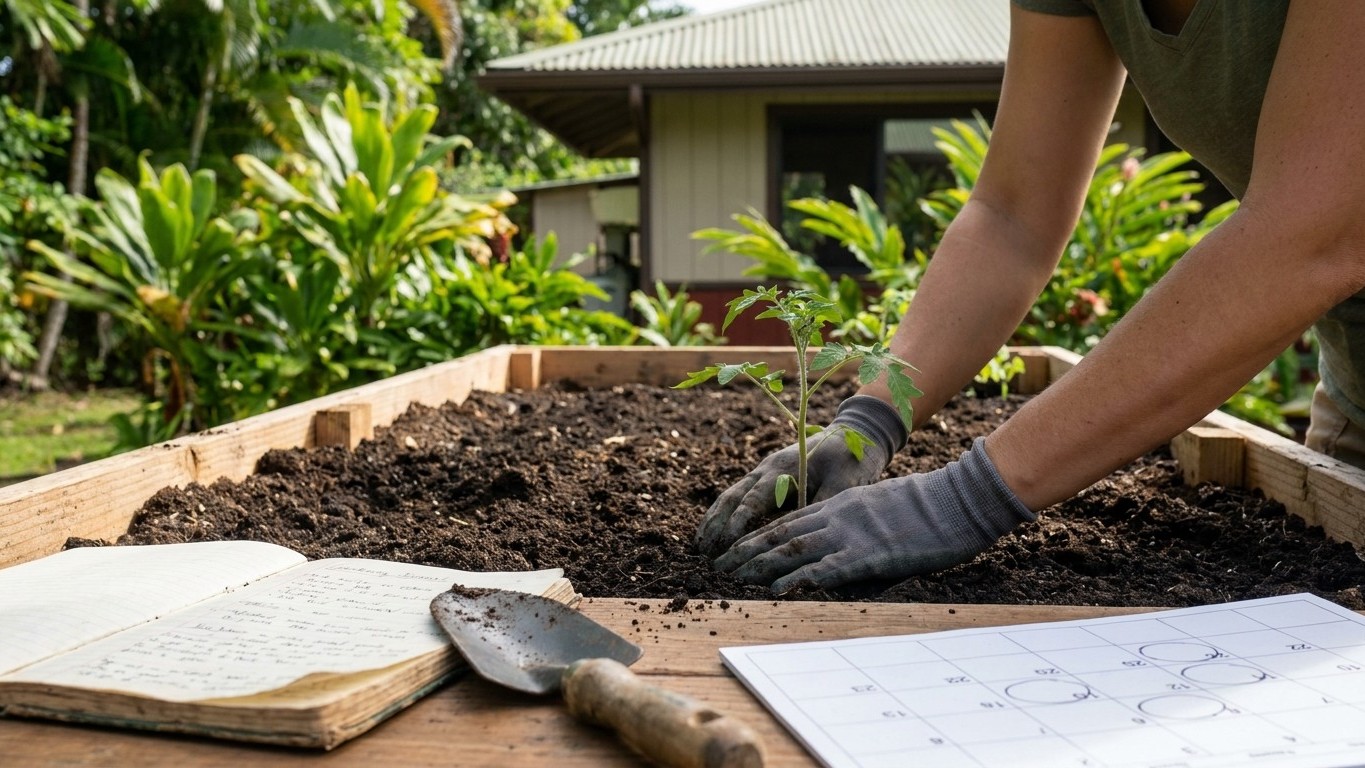
NOAA’s climate data show no frost in Hawaii’s inhabited areas, so tomato planting dates depend on elevation and rainfall, not frost.
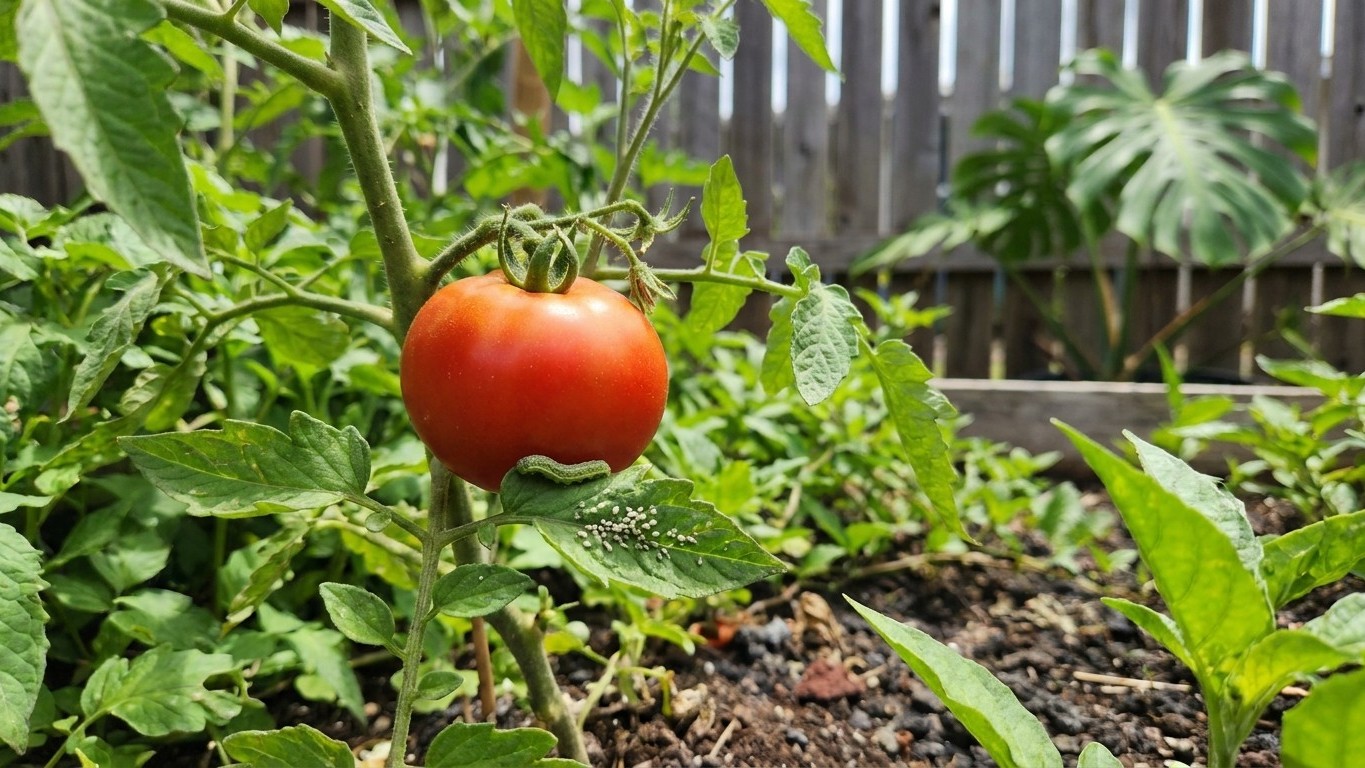
A rundown of the tomato pests that actually persist in Hawaii’s frost-free climate, how to identify each one, and what controls actually work.
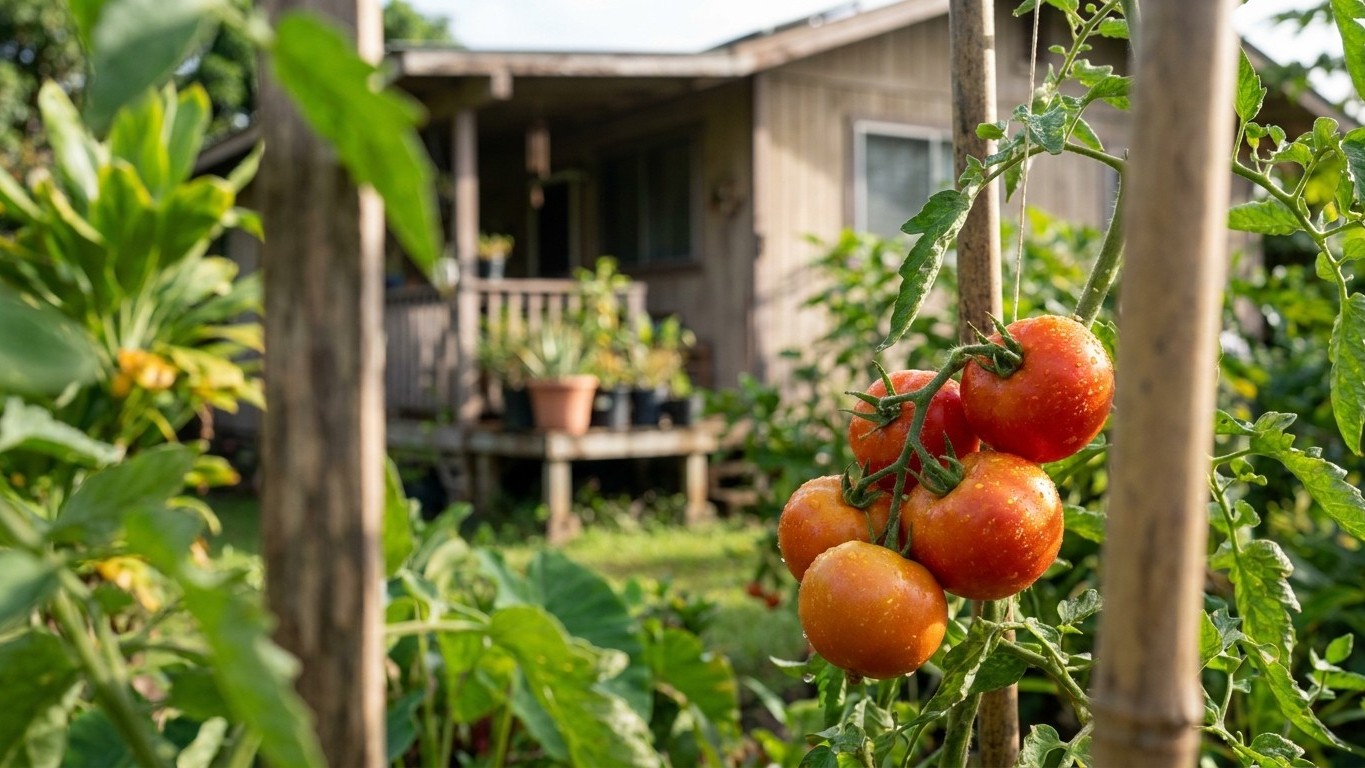
Hawaii has no true frost season, so tomato planting depends on rainfall, elevation and exposure rather than a spring frost date.