Finishing a Basement in Colorado: Permits, Ceiling Height, Egress and Waterproofing
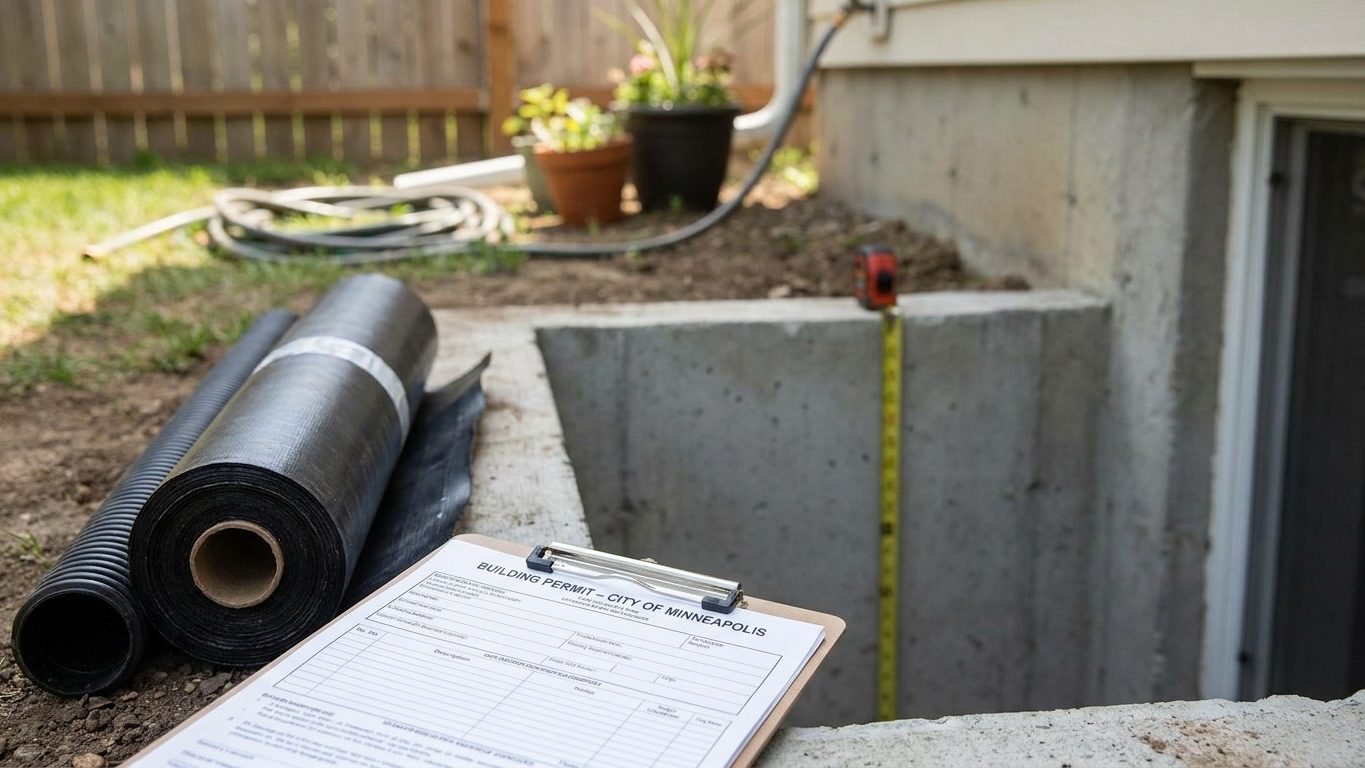
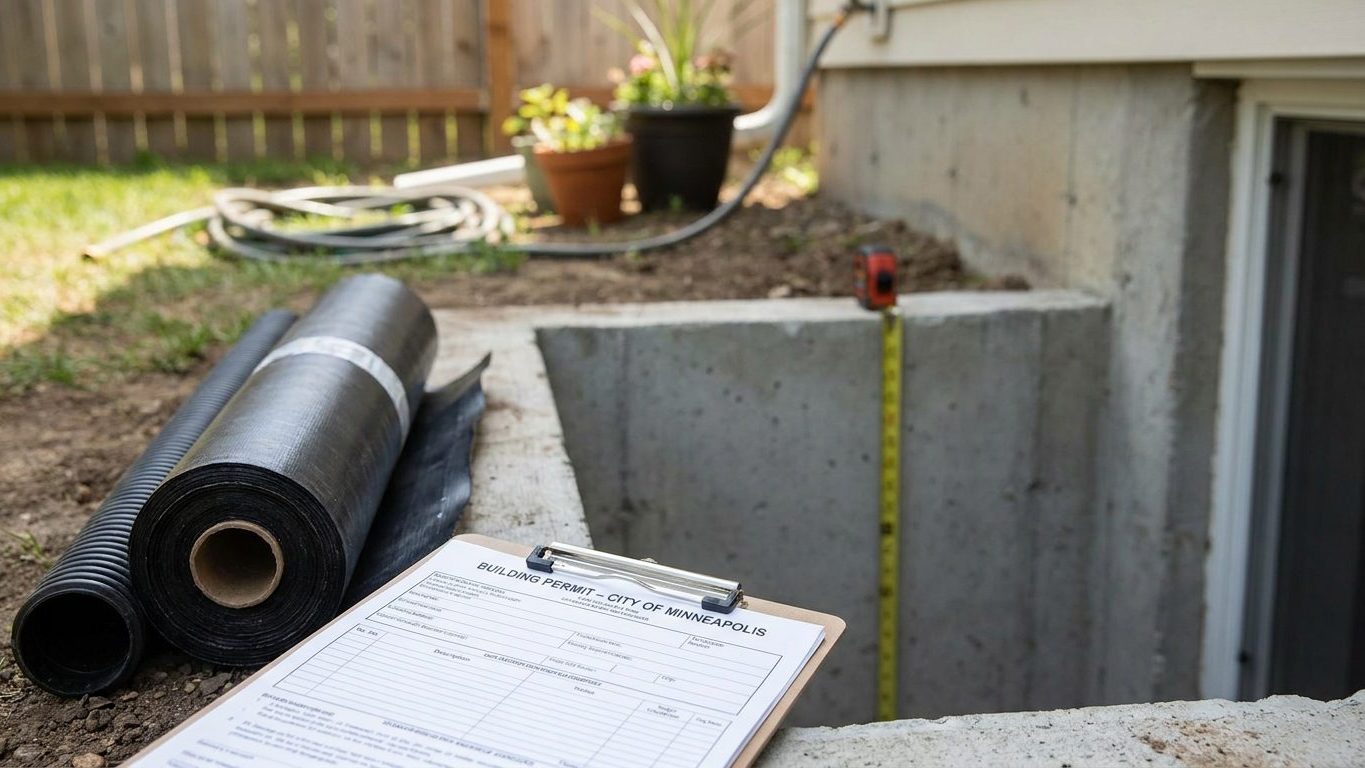
Explains why Colorado’s basement permit, ceiling-height and egress rules vary by city and county, and what the 2021 IRC’s model figures actually require.
Home & garden, state by state
Explains why Colorado’s basement permit, ceiling-height and egress rules vary by city and county, and what the 2021 IRC’s model figures actually require.
California’s basement code exempts low-ceiling spaces from egress windows, but ceiling height, permits, waterproofing and insulation rules still shape the project.
Explains how West Virginia’s local adoption of the state building code affects basement permits, ceiling height, egress windows and waterproofing decisions for homeowners.
South Dakota has no statewide residential code, so permit rules, ceiling height minimums, and egress window sizes depend on your local building department.
Vermont sets no statewide basement code, so permits, ceiling height, and egress rules come from your town, with only the energy standard applying statewide.
Rhode Island finishes basements under a uniform state code that sets ceiling height, egress window size, and permit requirements the same way in every town.
How Pennsylvania’s building code sets basement ceiling height, egress window sizes, permits, and vapor control for a finished basement in any county.
Ohio’s residential code gives existing basements a lower ceiling minimum than new construction, but egress windows, waterproofing and insulation rules still apply.
North Dakota’s basement rules depend on local adoption of the state building code, with specific egress, ceiling height and waterproofing requirements once it applies.
A plain-language guide to New York’s basement permit rules, the ceiling height allowed in an existing basement, required egress window dimensions, and moisture control before you finish the walls.