Controlling Humidity in a Basement
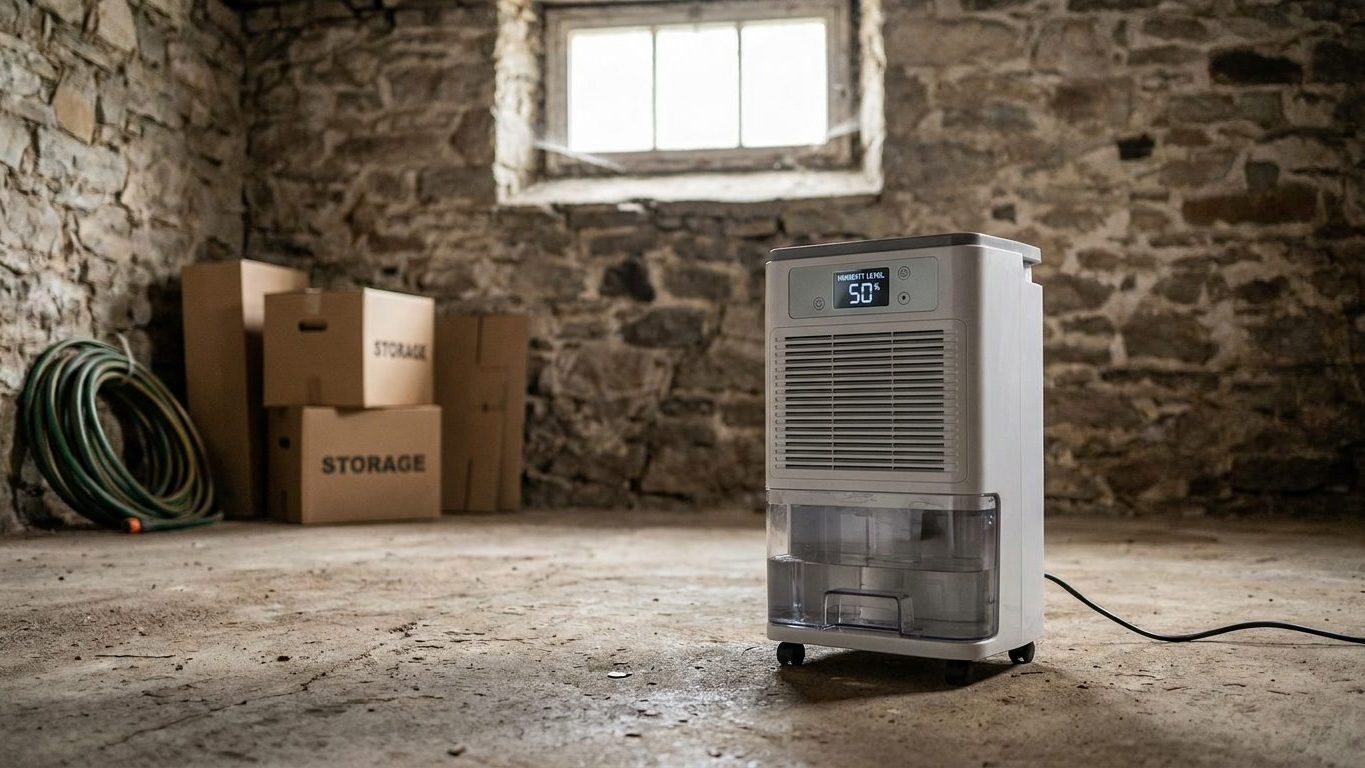
Explains why basements sweat in summer, what to check before calling anyone, and why sealing the walls without fixing drainage first backfires.
Home & garden, state by state
Explains why basements sweat in summer, what to check before calling anyone, and why sealing the walls without fixing drainage first backfires.
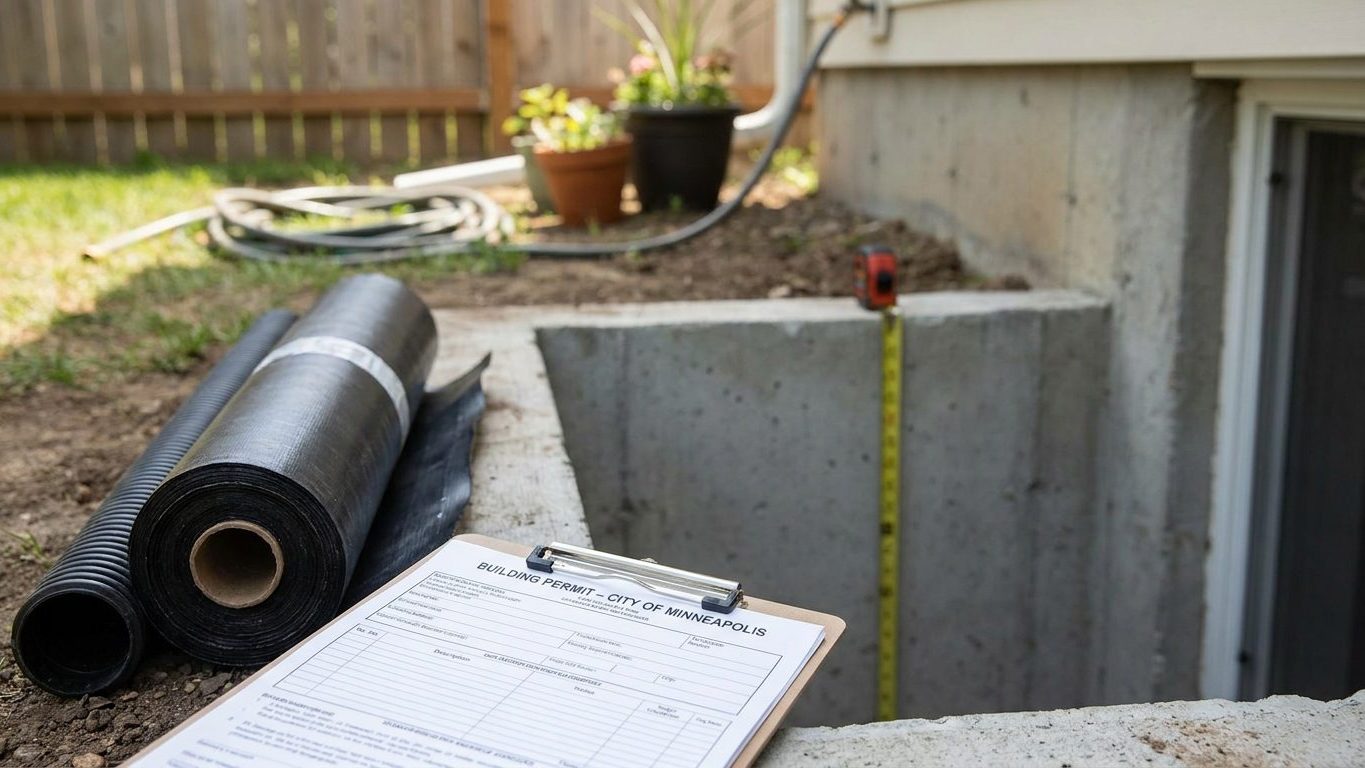
A plain guide to South Carolina’s basement rules on permits, ceiling height, egress windows and dealing with moisture in clay soil.
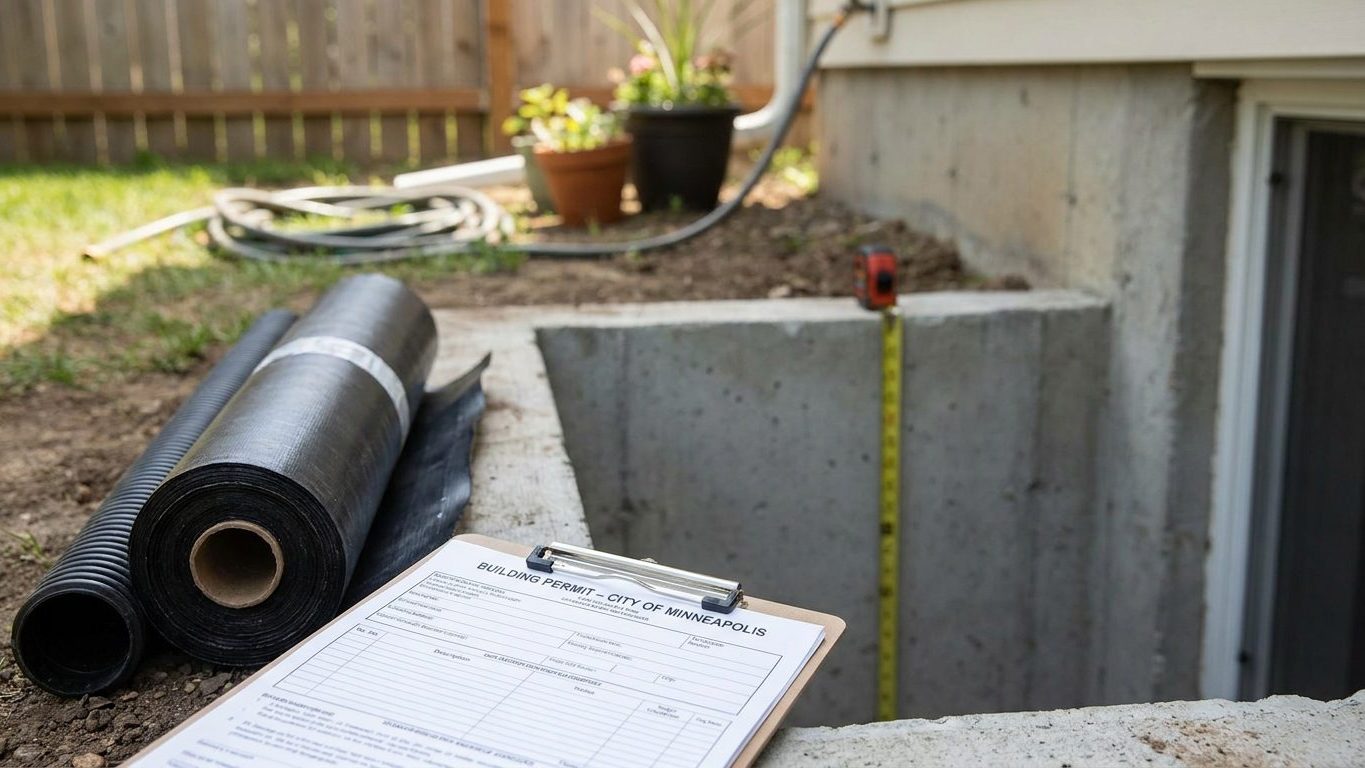
Oregon amends the model building code for basement ceiling height and egress on existing conversions, and sets its own rules for permits, waterproofing, and insulation.
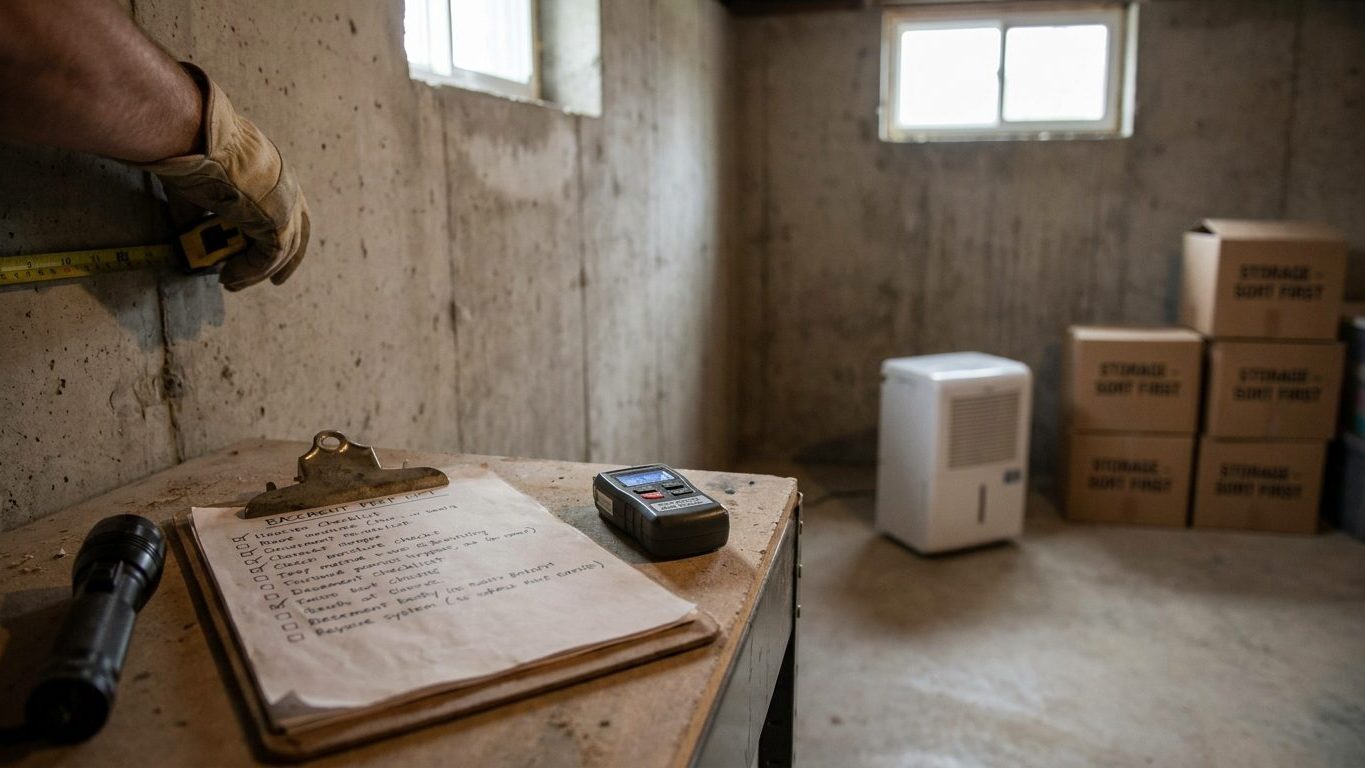
A walkthrough of the checks to run and the order to follow before framing a basement, so water damage doesn’t get sealed behind new walls.
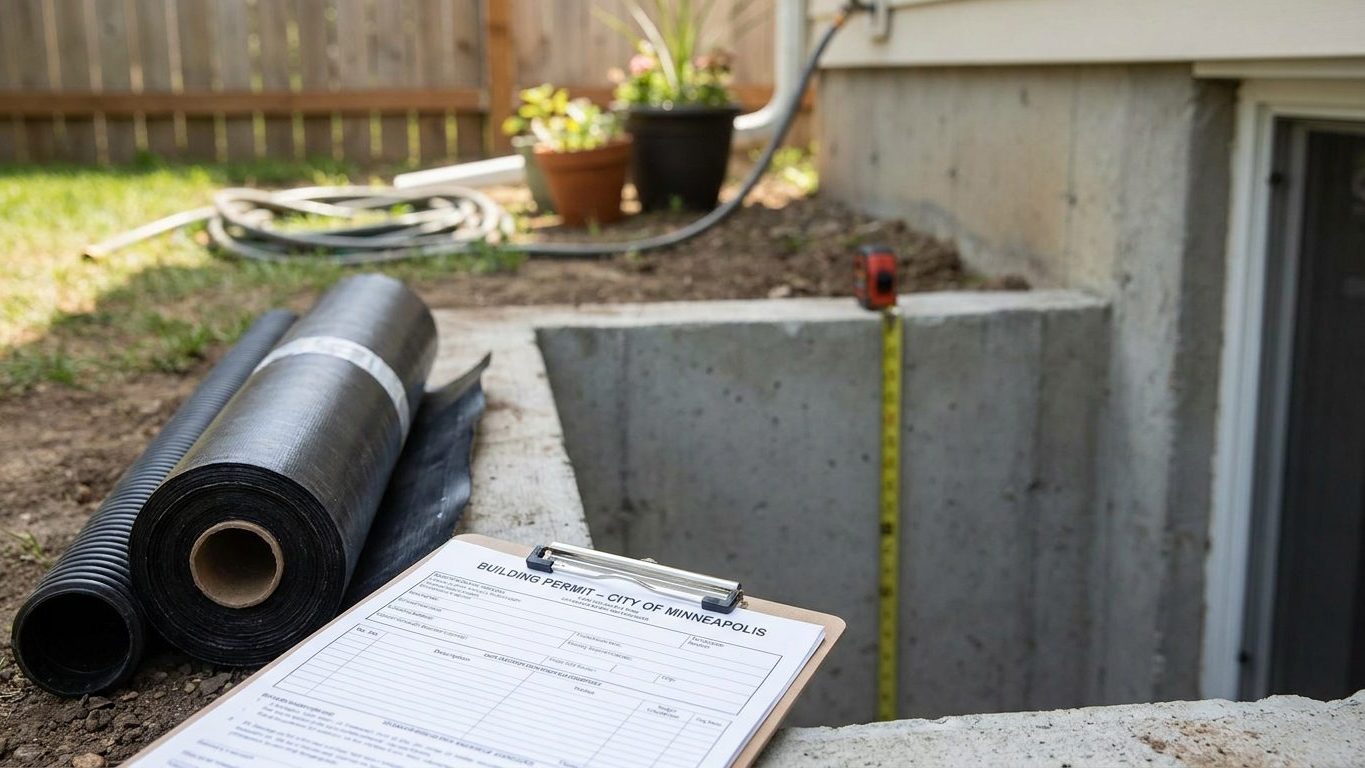
Explains Louisiana’s permit process, ceiling height and egress rules for basements, plus how to tell a water leak from summer condensation before you insulate.
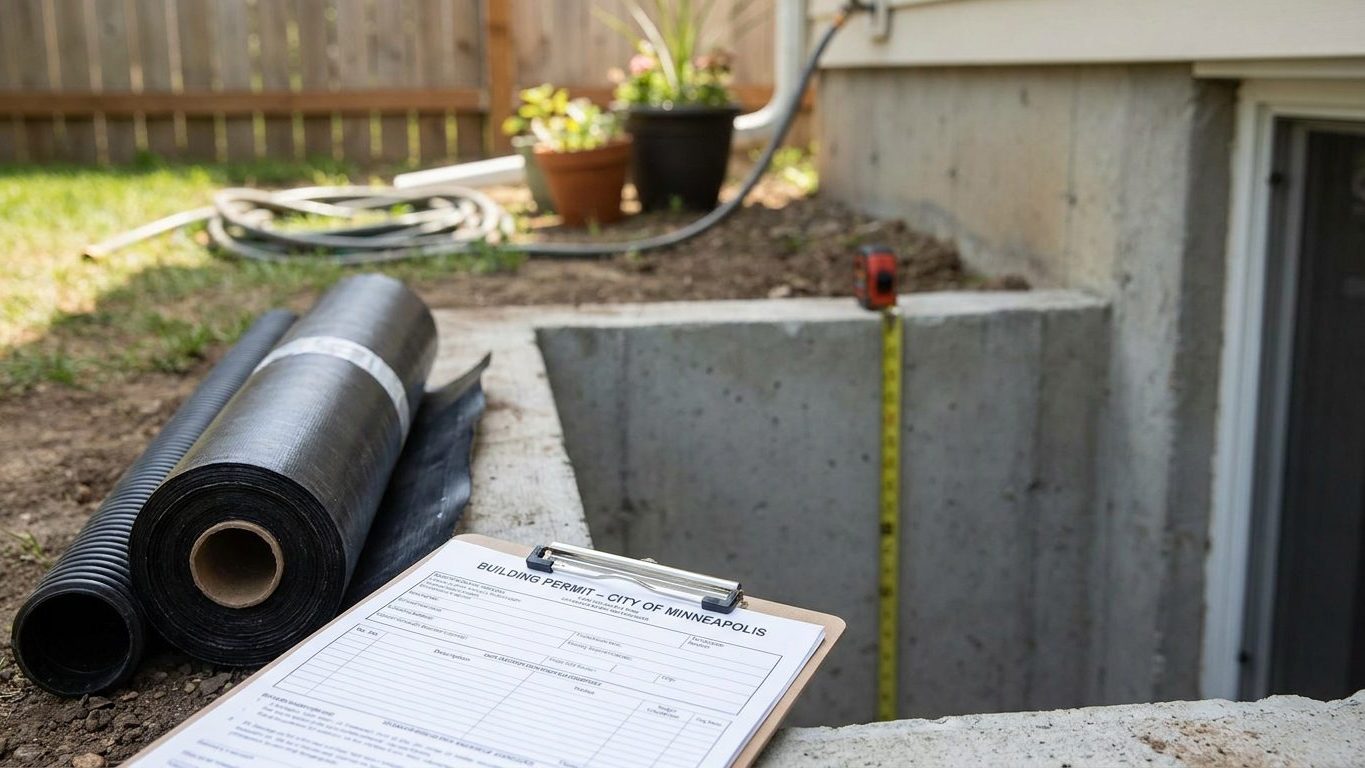
Kentucky’s code drops the alteration exemption other states allow, so basement egress, ceiling height and permits follow full new-construction rules statewide.
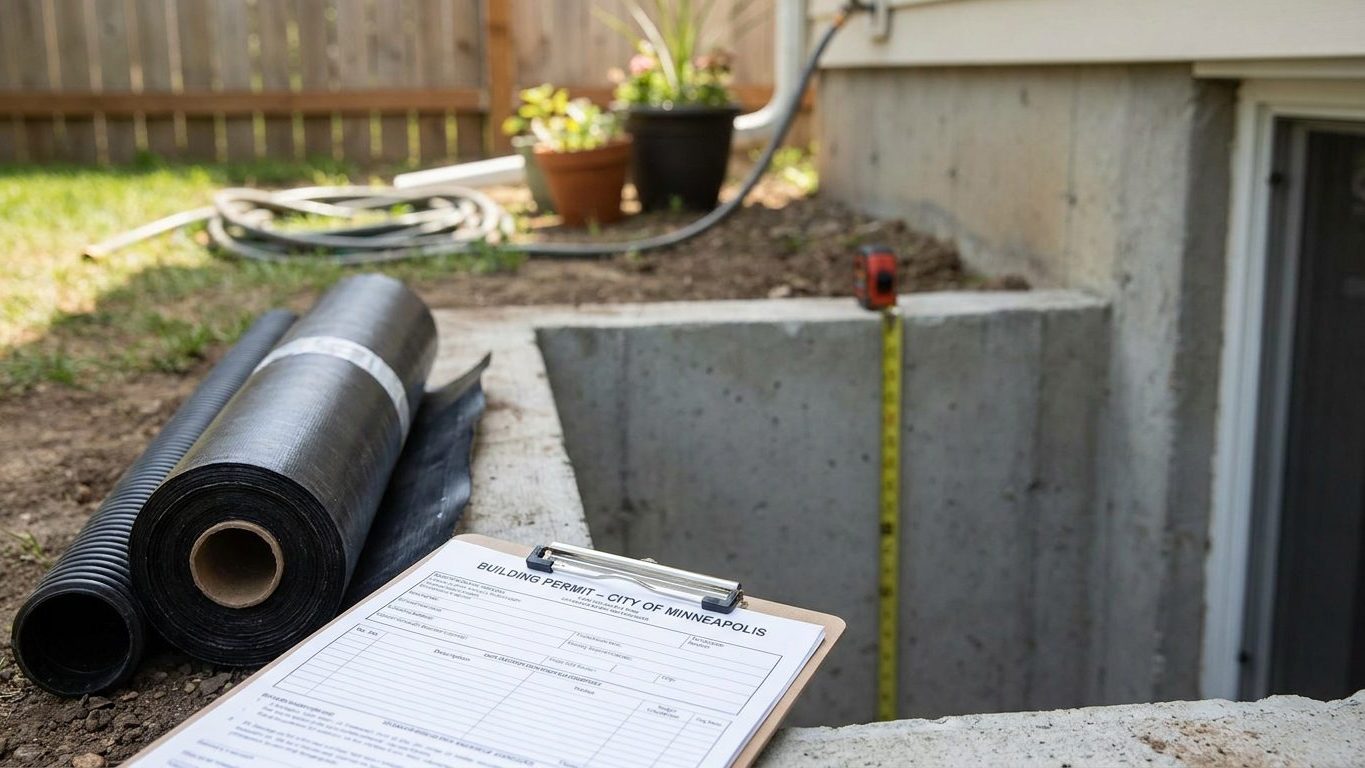
A plain-language look at Idaho’s basement permit, ceiling height, egress window and moisture rules, with the figures a building department will check first.
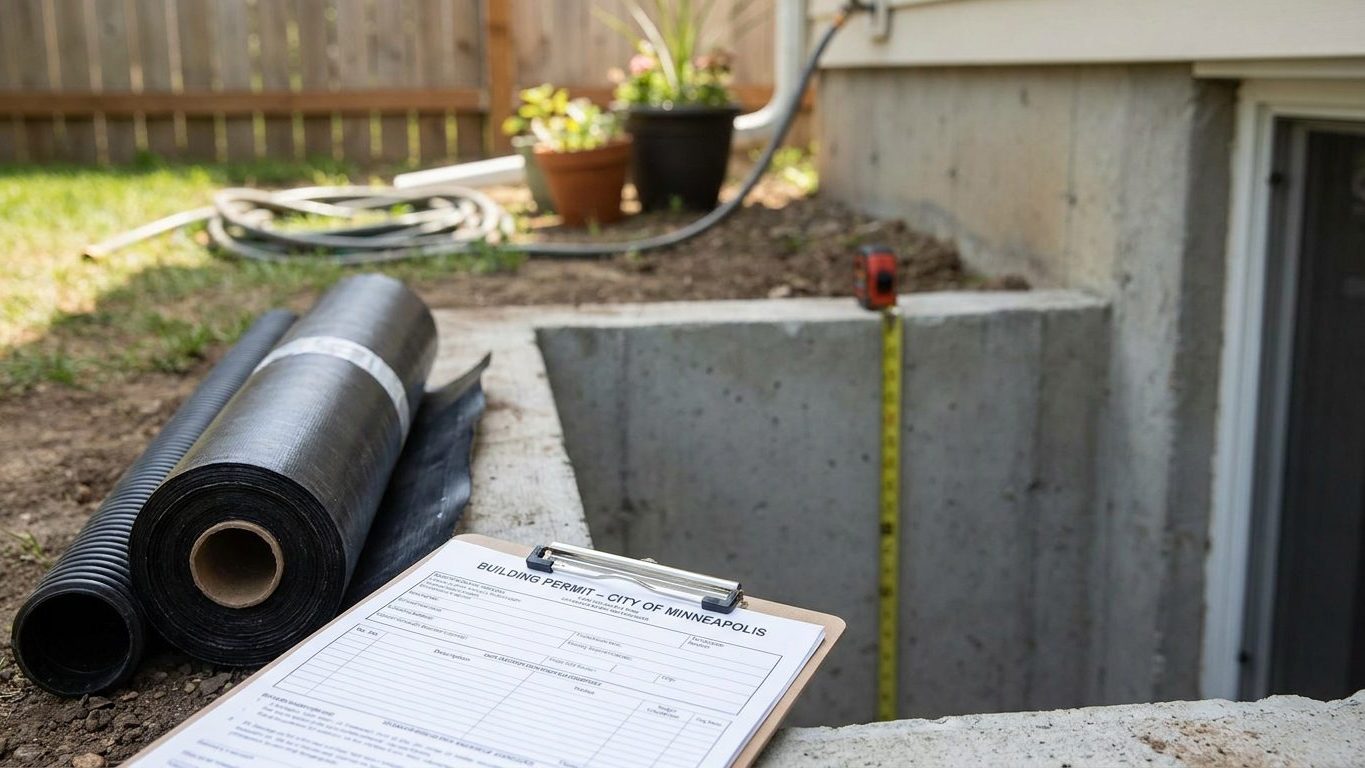
Explains Hawaii’s permit process, ceiling height and egress rules for finishing a basement, plus how to tell a water leak from condensation.
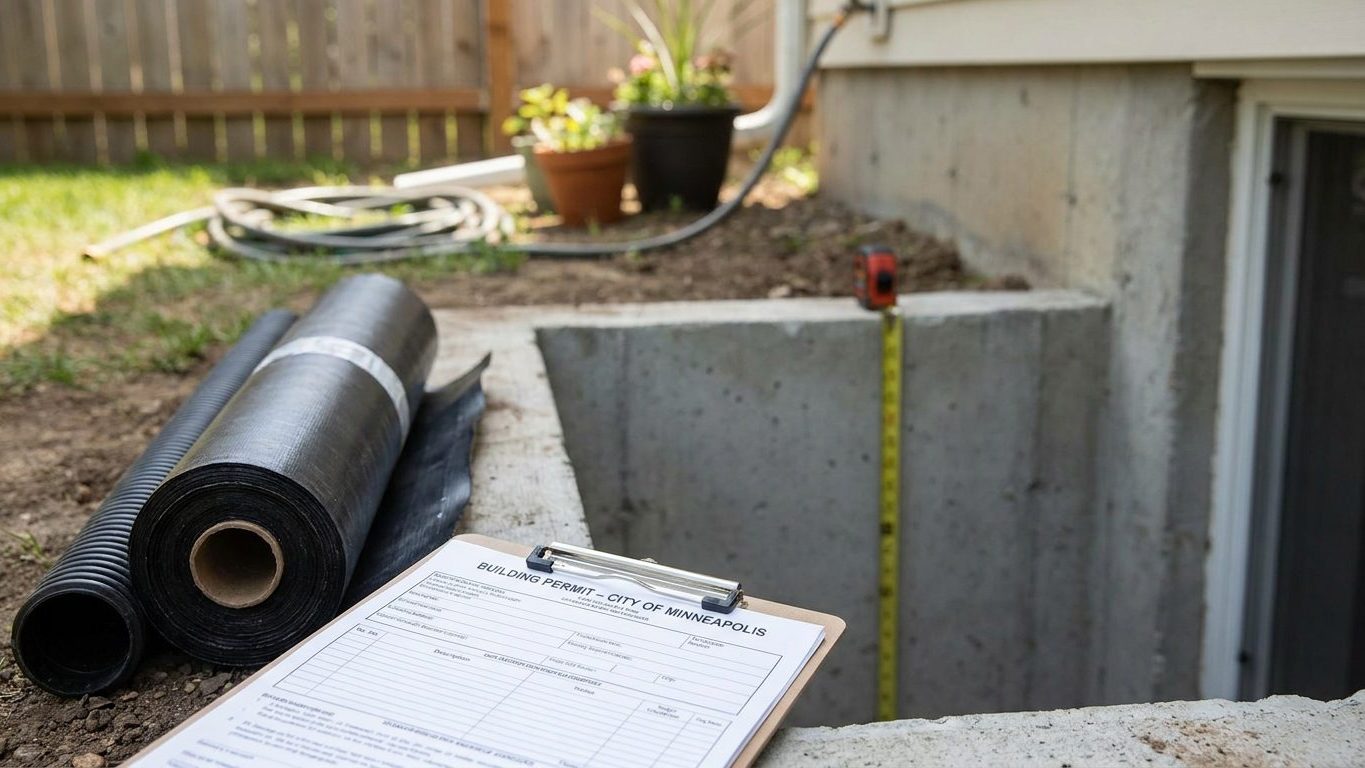
Georgia’s basement rules follow the model code exactly, with no state exemption for ceiling height or egress, so the 7-foot and window-size figures apply as written.
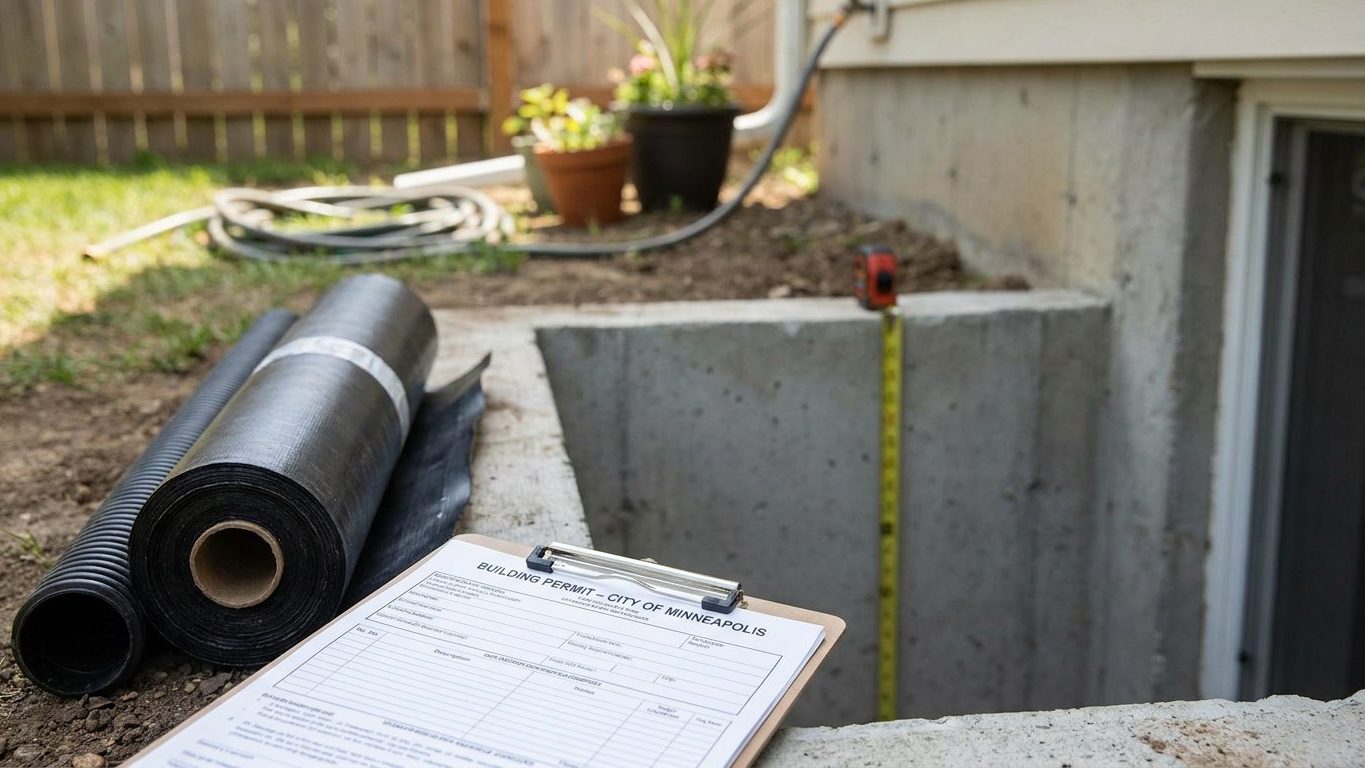
Florida’s building code sets the ceiling height, egress window and vapor-retarder rules for finished basements, and a local permit is required regardless of size.