Where to Put a Curtain Rod, Above and Beyond the Frame
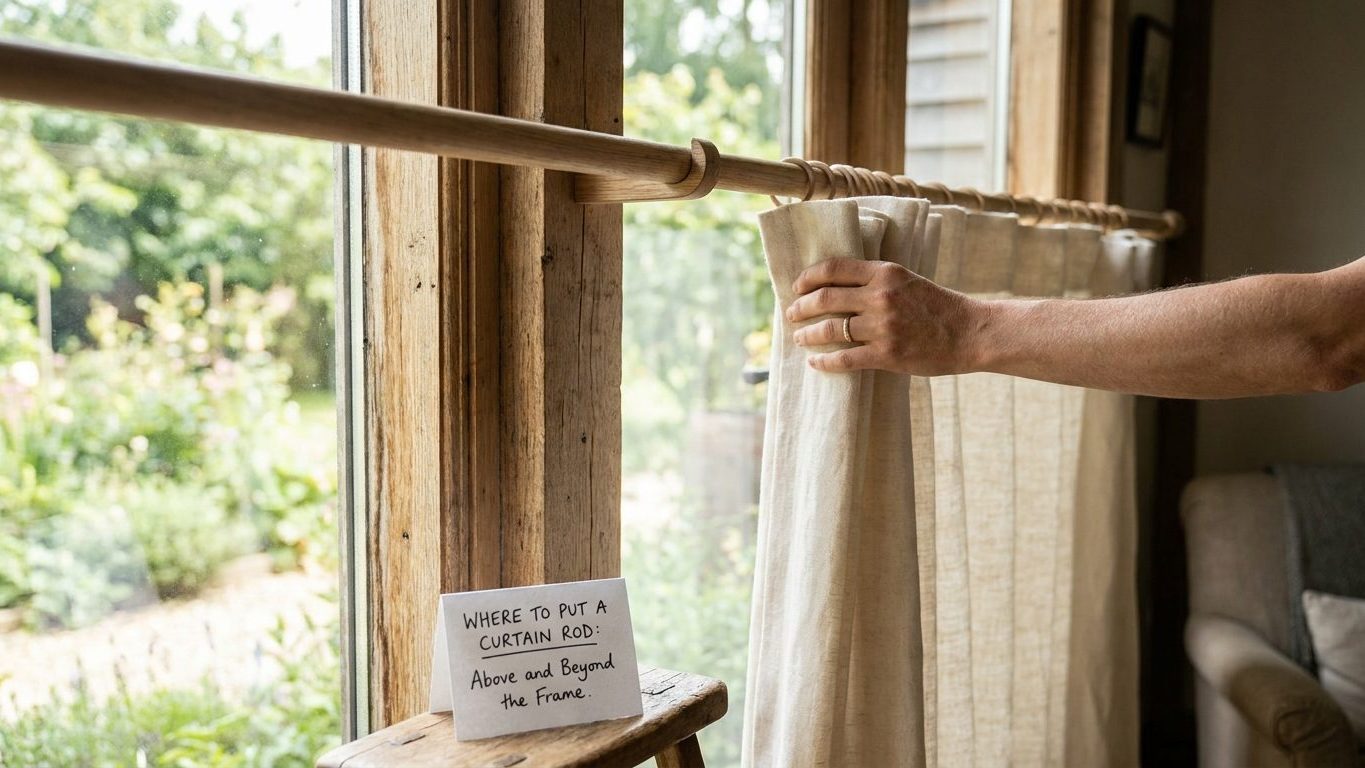
Curtain rods hang 4 to 6 inches above the frame and 8 to 12 inches past each side, with length breaking at the sill, apron or floor.
Home & garden, state by state
Curtain rods hang 4 to 6 inches above the frame and 8 to 12 inches past each side, with length breaking at the sill, apron or floor.

Vancouver’s design snow and wind figures come from the National Building Code, and they set what a permit or truss package must meet, not what your roof proves safe.
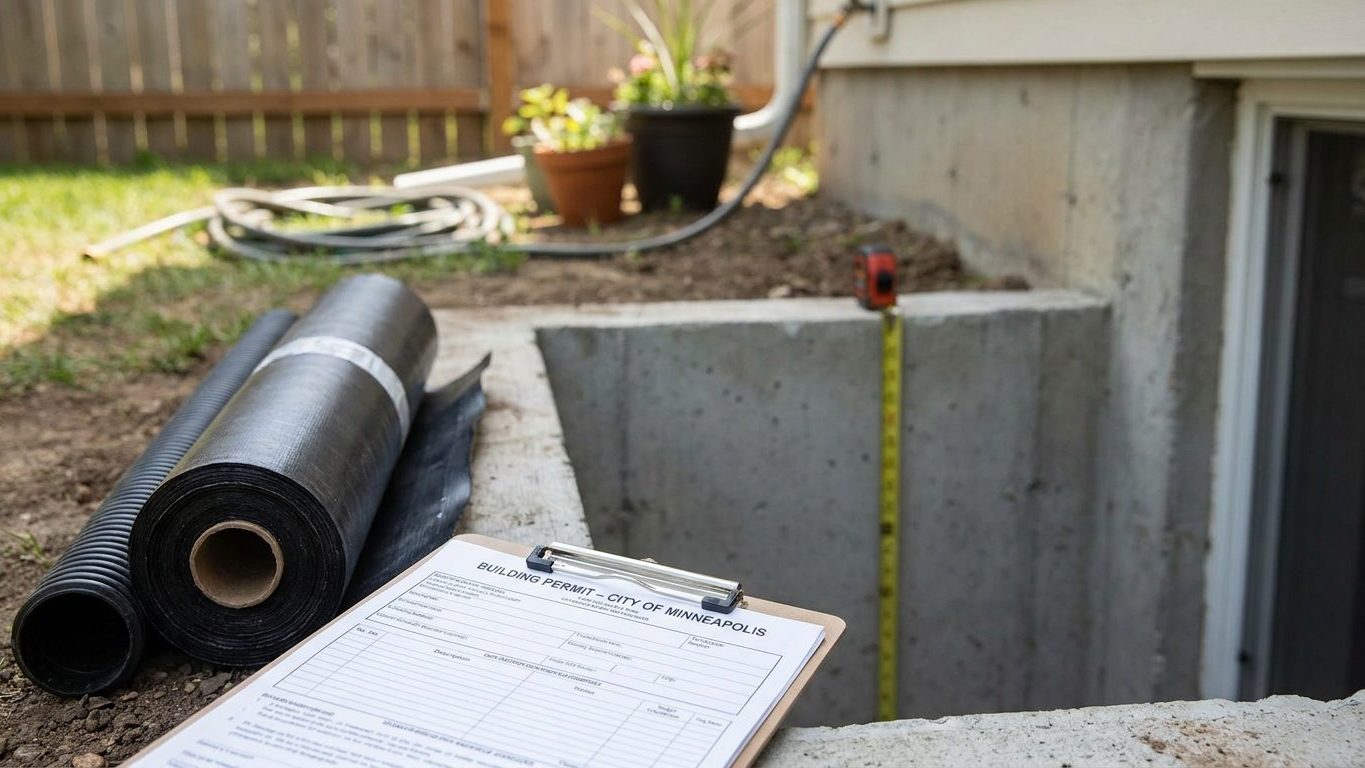
Connecticut’s own code amendments change the ceiling height and egress window rules for an existing basement, and they differ from the model code most guides quote.
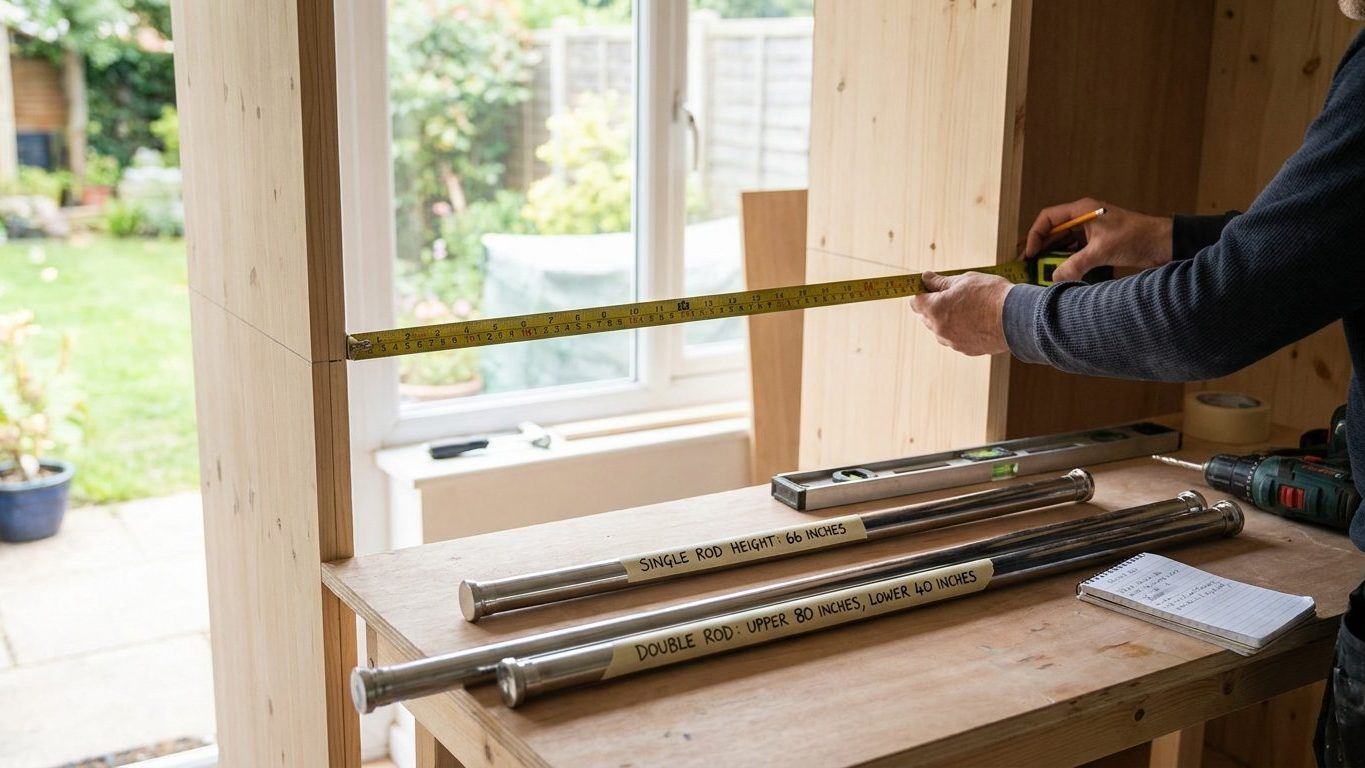
The exact heights for single and double closet rods, where the 12-inch and shelf-clearance figures come from, and when accessibility code overrides them.

Little Rock’s ground snow load, design wind speed, and ice barrier rules explained, with what each number actually governs on a house roof.

Alberta’s design snow load, wind pressure and ice barrier guidance come from Calgary’s reference figures in the National Building Code, adjusted for each municipality.

Bed clearance follows a furniture-planning convention of 24 to 30 inches per side, but accessible bedrooms fall under a specific ICC turning-circle rule.
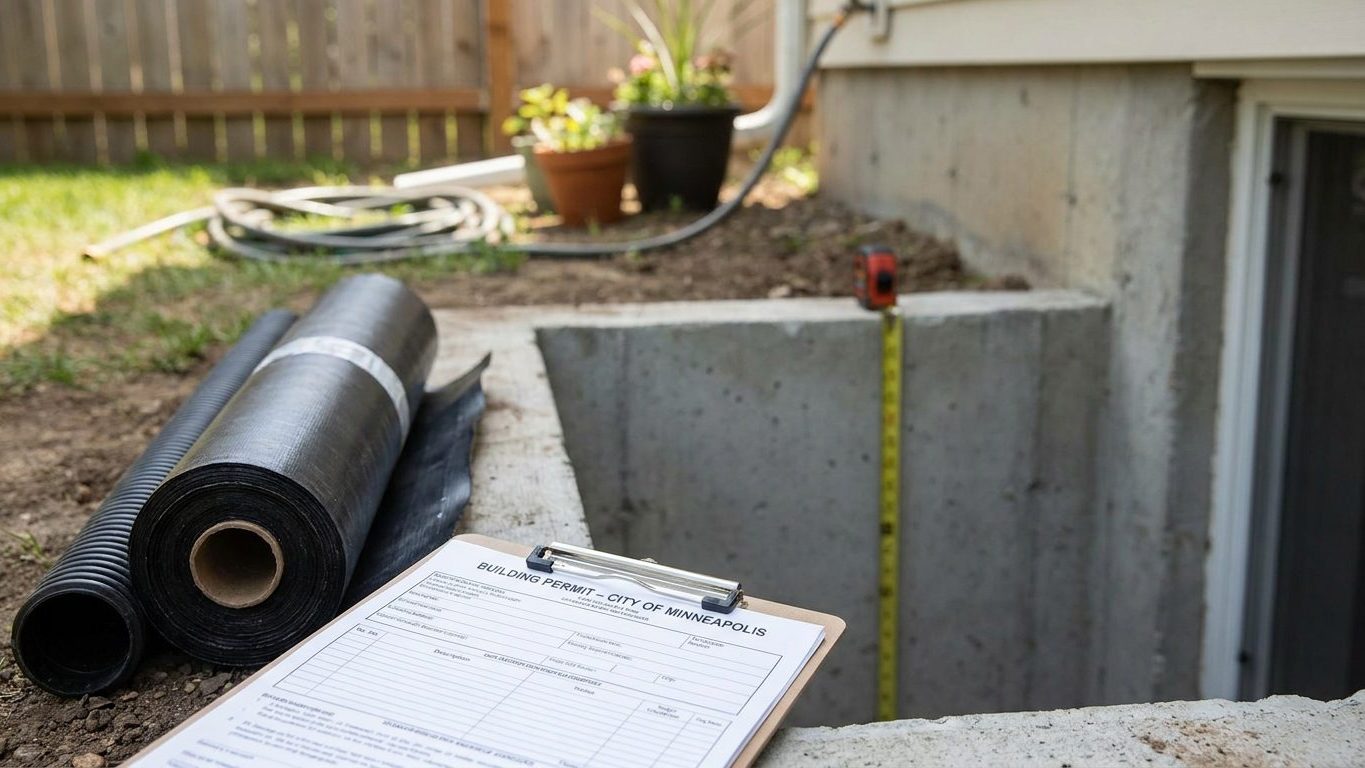
Minnesota’s residential code sets a lower ceiling-height minimum for existing basement remodels than for new construction, and its own rules decide when an egress window is required.

Anchorage’s ASCE 7-16 design figures for ground snow load and wind speed, what they convert to on a roof, and how Alaska handles ice barrier rules locally.
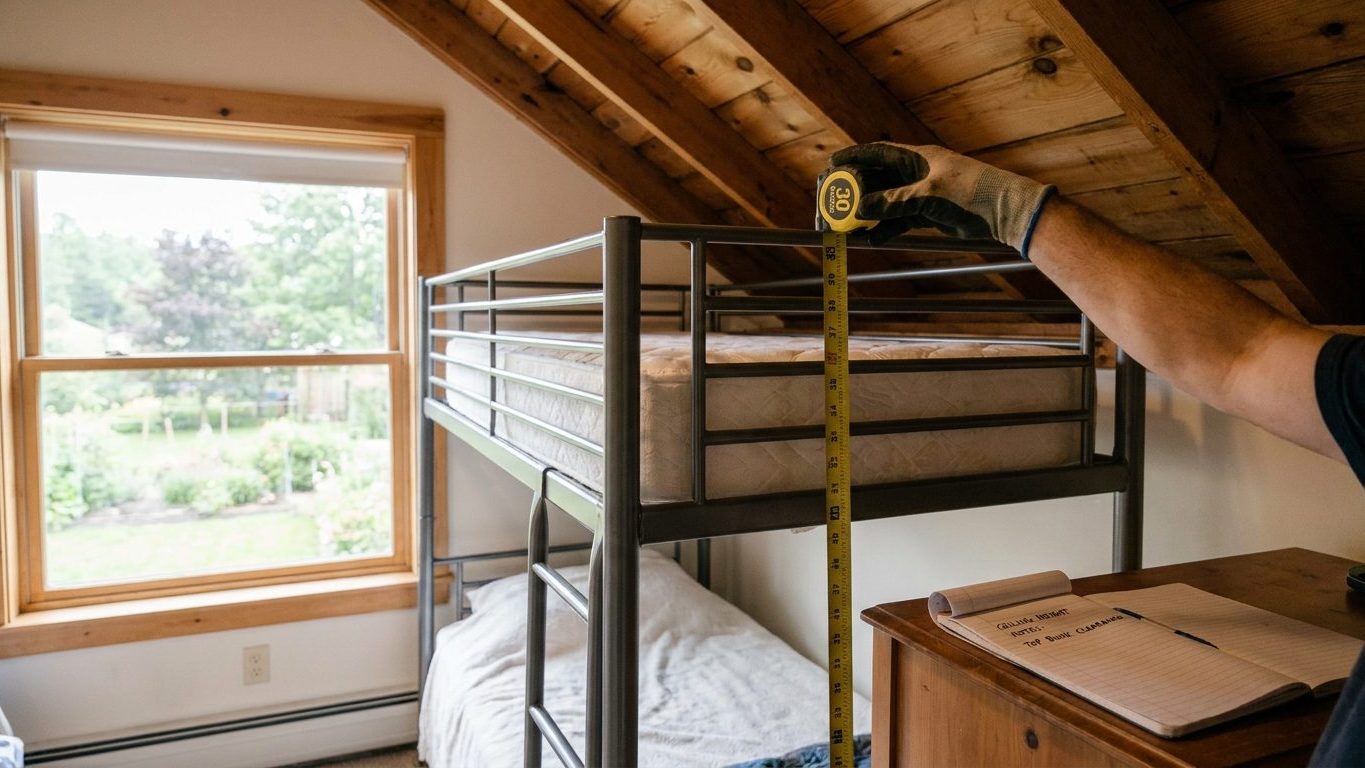
The 30-inch headroom figure on bunk bed boxes comes from the manufacturer, not a building code, while the room itself still must meet a 7-foot ceiling minimum.