When to Sow Parsnips in Illinois
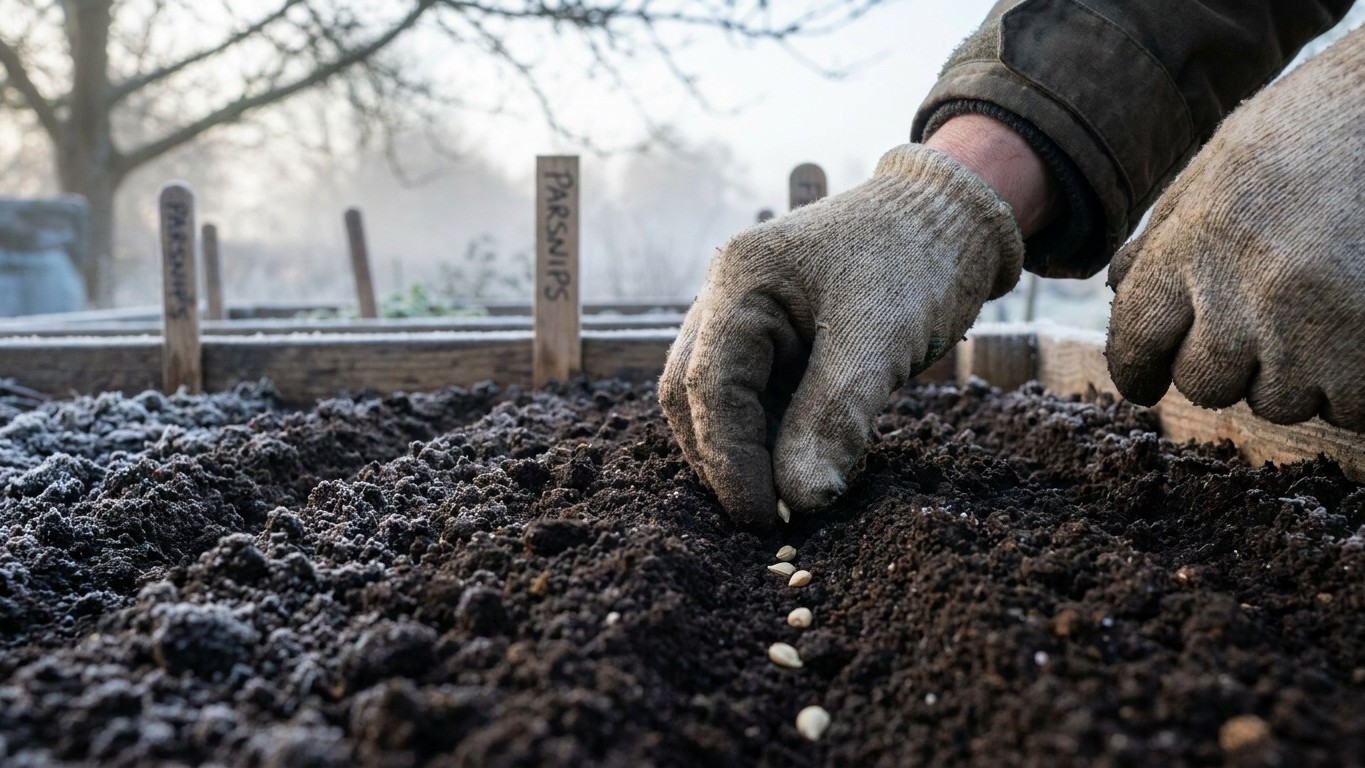
In Illinois, parsnip seed goes into the ground about two to three weeks before the last spring frost, which the Chicago reference station places between…
Home & garden, state by state
Everything we have worked out for Illinois: what to plant and when, which varieties finish in time, the pests that actually turn up here, and the jobs that pay off month by month. We also cover the rest of the property, from lawns and soil to home care and energy, because a garden rarely stops at the vegetable bed.
The numbers first, because everything else follows from them. Measured at the weather station in Chicago, the last spring freeze runs April 11 to April 22 and the first fall freeze runs October 24 to November 3, USDA zones 5a-7b, 3,274 growing degree days in the year.
Garlic does well: 26.1 weeks below 40 °F, comfortably past the six it needs to form a proper head.
Elsewhere on the property in Illinois: the pests that turn up here.
Figures from NOAA's 1991-2020 climate normals. A state is not one climate: elevation, a large lake or the coast can move these dates by two weeks either way, so check your own county with the extension service before you spend money.
In Illinois, parsnip seed goes into the ground about two to three weeks before the last spring frost, which the Chicago reference station places between…
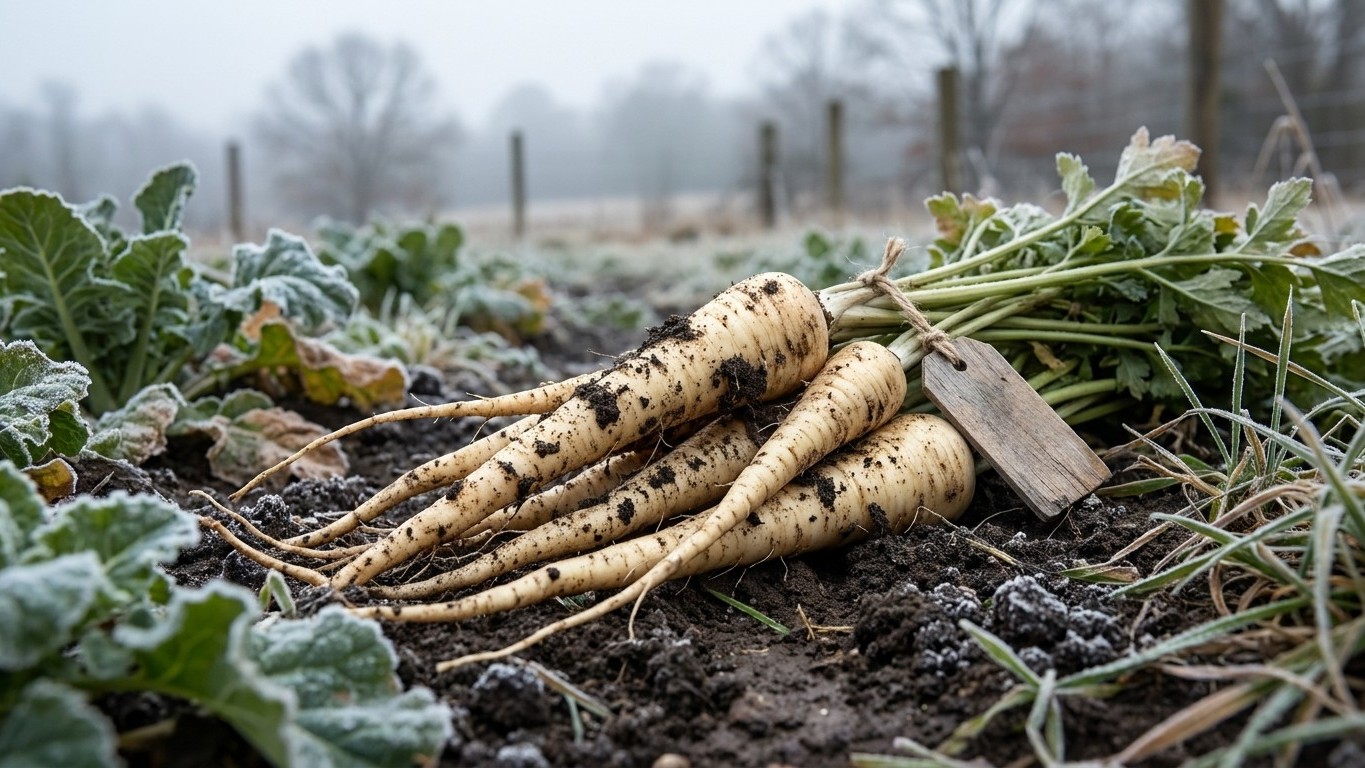
Illinois delivers the frost parsnips need to turn starch into sugar. Reference data from Chicago show a coldest-month average minimum of 18.8°F, well…
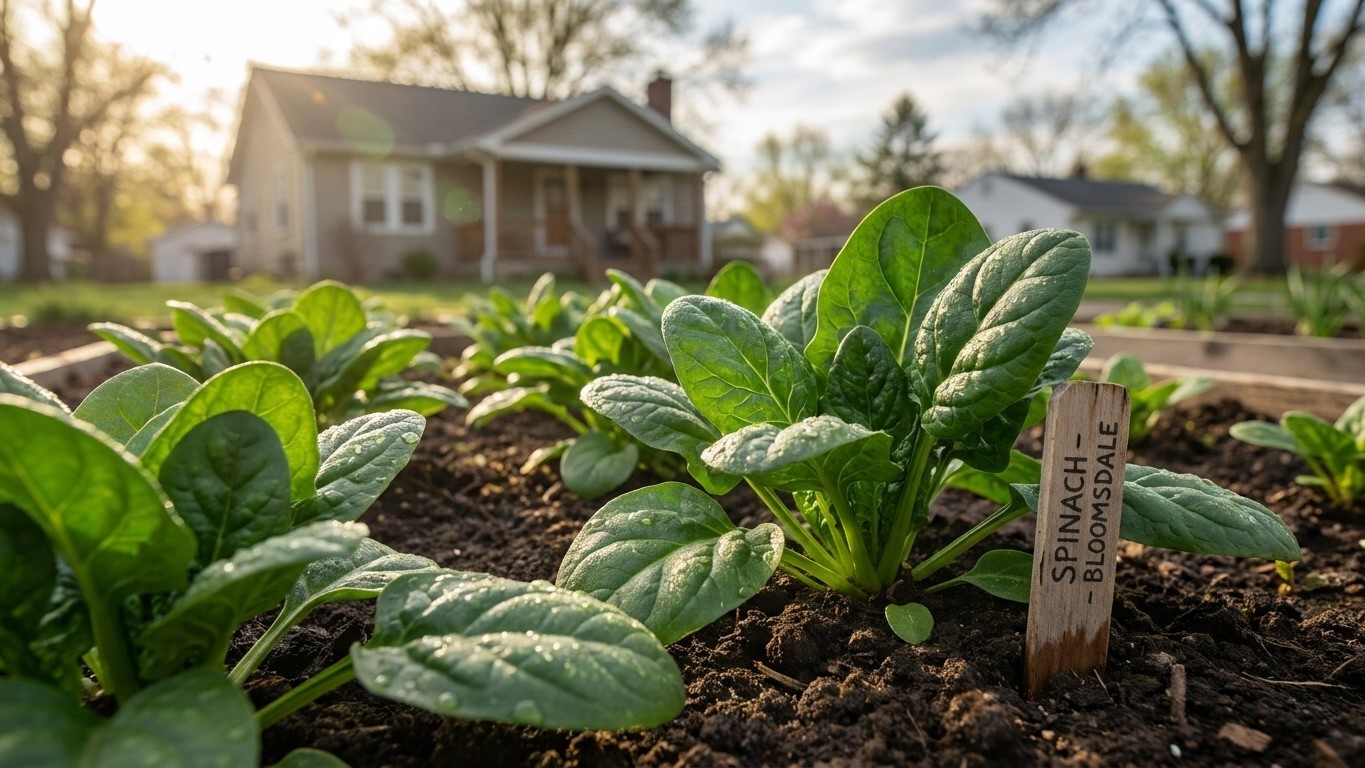
Spring-sown spinach in Illinois generally bolts by late May or the first half of June, once daylight climbs past 15 hours near the solstice and afternoon…
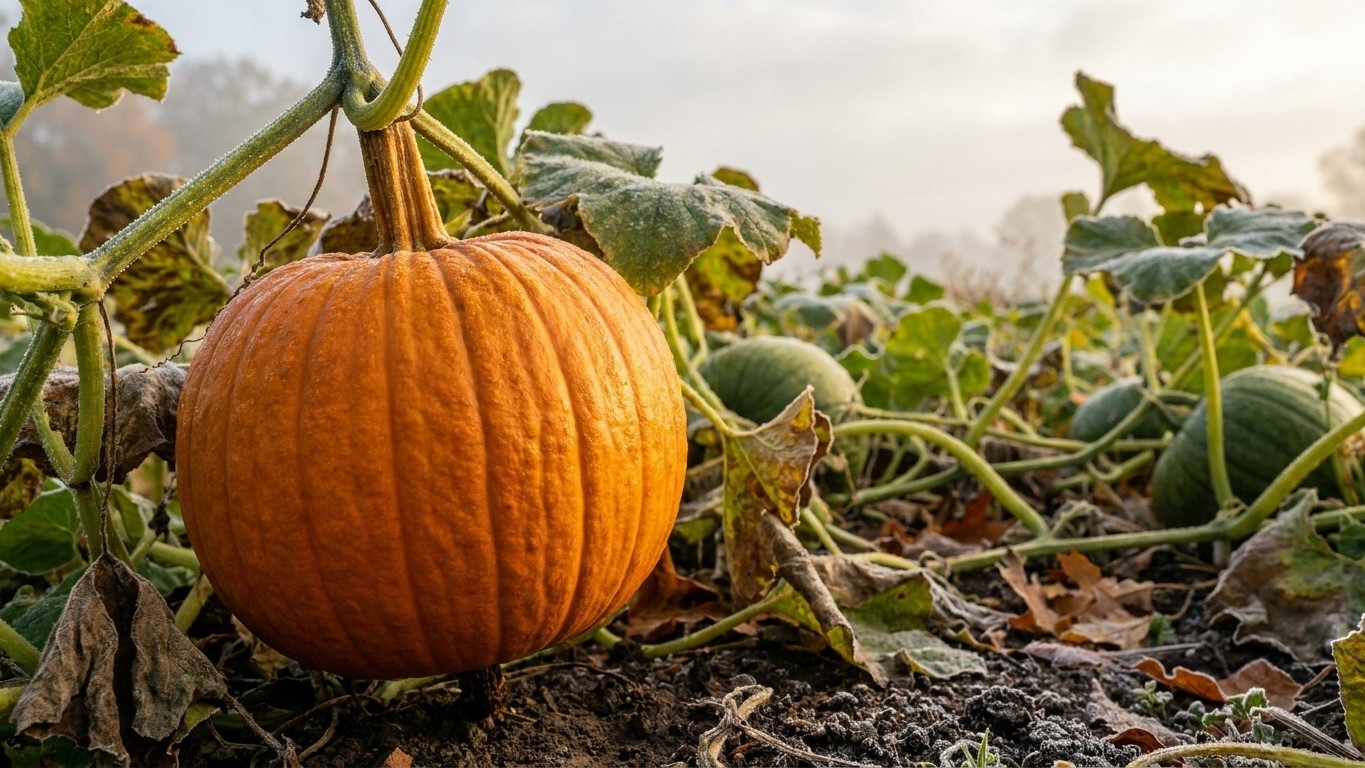
Yes, but the finish line matters more than the start line. In Illinois, a pumpkin’s fate gets decided by the day its flower opens, not the day you drop…
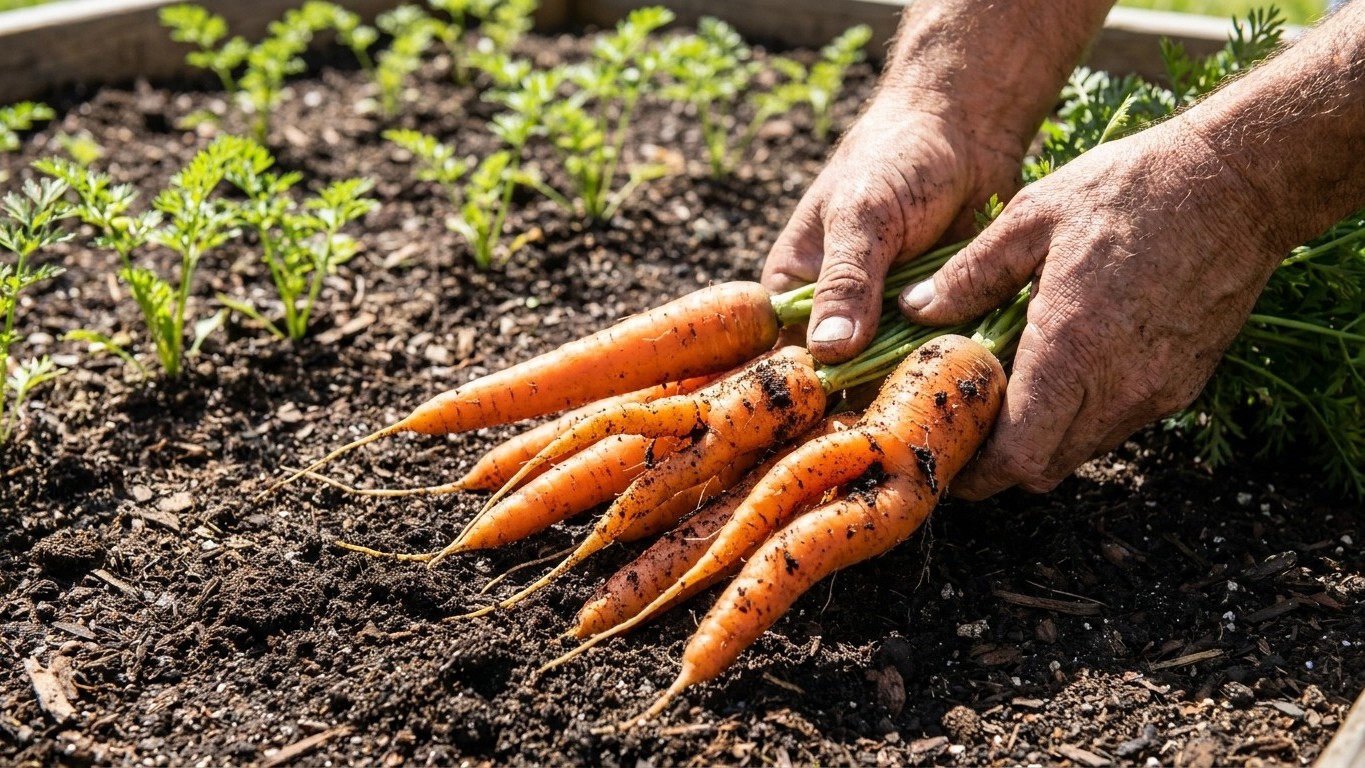
There’s no single fixed date, because carrots don’t wait for a frost-free calendar the way tomatoes do.
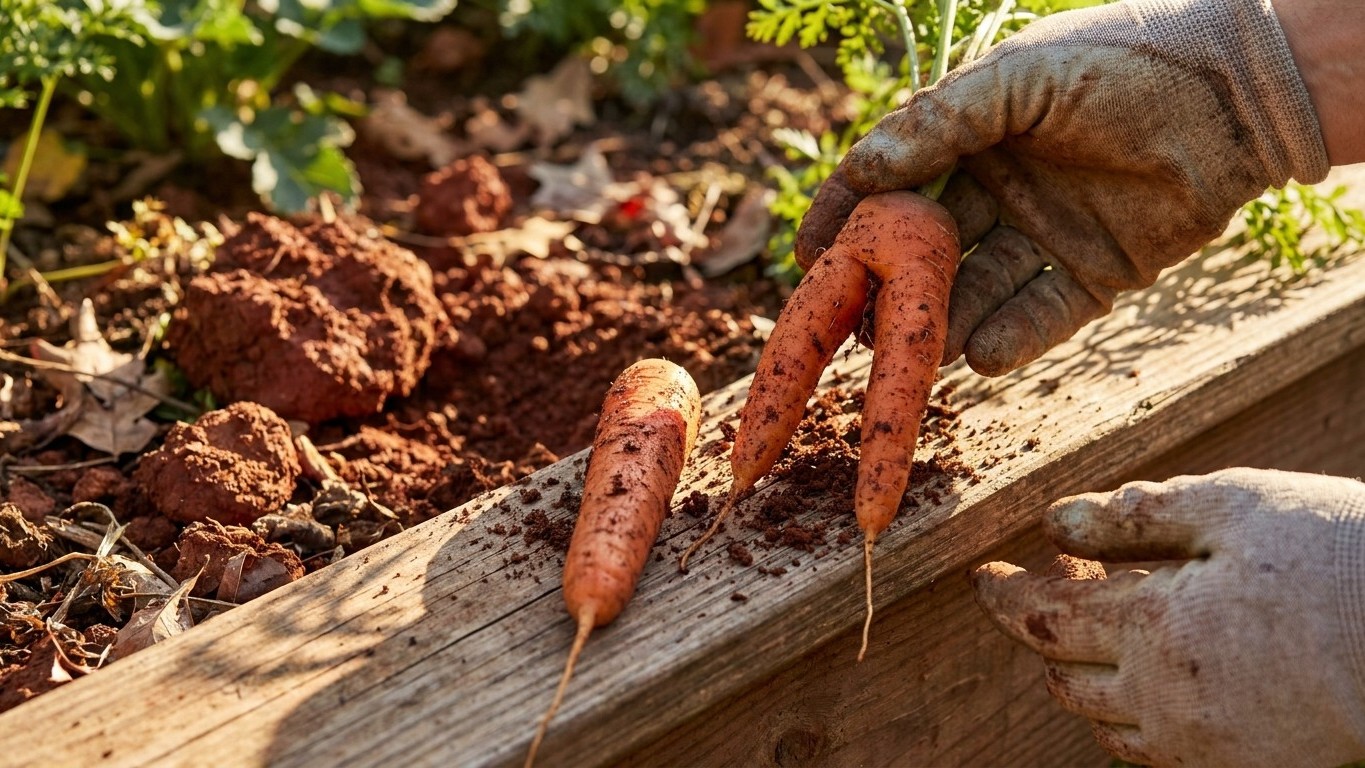
Yes, in Illinois’s benchmark soil, a carrot is likely to fork. The state soil, the Drummer series, is a poorly drained, clay-heavy Mollisol built for…
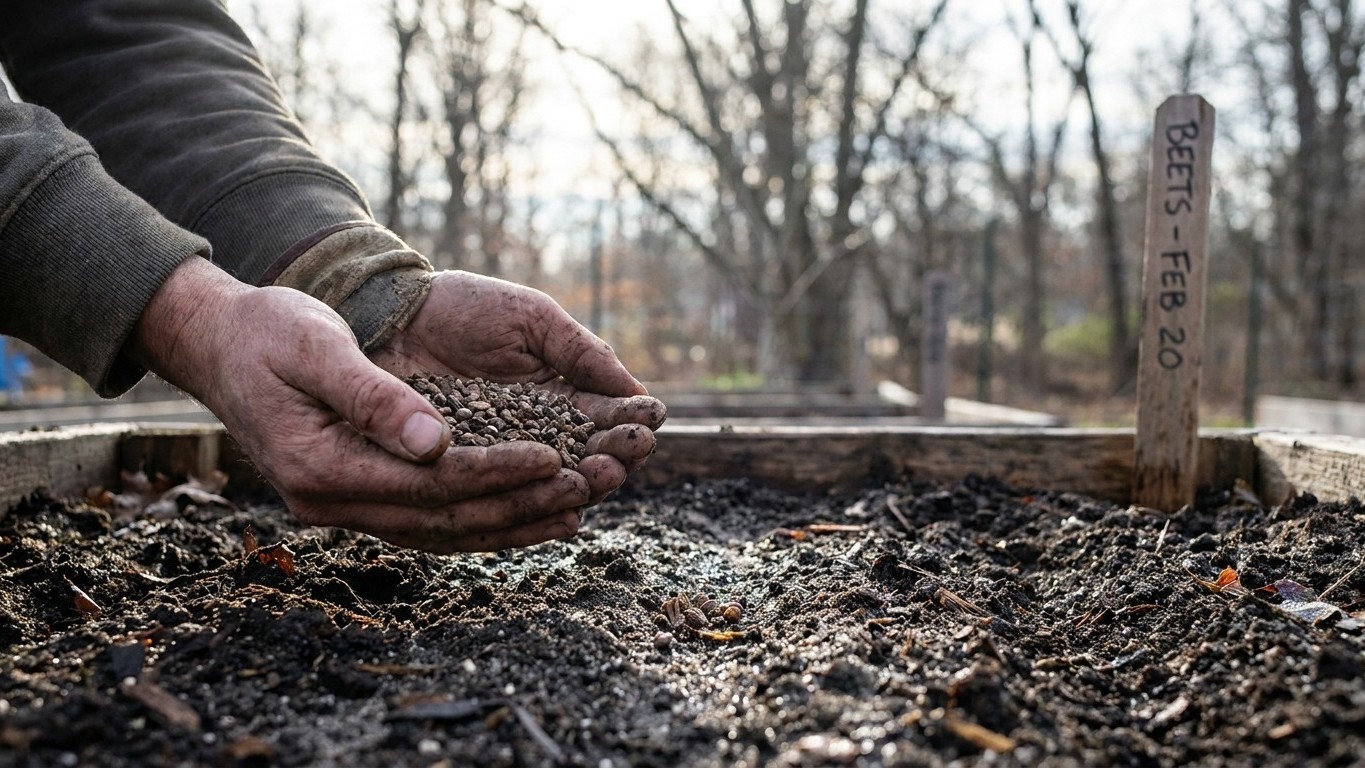
Illinois gardeners get a real shot at sweet, tender beets by sowing directly in the ground about two to three weeks before the last spring frost, which…
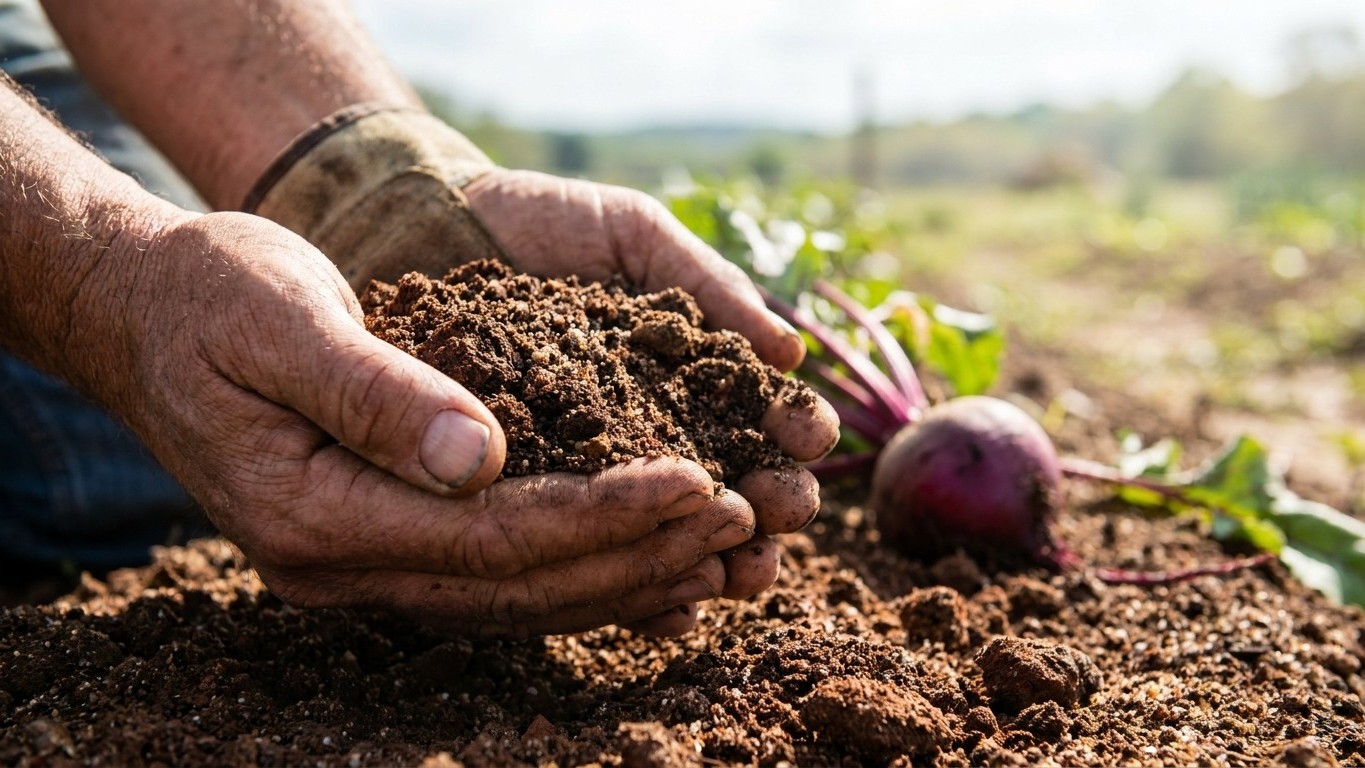
Illinois’ signature soil, the Drummer series, is a poorly drained, clay-heavy Mollisol built for corn and soybeans, not the deep, loose, sandy ground…
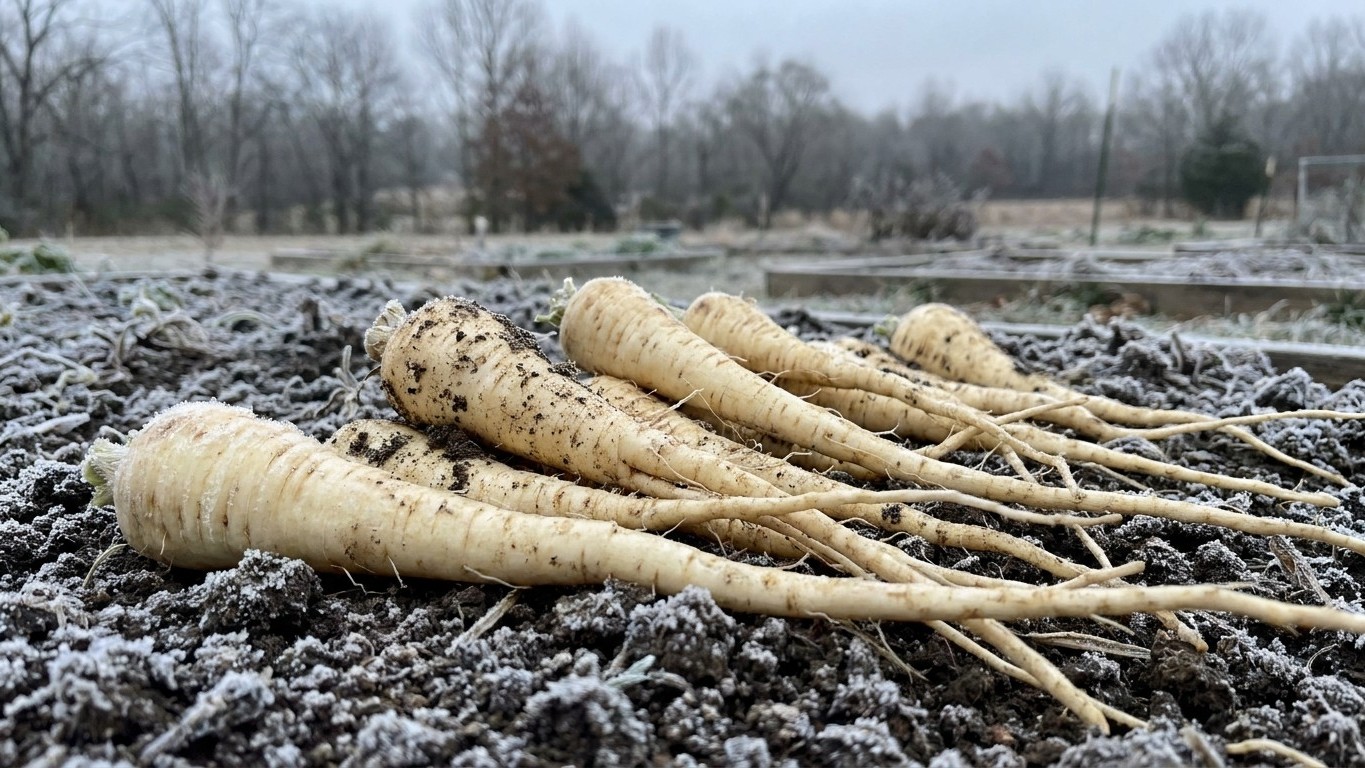
Illinois growers get a clear yes on both counts. The reference climate data for Chicago shows a cold season that reliably dips into hard-frost territory…
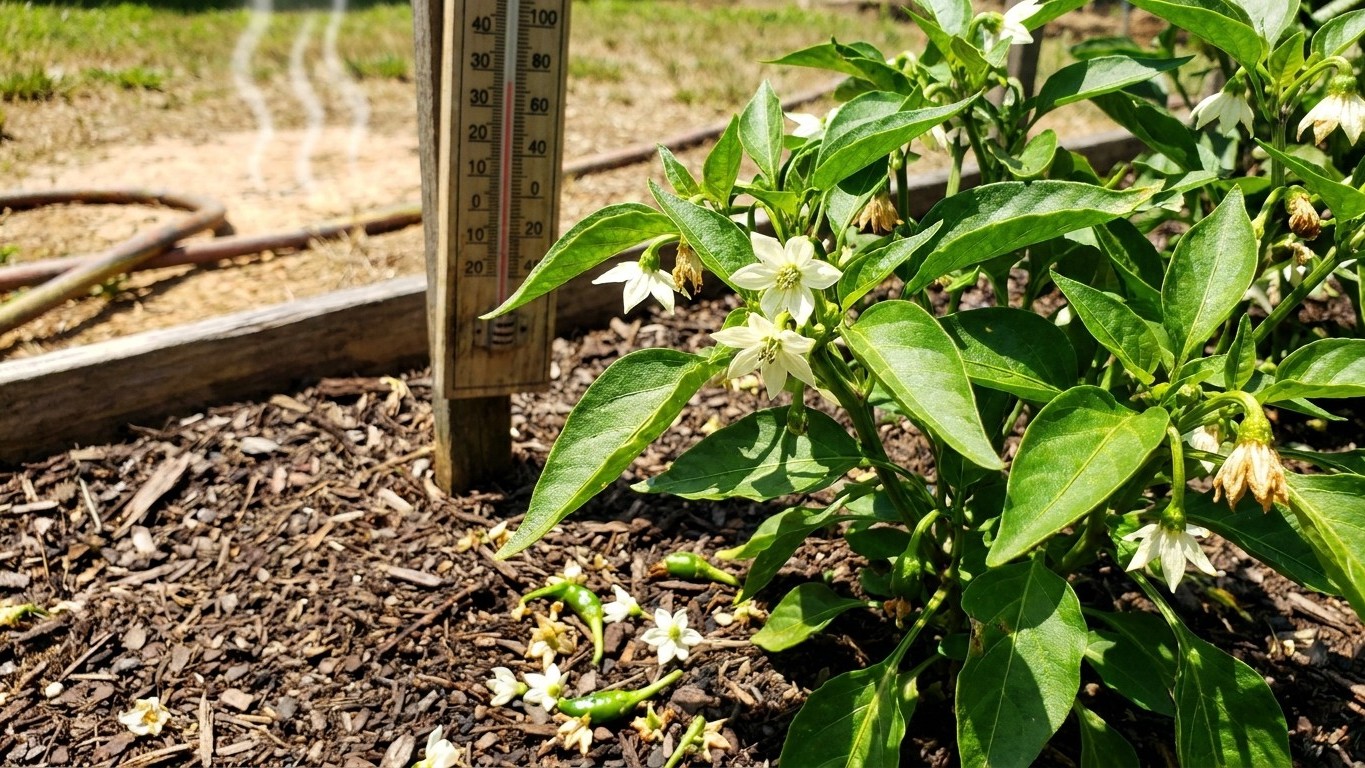
Illinois peppers stall for one of two opposite reasons: heat that shuts down pollen at the top of the thermometer, or chilly nights that do the same…