The Kansas Apple Calendar, Stage by Stage
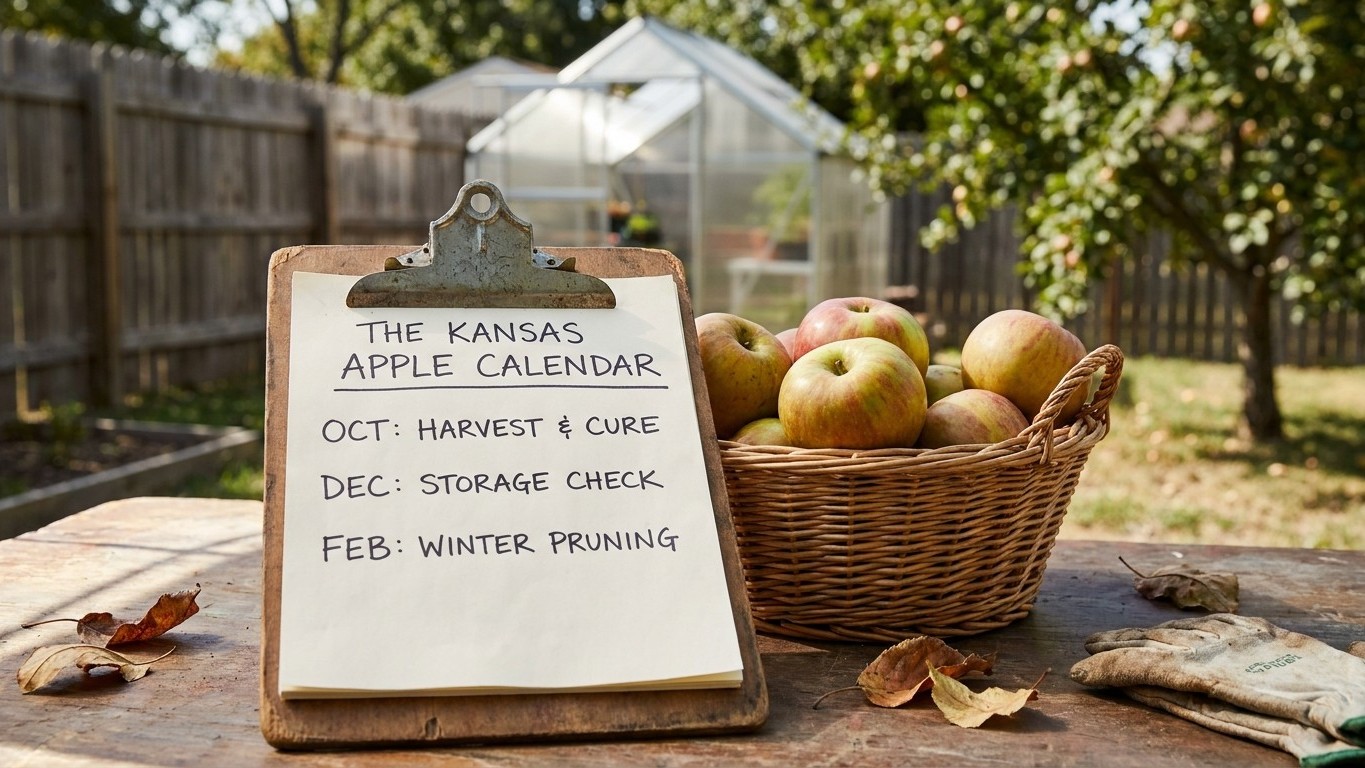
A stage-by-stage look at Kansas apple growth, from dormancy to harvest, keyed to Wichita’s NOAA frost-date normals and what changes by region.
Home & garden, state by state
Everything we have worked out for Kansas: what to plant and when, which varieties finish in time, the pests that actually turn up here, and the jobs that pay off month by month. We also cover the rest of the property, from lawns and soil to home care and energy, because a garden rarely stops at the vegetable bed.
The numbers first, because everything else follows from them. Measured at the weather station in Wichita, the last spring freeze runs April 4 to April 18 and the first fall freeze runs October 23 to November 2, USDA zones 5b-7a, 4,576 growing degree days in the year.
Garlic does well: 21.8 weeks below 40 °F, comfortably past the six it needs to form a proper head.
Elsewhere on the property in Kansas: the pests that turn up here.
Figures from NOAA's 1991-2020 climate normals. A state is not one climate: elevation, a large lake or the coast can move these dates by two weeks either way, so check your own county with the extension service before you spend money.
A stage-by-stage look at Kansas apple growth, from dormancy to harvest, keyed to Wichita’s NOAA frost-date normals and what changes by region.
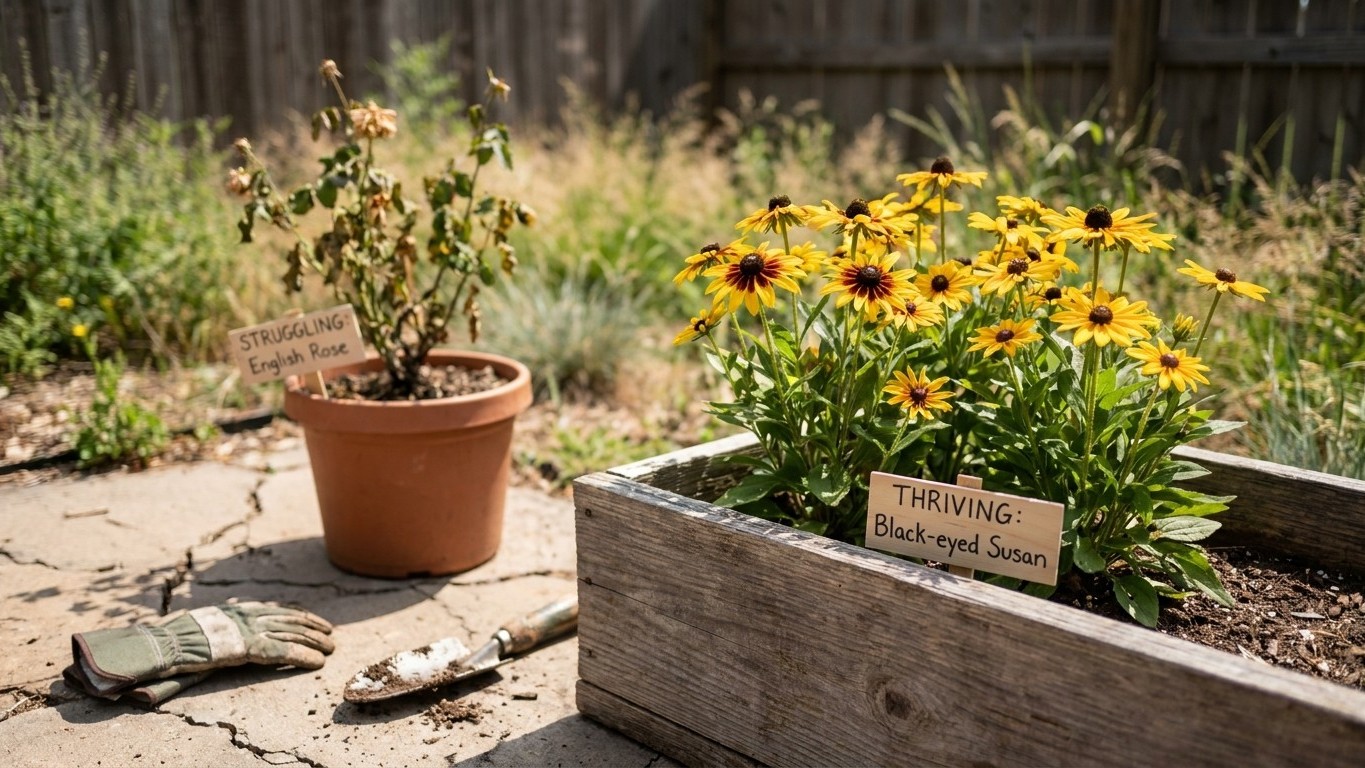
A breakdown of which flowers handle Kansas heat, cold and wind, with native picks, reliable perennials, and border-building tips.
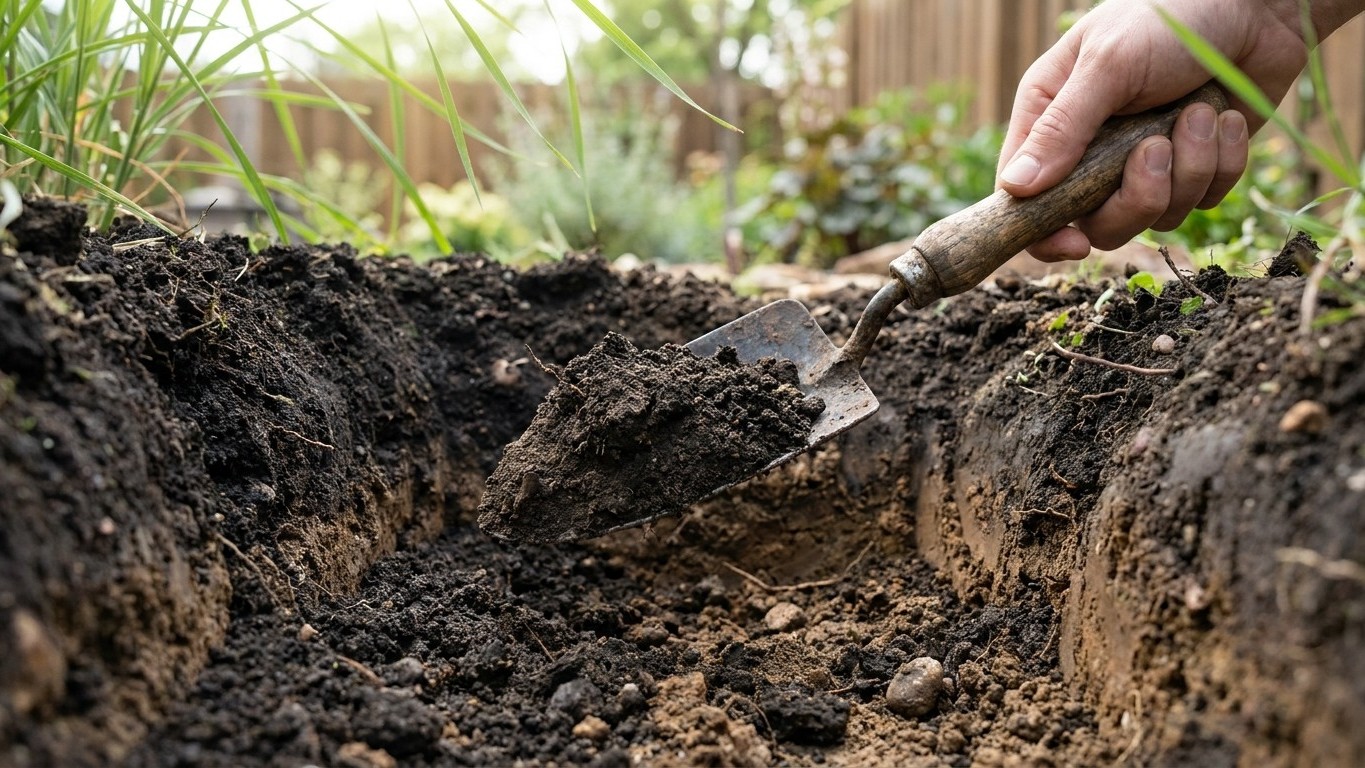
Kansas soil starts, on paper at least, with the Harney series: a deep, dark Mollisol that built the Corn Belt and got named the state’s official soil by…
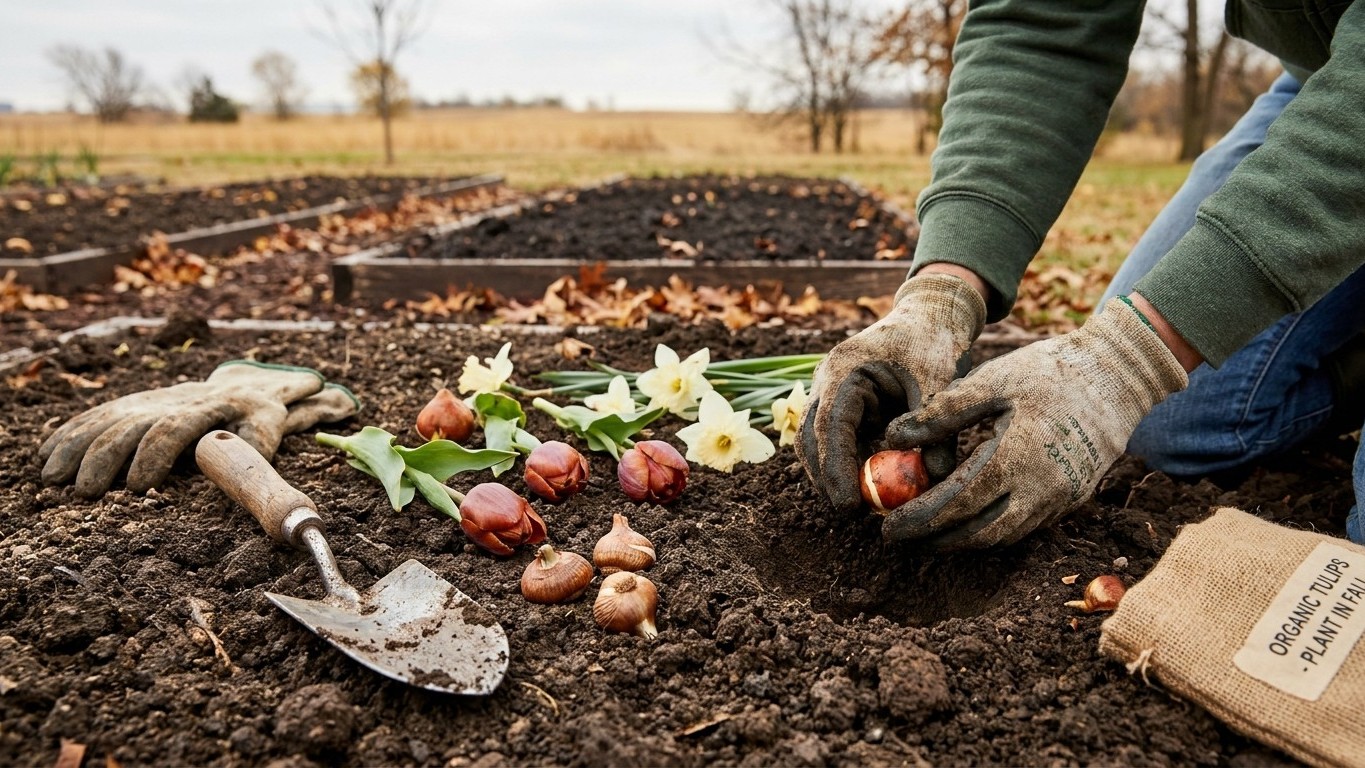
Kansas winters run cold enough to satisfy nearly every classic spring bulb, from tulips to daffodils to crocus.
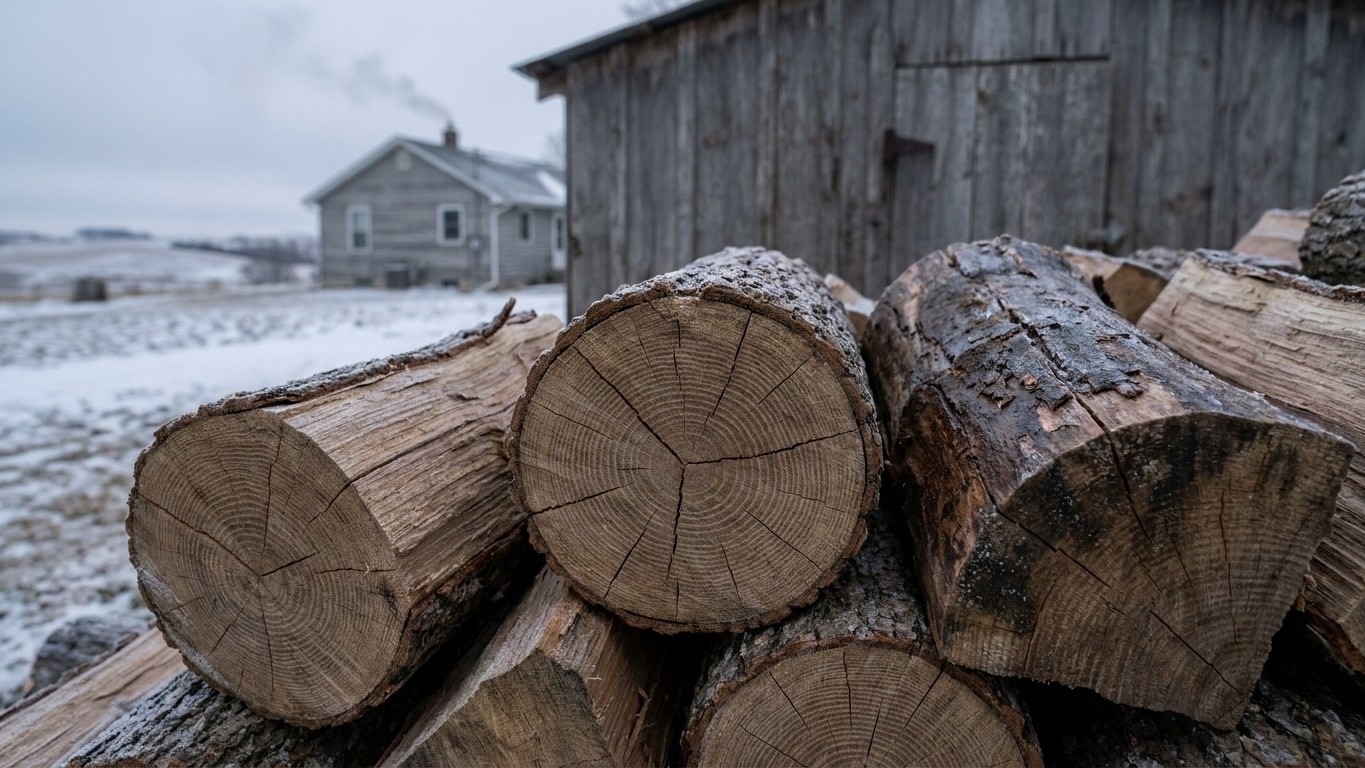
The wood that gets a Kansas home through January isn’t the one that smells nicest at a roadside stand.
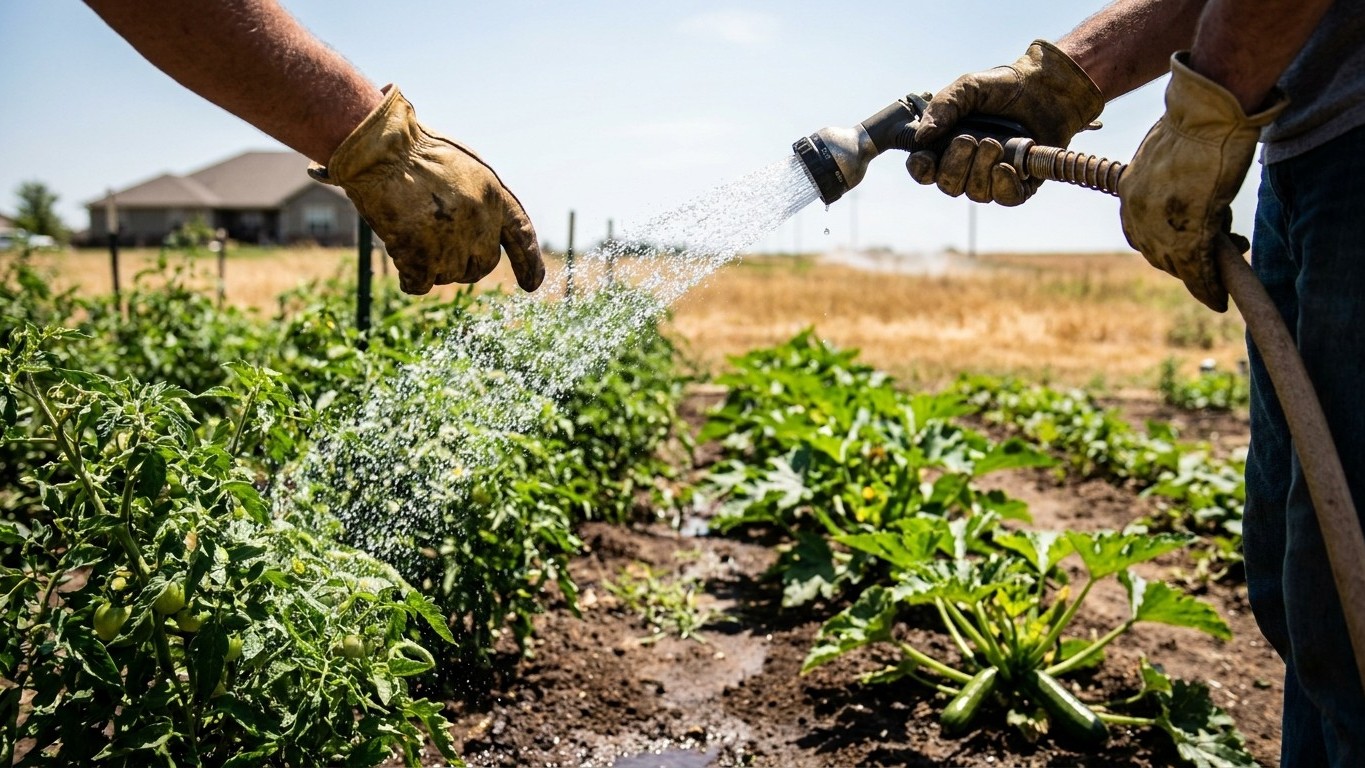
Kansas summers push past 90°F on 57.6 days a year on average at the Wichita reference station, and that single number does more to shape a watering…
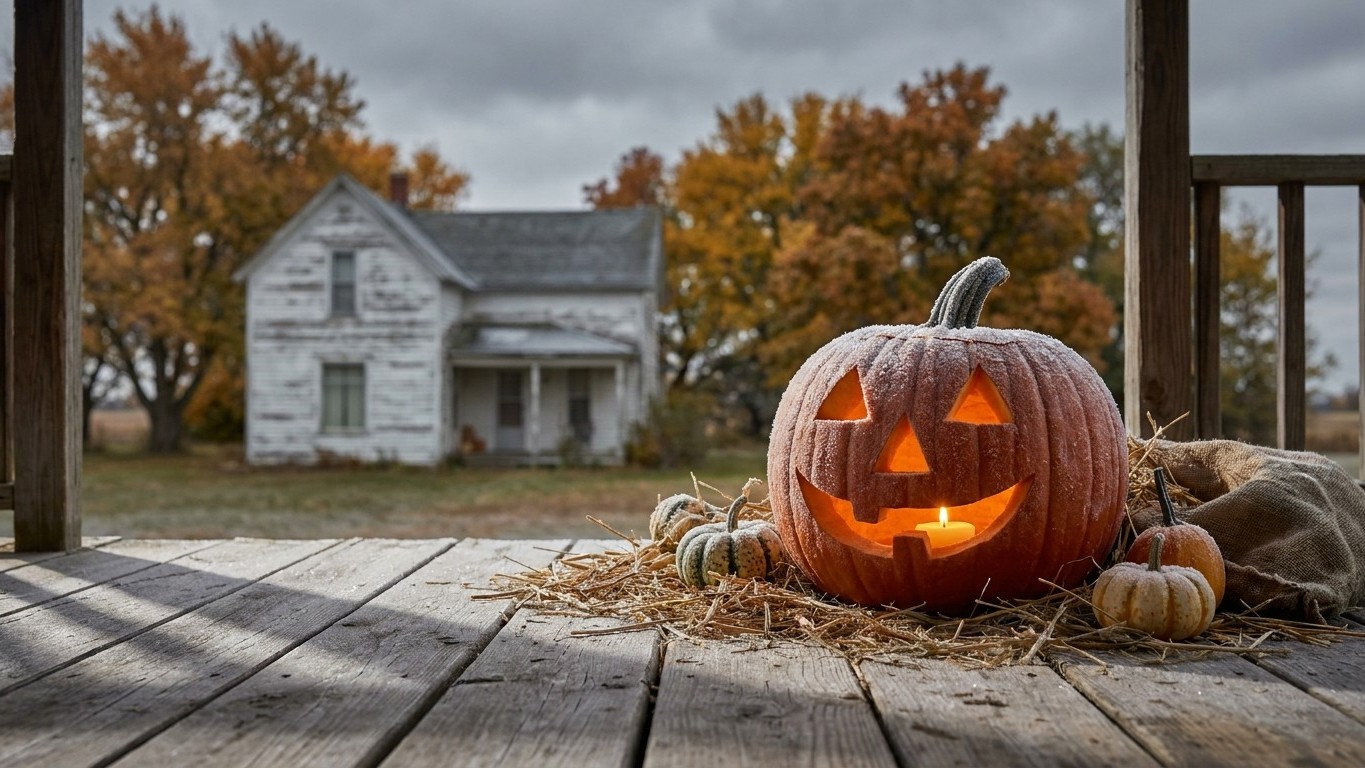
Around Wichita, the mean first fall frost lands somewhere between October 23 and November 2, a window that straddles Halloween almost exactly.
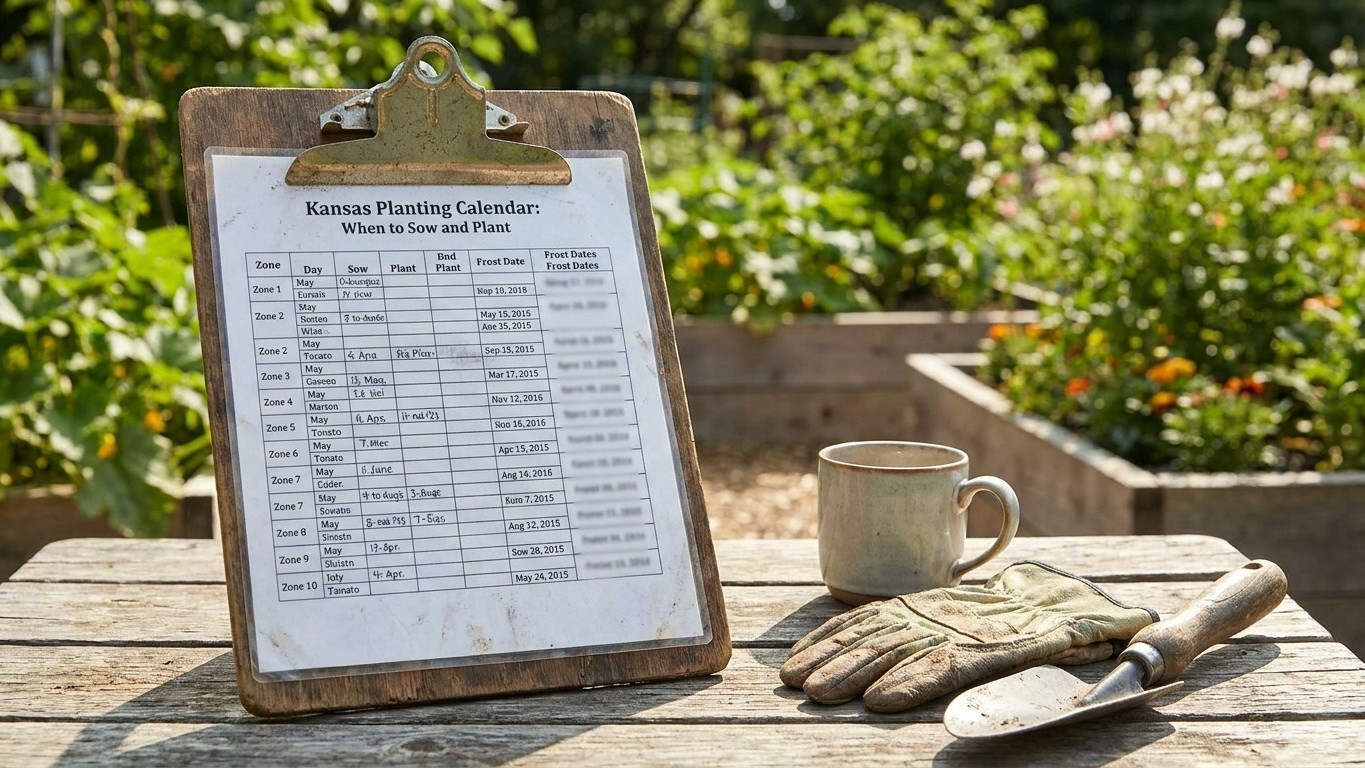
This calendar uses NOAA’s Wichita frost normals to time cool-season and warm-season planting across Kansas, with guidance for adjusting to your own county.
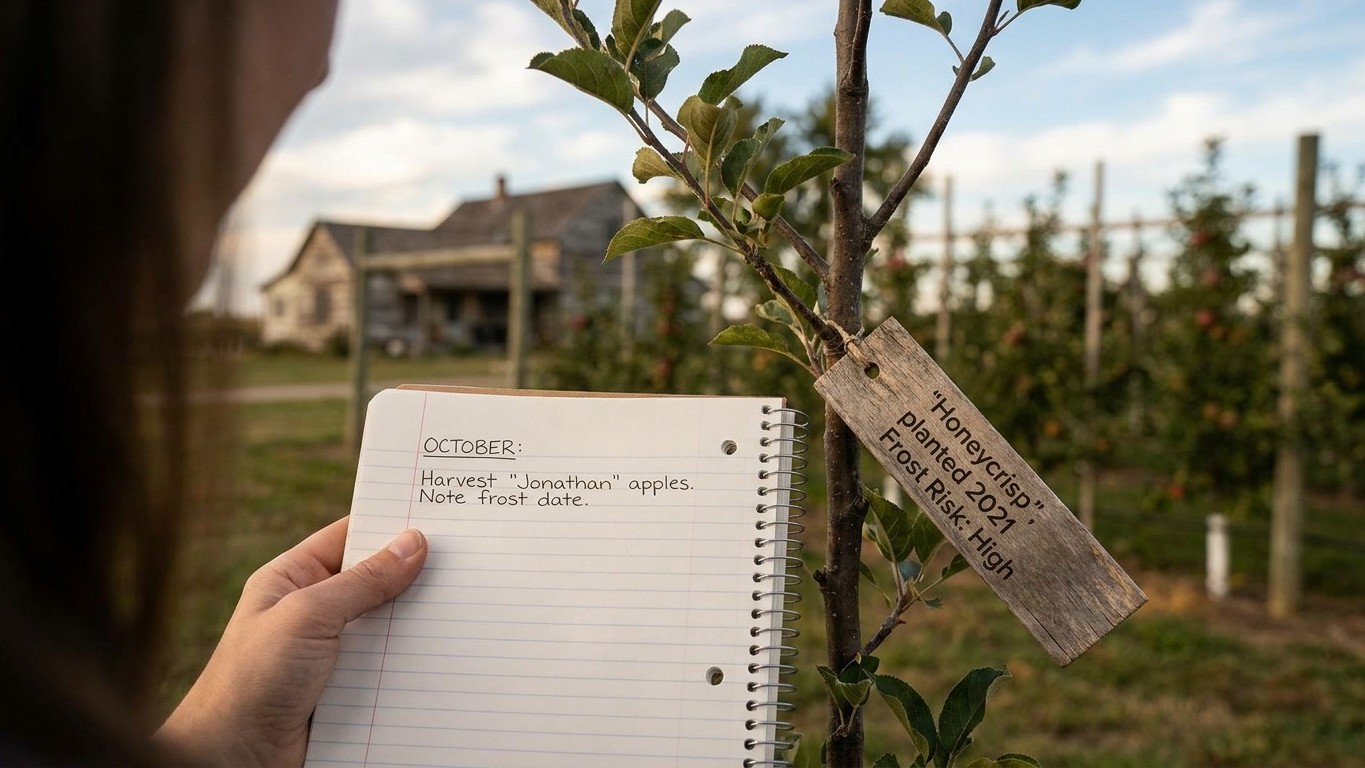
Kansas can grow apples in every region, but variety choice, chill needs, and Wichita’s spring frost window determine whether the bloom survives.
At 37.65 degrees north, Wichita gets 14 hours and 36 minutes of daylight on the longest day of the year.