Growing Potatoes in Kansas: Dates, Varieties and Summer Heat
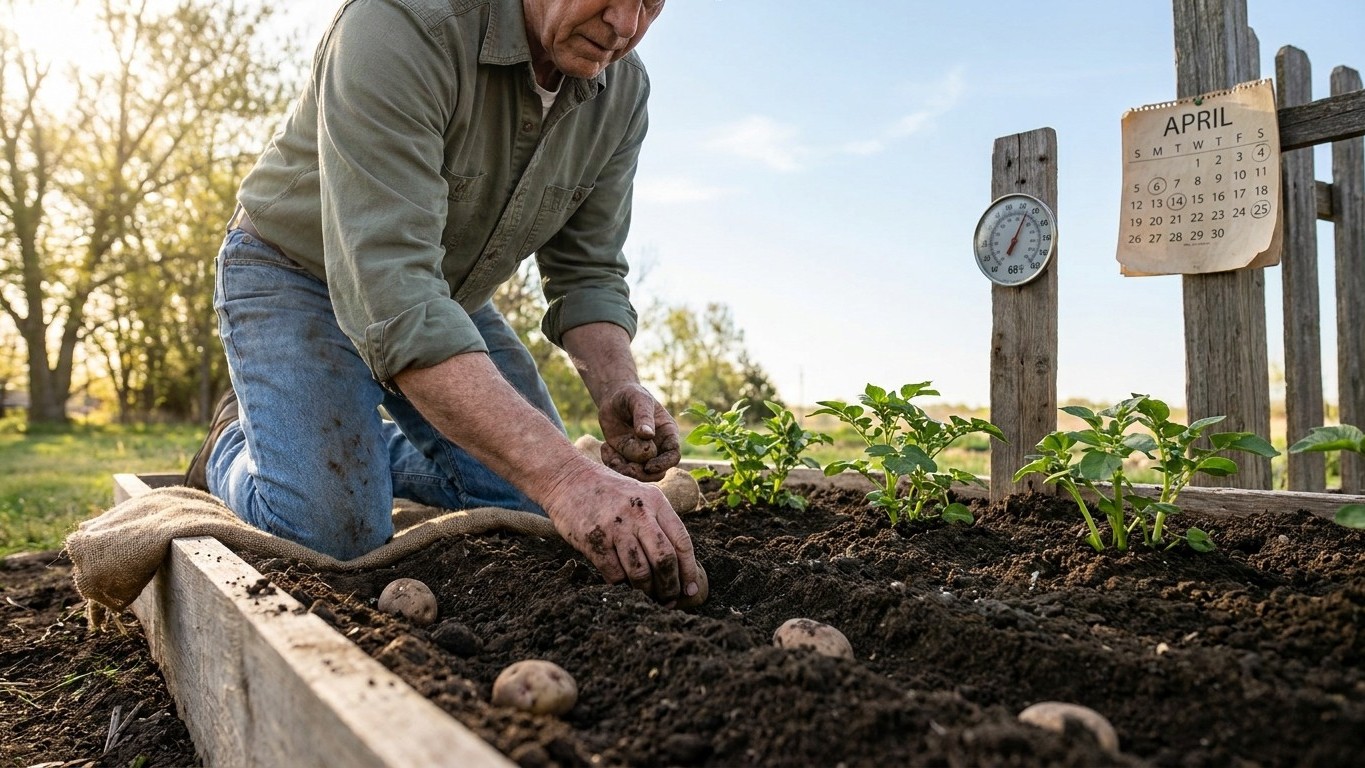
Kansas gardeners face a narrow window: plant potatoes too late and the Wichita-area heat load of 57.6 days a year above 90 F stalls tuber growth before…
Home & garden, state by state
Everything we have worked out for Kansas: what to plant and when, which varieties finish in time, the pests that actually turn up here, and the jobs that pay off month by month. We also cover the rest of the property, from lawns and soil to home care and energy, because a garden rarely stops at the vegetable bed.
The numbers first, because everything else follows from them. Measured at the weather station in Wichita, the last spring freeze runs April 4 to April 18 and the first fall freeze runs October 23 to November 2, USDA zones 5b-7a, 4,576 growing degree days in the year.
Garlic does well: 21.8 weeks below 40 °F, comfortably past the six it needs to form a proper head.
Elsewhere on the property in Kansas: the pests that turn up here.
Figures from NOAA's 1991-2020 climate normals. A state is not one climate: elevation, a large lake or the coast can move these dates by two weeks either way, so check your own county with the extension service before you spend money.
Kansas gardeners face a narrow window: plant potatoes too late and the Wichita-area heat load of 57.6 days a year above 90 F stalls tuber growth before…
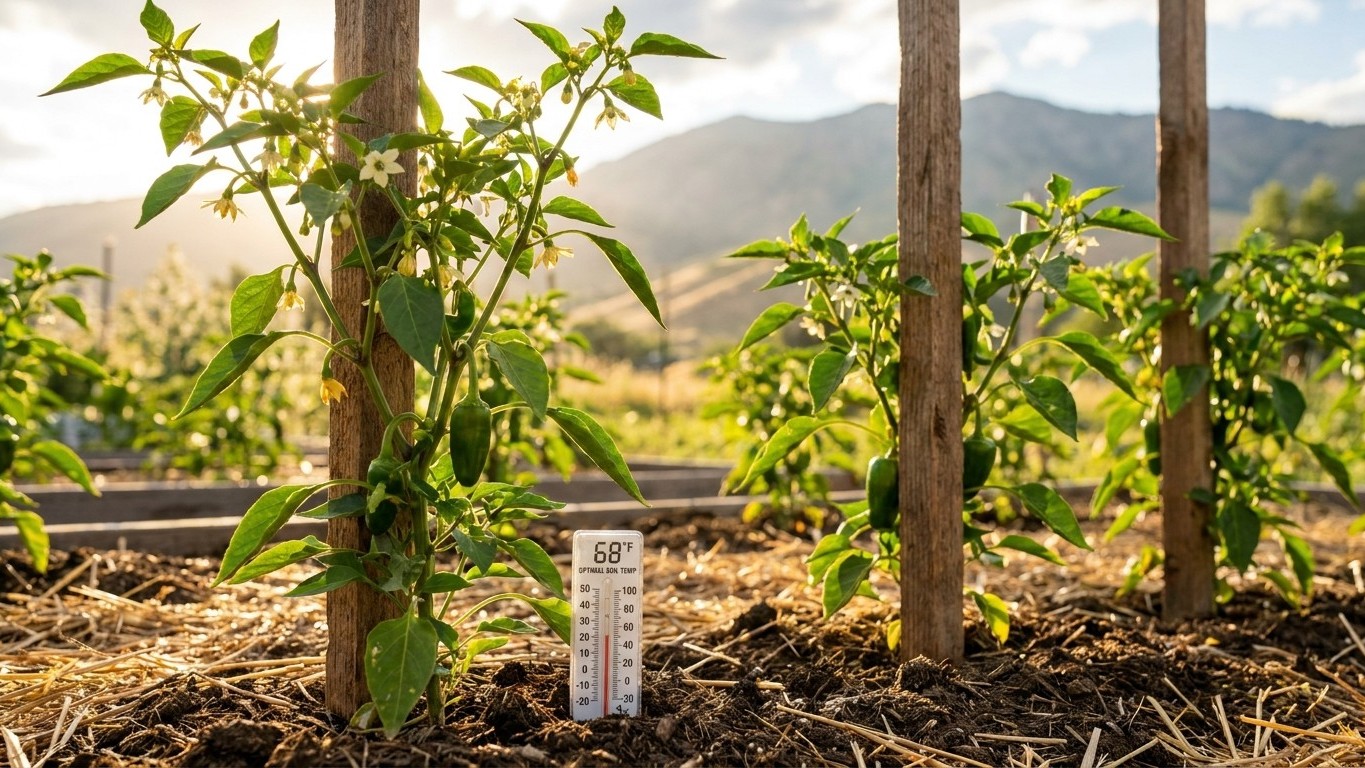
In Kansas, peppers ripen reliably when growers work around two thresholds: the heat that shuts down fruit set in midsummer, and the cool nights that do…
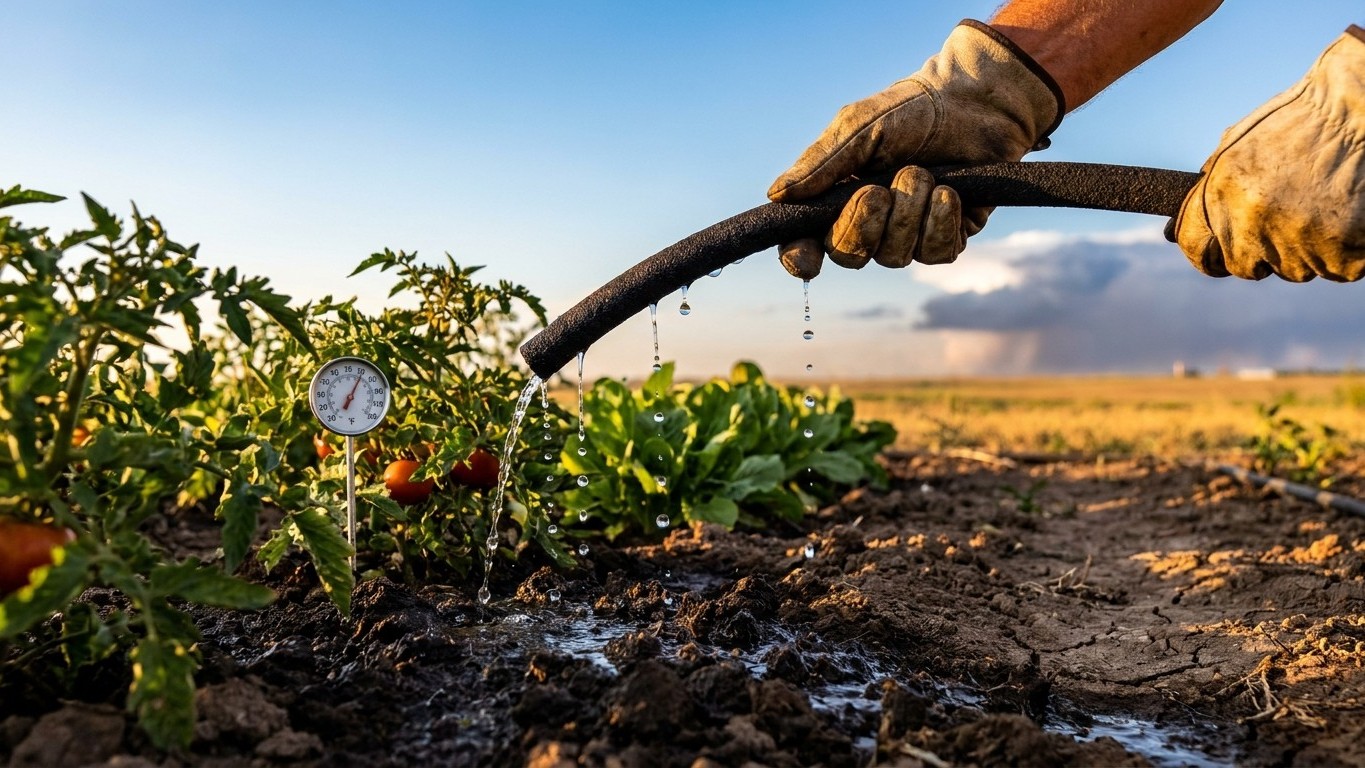
Kansas summers hand gardeners just enough rain to look sufficient on a chart, then take much of it back with heat before roots ever use it.
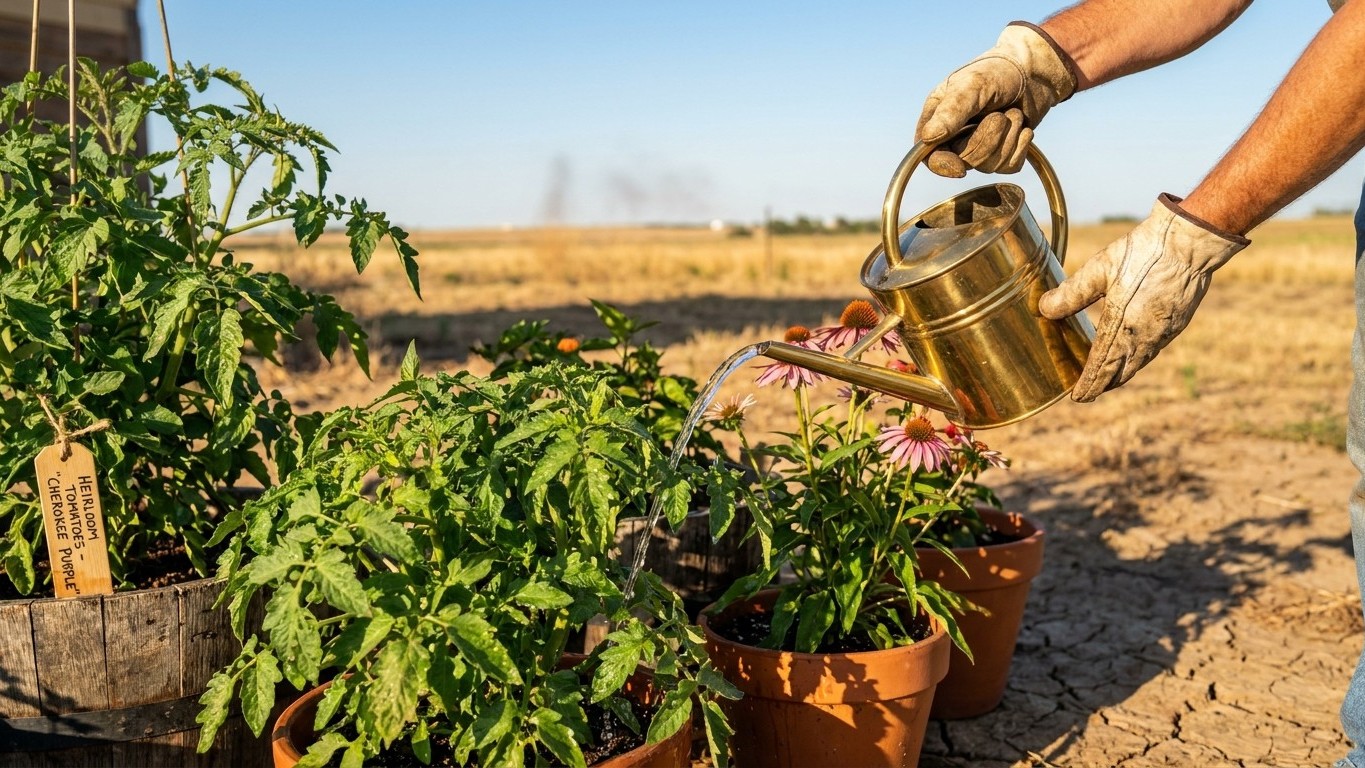
Kansas summers put a garden’s watering plan under real pressure: July, the driest month, brings only 3.98 inches of rain, while the mercury clears 90°F…
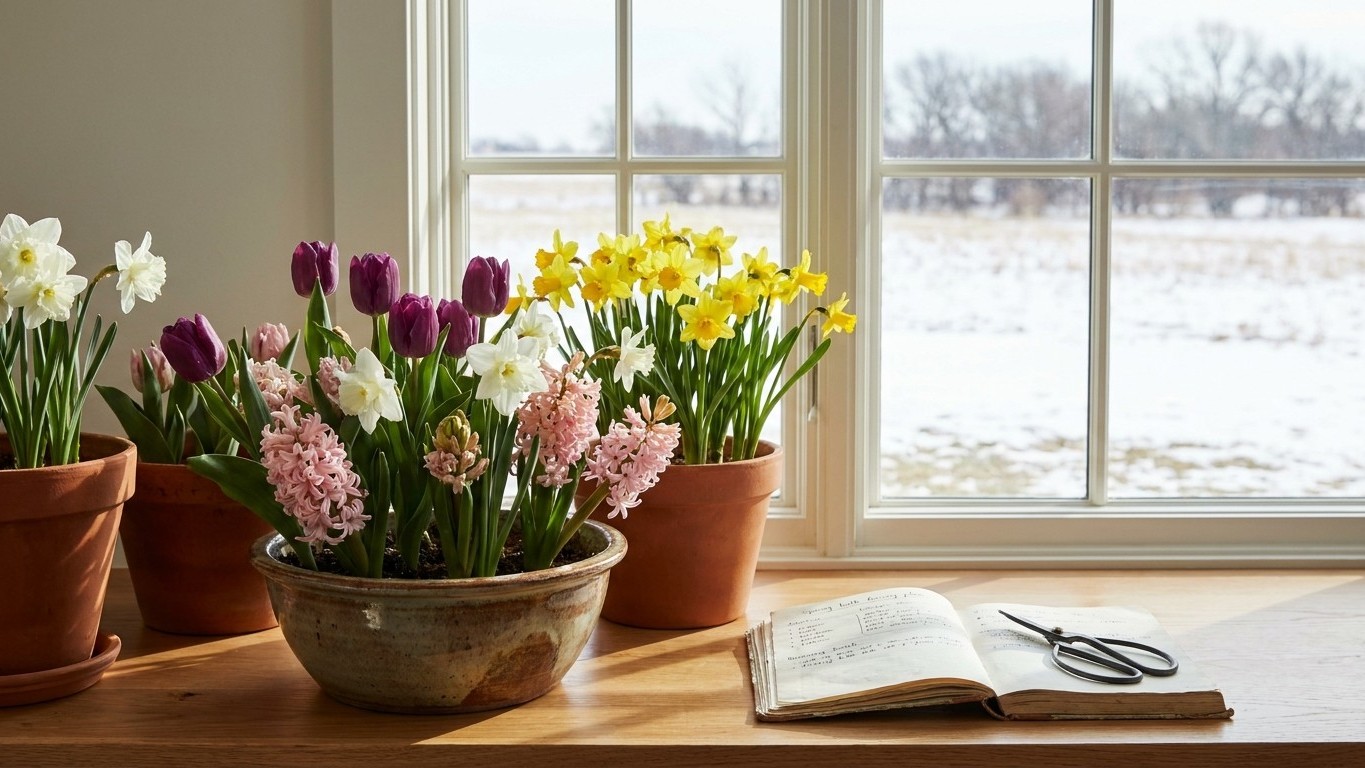
In Kansas, the ground already delivers all the cold a spring bulb needs to bloom on its own outdoors.
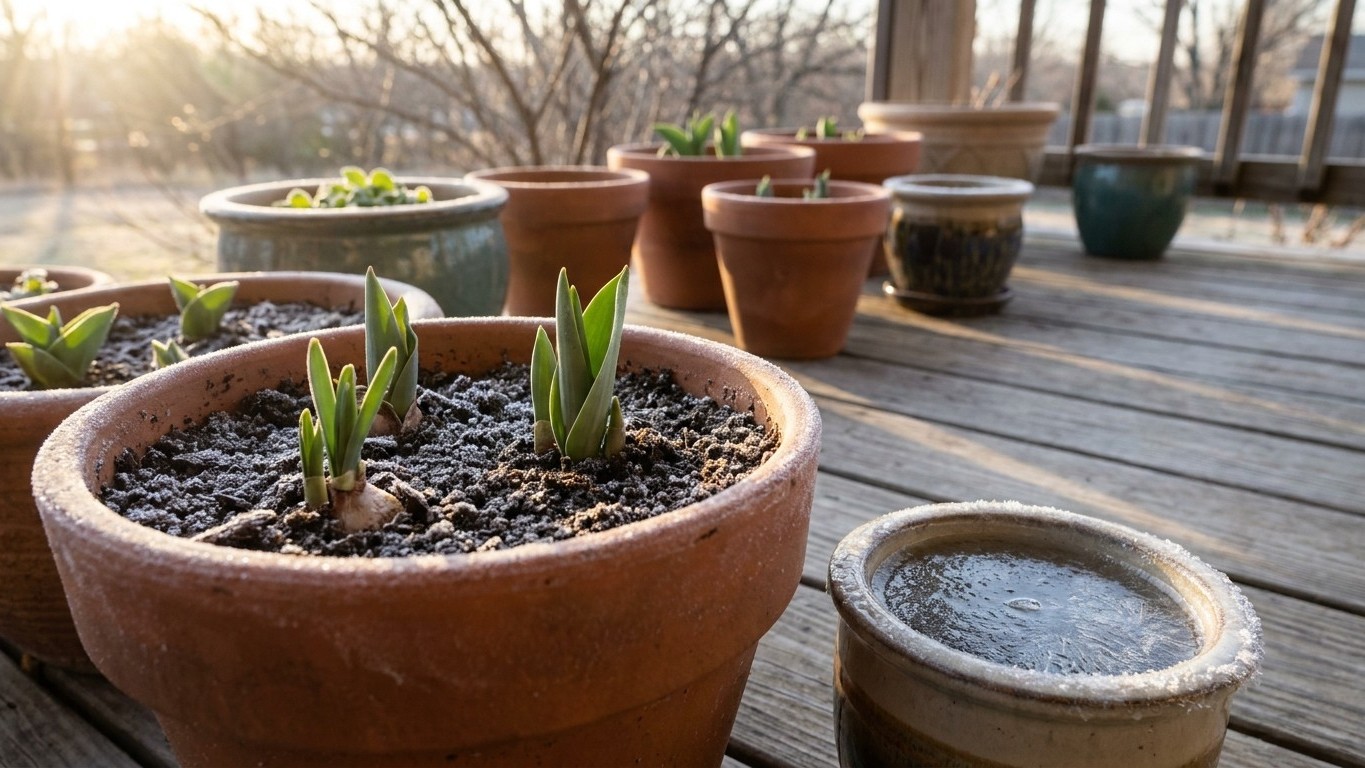
The short answer: Kansas winters already deliver enough cold for spring bulbs planted in the ground, but a container is a different animal.
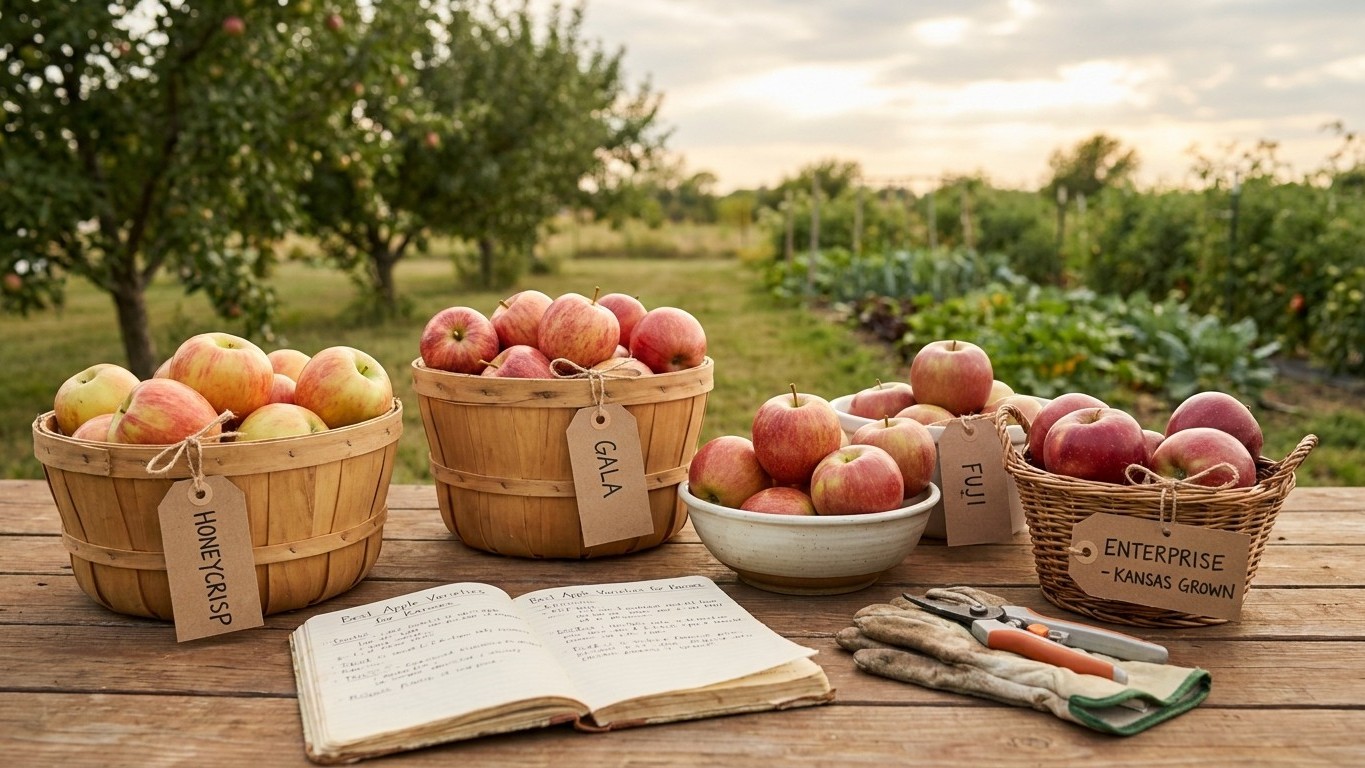
Kansas apple growers should pick late-blooming, disease-resistant types and check bloom timing against Wichita’s NOAA frost window before ordering a tree.
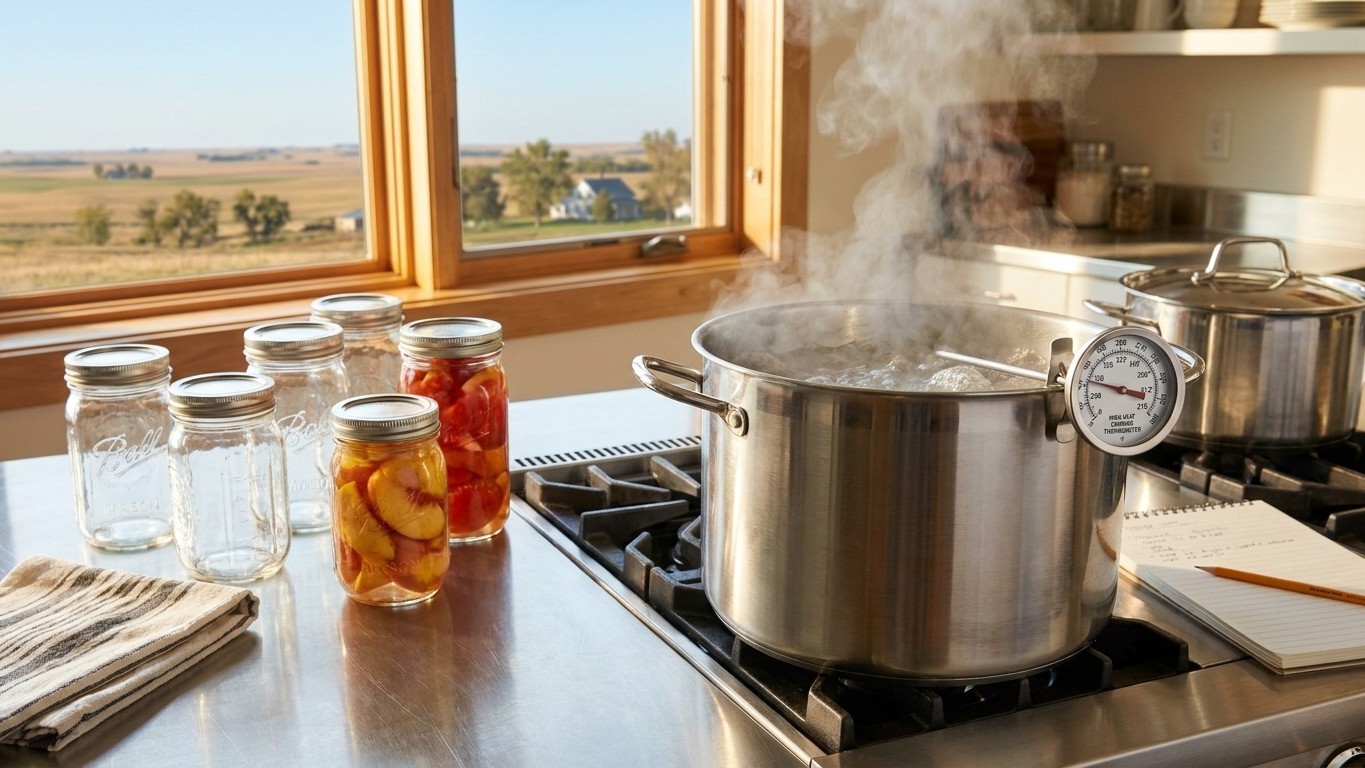
Wichita sits at 1,299 feet, and water there boils somewhere between 208°F and 212°F, not the flat 212°F that most recipes assume.
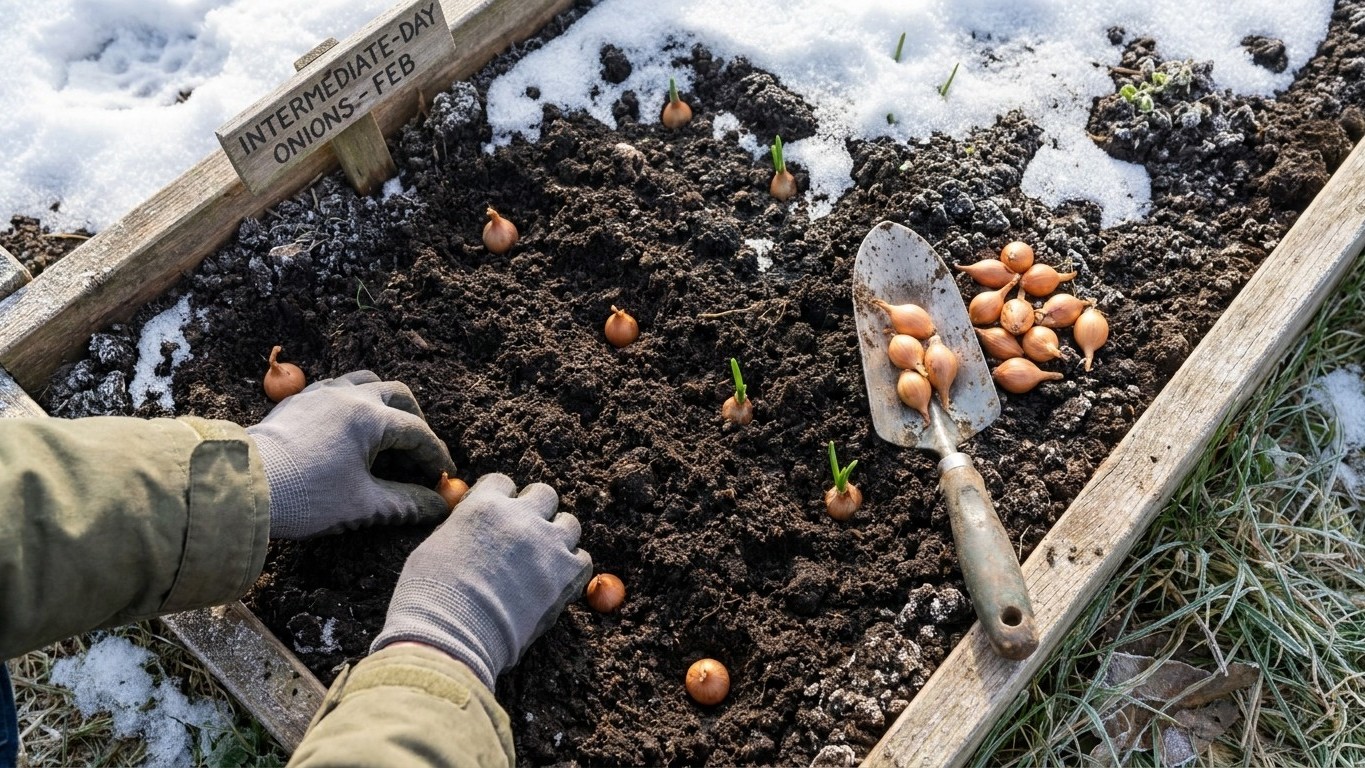
Kansas onions go into the ground in late winter to early spring, not in fall.
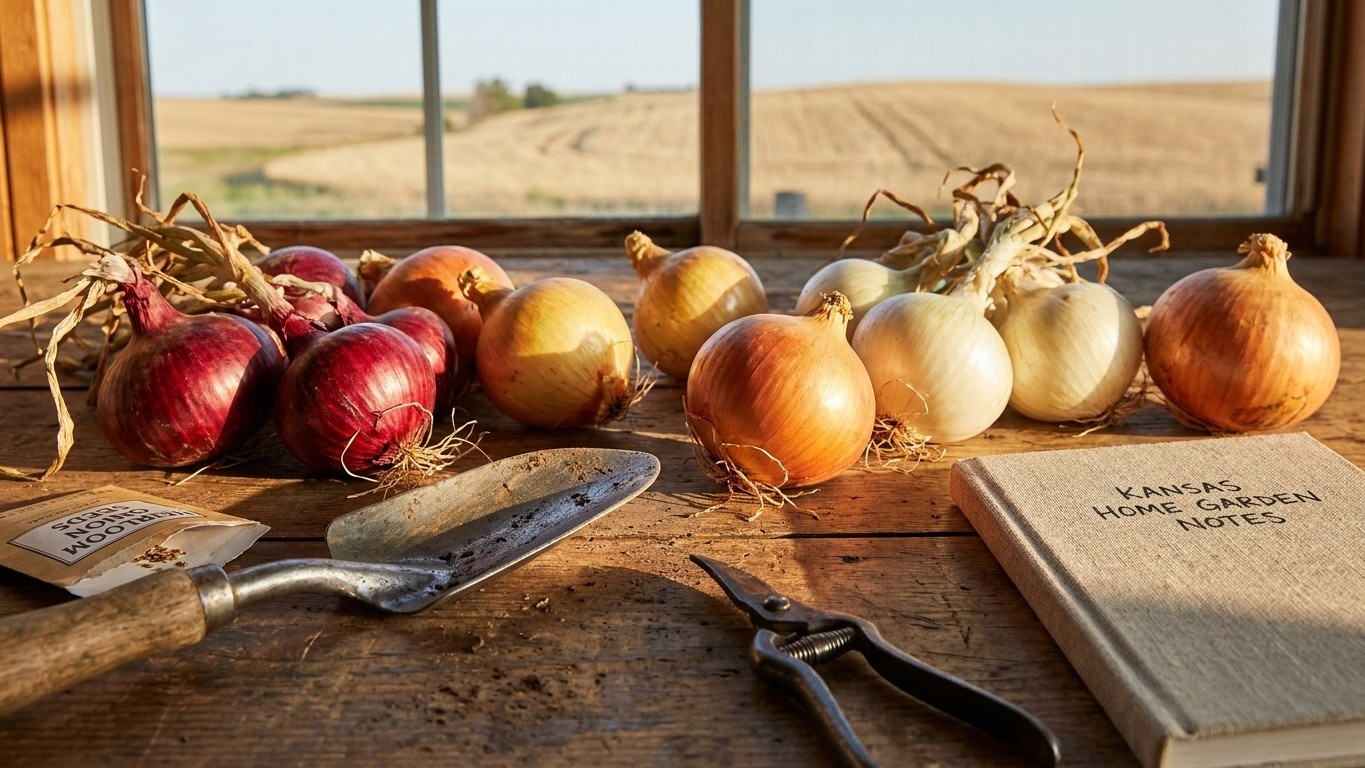
At 37.65 degrees north, Kansas gardens sit in intermediate-day onion territory, with 14 hours and 36 minutes of daylight on the longest day of the year.