When Can You Turn the Heat Off in Kansas?

Kansas doesn’t really give you a break. The quietest month on the calendar, May, still averages about 212 combined heating and cooling degree days, and…
Home & garden, state by state
Everything we have worked out for Kansas: what to plant and when, which varieties finish in time, the pests that actually turn up here, and the jobs that pay off month by month. We also cover the rest of the property, from lawns and soil to home care and energy, because a garden rarely stops at the vegetable bed.
The numbers first, because everything else follows from them. Measured at the weather station in Wichita, the last spring freeze runs April 4 to April 18 and the first fall freeze runs October 23 to November 2, USDA zones 5b-7a, 4,576 growing degree days in the year.
Garlic does well: 21.8 weeks below 40 °F, comfortably past the six it needs to form a proper head.
Elsewhere on the property in Kansas: the pests that turn up here.
Figures from NOAA's 1991-2020 climate normals. A state is not one climate: elevation, a large lake or the coast can move these dates by two weeks either way, so check your own county with the extension service before you spend money.
Kansas doesn’t really give you a break. The quietest month on the calendar, May, still averages about 212 combined heating and cooling degree days, and…
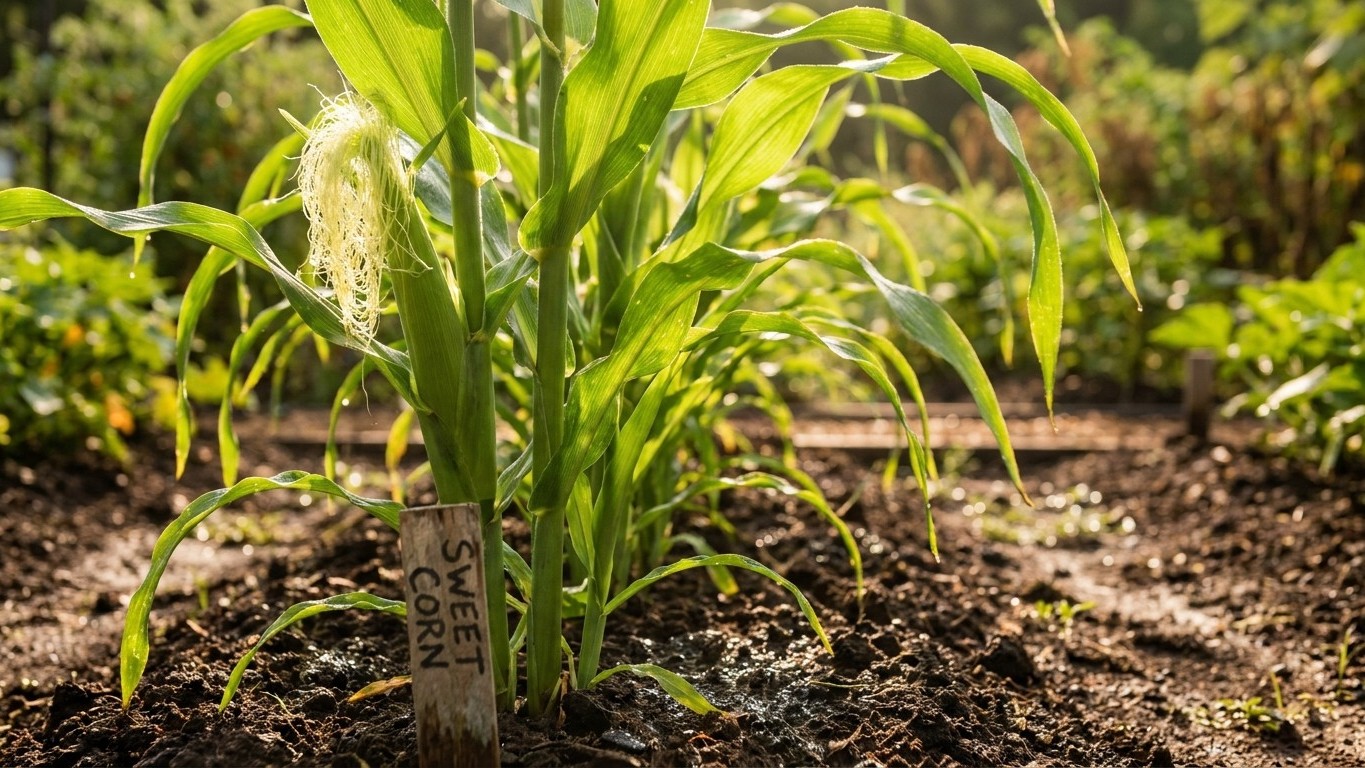
Yes, sweet corn can ripen in Kansas, and most years it ripens with room to spare. The catch isn’t the calendar you’d expect.
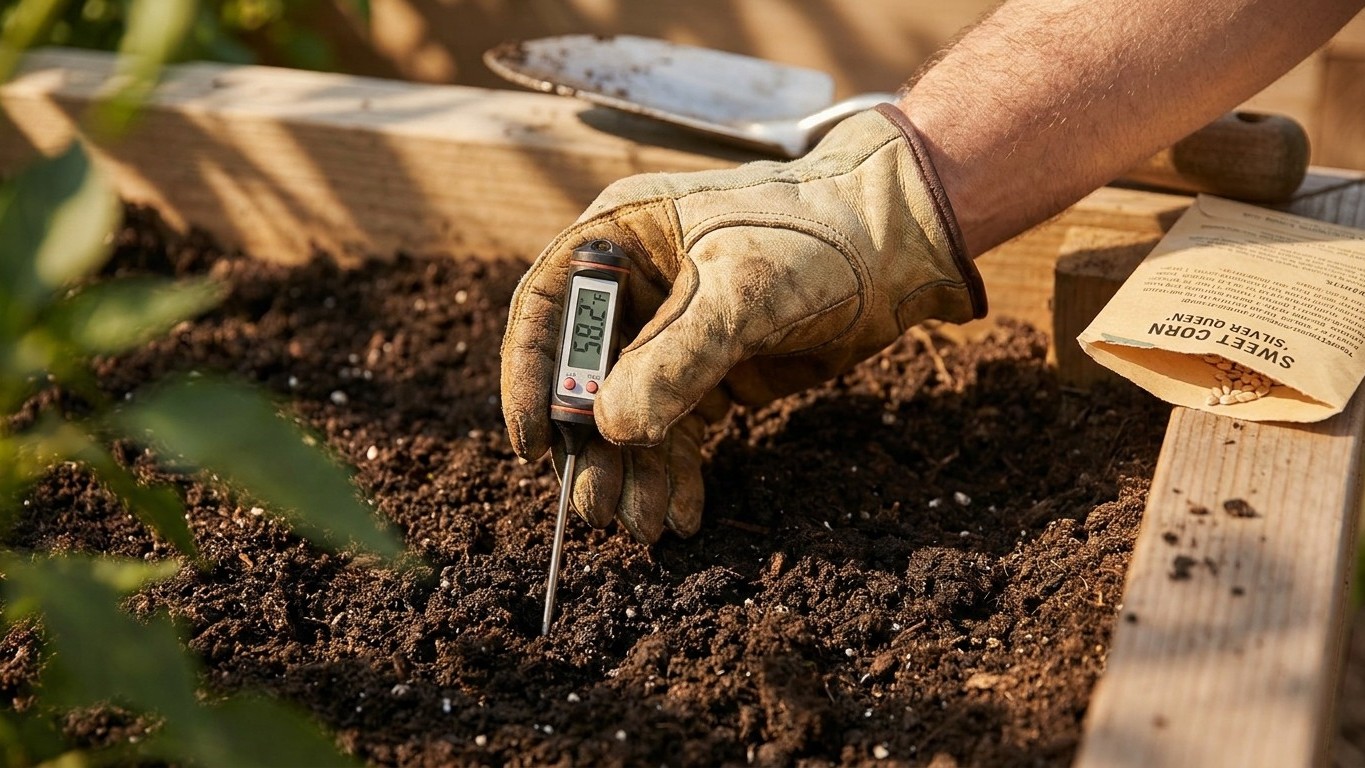
In most Kansas gardens, sweet corn goes into the ground once soil temperature holds above 60°F, which lands well after the last spring frost, not on it.
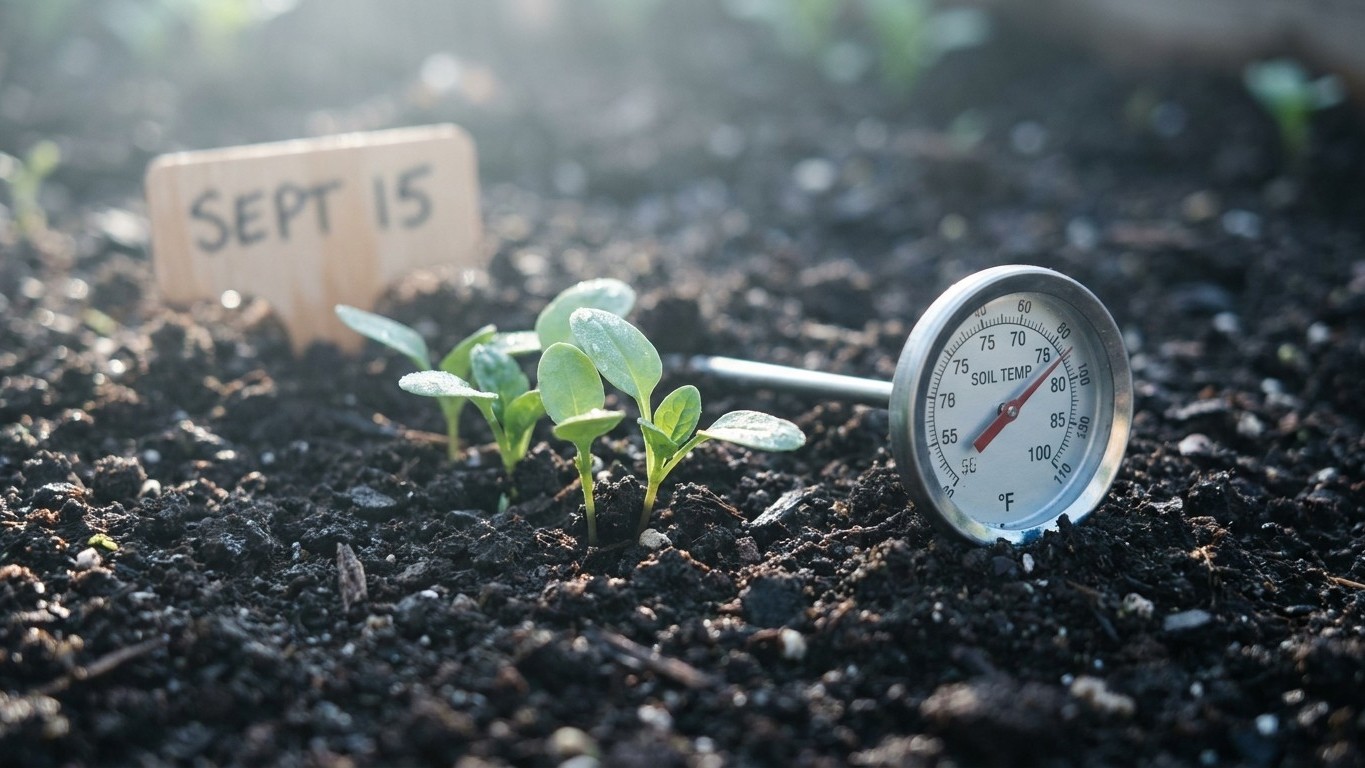
Kansas gardeners get one real shot at fall spinach: seed goes in the ground once soil temperatures drop out of summer’s danger zone, roughly early August…
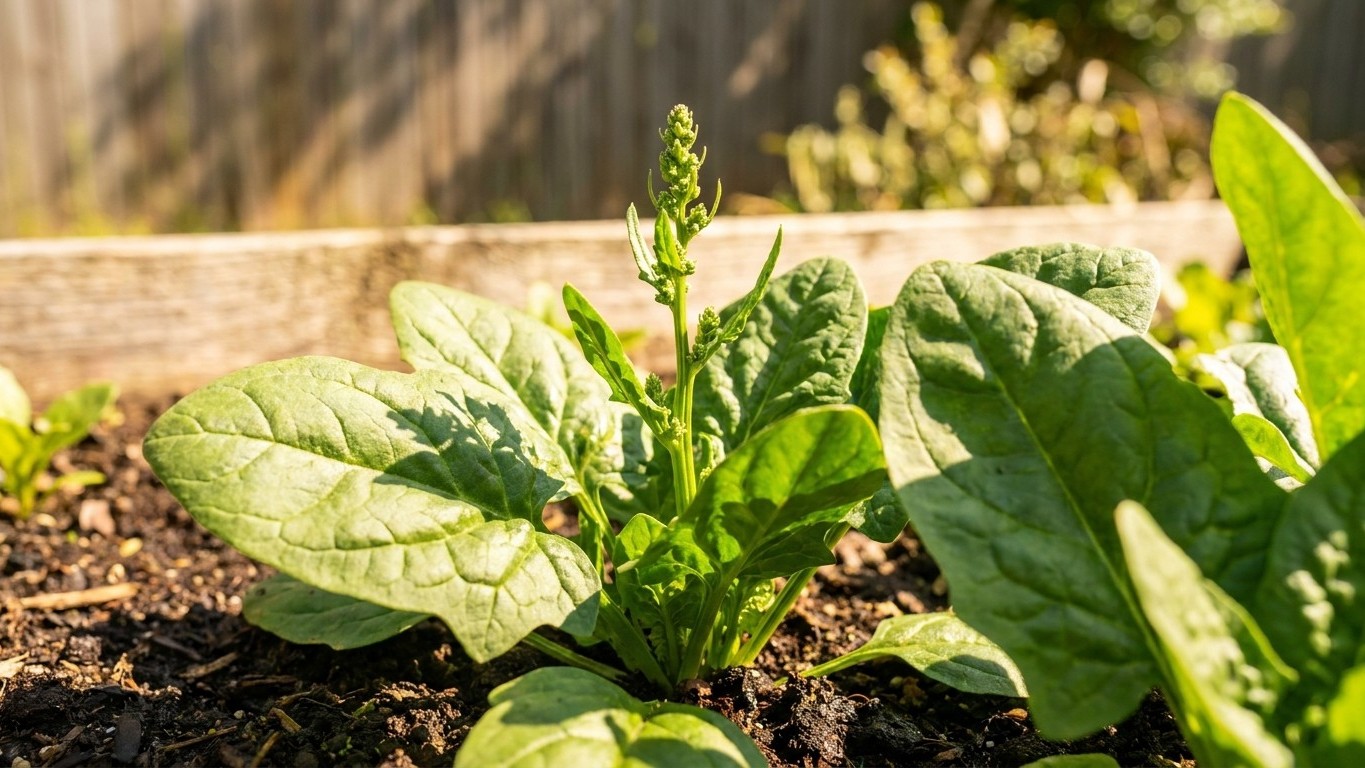
Spinach in Kansas bolts early because of two forces working together, not one.
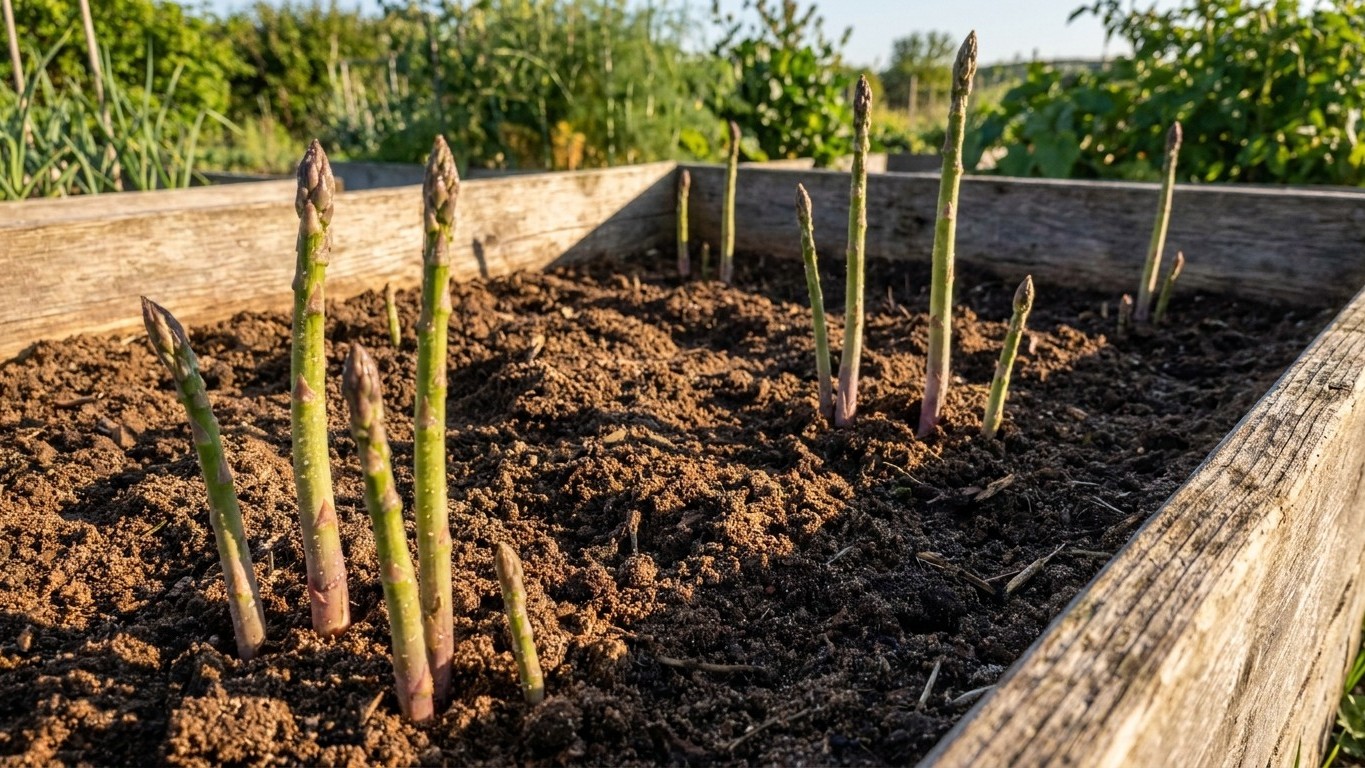
Yes, in most of the state, the ground under a Kansas garden will hold an asparagus bed for the full ten to fifteen years the crop asks for.
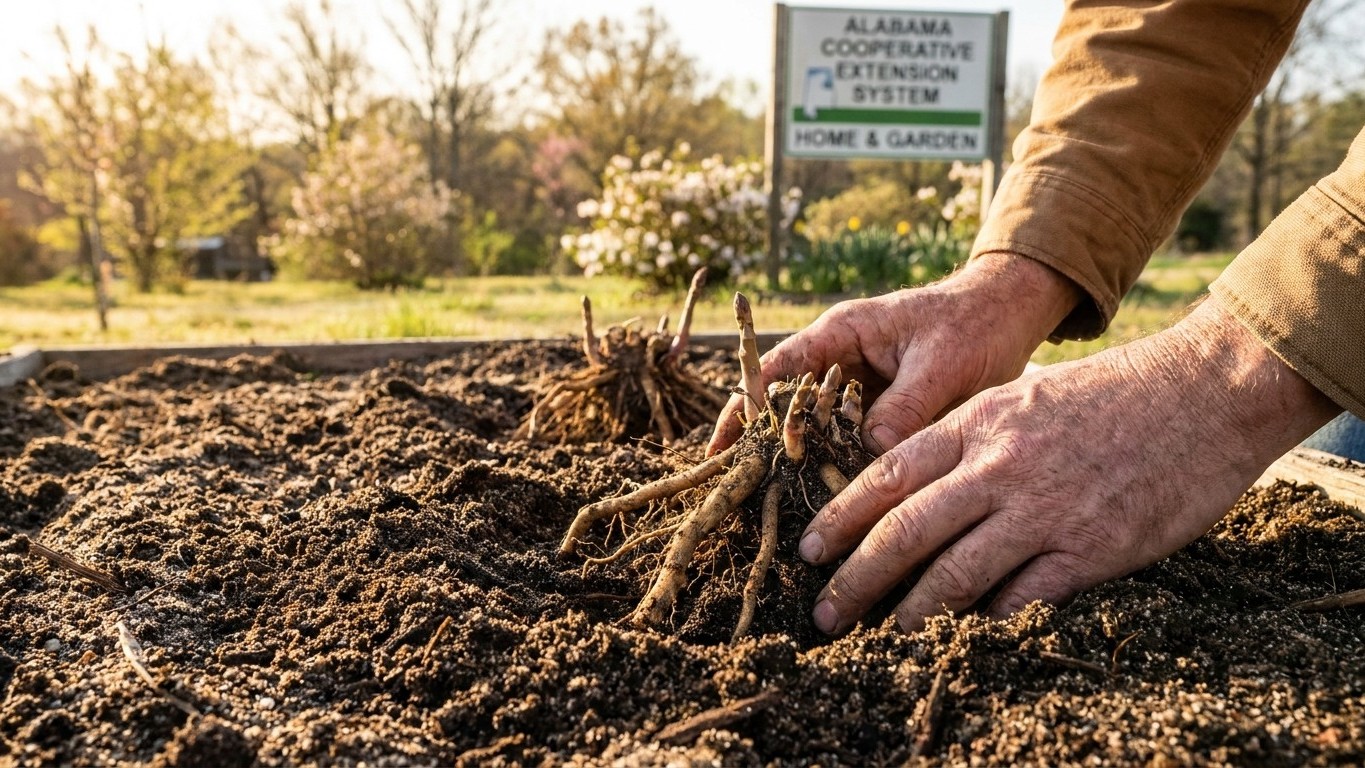
Kansas gardeners can put asparagus crowns in the ground once the soil has warmed after the last spring frost, in a furrow that runs about 8 inches deep…
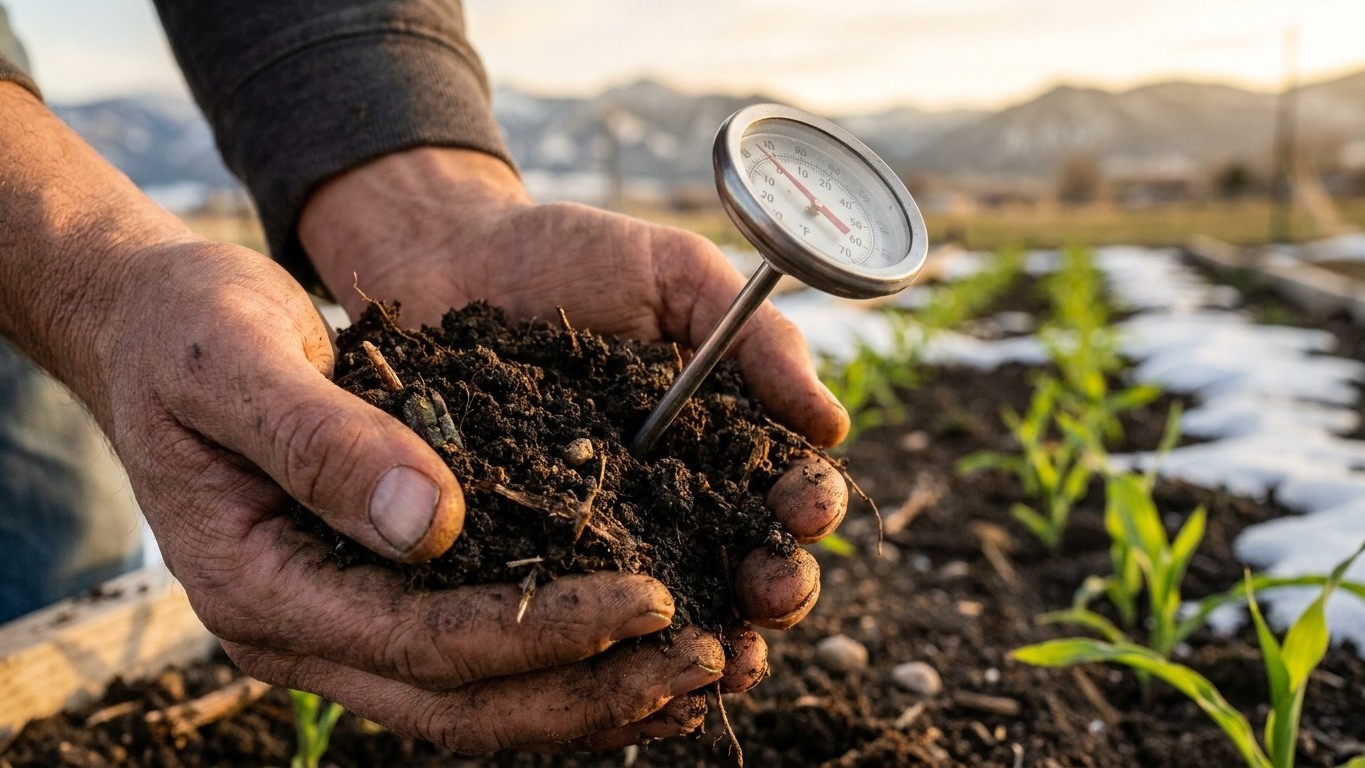
In most of Kansas, sweet corn ripens without much drama, but the timing matters more than gardeners assume.
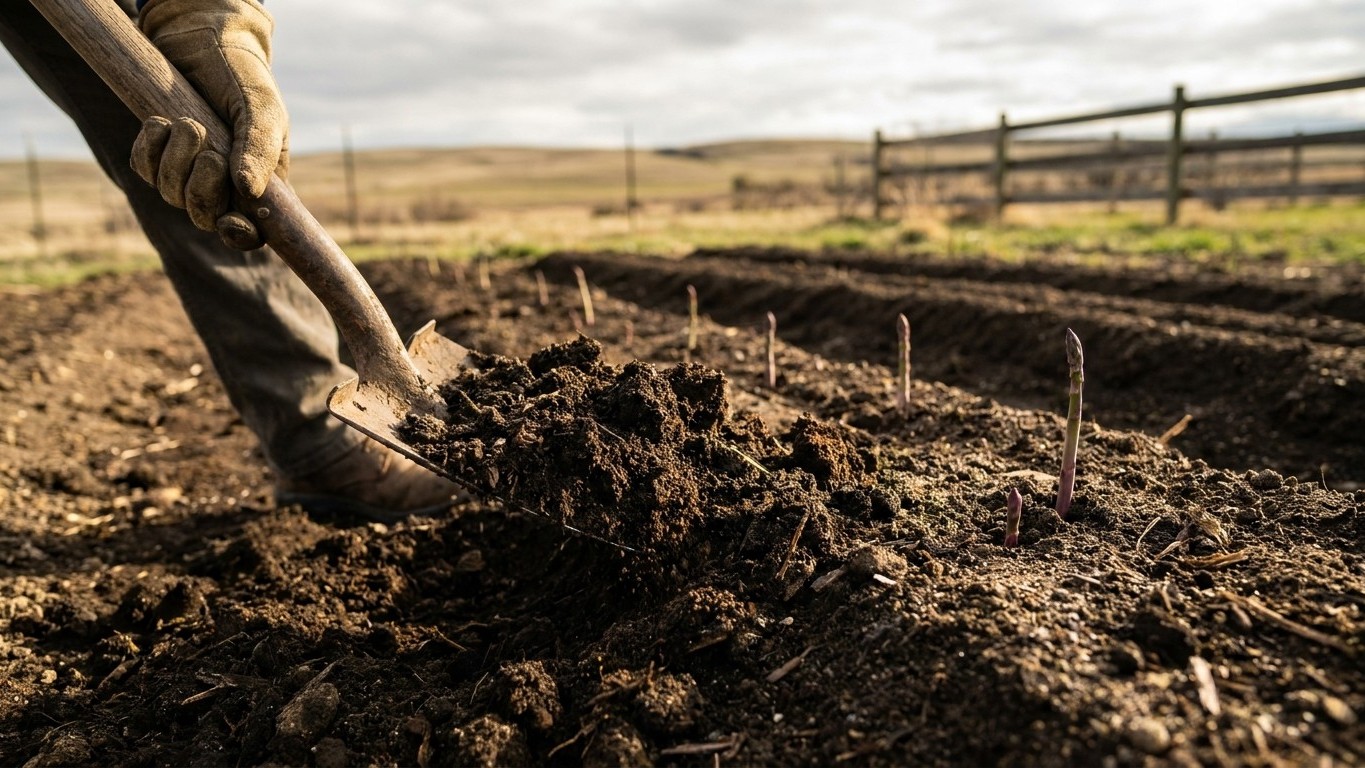
A fifteen-year commitment starts with one question: does the ground drain? Kansas’s state soil, the Harney series, does drain well, which is good news…
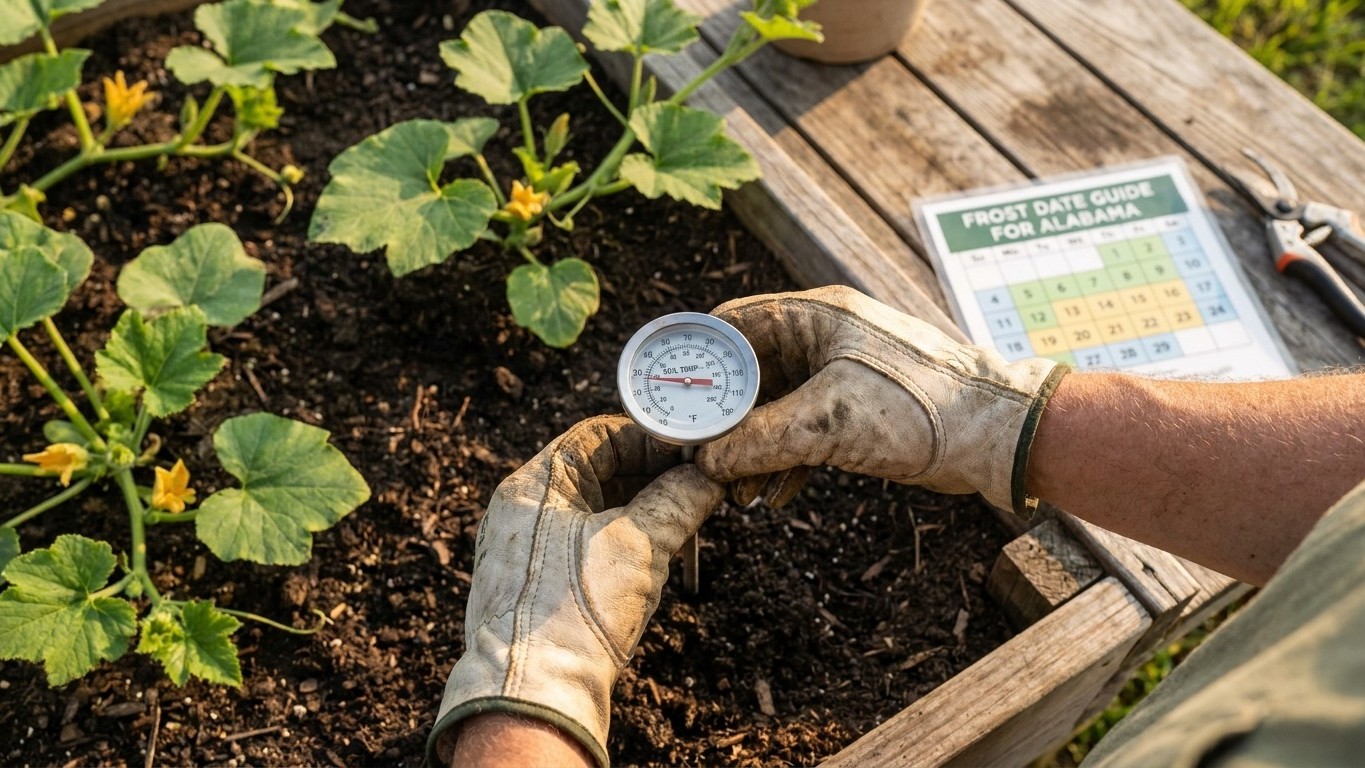
In Kansas, pumpkin seeds go into the ground once soil temperature hits 65°F, typically well after the last spring frost clears (April 4 to April 18 at…