Why Peppers Fail to Set Fruit in Kansas
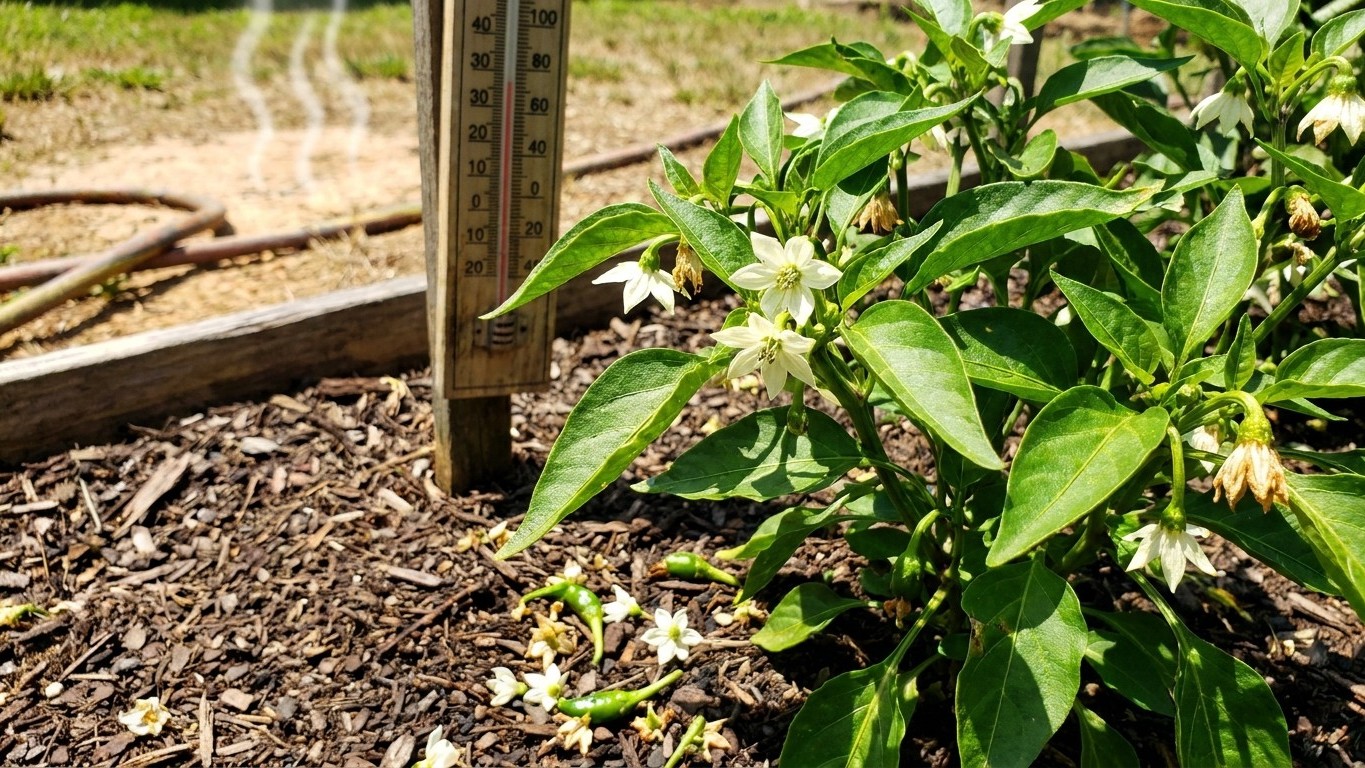
Peppers stop setting fruit in Kansas gardens for one of two reasons: the afternoons get too hot for pollen to stay viable, or a stretch of chilly nights…
Home & garden, state by state
Everything we have worked out for Kansas: what to plant and when, which varieties finish in time, the pests that actually turn up here, and the jobs that pay off month by month. We also cover the rest of the property, from lawns and soil to home care and energy, because a garden rarely stops at the vegetable bed.
The numbers first, because everything else follows from them. Measured at the weather station in Wichita, the last spring freeze runs April 4 to April 18 and the first fall freeze runs October 23 to November 2, USDA zones 5b-7a, 4,576 growing degree days in the year.
Garlic does well: 21.8 weeks below 40 °F, comfortably past the six it needs to form a proper head.
Elsewhere on the property in Kansas: the pests that turn up here.
Figures from NOAA's 1991-2020 climate normals. A state is not one climate: elevation, a large lake or the coast can move these dates by two weeks either way, so check your own county with the extension service before you spend money.
Peppers stop setting fruit in Kansas gardens for one of two reasons: the afternoons get too hot for pollen to stay viable, or a stretch of chilly nights…
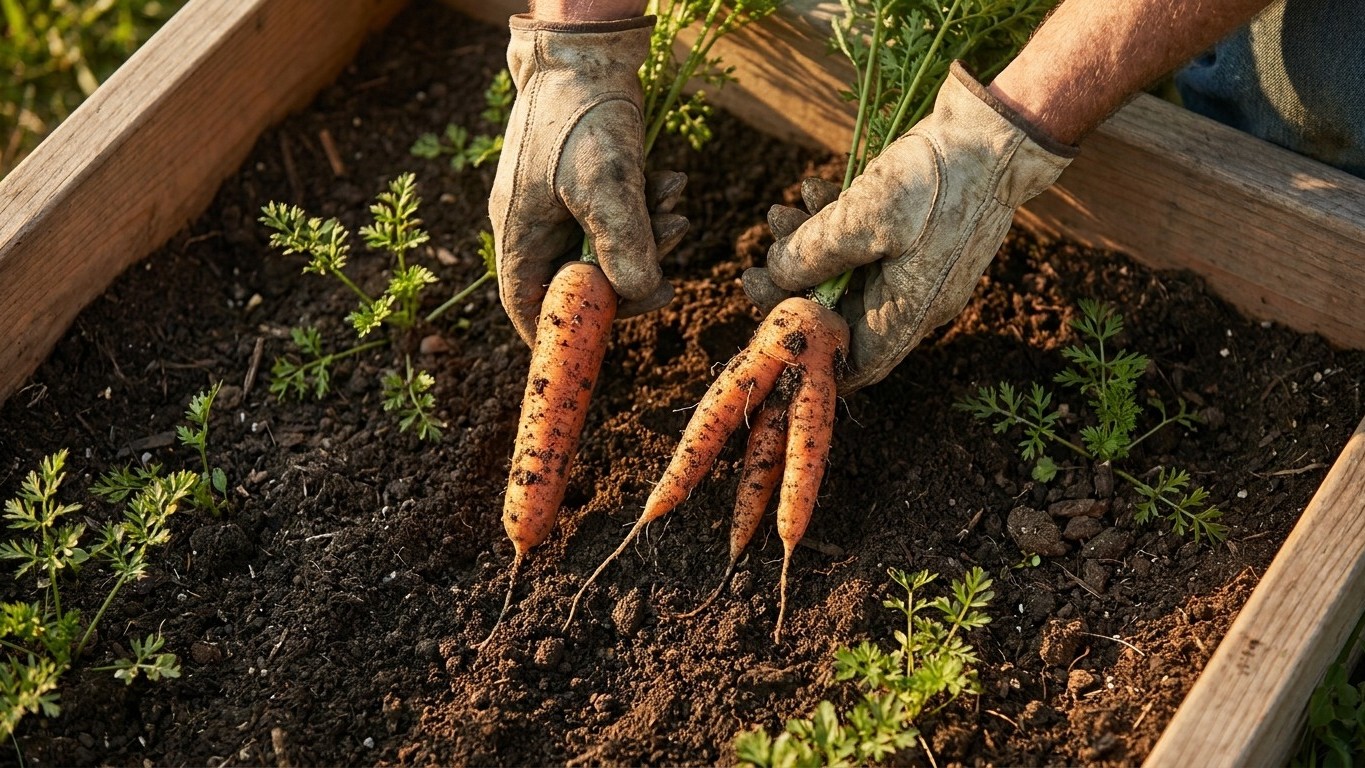
Kansas’s official soil, the Harney series, is a deep silty loam that drains well and sits near neutral pH.
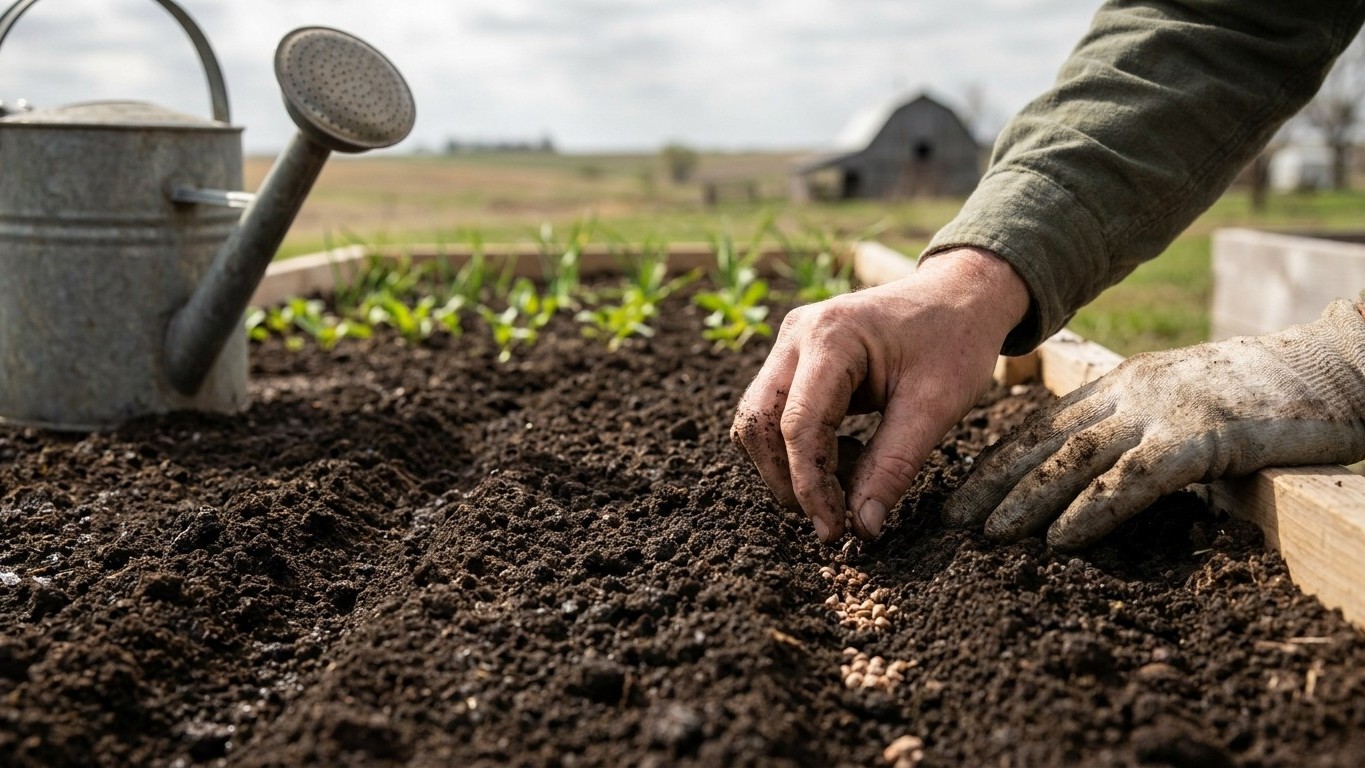
Kansas gardeners get one real shot at beets before summer heat turns the root woody: sow in place two to three weeks before the last spring frost, keep…
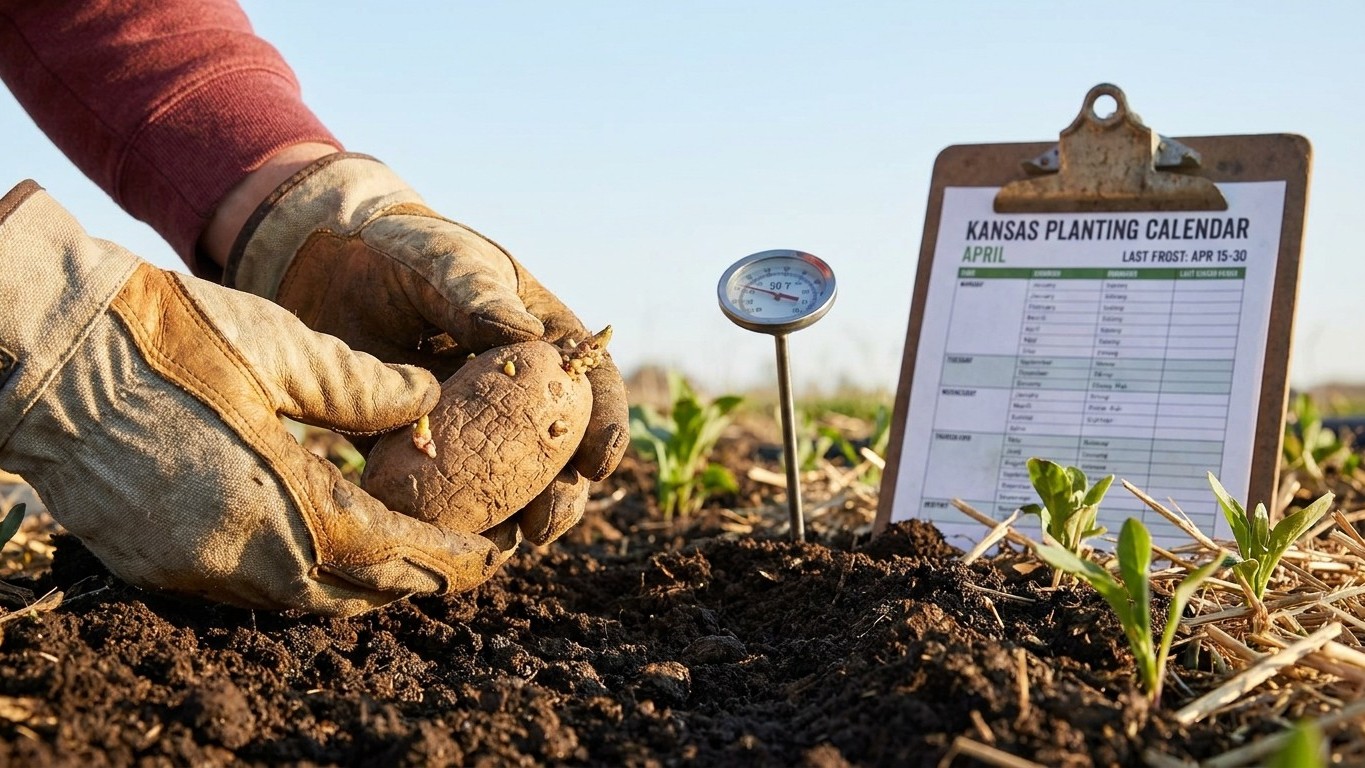
Kansas gardeners plant potatoes 14 to 21 days before their last spring frost, as soon as soil temperature hits 50°F, according to Utah State University…
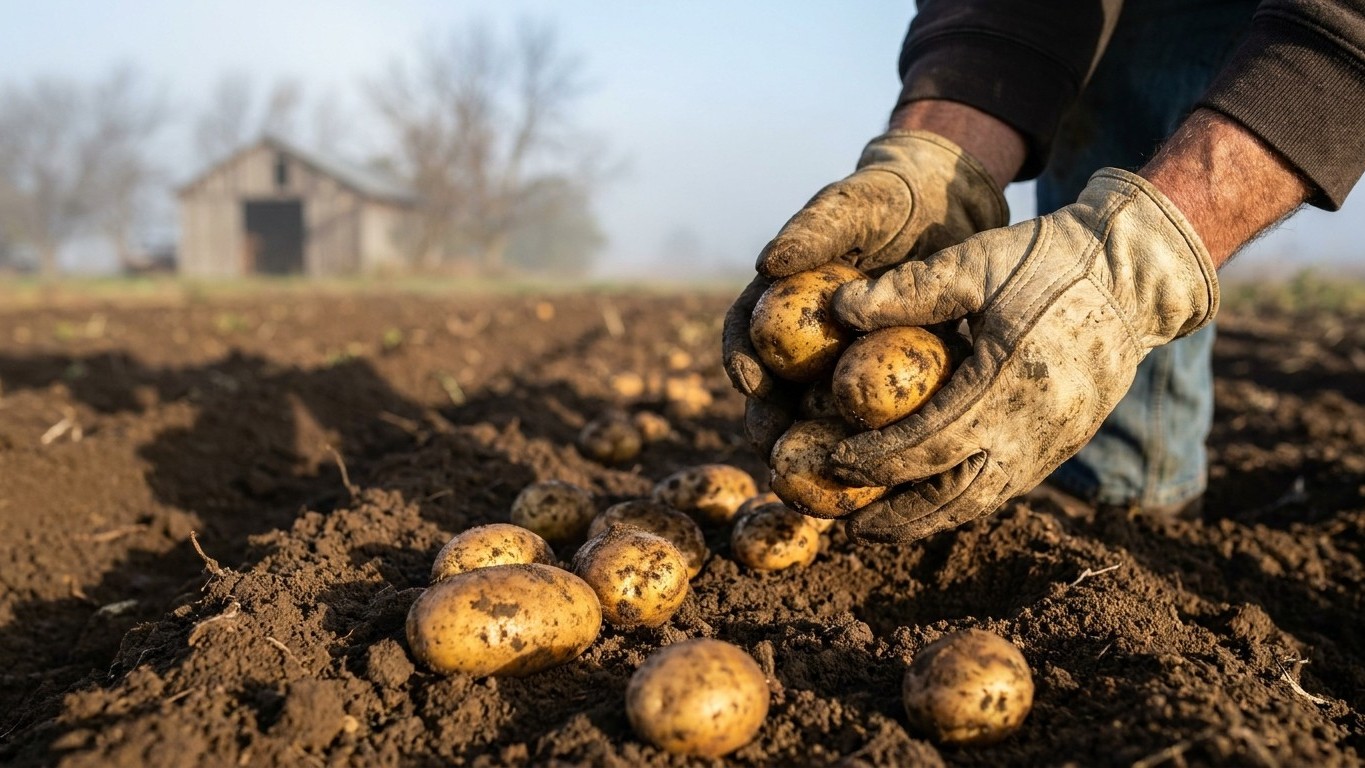
In Kansas, potatoes need to come out of the ground before that October 23 to November 2 frost window closes in, then cure for two to three weeks in a…
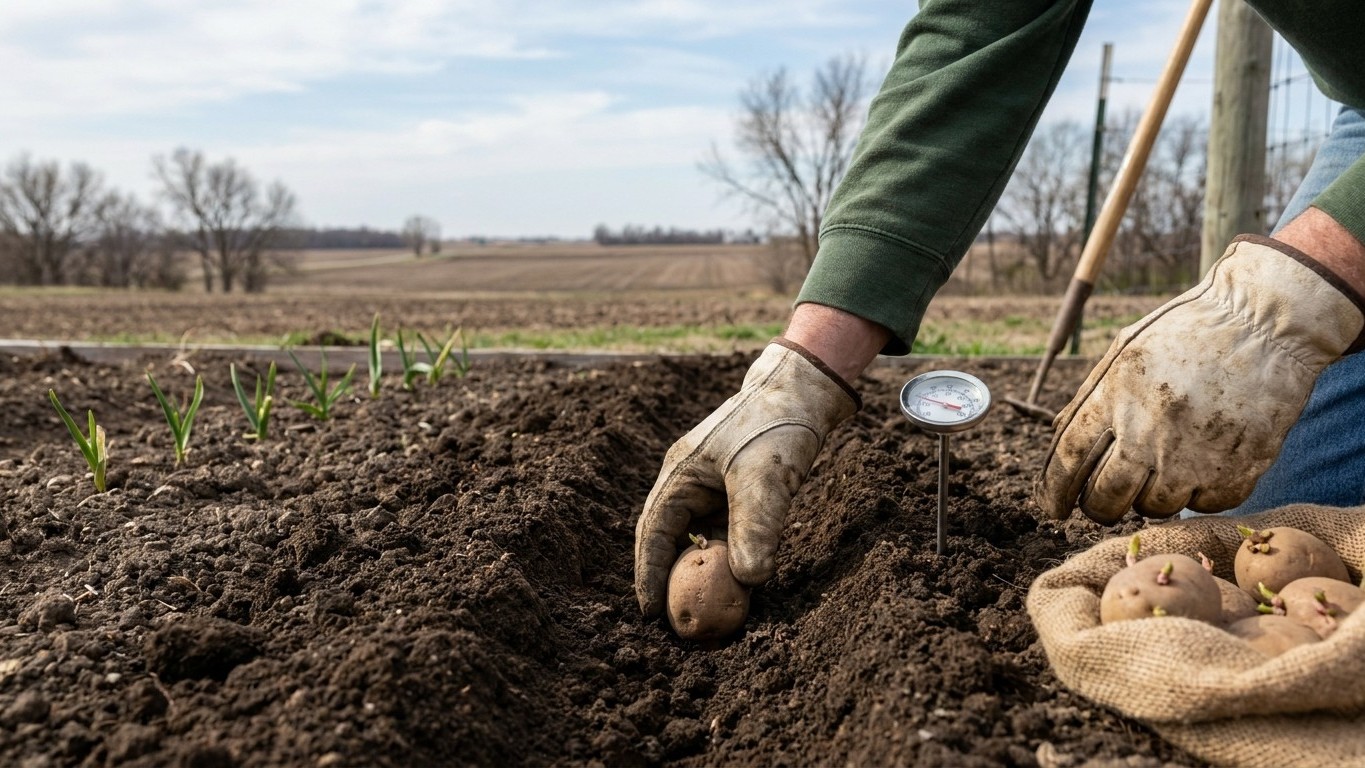
For most Kansas gardens, the safest choice is an early-season variety planted as soon as soil hits 50°F, roughly two to three weeks before the last…
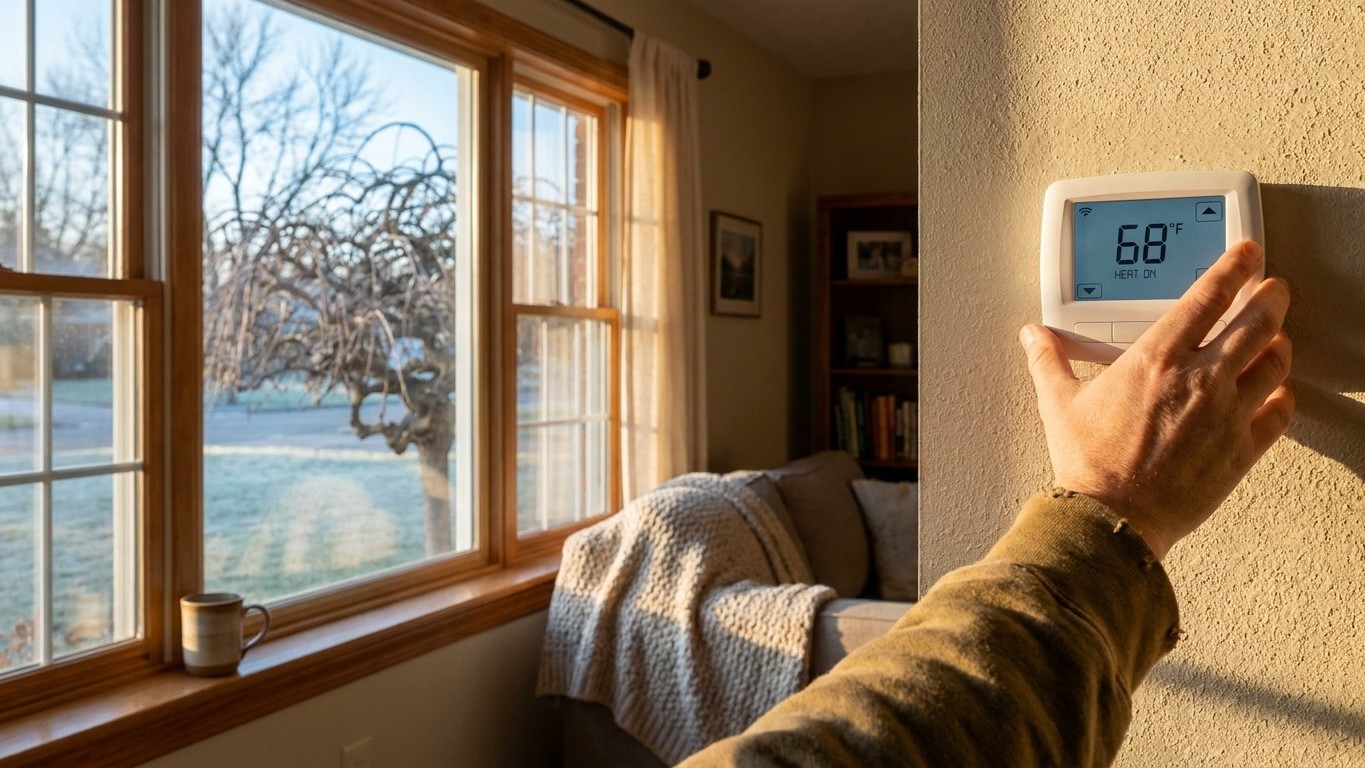
Kansas households start feeling the pull toward the thermostat in October, as mornings turn crisp across the Wichita area and the mean temperature slips…
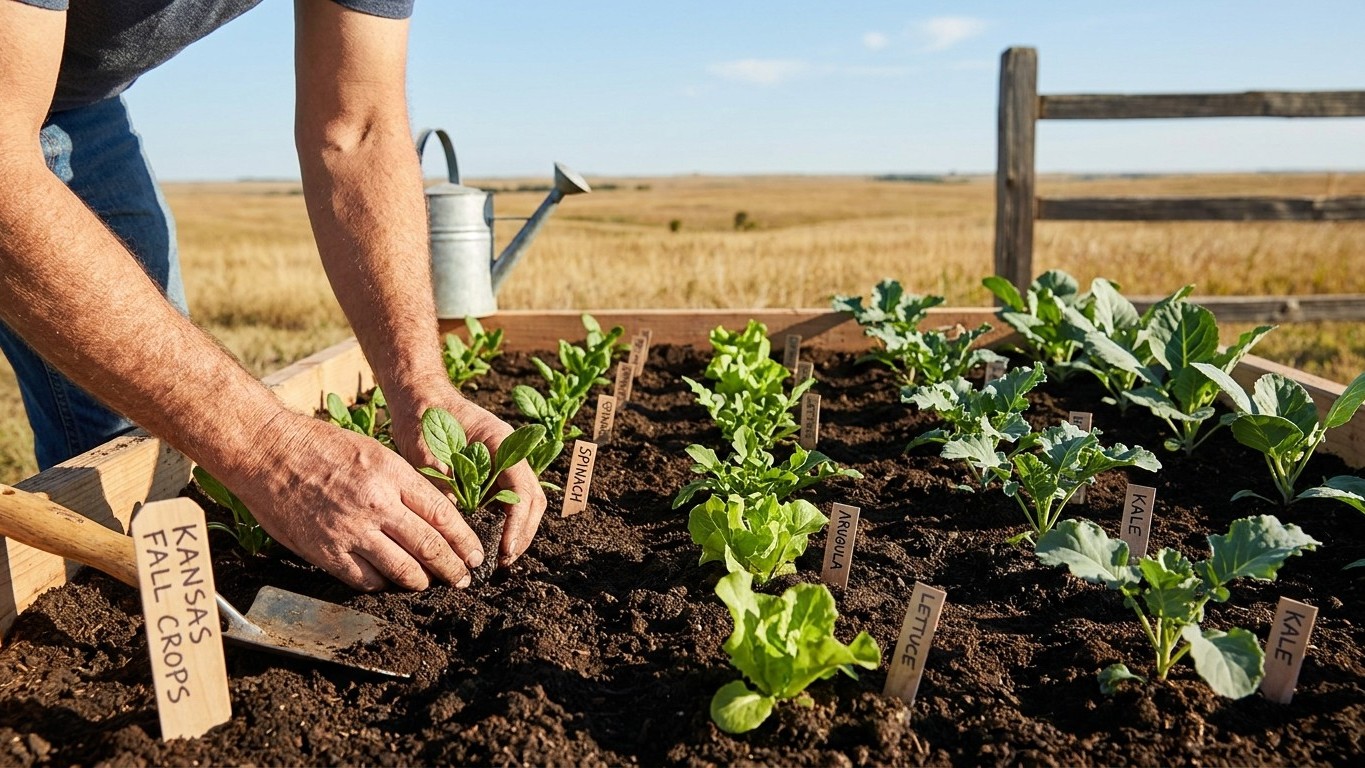
September in Kansas is the pivot point between summer’s last harvest and the fall garden’s second wind.
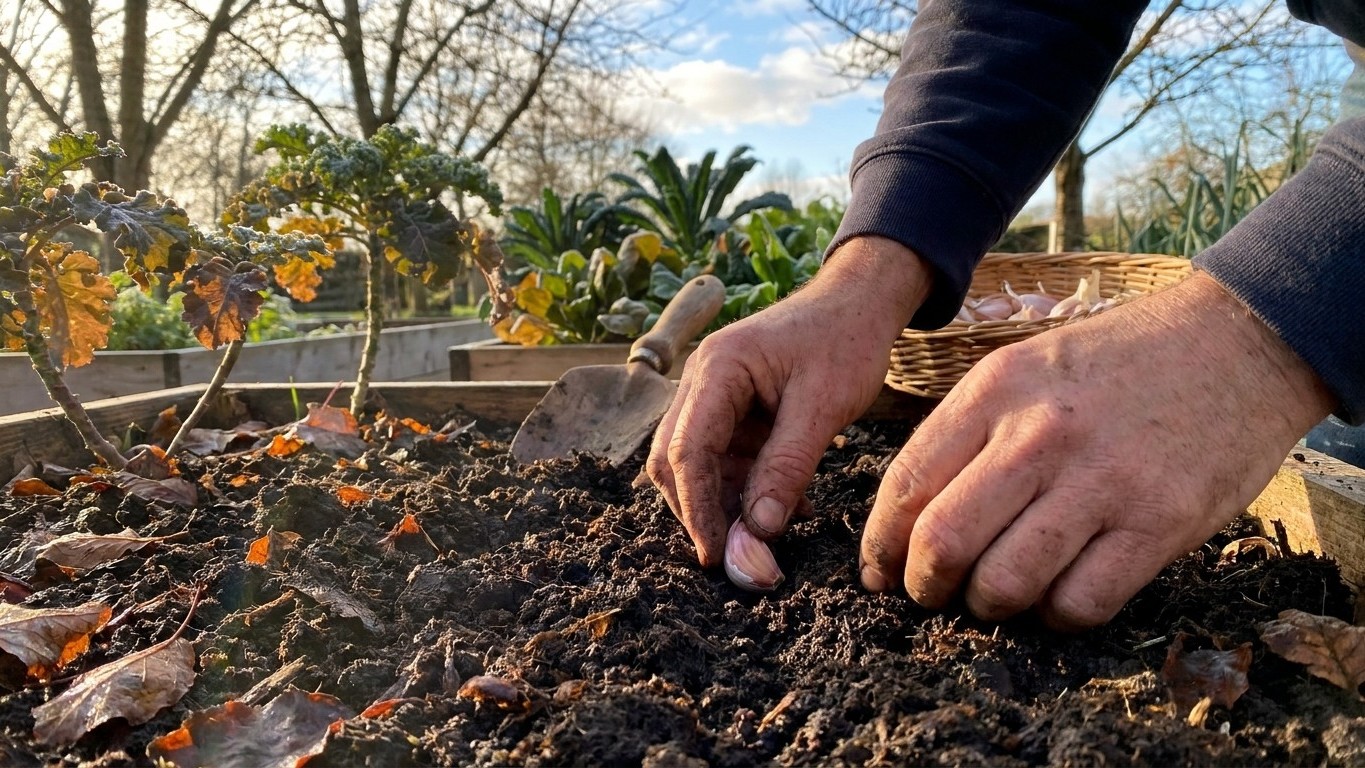
October in Kansas is garlic-planting month, not shutdown month. Early in the month there’s still time to tuck in cold-hardy greens under cover, and the…
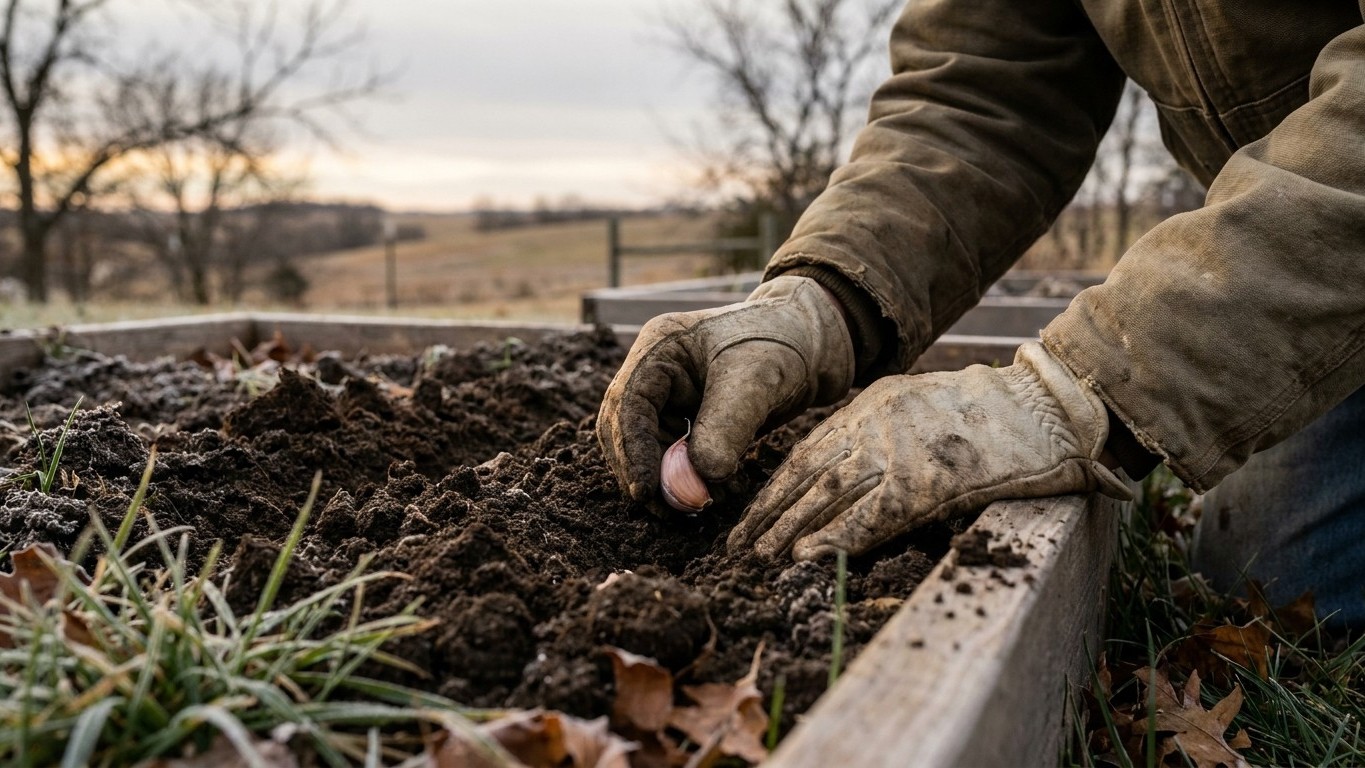
In Kansas, direct-sowing options in November are thin. The first fall frost window, Oct 23 to Nov 2 based on NOAA data, has usually already passed by the…