Canning at Altitude in Manitoba: What Your Elevation Changes
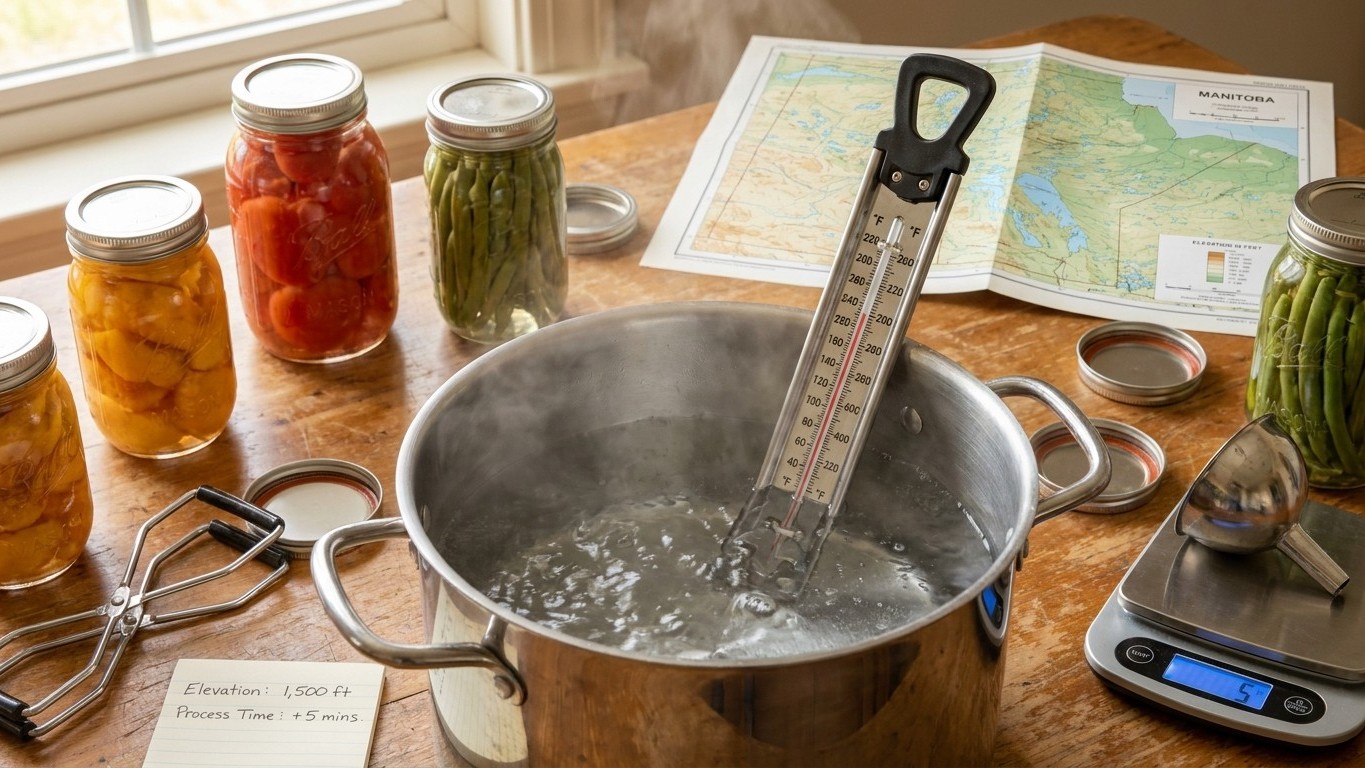
Winnipeg sits at 804 feet, and published boiling temperatures for that elevation band put water’s boiling point somewhere between 208°F and 212°F.
Home & garden, state by state
Everything we have worked out for Manitoba: what to plant and when, which varieties finish in time, the pests that actually turn up here, and the jobs that pay off month by month. We also cover the rest of the property, from lawns and soil to home care and energy, because a garden rarely stops at the vegetable bed.
The numbers first, because everything else follows from them. Measured at the weather station in Winnipeg, the last spring freeze falls around May 23 and the first fall freeze falls around September 22, 1,832 growing degree days in the year.
That is enough for early varieties, tight for anything late. Garlic does well: 30.4 weeks below 40 °F, comfortably past the six it needs to form a proper head.
Elsewhere on the property in Manitoba: the pests that turn up here.
Figures from Environment and Climate Change Canada. A state is not one climate: elevation, a large lake or the coast can move these dates by two weeks either way, so check your own county with the extension service before you spend money.
Winnipeg sits at 804 feet, and published boiling temperatures for that elevation band put water’s boiling point somewhere between 208°F and 212°F.
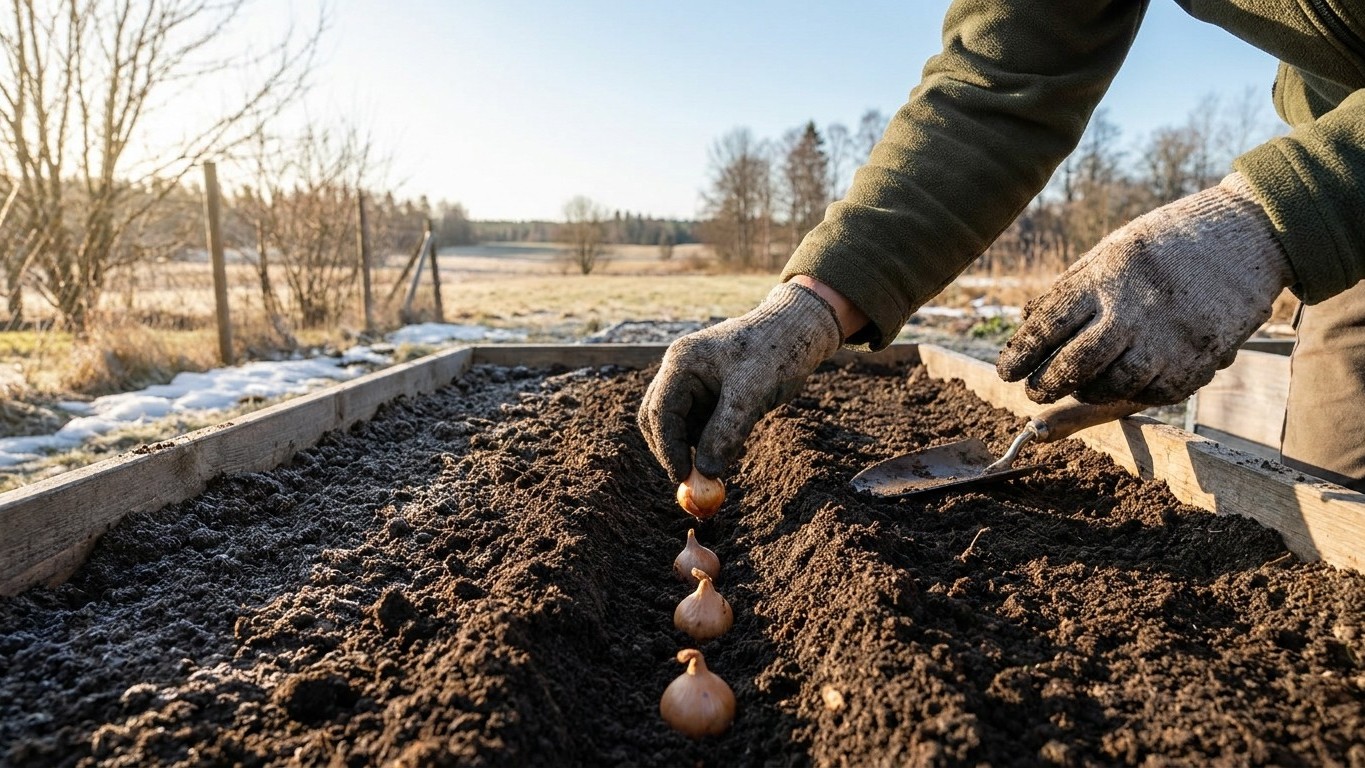
Manitoba does not get an autumn onion planting window the way the mild-winter South does.
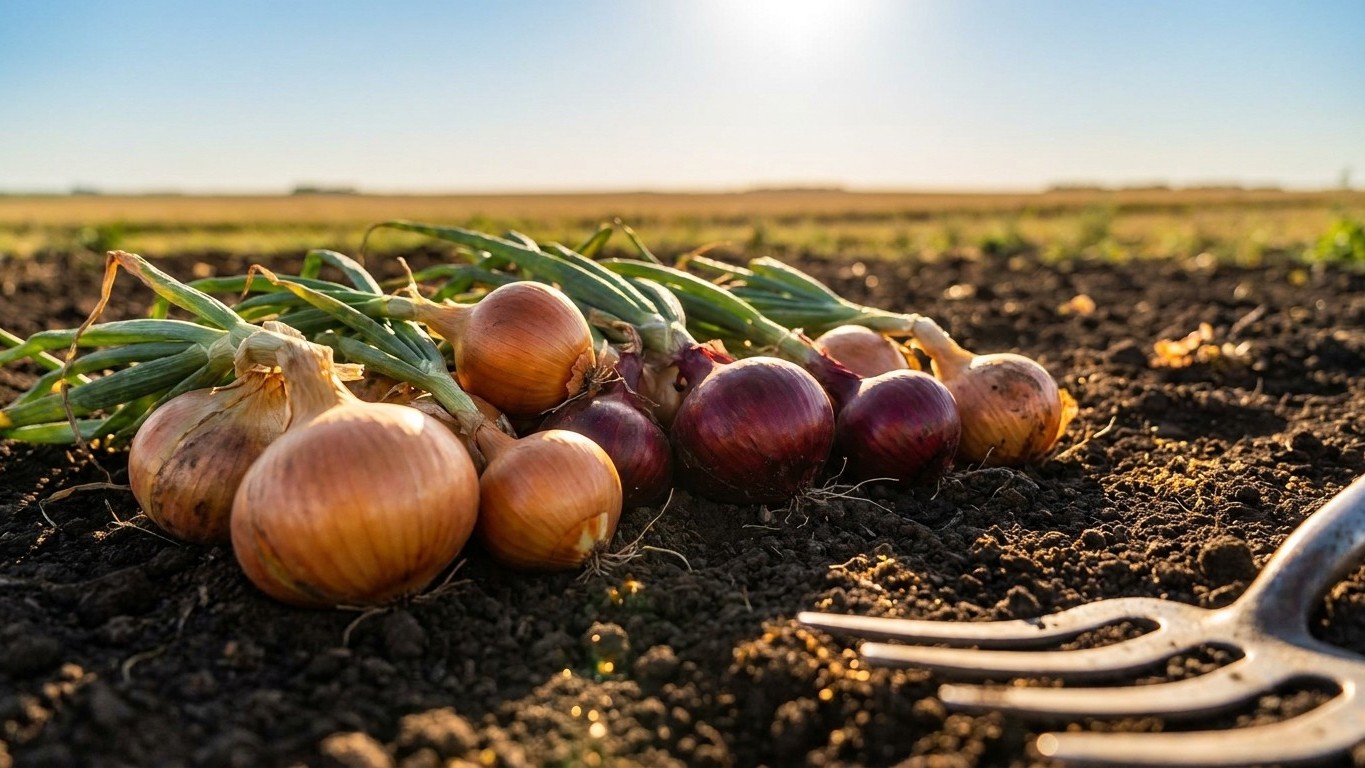
Manitoba sits at 49.92 degrees north, measured at the Winnipeg Richardson International Airport climate station, and the longest day of the year there…
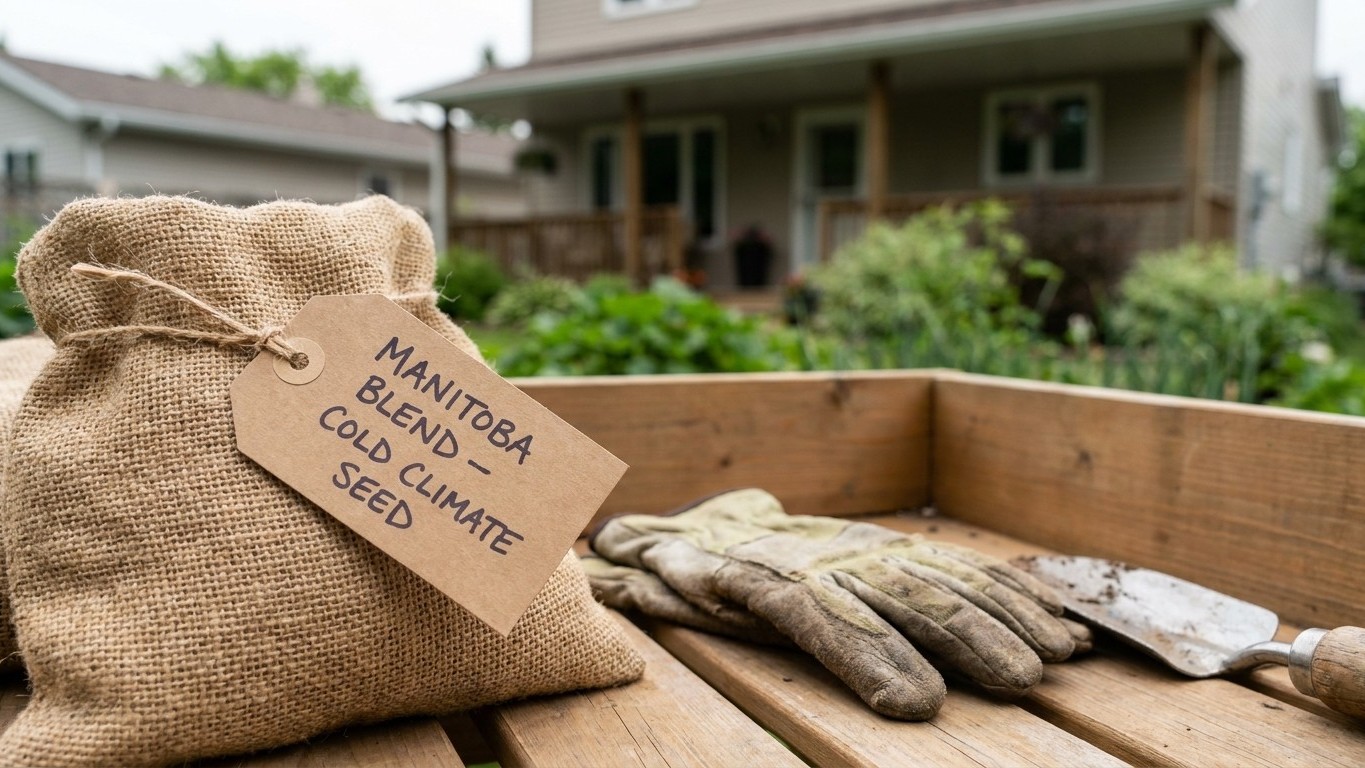
A season-by-season look at which cool-season grass seed actually holds up on a Manitoba lawn, and what each one costs in return.
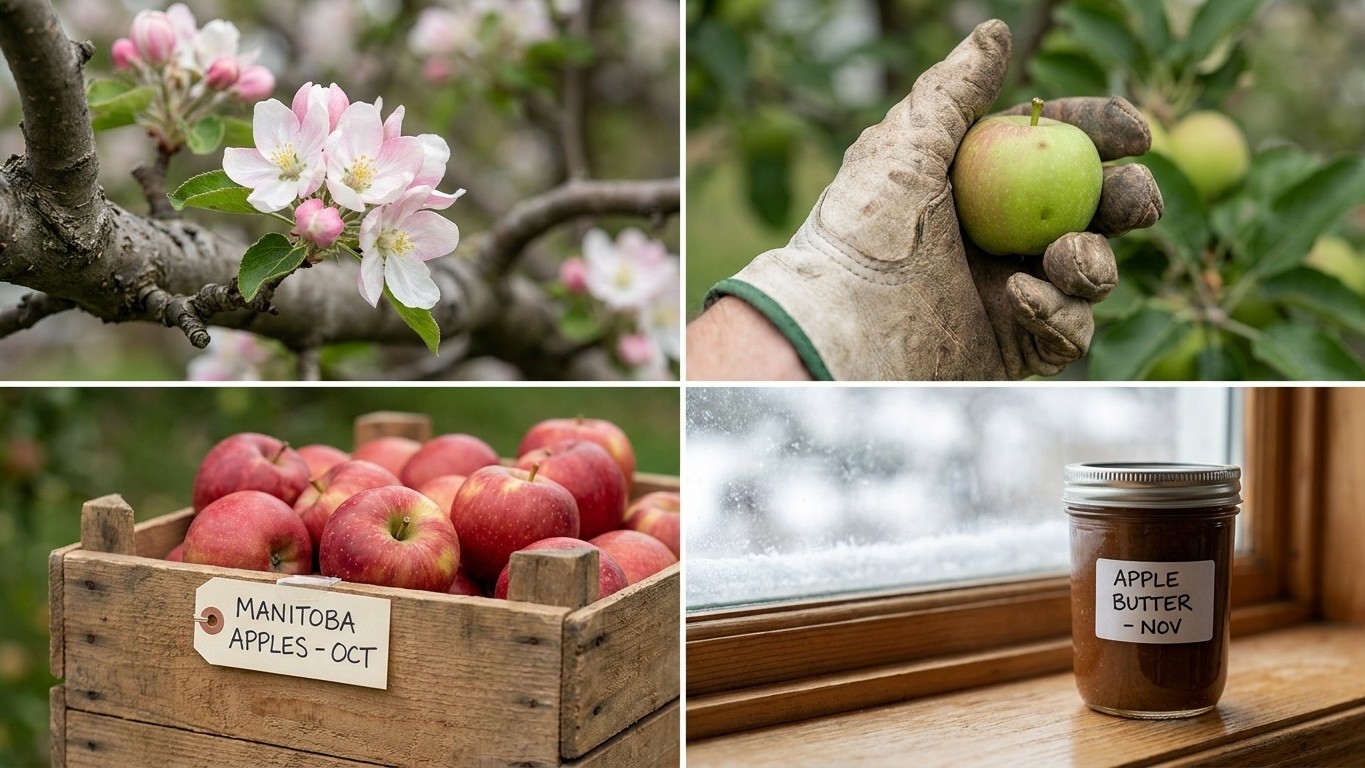
A stage-by-stage guide to Manitoba’s apple calendar, anchored on Winnipeg’s average frost dates, with the mistakes that cost a crop in this climate.
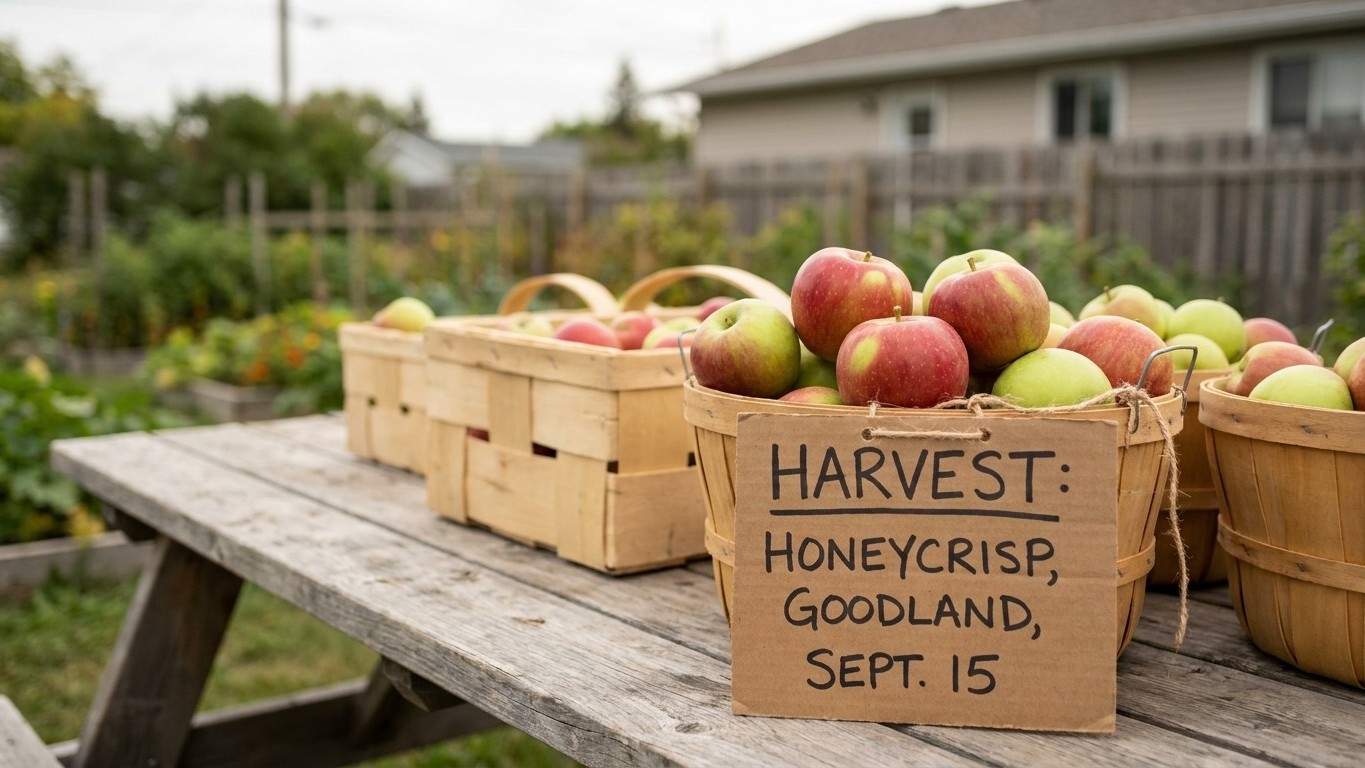
Manitoba’s winter cold, not days-to-maturity, decides which apple trees survive here, and this guide explains the hardiness classes that hold up and where they differ across the province.
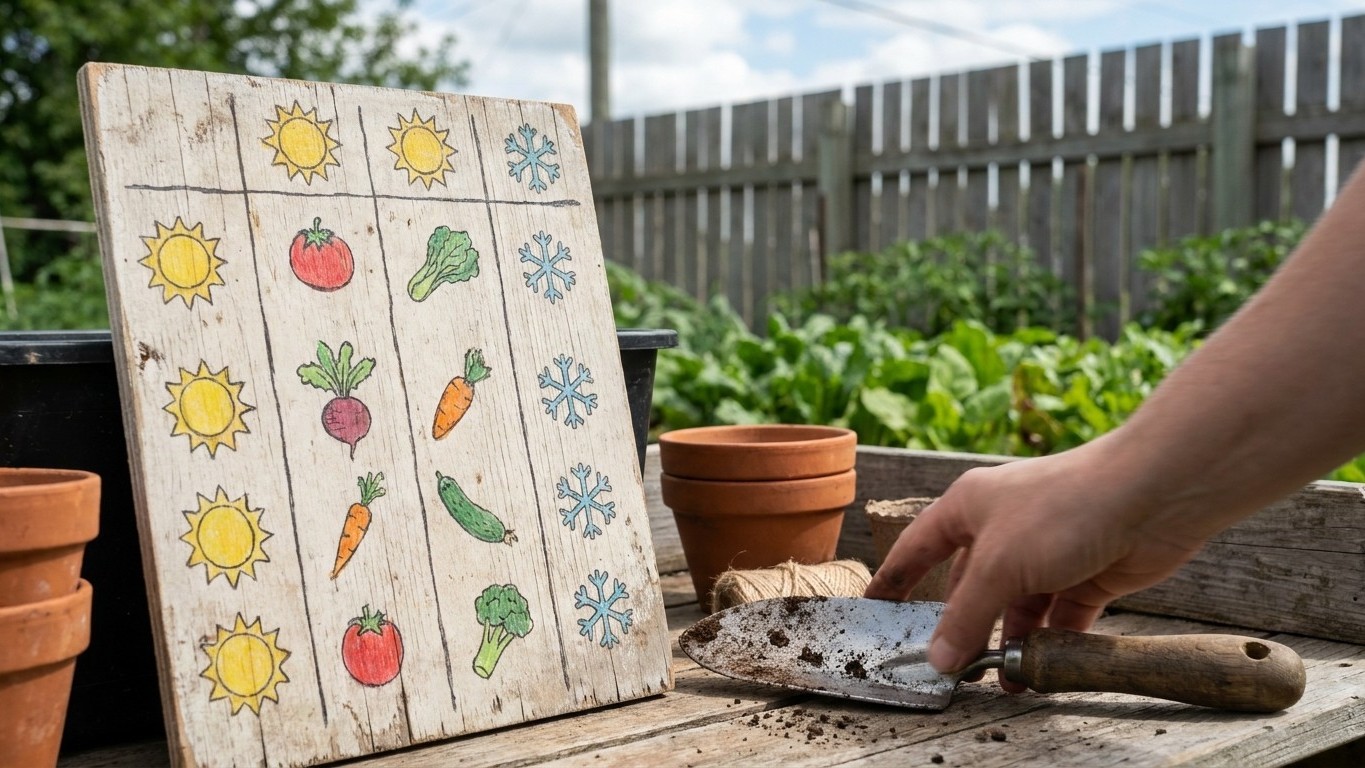
Manitoba’s average frost dates, cool- and warm-season planting windows, and a fall sowing calculation based on Environment and Climate Change Canada’s Winnipeg normals.
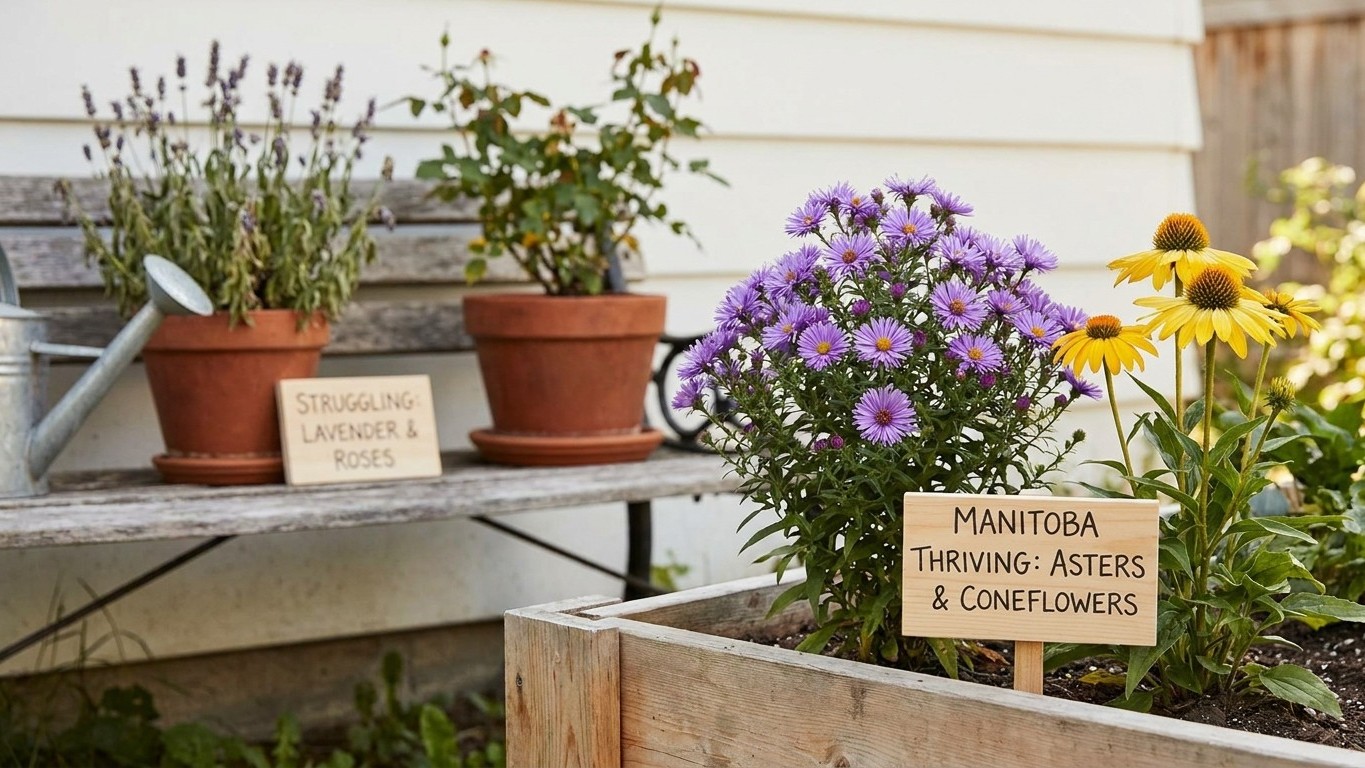
Peonies, Siberian iris, daylilies and rugosa roses survive Manitoba winters easily, while hybrid tea roses and bigleaf hydrangeas rarely make it through.
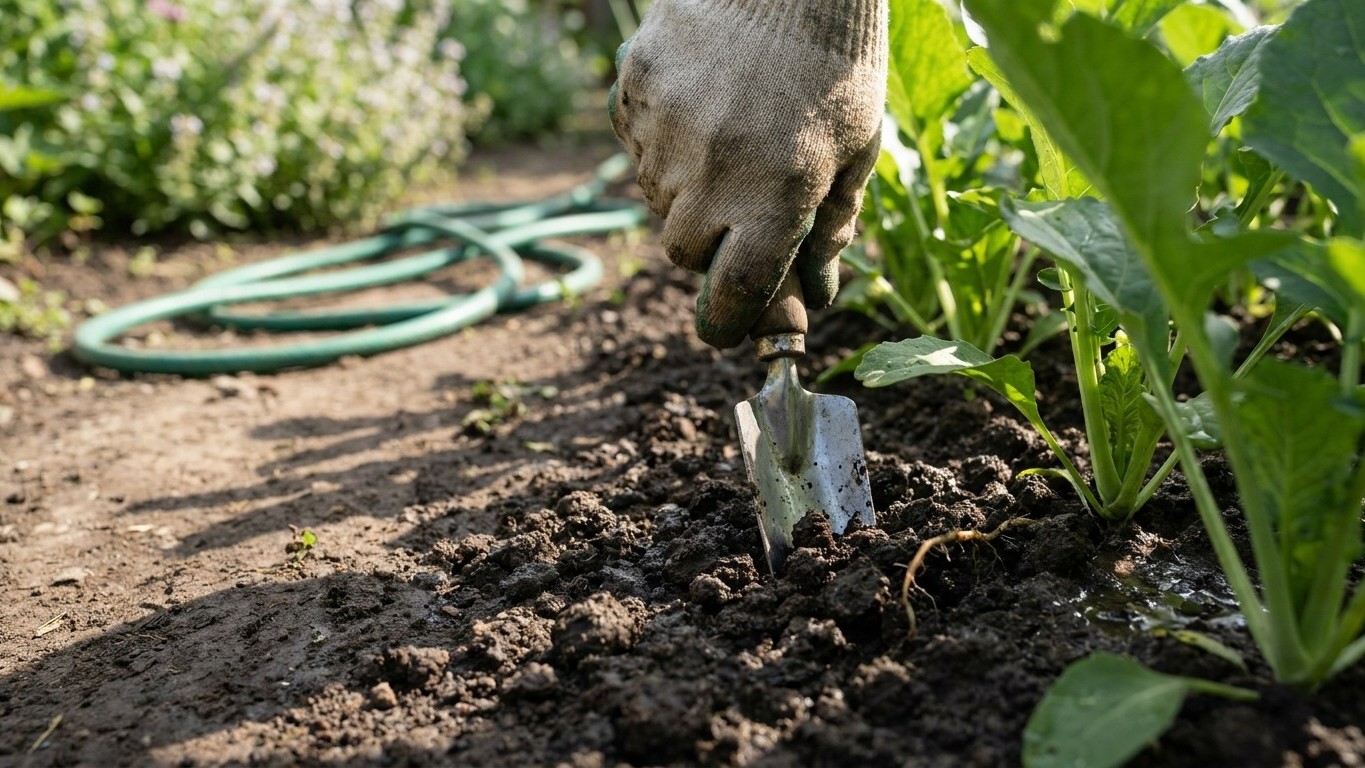
Manitoba gardens need deep, infrequent watering rather than daily sprinkles — roughly one to two inches a week during the growing season, delivered at…
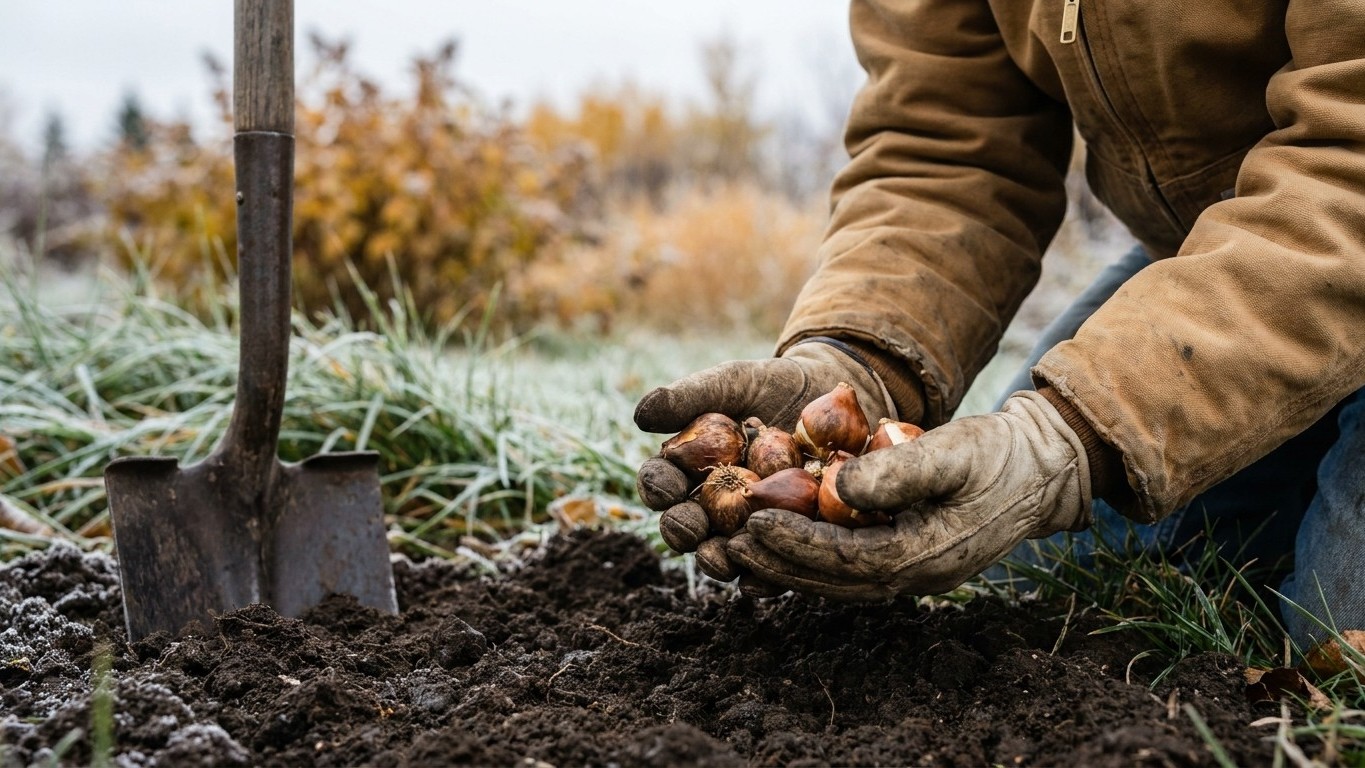
Bulbs go into Manitoba ground from late September through mid-October, and the province’s brutal winter cold (a coldest-month low averaging -6.6°F) hands…