Colorado potato beetle in Maryland: When It Shows Up and What Stops It
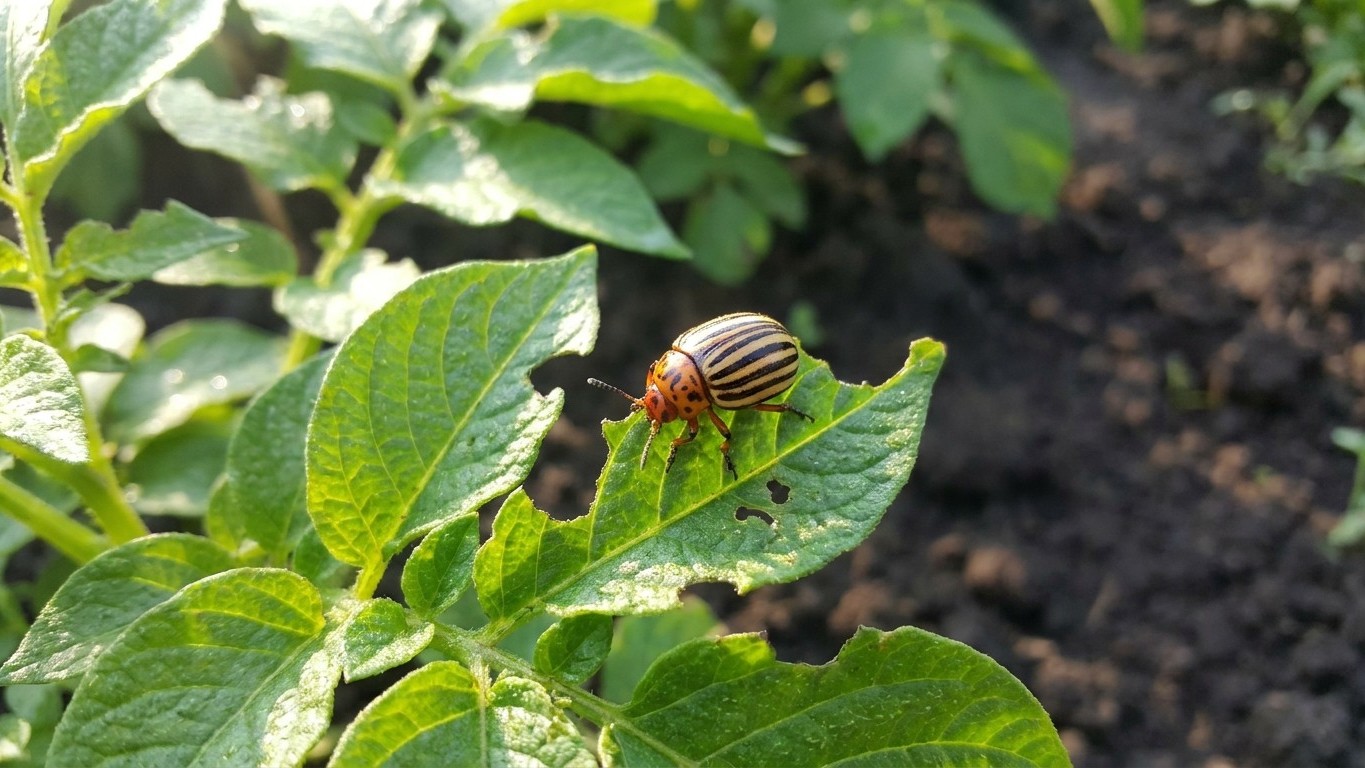
Colorado potato beetles wake up in Maryland gardens as soon as soil temperatures climb past 50°F, which usually happens in late April or early May across…
Home & garden, state by state
Everything we have worked out for Maryland: what to plant and when, which varieties finish in time, the pests that actually turn up here, and the jobs that pay off month by month. We also cover the rest of the property, from lawns and soil to home care and energy, because a garden rarely stops at the vegetable bed.
The numbers first, because everything else follows from them. Measured at the weather station in Baltimore, the last spring freeze runs April 3 to April 16 and the first fall freeze runs October 26 to November 5, USDA zones 5b-8a, 3,994 growing degree days in the year.
Garlic does well: 21.8 weeks below 40 °F, comfortably past the six it needs to form a proper head.
Elsewhere on the property in Maryland: the pests that turn up here.
Figures from NOAA's 1991-2020 climate normals. A state is not one climate: elevation, a large lake or the coast can move these dates by two weeks either way, so check your own county with the extension service before you spend money.
Colorado potato beetles wake up in Maryland gardens as soon as soil temperatures climb past 50°F, which usually happens in late April or early May across…
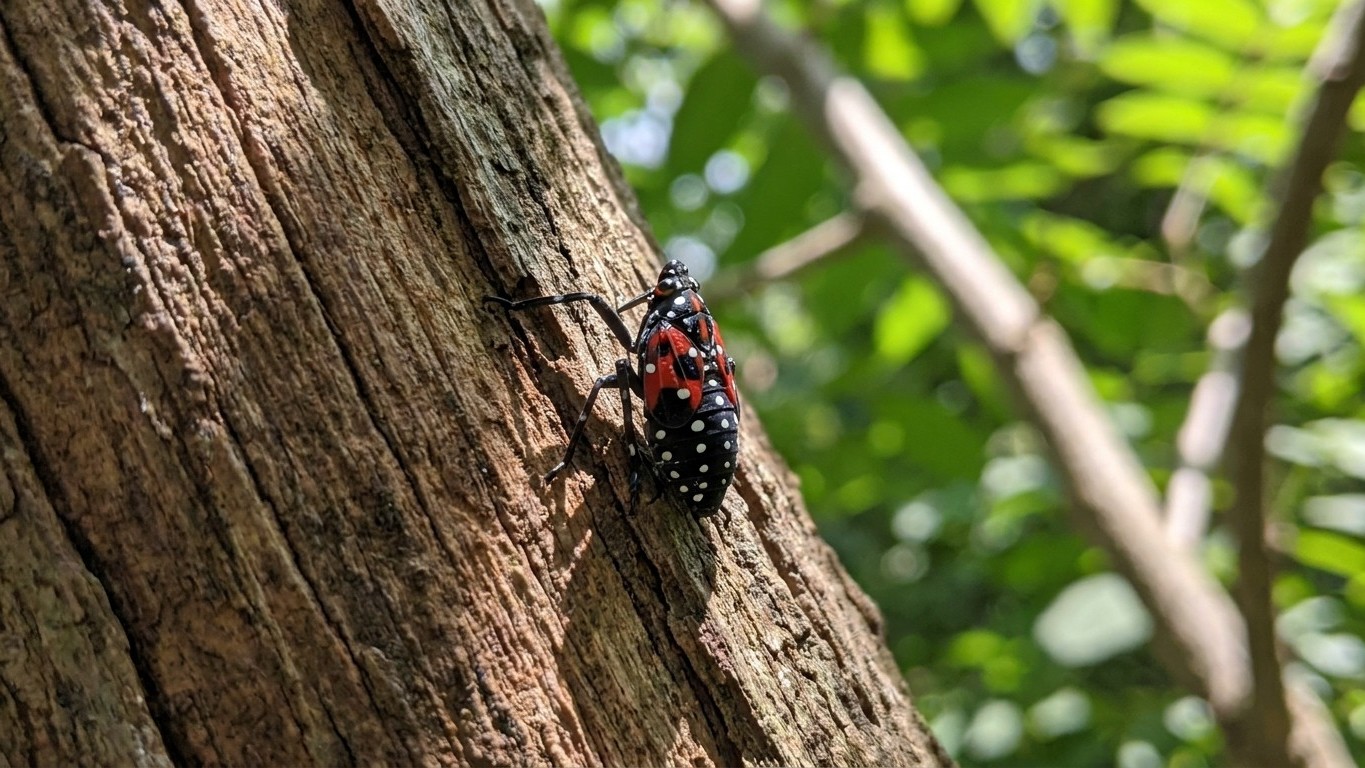
Spotted lanternfly activity in Maryland follows a predictable calendar: egg masses hatch in late April through May, nymphs feed through summer, adults…
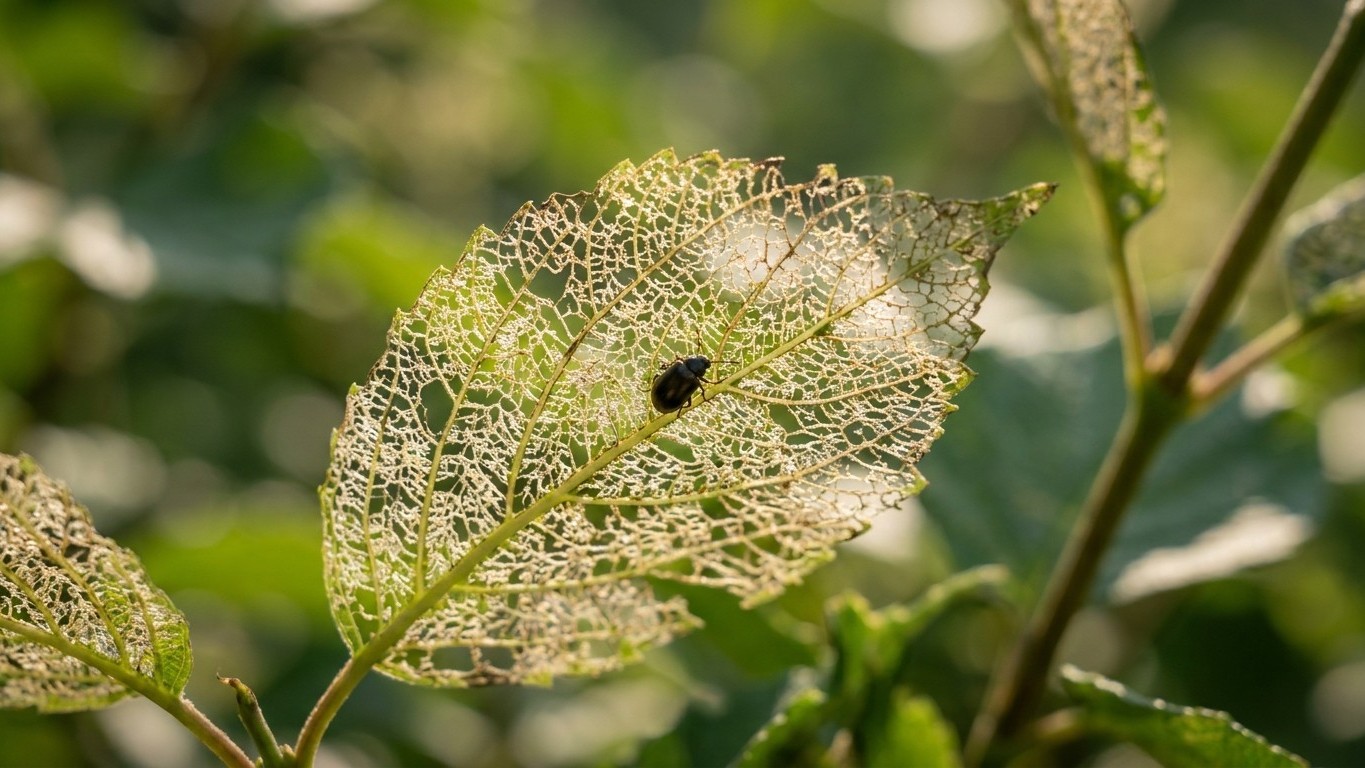
Viburnum leaf beetle activity in Maryland follows a predictable two-stage calendar: larvae strip leaves between April and June, then adults finish the…
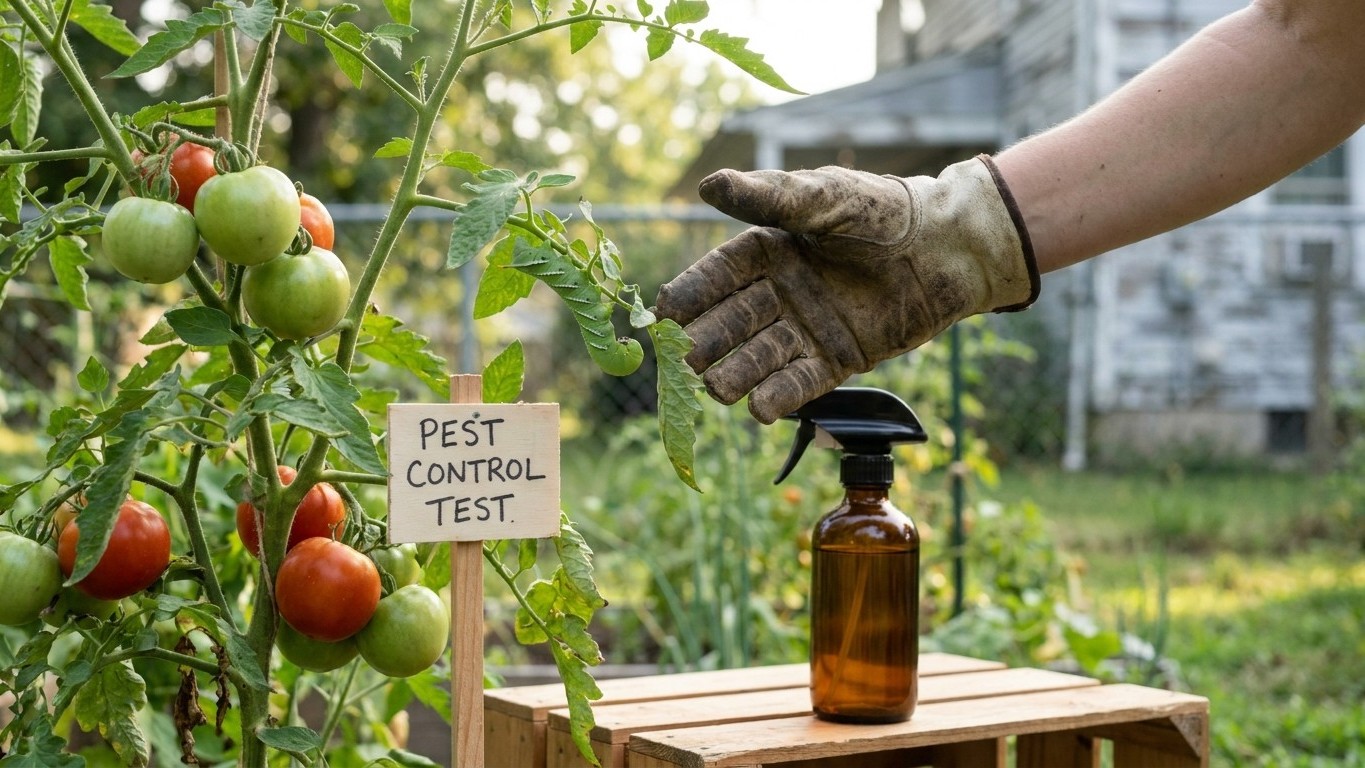
A guide to Maryland’s most common garden pests, how to identify each one, and when UMD Extension says they show up during the growing season.
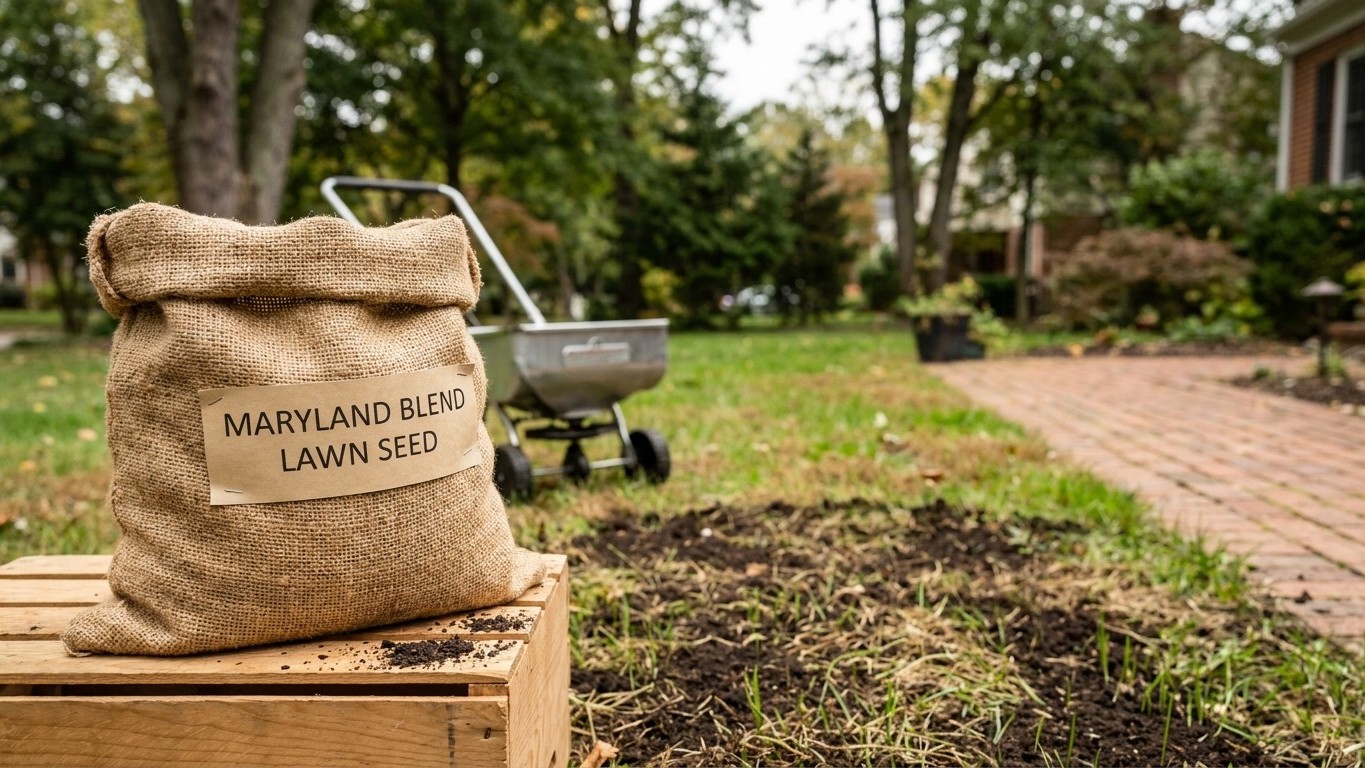
Maryland’s transition-zone climate means cool-season and warm-season grasses each trade one good season for a hard one. This page lays out that trade-off, season by season.

A month-by-month guide to feeding, mowing, aerating, and overseeding both cool-season and warm-season lawns across Maryland’s transition climate zone, from Baltimore to the mountains.
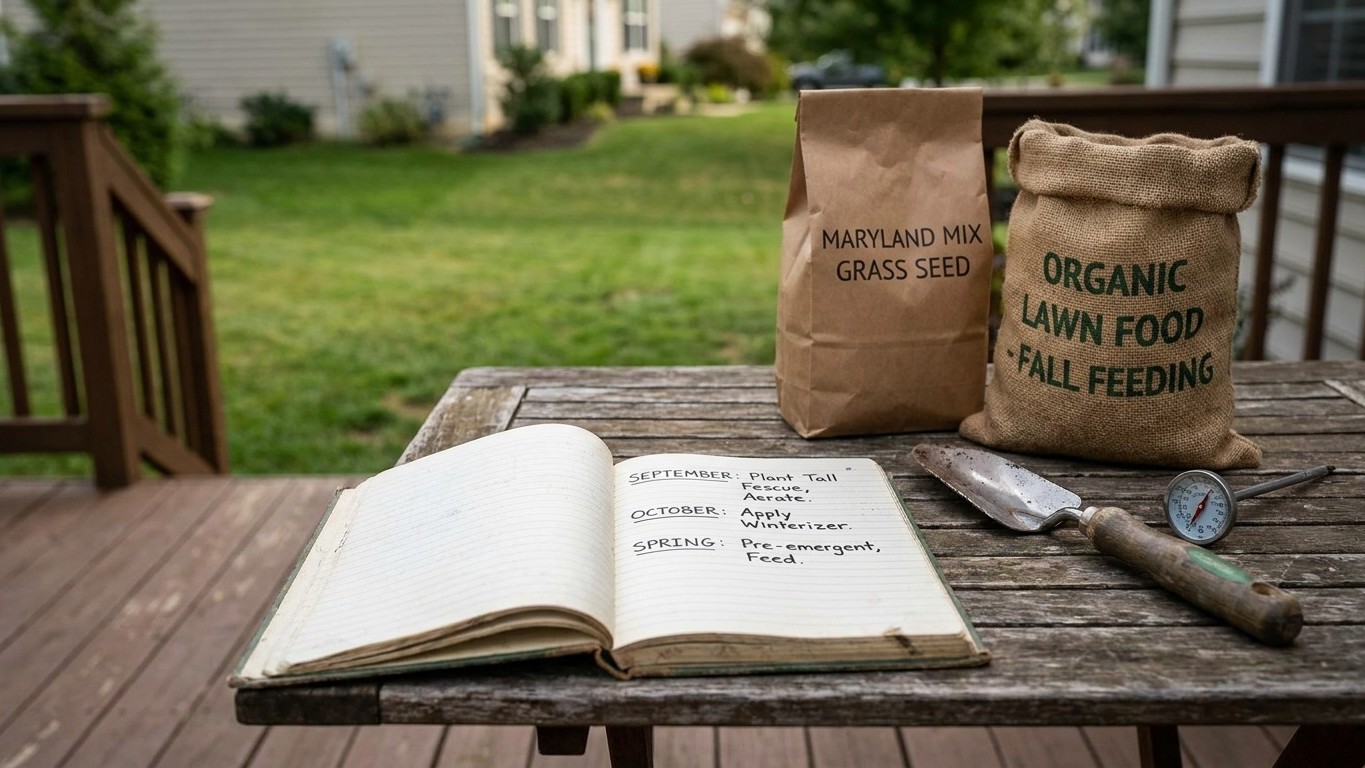
Maryland sits in the transition zone, so cool-season and warm-season lawns each carry a tradeoff, and this page shows the seeding, feeding, and mowing schedule for both types.
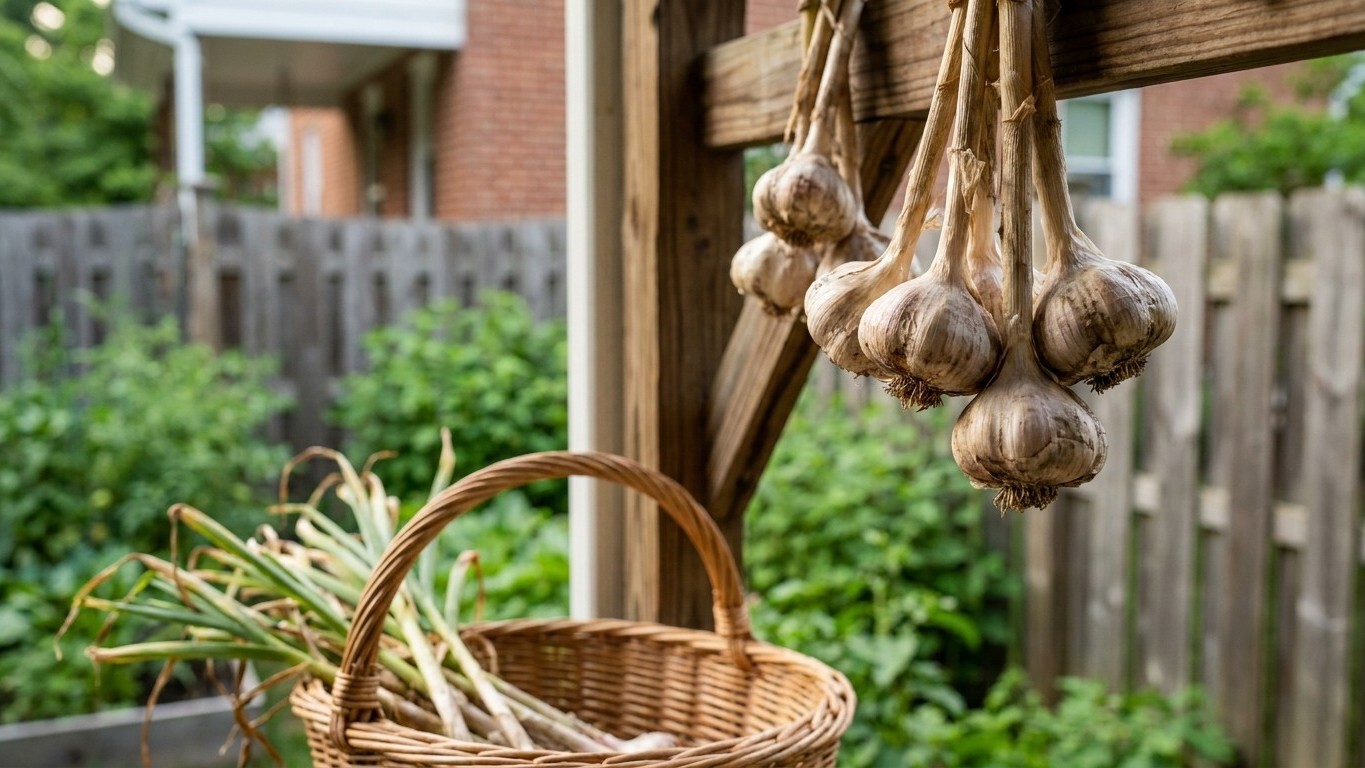
Maryland’s winter cold easily meets the vernalization needs of hardneck and softneck garlic alike, so timing and site conditions matter more than variety choice.
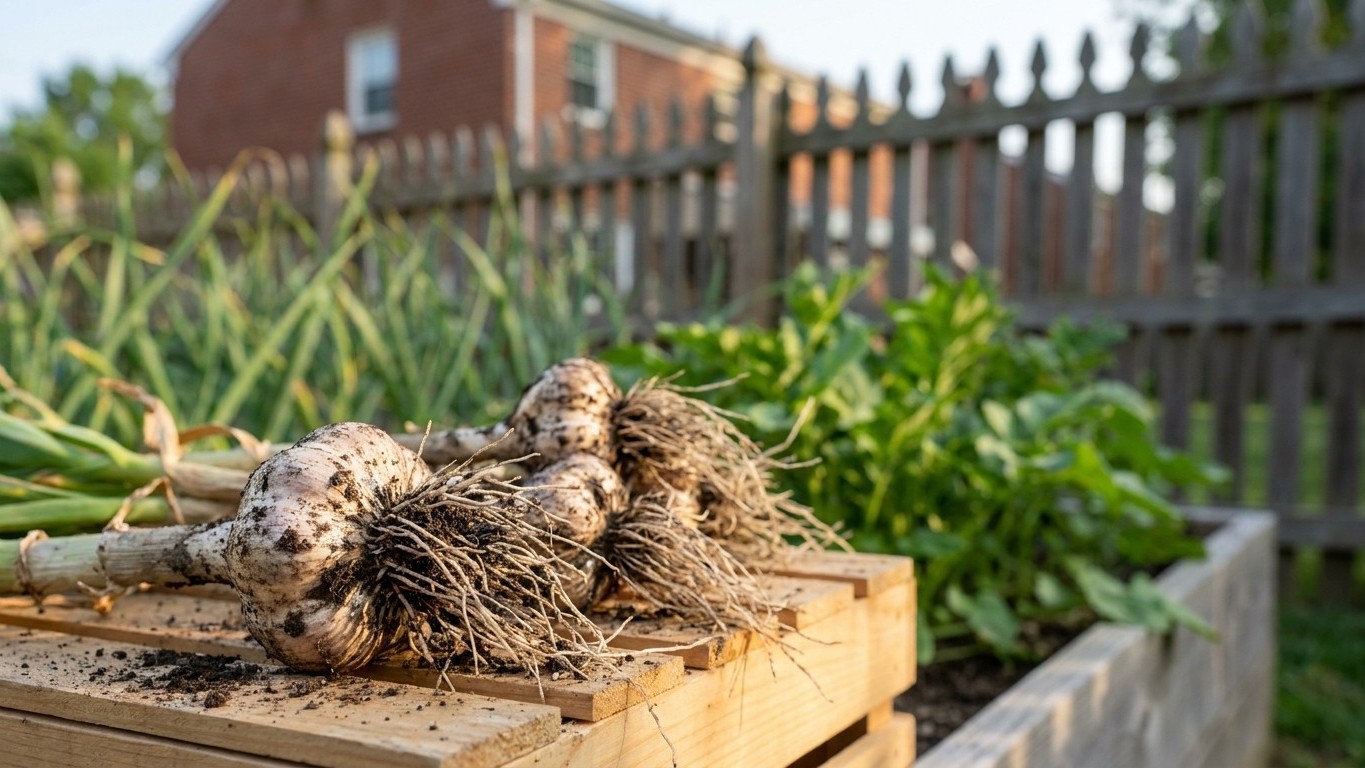
Maryland’s garlic planting window falls in early to mid October, calculated from Baltimore’s NOAA frost data, with earlier or later dates depending on region and elevation.
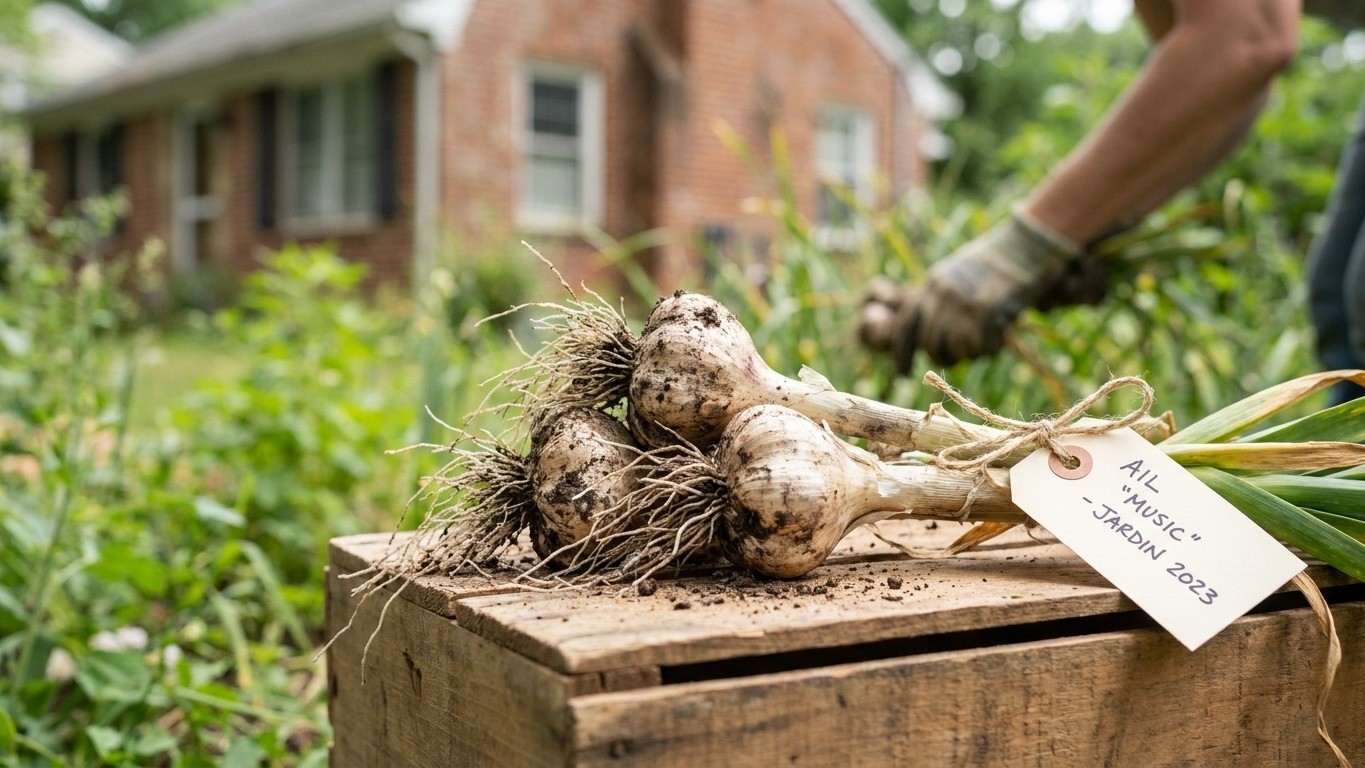
A county-by-county look at Maryland’s fall frost dates, chilling requirements, soil prep, and disease pressure for growing garlic from planting through summer harvest.