Growing Sweet Corn in Michigan: Will It Ripen?
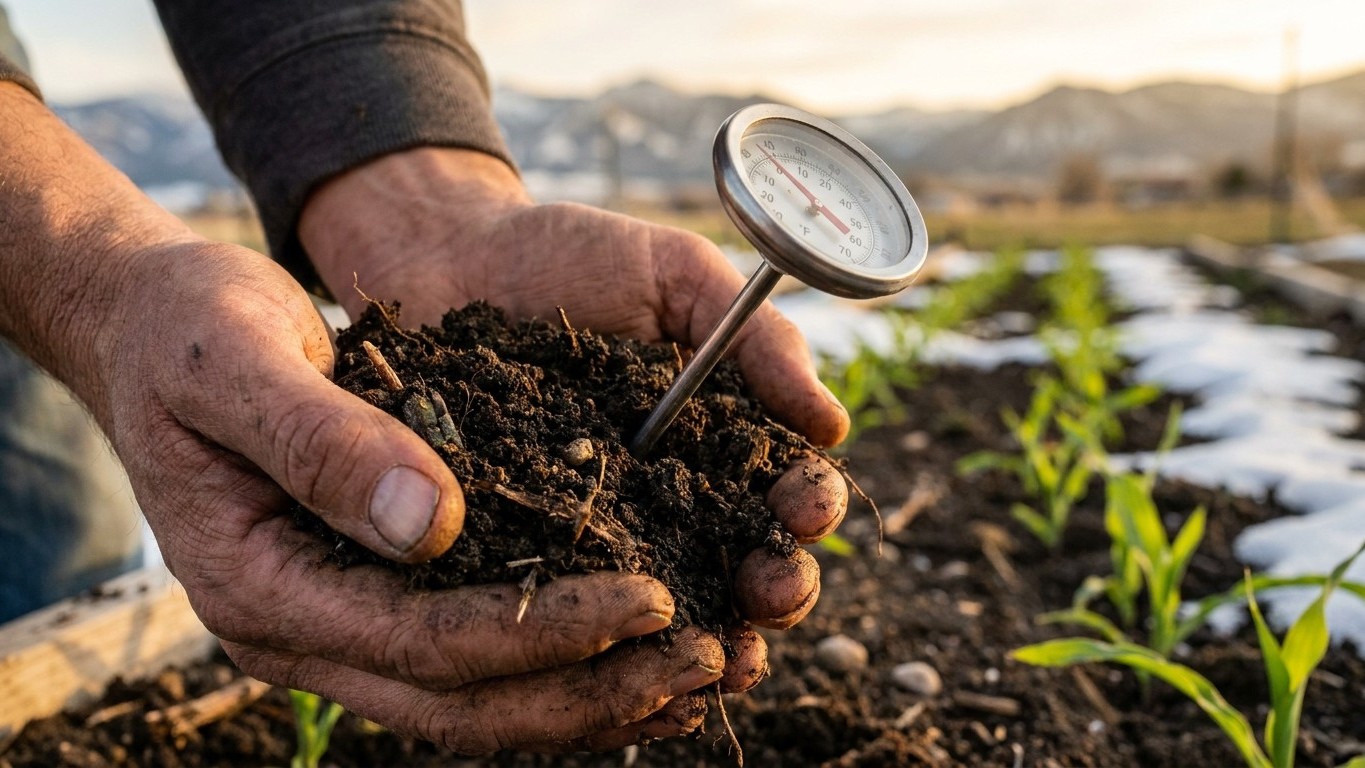
Yes, sweet corn can ripen in Michigan, but the calendar math is tighter than most gardeners assume.
Home & garden, state by state
Everything we have worked out for Michigan: what to plant and when, which varieties finish in time, the pests that actually turn up here, and the jobs that pay off month by month. We also cover the rest of the property, from lawns and soil to home care and energy, because a garden rarely stops at the vegetable bed.
The numbers first, because everything else follows from them. Measured at the weather station in Detroit, the last spring freeze runs April 30 in the Detroit area; early to mid May across most of the Lower Peninsula and the first fall freeze runs October 6 to October 21, USDA zones 4a-6b, 3,248 growing degree days in the year.
Garlic does well: 26.1 weeks below 40 °F, comfortably past the six it needs to form a proper head.
Elsewhere on the property in Michigan: the pests that turn up here.
Figures from NOAA's 1991-2020 climate normals. A state is not one climate: elevation, a large lake or the coast can move these dates by two weeks either way, so check your own county with the extension service before you spend money.
Yes, sweet corn can ripen in Michigan, but the calendar math is tighter than most gardeners assume.
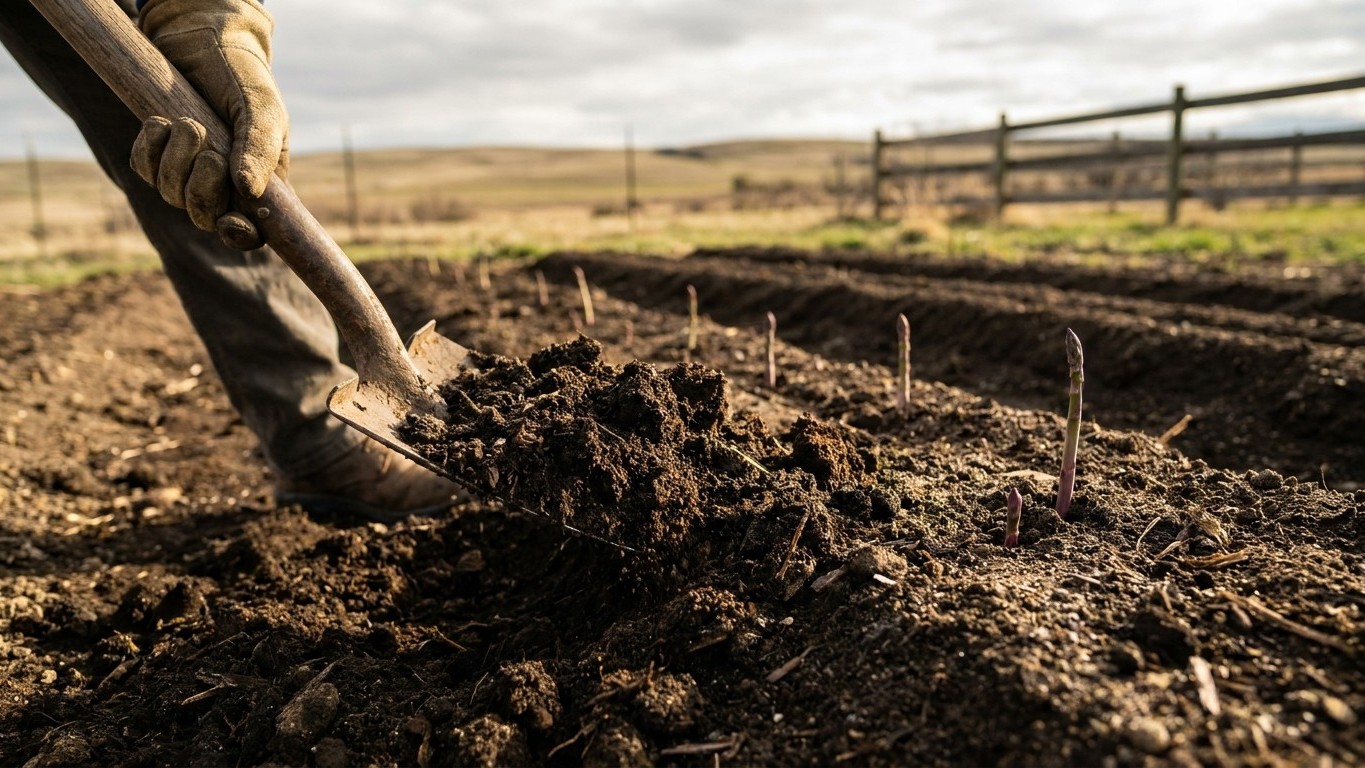
Fifteen years is a long time to bet on one patch of ground, but that’s the deal with asparagus.
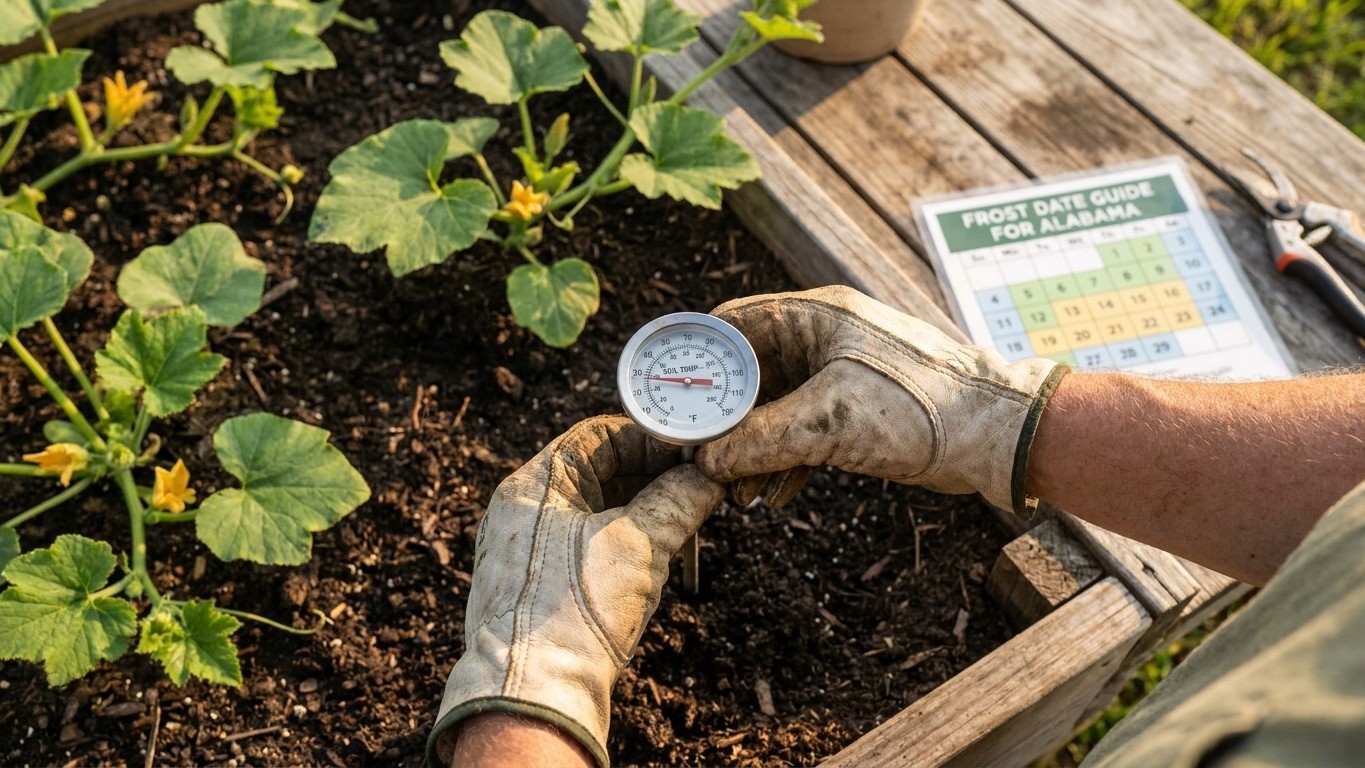
Michigan gardeners get one real shot at pumpkin timing, and for most of the Lower Peninsula that means sowing seed sometime between late May and the…
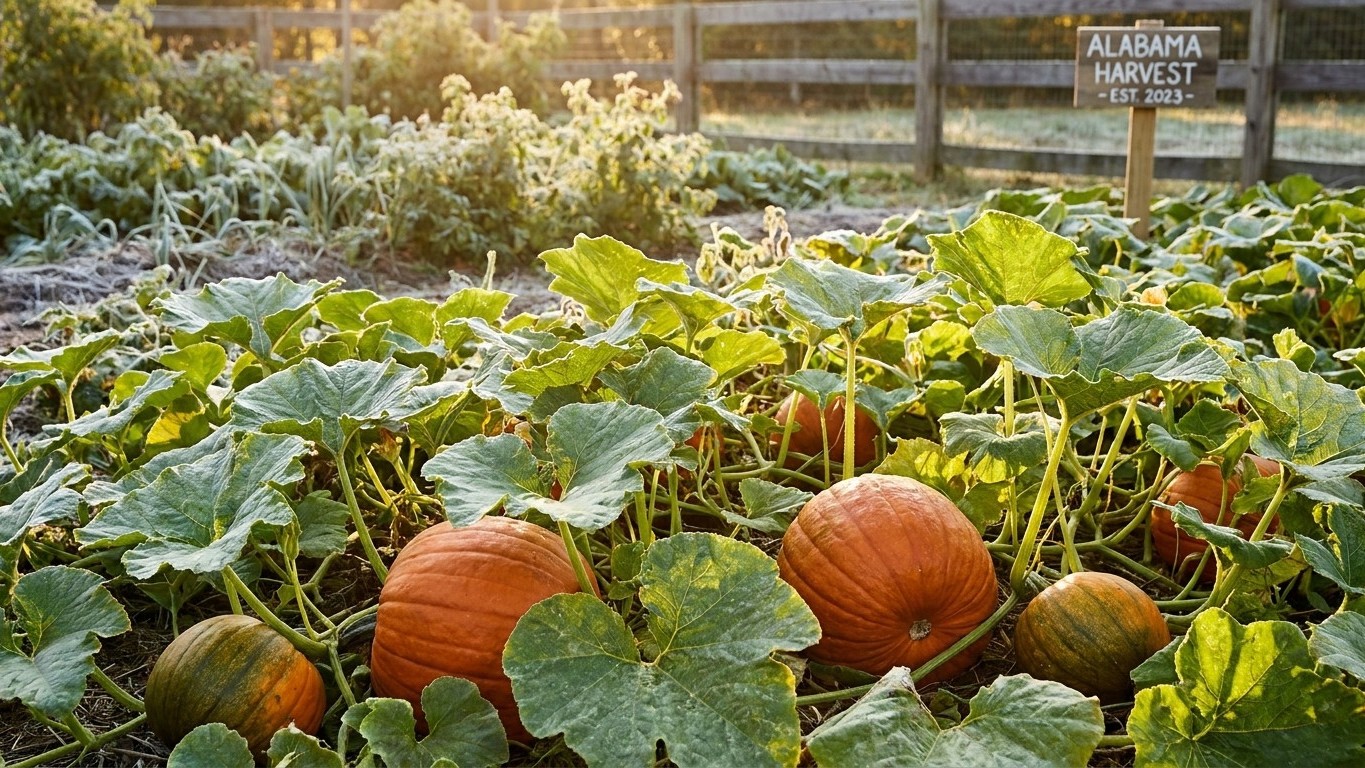
Michigan’s first fall frost lands anywhere from October 6 to October 21 depending on where you garden.
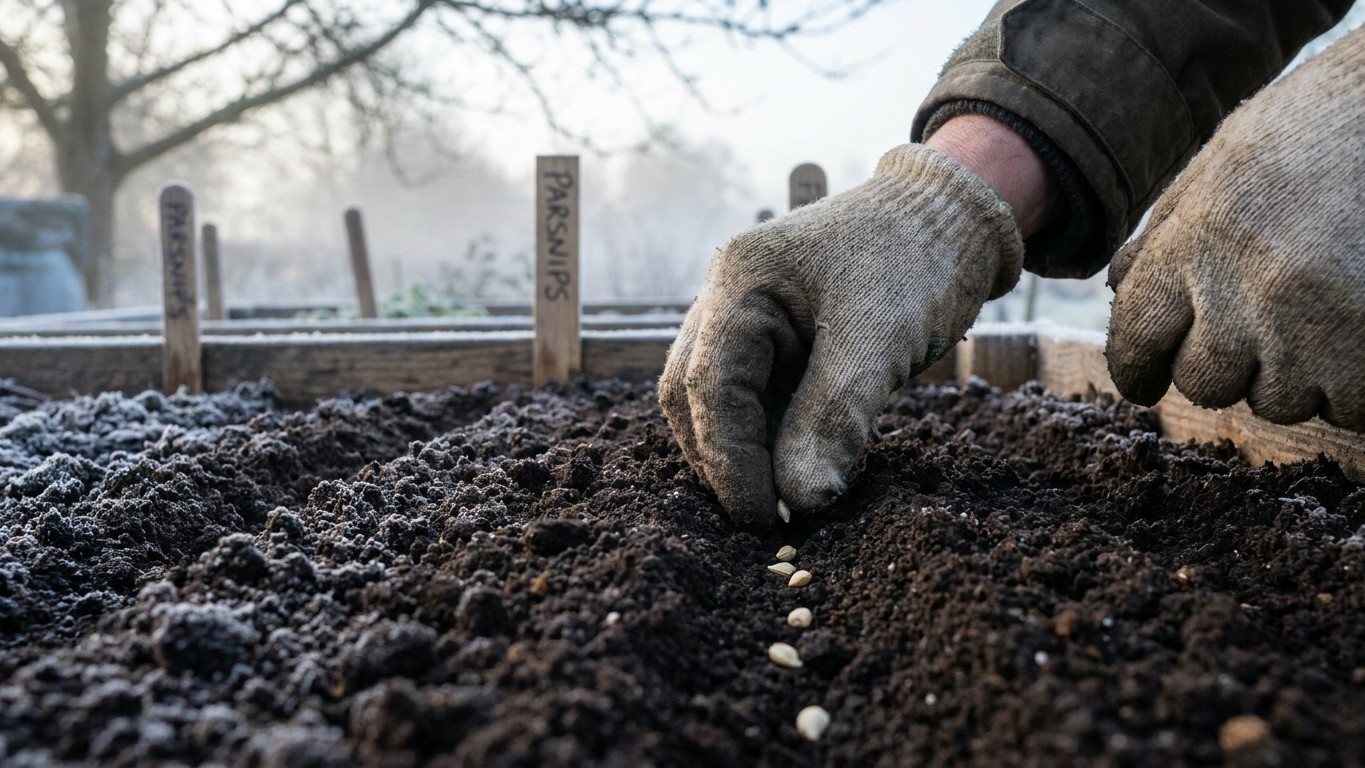
In most of Michigan, parsnip seed goes into the ground two to three weeks before the last spring frost, which lands around April 30 near Detroit and…
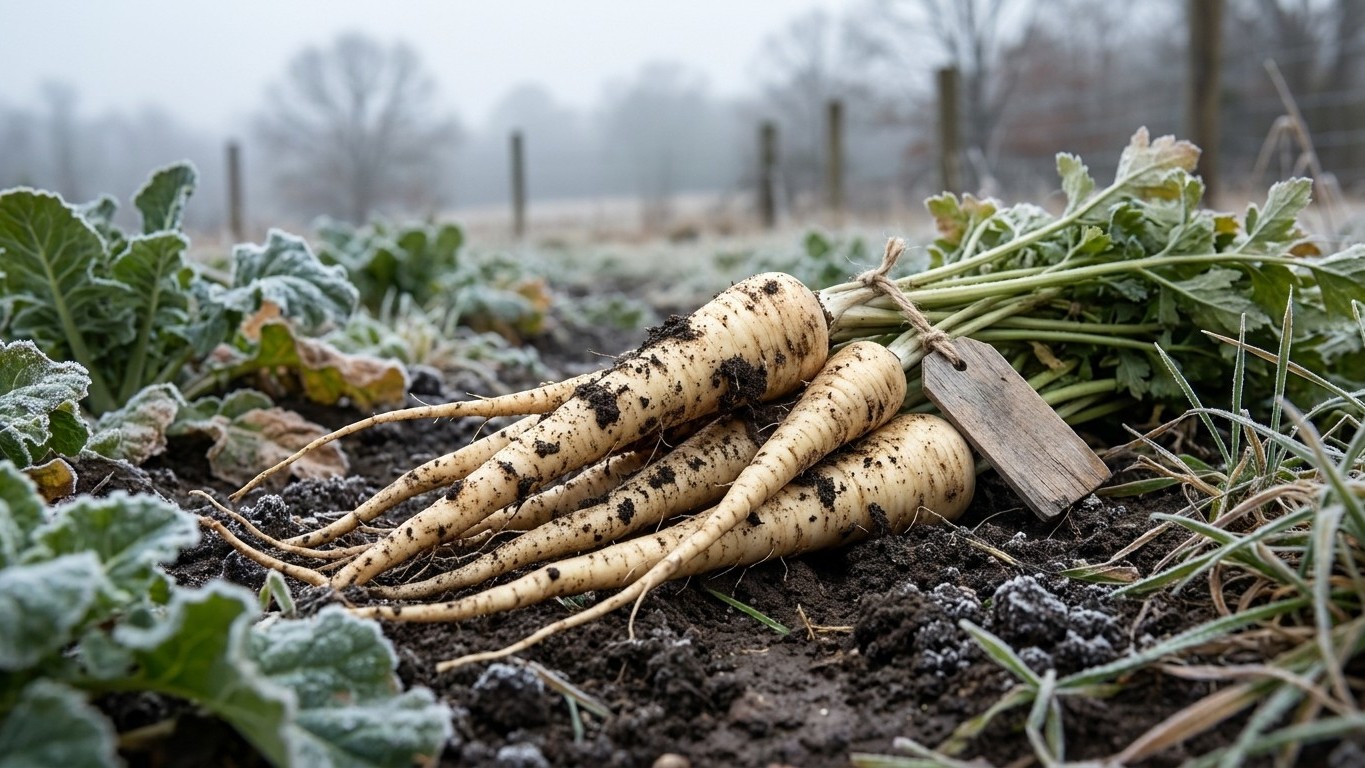
Yes, parsnips sweeten reliably in Michigan. The state’s winters bring long stretches of freezing temperatures, exactly the kind of frost exposure that…
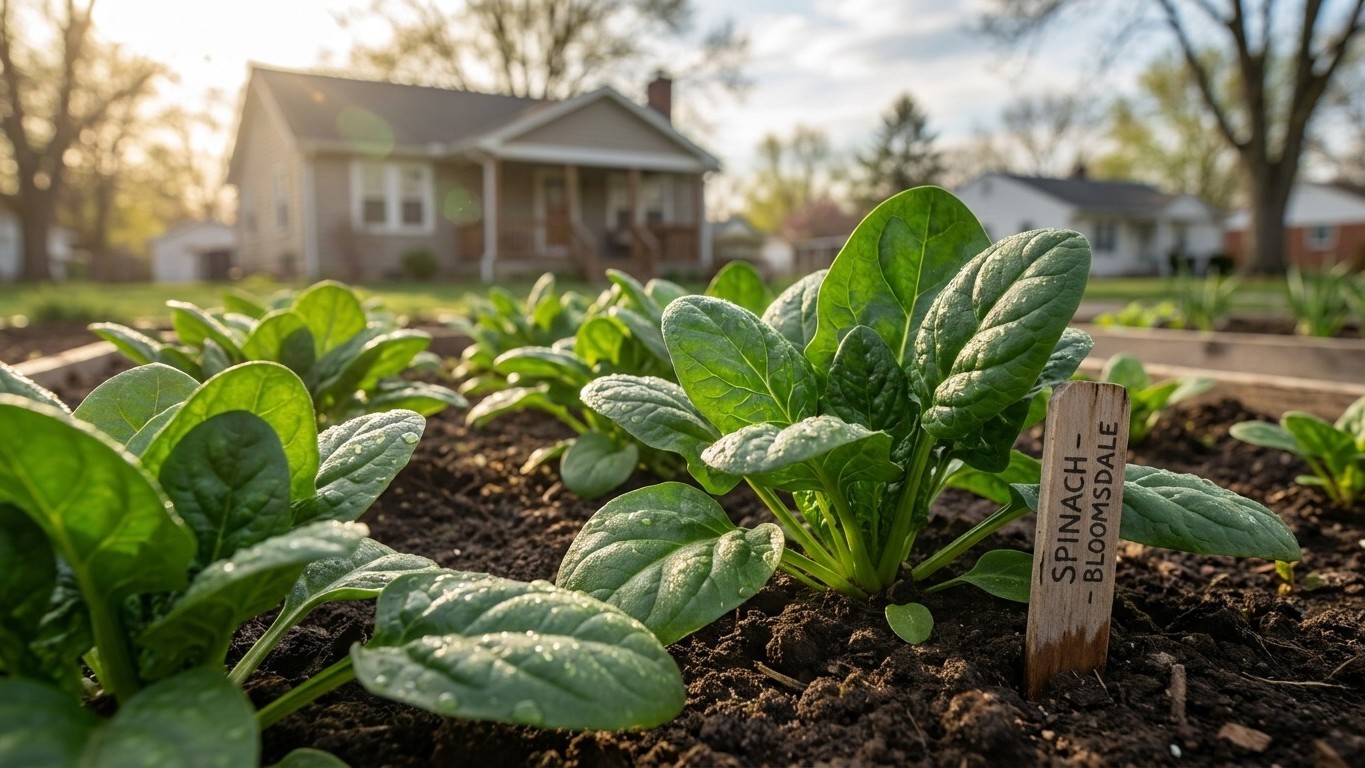
Spinach sown in Michigan in spring typically bolts by early-to-mid June, once day length near the solstice combines with the season’s first real heat.
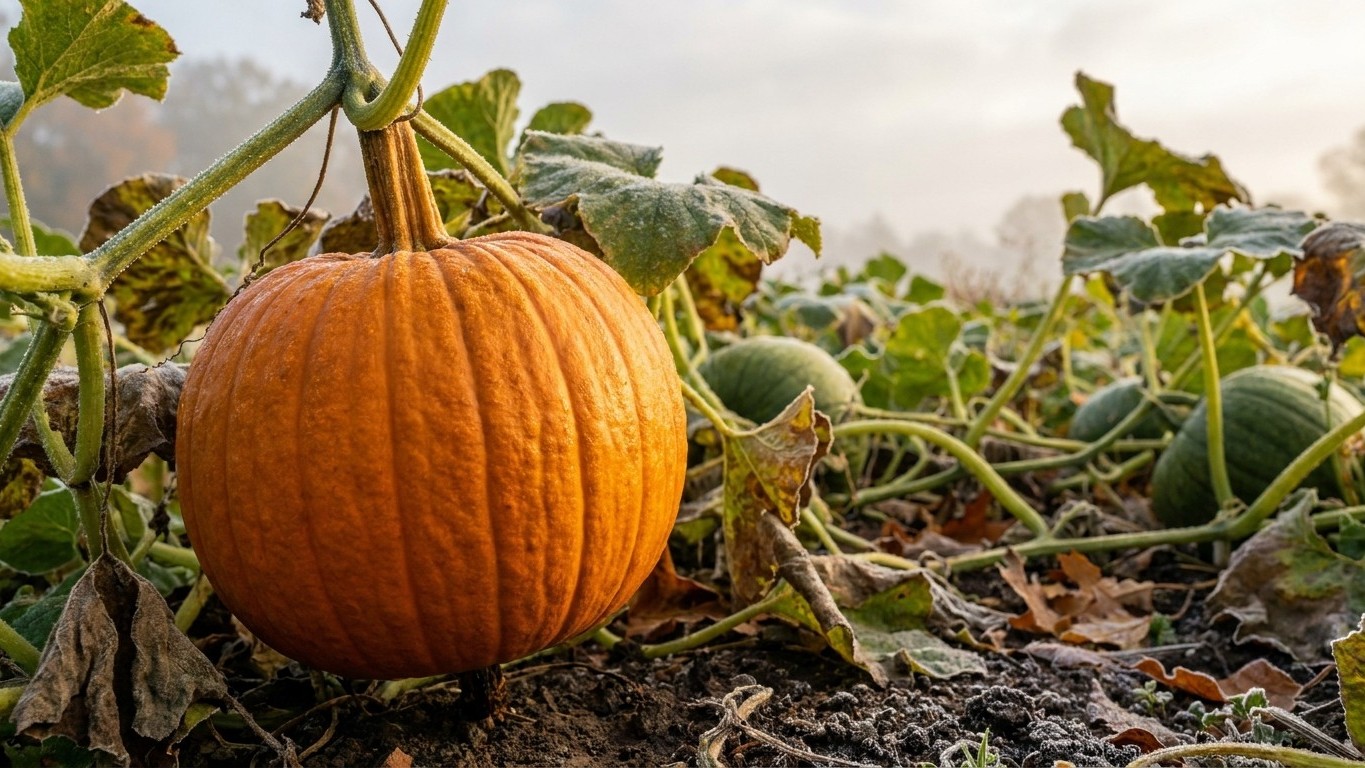
Michigan’s frost calendar splits the growing season unevenly across the state, and that split decides whether a pumpkin patch has enough runway.
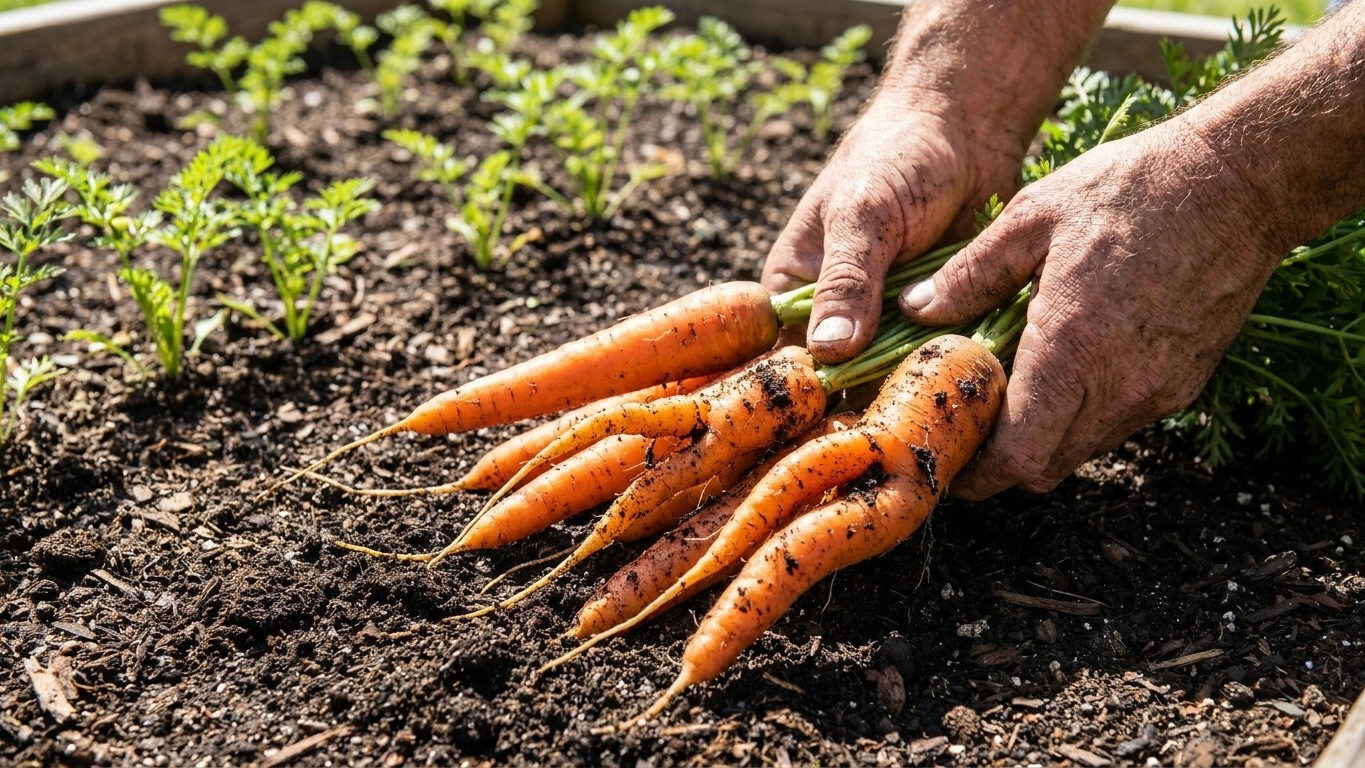
Carrots go into the ground as seed, never as transplants, about two to three weeks before your last spring frost date because the seed germinates fine in…
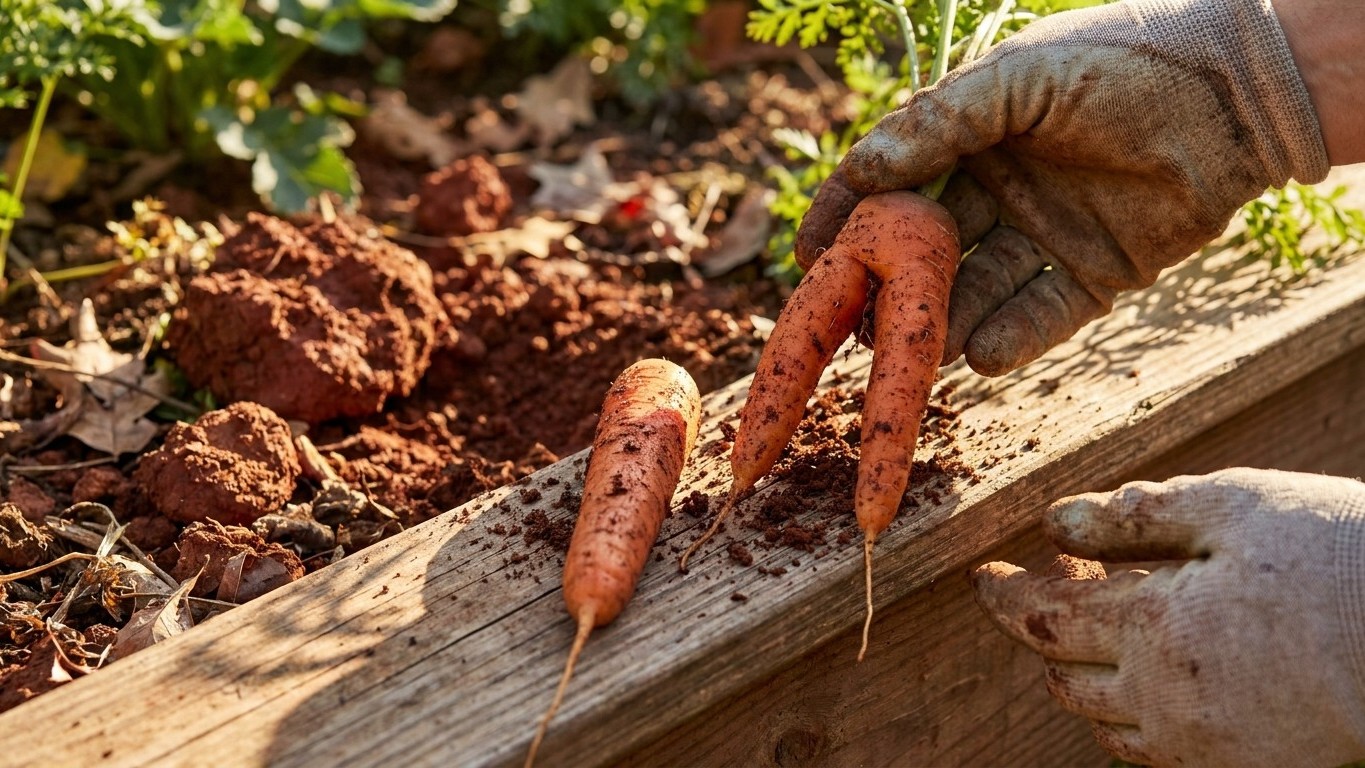
Michigan’s official state soil, the Kalkaska series, is sandy and loose enough that a carrot growing in it would have little reason to fork.