Hedge Plants for Montana: What Holds, and What Only Looks Hardy
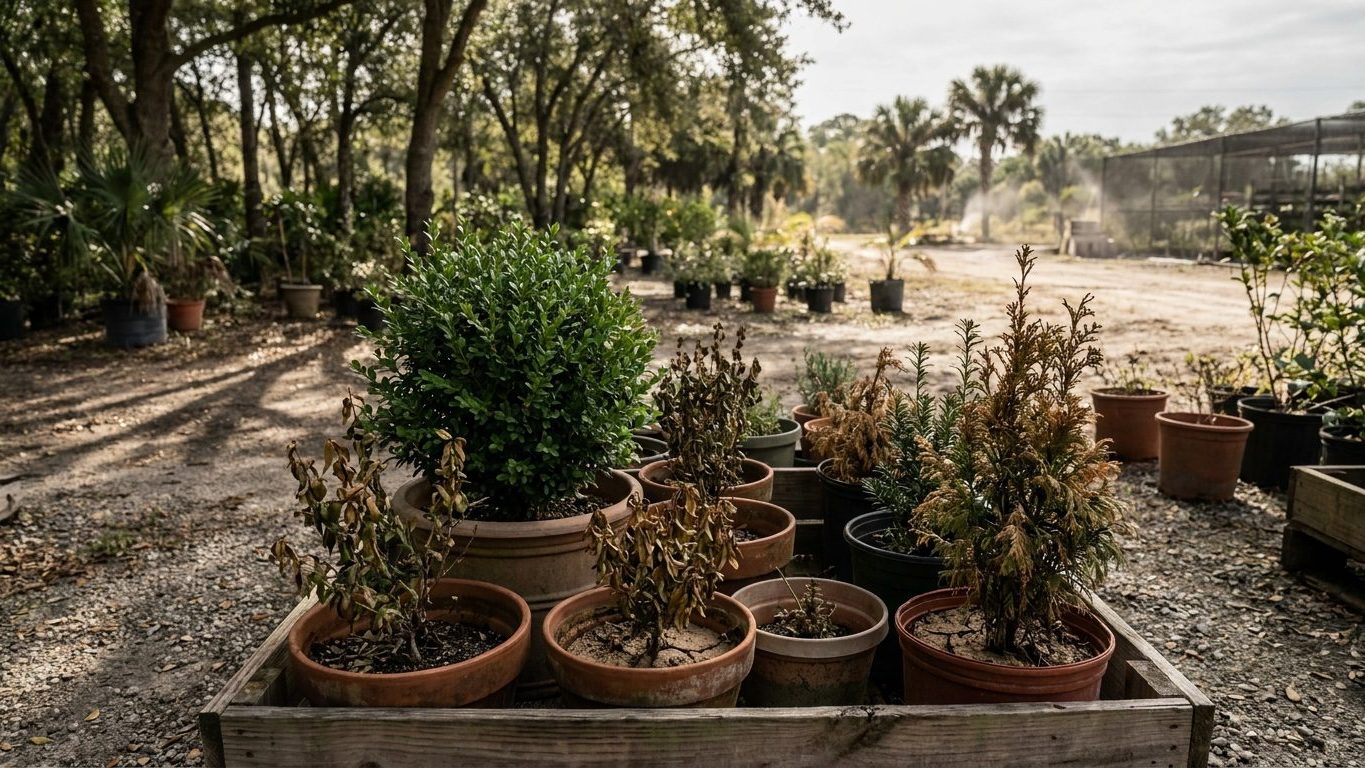
Montana’s hedge palette is narrower than most nursery catalogs suggest. Of the twelve hedge species tracked here, six hold across the state’s full USDA…
Home & garden, state by state
Everything we have worked out for Montana: what to plant and when, which varieties finish in time, the pests that actually turn up here, and the jobs that pay off month by month. We also cover the rest of the property, from lawns and soil to home care and energy, because a garden rarely stops at the vegetable bed.
The numbers first, because everything else follows from them. Measured at the weather station in Billings, the last spring freeze runs April 29 to May 10 and the first fall freeze runs October 1 to October 14, USDA zones 3a-6a, 2,855 growing degree days in the year.
Garlic does well: 30.4 weeks below 40 °F, comfortably past the six it needs to form a proper head.
Elsewhere on the property in Montana: the pests that turn up here.
Figures from NOAA's 1991-2020 climate normals. A state is not one climate: elevation, a large lake or the coast can move these dates by two weeks either way, so check your own county with the extension service before you spend money.
Montana’s hedge palette is narrower than most nursery catalogs suggest. Of the twelve hedge species tracked here, six hold across the state’s full USDA…
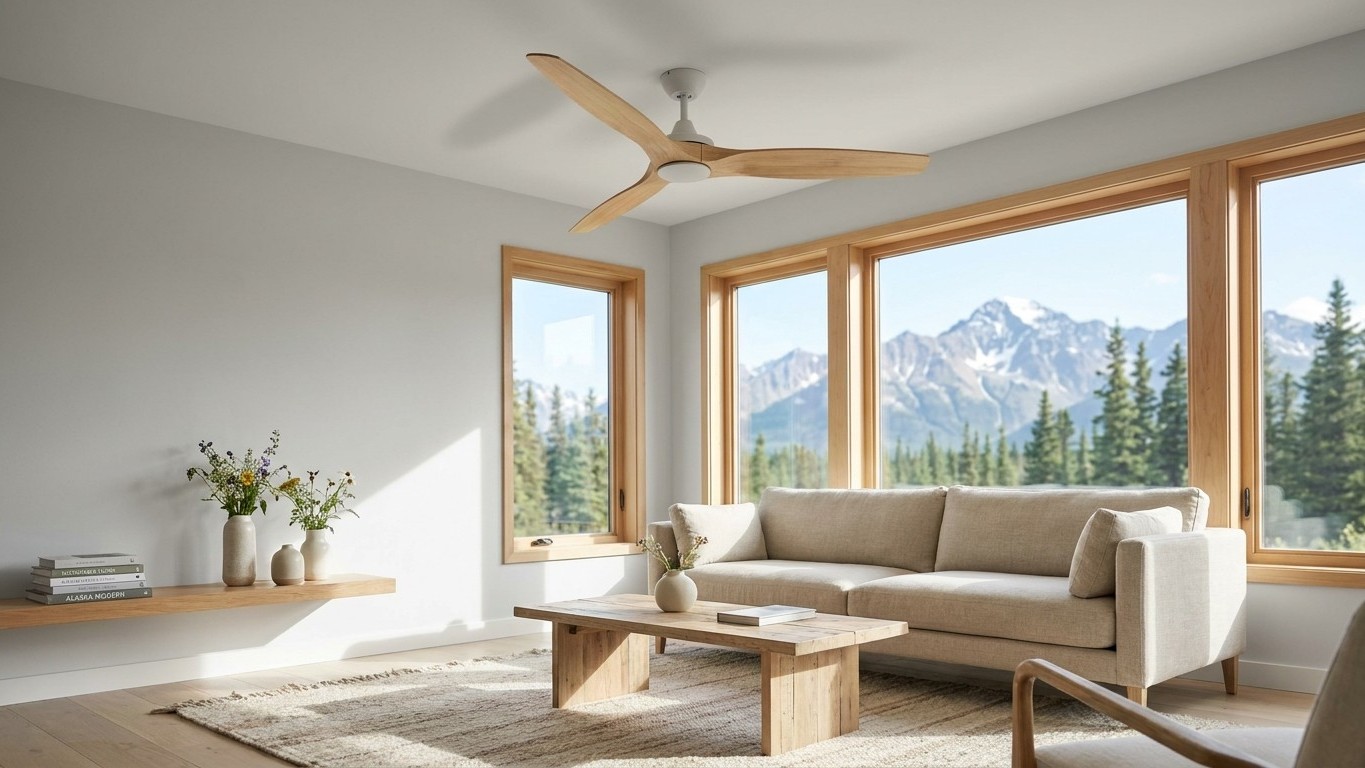
Montana homes split their cooling into three groups: about two in three have some form of air conditioning at all, and among those, a central system…
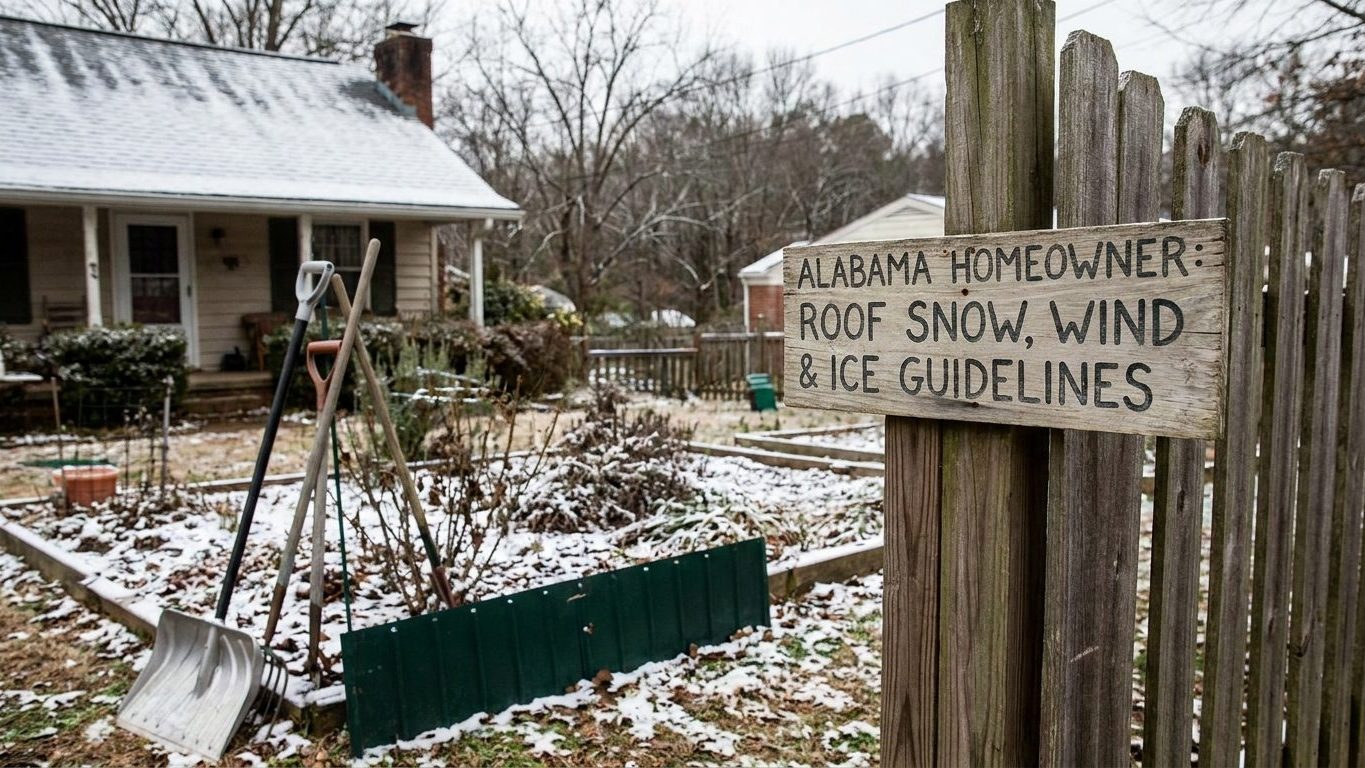
Montana’s design snow load, wind speed and ice-barrier rules come from Billings-area data, but adoption of the state residential code is decided locally, county by county.
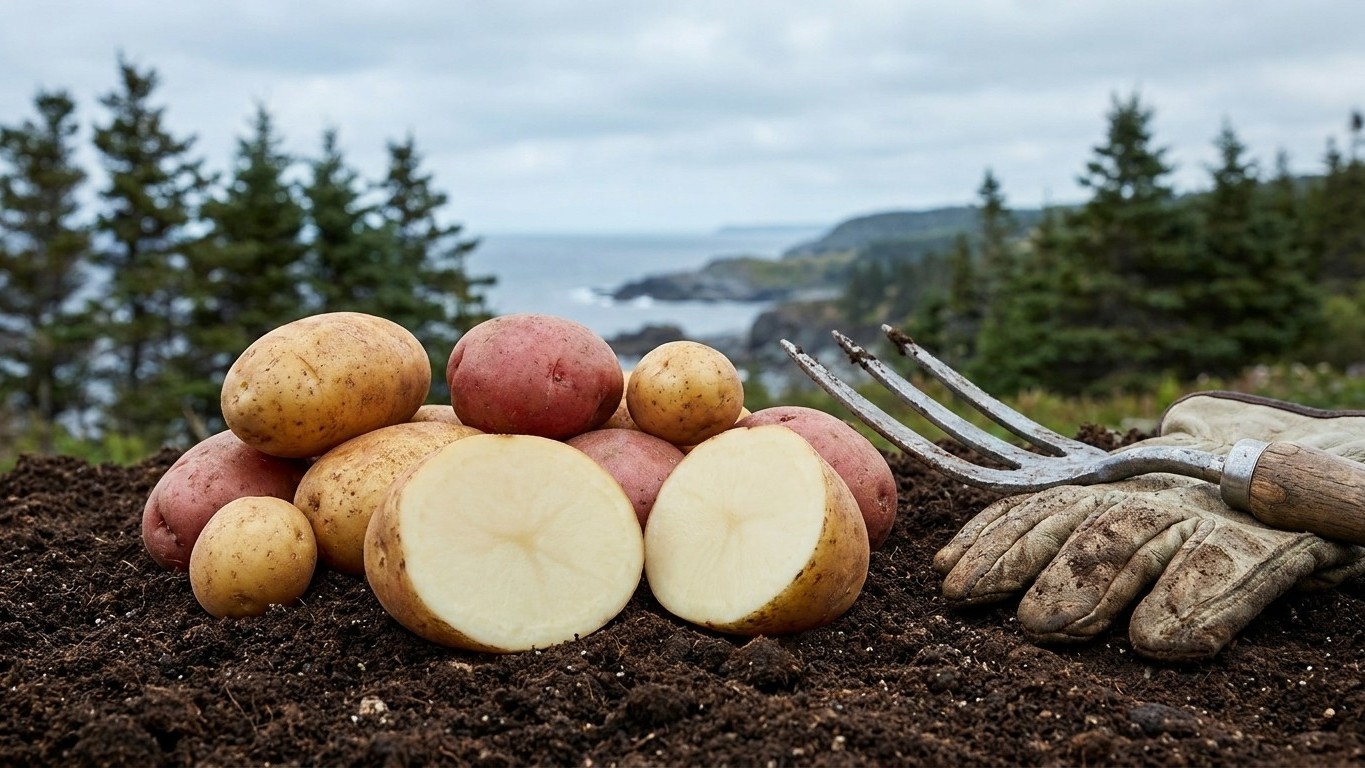
Two insects on Montana State University Extension’s documented list actually feed on potato plants: grasshoppers and thrips.
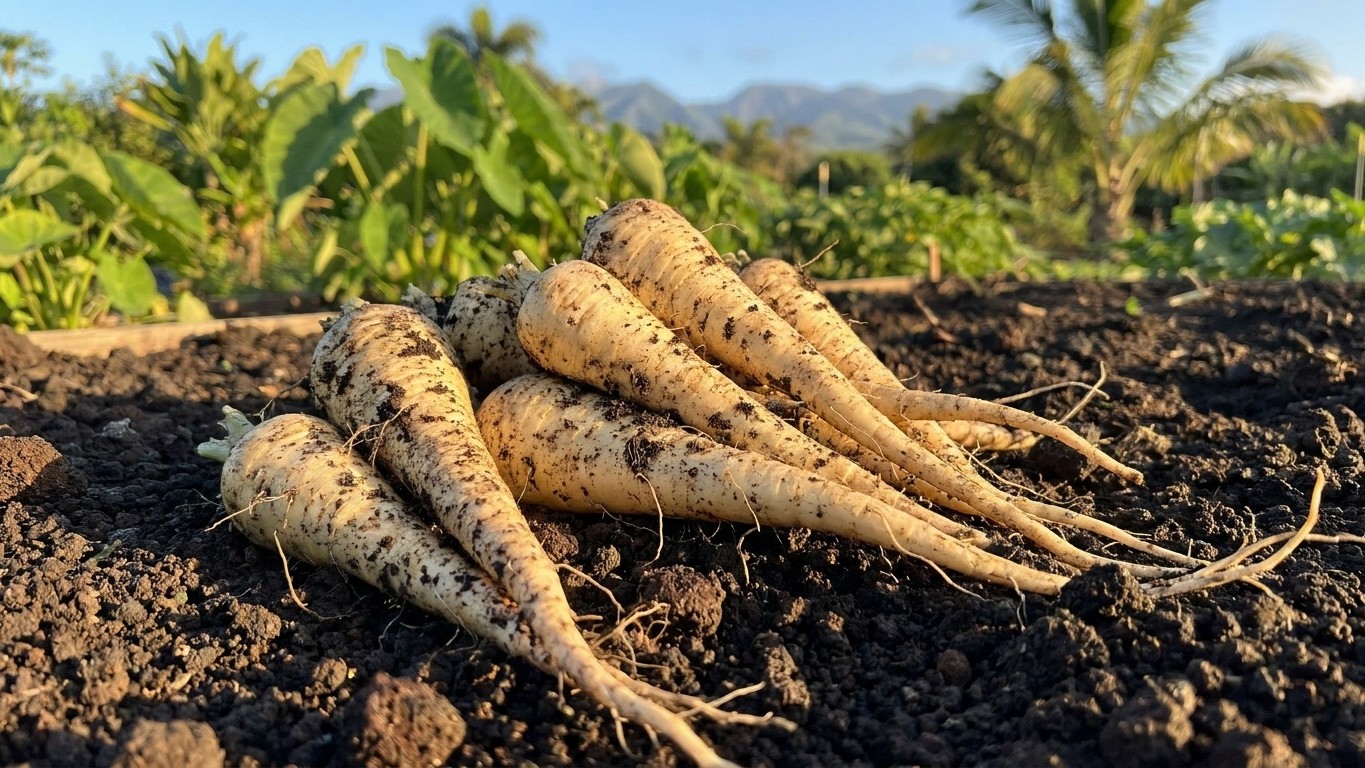
In most Montana gardens, two of the five pests Montana State University Extension documents for urban landscapes actually touch parsnip: grasshoppers and…
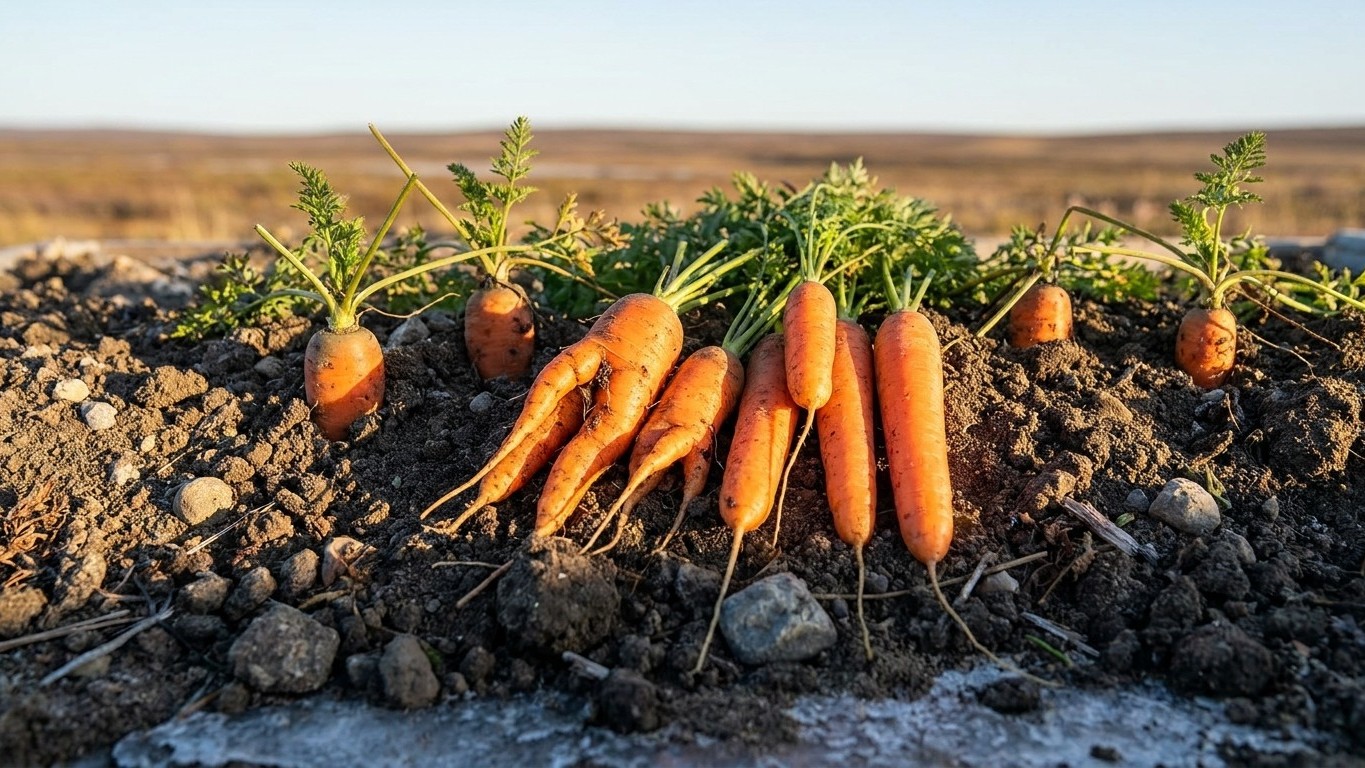
No single published list names which insects feed on carrots across Montana. The soil and storage facts on record for this page explain more about carrot…
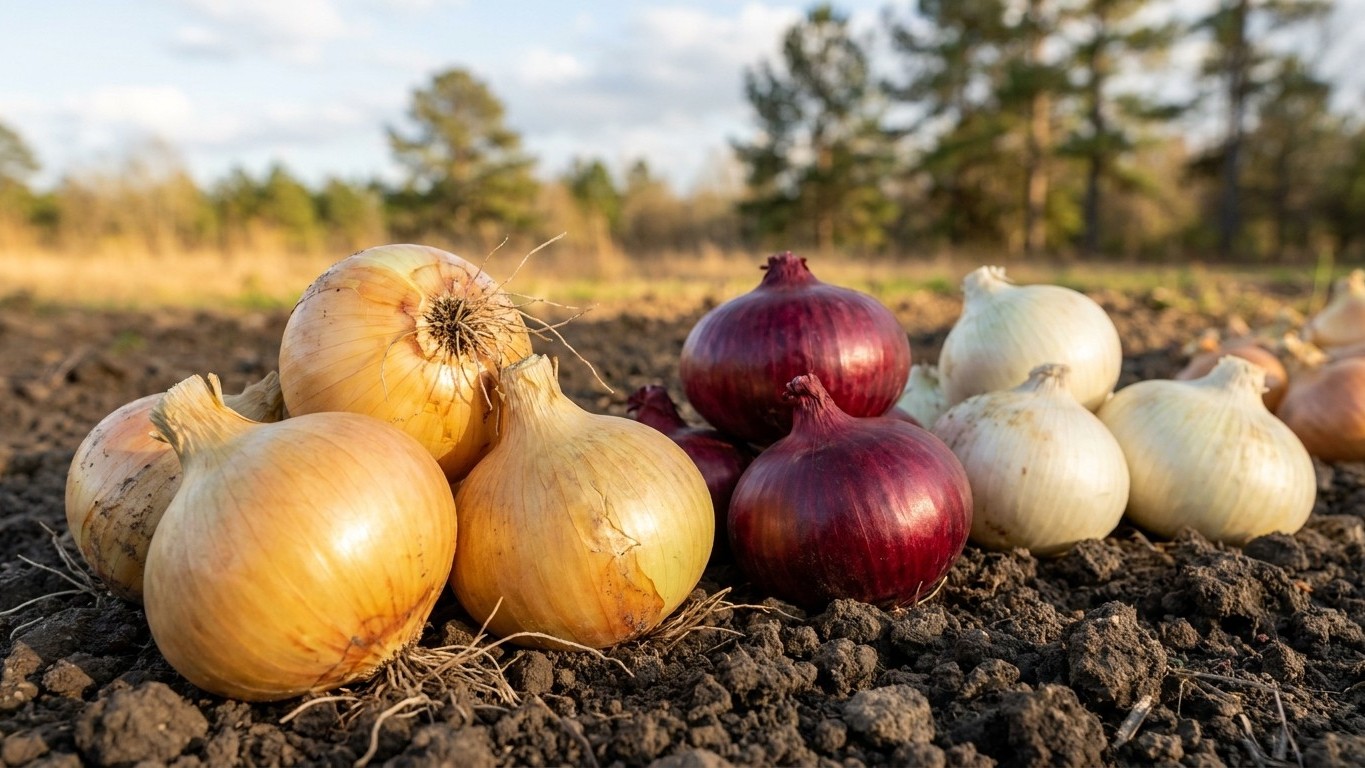
Montana State University Extension’s Urban IPM program documents five insect pests in the state, but only two of them actually feed on onion.
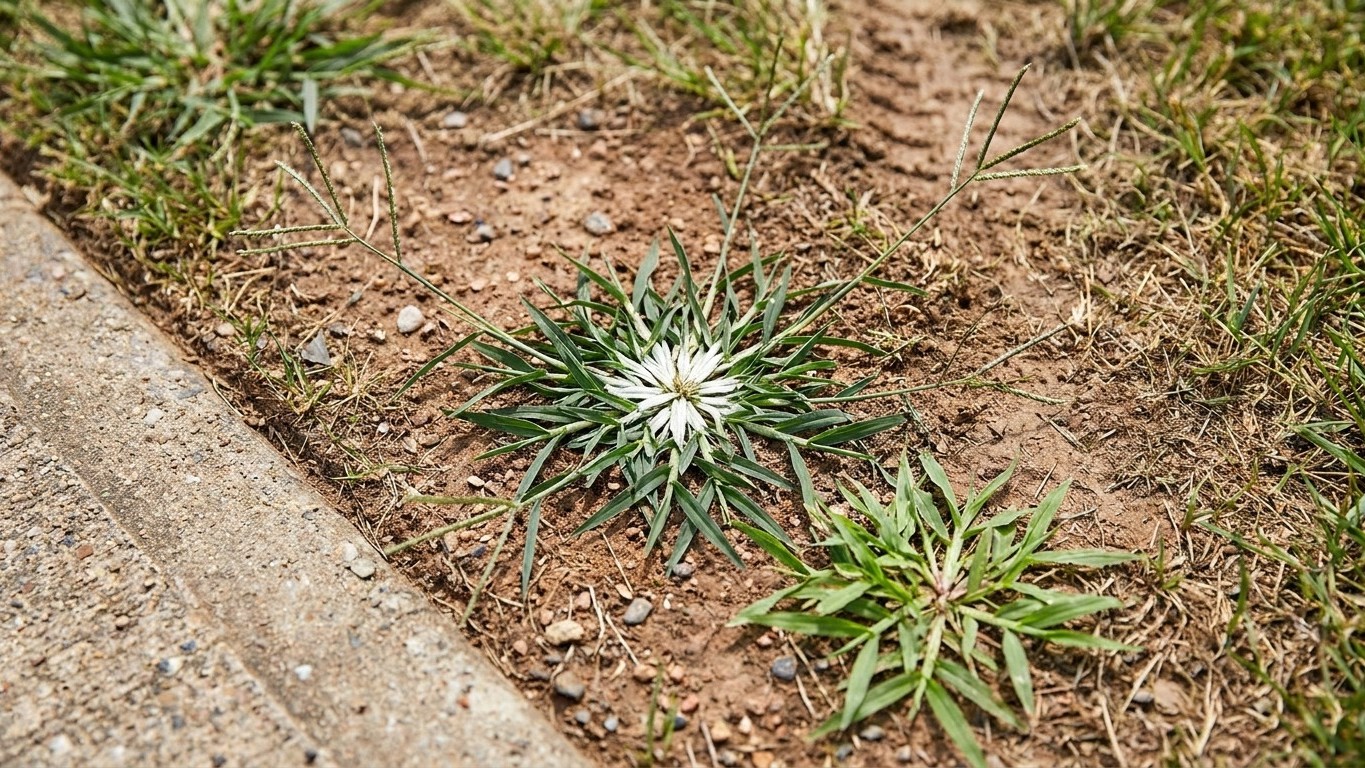
Late August through early September is the answer for most Montana lawns, timed to the first fall frost and worked backward using the 45 days of growing…
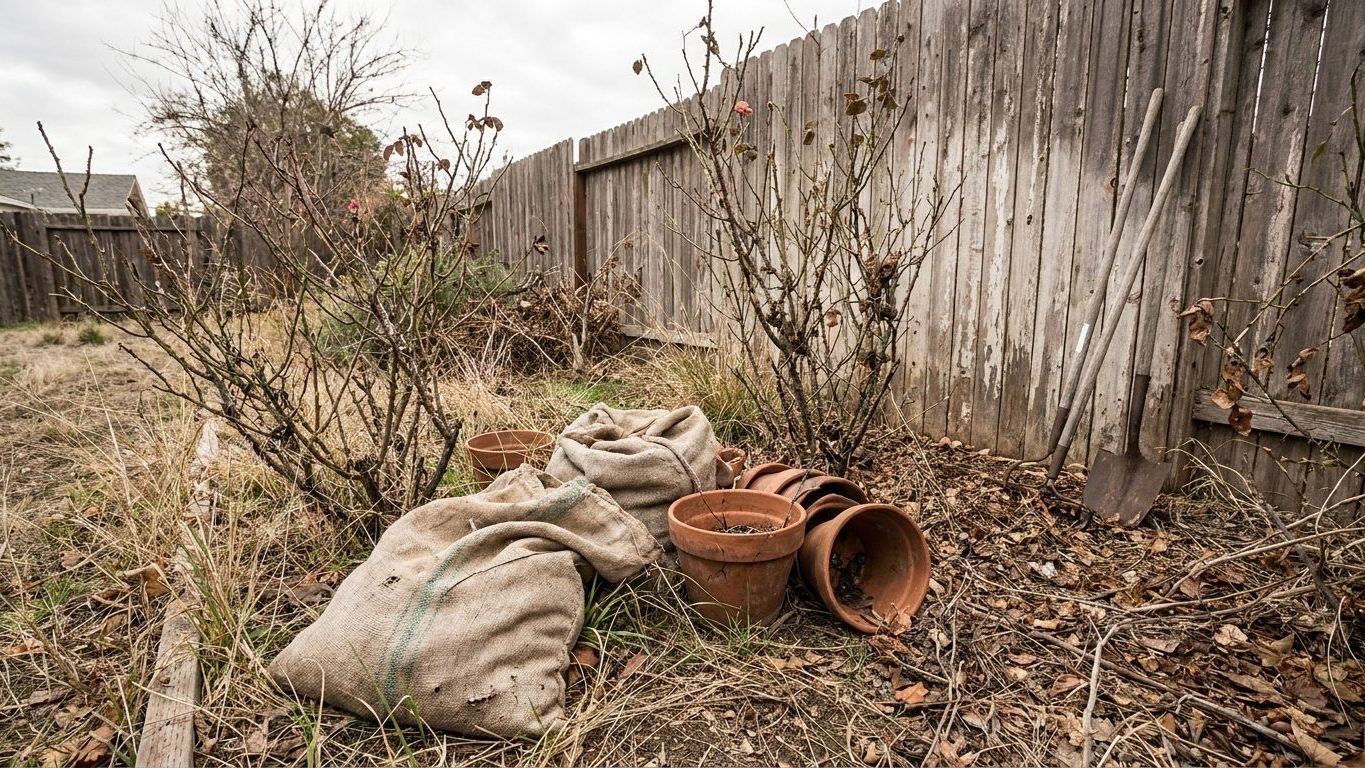
Montana’s last spring frost typically falls between April 29 and May 10, and the first fall frost arrives between October 1 and October 14, based on…
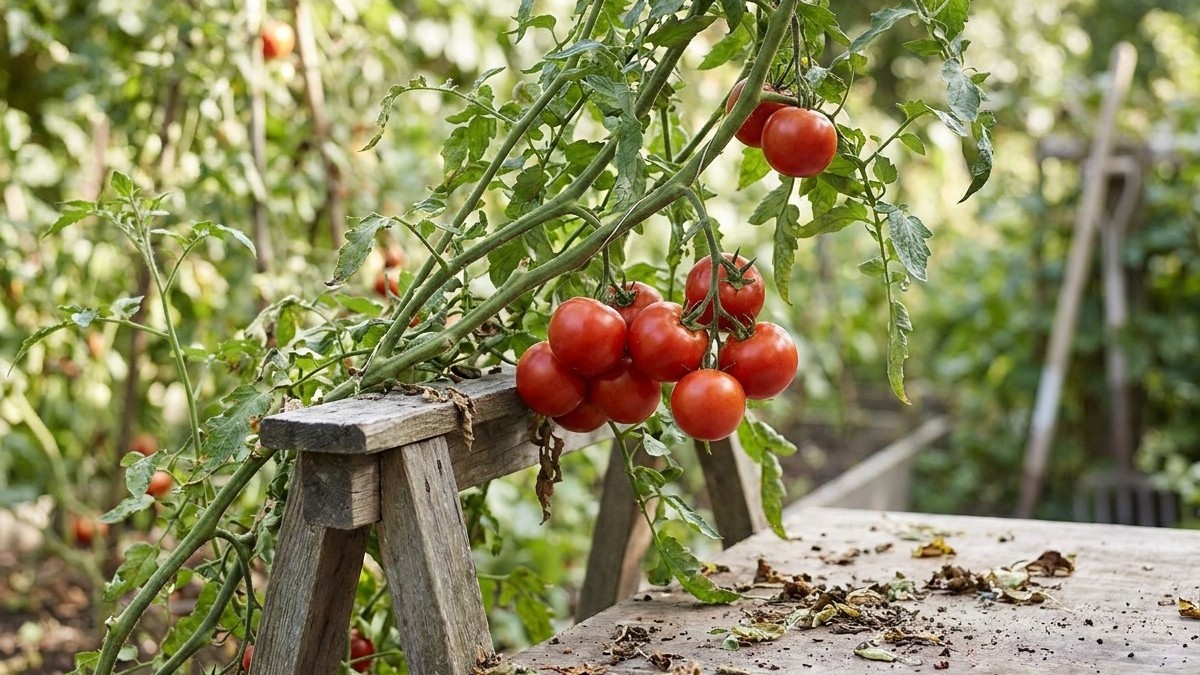
The short answer: pick tomatoes as soon as they show any blush of color, and pull everything left on the vine, green or not, the week before your area’s…