When to Sow Beets in Nebraska
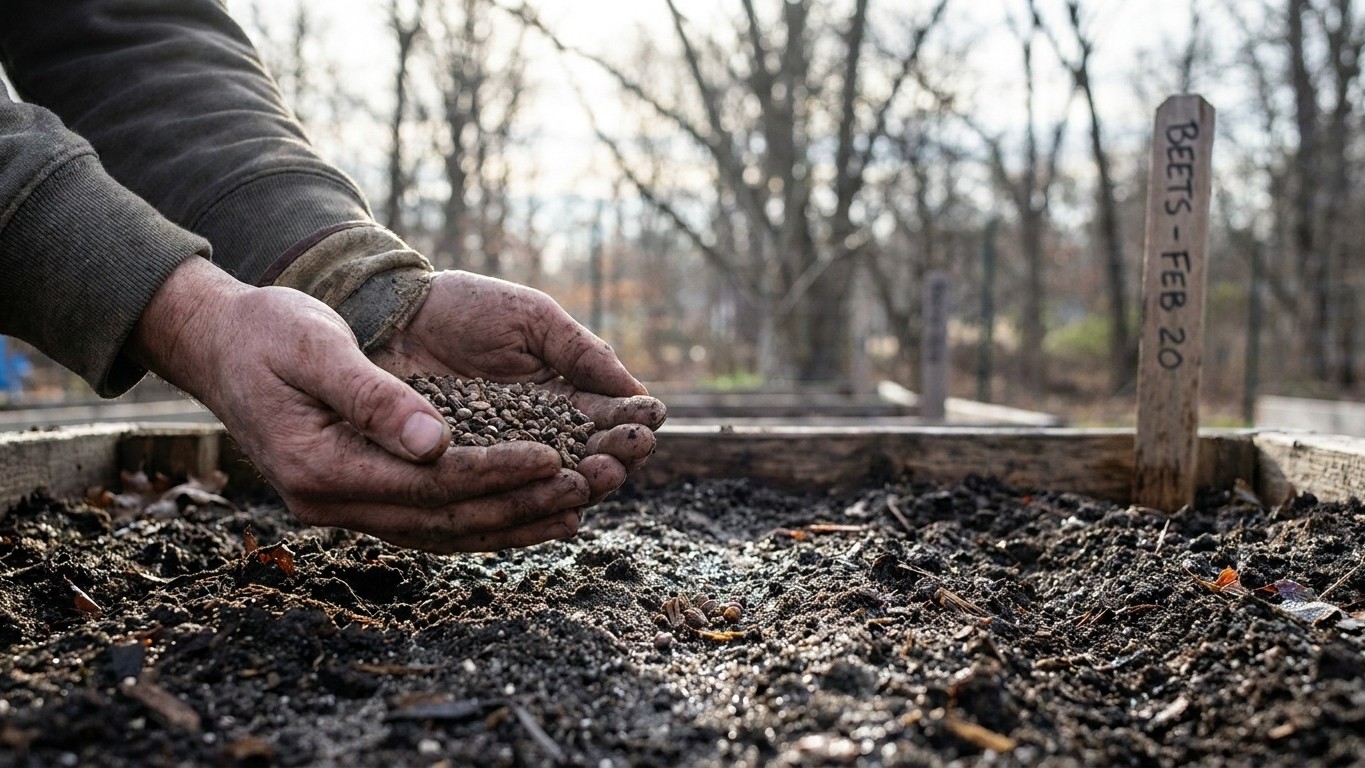
The short version: sow beet seed directly in the ground two to three weeks before the last spring frost.
Home & garden, state by state
Everything we have worked out for Nebraska: what to plant and when, which varieties finish in time, the pests that actually turn up here, and the jobs that pay off month by month. We also cover the rest of the property, from lawns and soil to home care and energy, because a garden rarely stops at the vegetable bed.
The numbers first, because everything else follows from them. Measured at the weather station in Omaha, the last spring freeze runs April 12 to April 23 and the first fall freeze runs October 15 to October 26, USDA zones 4a-5b, 3,740 growing degree days in the year.
Garlic does well: 26.1 weeks below 40 °F, comfortably past the six it needs to form a proper head.
Elsewhere on the property in Nebraska: the pests that turn up here.
Figures from NOAA's 1991-2020 climate normals. A state is not one climate: elevation, a large lake or the coast can move these dates by two weeks either way, so check your own county with the extension service before you spend money.
The short version: sow beet seed directly in the ground two to three weeks before the last spring frost.
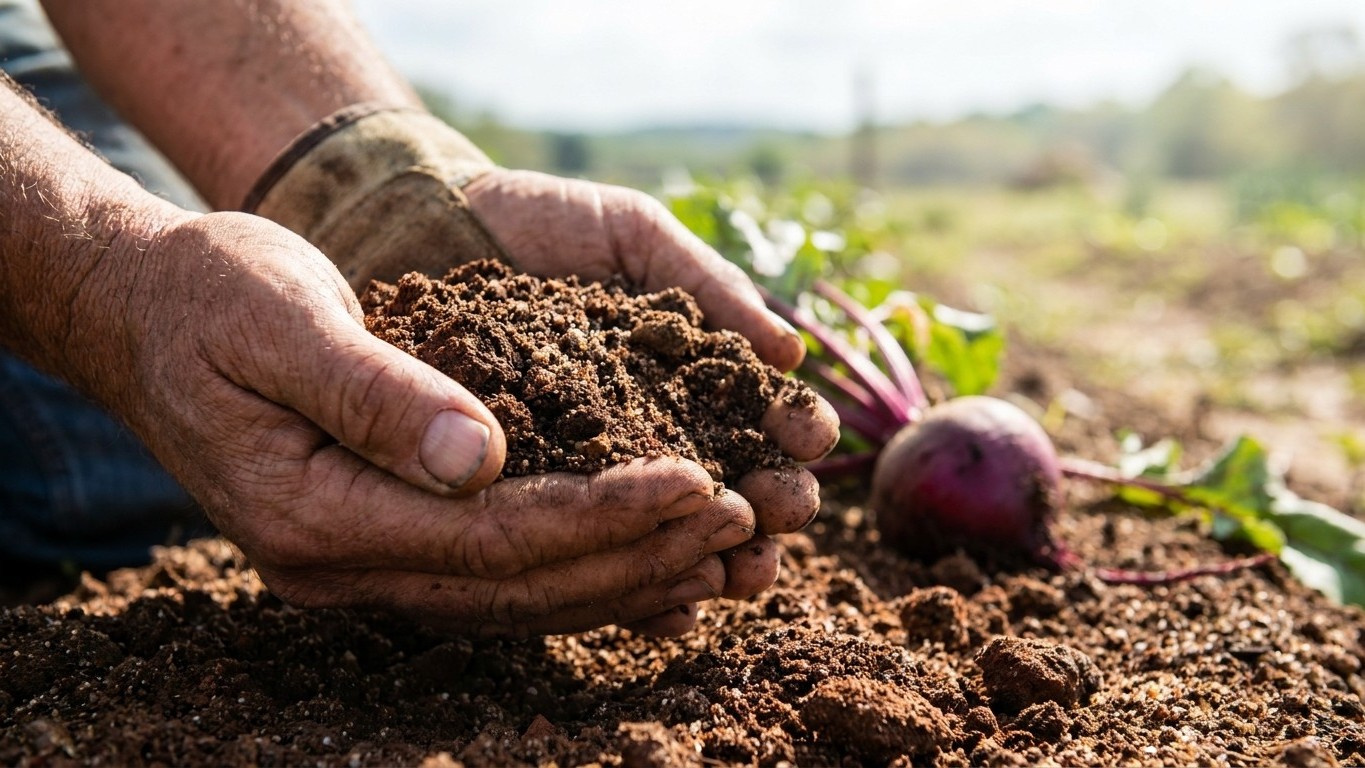
Nebraska’s benchmark ground is a deep, dark silt loam, not sand, and that matters before a single beet seed goes in.
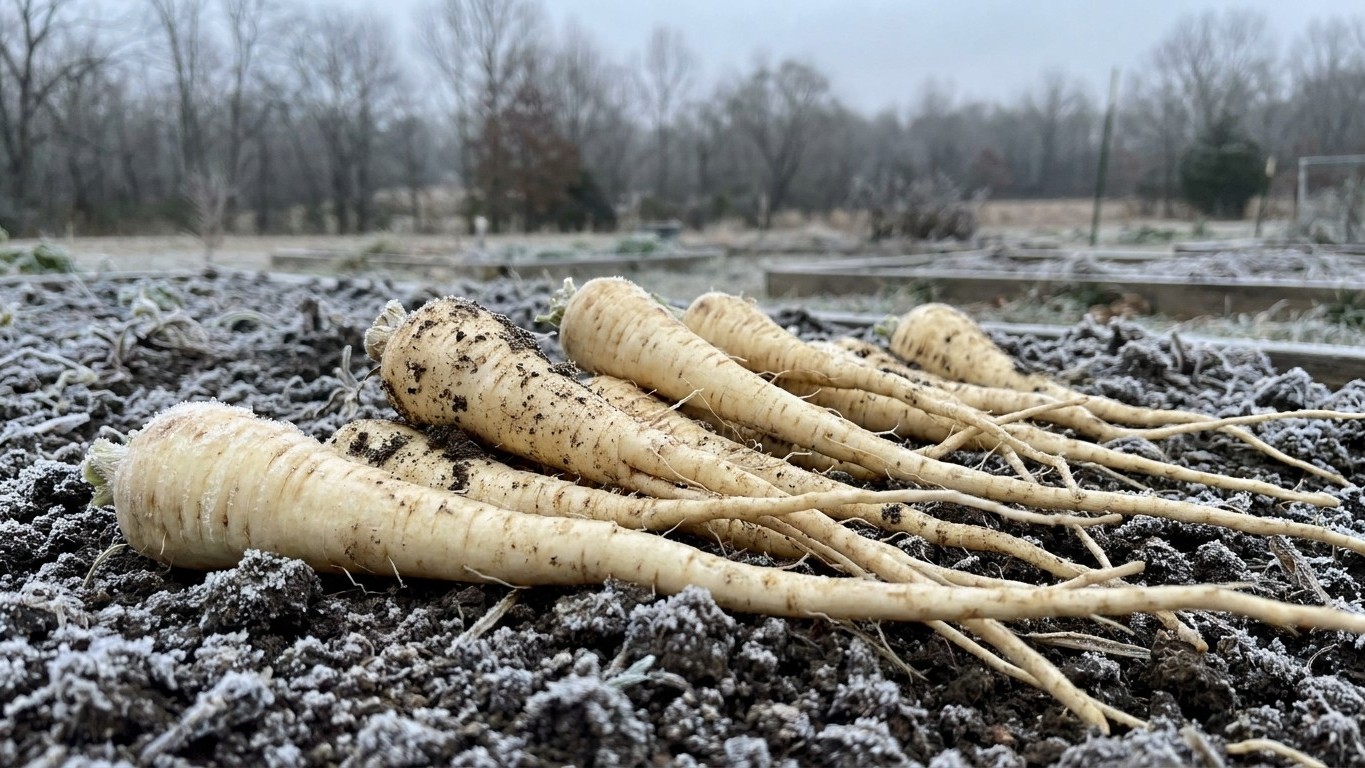
Yes, parsnips grown in Nebraska will sweeten, not just grow. The Cornhusker State supplies the one thing this root vegetable needs after it reaches full…
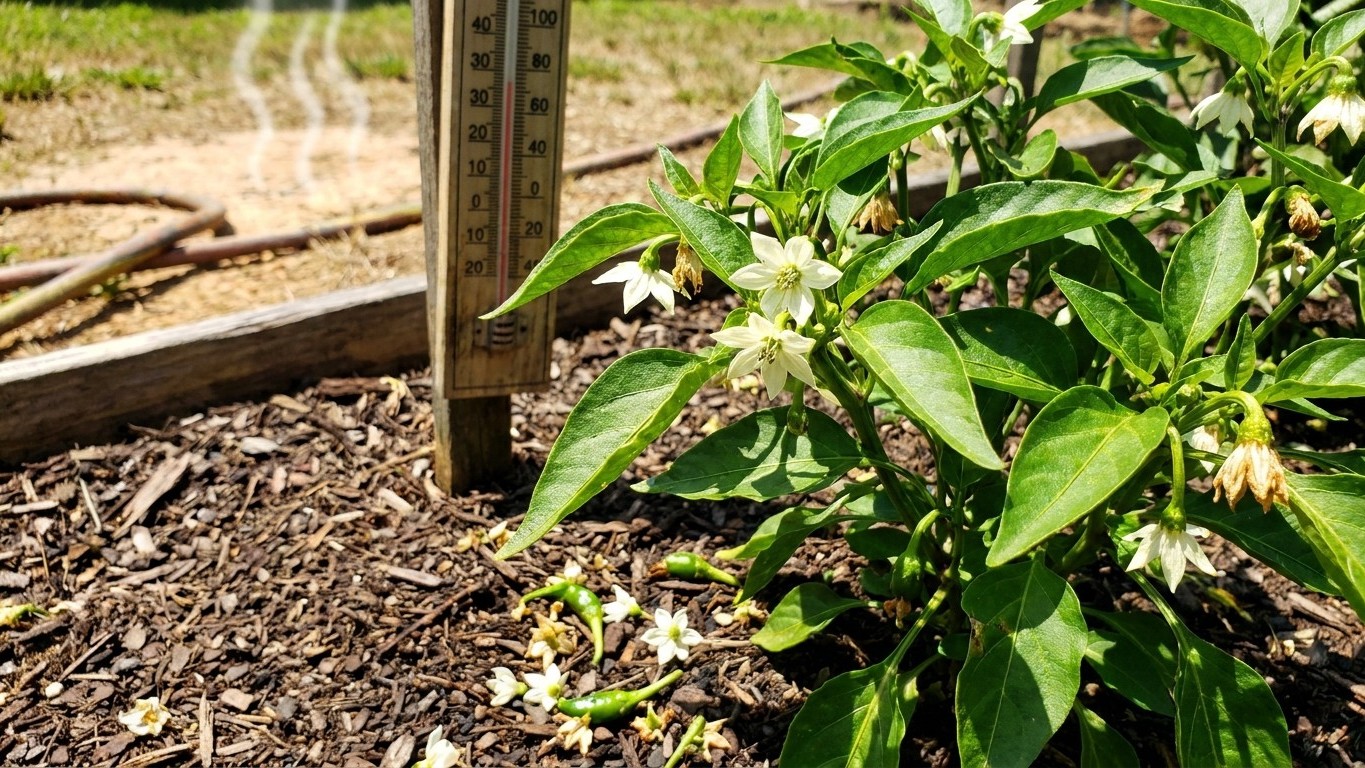
Peppers stop setting fruit in Nebraska mainly because summer heat spikes push flowers into drop mode, while cool nights earlier and later in the season…
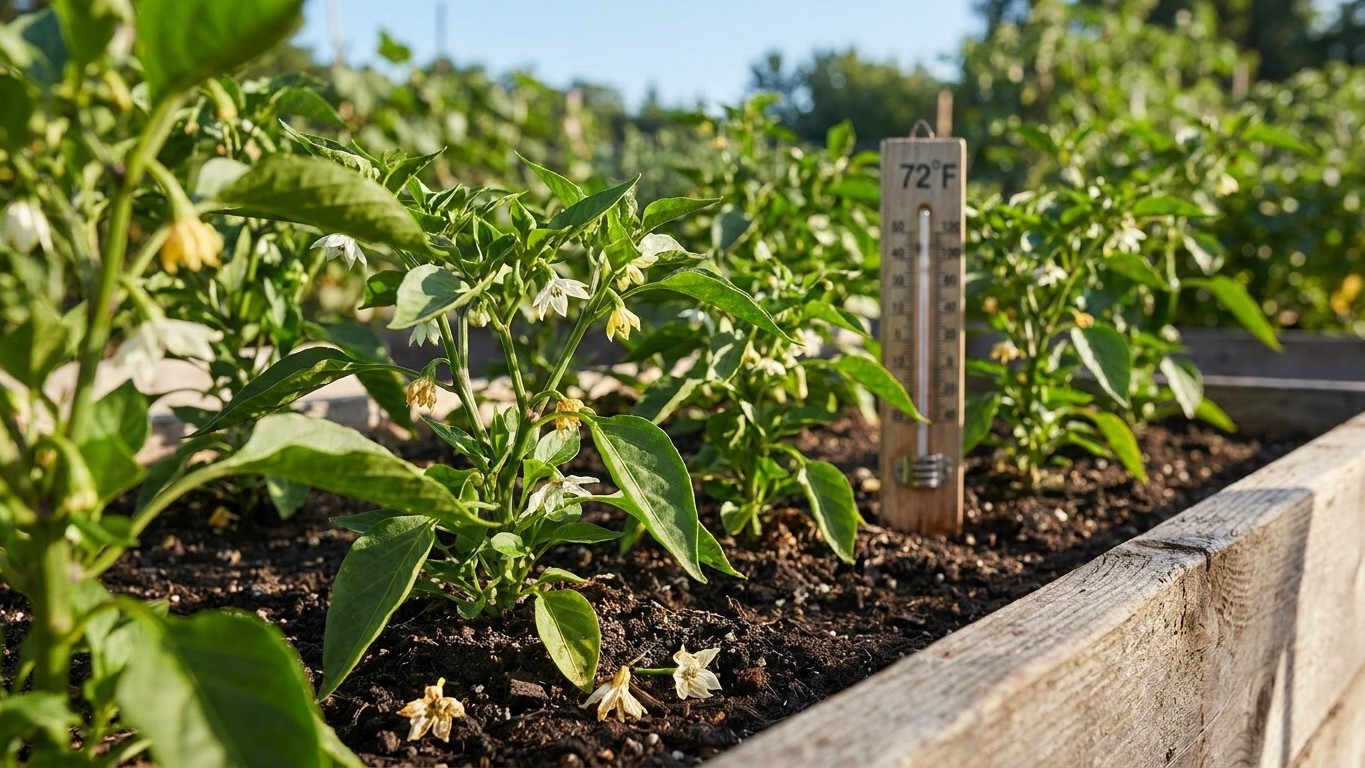
Start pepper seed indoors between late February and early March if you’re aiming for a soil-ready transplant around the first week of May.
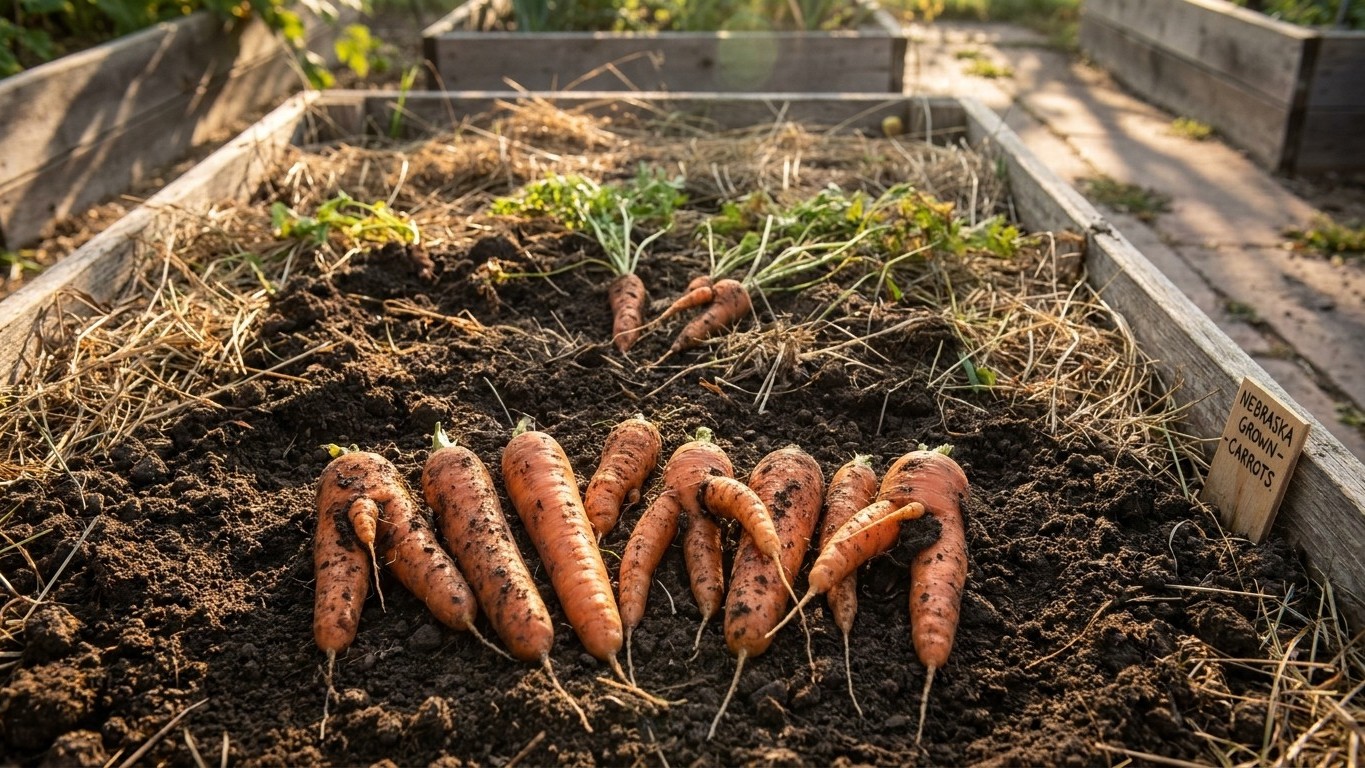
Nebraska’s official state soil, the Holdrege series, is a deep, well-drained silt loam built from prairie grass and glacial dust, the kind of ground that…
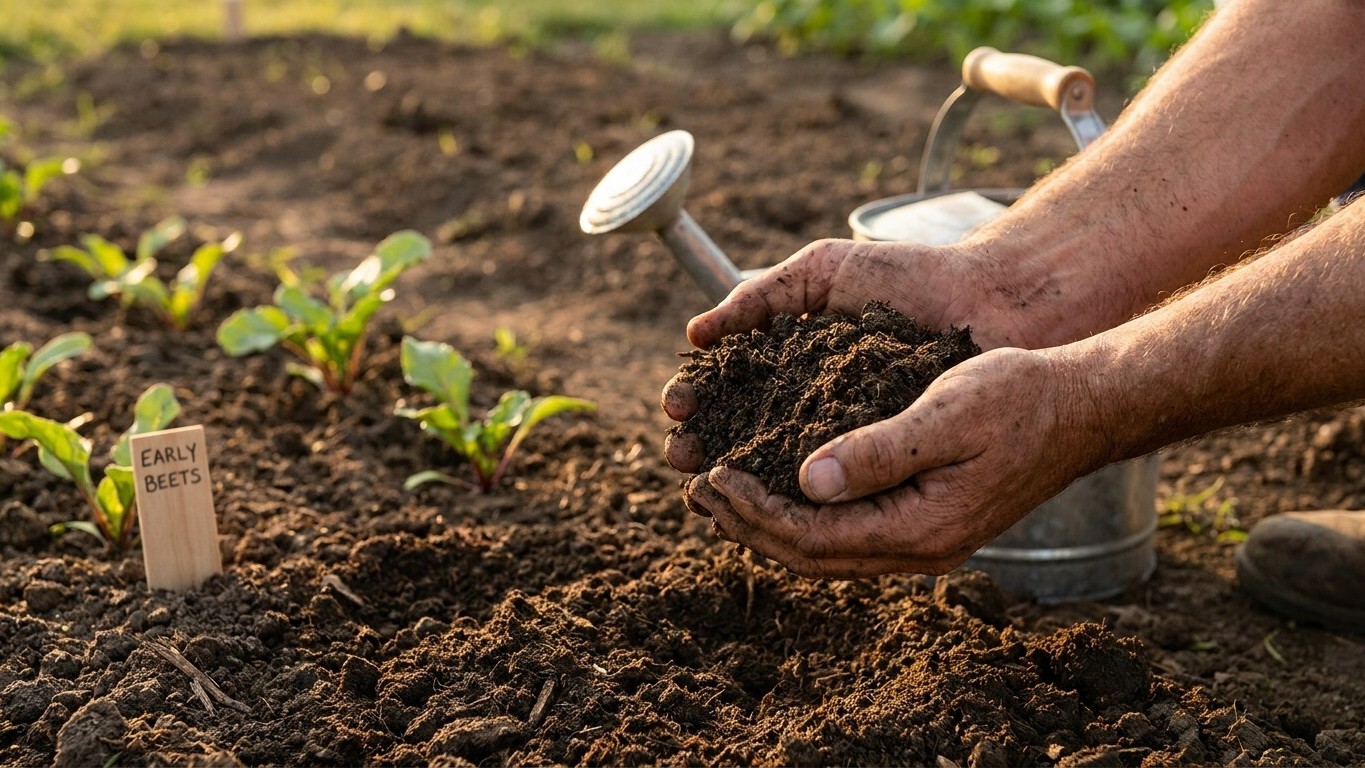
Nebraska’s official soil, the Holdrege series, is a well-drained silt loam built on prairie grass and centuries of decay, but it runs slightly acid and…
In Nebraska, heating demand typically kicks in during October, when average temperatures drop below the 65°F threshold that defines a heating degree day.
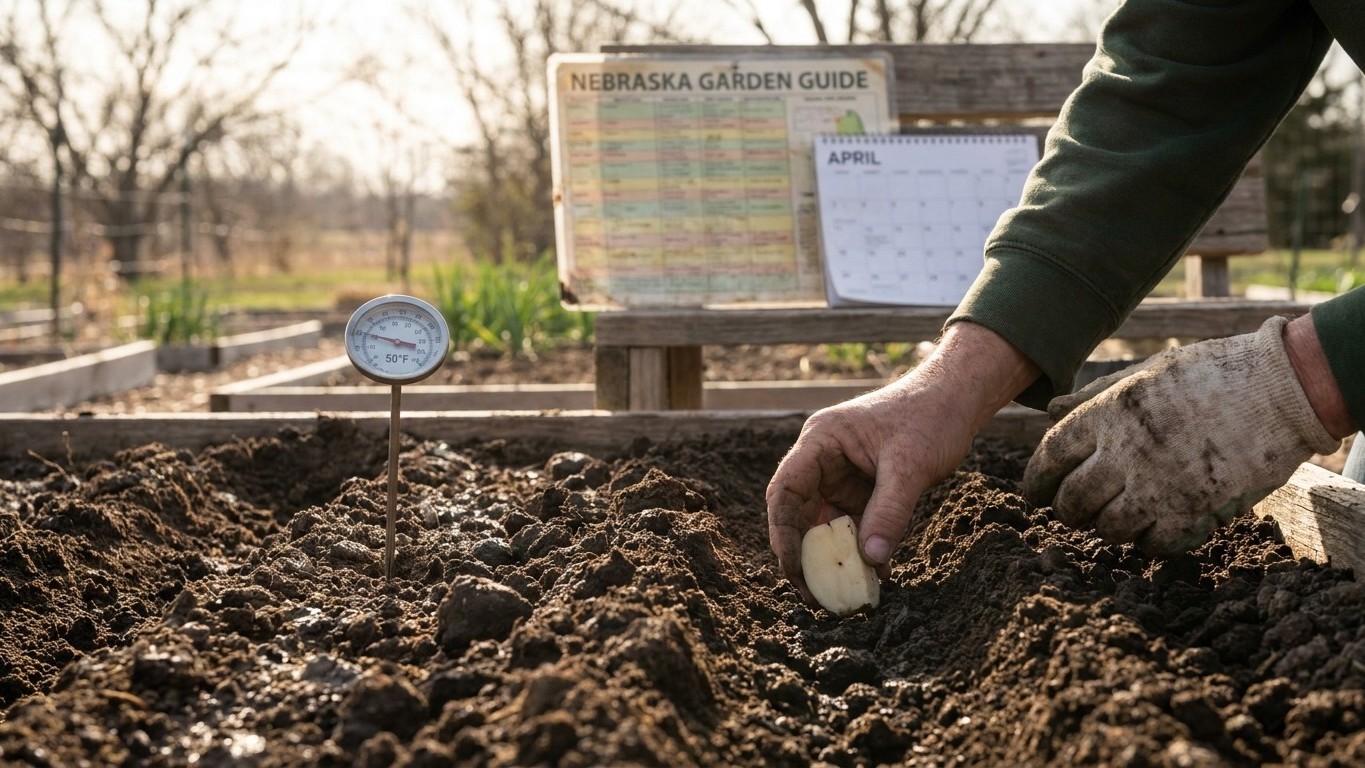
Plant potatoes in Nebraska 14 to 21 days before your area’s last spring frost, once soil temperature hits 50°F.
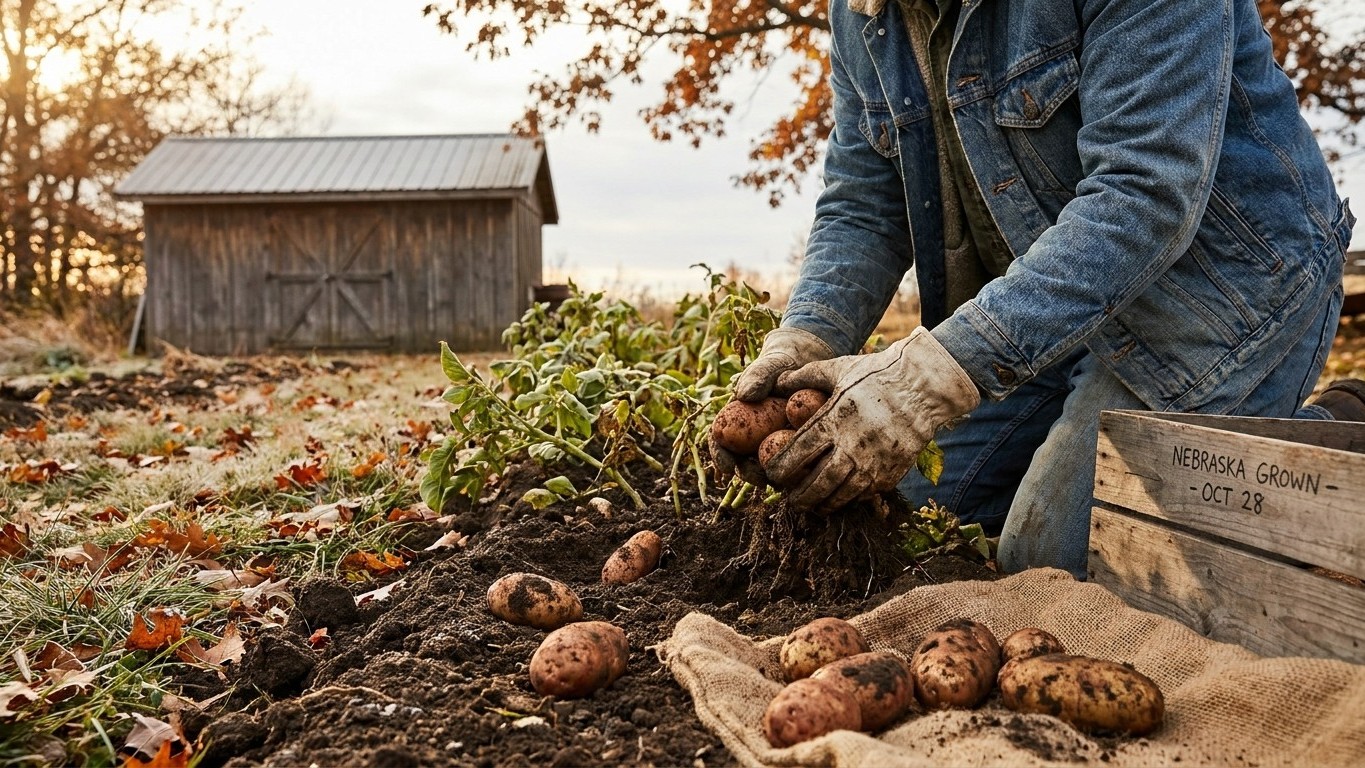
Dig Nebraska potatoes before the ground freezes hard, working around the first fall freeze window of October 15 to October 26 for the Omaha area, then…