Potato Varieties That Suit Nebraska
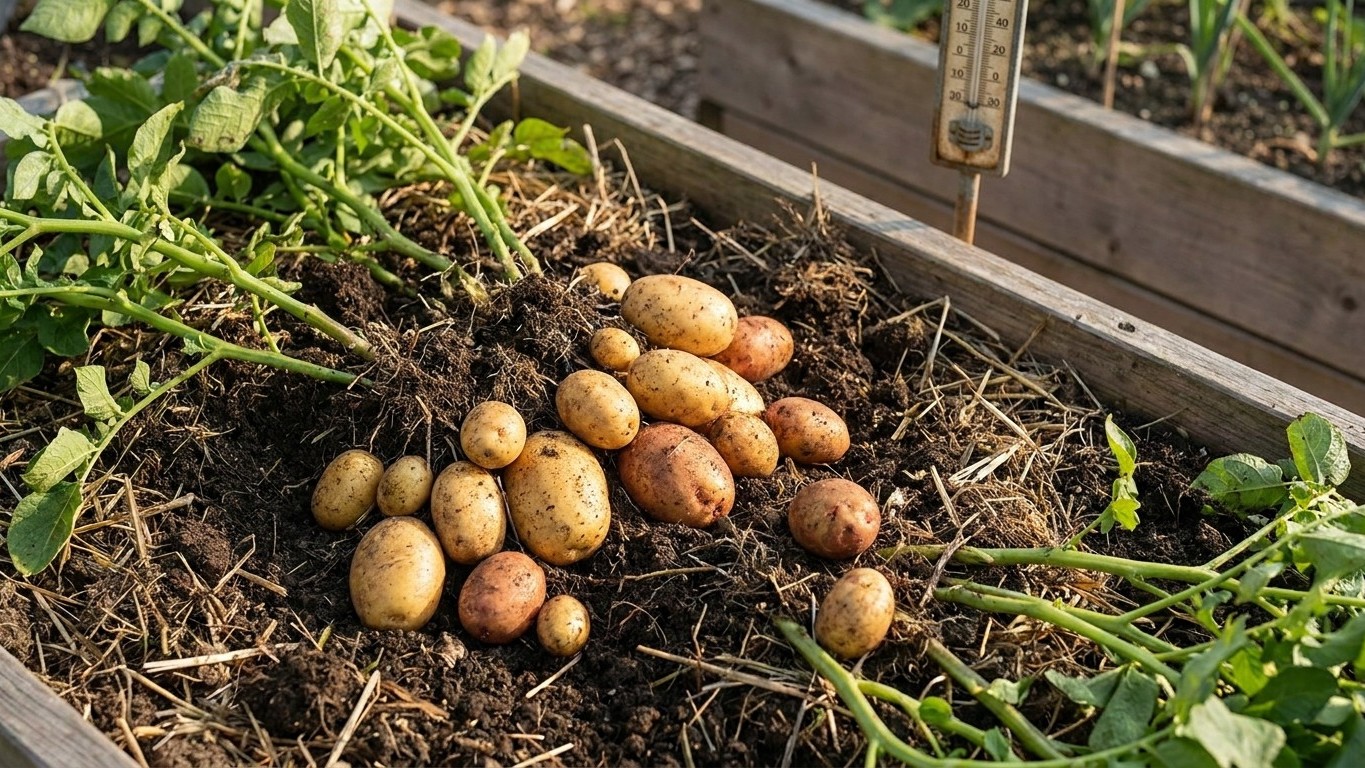
Nebraska gardeners get their best results from early and mid-season potato varieties, grown for baking or for boiling rather than left in the ground for…
Home & garden, state by state
Everything we have worked out for Nebraska: what to plant and when, which varieties finish in time, the pests that actually turn up here, and the jobs that pay off month by month. We also cover the rest of the property, from lawns and soil to home care and energy, because a garden rarely stops at the vegetable bed.
The numbers first, because everything else follows from them. Measured at the weather station in Omaha, the last spring freeze runs April 12 to April 23 and the first fall freeze runs October 15 to October 26, USDA zones 4a-5b, 3,740 growing degree days in the year.
Garlic does well: 26.1 weeks below 40 °F, comfortably past the six it needs to form a proper head.
Elsewhere on the property in Nebraska: the pests that turn up here.
Figures from NOAA's 1991-2020 climate normals. A state is not one climate: elevation, a large lake or the coast can move these dates by two weeks either way, so check your own county with the extension service before you spend money.
Nebraska gardeners get their best results from early and mid-season potato varieties, grown for baking or for boiling rather than left in the ground for…
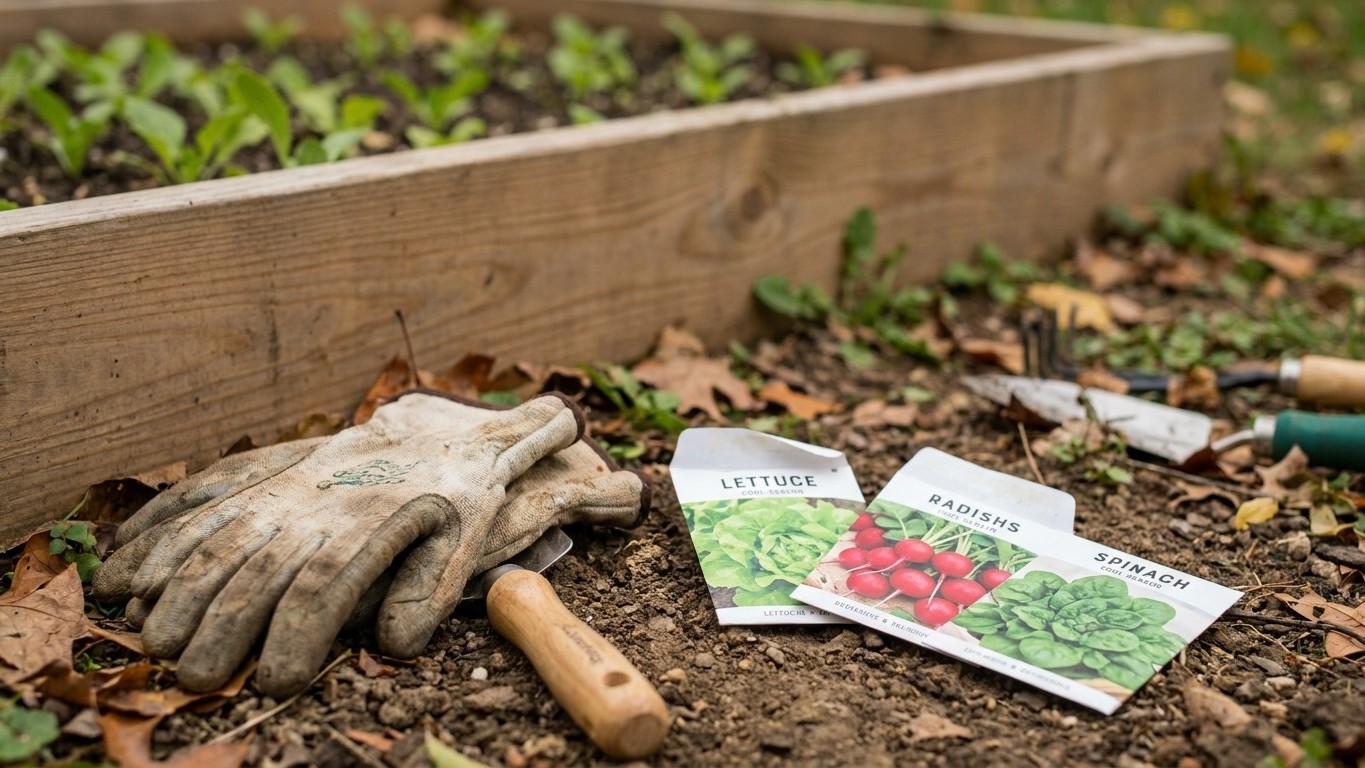
September is a working month in Nebraska gardens, not a wind-down. The safe bets are fast, cool-tolerant crops: spinach, lettuce, radishes, turnips, and…
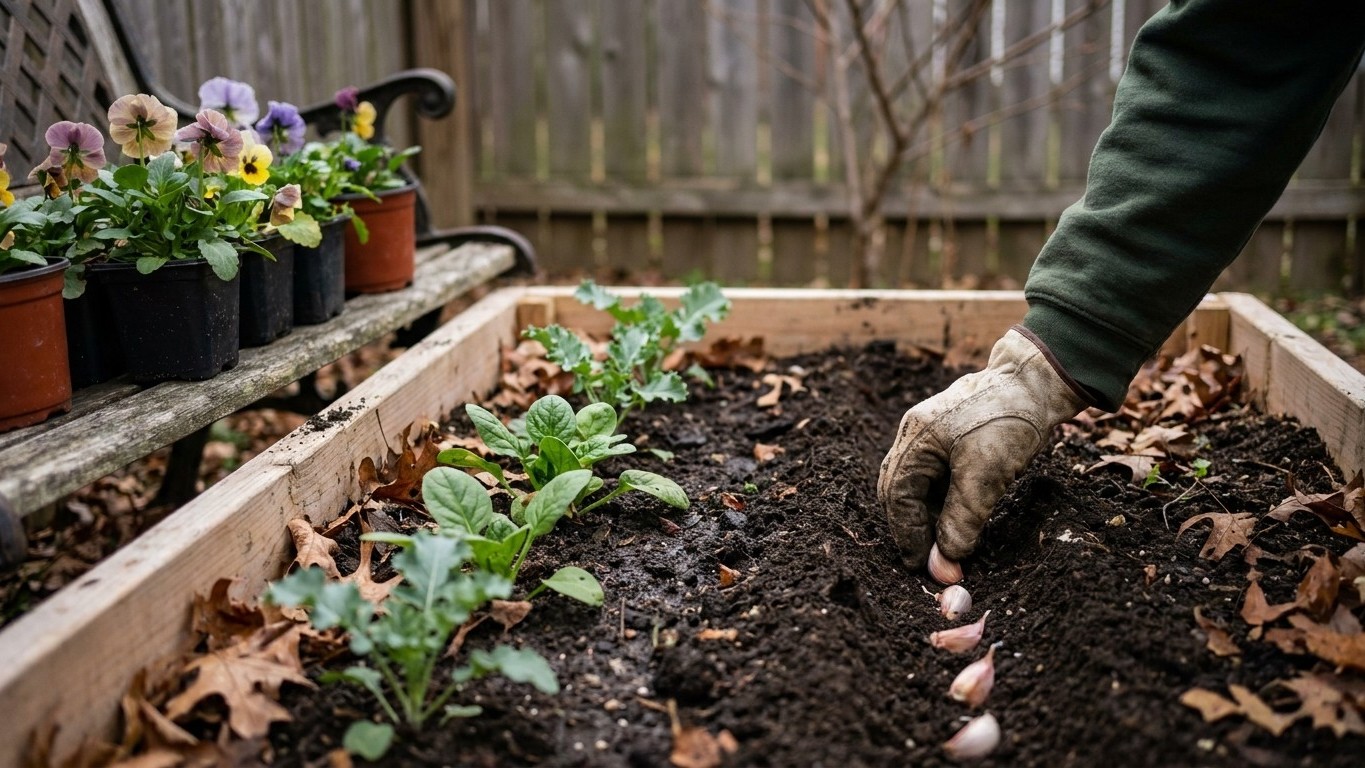
The short answer: October in Nebraska is garlic month, bulb month, and bare-root planting month, not a month for sowing vegetables outdoors.
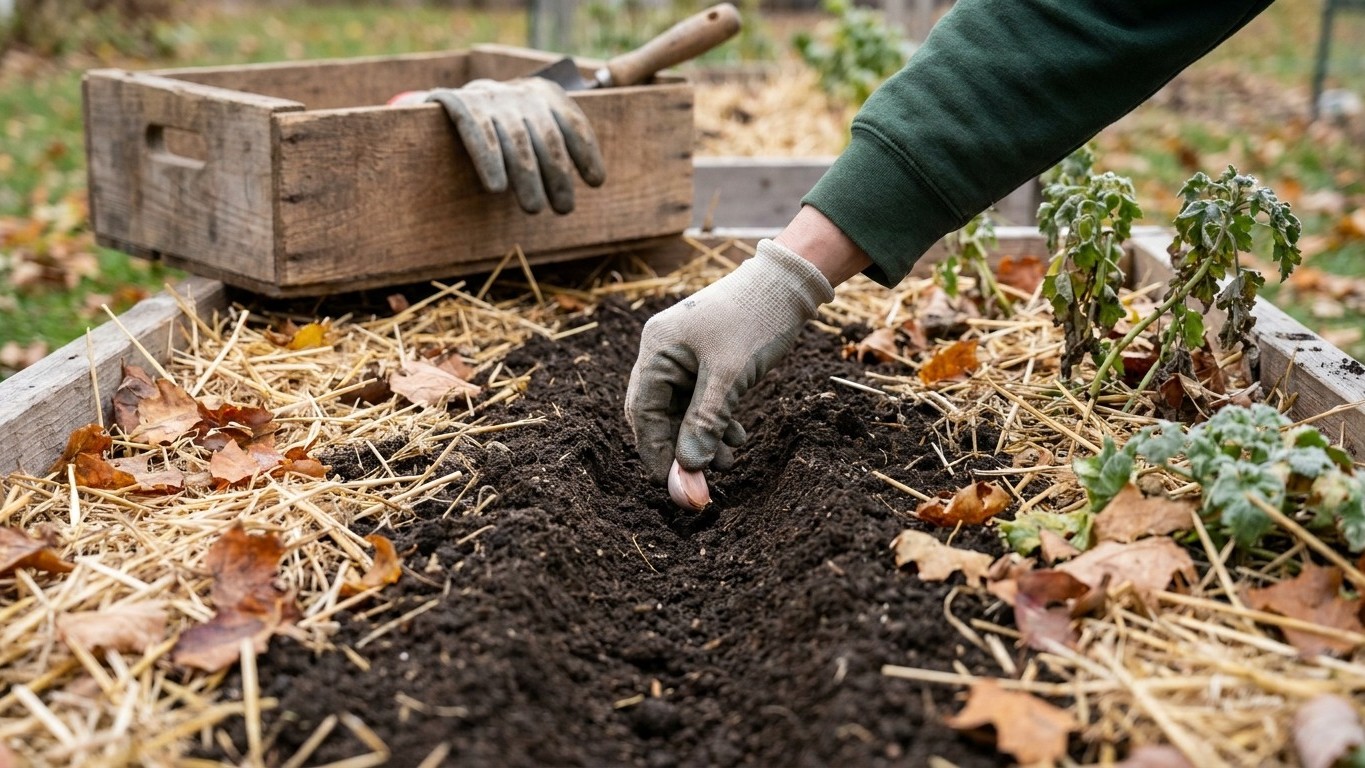
Garlic and shallots can still go into workable soil, cold frames and low tunnels keep hardy greens alive, and bare-root fruit stock goes in the ground…
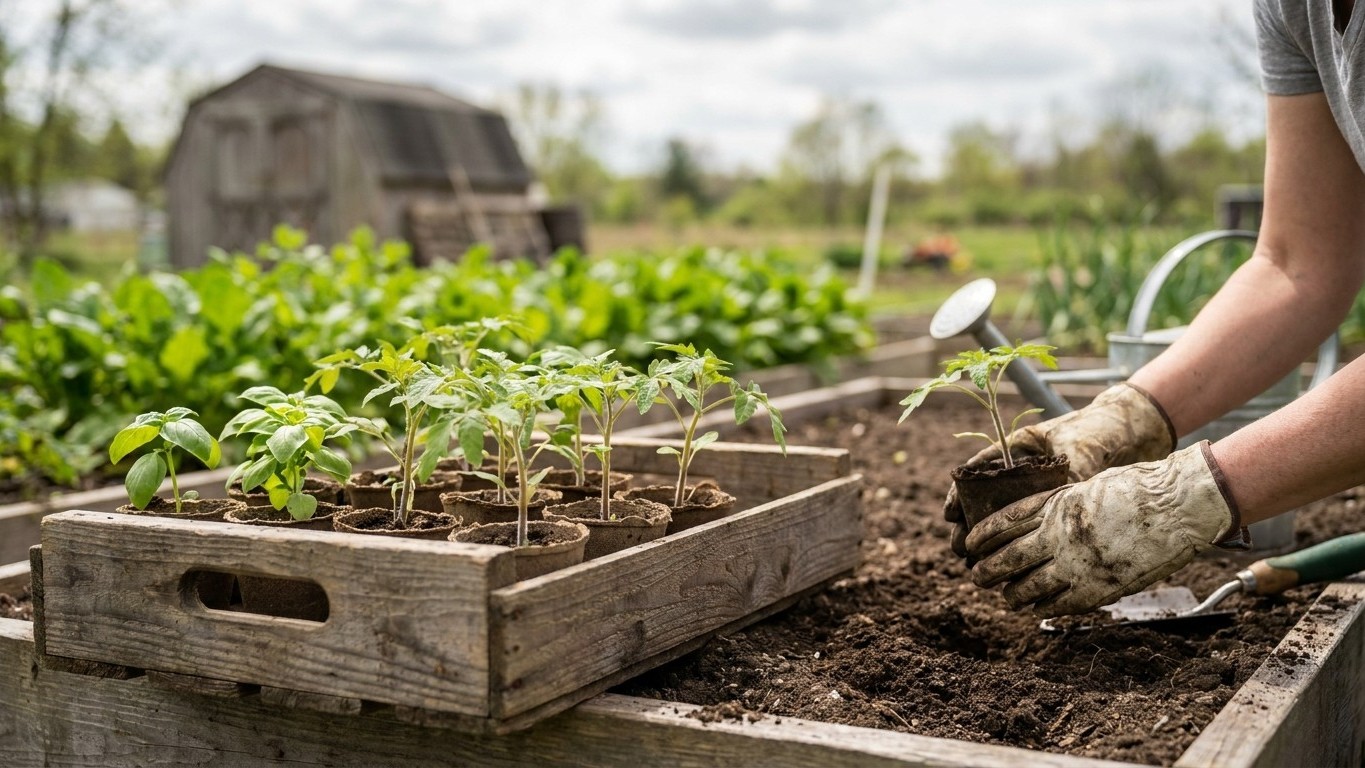
By May, Nebraska gardens have usually cleared the reference frost window of April 12 to April 23, so most of the state can move from cold-hardy crops…
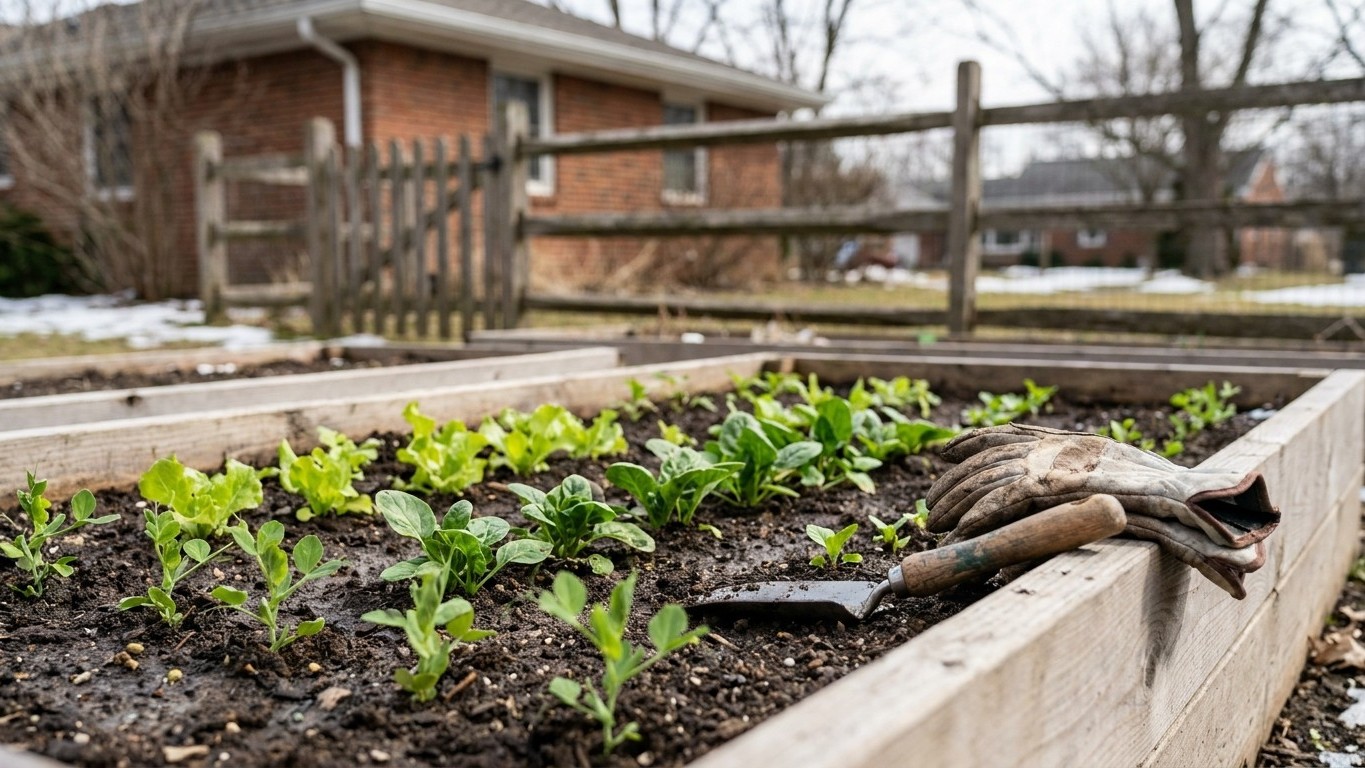
Nebraska gardeners can put a short list of cold-hardy crops into workable soil this month: peas, spinach, radishes, lettuce and onion sets, along with…
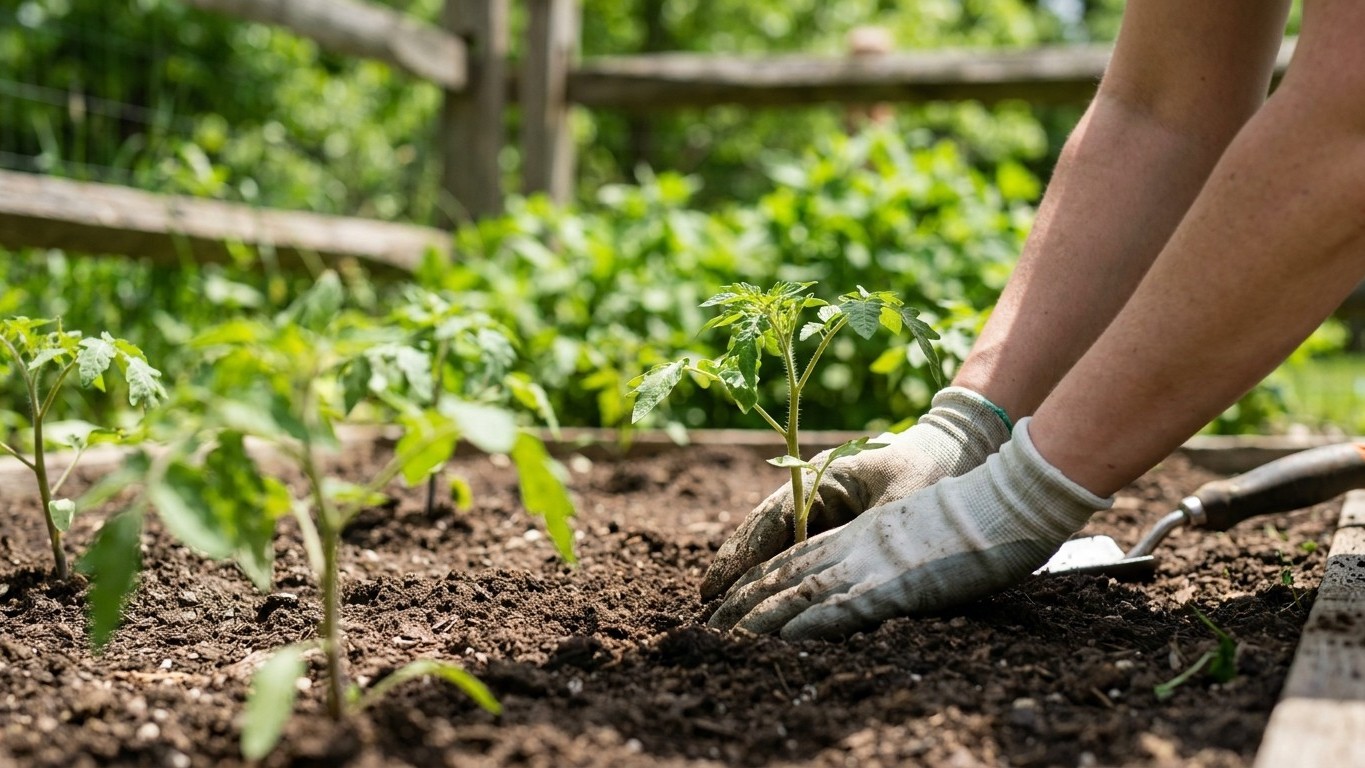
June is the month Nebraska gardens fill up. The reference-station frost window closed in mid-to-late April, so soil has had weeks to warm, and this is…
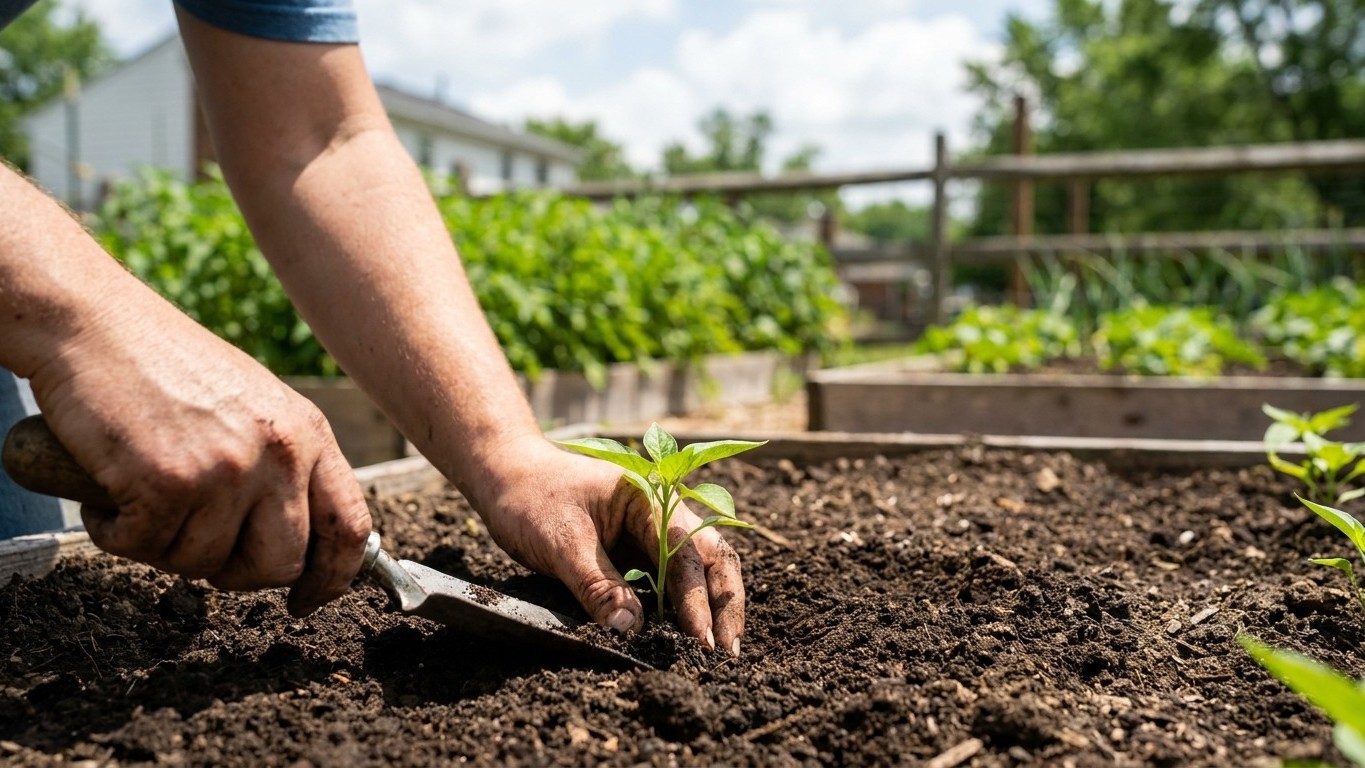
July in Nebraska sits well past the state’s last spring frost and months ahead of the first fall one, which means the garden is running at full speed.
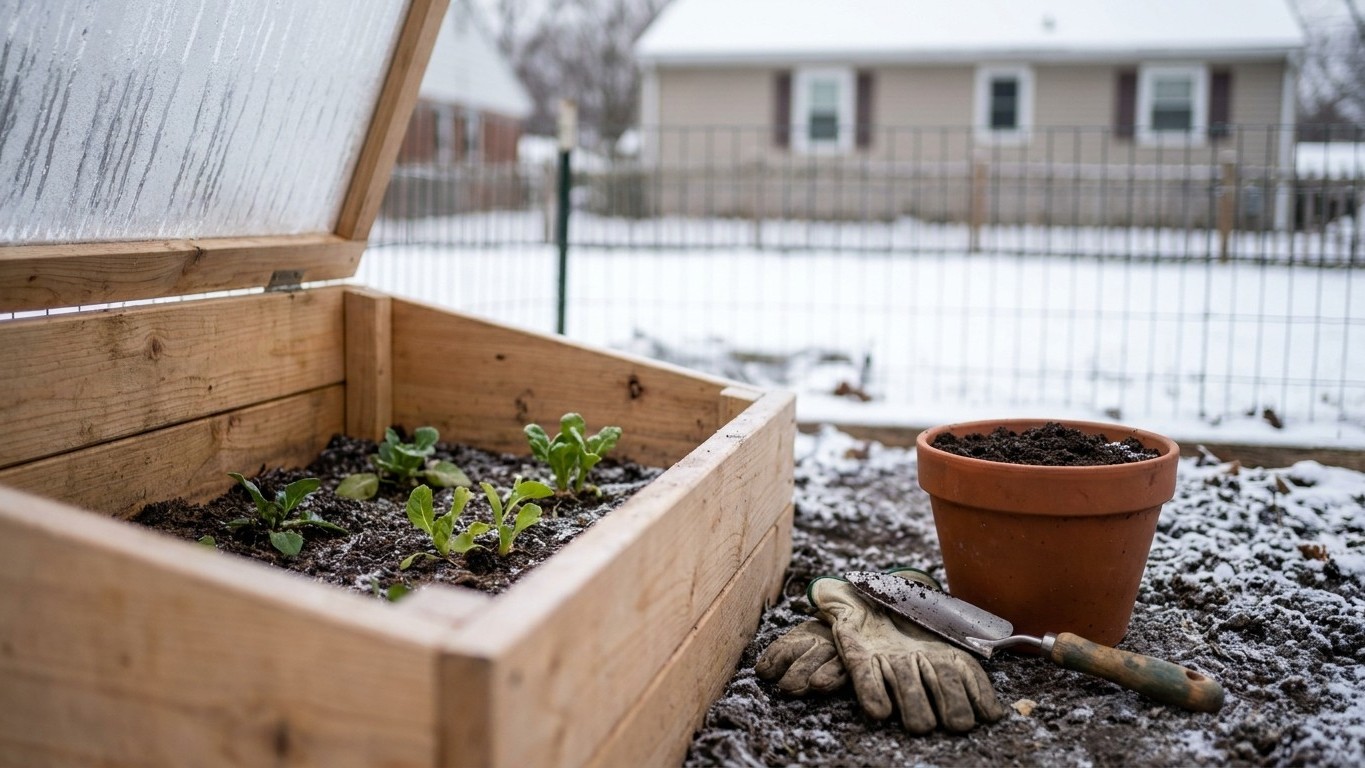
January in Nebraska means frozen ground almost everywhere in the state, so the direct-sow list is short to nonexistent.
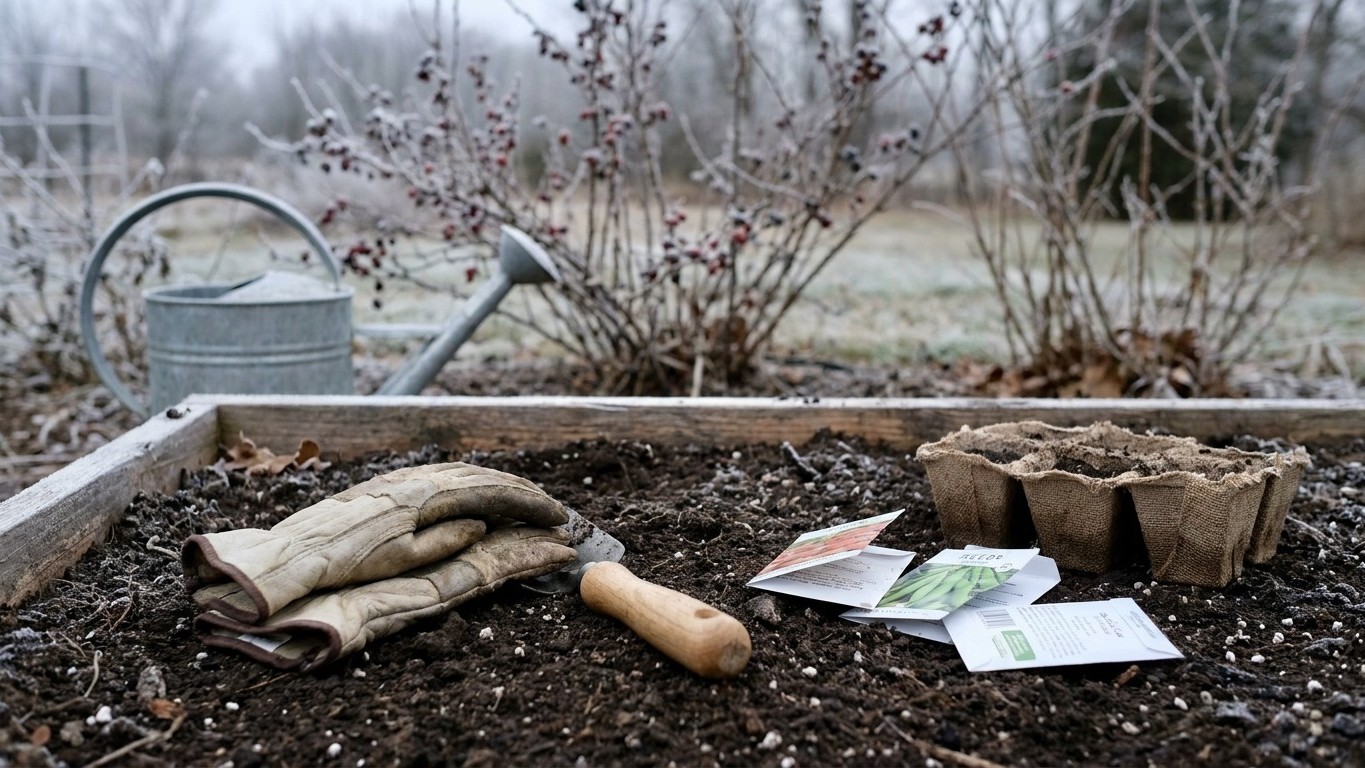
February in Nebraska sits about two to three months ahead of the last spring frost, and the ground is still frozen or waterlogged across most of the state.