Growing Parsnips in New Brunswick: Will They Sweeten?
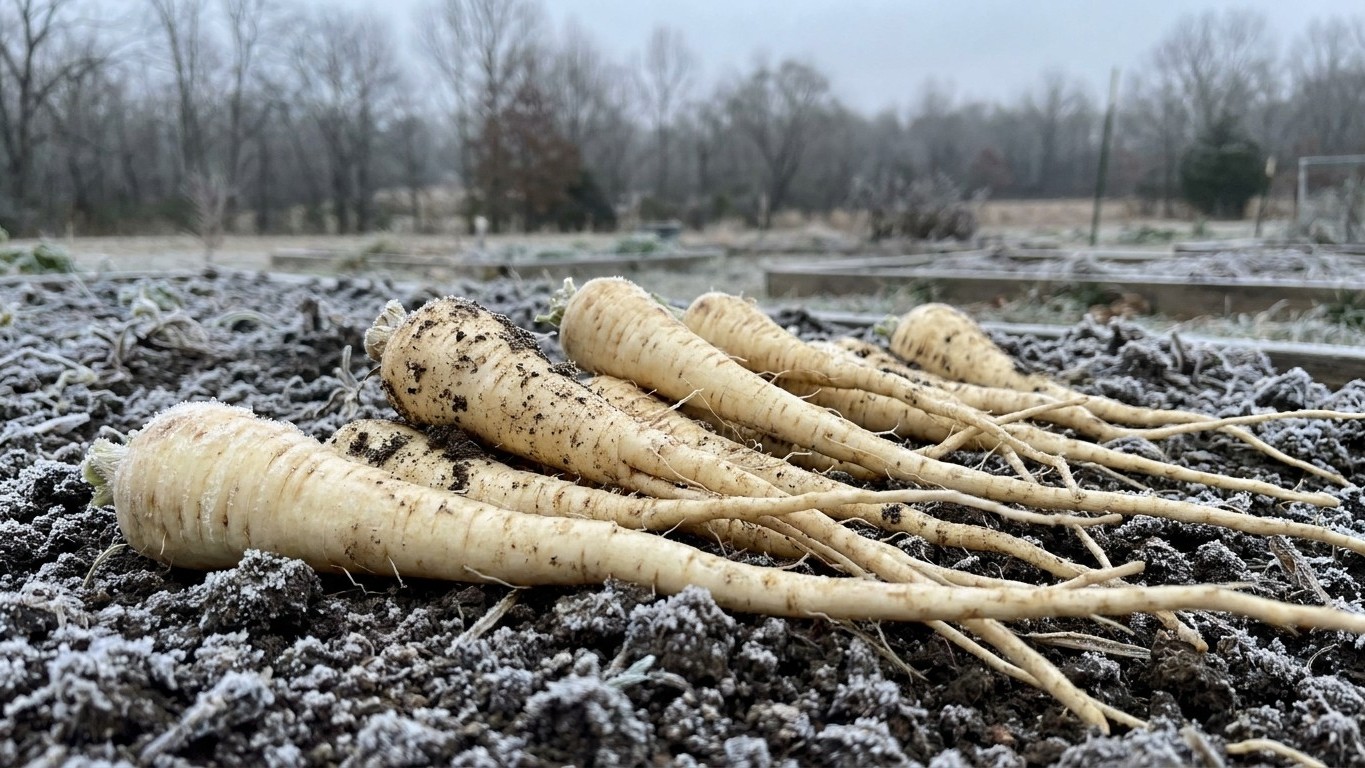
New Brunswick’s winters are cold enough to do the job: parsnips left in the ground here will sweeten, not just grow.
Home & garden, state by state
Everything we have worked out for New Brunswick: what to plant and when, which varieties finish in time, the pests that actually turn up here, and the jobs that pay off month by month. We also cover the rest of the property, from lawns and soil to home care and energy, because a garden rarely stops at the vegetable bed.
The numbers first, because everything else follows from them. Measured at the weather station in Moncton, the last spring freeze falls around May 23 and the first fall freeze falls around October 2, 1,594 growing degree days in the year.
That is enough for early varieties, tight for anything late. Garlic does well: 34.8 weeks below 40 °F, comfortably past the six it needs to form a proper head.
Elsewhere on the property in New Brunswick: the pests that turn up here.
Figures from Environment and Climate Change Canada. A state is not one climate: elevation, a large lake or the coast can move these dates by two weeks either way, so check your own county with the extension service before you spend money.
New Brunswick’s winters are cold enough to do the job: parsnips left in the ground here will sweeten, not just grow.
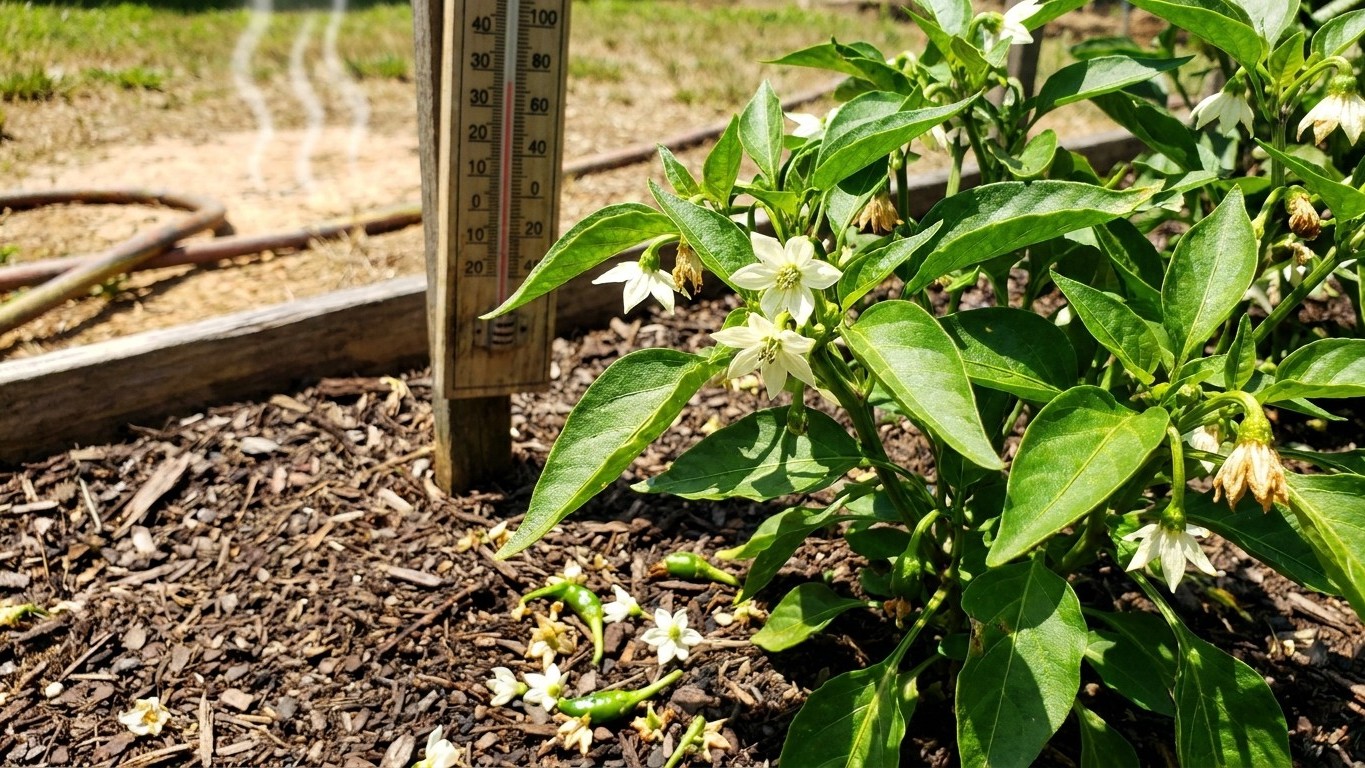
In New Brunswick, pepper plants almost never face the heat-stress side of fruit-set failure.
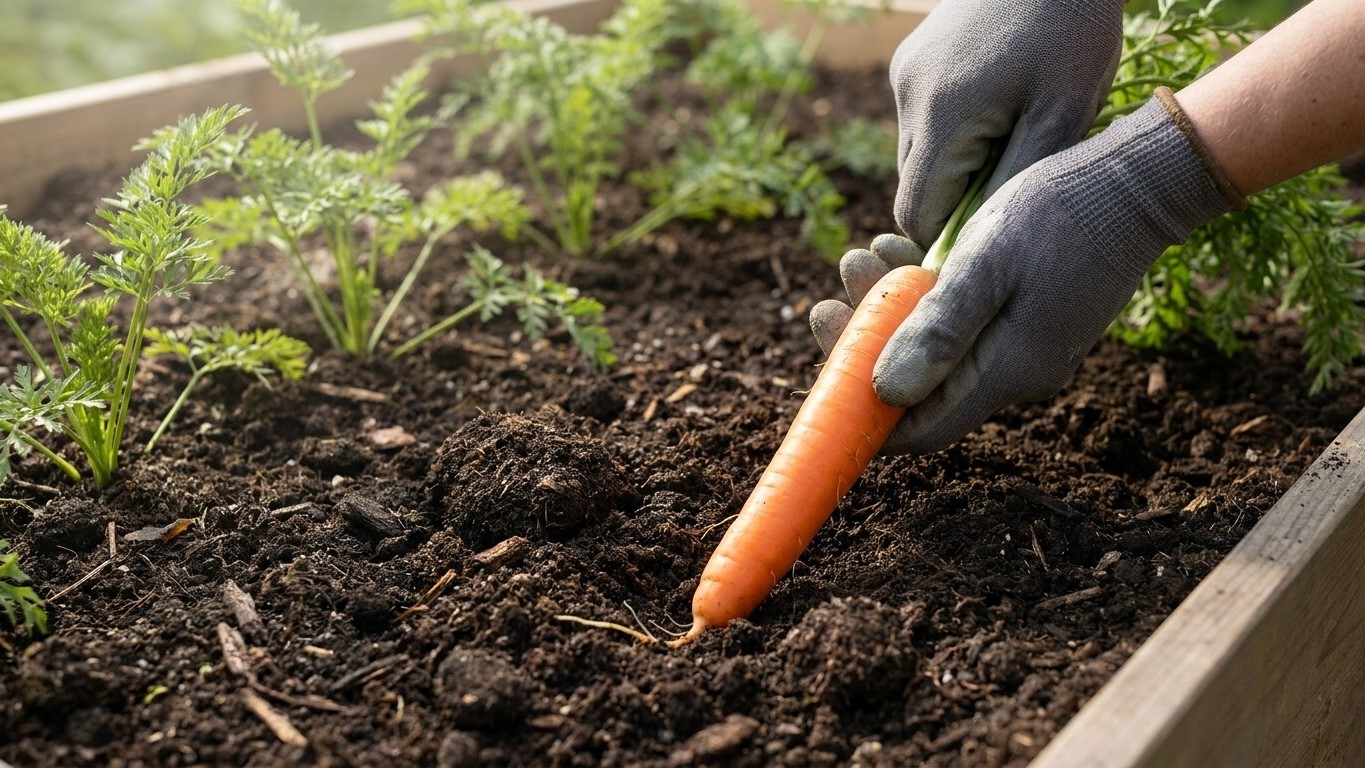
New Brunswick’s farmland soil, taken as a whole, drains well and carries a modest share of clay, so a carrot sown into typical ground here has decent…
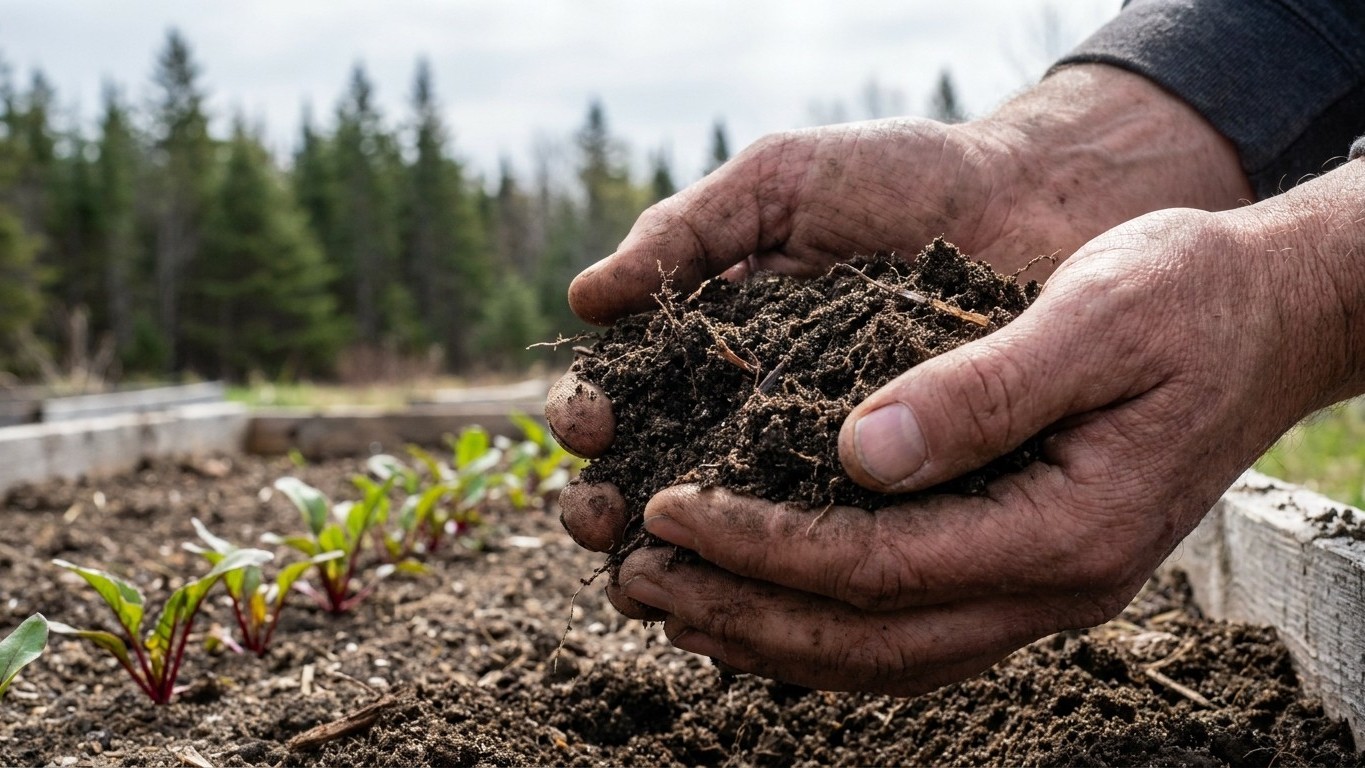
New Brunswick’s ground runs acid and its spring frost date is only an average, which means the two biggest beet failures here (bolting and woodiness)…
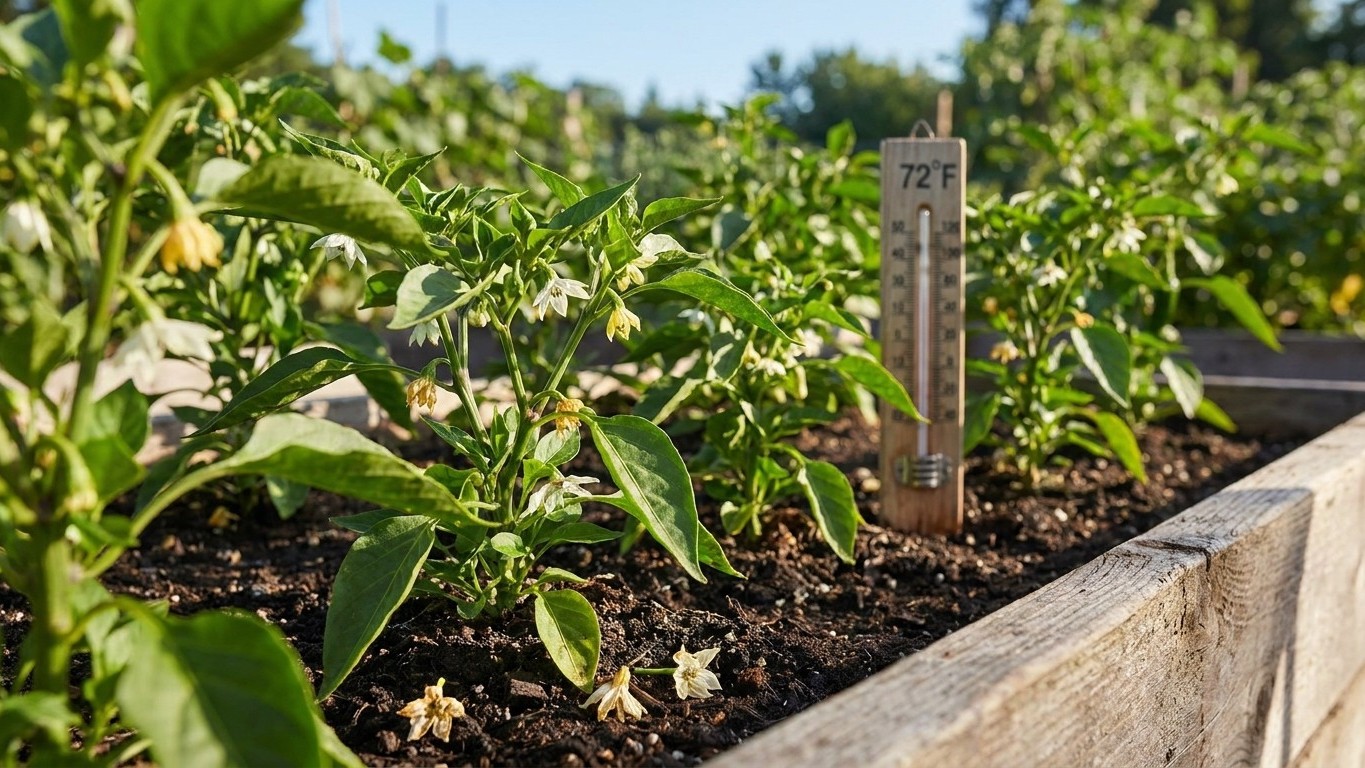
In New Brunswick, start pepper seed indoors somewhere between mid-March and the first week of April.
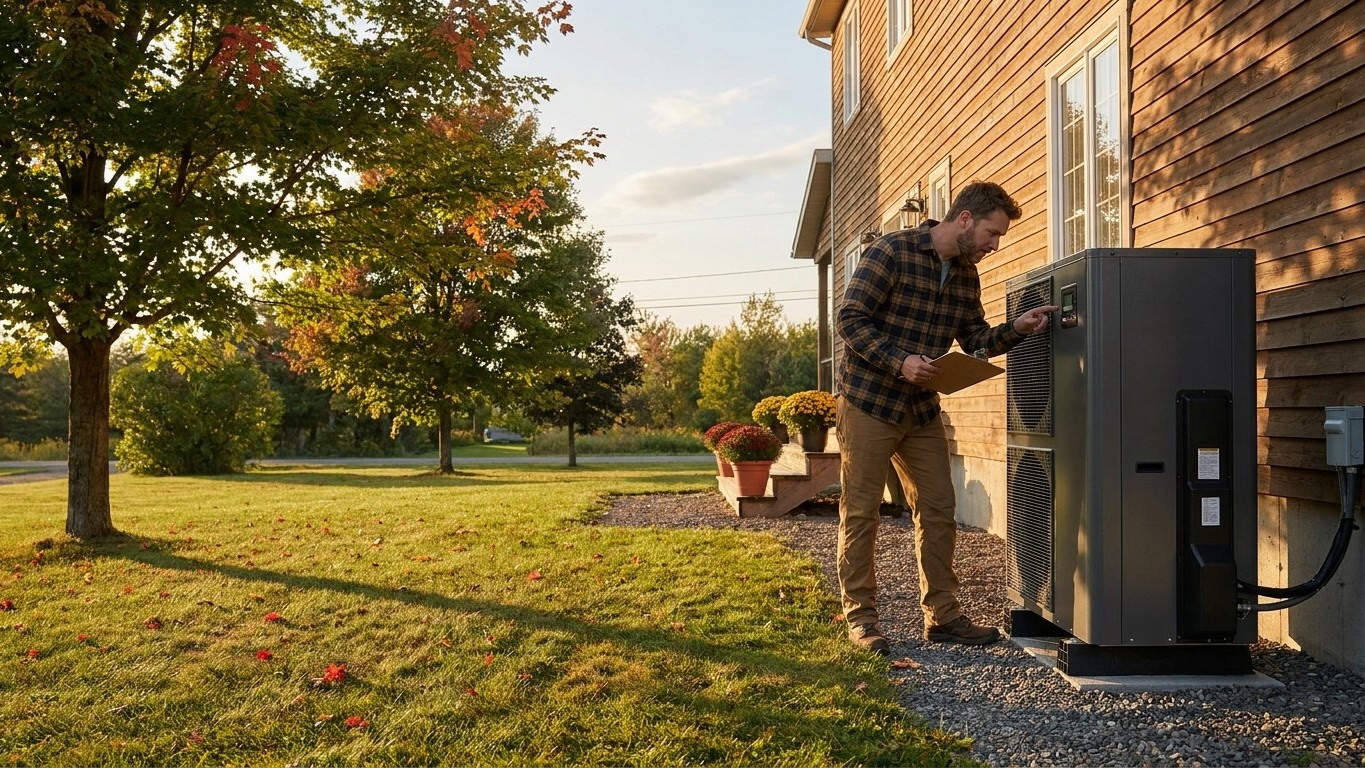
Heating demand in New Brunswick starts showing up in September, the first month when the average daily temperature dips below the 18°C mark used to…
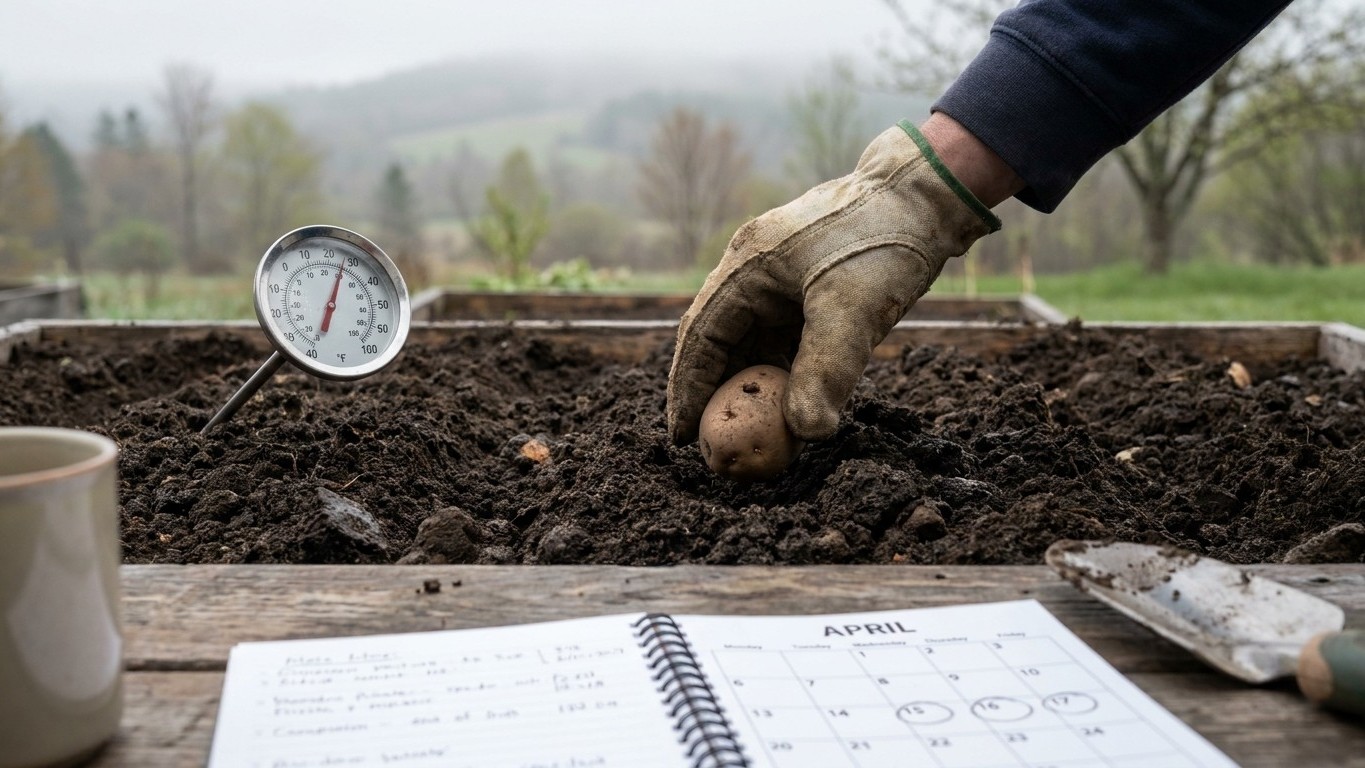
New Brunswick gardeners work backward from one number: May 23, the average last spring frost recorded at the Moncton station in Environment and Climate…
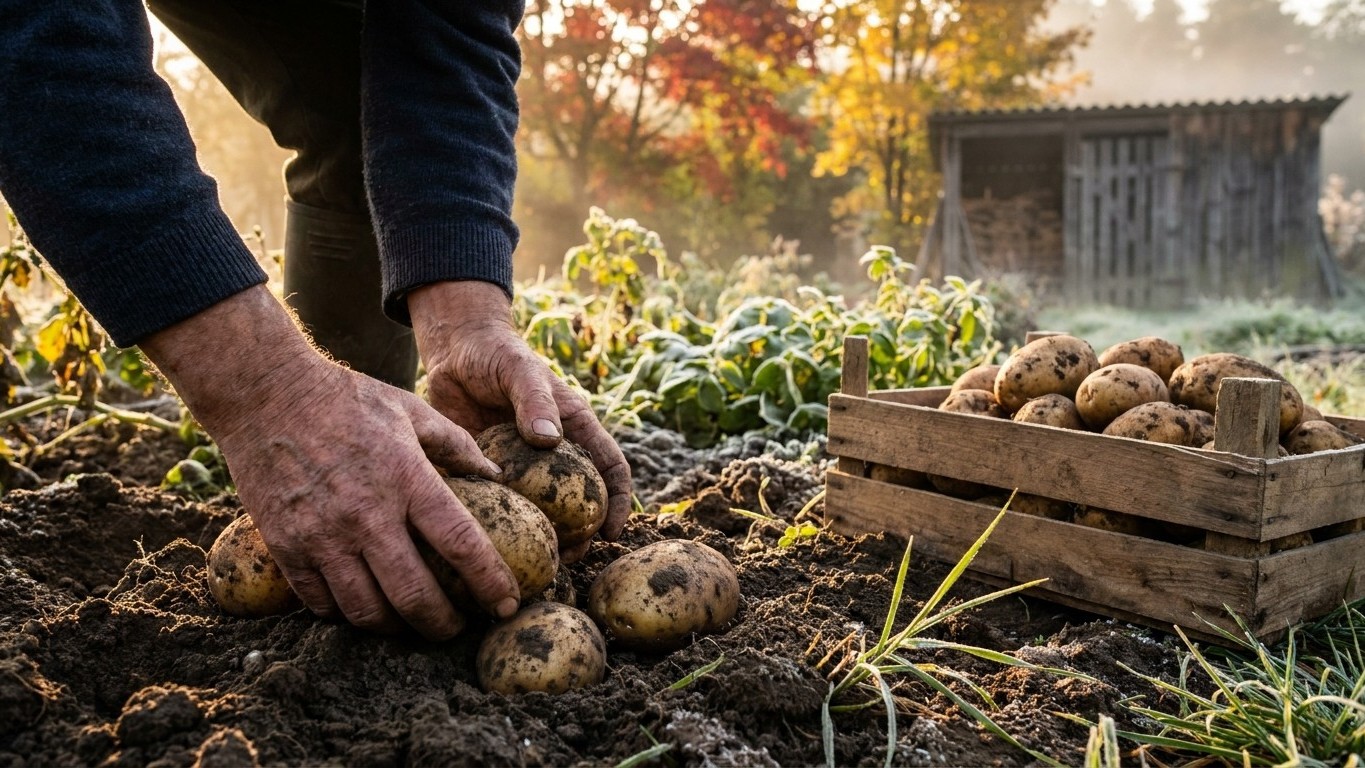
New Brunswick’s growing season ends on an average date of October 2, when the province’s first fall frost typically arrives at the Moncton reference…
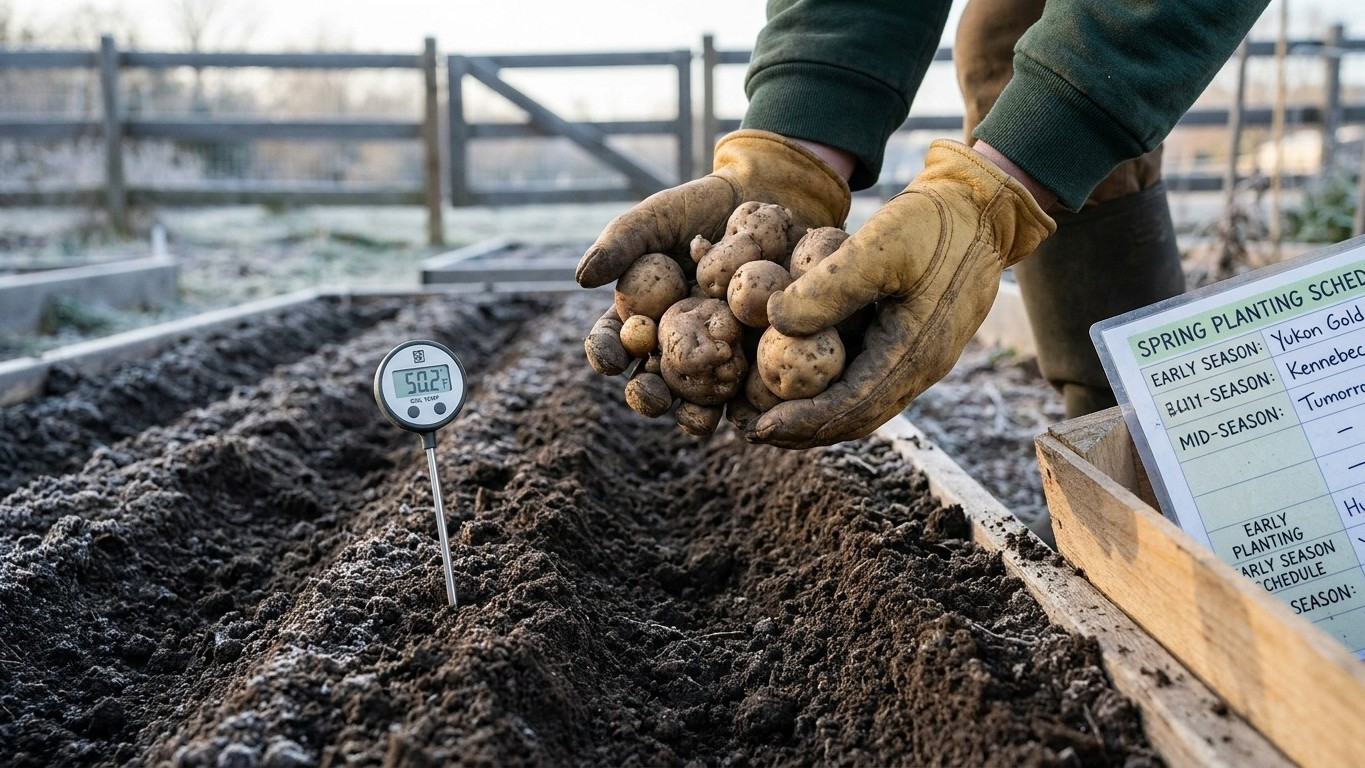
New Brunswick gardeners really have one lever that matters: picking a season class, not a brand name on a seed bag.
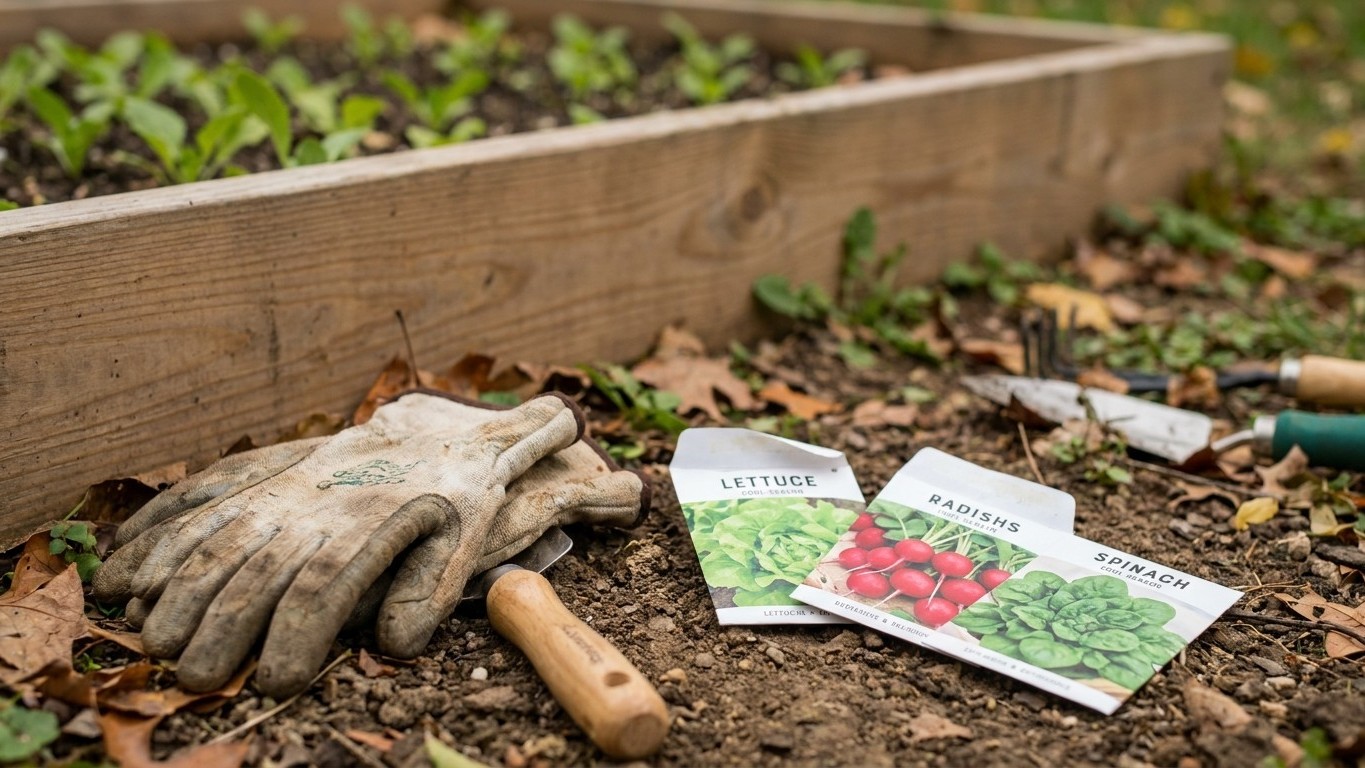
September in New Brunswick sits in the narrowing gap between summer harvest and the first hard frost, which lands on average October 2.