Lily leaf beetle in New Hampshire: When It Shows Up and What Stops It
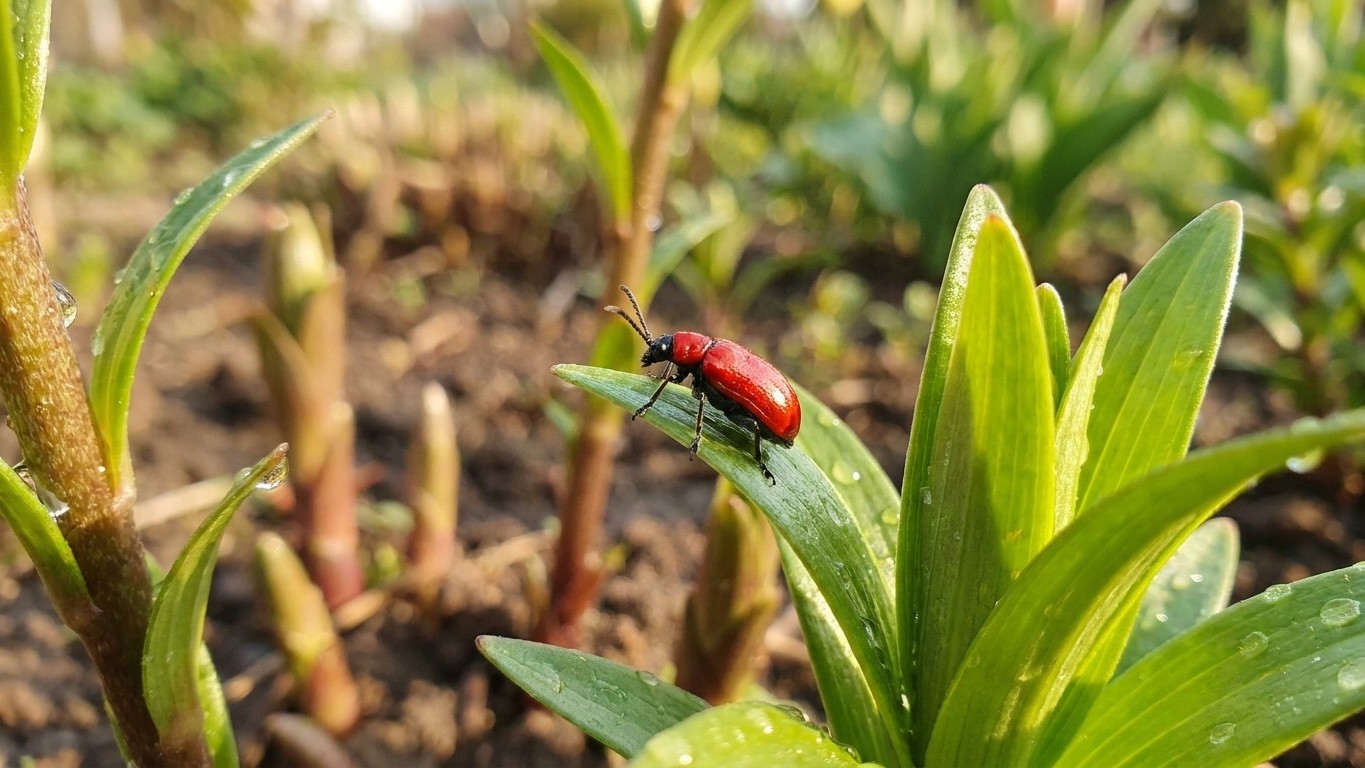
Lily leaf beetle shows up in New Hampshire gardens right when lily shoots break ground in spring, typically mid to late April in the southern part of the…
Home & garden, state by state
Everything we have worked out for New Hampshire: what to plant and when, which varieties finish in time, the pests that actually turn up here, and the jobs that pay off month by month. We also cover the rest of the property, from lawns and soil to home care and energy, because a garden rarely stops at the vegetable bed.
The numbers first, because everything else follows from them. Measured at the weather station in Manchester, the last spring freeze runs April 16 to April 27 and the first fall freeze runs October 13 to October 26, USDA zones 3b-6a, 2,973 growing degree days in the year.
Garlic does well: 26.1 weeks below 40 °F, comfortably past the six it needs to form a proper head.
Elsewhere on the property in New Hampshire: the pests that turn up here.
Figures from NOAA's 1991-2020 climate normals. A state is not one climate: elevation, a large lake or the coast can move these dates by two weeks either way, so check your own county with the extension service before you spend money.
Lily leaf beetle shows up in New Hampshire gardens right when lily shoots break ground in spring, typically mid to late April in the southern part of the…
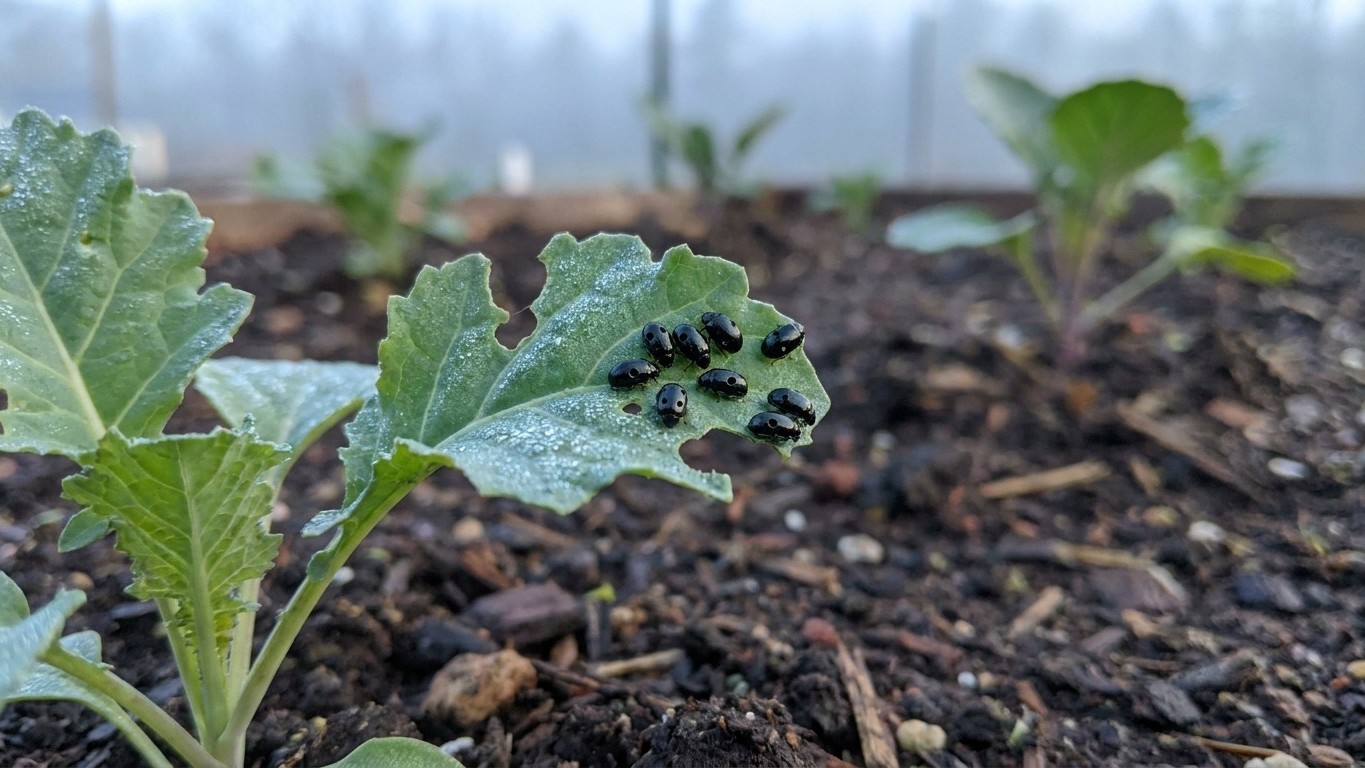
Flea beetles show up in New Hampshire the moment soil temperatures climb past roughly 50°F, which usually lands somewhere between late April in the…
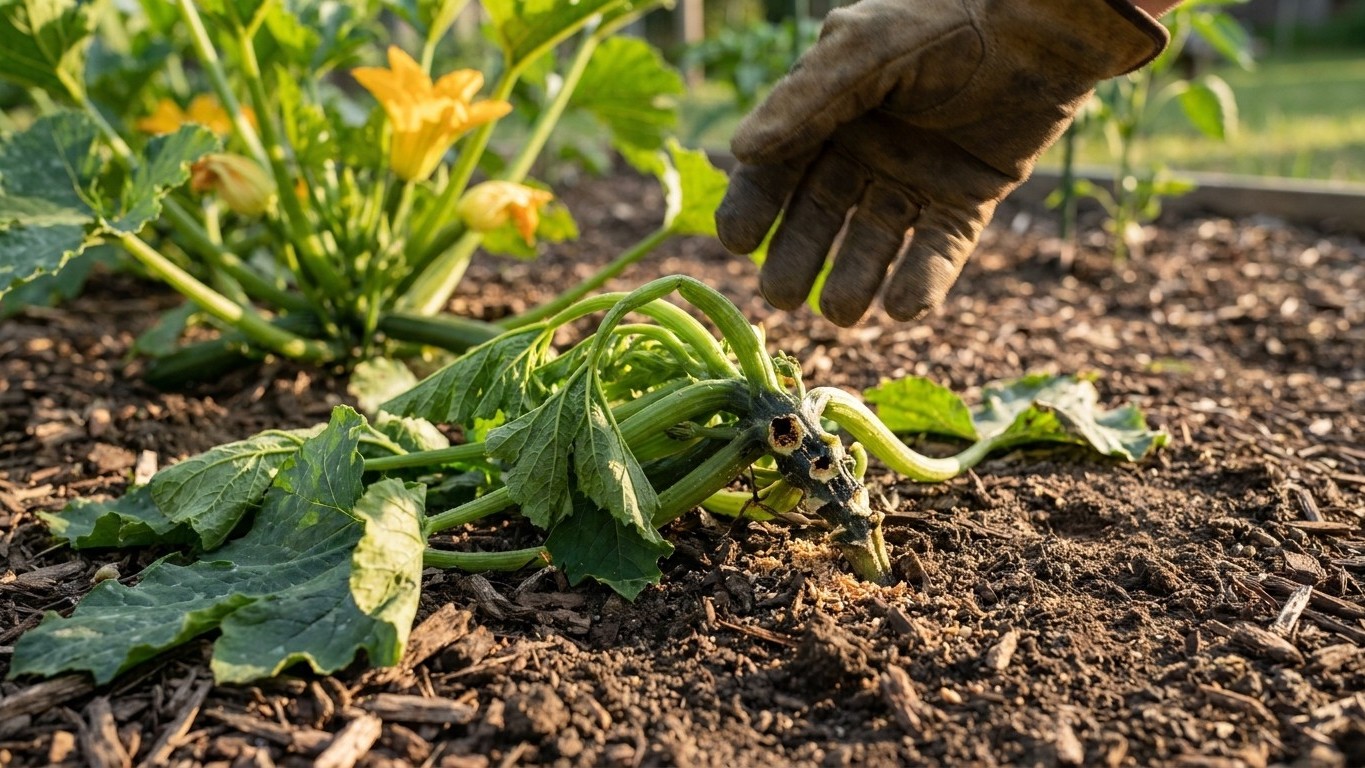
Squash vine borer moths typically emerge in New Hampshire between late June and mid-July, with egg-laying activity peaking through late July into early…
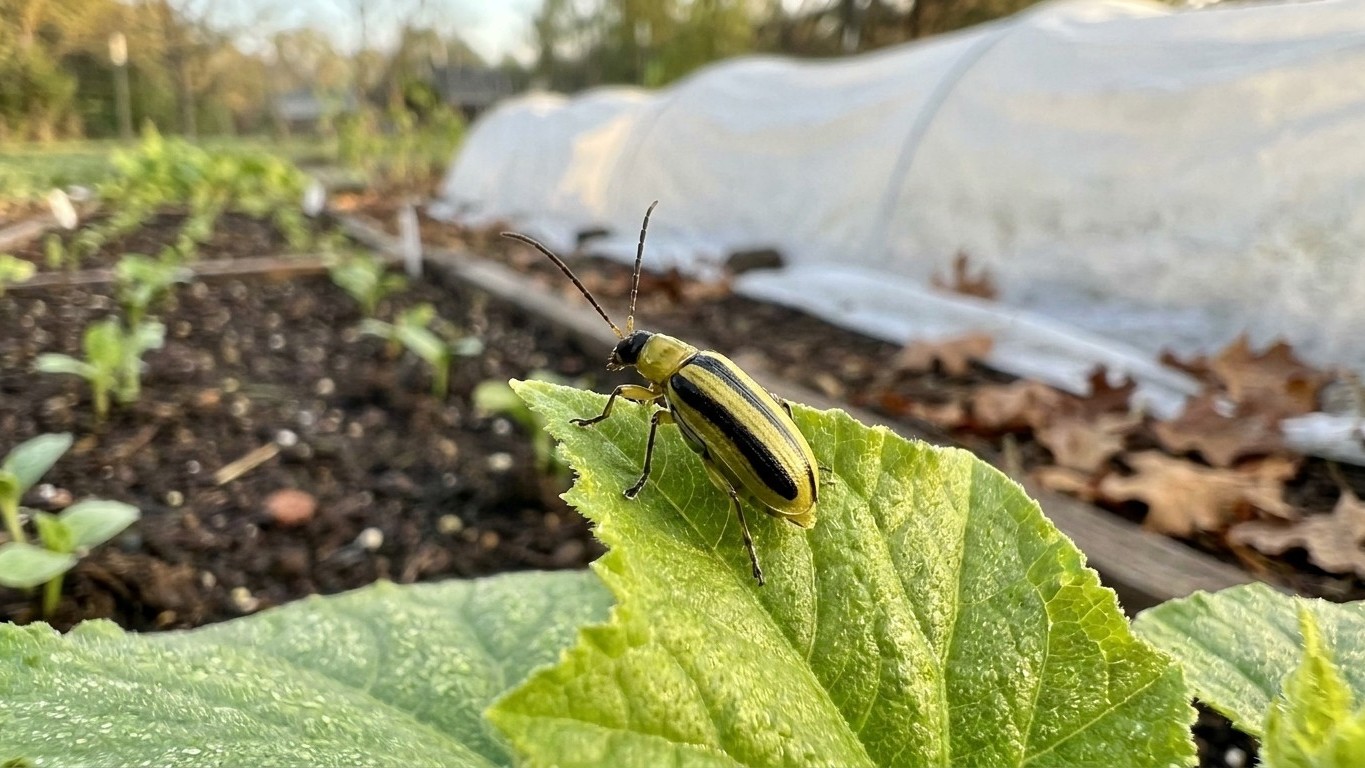
The striped cucumber beetle typically emerges in New Hampshire between mid-May and early June, right as soil temperatures climb past 55°F and cucurbit…
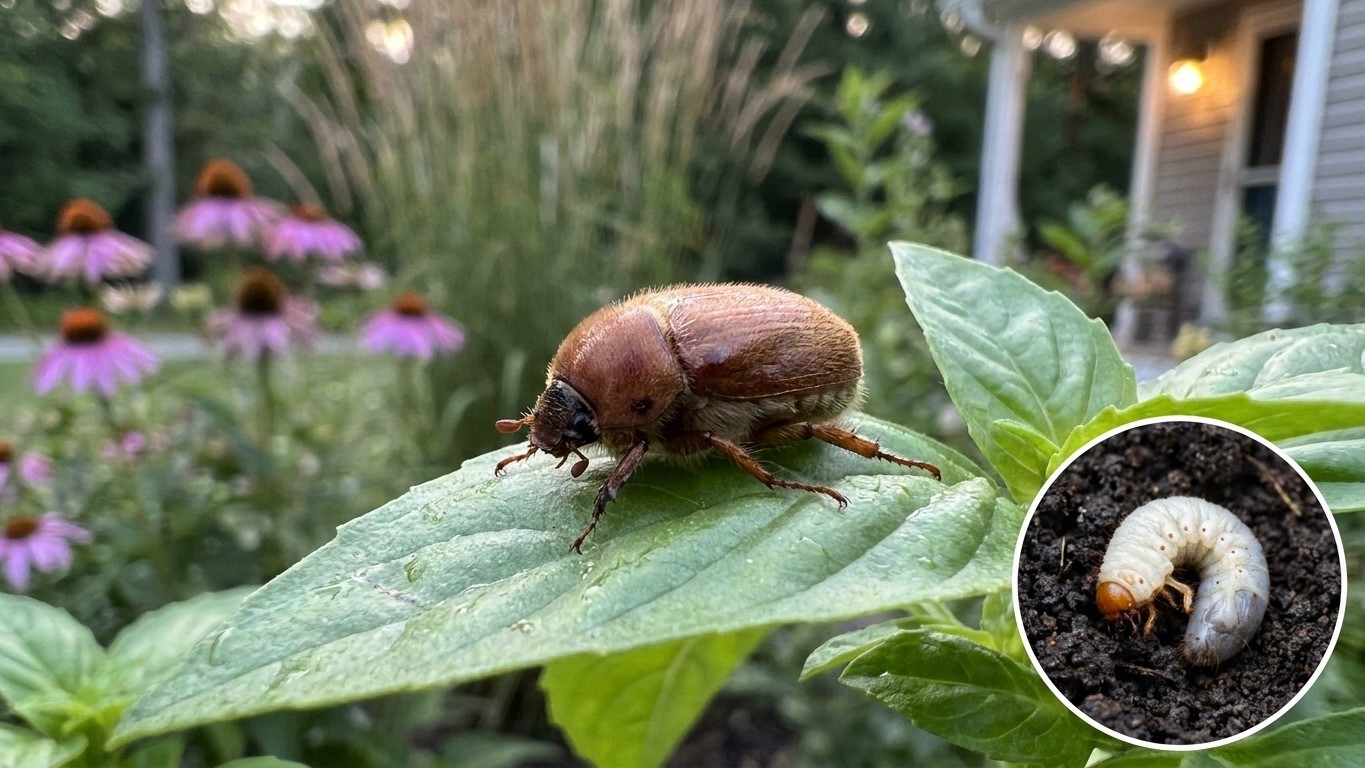
Asiatic garden beetle adults become active in New Hampshire from early July through late August, feeding at night on foliage and flowers while their…
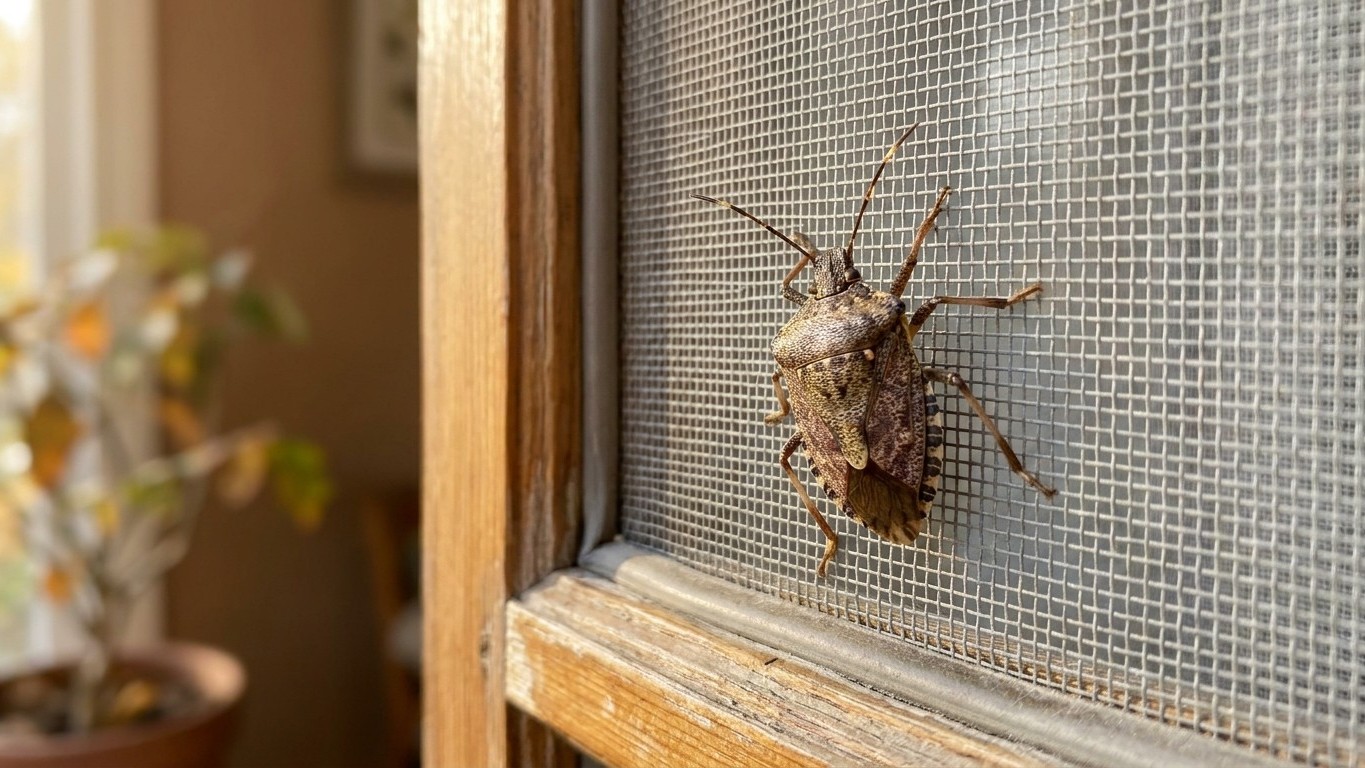
Brown marmorated stink bugs are already living in New Hampshire, mostly in the southern tier along the Massachusetts border and up through the Merrimack…
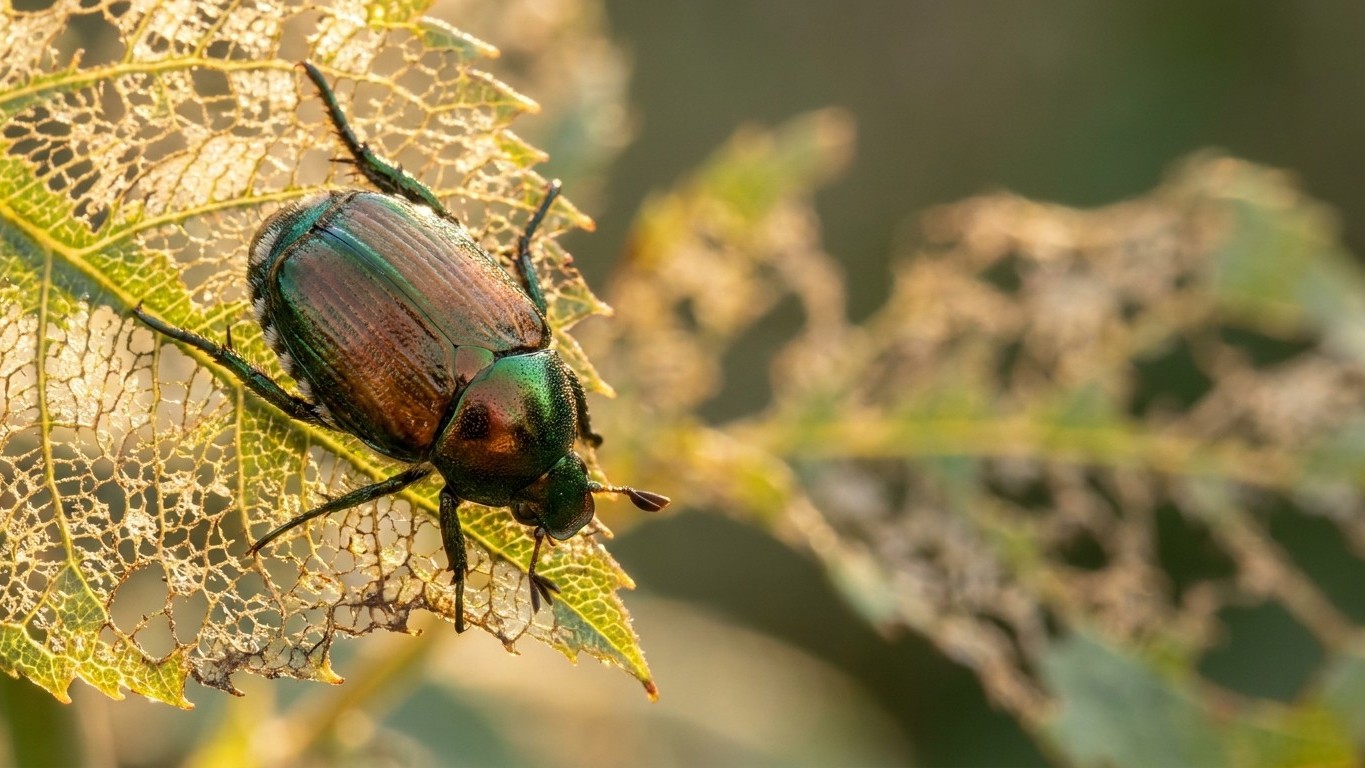
Japanese beetles turn up in New Hampshire from late June through early September, with the heaviest feeding damage hitting gardens and landscapes during…
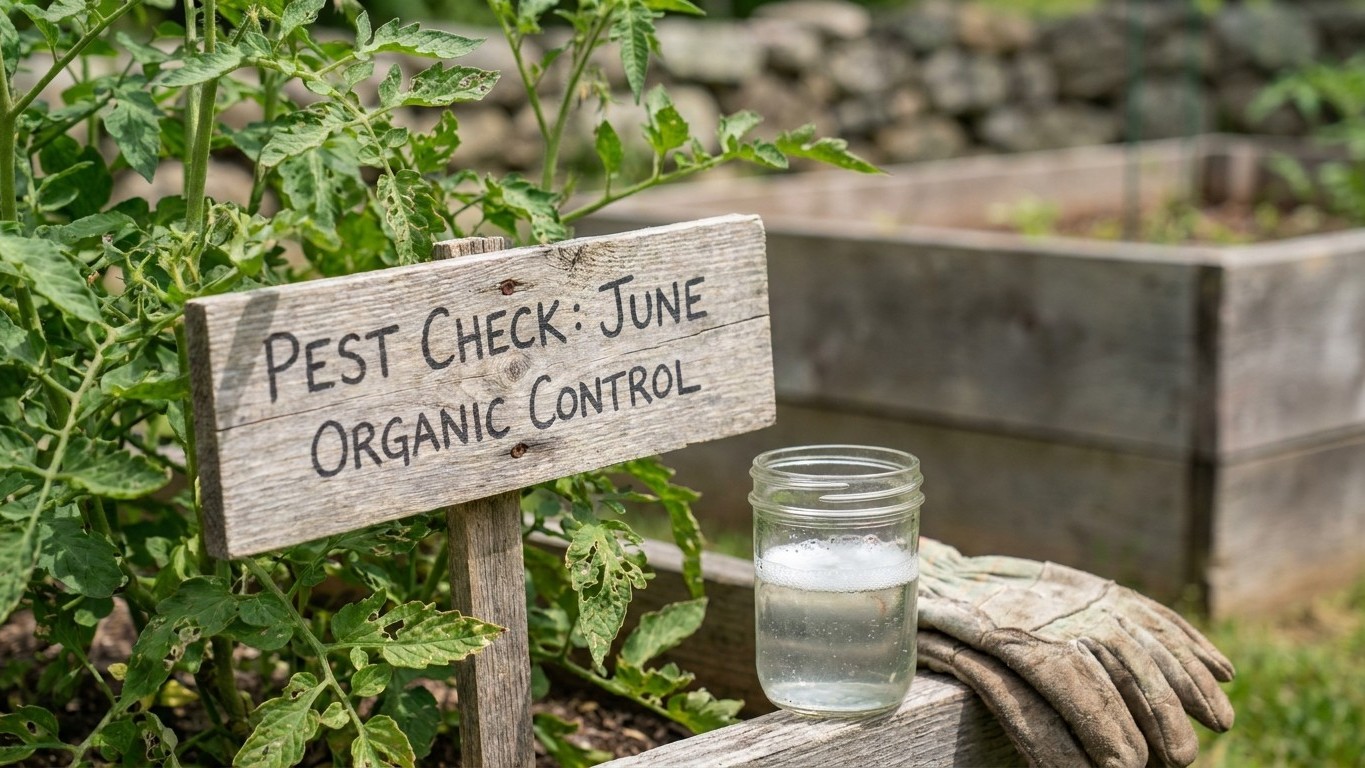
New Hampshire gardeners face nine common pests, from flea beetles and cucumber beetles in spring to Japanese beetles and stink bugs by late summer.
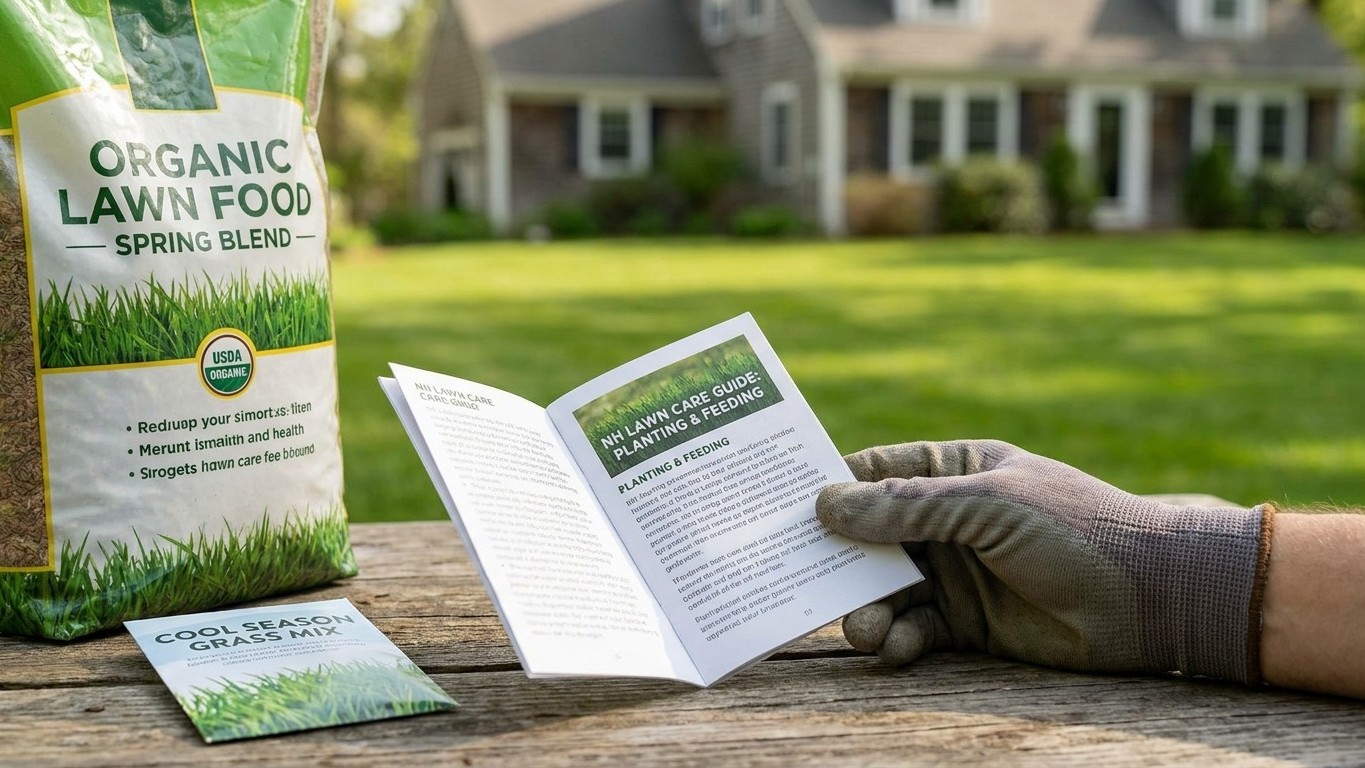
A practical look at which grasses grow in New Hampshire, when to seed them, and how to time nitrogen feedings around Manchester’s frost dates.
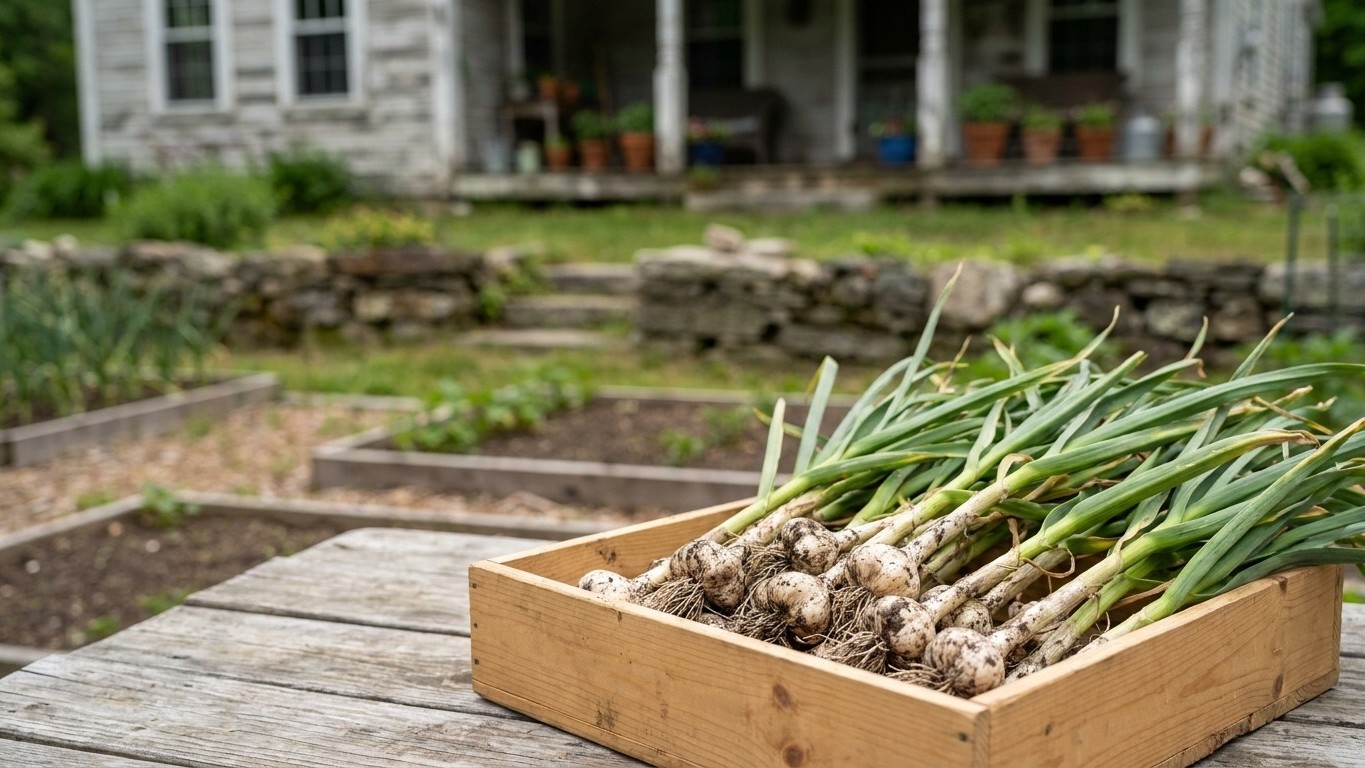
New Hampshire’s cold winters satisfy garlic’s chill needs for both hardneck and softneck types, so planting timing and variety choice matter more than climate risk.