Planting Spring Bulbs in New Hampshire: What Will Come Back, and What Will Not
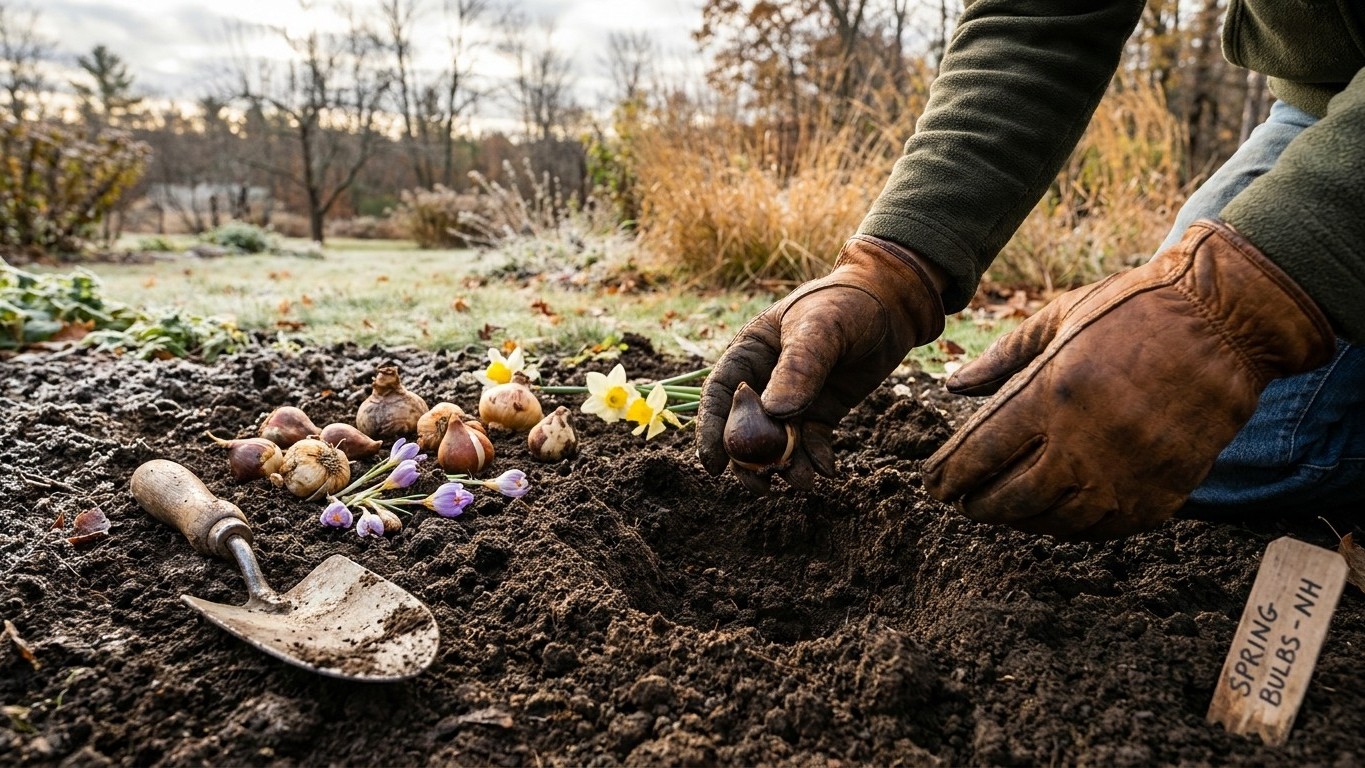
New Hampshire’s winters run cold enough for nearly every classic spring bulb sold in garden centers, and the state’s frost calendar gives most of the…
Home & garden, state by state
Everything we have worked out for New Hampshire: what to plant and when, which varieties finish in time, the pests that actually turn up here, and the jobs that pay off month by month. We also cover the rest of the property, from lawns and soil to home care and energy, because a garden rarely stops at the vegetable bed.
The numbers first, because everything else follows from them. Measured at the weather station in Manchester, the last spring freeze runs April 16 to April 27 and the first fall freeze runs October 13 to October 26, USDA zones 3b-6a, 2,973 growing degree days in the year.
Garlic does well: 26.1 weeks below 40 °F, comfortably past the six it needs to form a proper head.
Elsewhere on the property in New Hampshire: the pests that turn up here.
Figures from NOAA's 1991-2020 climate normals. A state is not one climate: elevation, a large lake or the coast can move these dates by two weeks either way, so check your own county with the extension service before you spend money.
New Hampshire’s winters run cold enough for nearly every classic spring bulb sold in garden centers, and the state’s frost calendar gives most of the…
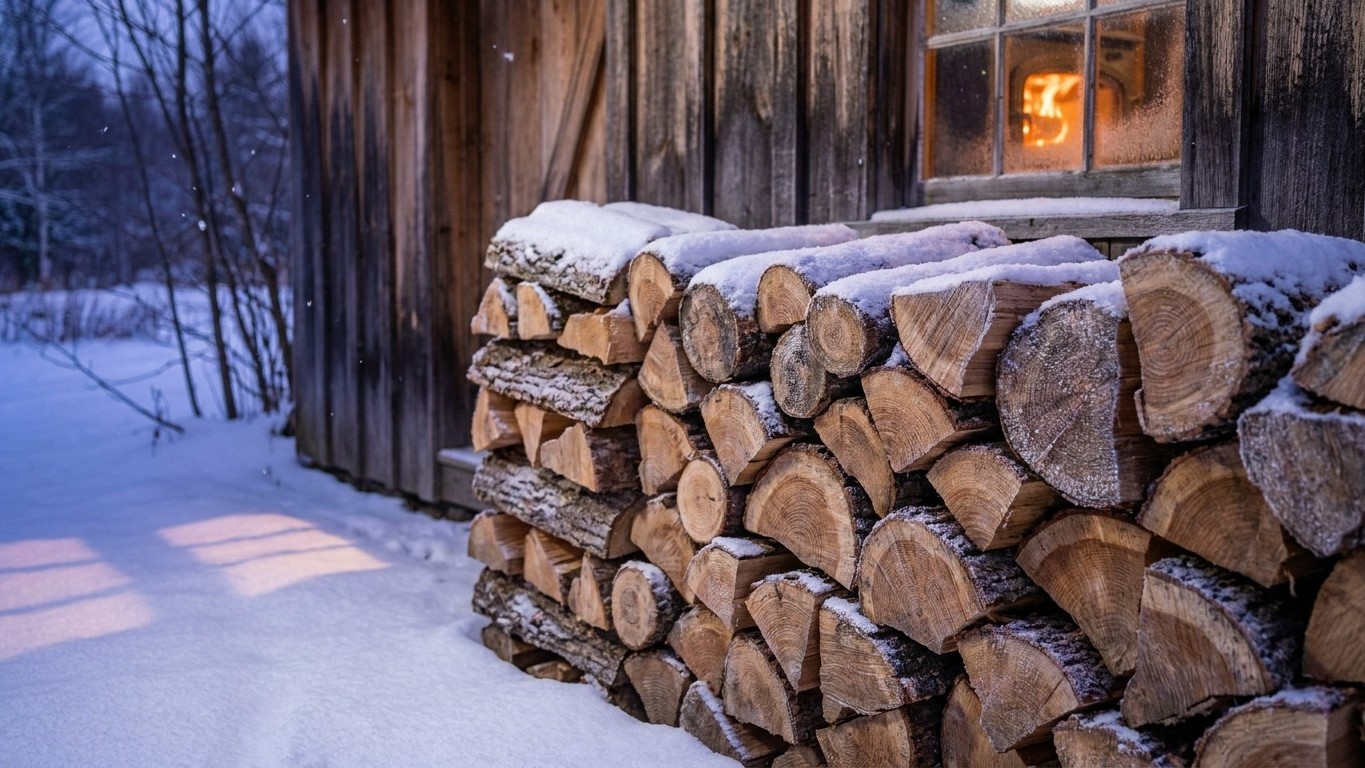
New Hampshire winters bottom out at an average low of 17.1°F in the coldest month, based on NOAA Climate Normals for the Manchester reference station.
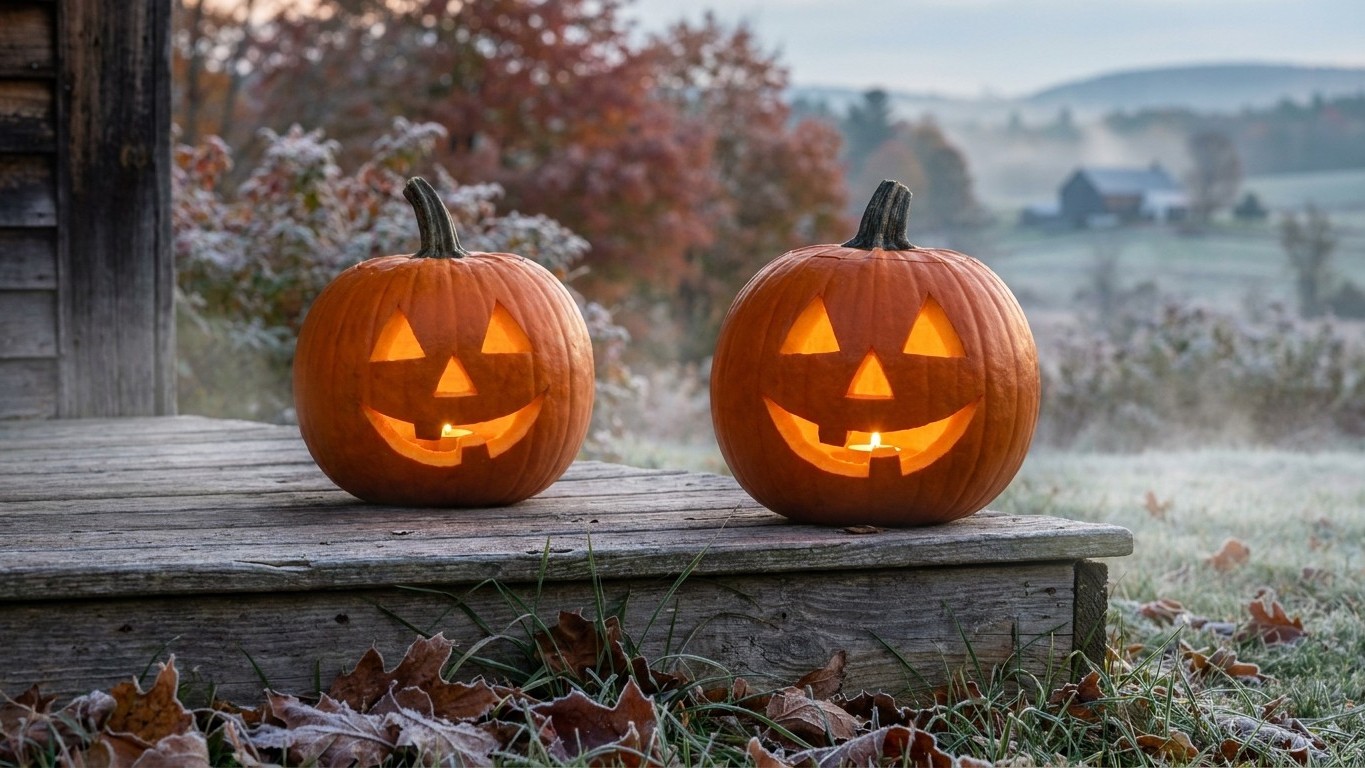
New Hampshire’s mean first fall frost lands somewhere between October 13 and October 26, arriving anywhere from around five to eighteen days before…
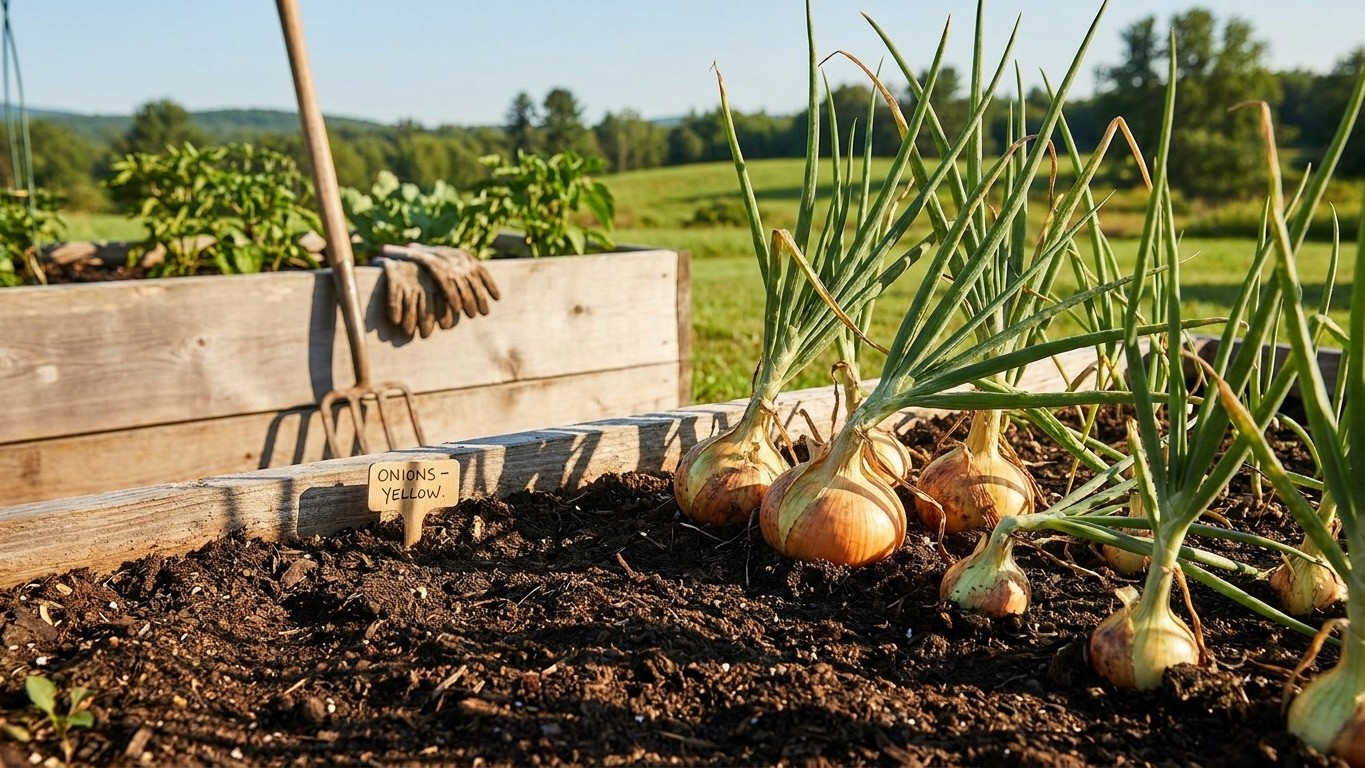
New Hampshire’s growing season is short, but its summer days are long enough to satisfy most long-day onion varieties.
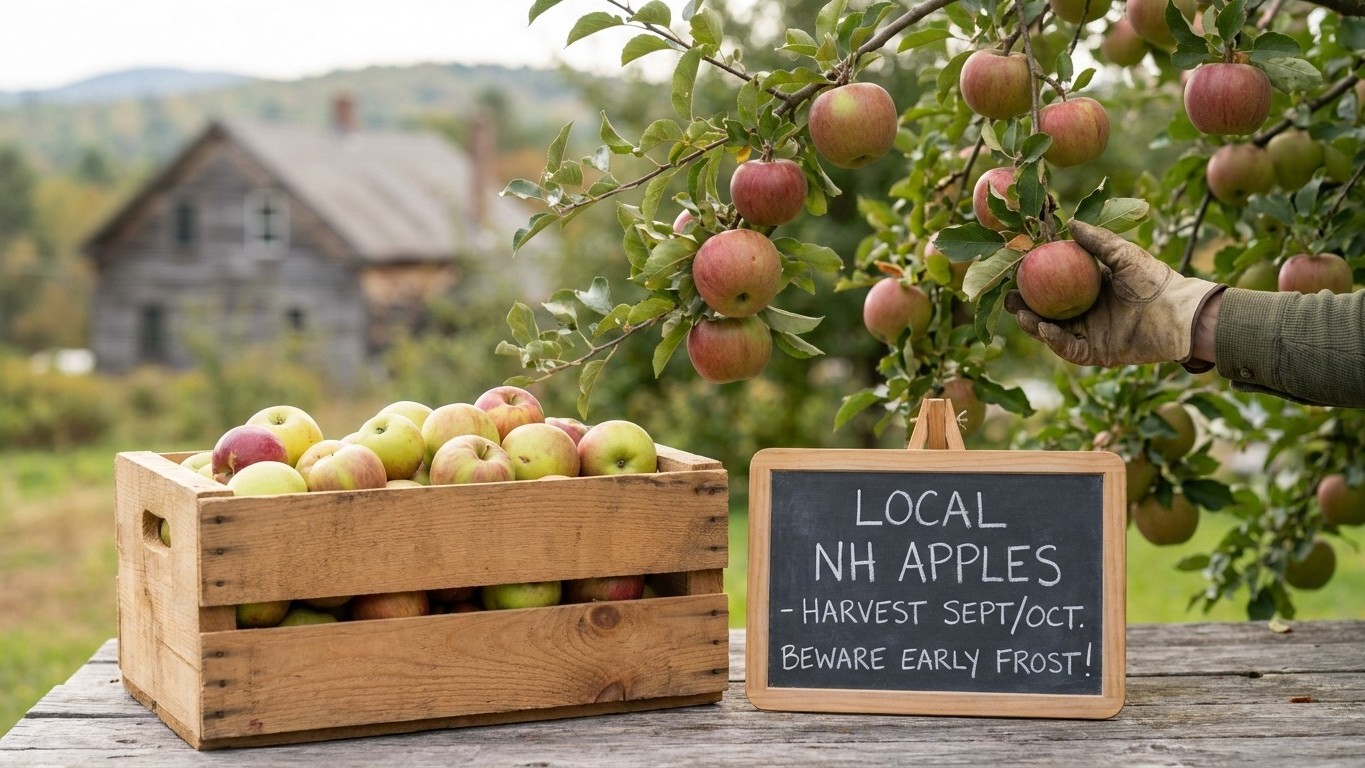
New Hampshire’s frost dates, hardiness zones and winter chill decide which apple varieties bear fruit, from the Seacoast to the North Country.
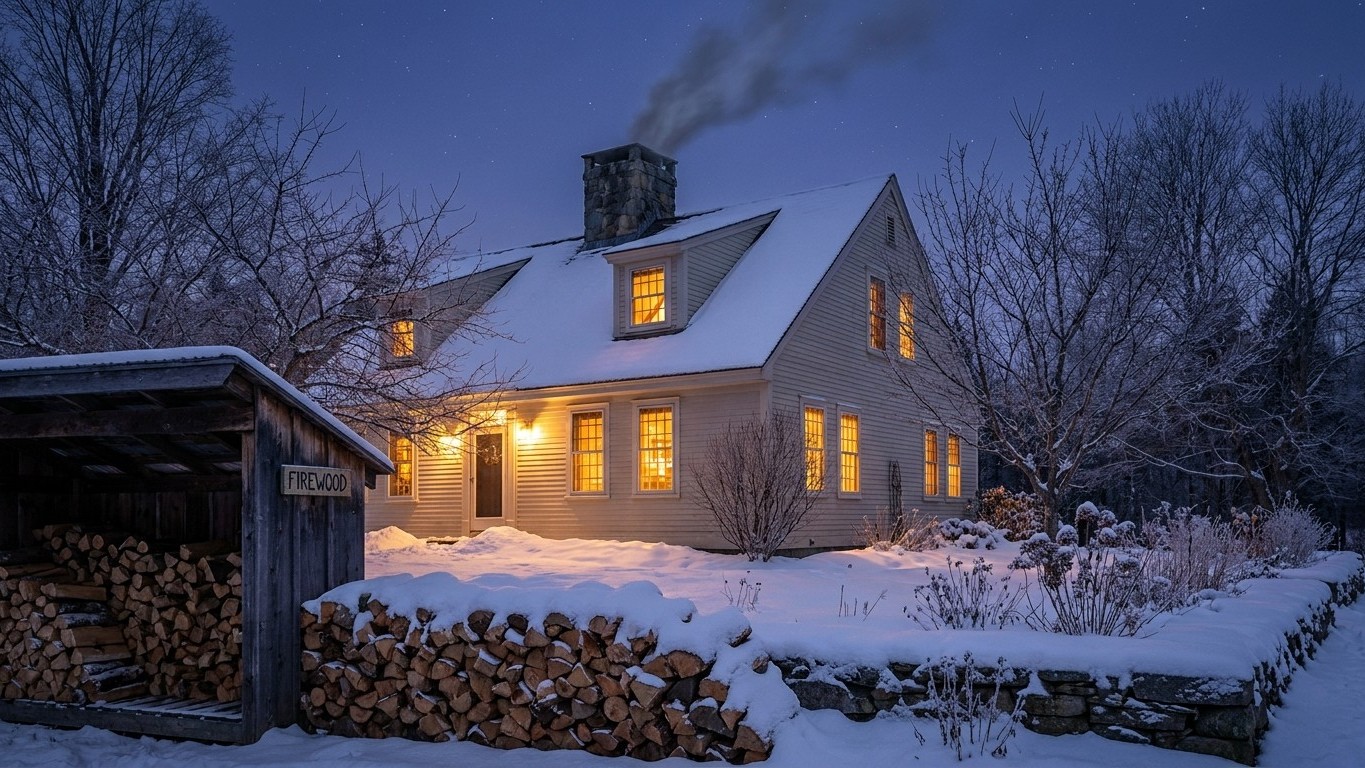
Manchester’s coldest month averages a low of 17.1°F, and that single number explains most of what New Hampshire households spend on heat.
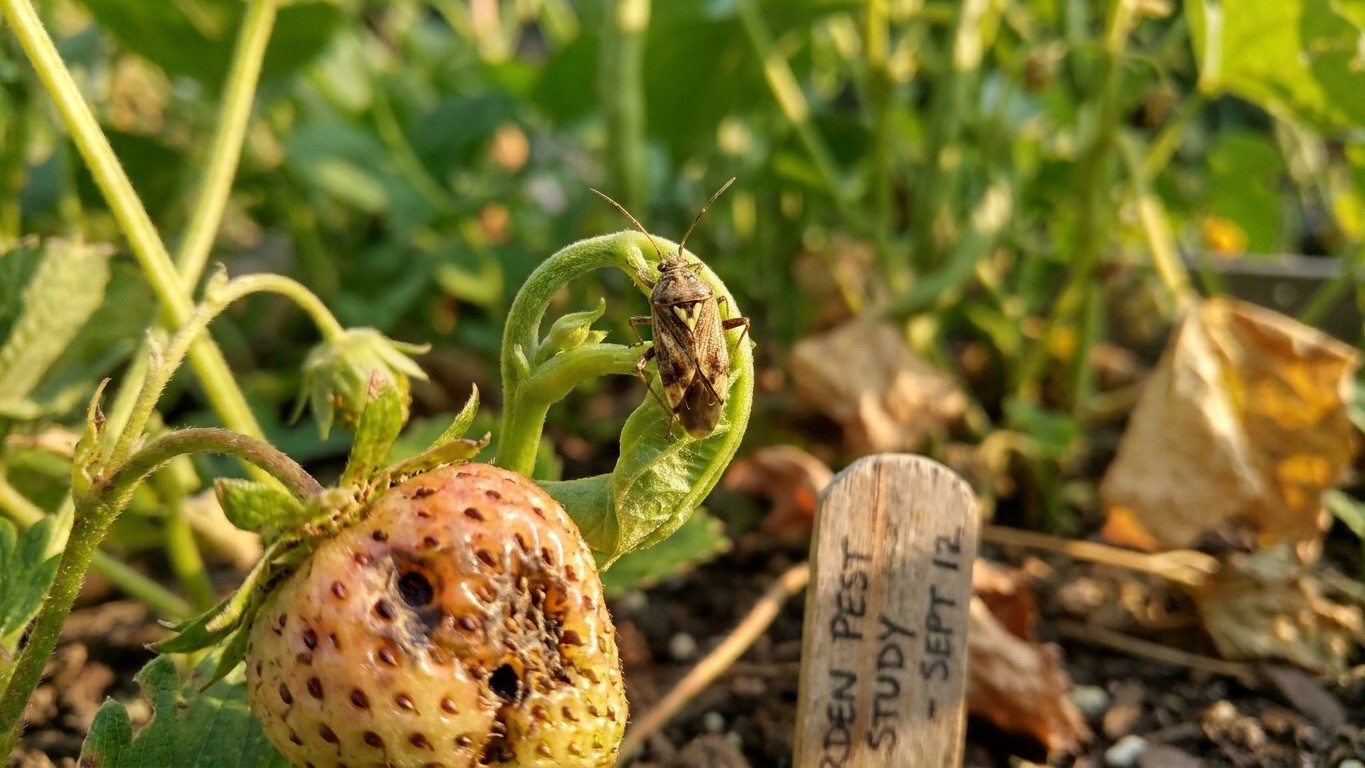
Tarnished plant bug (Lygus lineolaris) becomes active in New Hampshire gardens as soil and air temperatures climb through late spring, feeding on tender…
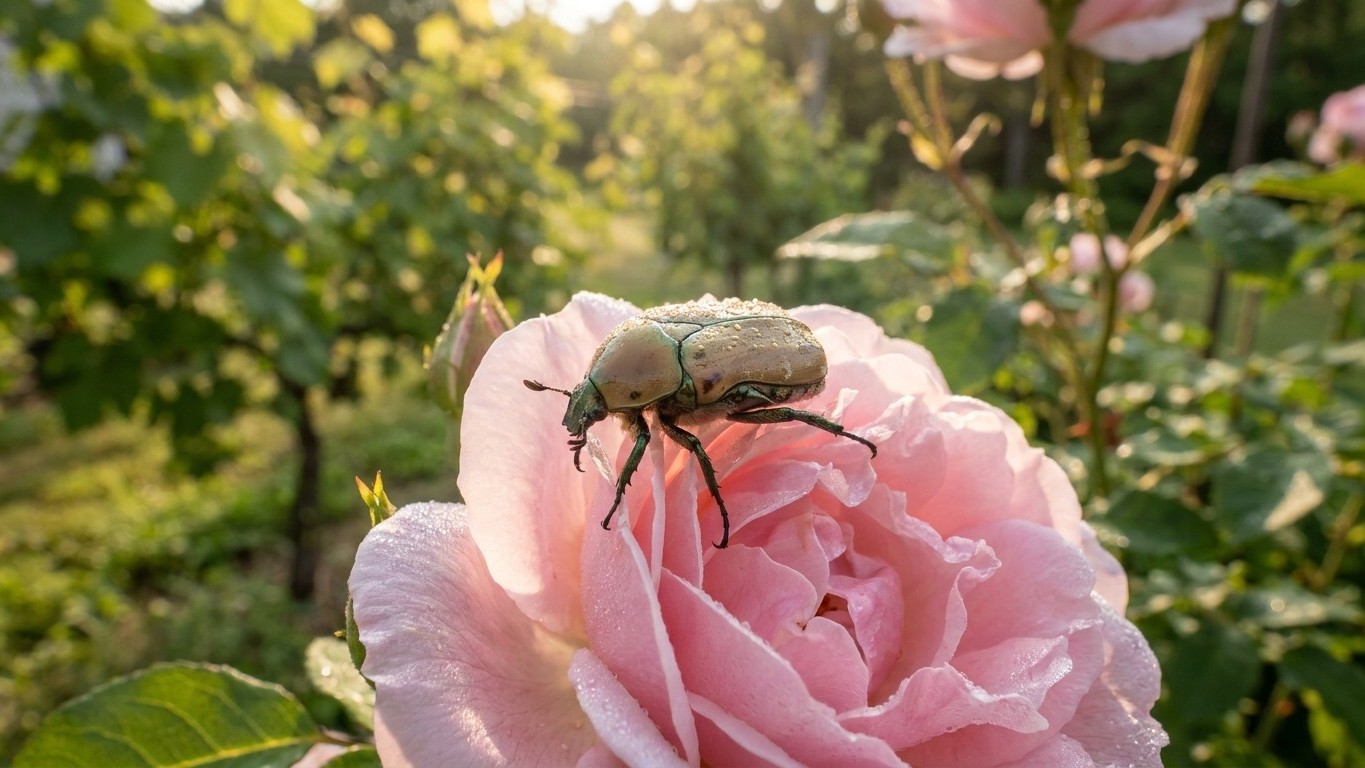
Rose chafers show up in New Hampshire gardens mid-to-late June, according to UNH Cooperative Extension, arriving right as roses bud out and grape leaves…
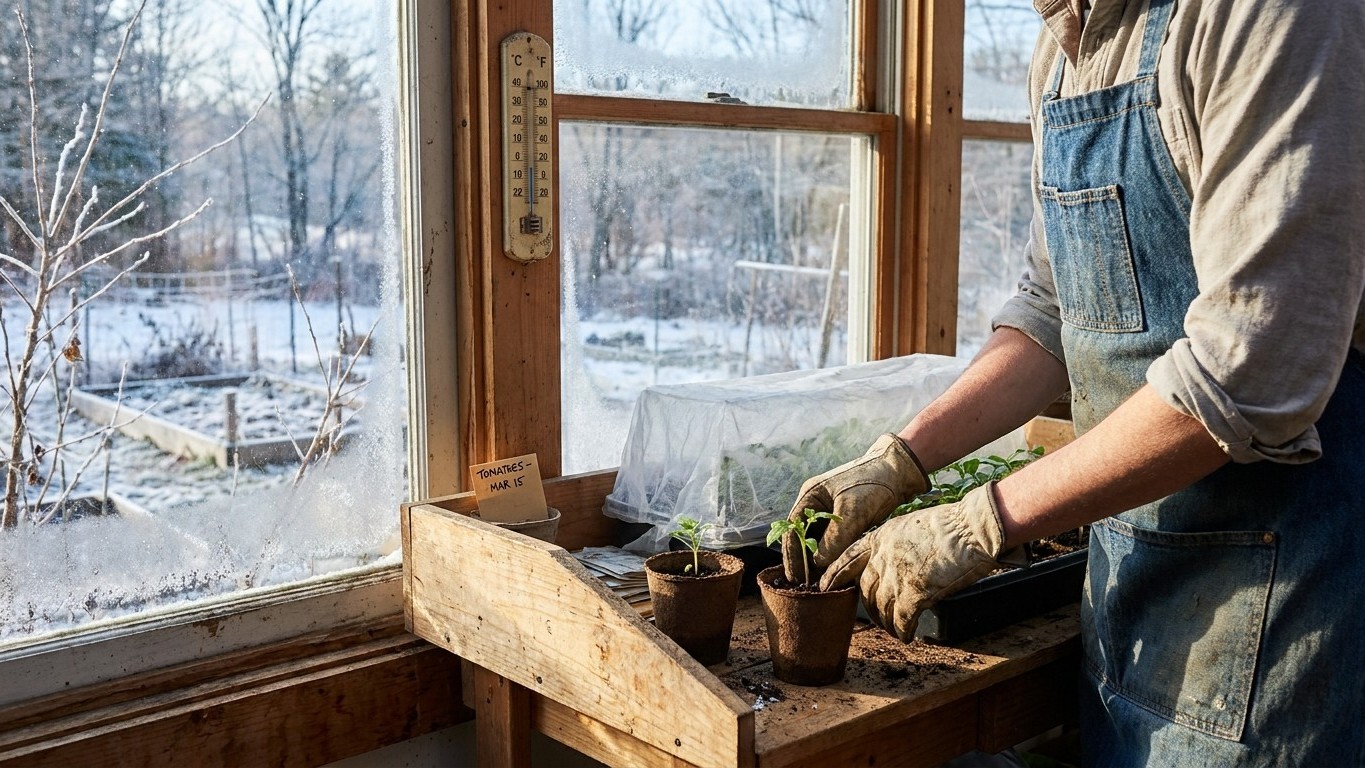
New Hampshire gardening starts with a hard number: the frost-free window between spring and fall, which runs roughly five months at best and considerably…
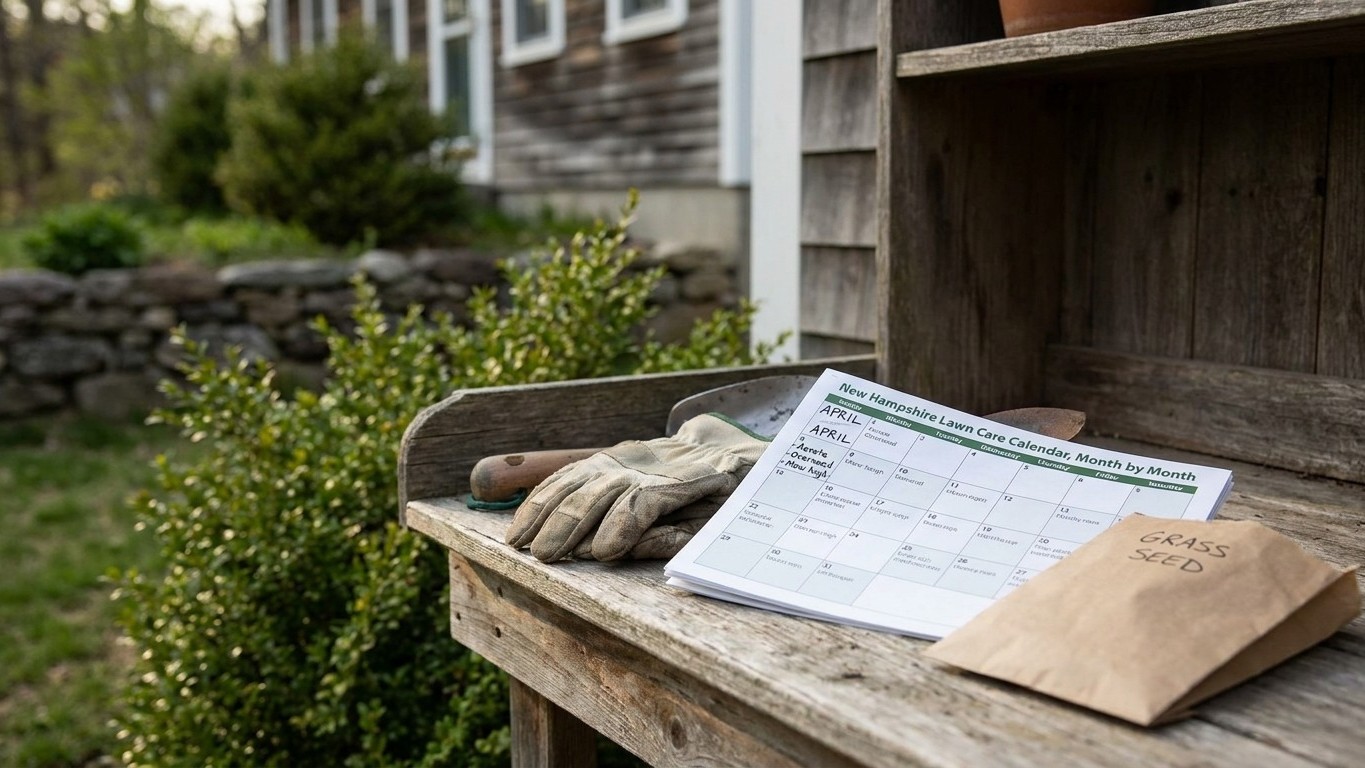
A month-by-month lawn calendar for New Hampshire, built around Manchester’s NOAA frost dates and the cool-season grasses recommended for the state.