When to Lift Onions in New Jersey, and How to Cure Them
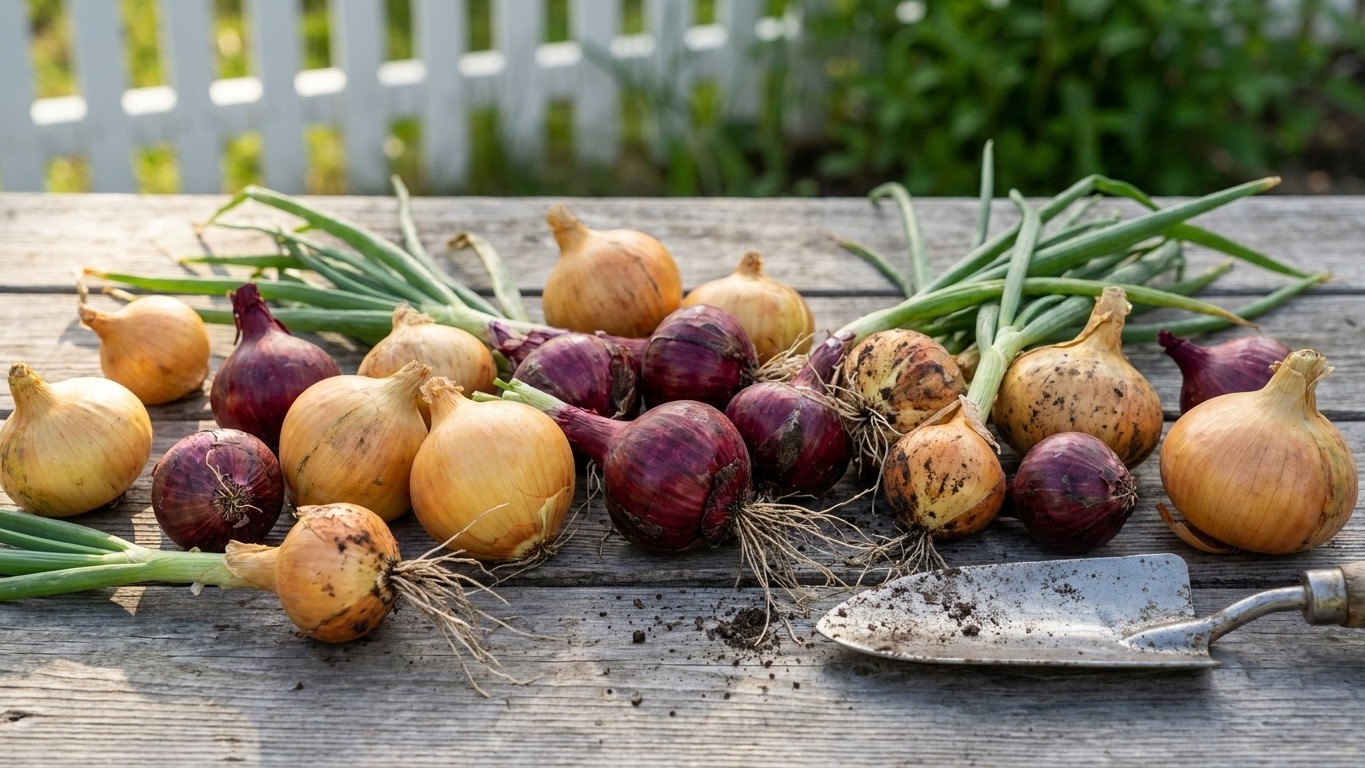
Lift onions in New Jersey once most of the tops have flopped over and the necks have gone soft.
Home & garden, state by state
Everything we have worked out for New Jersey: what to plant and when, which varieties finish in time, the pests that actually turn up here, and the jobs that pay off month by month. We also cover the rest of the property, from lawns and soil to home care and energy, because a garden rarely stops at the vegetable bed.
The numbers first, because everything else follows from them. Measured at the weather station in Newark, the last spring freeze runs March 29 to April 6 and the first fall freeze runs November 4 to November 16, USDA zones 6a-7b, 3,881 growing degree days in the year.
Garlic does well: 21.8 weeks below 40 °F, comfortably past the six it needs to form a proper head.
Elsewhere on the property in New Jersey: the pests that turn up here.
Figures from NOAA's 1991-2020 climate normals. A state is not one climate: elevation, a large lake or the coast can move these dates by two weeks either way, so check your own county with the extension service before you spend money.
Lift onions in New Jersey once most of the tops have flopped over and the necks have gone soft.
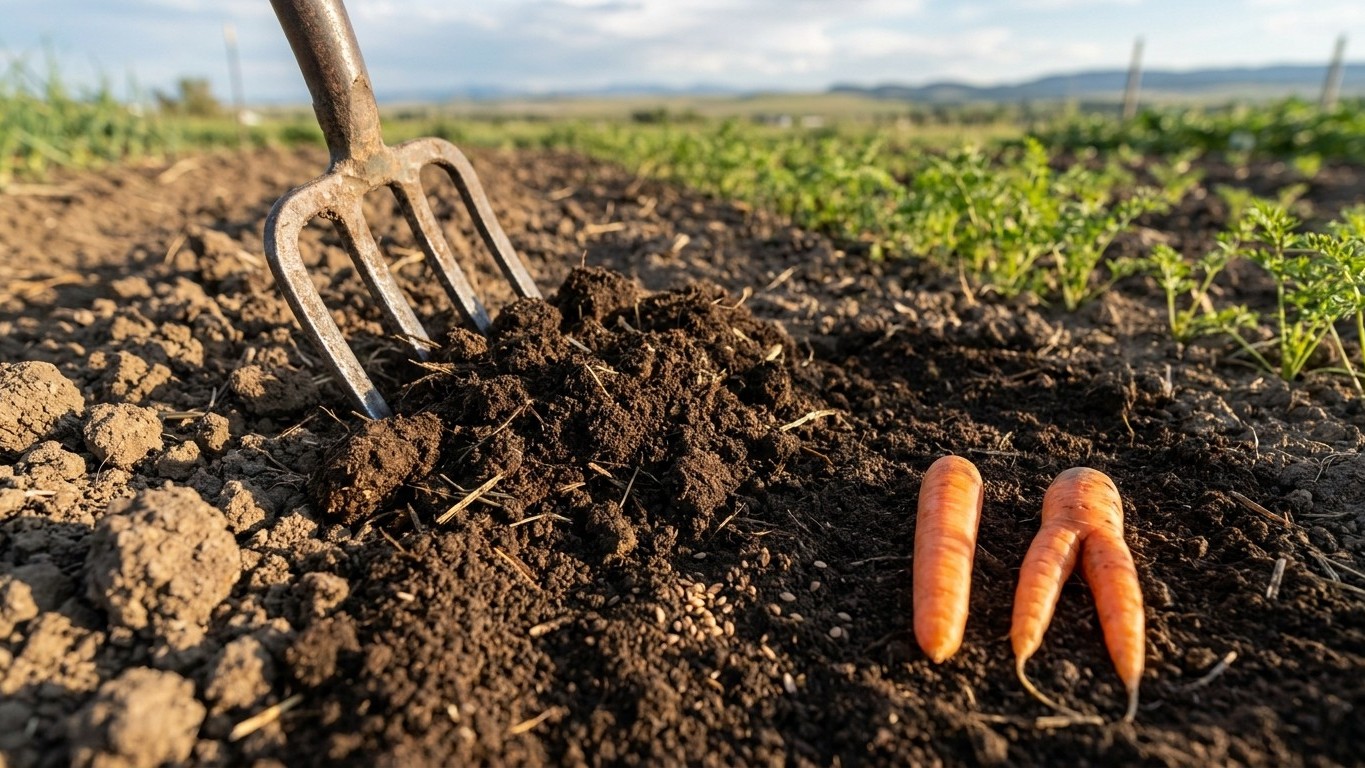
Count 70 to 100 days from the day you sow, then pull a test carrot to check. Carrots go in as seed and stay where they are sown, so there is no…
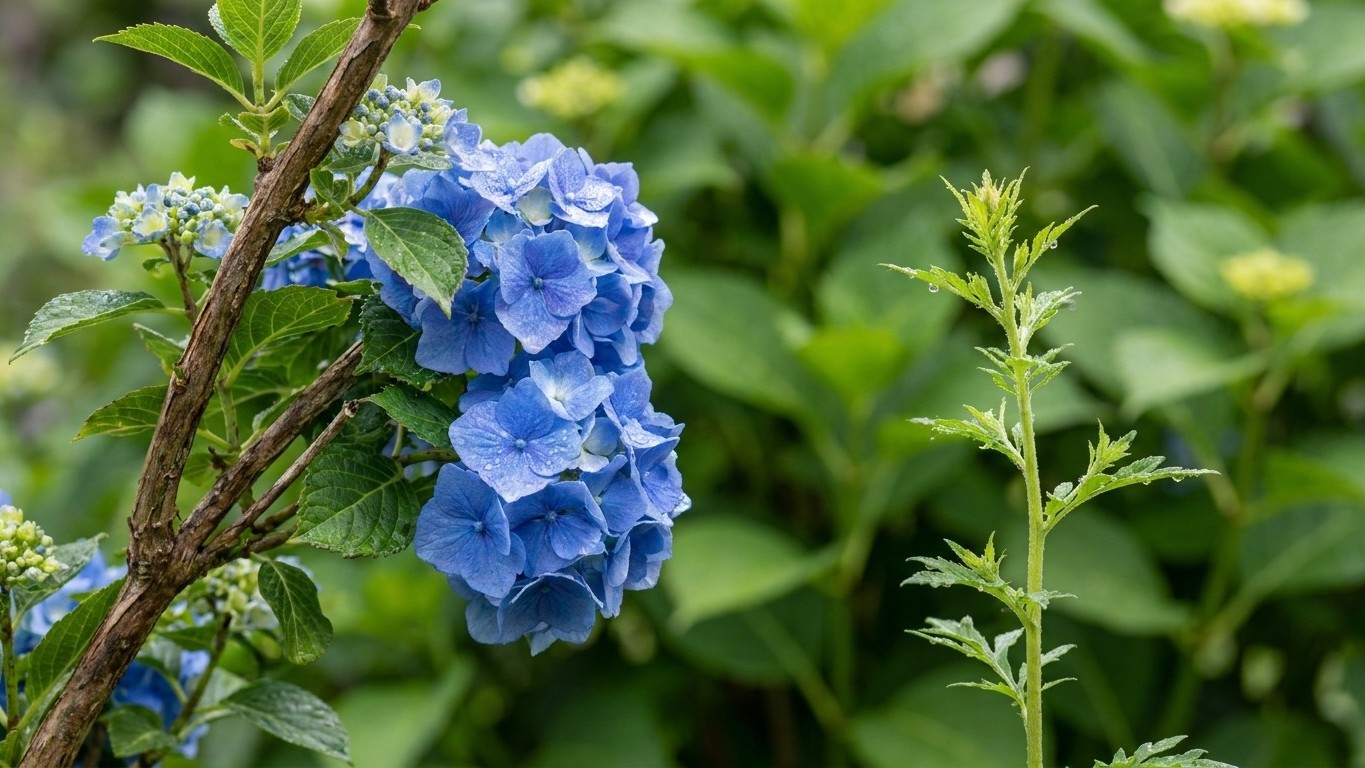
Most New Jersey gardeners set hydrangeas in the ground in April or early October, using nursery plants rather than seed.
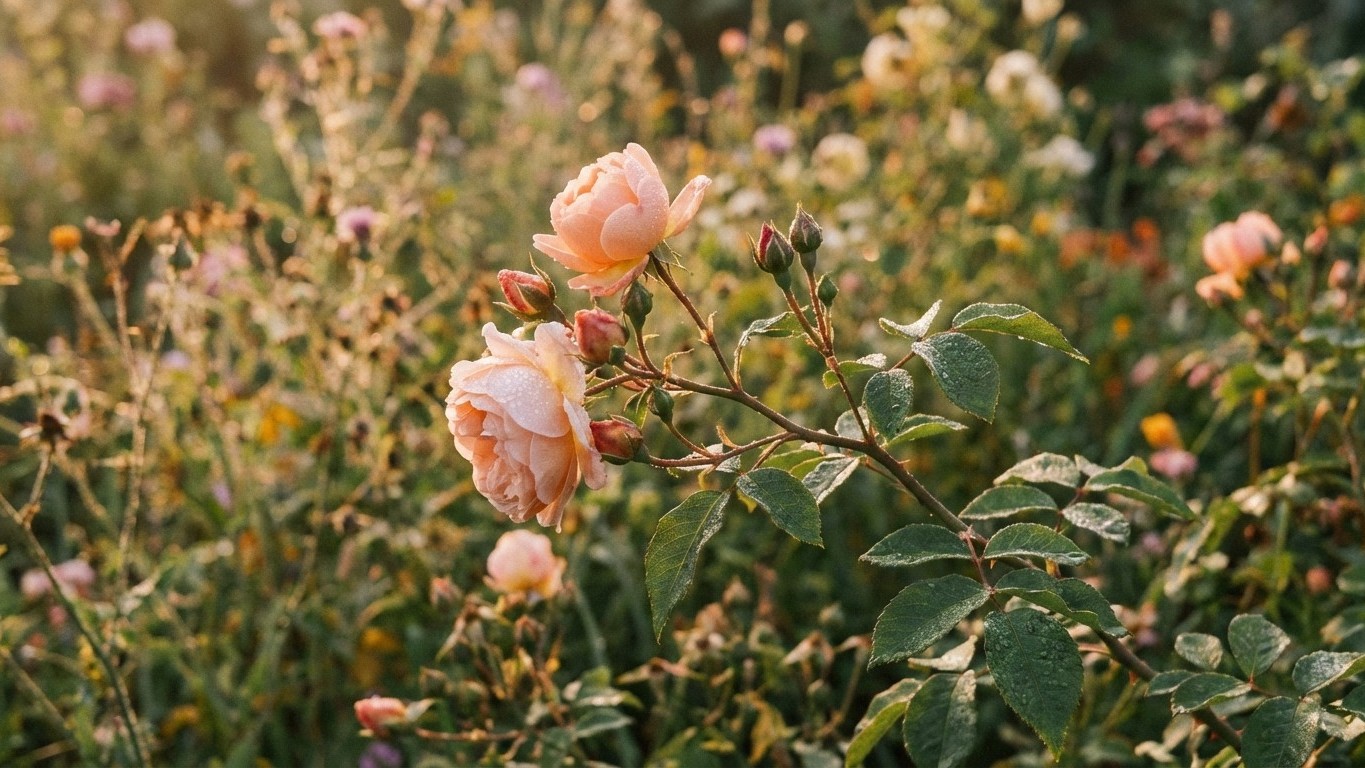
Plant bare-root roses in New Jersey as soon as the soil can be worked, usually March into early April.
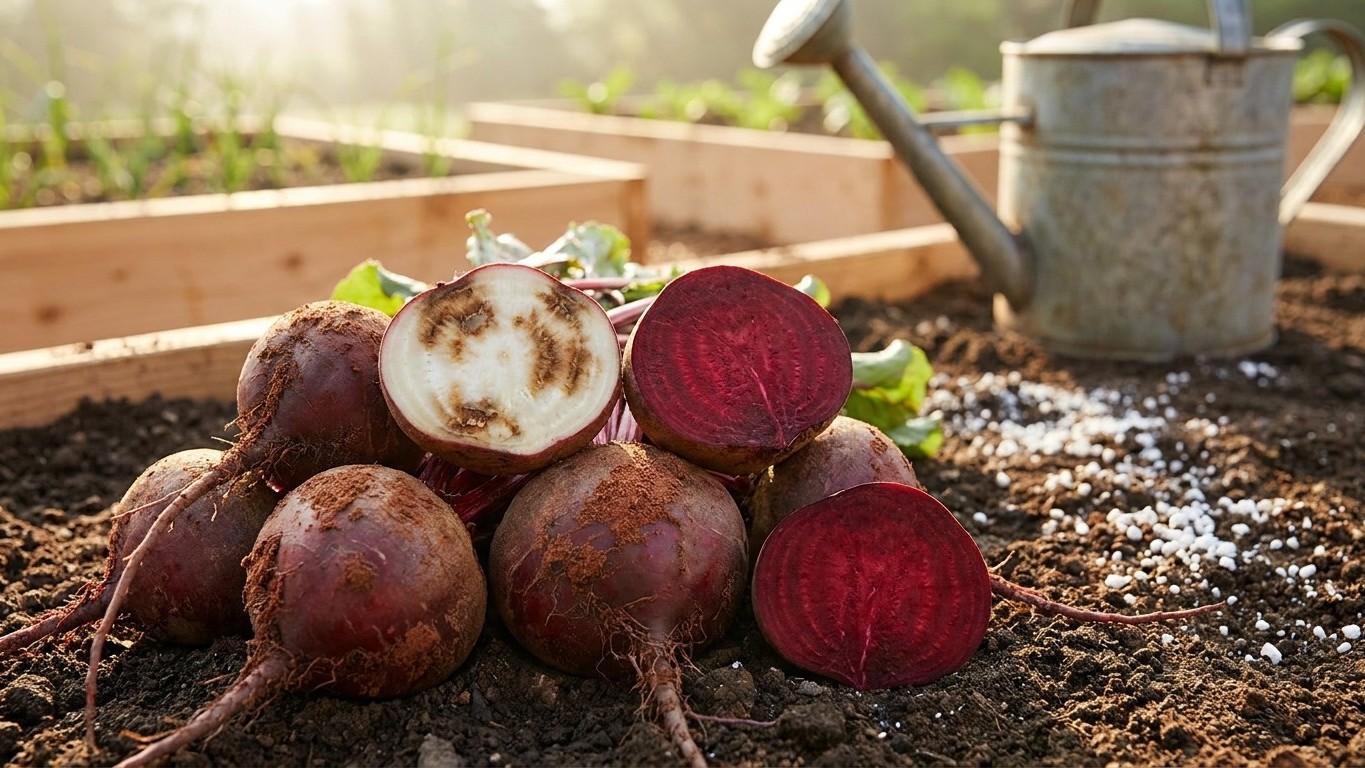
Three things take most of a New Jersey beet crop, and they arrive at different times.
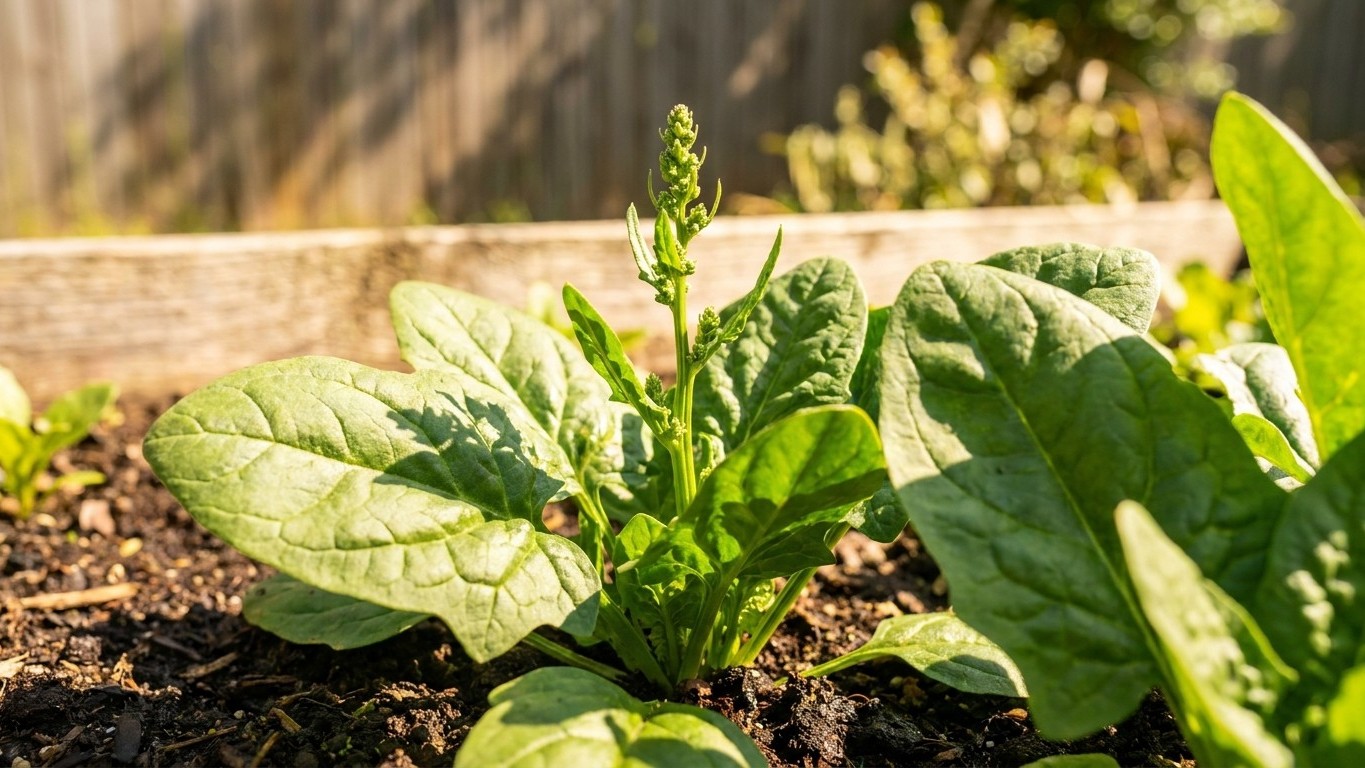
Cut New Jersey spinach while the plants are leafy and the weather is cool. That means spring, from the first pickings until daytime temperatures start…
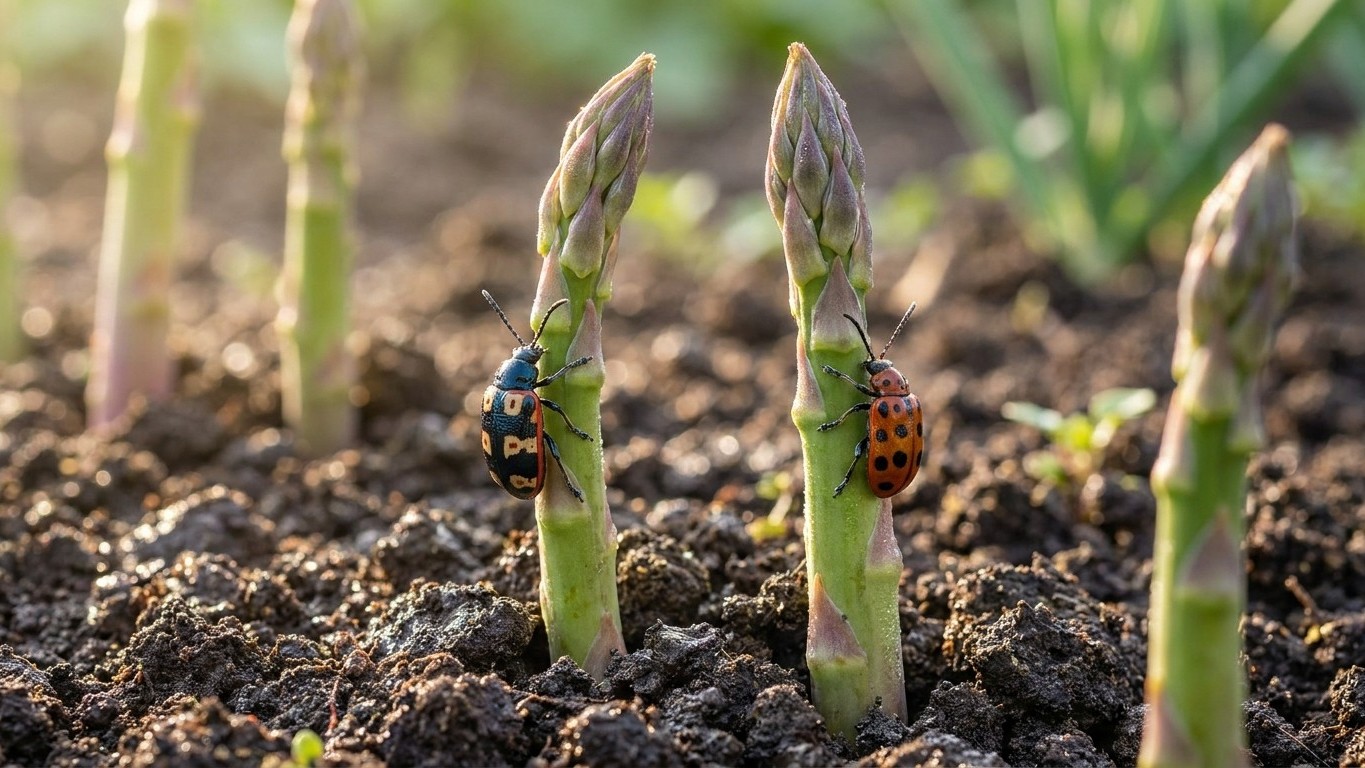
Nothing in the verified material behind this page names a specific asparagus pest or gives a New Jersey pest calendar, and an invented one would be worse…
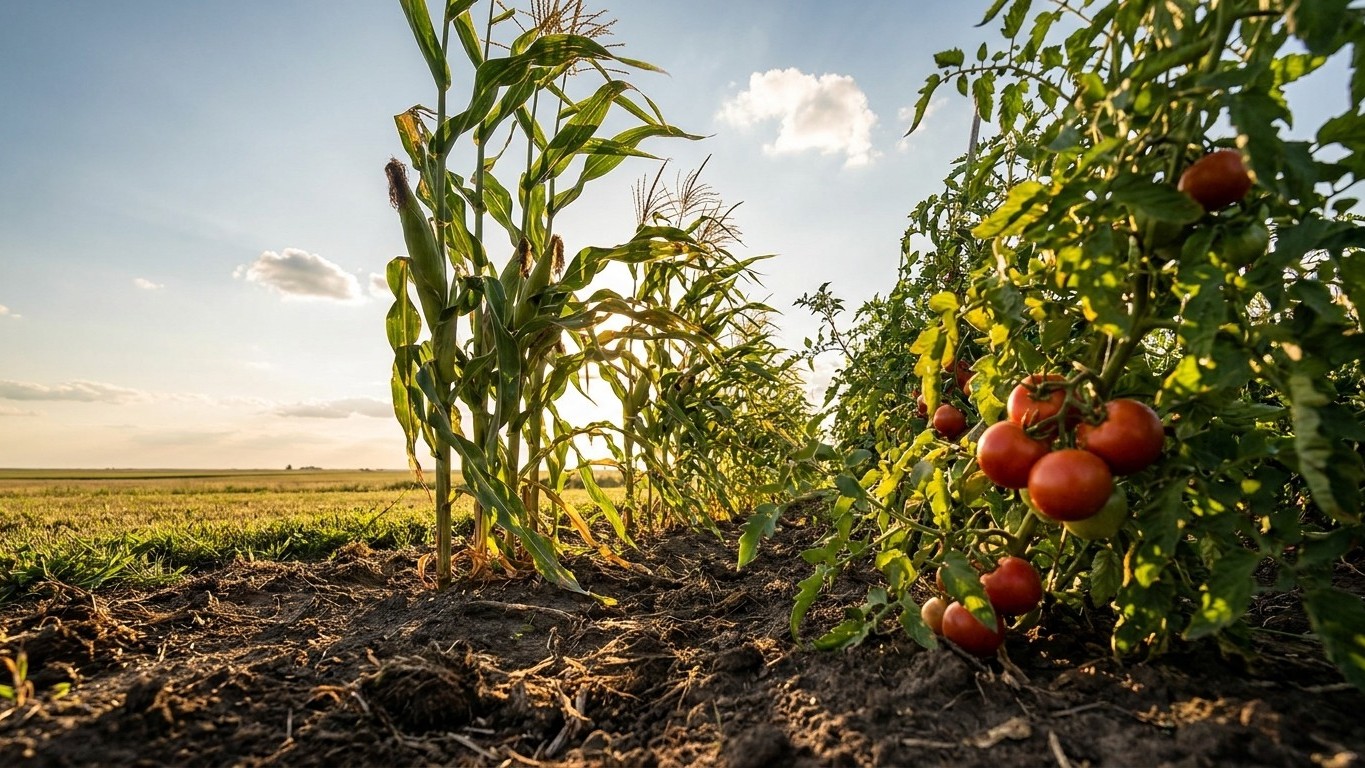
Before any insect shows up, three things can wreck a New Jersey corn crop: seed sown into soil that is still too cold, a variety that runs out of season…
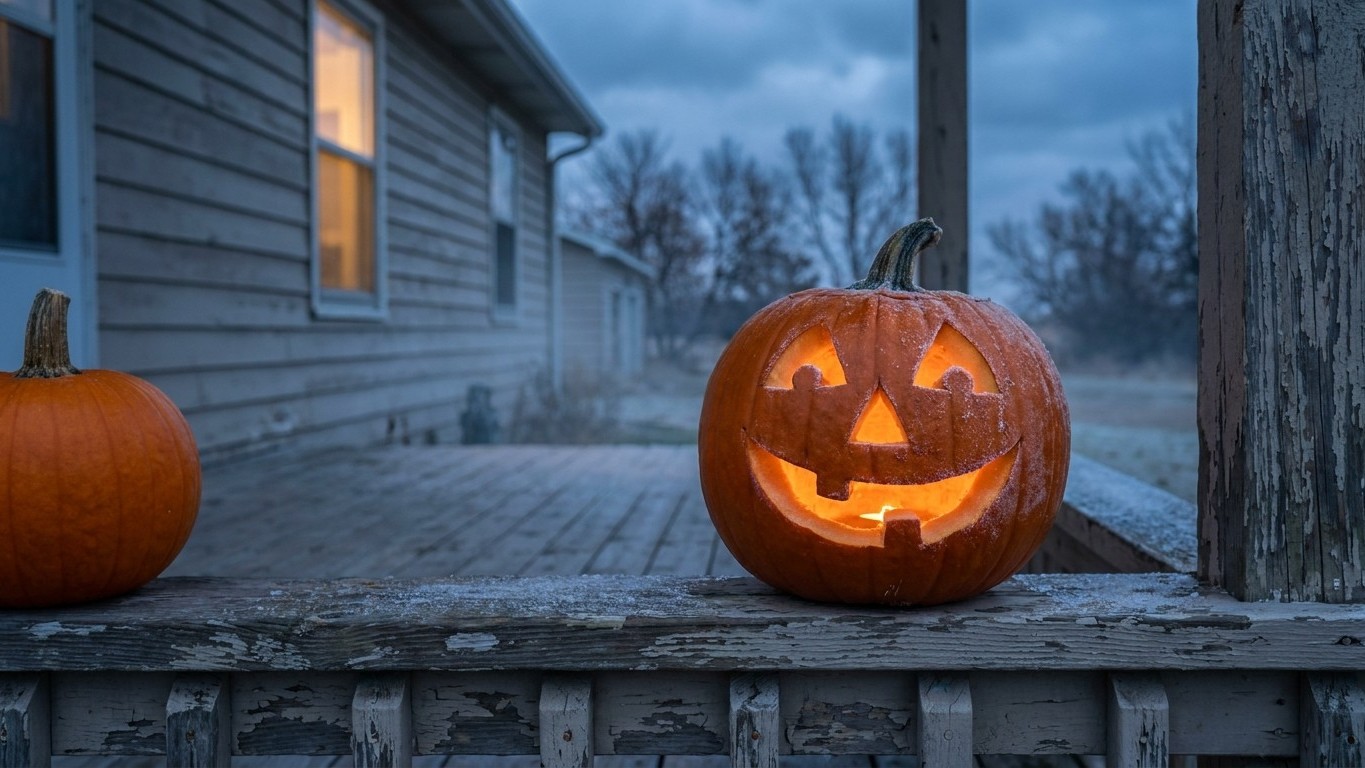
In New Jersey, pumpkins get eaten twice. Squash bugs, cucumber beetles and, later, deer, groundhogs and rodents chew on them through the growing season.
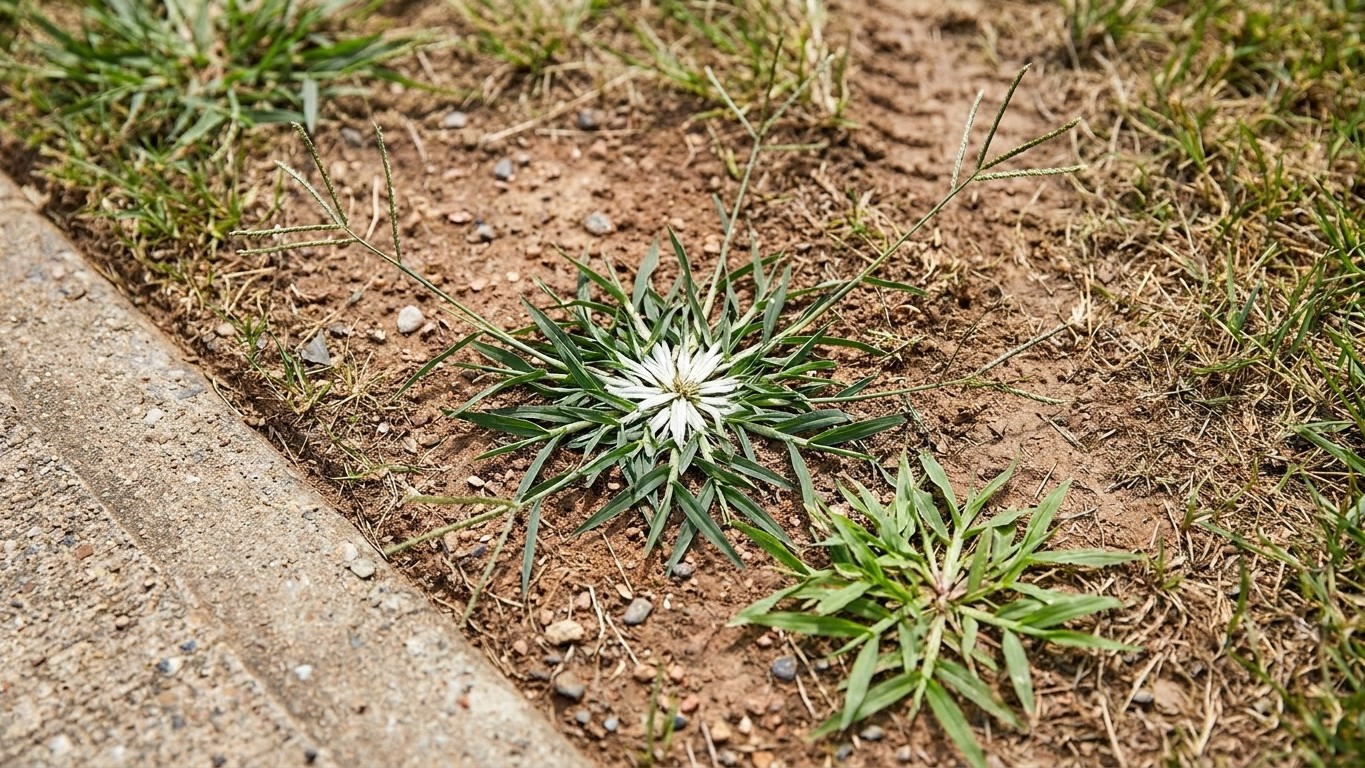
Most New Jersey lawns never need dethatching. The ones that do have a brown, spongy layer thicker than 0.75 inch, and the right window depends on the…