What Do Homes in New Jersey Cool With?

New Jersey homes cool almost universally with mechanical air conditioning, but the equipment underneath that number splits several ways.
Home & garden, state by state
Everything we have worked out for New Jersey: what to plant and when, which varieties finish in time, the pests that actually turn up here, and the jobs that pay off month by month. We also cover the rest of the property, from lawns and soil to home care and energy, because a garden rarely stops at the vegetable bed.
The numbers first, because everything else follows from them. Measured at the weather station in Newark, the last spring freeze runs March 29 to April 6 and the first fall freeze runs November 4 to November 16, USDA zones 6a-7b, 3,881 growing degree days in the year.
Garlic does well: 21.8 weeks below 40 °F, comfortably past the six it needs to form a proper head.
Elsewhere on the property in New Jersey: the pests that turn up here.
Figures from NOAA's 1991-2020 climate normals. A state is not one climate: elevation, a large lake or the coast can move these dates by two weeks either way, so check your own county with the extension service before you spend money.
New Jersey homes cool almost universally with mechanical air conditioning, but the equipment underneath that number splits several ways.
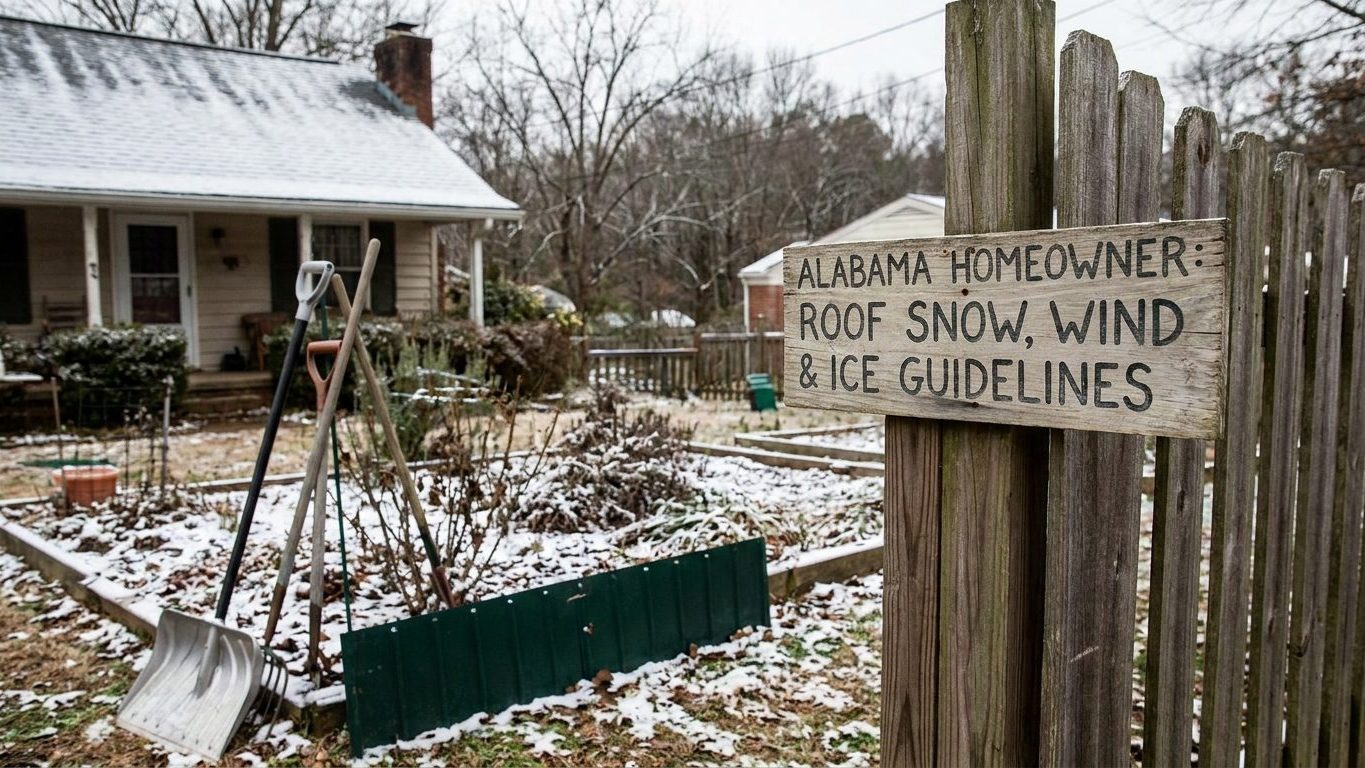
Newark’s ground snow load, converted roof value, wind speed and ice barrier rules explained for New Jersey homeowners planning a roof project or permit application.
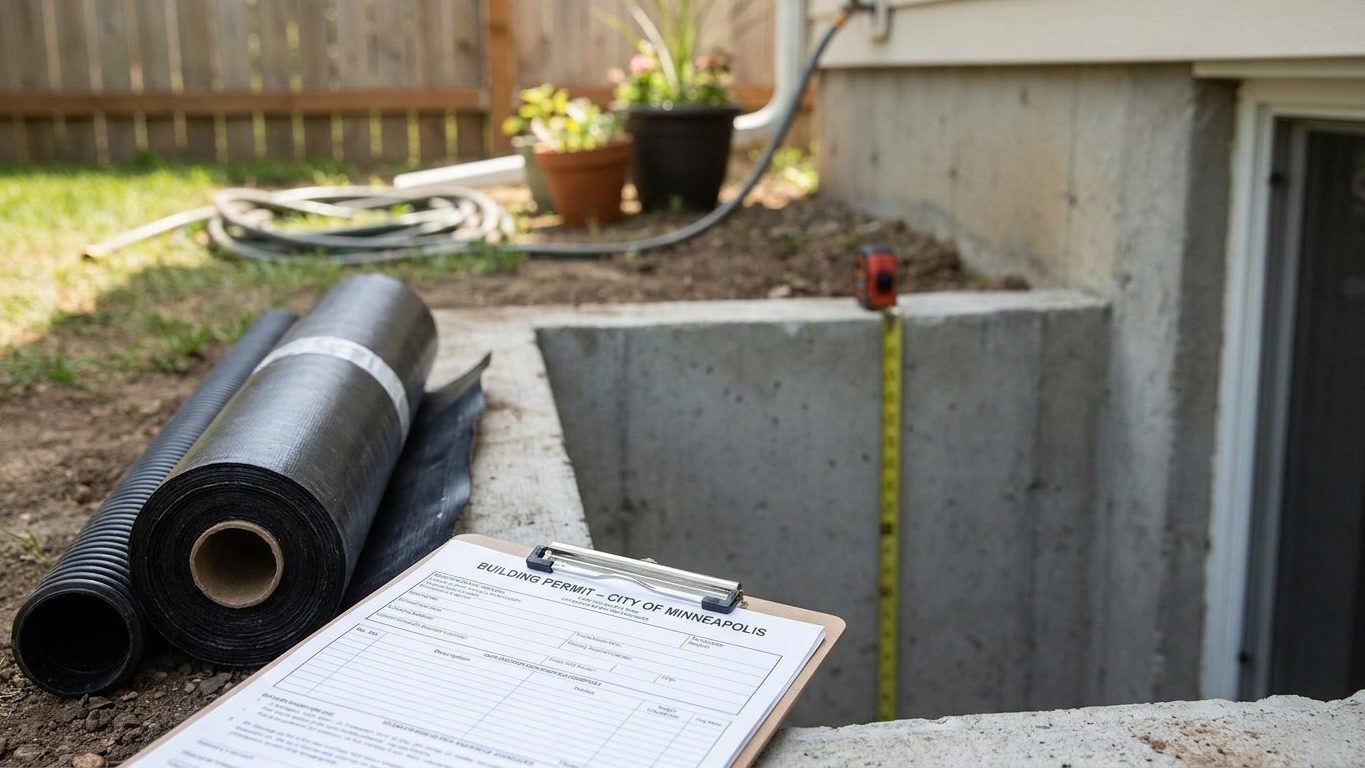
New Jersey’s statewide construction code governs basement permits, ceiling height, egress windows and moisture control, enforced the same in every municipality.
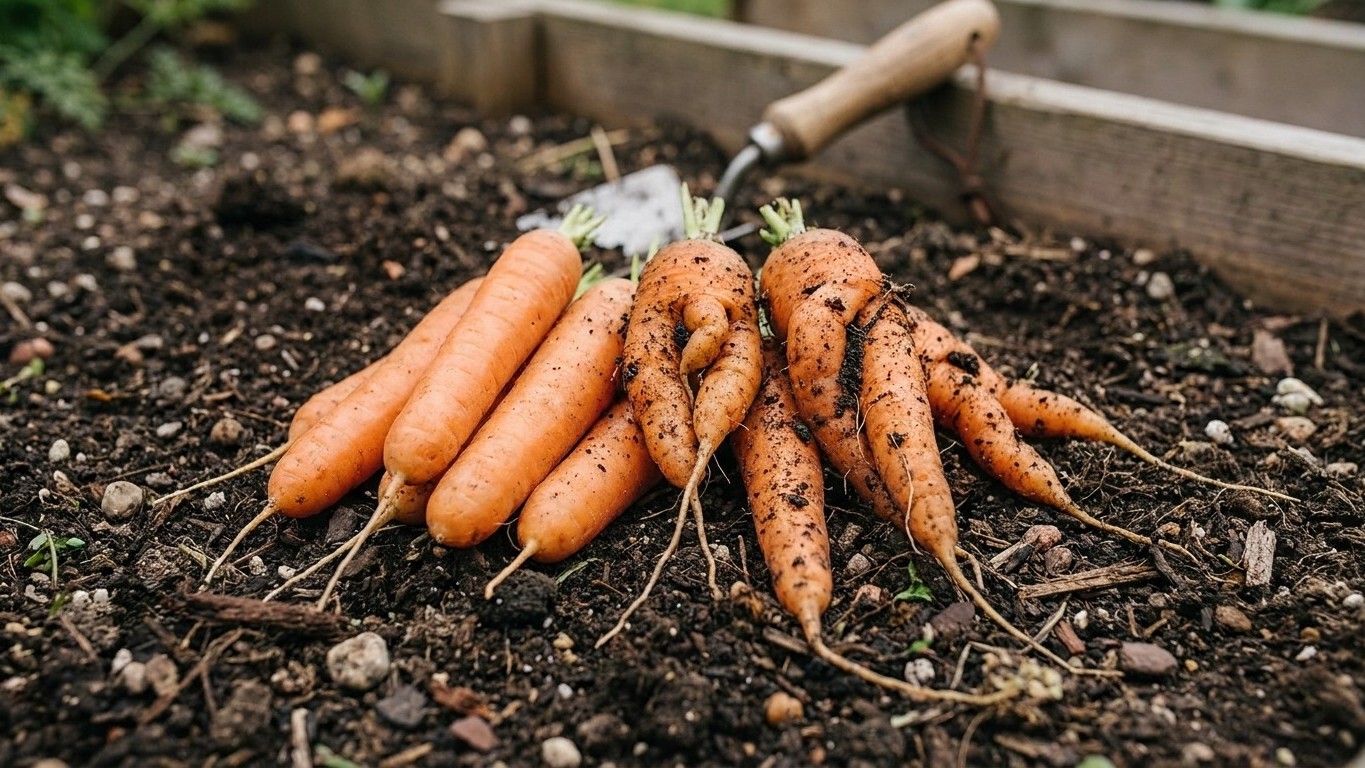
New Jersey’s Cooperative Extension has not published a state-specific list of carrot pest species in the sourced material behind this page.
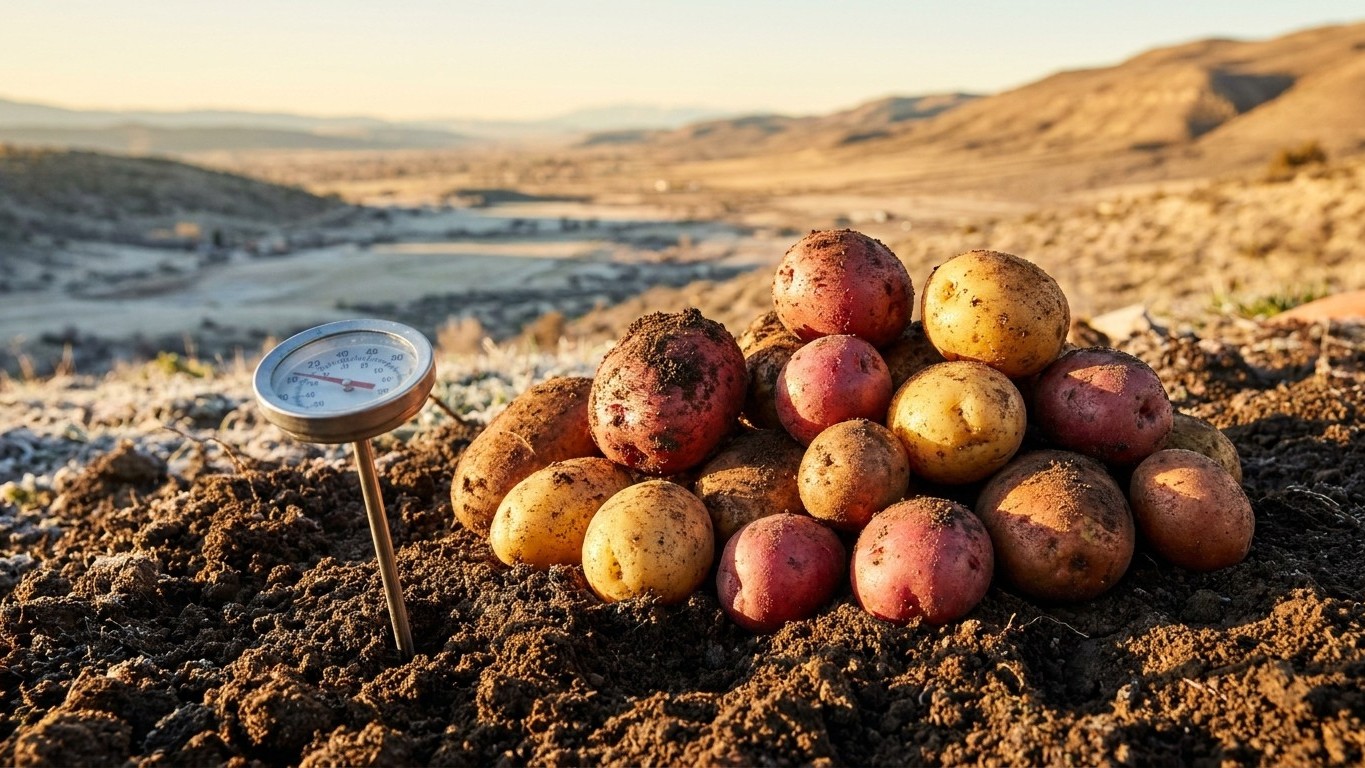
Colorado potato beetle is the main insect that eats potato foliage in New Jersey gardens, and tomato and tobacco hornworms will strip leaves too since…
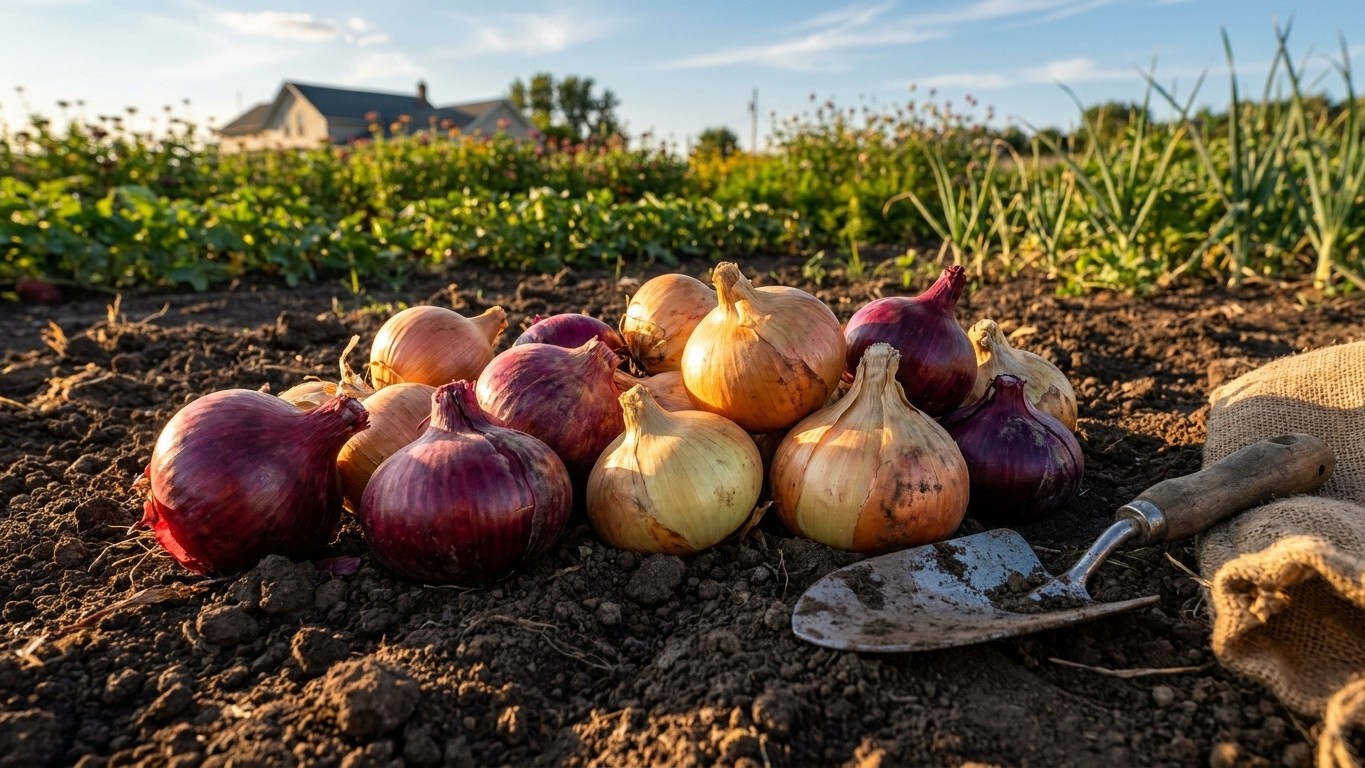
Onion foliage in New Jersey rarely gets hit by a dedicated onion pest. Rutgers NJAES Cooperative Extension’s documented list for the state’s vegetable…
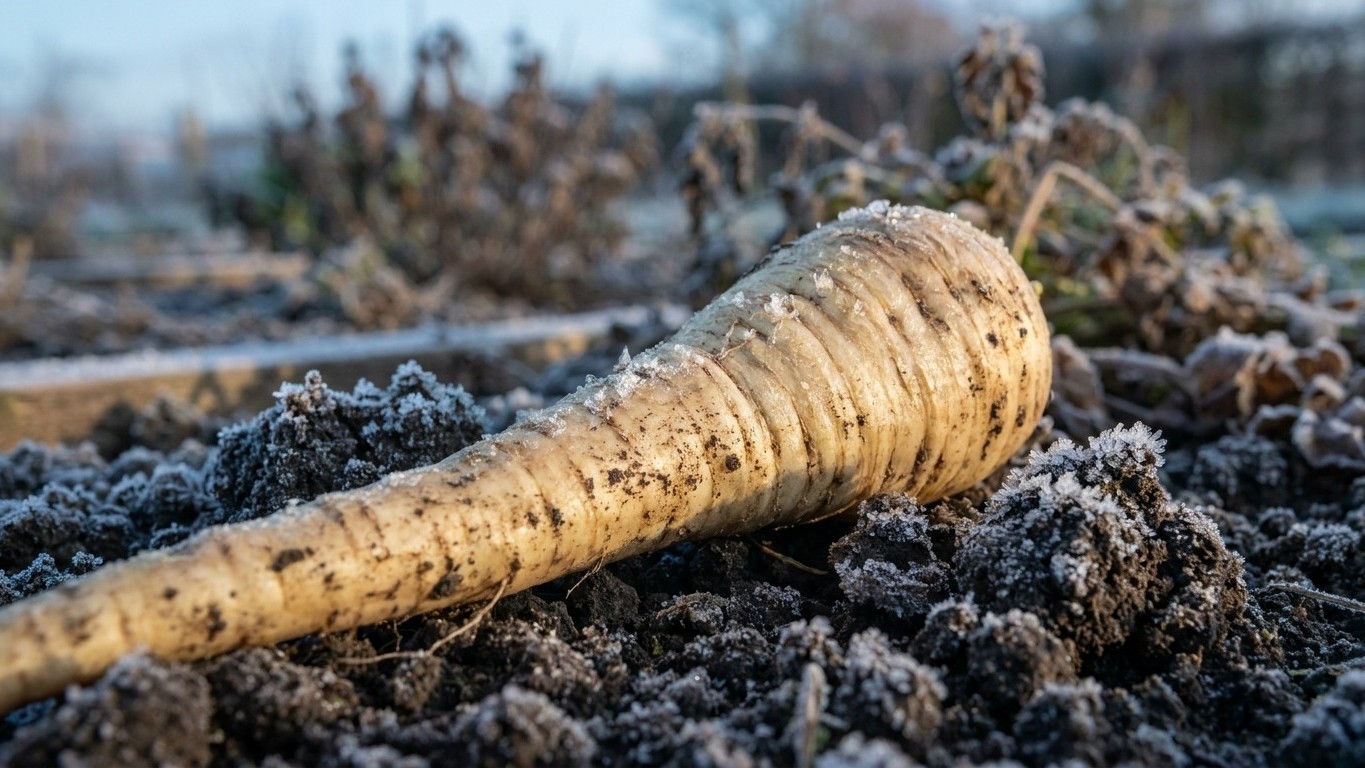
New Jersey gardeners searching for a parsnip-specific pest come up mostly empty.
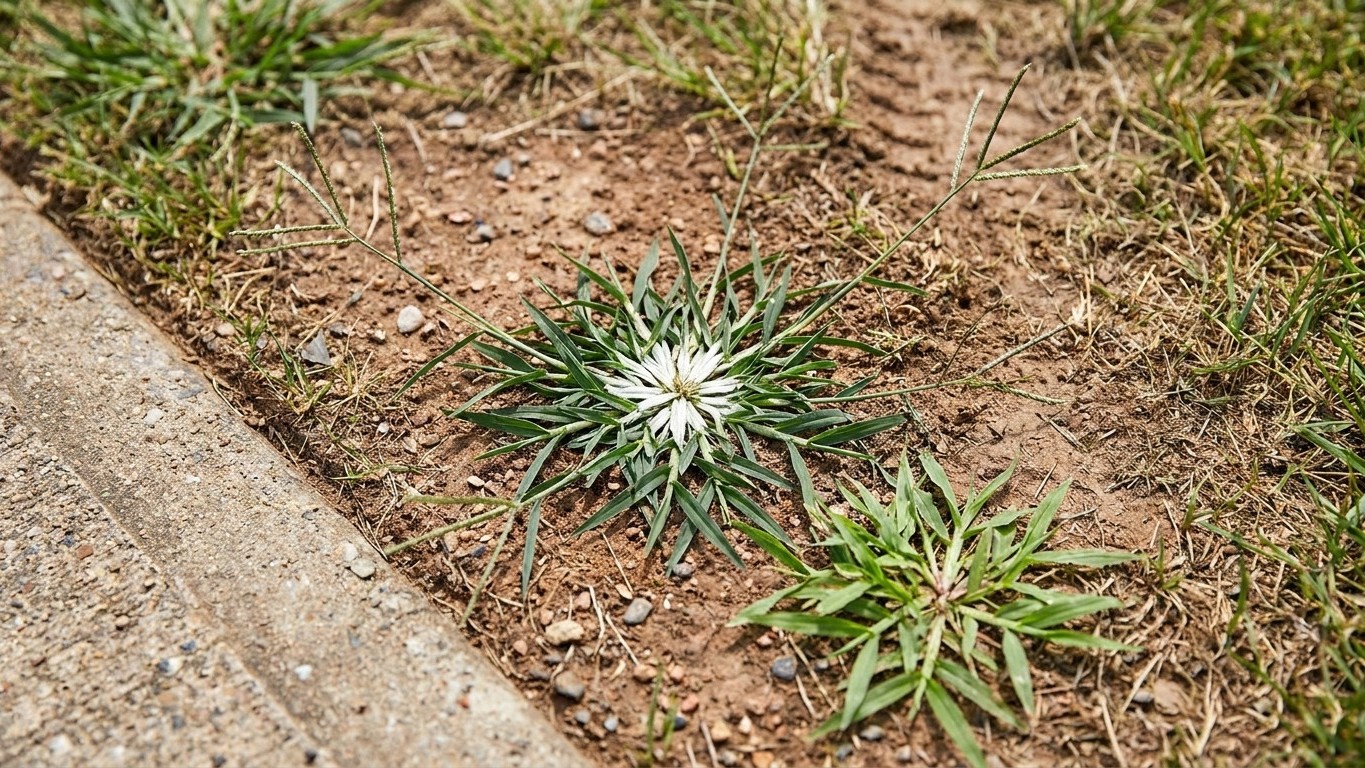
The safe overseeding window for most New Jersey lawns runs from mid-August through late September, closing by early October at the latest.
For most of New Jersey, the last spring frost falls between March 29 and April 6, and the first fall frost arrives between November 4 and November 16…
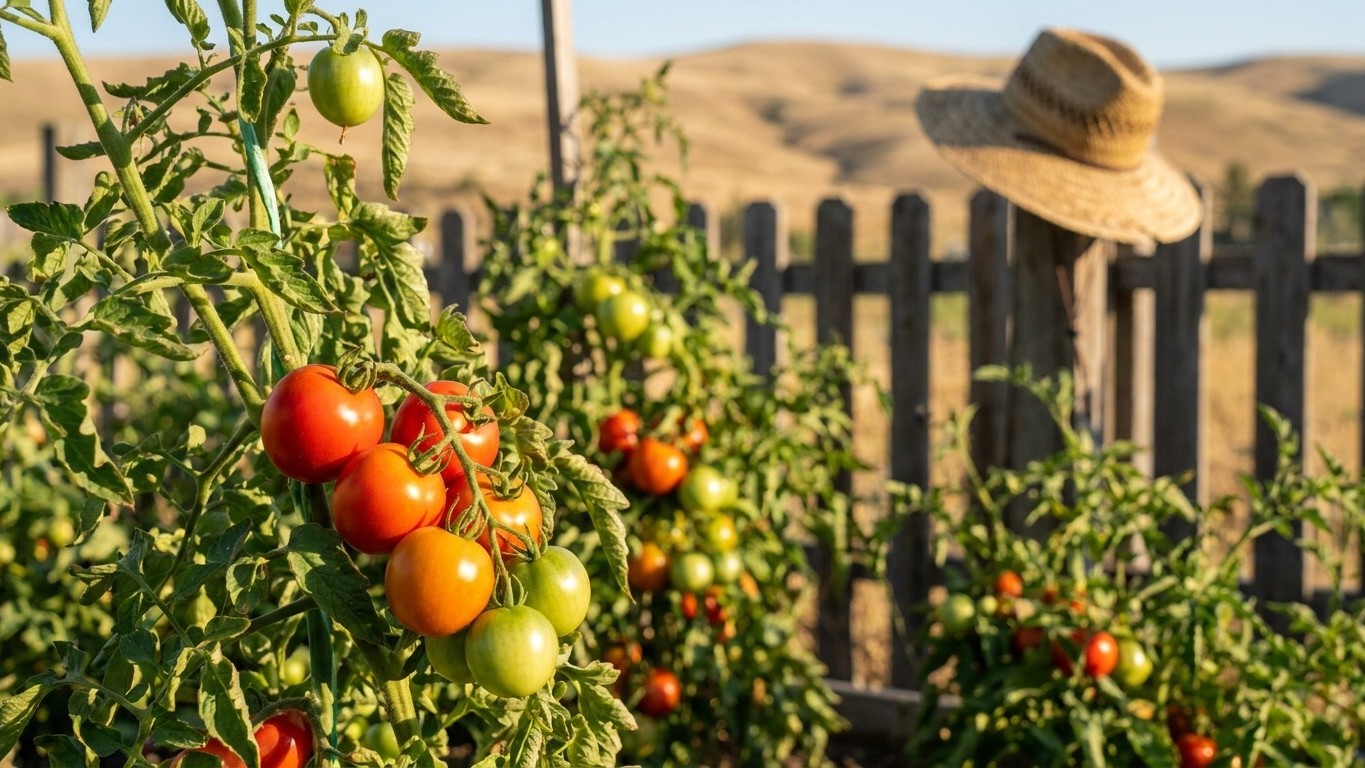
The short answer: pick most tomatoes by color and feel, when they’ve turned full red (or their variety’s ripe color) and give slightly under gentle…