When to Sow Parsnips in New Jersey
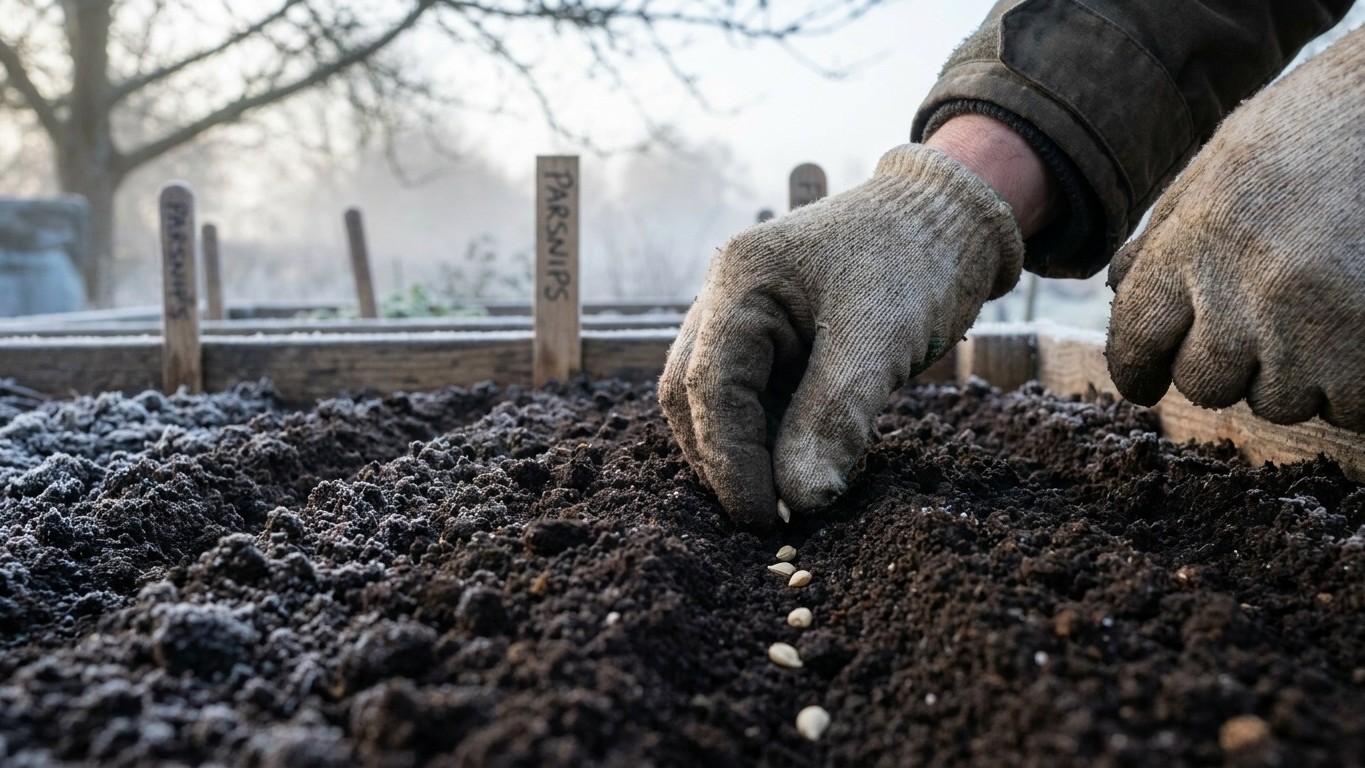
In New Jersey, sow parsnip seed directly in the garden between roughly March 8 and March 23, two to three weeks before the last spring frost, which…
Home & garden, state by state
Everything we have worked out for New Jersey: what to plant and when, which varieties finish in time, the pests that actually turn up here, and the jobs that pay off month by month. We also cover the rest of the property, from lawns and soil to home care and energy, because a garden rarely stops at the vegetable bed.
The numbers first, because everything else follows from them. Measured at the weather station in Newark, the last spring freeze runs March 29 to April 6 and the first fall freeze runs November 4 to November 16, USDA zones 6a-7b, 3,881 growing degree days in the year.
Garlic does well: 21.8 weeks below 40 °F, comfortably past the six it needs to form a proper head.
Elsewhere on the property in New Jersey: the pests that turn up here.
Figures from NOAA's 1991-2020 climate normals. A state is not one climate: elevation, a large lake or the coast can move these dates by two weeks either way, so check your own county with the extension service before you spend money.
In New Jersey, sow parsnip seed directly in the garden between roughly March 8 and March 23, two to three weeks before the last spring frost, which…
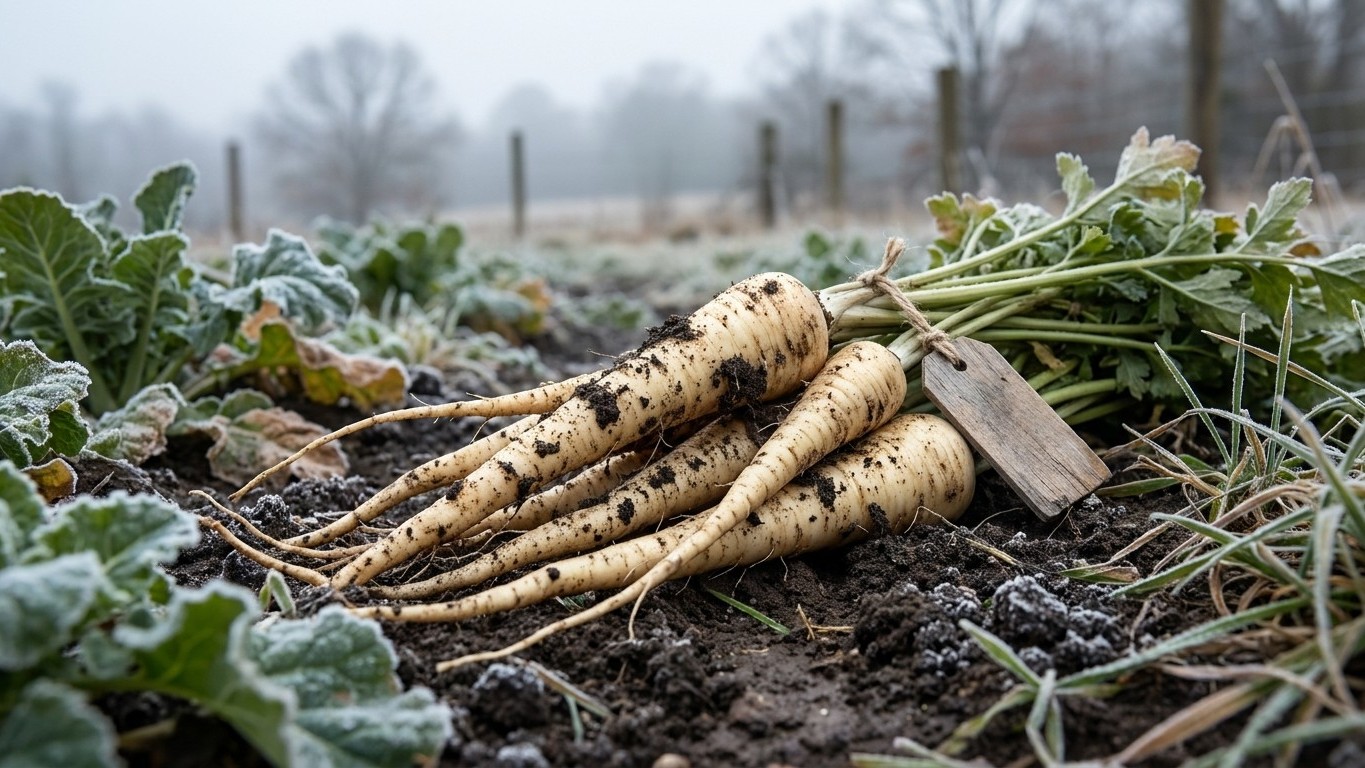
Yes. New Jersey’s winters deliver a mean minimum of 25.5°F in the coldest month, well below freezing for weeks at a stretch.
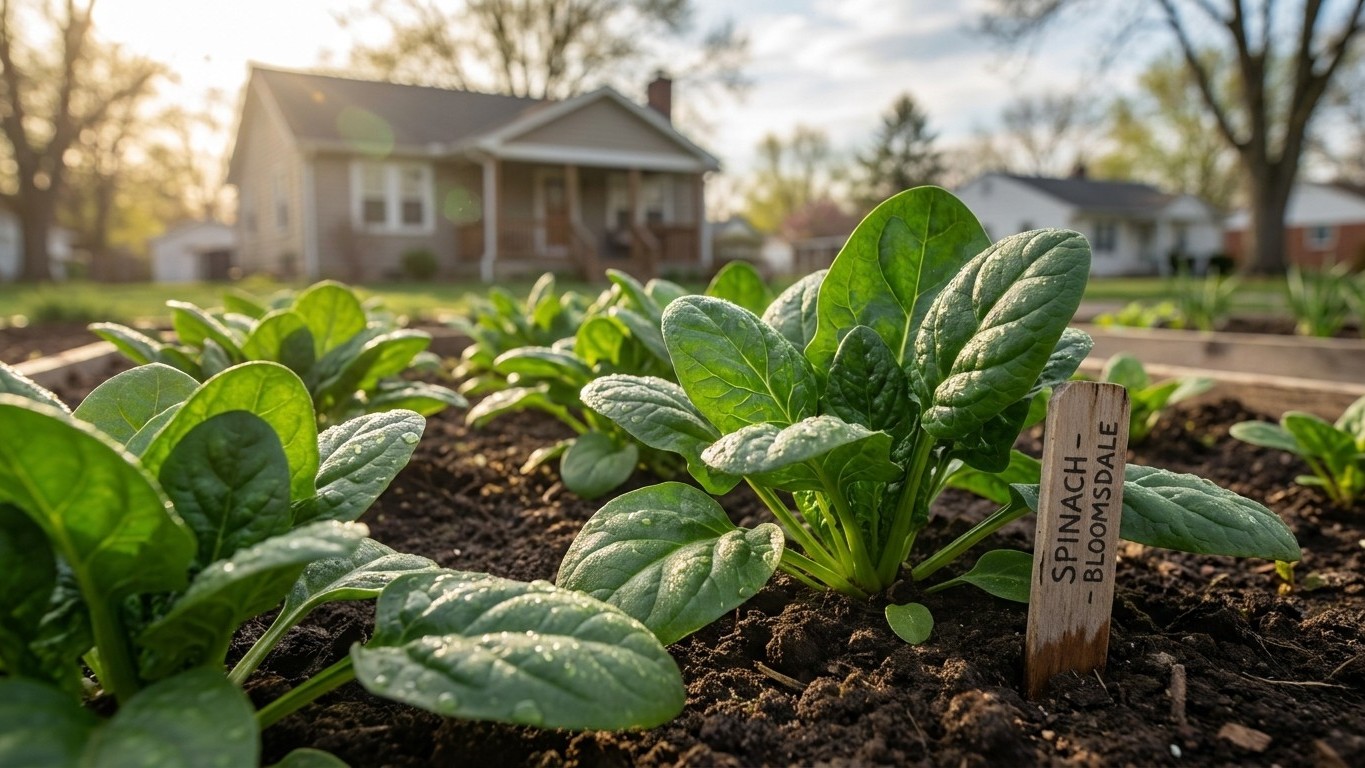
Spring-sown spinach in New Jersey starts bolting as day length and warmth climb together, usually pushing plants to flower by the time late spring turns…
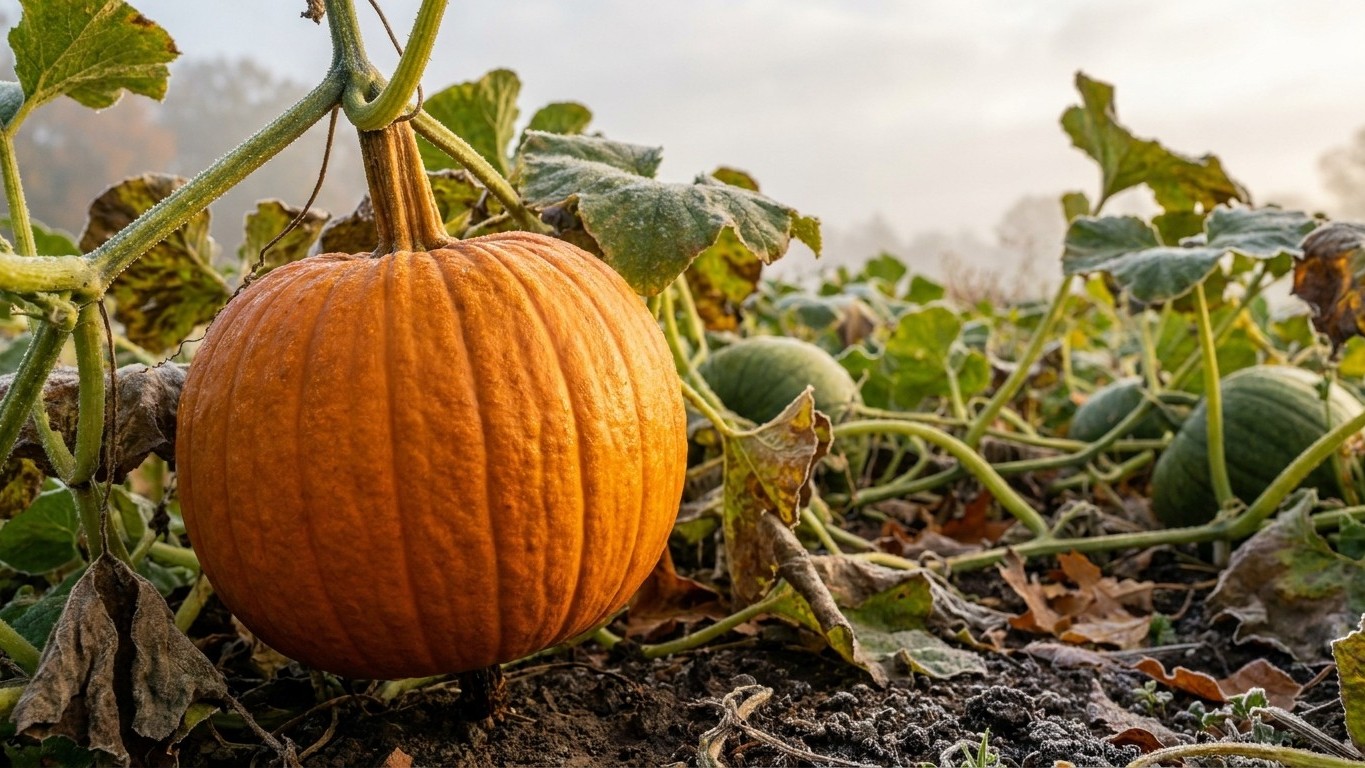
Yes, in most of New Jersey, but only if the flowers open by roughly mid-September.
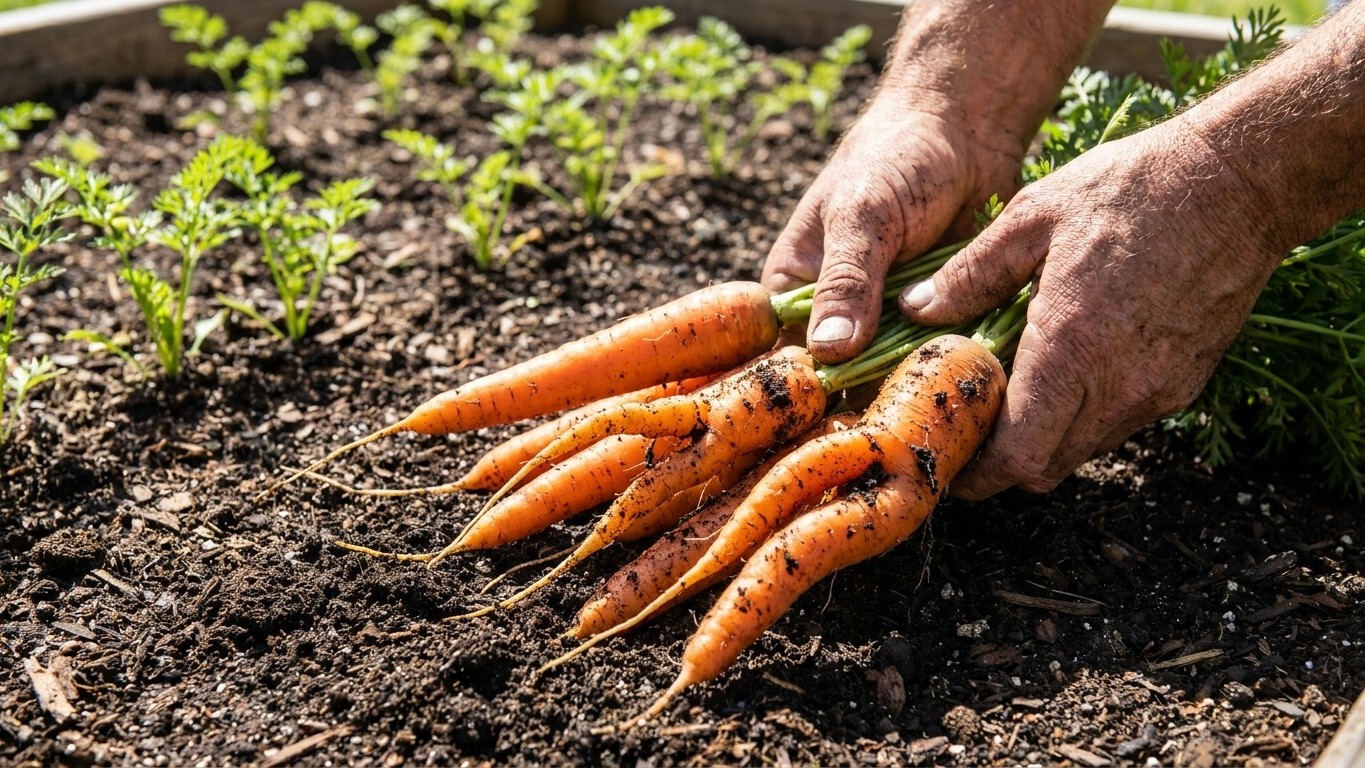
New Jersey gardeners put carrot seed straight into the ground while the soil is still cool, well ahead of the last frost, because this root crop handles…
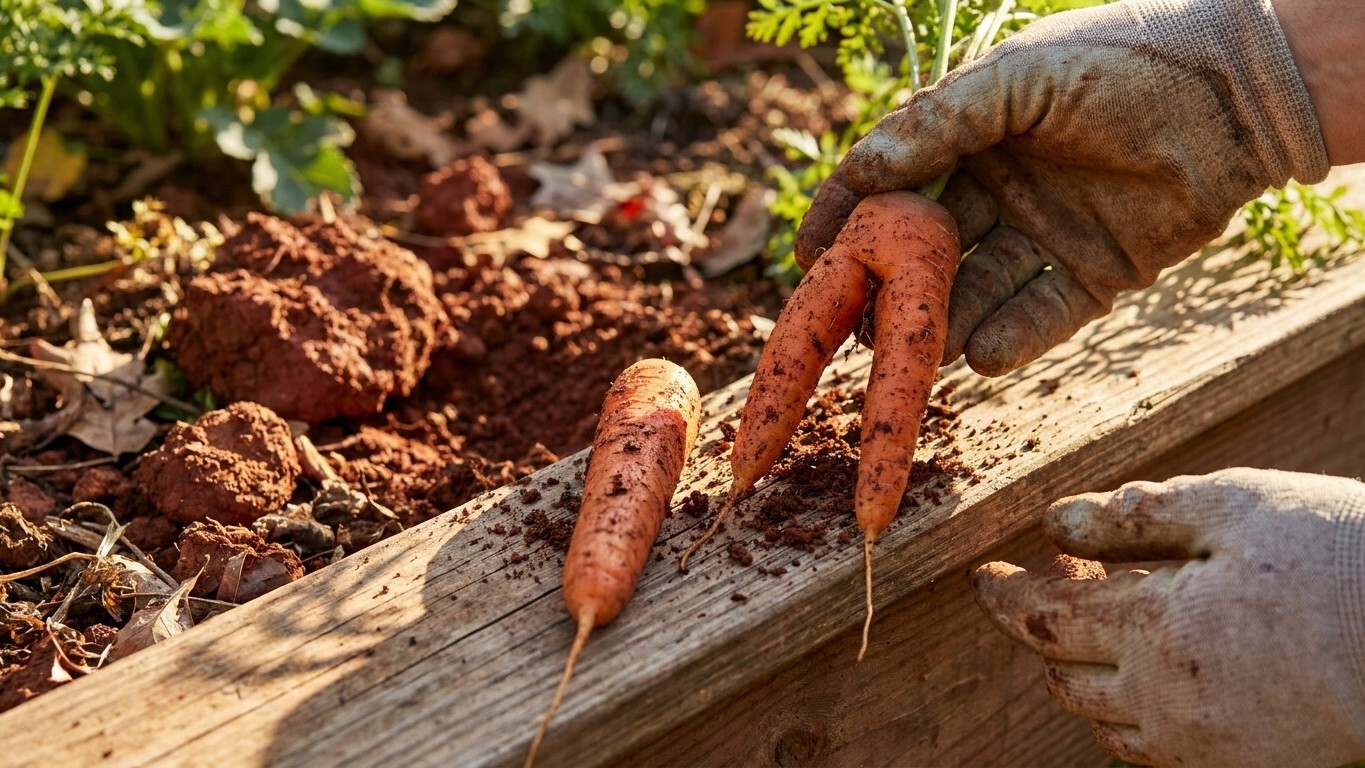
New Jersey’s representative soil, the Downer series, runs 79 percent sand and only 6 percent clay, with a well-drained profile that carrots generally like.
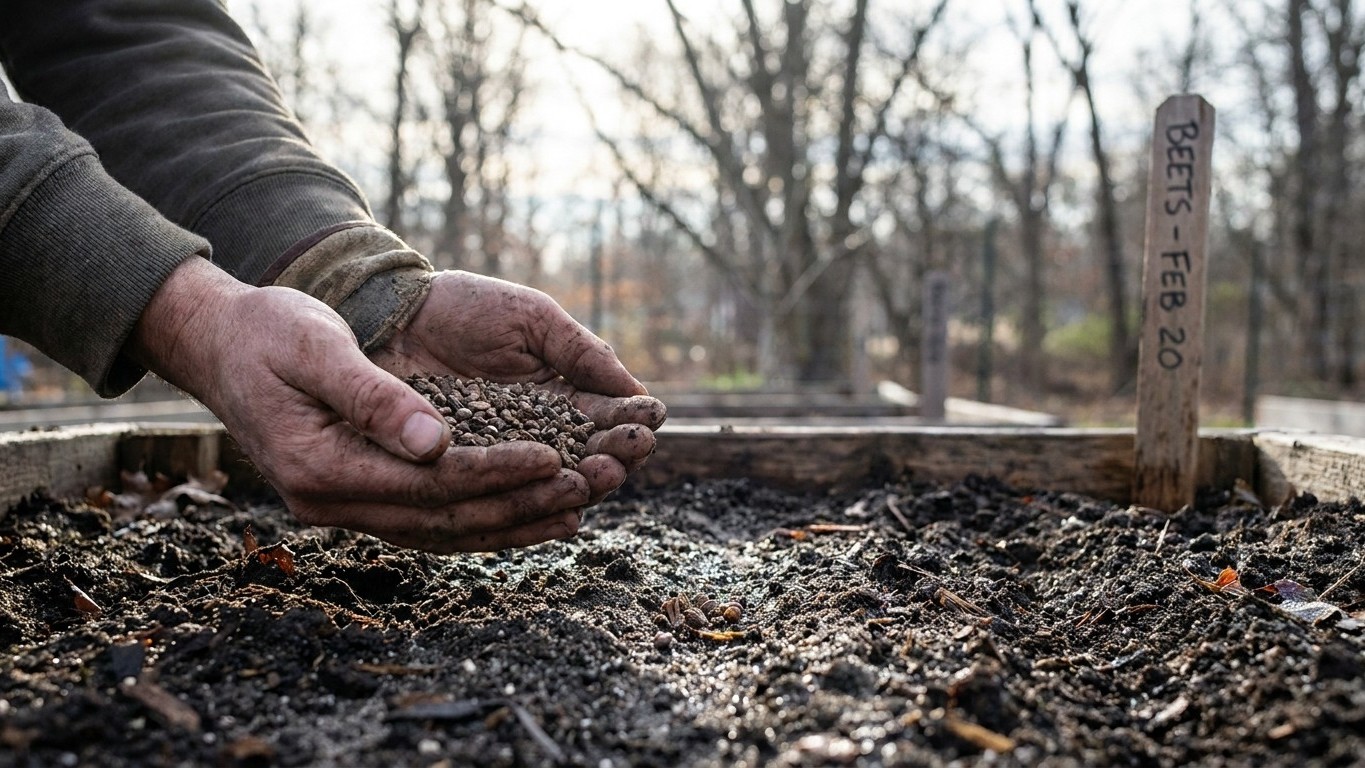
In New Jersey, get beet seed into the ground directly (beets don’t transplant well) two to three weeks before the last spring frost.
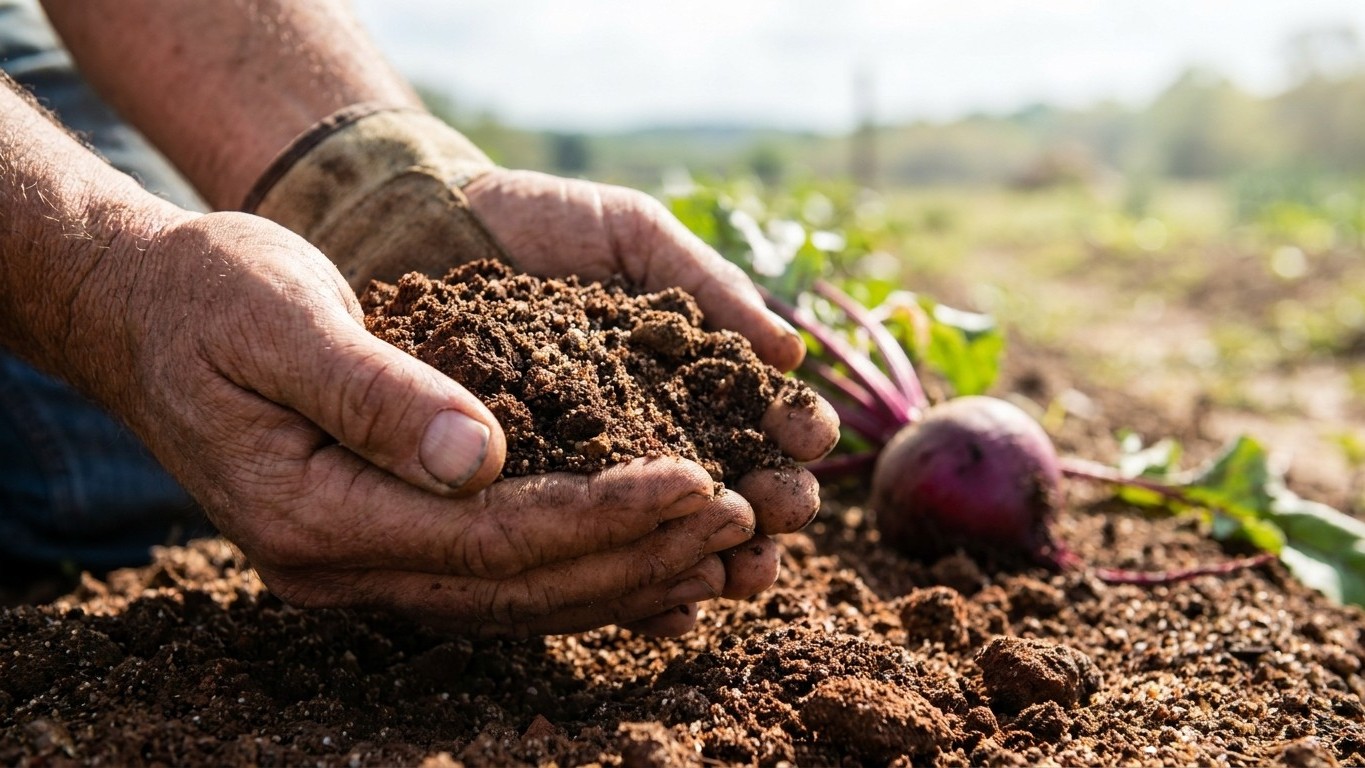
New Jersey’s benchmark soil, the Downer series, is 79 percent sand and drains fast, which is close to what a beet root wants structurally.
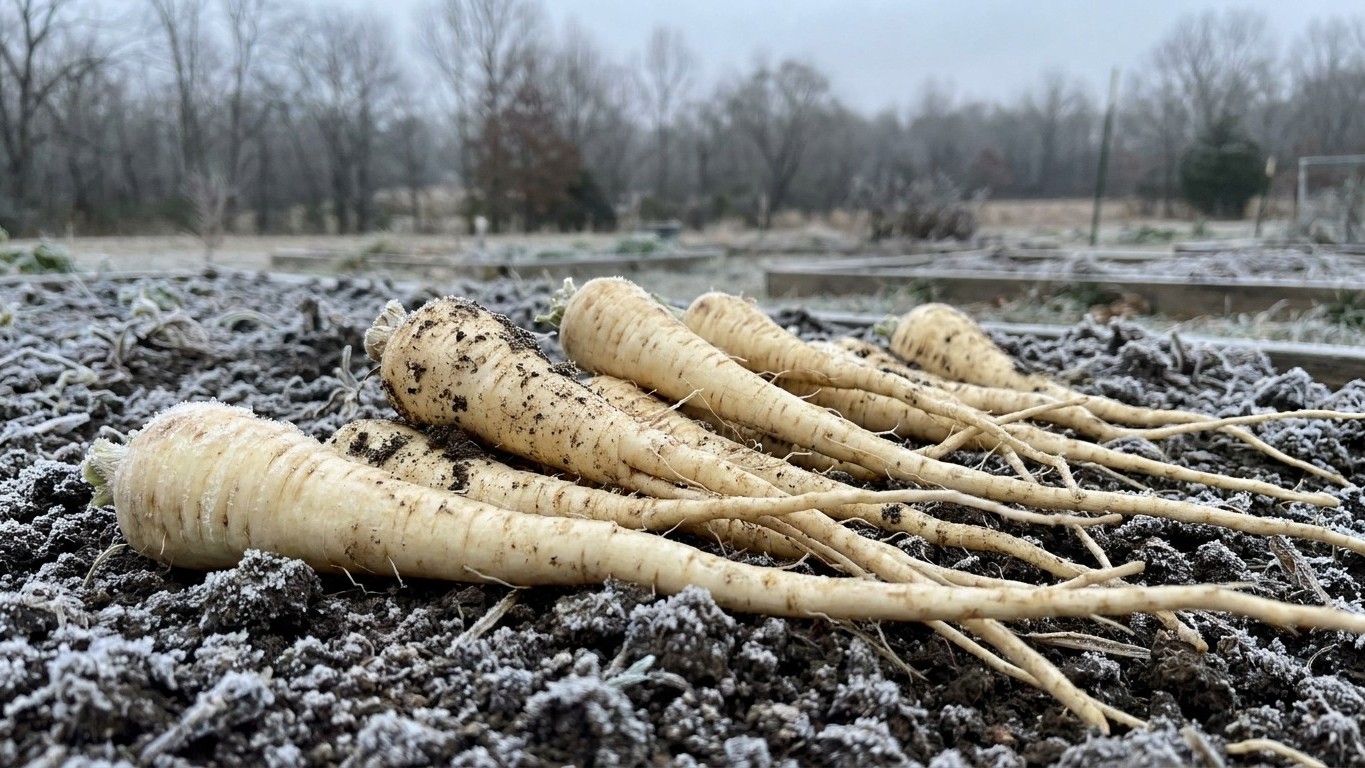
Yes, on the numbers: New Jersey delivers several genuinely frosty weeks most winters, and that’s the mechanism that turns a starchy parsnip into a sweet…
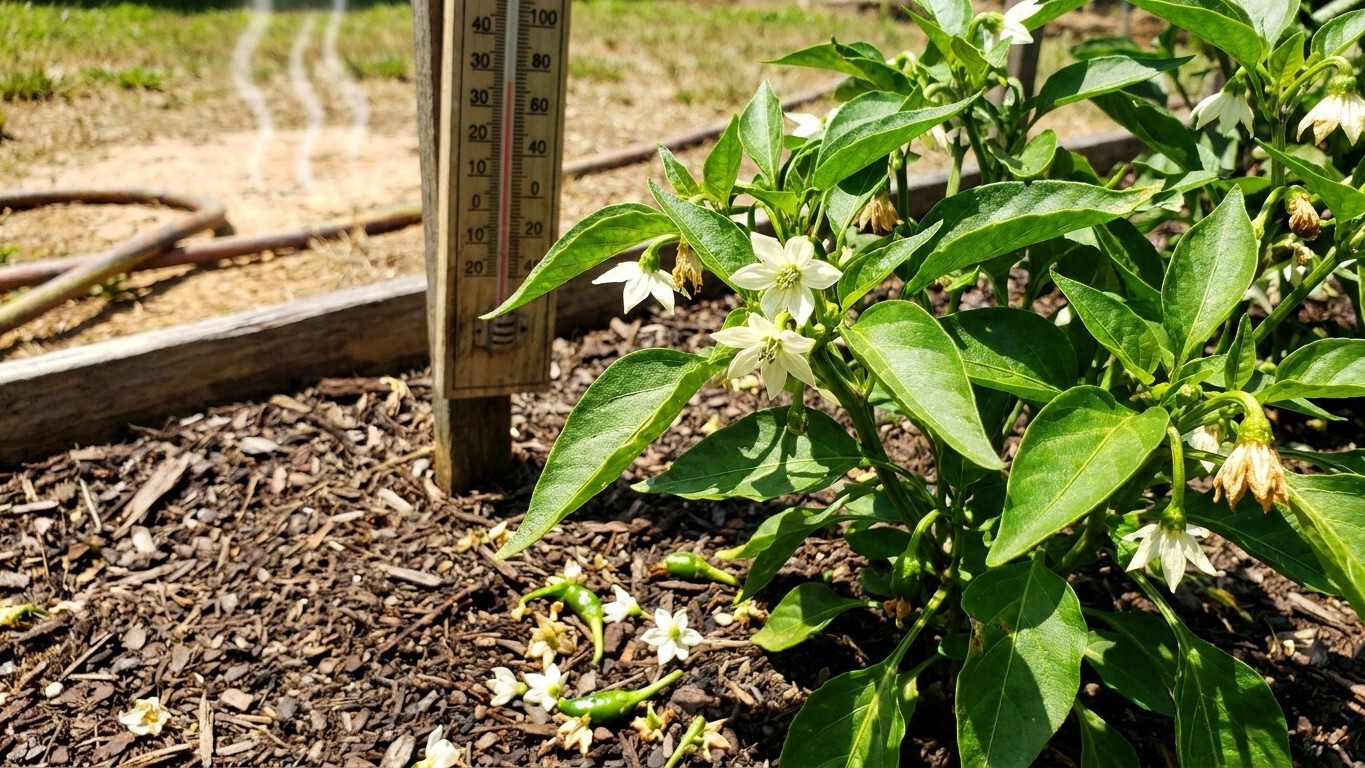
Peppers stall out in New Jersey gardens for one of two opposite reasons: the air gets too hot for pollen to stay viable, or a stretch of chilly nights…