What Eats Pepper in New Mexico, and When
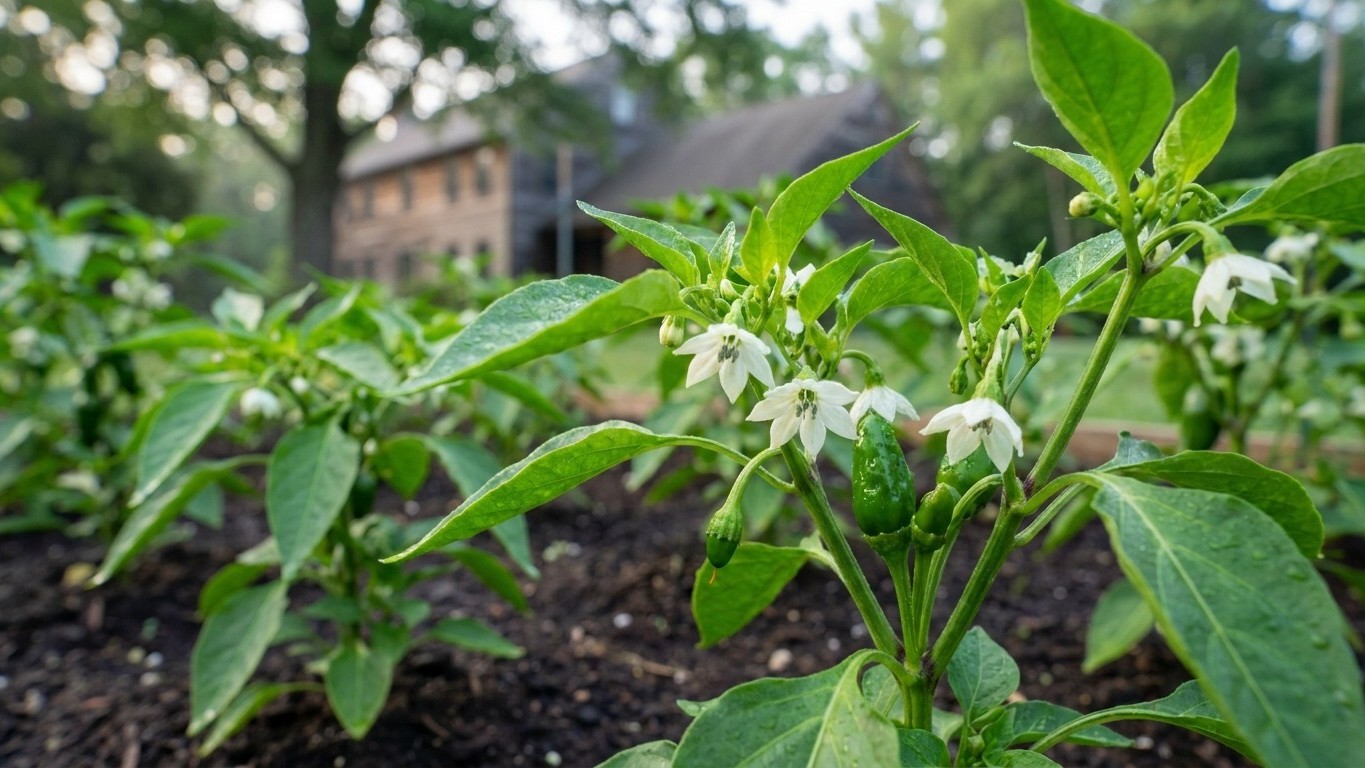
The honest answer is that no single published source names a specific list of insects or animals that feed on pepper plants in New Mexico.
Home & garden, state by state
Everything we have worked out for New Mexico: what to plant and when, which varieties finish in time, the pests that actually turn up here, and the jobs that pay off month by month. We also cover the rest of the property, from lawns and soil to home care and energy, because a garden rarely stops at the vegetable bed.
The numbers first, because everything else follows from them. Measured at the weather station in Albuquerque, the last spring freeze runs March 31 to April 12 and the first fall freeze runs October 29 to November 9, USDA zones 4b-9a, 4,341 growing degree days in the year.
Garlic does well: 21.8 weeks below 40 °F, comfortably past the six it needs to form a proper head.
Elsewhere on the property in New Mexico: the pests that turn up here.
Figures from NOAA's 1991-2020 climate normals. A state is not one climate: elevation, a large lake or the coast can move these dates by two weeks either way, so check your own county with the extension service before you spend money.
The honest answer is that no single published source names a specific list of insects or animals that feed on pepper plants in New Mexico.
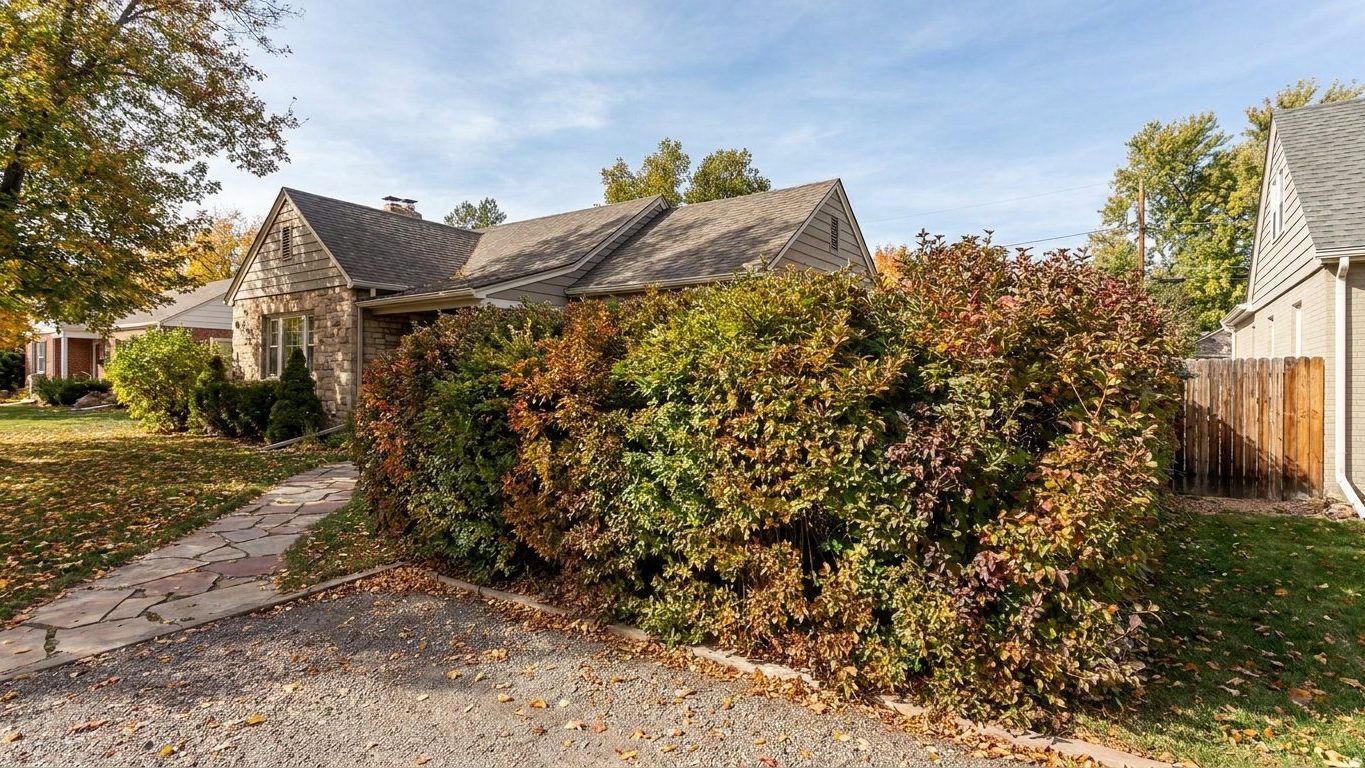
New Mexico has no statewide hedge height limit. There’s no statute in the state code that says a hedge can be 4 feet or 6 feet or anything else.
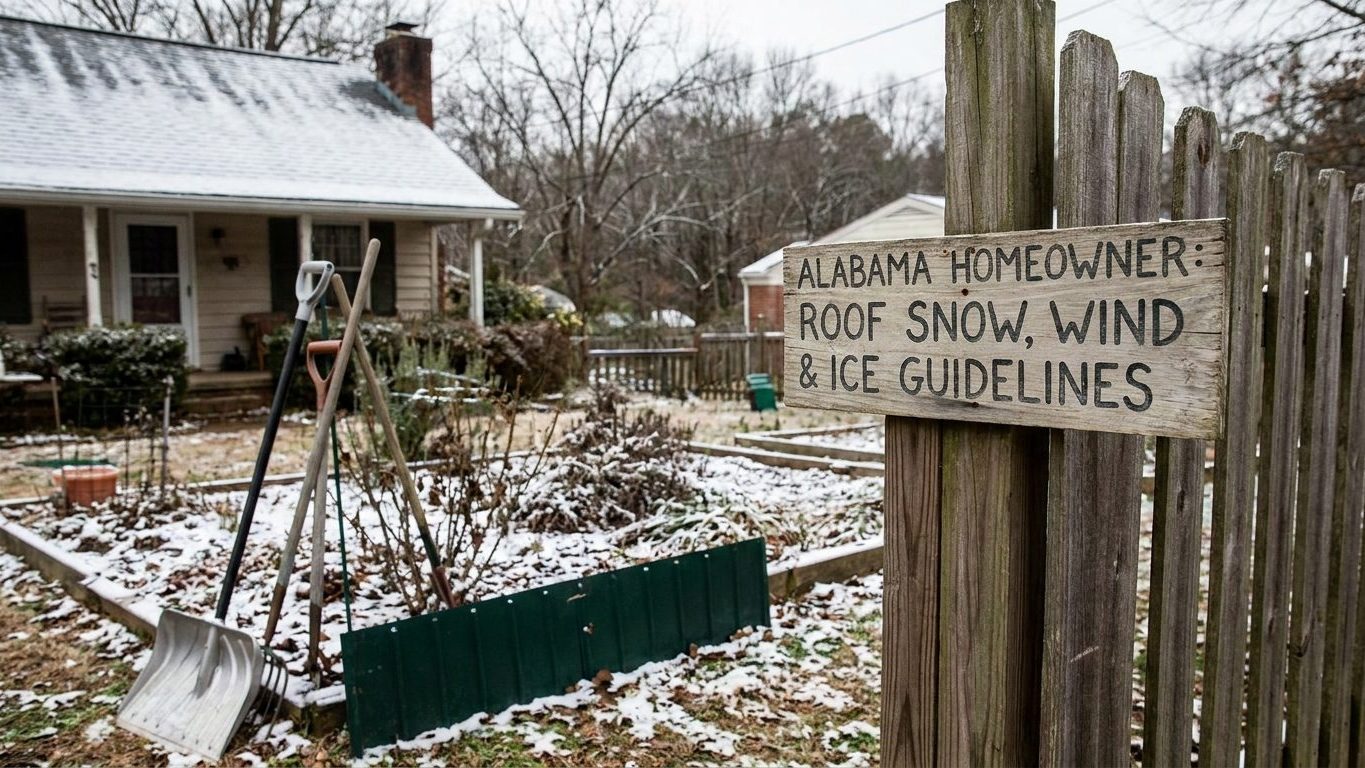
Albuquerque’s design snow load, wind speed and New Mexico’s ice barrier rule, explained with the exact figures a permit and truss drawing use.
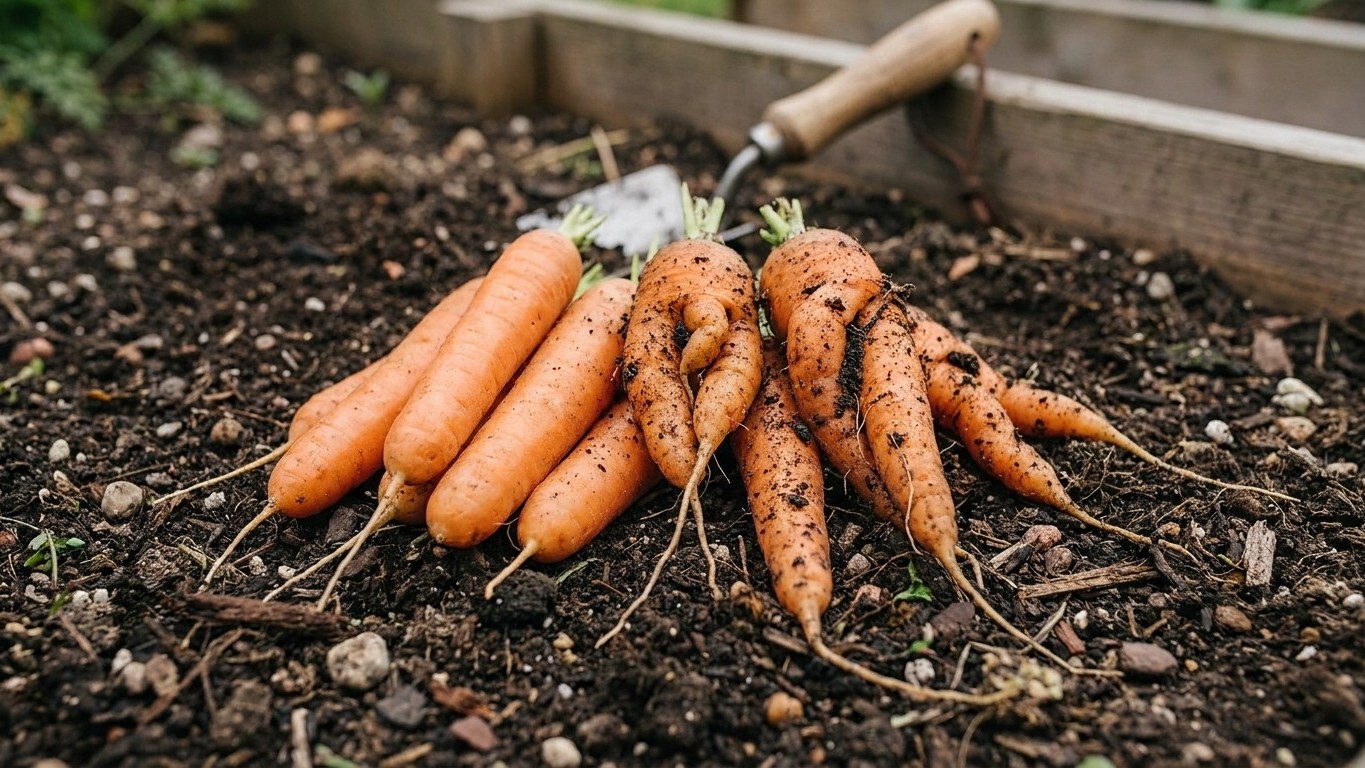
New Mexico’s own extension record does not carry a named, state-specific list of insects that feed on carrot roots or foliage.
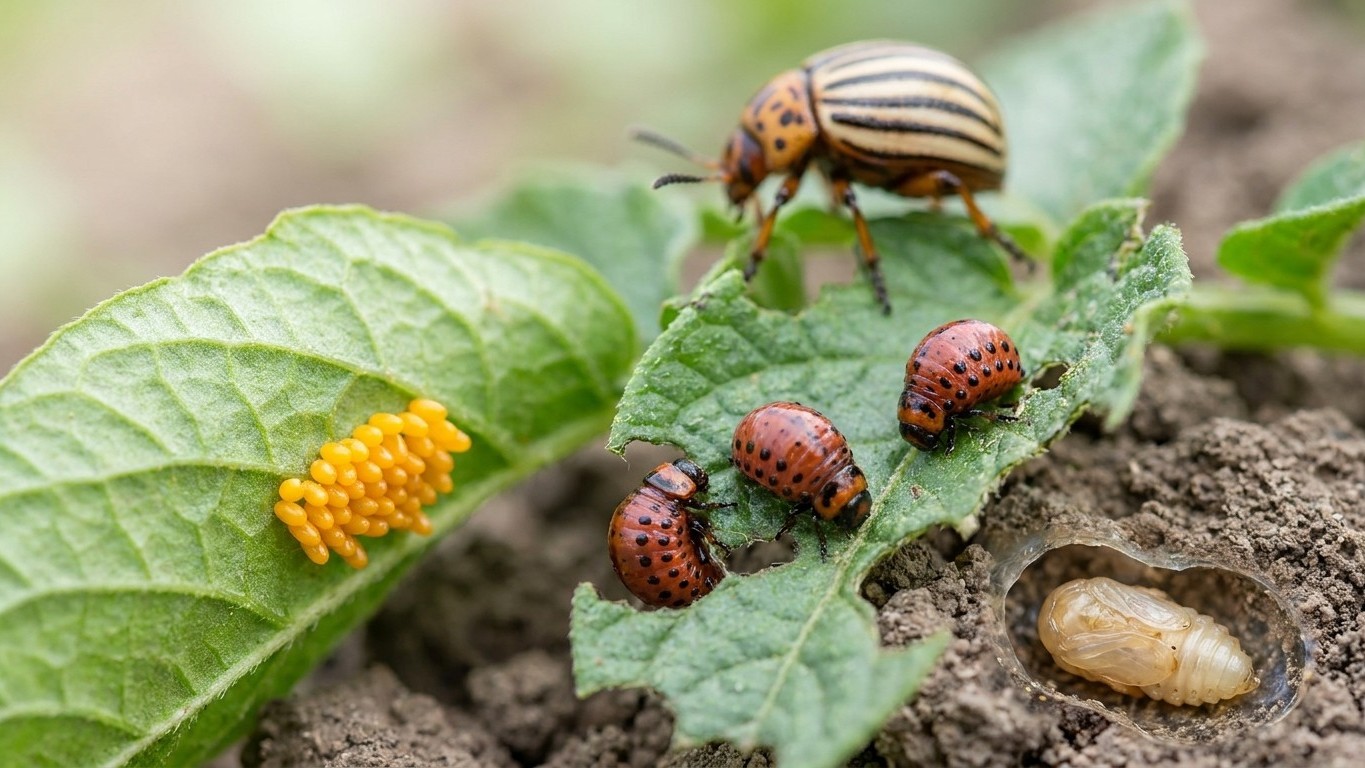
New Mexico State University Extension documents ten insect and mite pests across vegetable crops statewide, but only a handful of those actually feed on…
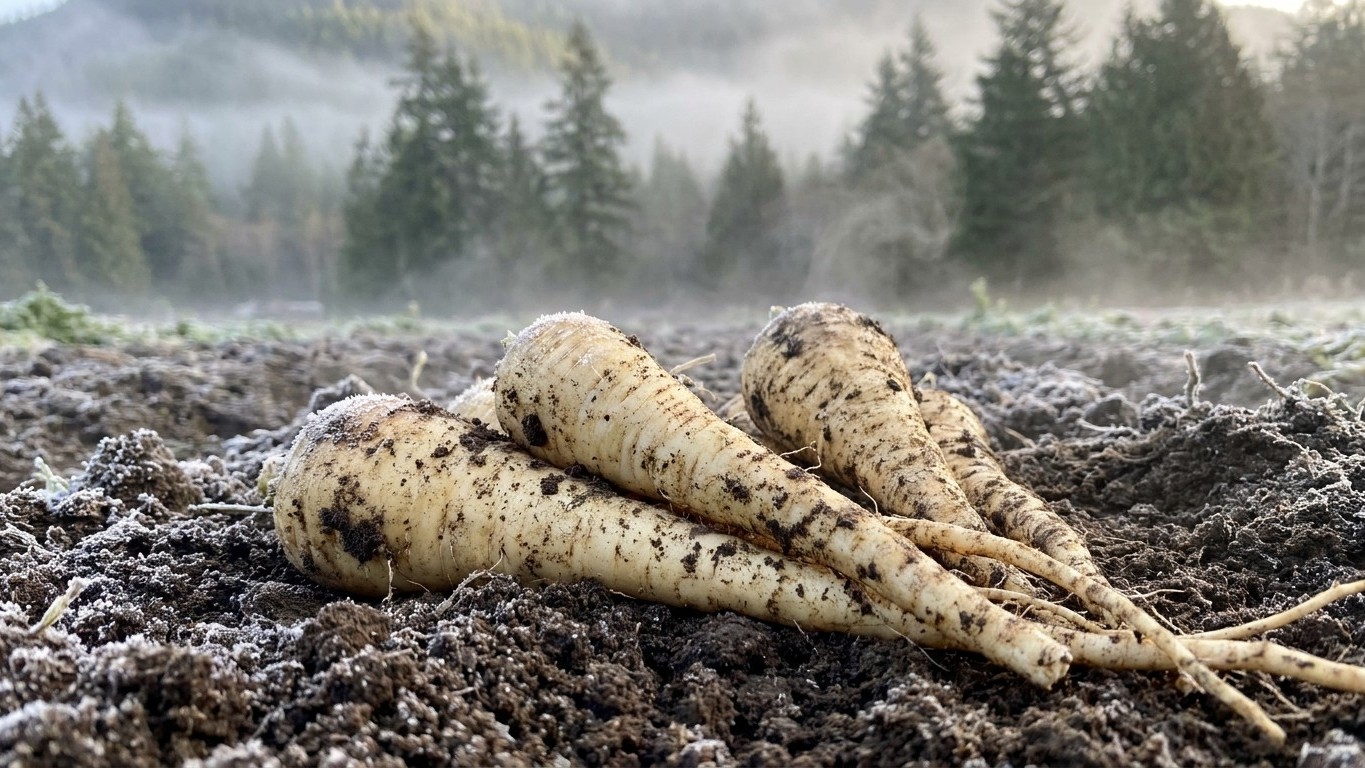
New Mexico State University Extension documents ten insect pests active in New Mexico vegetable gardens, but only about half of them have any real…
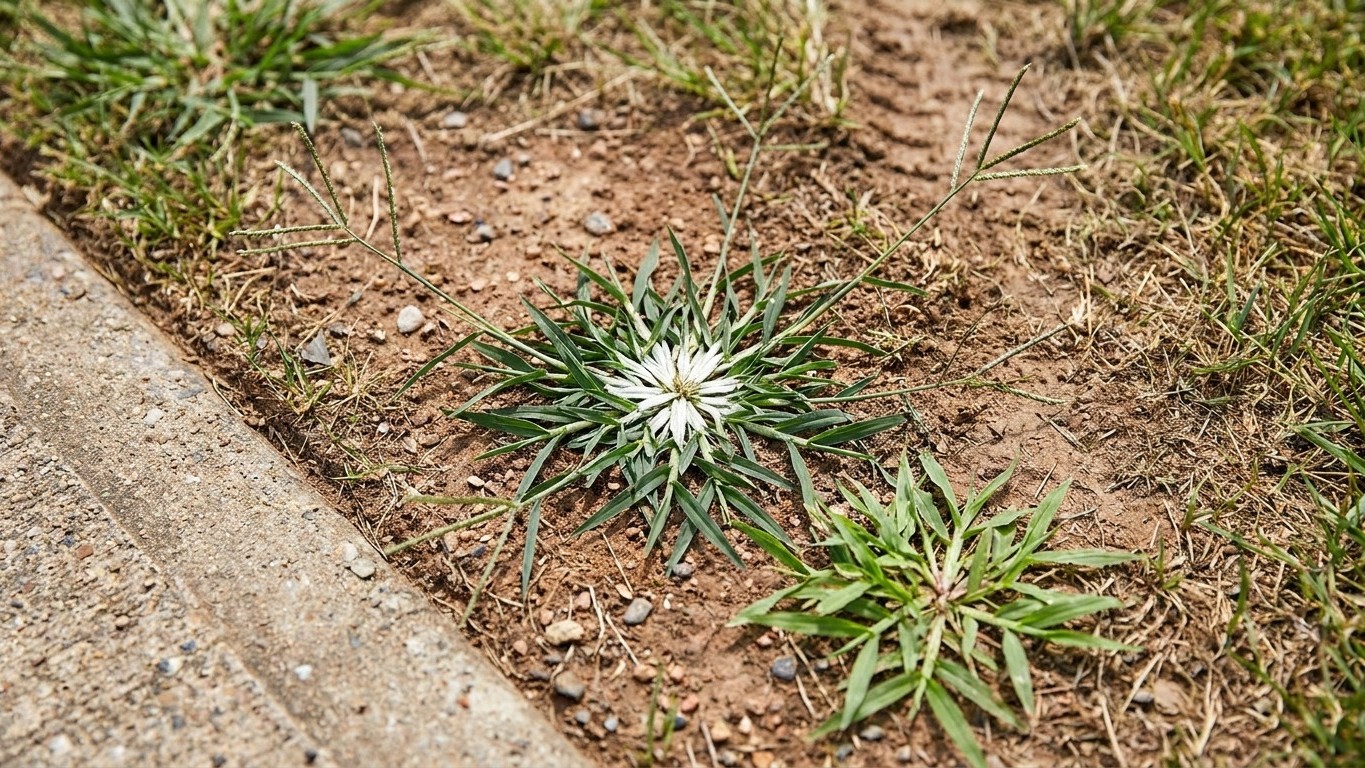
Overseed cool-season grass in New Mexico from early September through early October, and overseed warm-season grass in late spring once nights stay warm.
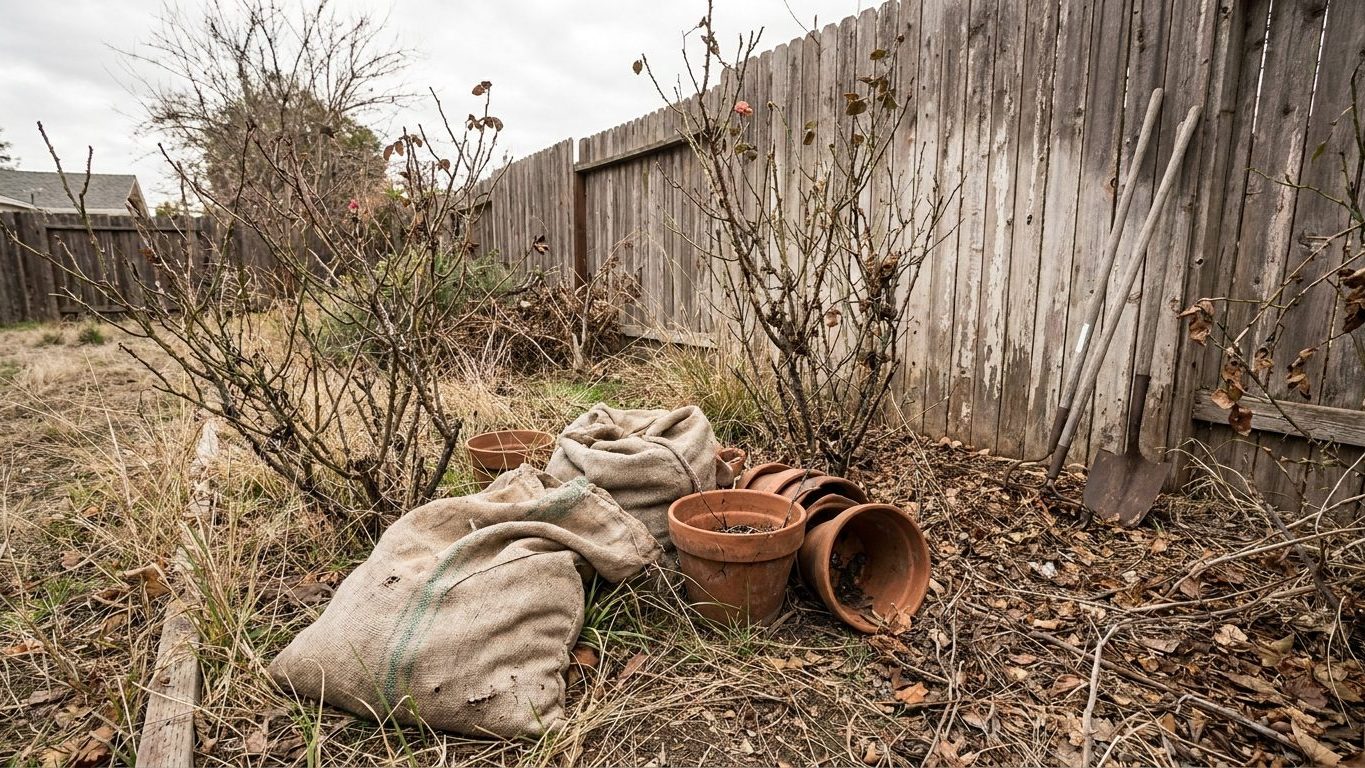
New Mexico’s average last spring frost falls between March 31 and April 12, and the first fall frost typically arrives between October 29 and November 9…
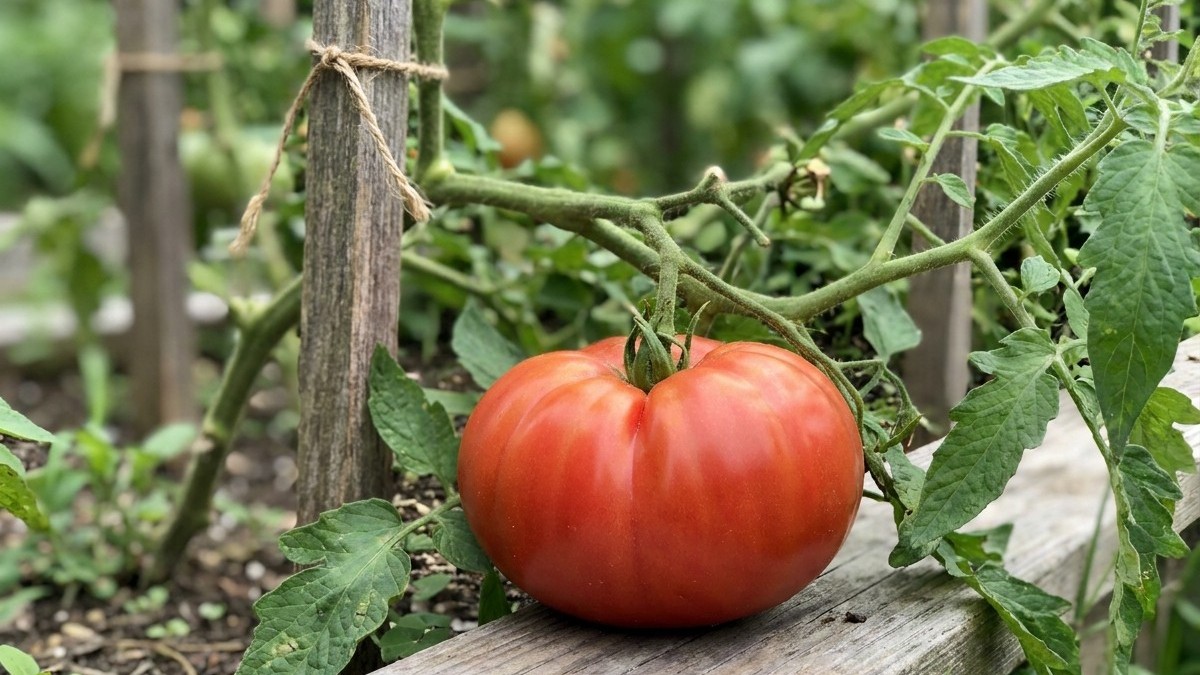
The short answer: pull green tomatoes before your area’s first fall freeze, which lands somewhere between October 29 and November 9 at the reference…
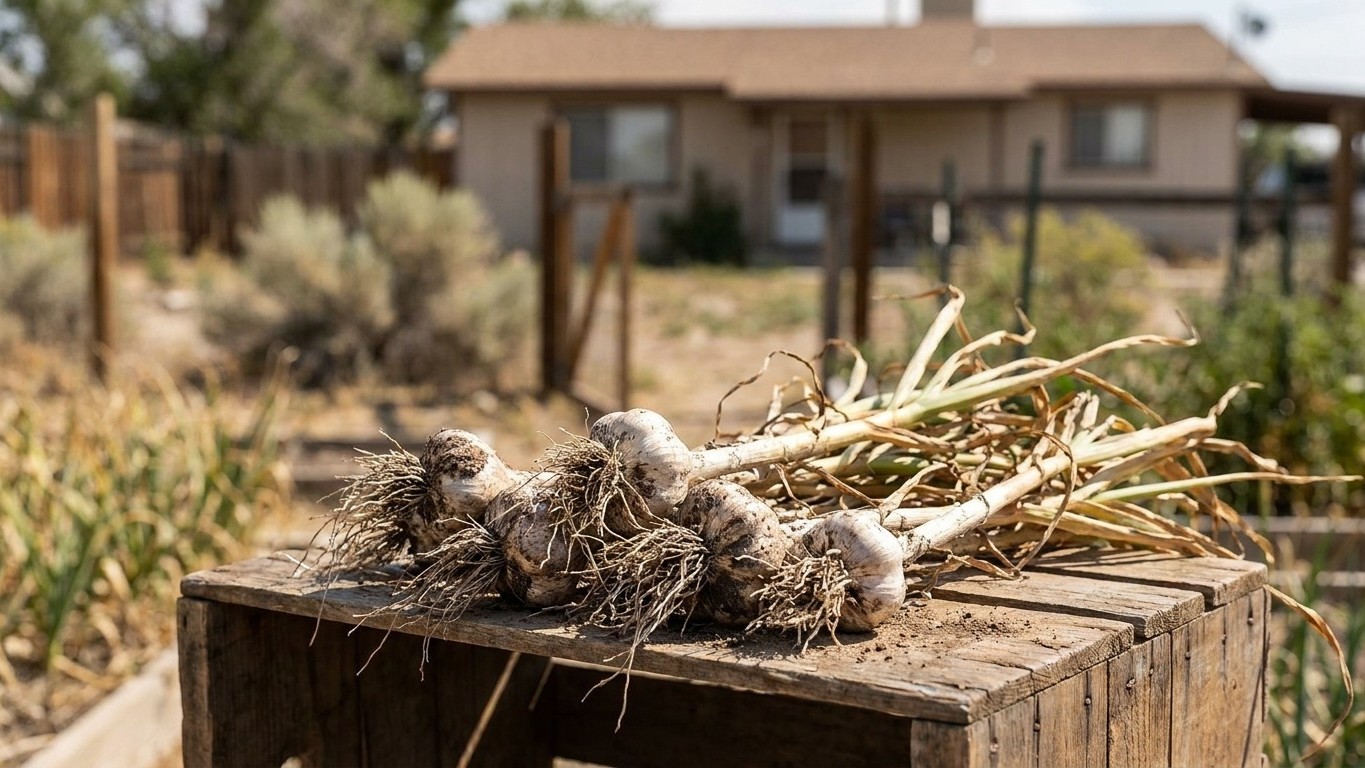
Garlic in New Mexico is ready to lift when the bottom third to half of the leaves have browned and dried while the top leaves stay green, usually…