Firewood in New York: Which Woods Your Winter Actually Needs
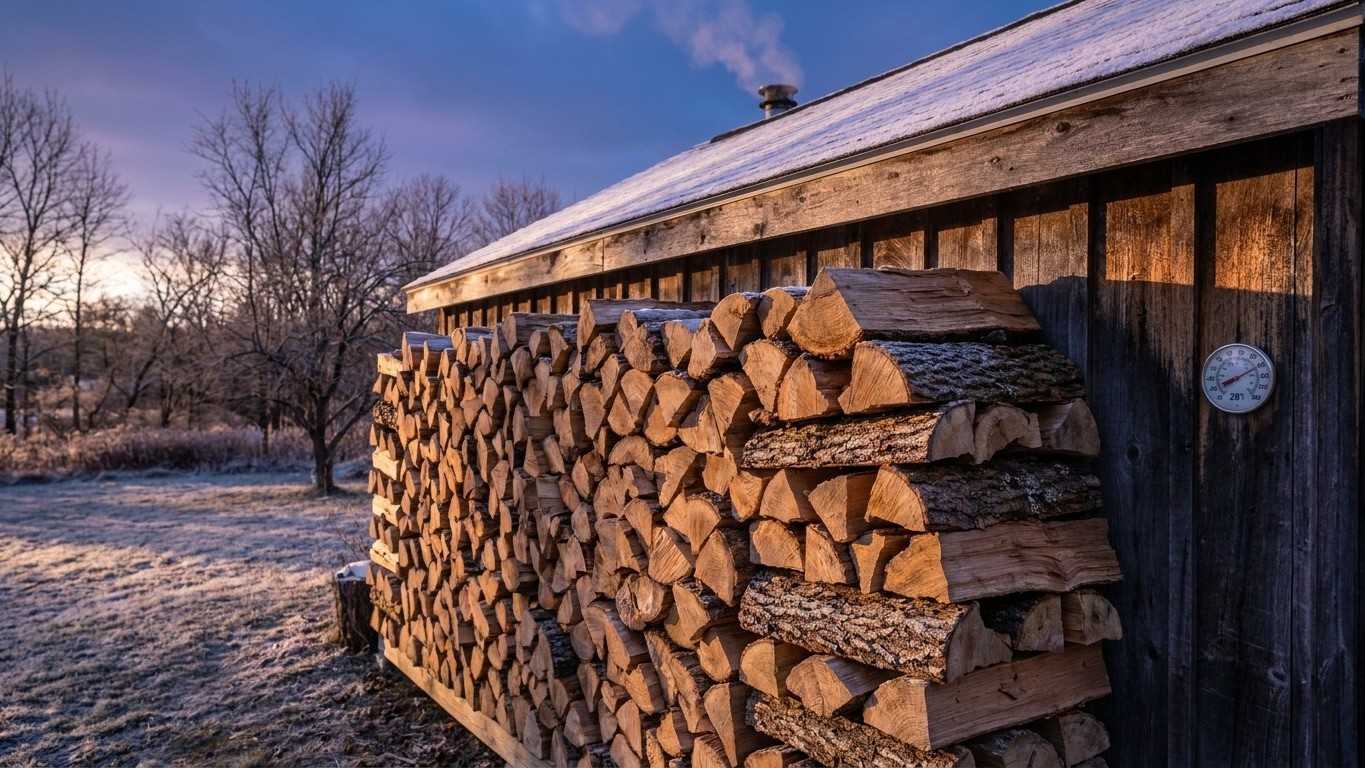
New York’s coldest month averages a nightly low of 27.9°F, measured at the New York City reference station.
Home & garden, state by state
Everything we have worked out for New York: what to plant and when, which varieties finish in time, the pests that actually turn up here, and the jobs that pay off month by month. We also cover the rest of the property, from lawns and soil to home care and energy, because a garden rarely stops at the vegetable bed.
The numbers first, because everything else follows from them. Measured at the weather station in New York City, the last spring freeze runs March 23 to April 3 and the first fall freeze runs November 14 to November 27, USDA zones 3b-7b, 3,786 growing degree days in the year.
Garlic does well: 17.4 weeks below 40 °F, comfortably past the six it needs to form a proper head.
Elsewhere on the property in New York: the pests that turn up here.
Figures from NOAA's 1991-2020 climate normals. A state is not one climate: elevation, a large lake or the coast can move these dates by two weeks either way, so check your own county with the extension service before you spend money.
New York’s coldest month averages a nightly low of 27.9°F, measured at the New York City reference station.
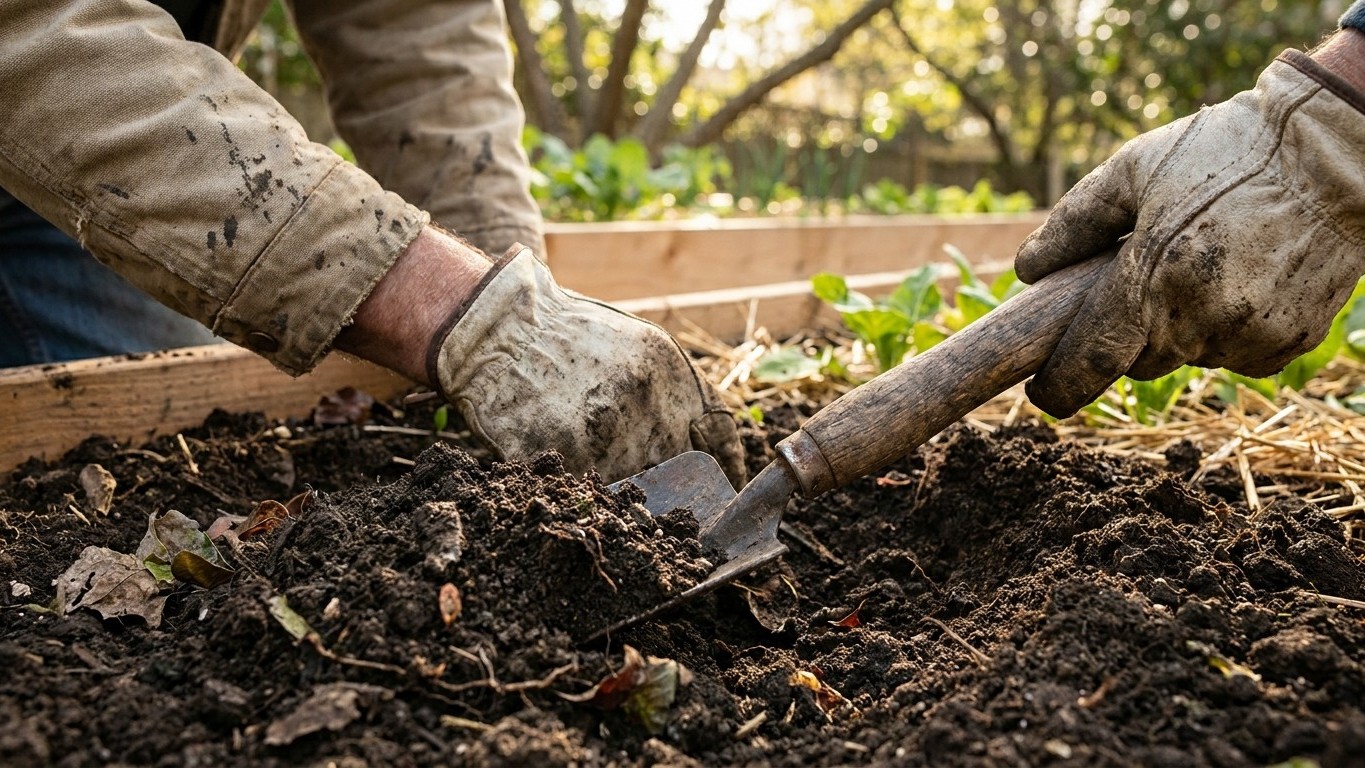
Dig a spade into most New York backyards and you’re standing on the Honeoye series, the soil USDA has designated as representative of the state.
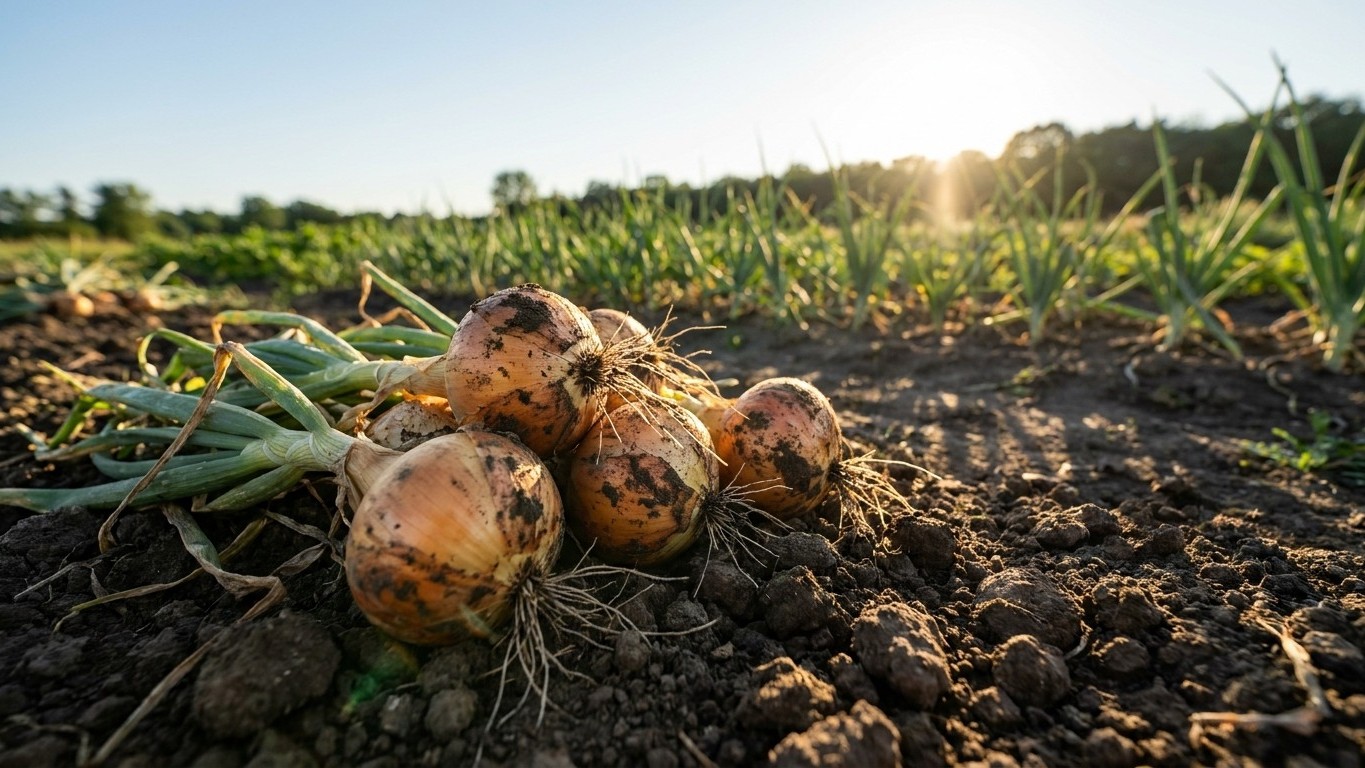
New York City sits at 40.78 degrees north, and on the longest day of the year the sun stays up for 14 hours and 56 minutes.
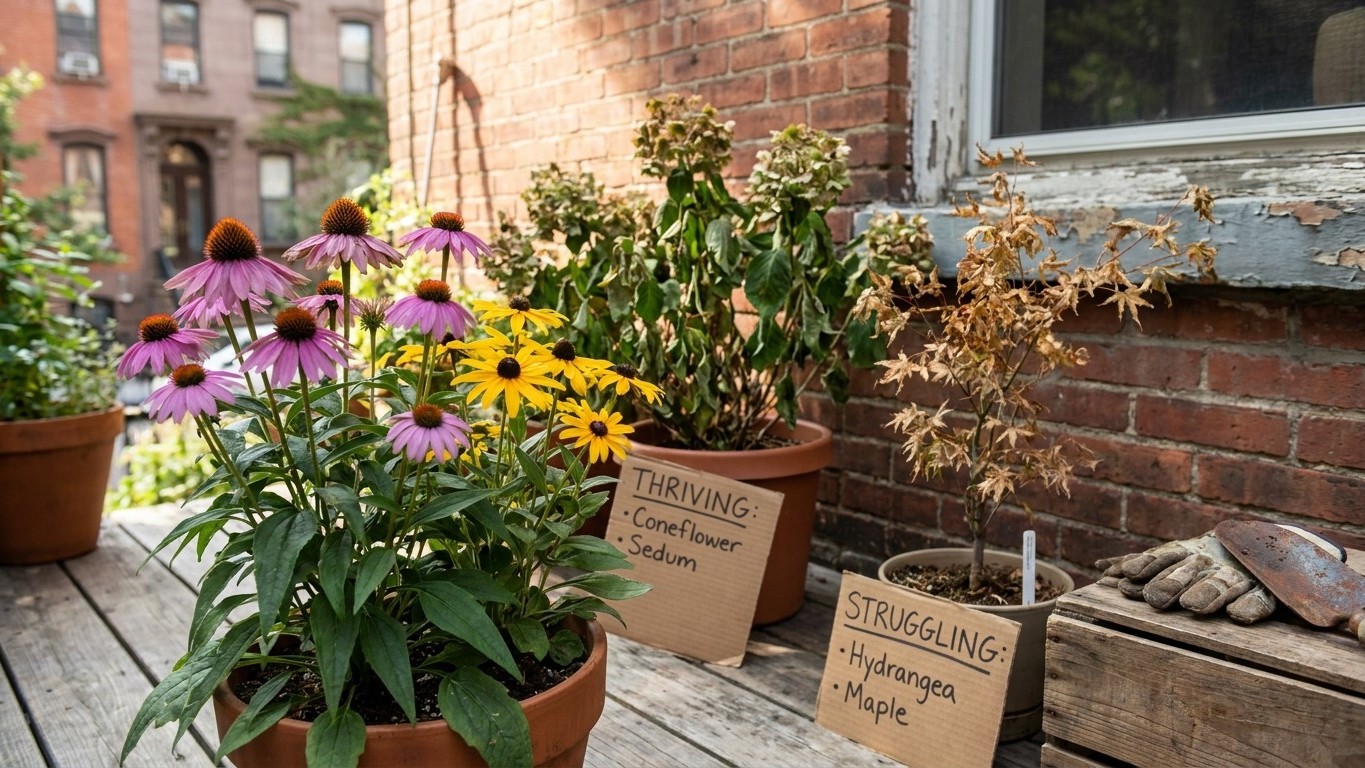
New York’s cold winters and humid summers favor tough perennials and natives over Mediterranean or tropical flowers that need mild, dry conditions.
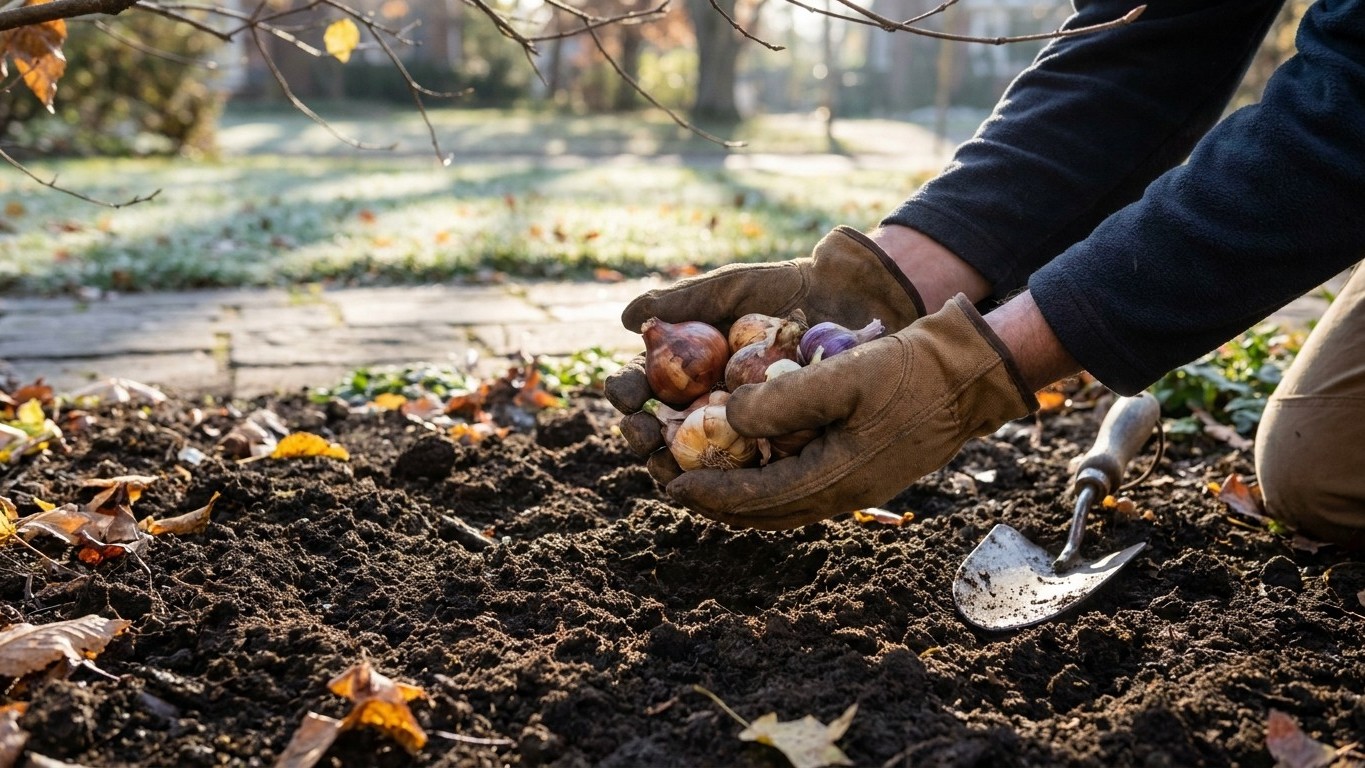
New York’s spring bulb season hinges on one number gardeners rarely check: how many weeks the soil actually stays below 45°F.
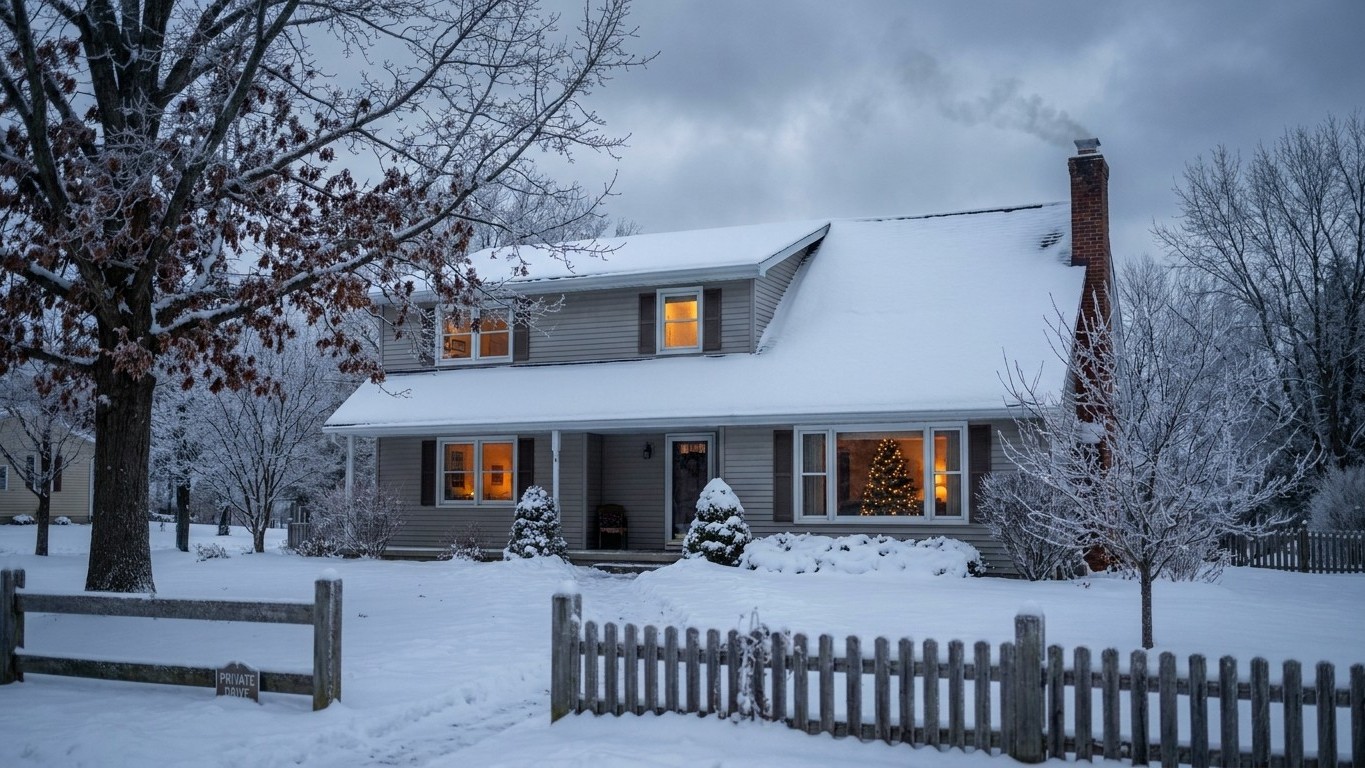
New York winters average a coldest-month low of 27.9°F, but the real cost of heating shows up in how long that cold sticks around and how much wood or…
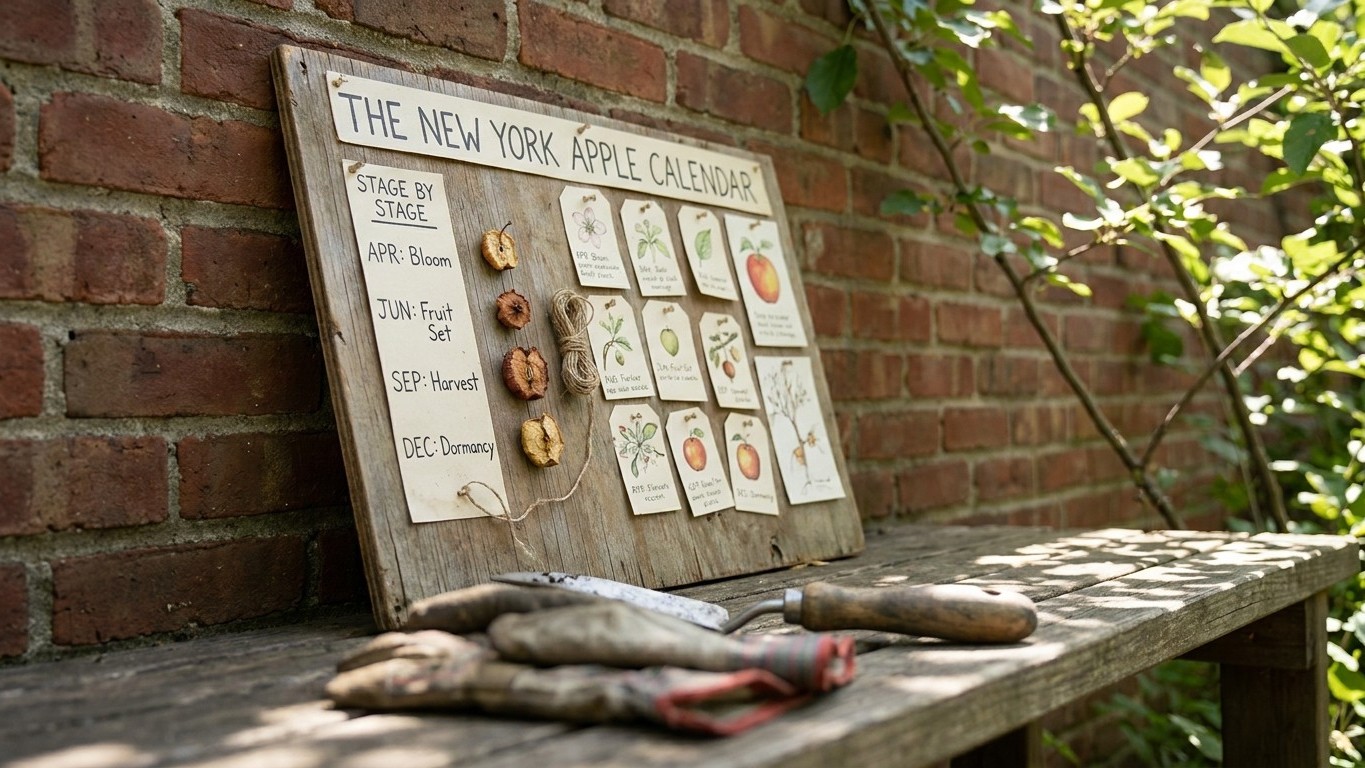
A stage-by-stage guide to New York’s apple season, keyed to NOAA’s New York City frost dates, showing what to do at each point from dormancy to harvest.
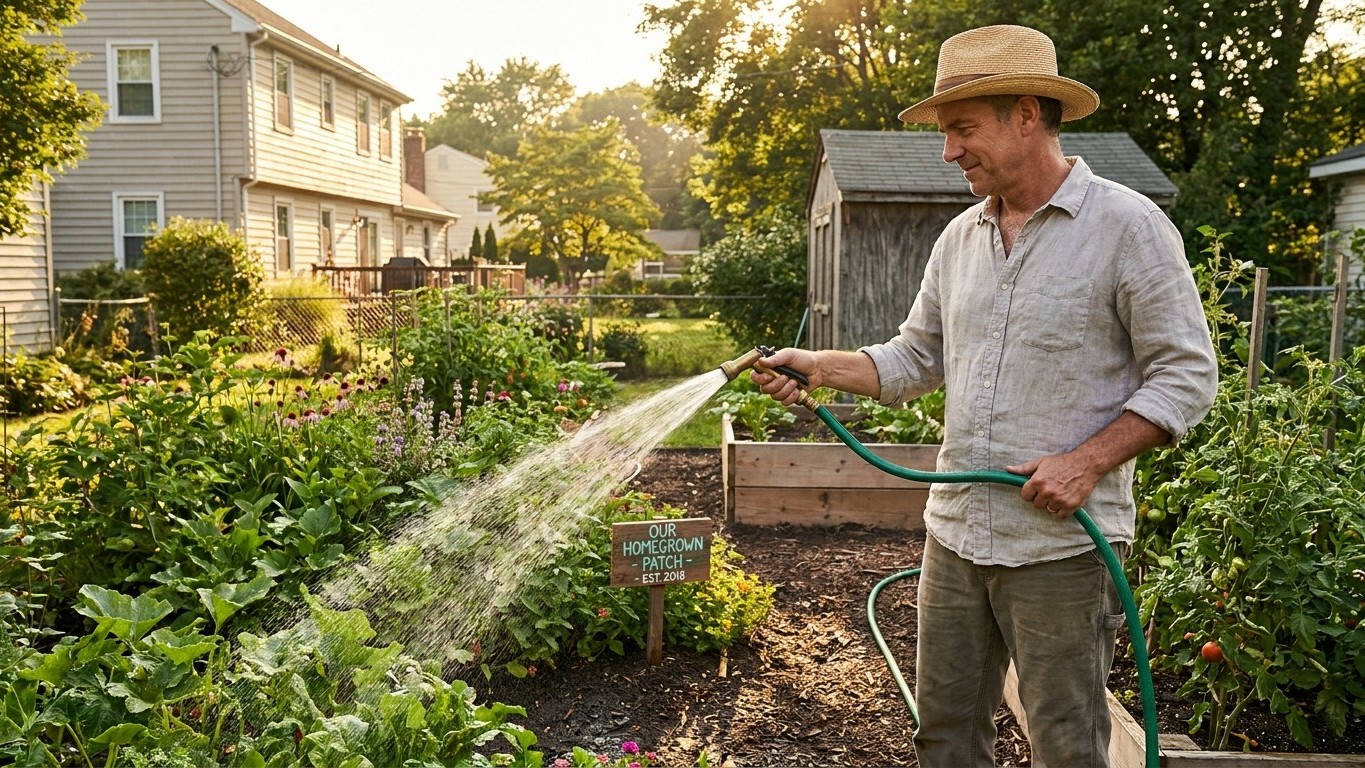
New York doesn’t run one statewide watering law. What governs your hose is a patchwork of local water authorities, county drought declarations, and a…
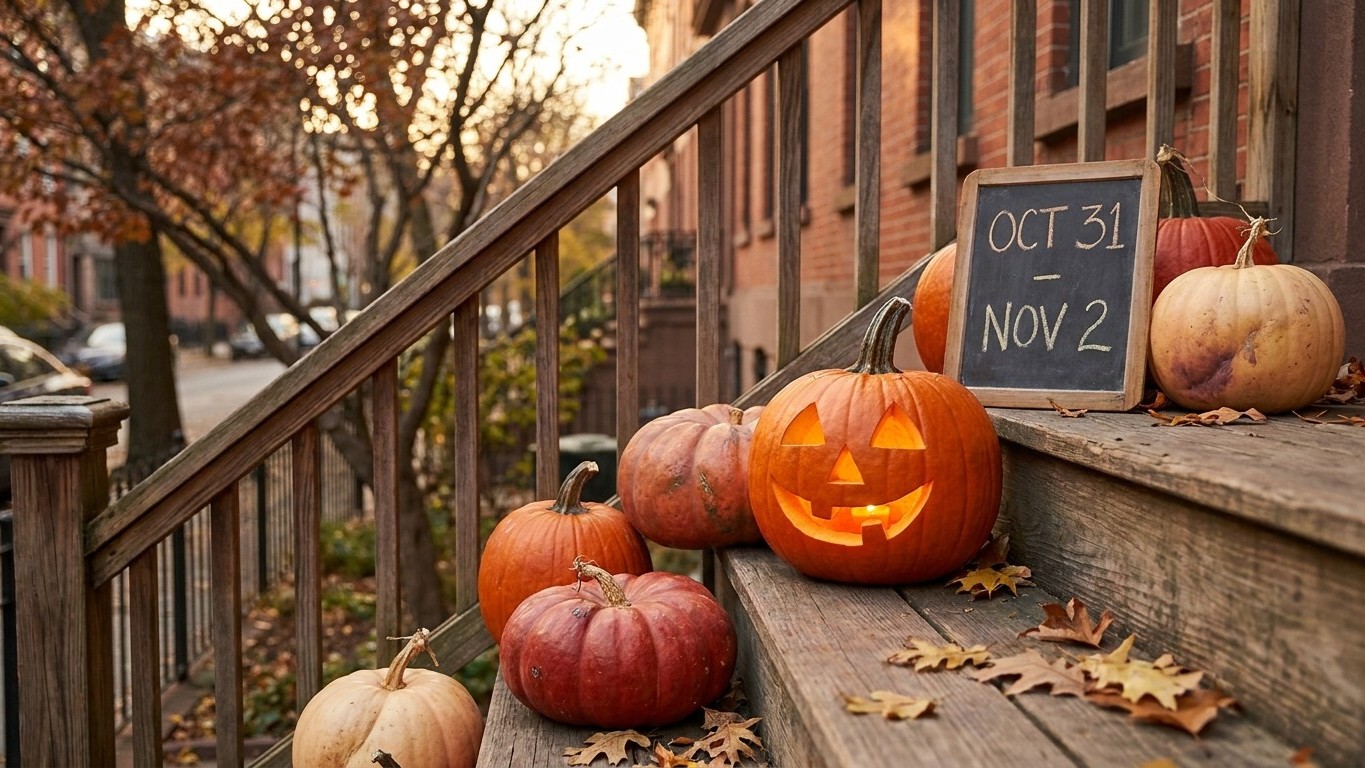
In New York City, the average first fall frost doesn’t arrive until well after Halloween, somewhere around November 14 to November 27.
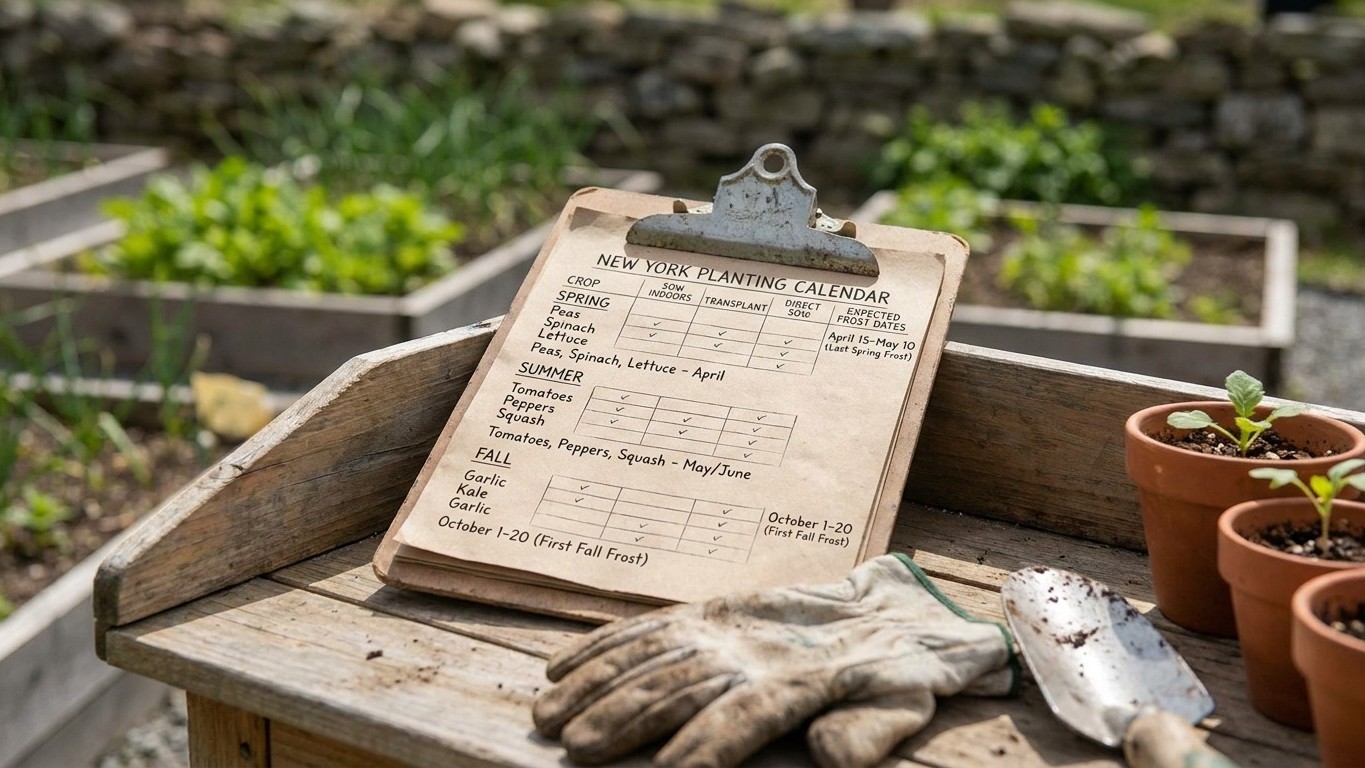
New York’s frost dates, cool- and warm-season sowing windows, and fall planting timing, based on NOAA’s Central Park climate normals and Cornell Cooperative Extension guidance.