Growing Apples in New York: Varieties, Timing and Frost Risk
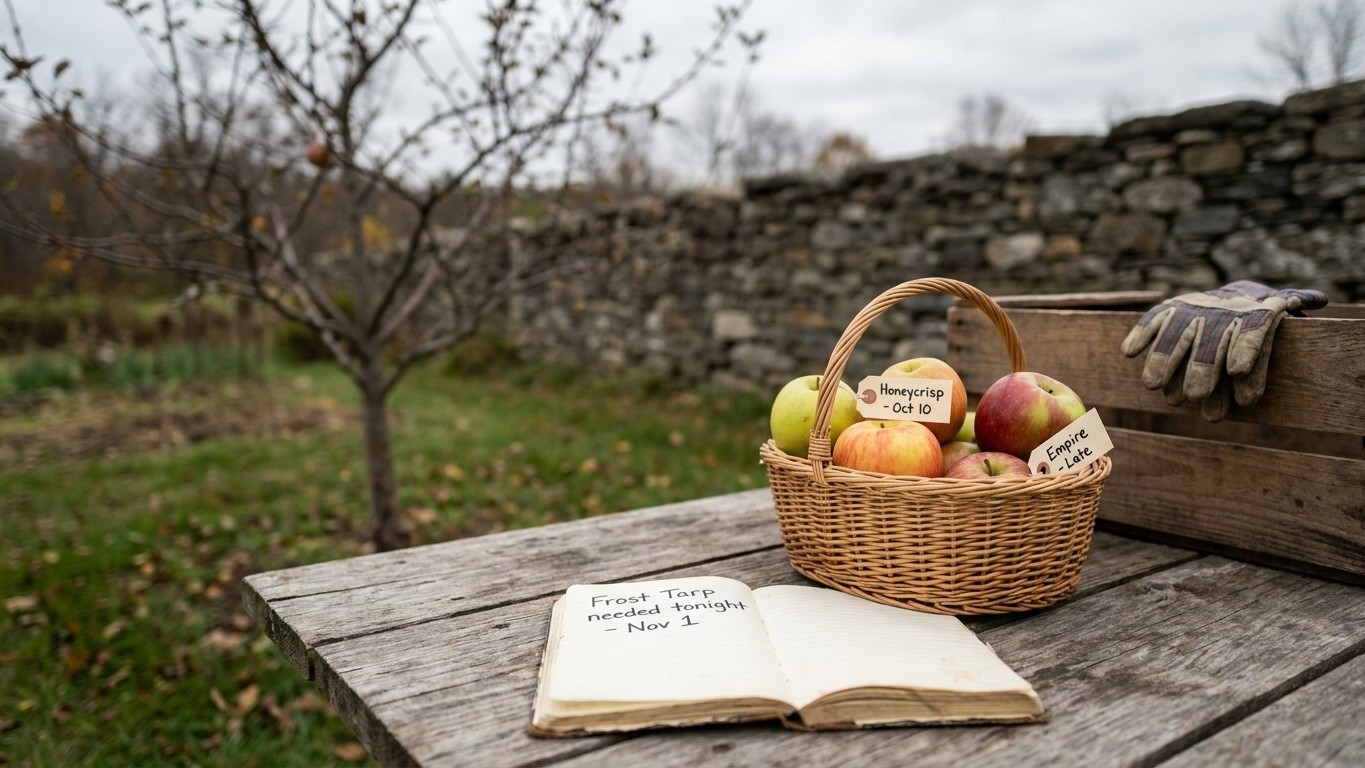
A look at which apple varieties survive New York’s USDA zones 3b to 7b, how to pair pollinators, and when spring frost threatens bloom.
Home & garden, state by state
Everything we have worked out for New York: what to plant and when, which varieties finish in time, the pests that actually turn up here, and the jobs that pay off month by month. We also cover the rest of the property, from lawns and soil to home care and energy, because a garden rarely stops at the vegetable bed.
The numbers first, because everything else follows from them. Measured at the weather station in New York City, the last spring freeze runs March 23 to April 3 and the first fall freeze runs November 14 to November 27, USDA zones 3b-7b, 3,786 growing degree days in the year.
Garlic does well: 17.4 weeks below 40 °F, comfortably past the six it needs to form a proper head.
Elsewhere on the property in New York: the pests that turn up here.
Figures from NOAA's 1991-2020 climate normals. A state is not one climate: elevation, a large lake or the coast can move these dates by two weeks either way, so check your own county with the extension service before you spend money.
A look at which apple varieties survive New York’s USDA zones 3b to 7b, how to pair pollinators, and when spring frost threatens bloom.
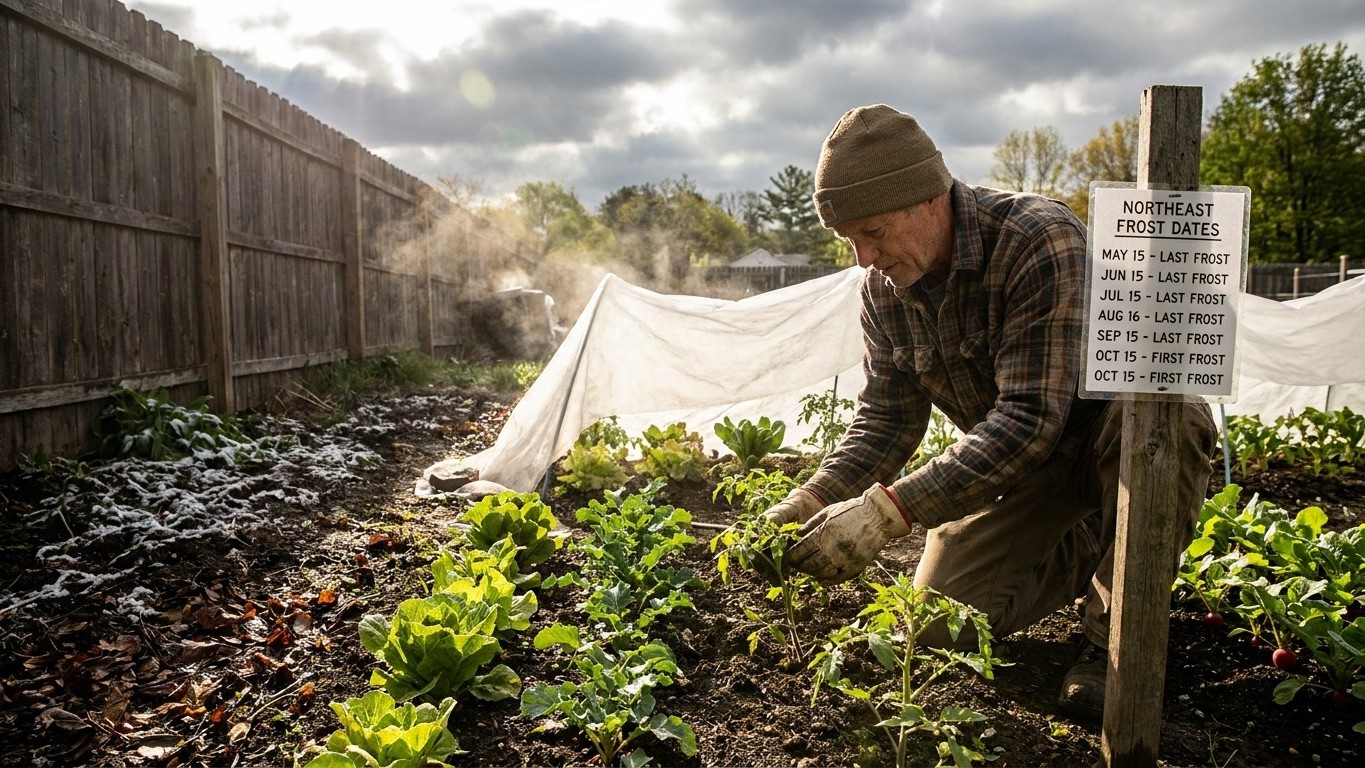
New York gardening runs on a frost-free window that’s shorter than most new gardeners assume, bookended by a spring thaw that arrives on its own schedule…
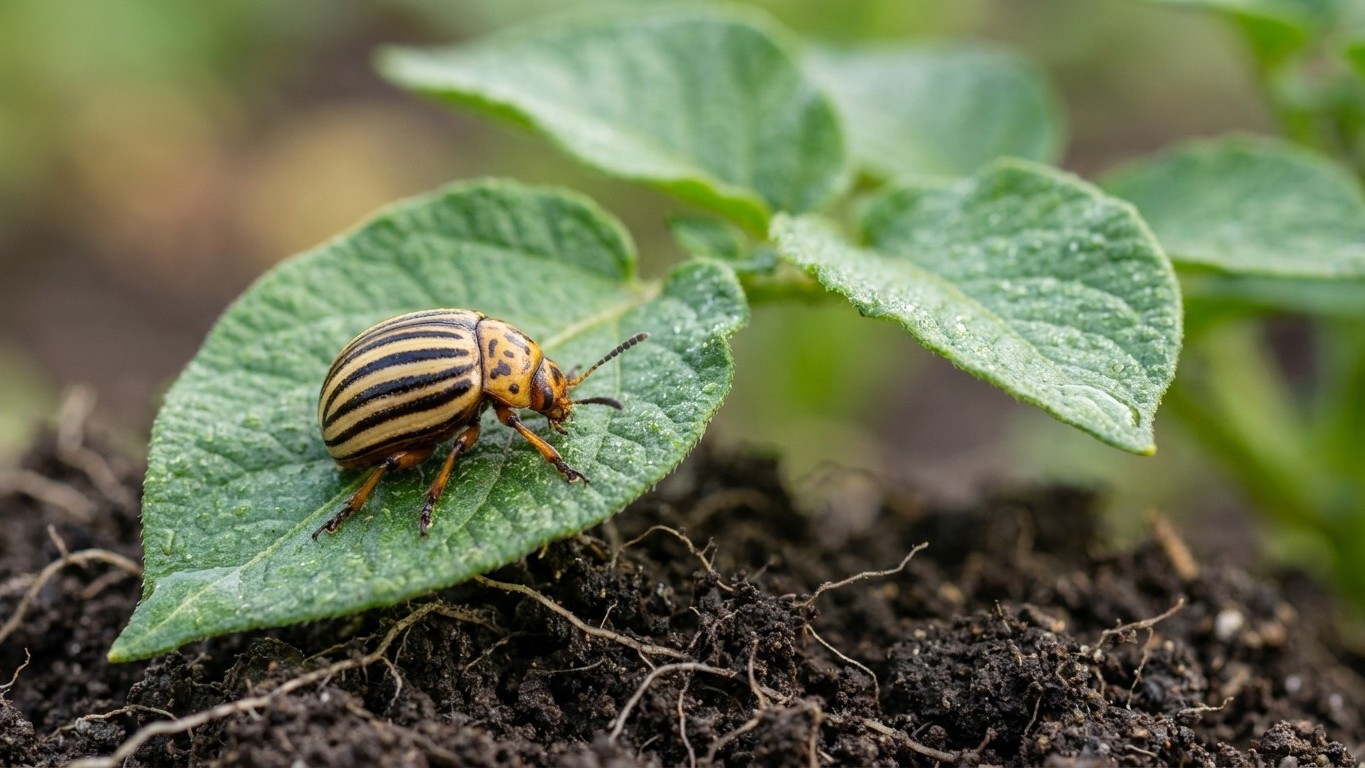
Colorado potato beetles wake up across New York when soil temperatures in the top few inches climb past 50°F, which usually happens between late April on…
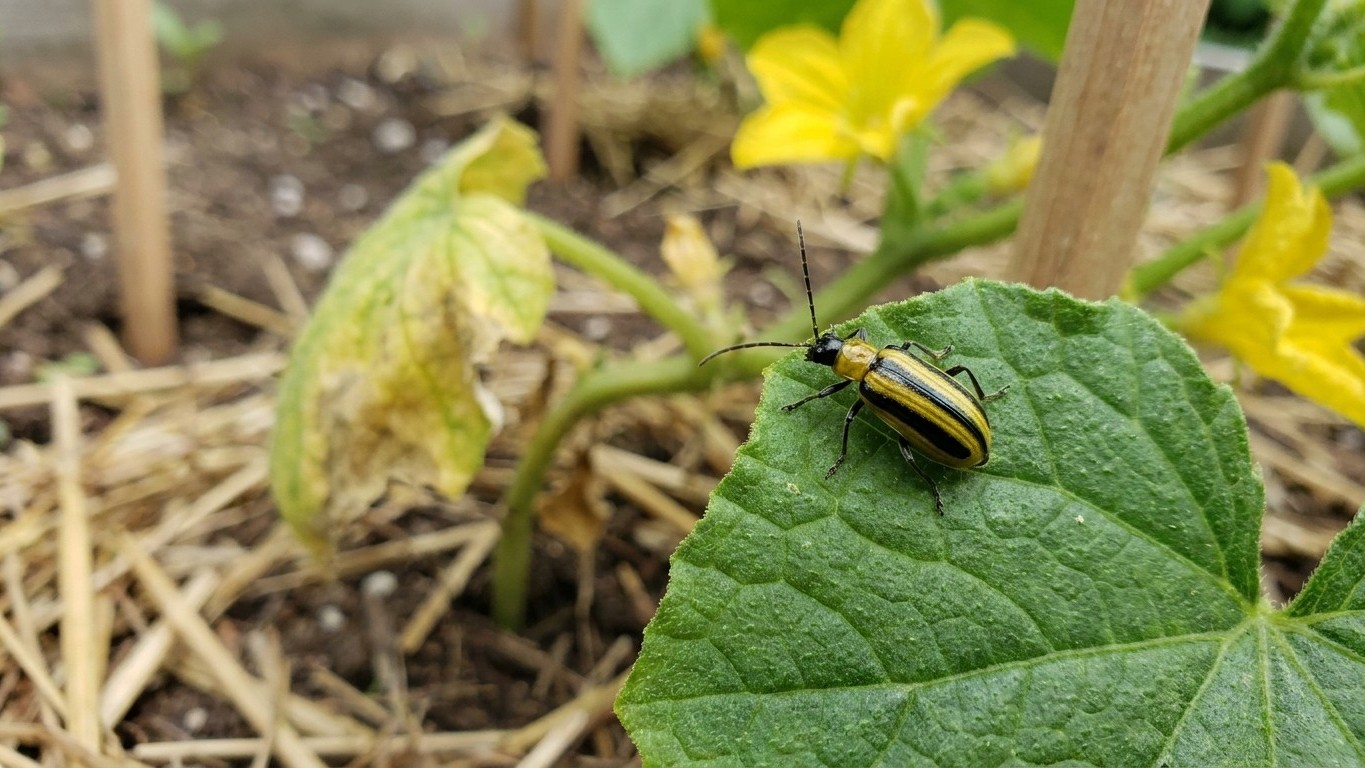
Striped cucumber beetles start showing up in New York gardens as soon as soil temperatures climb into the mid-50s, which usually means the last week of…
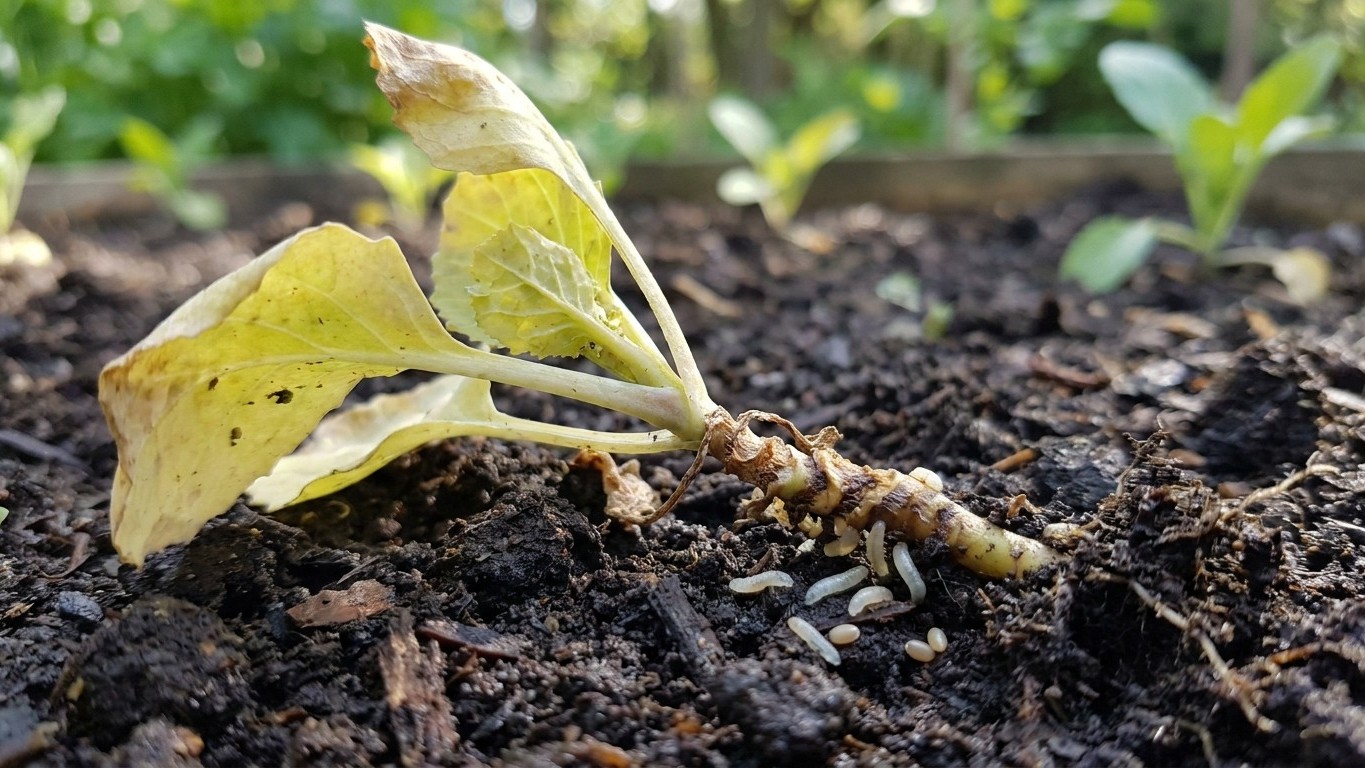
Cabbage maggot (Delia radicum) shows up in New York gardens twice a year, sometimes three times in warmer pockets of the state: once when soil…
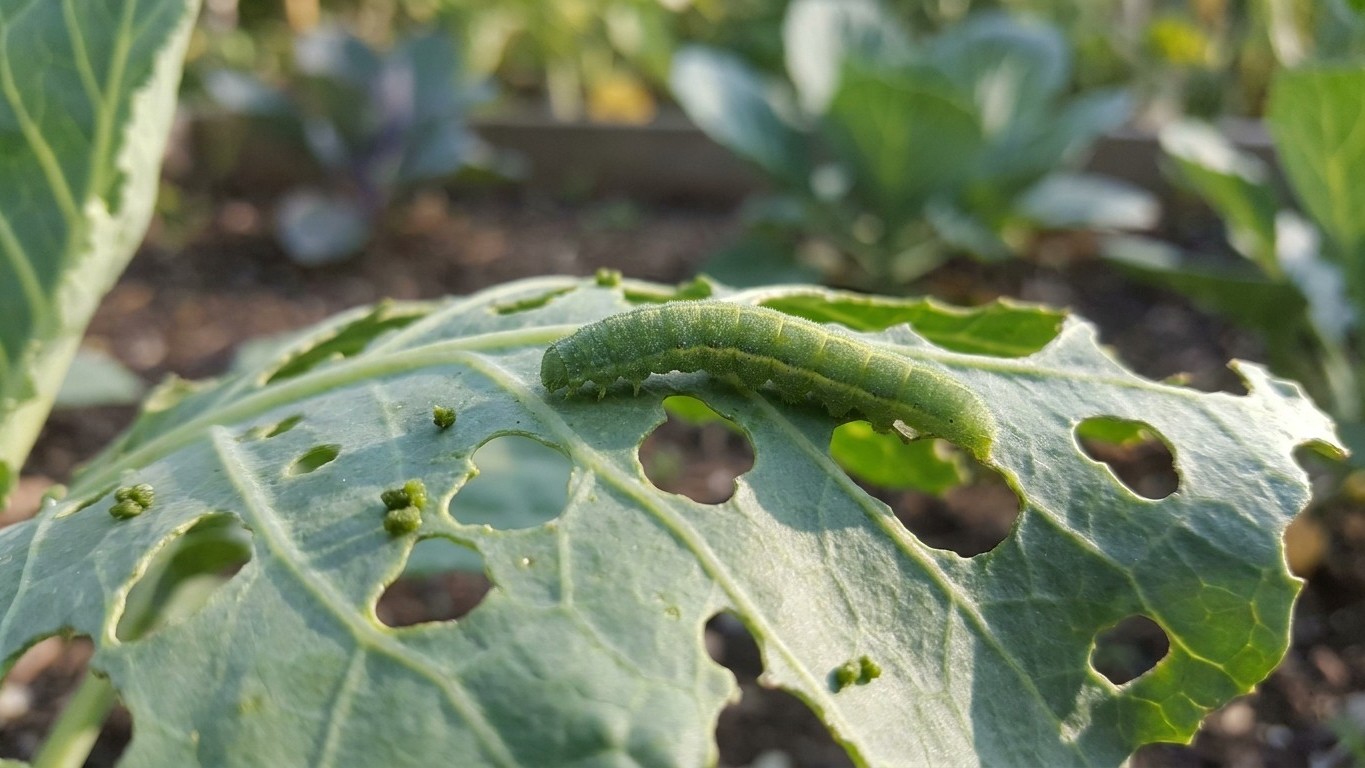
Imported cabbageworm shows up in New York gardens as soon as the first cool-season brassicas go in the ground, usually by early May in the Hudson Valley…
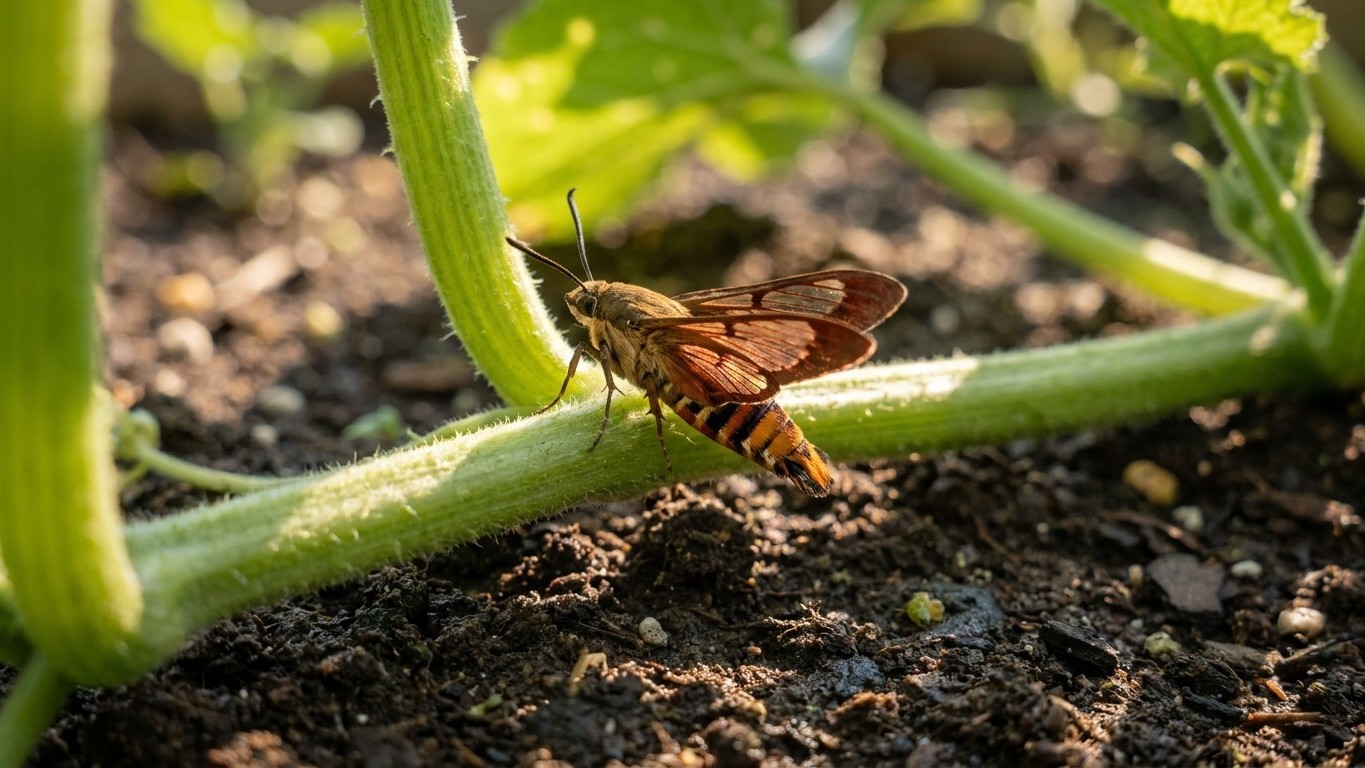
Squash vine borer moths start flying in New York from late June through early August, with the heaviest activity typically hitting Long Island and the…
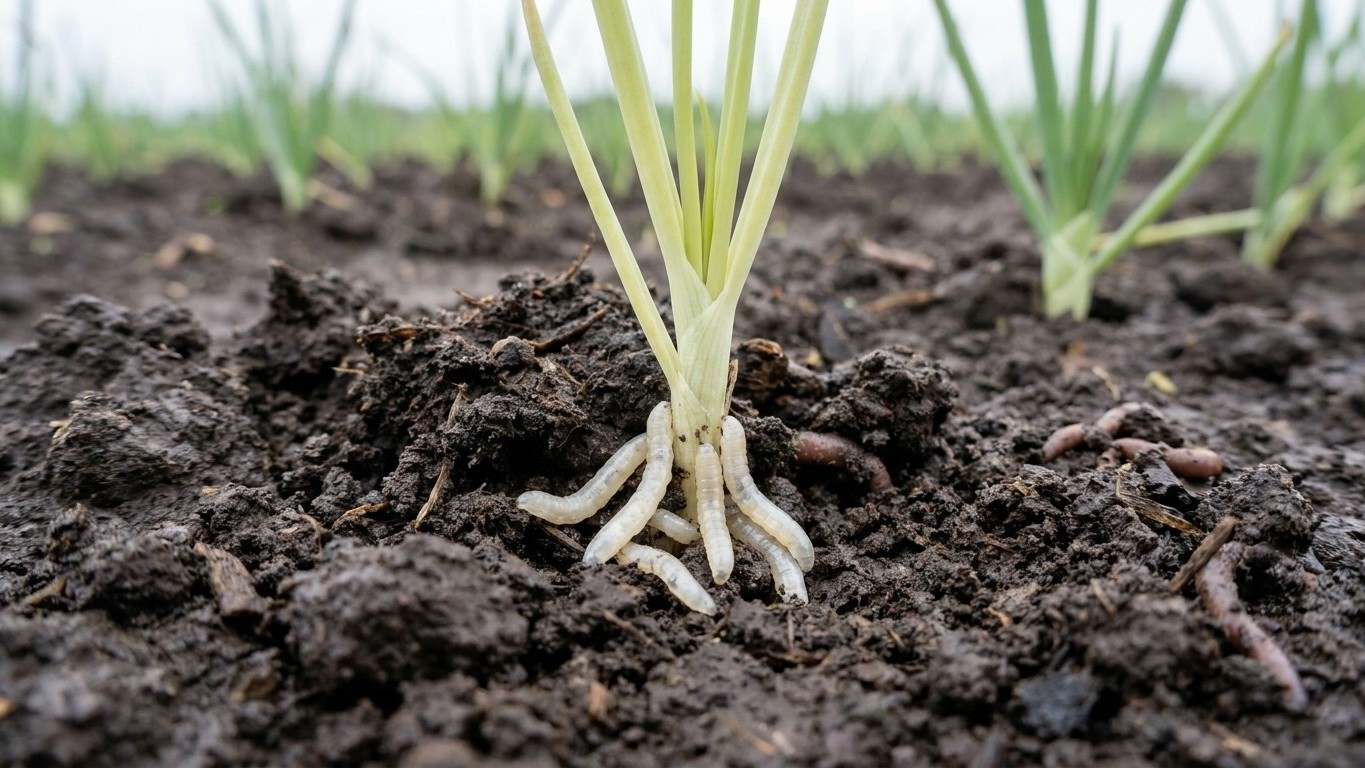
Onion maggot shows up every spring in New York’s muck and mineral onion fields, usually as soon as soil temperatures climb into the low 40s, and it keeps…
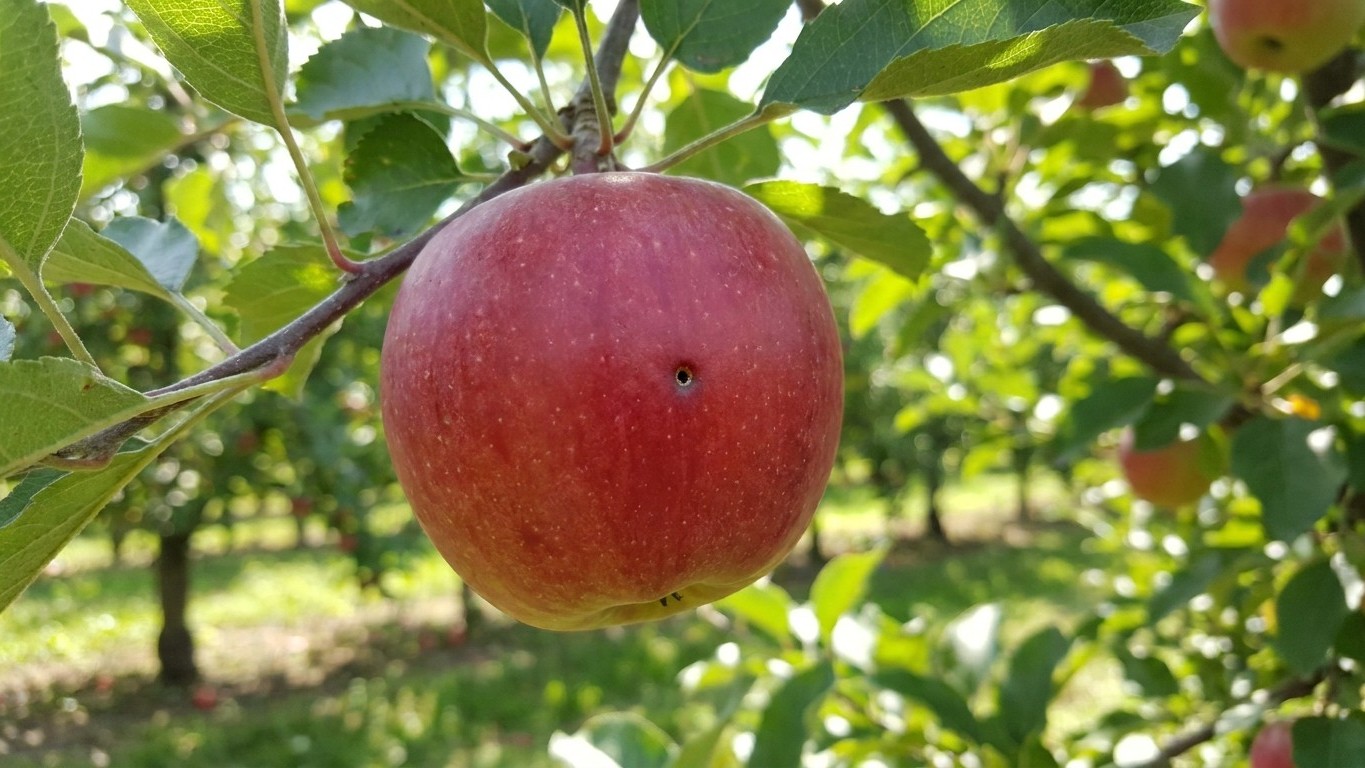
Apple maggot flies become active in New York from late June through September, with the heaviest pressure hitting orchards and backyard trees between…
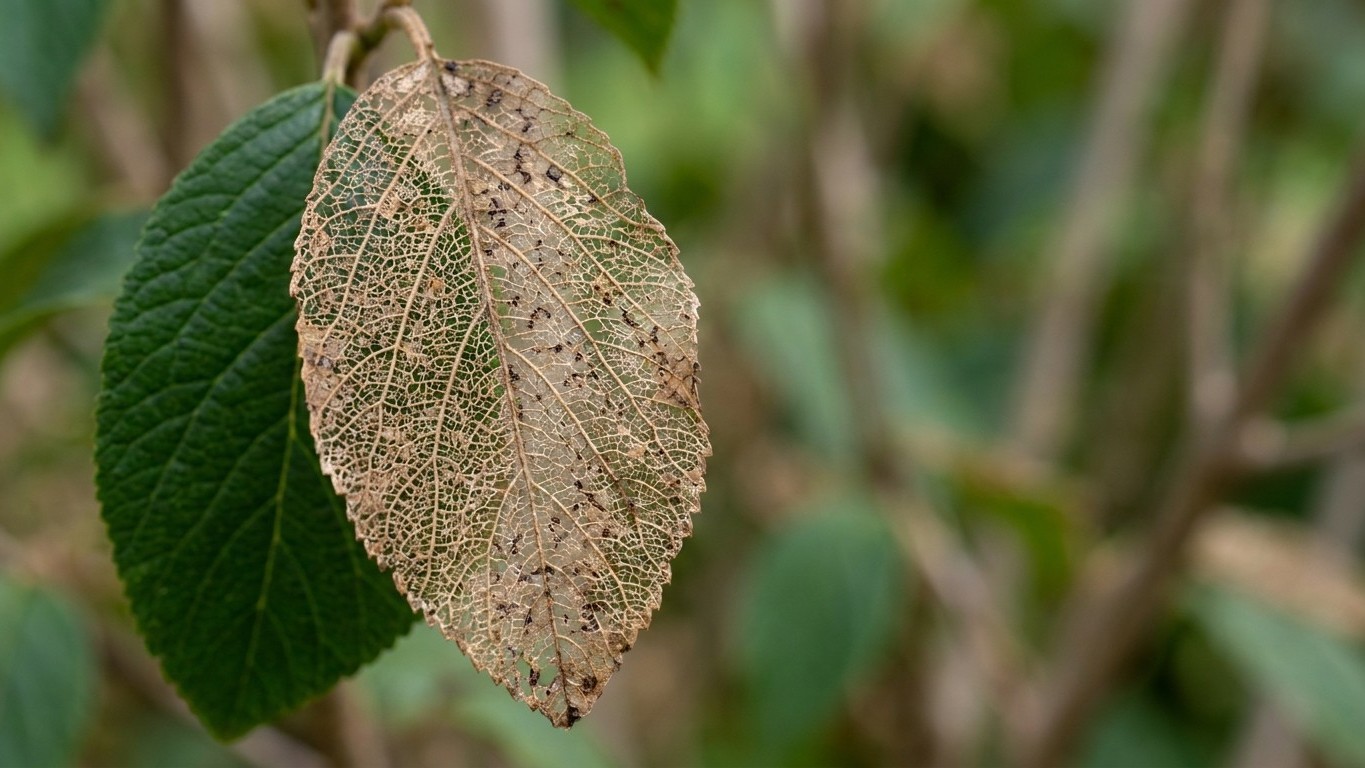
Viburnum leaf beetle season in New York runs on two clocks: late April through June, when overwintered eggs hatch into leaf-shredding larvae, and again…