Watering Through a Dry Spell in New York
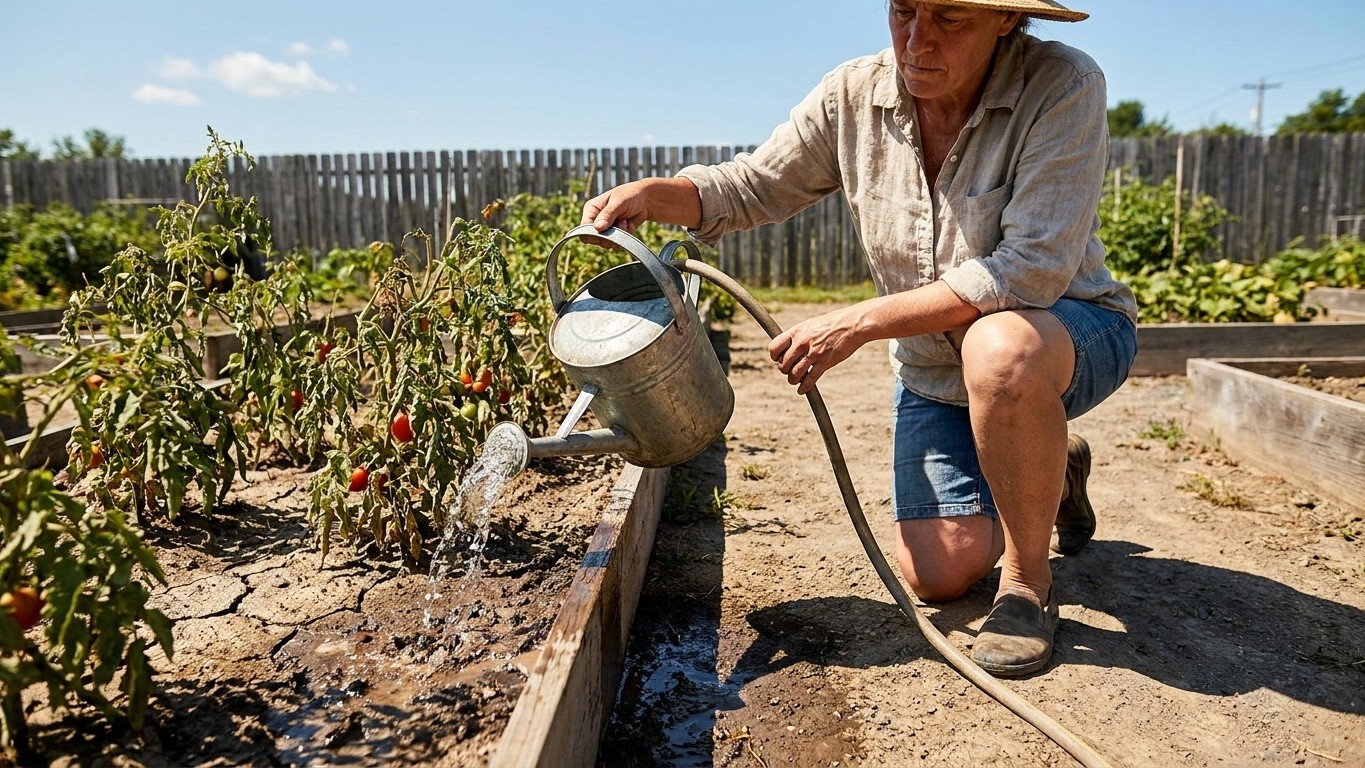
New York gardens get enough summer rain on paper, but the water doesn’t fall on a schedule your tomatoes understand.
Home & garden, state by state
Everything we have worked out for New York: what to plant and when, which varieties finish in time, the pests that actually turn up here, and the jobs that pay off month by month. We also cover the rest of the property, from lawns and soil to home care and energy, because a garden rarely stops at the vegetable bed.
The numbers first, because everything else follows from them. Measured at the weather station in New York City, the last spring freeze runs March 23 to April 3 and the first fall freeze runs November 14 to November 27, USDA zones 3b-7b, 3,786 growing degree days in the year.
Garlic does well: 17.4 weeks below 40 °F, comfortably past the six it needs to form a proper head.
Elsewhere on the property in New York: the pests that turn up here.
Figures from NOAA's 1991-2020 climate normals. A state is not one climate: elevation, a large lake or the coast can move these dates by two weeks either way, so check your own county with the extension service before you spend money.
New York gardens get enough summer rain on paper, but the water doesn’t fall on a schedule your tomatoes understand.
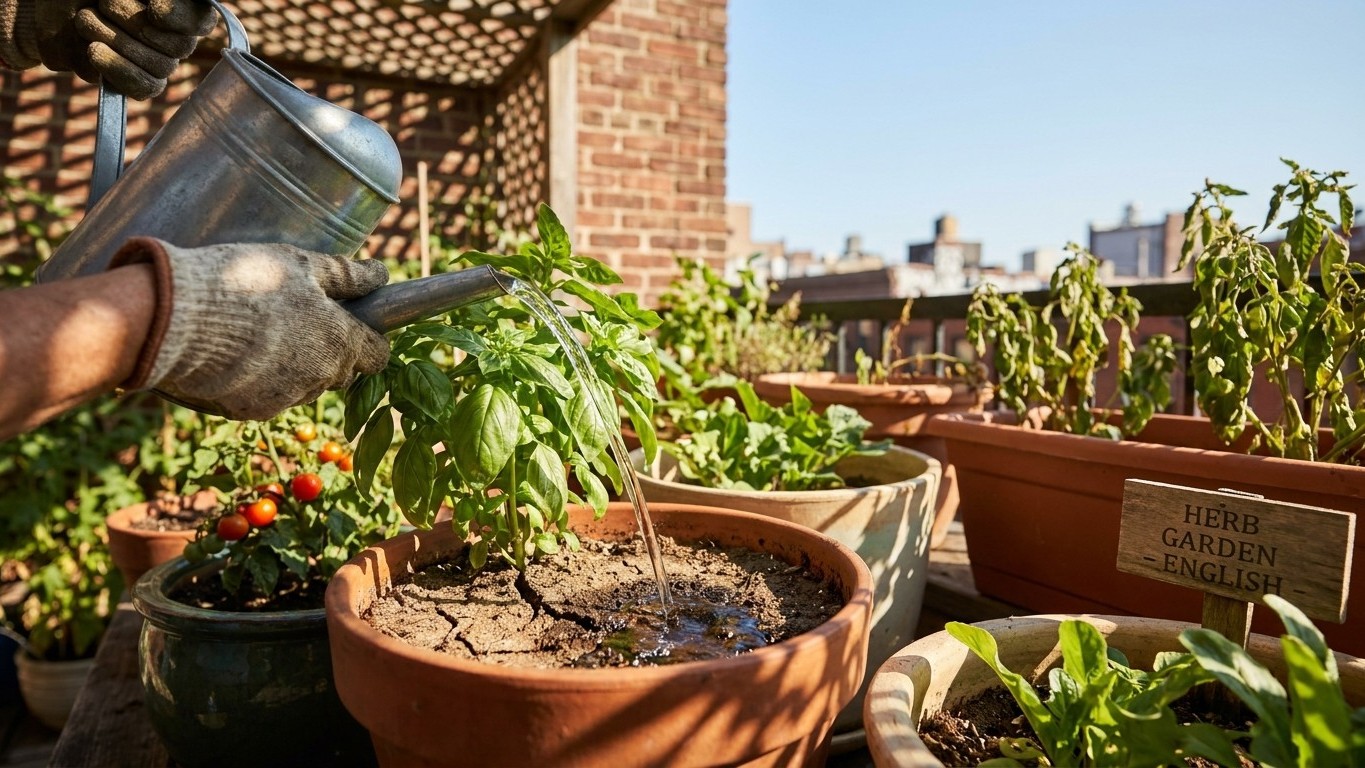
New York gardens need roughly an inch of water a week through the growing season, but the sky only delivers part of that even in a normal summer.
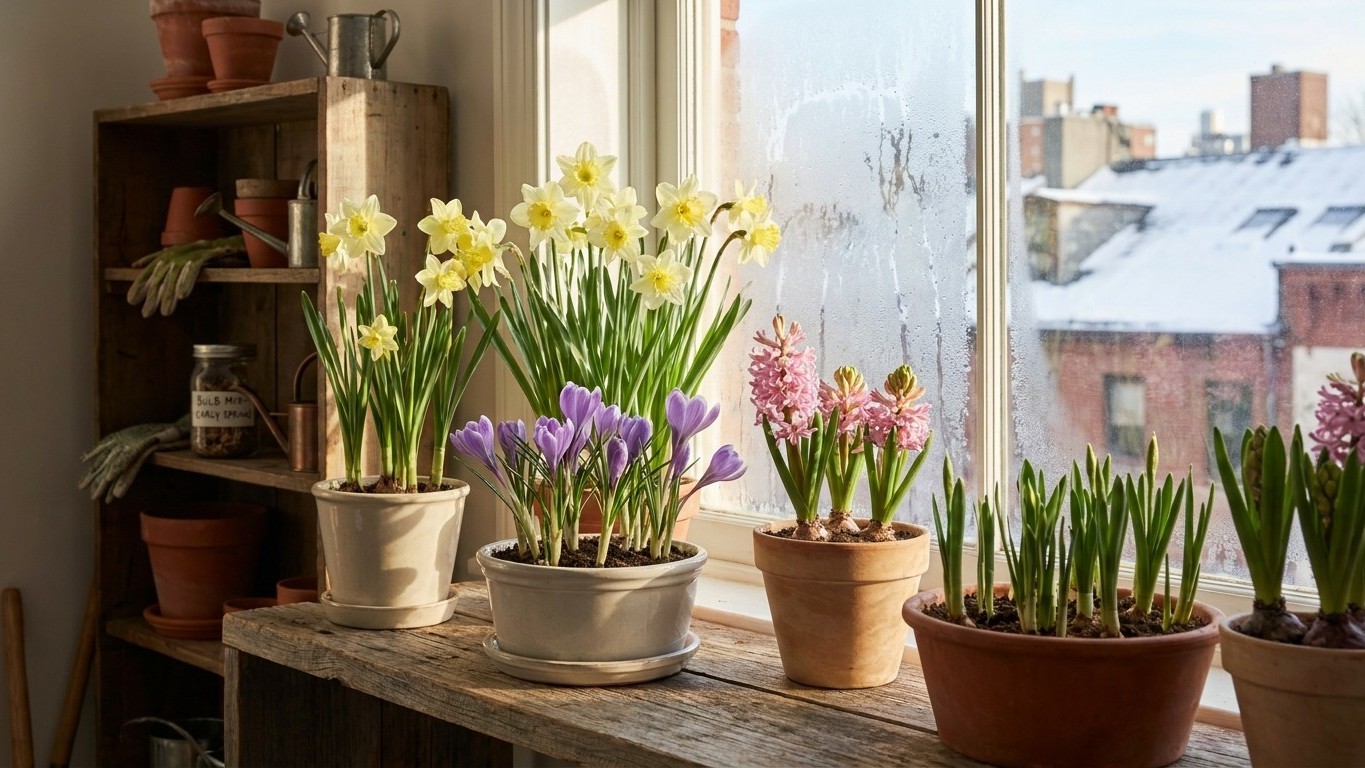
Forcing spring bulbs indoors works in New York the same way it works anywhere: you substitute a refrigerator or an unheated space for the weeks of cold a…
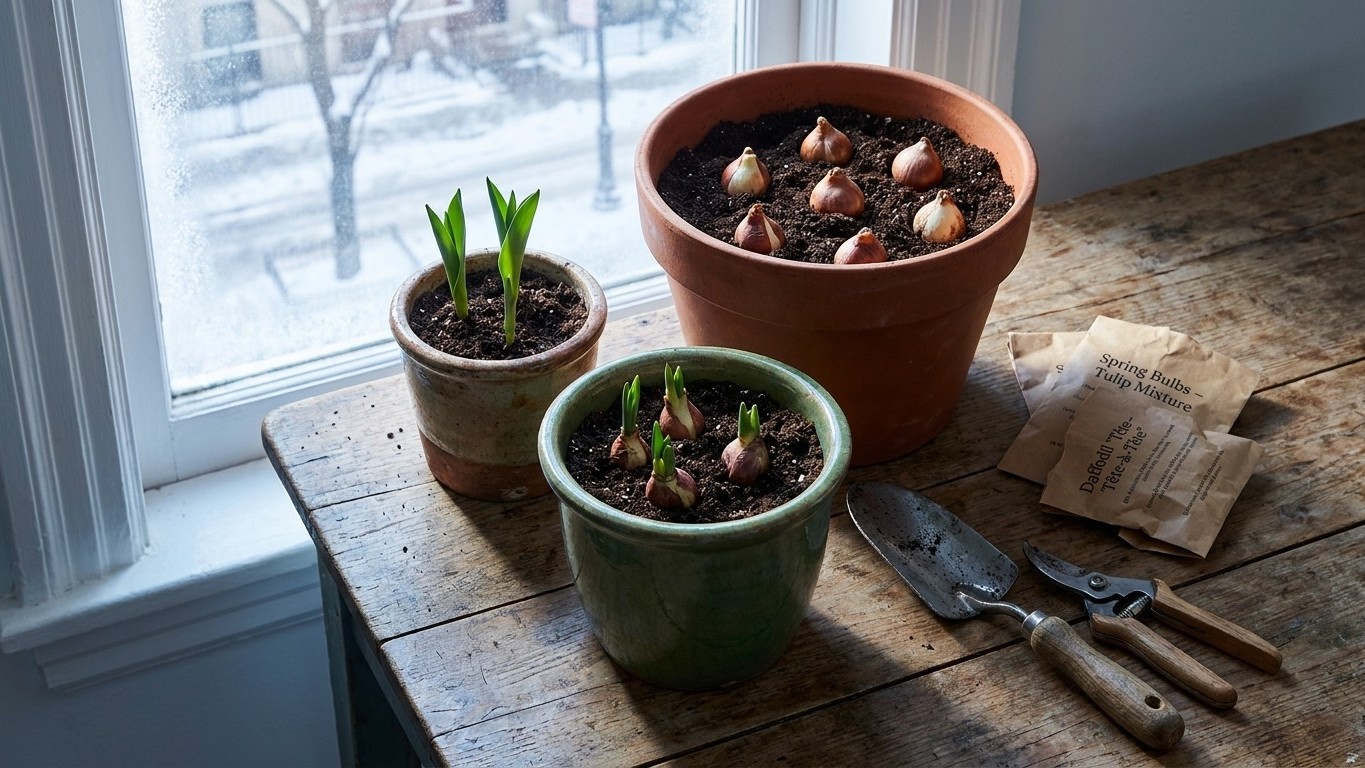
Spring bulbs grow well in containers across New York, but the plan changes with where the pot sits.
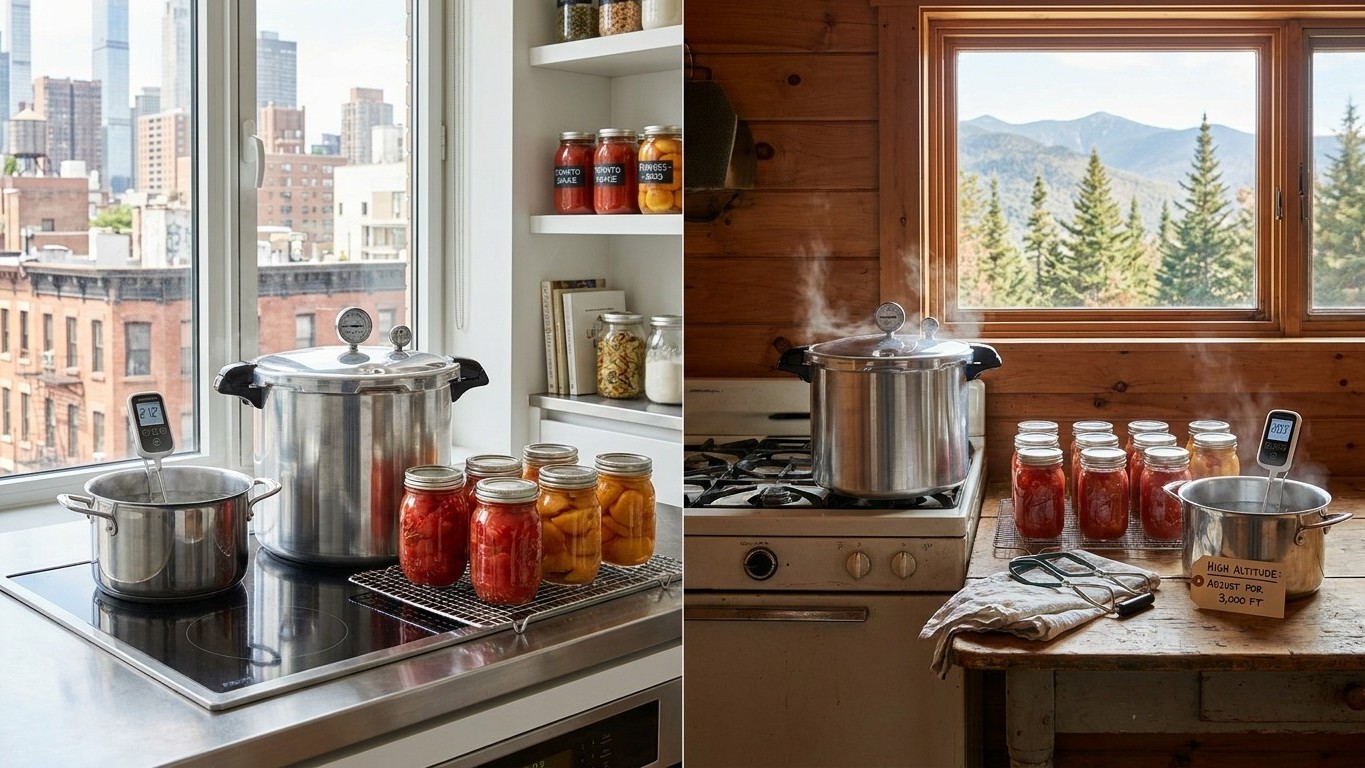
New York City sits at 33 feet above sea level, and at that elevation, published USDA boiling references put the boiling point of water somewhere in the…
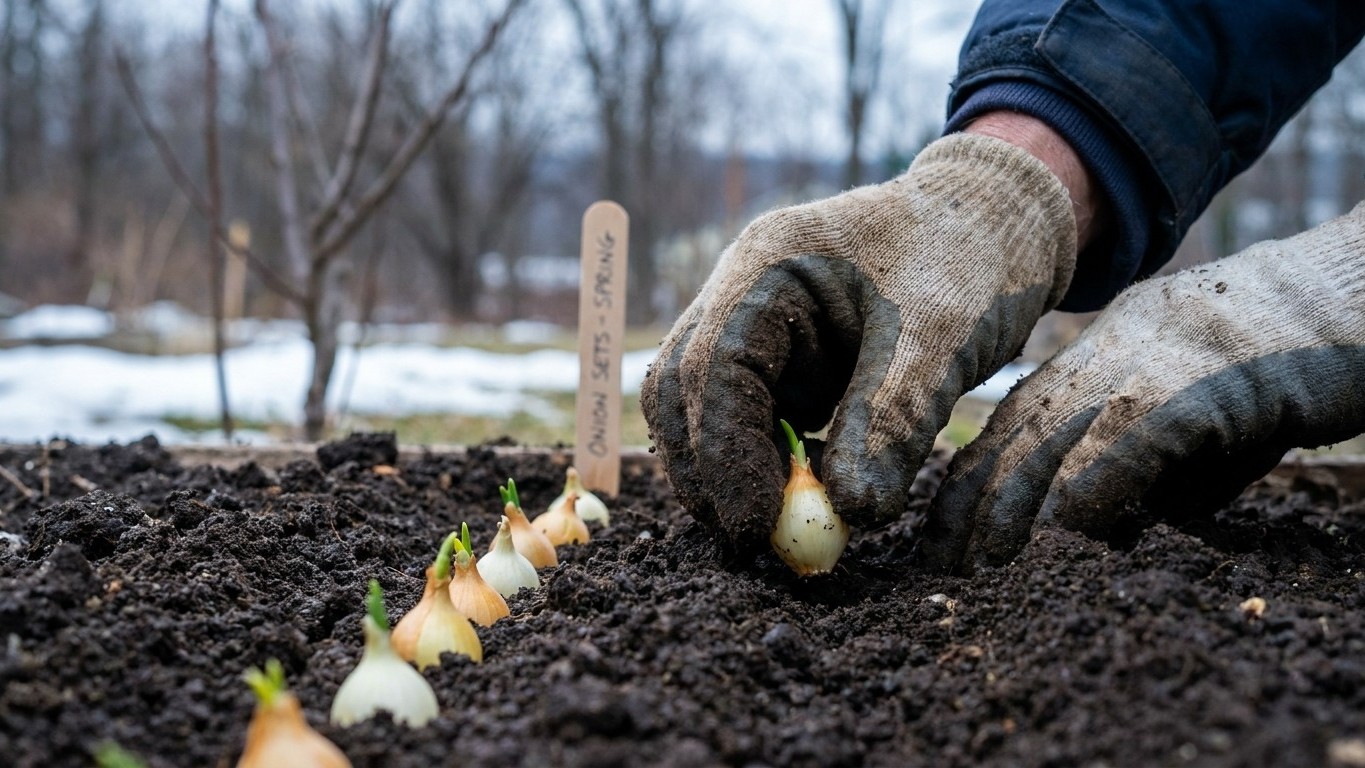
New York gardeners plant onions in late winter to early spring, not fall. The state’s cold winters would kill young plants left to overwinter outdoors…
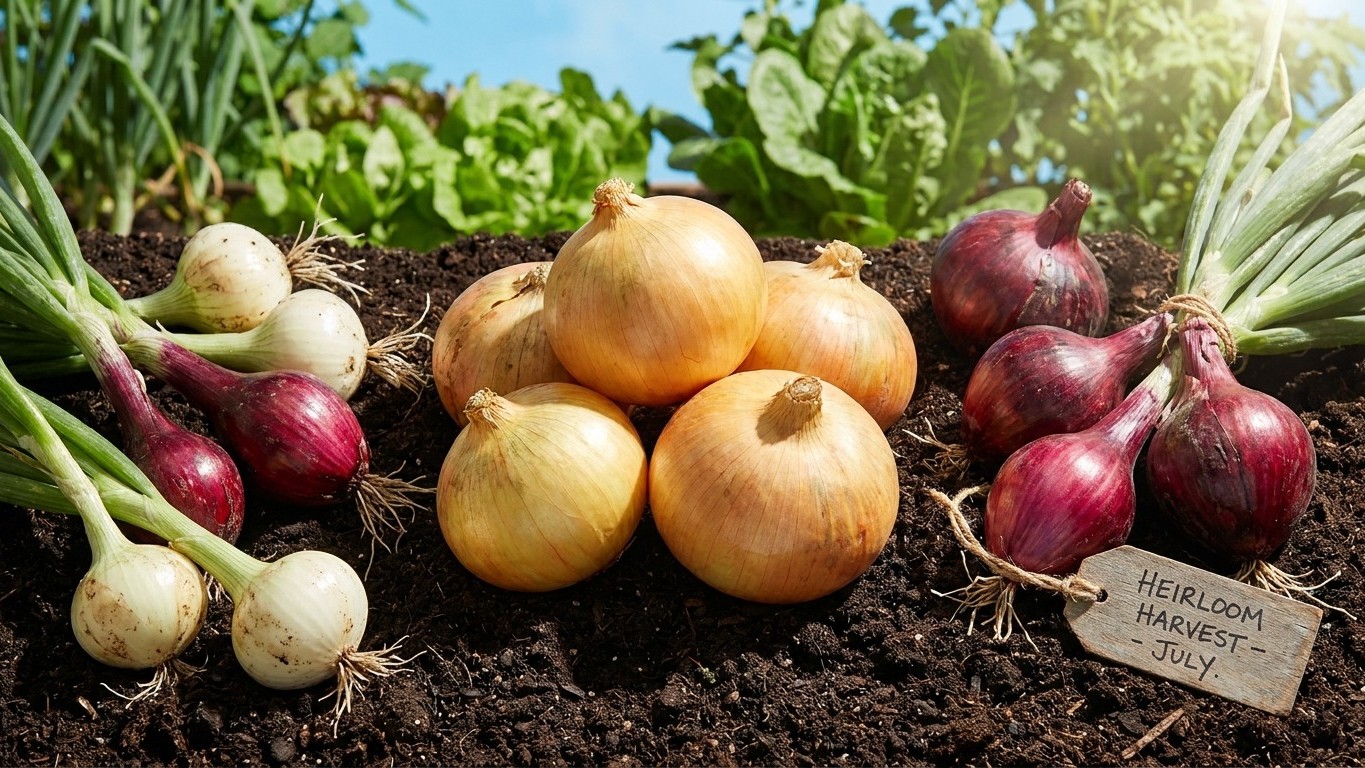
New York sits at 40.78°N (the latitude of the Central Park weather station in Manhattan), and on the longest day of the year the sun stays up for 14…
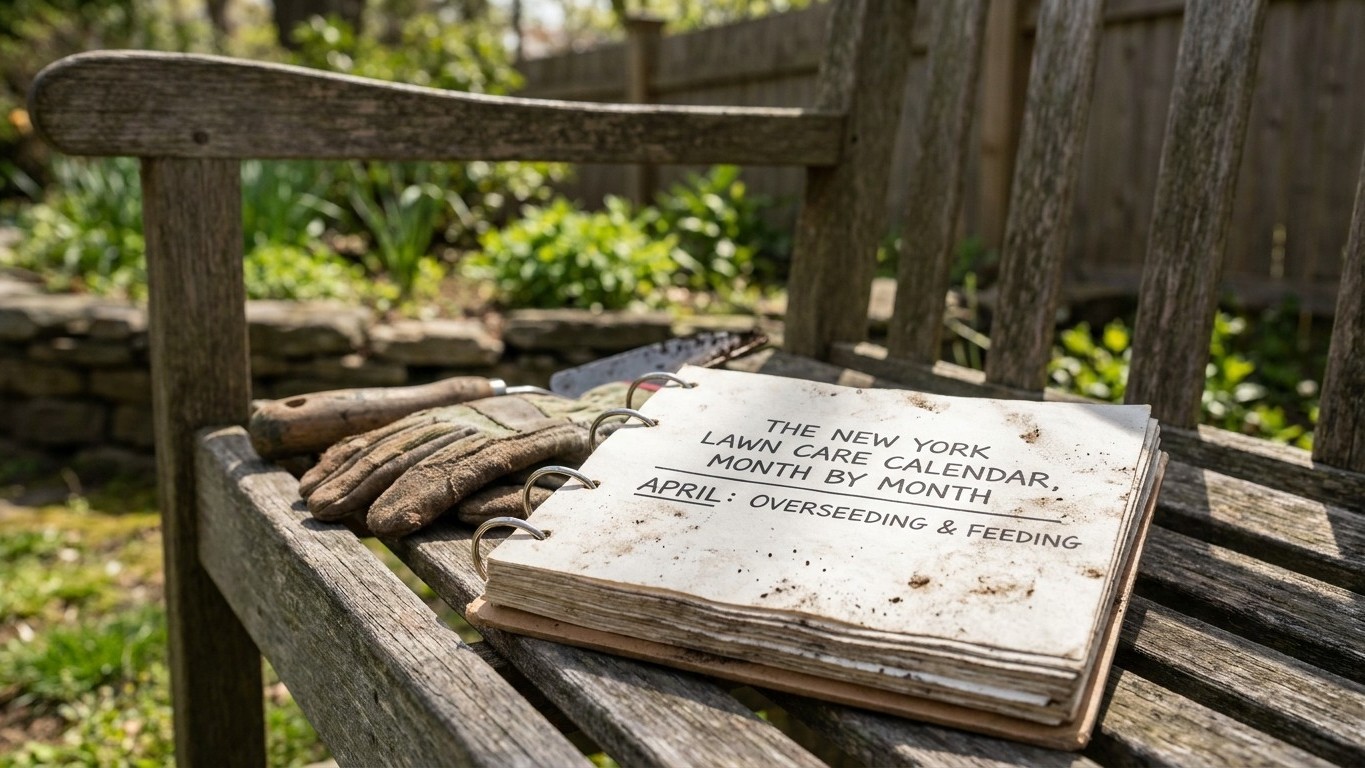
A month-by-month guide to mowing, feeding, watering and seeding a cool-season lawn in New York, built around NOAA’s fall frost data.
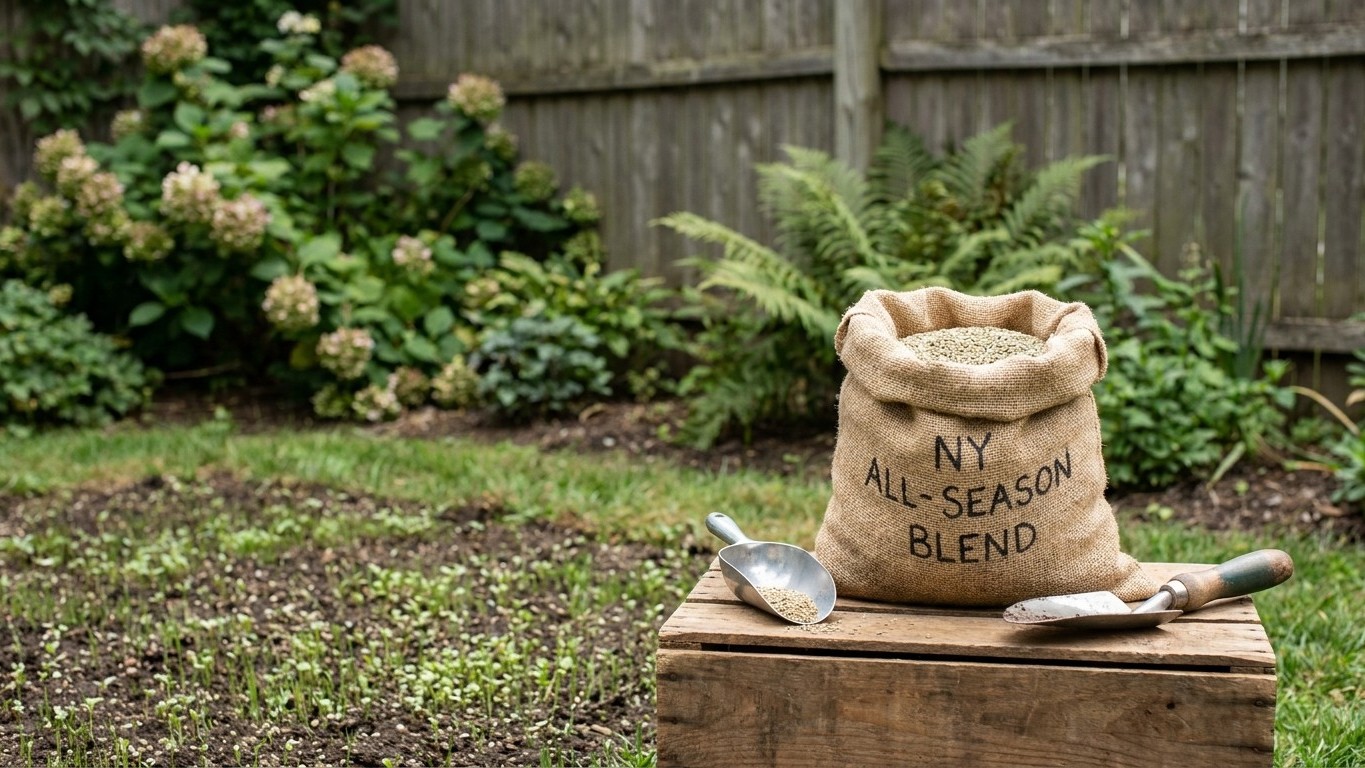
New York’s cool-season climate favors Kentucky bluegrass, tall fescue, fine fescue, perennial ryegrass and rough bluegrass, each suited to different sun, shade and traffic conditions.
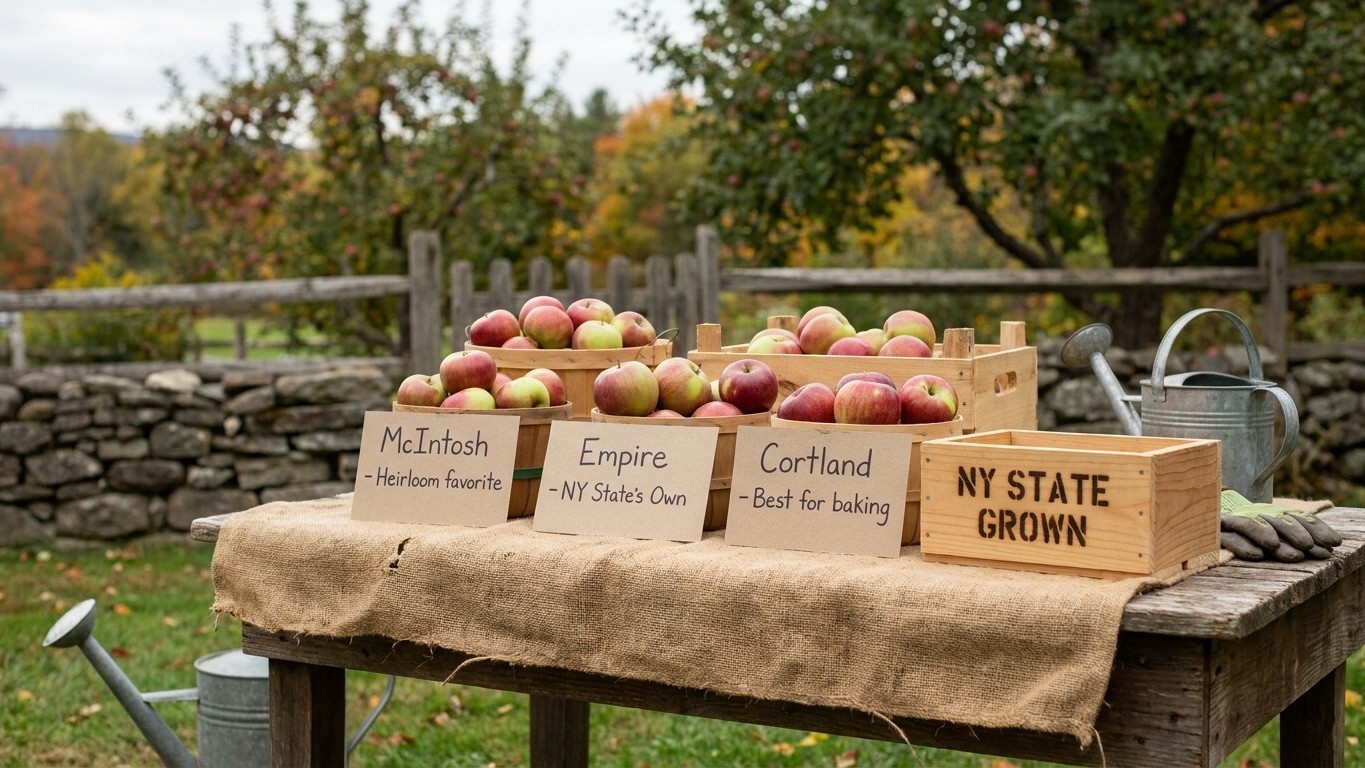
New York’s apple success depends on matching bloom time and cold hardiness to your region’s frost dates, not choosing a single statewide variety.