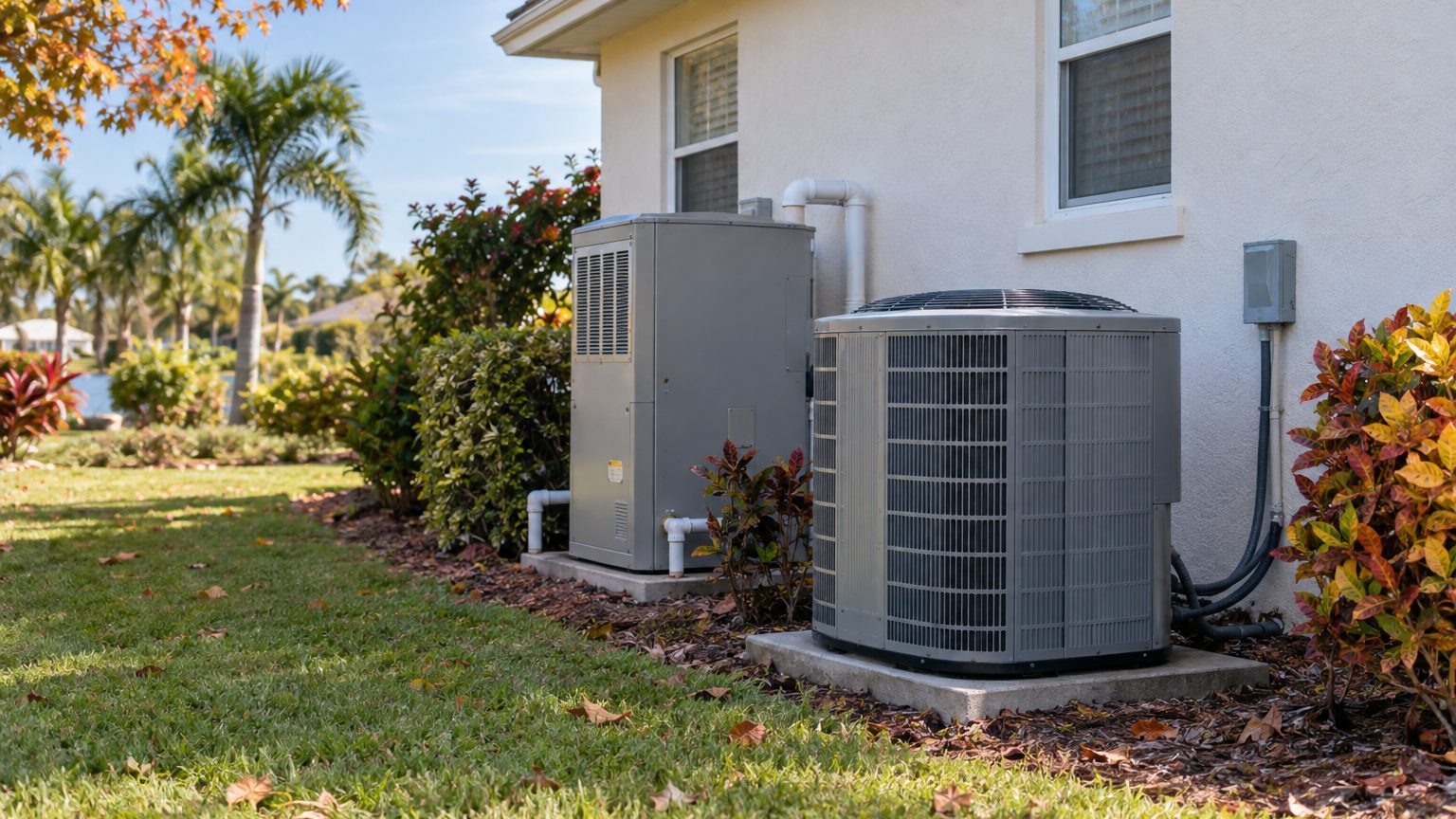

Against electric baseboard, a heat pump is the cheaper system to run in Newfoundland and Labrador: C$19.25 per million Btu of delivered heat, versus C$45.69. Natural gas is the missing piece. The data behind those figures carry no gas price for the province, so that number has to come from your local utility before you can line up a furnace beside them.
The short answer for Newfoundland and Labrador
Start with what the numbers do say. Using average residential electricity prices measured in St. John’s (Hydro-Québec’s city comparison), ENERGY STAR efficiency levels and standard energy conversions, delivering one million Btu of heat to the house costs C$45.69 with electric resistance, such as baseboard heaters running at 100% efficiency. A heat pump rated at 8.1 HSPF2, which works out to a seasonal COP of about 2.4, delivers the same heat for C$19.25. That is C$26.44 less per million Btu. The heat pump is cheaper to run here, and the gap is wide.
Two limits matter. These are running costs for the same unit of heat, not a yearly bill, which depends on the size of the house, its insulation, how warm you keep it and how many winter nights the system has to work hard. They are also not equipment prices. A heat pump and its installation cost something up front, and so does a furnace. Neither is in these figures.
The gas side stays open. Natural gas is not priced in the data used here, so there is no honest per-Btu comparison between a heat pump and a gas furnace. Whether a gas line even reaches your street, and the delivered price per unit of gas, are questions for the local utility. Once you have that price, divide the fuel cost by the furnace’s efficiency and compare it with the heat pump figure above. If you heat with baseboard today, a heat pump is the cheaper system to run; if gas is on the table, get the utility’s price and compare per million Btu, not per unit of fuel.
For the wider picture of how homes in the province stay warm, Heating a Home in Newfoundland and Labrador covers the options side by side.
What each option costs to run in Newfoundland and Labrador
| System | Efficiency used | Cost per million Btu delivered |
|---|---|---|
| Electric resistance (baseboard) | 100% | C$45.69 |
| Heat pump | 8.1 HSPF2 (seasonal COP about 2.4) | C$19.25 |
| Gas furnace | Not computed | No gas price in the data used; ask the local utility |
All amounts are in Canadian dollars. Behind them sits one price: 15.59 cents per kWh, the average residential electricity price before taxes for a home using 1,000 kWh a month, with rates in effect April 1, 2025, measured in St. John’s. It comes from Hydro-Québec’s comparison of electricity prices in North American cities. It is a city average, useful for comparing fuels, and it will not match your own bill line for line. The conversion that turns kilowatt-hours into heat is standard: one kWh carries 3,412 Btu.
Efficiency matters as much as the fuel price because you are buying warmth, not fuel. A baseboard heater turns each kWh into one kWh of heat. A heat pump uses that same kWh to move heat from outdoor air into the house, and at a seasonal COP of about 2.4 it moves more than it consumes. A cheap fuel burned in a poor appliance can lose to a pricier fuel used well, which is why a gas quote only means something once you divide by the furnace’s efficiency.
The 8.1 figure is the ENERGY STAR minimum for ducted and single-package heat pumps, and the program asks for 8.5 HSPF2 from non-ducted (ductless) split systems, as listed in the ENERGY STAR key product criteria. These are minimums for the label, not typical values. For more on reading the rating, see What HSPF2 Measures, and Why Ductless Asks for More. HSPF2 rates heating and SEER2 rates cooling, so compare the same letter between two units. Put every quote on the same footing, cost per million Btu delivered, before you decide anything.
How cold it gets, and what that does to a heat pump
St. John’s A, the reference station, logs about 4,755 heating degree days a year below 18 °C, according to Environment and Climate Change Canada’s 1981-2010 climate normals. Twice the degree days means roughly twice the fuel for the same house. That figure cannot be set beside an American one, because the base differs (18 °C is 64.4 °F), the unit differs (Celsius degree-days) and the period differs (1981-2010 here).
The coldest month at that station has a mean daily minimum of -8.7 °C. That is an average of the lowest temperature each night, not a record low, so some nights in a given winter will run colder. No month’s normal reaches the 18 °C base, so the heating season is effectively permanent. The heat pump gets plenty of running hours, and so does anything backing it up.
Here is where the C$19.25 needs care. It uses a seasonal efficiency, an average across the whole heating season. In deep cold a heat pump’s efficiency drops, so the coldest nights cost more per million Btu than that average suggests. Most installations pair the heat pump with backup heat, either electric resistance strips or a furnace, that carries the house when the outdoor unit can no longer keep up. Resistance strips cost C$45.69 per million Btu in this comparison, so the hours they run count against your savings. How Cold Is Too Cold for a Heat Pump goes through how those limits work.
None of this erases the gap. Most heating hours fall well above the coldest nights, and across a season the heat pump still has a large head start on resistance. But in a harsh winter the gap is smaller than the table implies. Ask for the unit’s heating output at the low temperatures your area sees, and find out exactly what carries the house below it.
What homes in Newfoundland and Labrador already heat with
Statistics Canada’s table 38-10-0286 (primary heating systems, 2023) gives province-wide shares. Electric baseboard heaters lead by a wide margin at 56%. Forced-air furnaces follow at 9%, heat pumps at 8% and boilers with hot-water or steam radiators at 6%. Heating stoves are not reported: the survey does not publish a figure for them, which is not the same as saying nobody heats that way. These are provincial shares, not counts for any one town, and they cannot be set beside American survey results, which use different categories and years.
Those shares describe what was installed, not what is recommended. They do change the question, though. More than half of homes already have baseboard, and for those households the real comparison is a heat pump against C$45.69 per million Btu, not against gas. A baseboard house has no ducts, which points toward ductless units, with the baseboards left in place as the backup.
A forced-air house already has ductwork, which makes a ducted heat pump easier to picture. The survey lists the system type but not its fuel in these figures, so it cannot tell you how many of those furnaces burn gas. If you are in that 9%, find out what yours burns and whether a gas line is available, because a house without one removes the gas option altogether. A boiler house is a different conversion again: radiators and hot-water piping, no ducts. Know your current system and its fuel before you collect quotes.
When the other choice wins
The cheapest system to run is not always the right call. In a house with no gas service, the contest is heat pump against electric resistance, and the heat pump takes it on running cost. Where it can lose is on the coldest nights: if the backup is baseboard or strips, a stretch of deep cold pushes the bill toward the resistance figure, and a small, tight house used only part of the year may not repay the up-front cost quickly.
A gas furnace has its place where gas is on the street and the utility’s price, divided by the furnace’s efficiency, comes in below C$19.25 per million Btu. The data used here carry no gas price, so I will not guess at that number. A dual-fuel setup, a heat pump for most of the season with a furnace taking over in the hardest cold, uses each system where it is strongest, but it needs both pieces of equipment and costs more to install.
Cooling is the other angle. The data used here carry no cooling degree day figure for the province, so weigh how many hot days you actually want to cool. A heat pump cools as well as heats, with SEER2 as the cooling rating, while a furnace does not. Ductless or Central helps you pick the format.
Finally, an old system with years left can be the cheapest answer. If your furnace still runs reliably and repairs are minor, replacing it early trades certain spending now for projected savings later. Repairing a Furnace or Replacing It lays out how to weigh that. Let a failing system, a missing gas line or a wish for air conditioning decide the timing, and let the per-Btu figures decide the fuel.
Common questions
Is a heat pump cheaper to run than a gas furnace in Newfoundland and Labrador?
The data used here have no natural gas price for the province, so there is no computed figure to claim that. A heat pump at 8.1 HSPF2 costs C$19.25 per million Btu delivered, against C$45.69 for electric resistance. For gas, get the delivered price from the local utility and divide it by the furnace’s efficiency.
Does a heat pump still work in a Newfoundland winter?
Yes, with a caveat. The coldest month at St. John’s has a mean daily minimum of -8.7 °C, and in deep cold a heat pump’s efficiency drops below its seasonal average. Backup heat, either resistance strips or a furnace, handles the coldest nights.
Is C$19.25 what my heating will cost per year?
No. It is the cost of one million Btu of delivered heat at average residential electricity prices, using the ENERGY STAR minimum HSPF2 as a seasonal average. Your yearly bill depends on the house, the thermostat and the weather, and the figure is not equipment cost.
Can I compare these figures with American ones?
Not directly. The costs are in Canadian dollars, and the degree days use an 18 °C base over 1981-2010, while American figures use a 65 °F base over a different period.