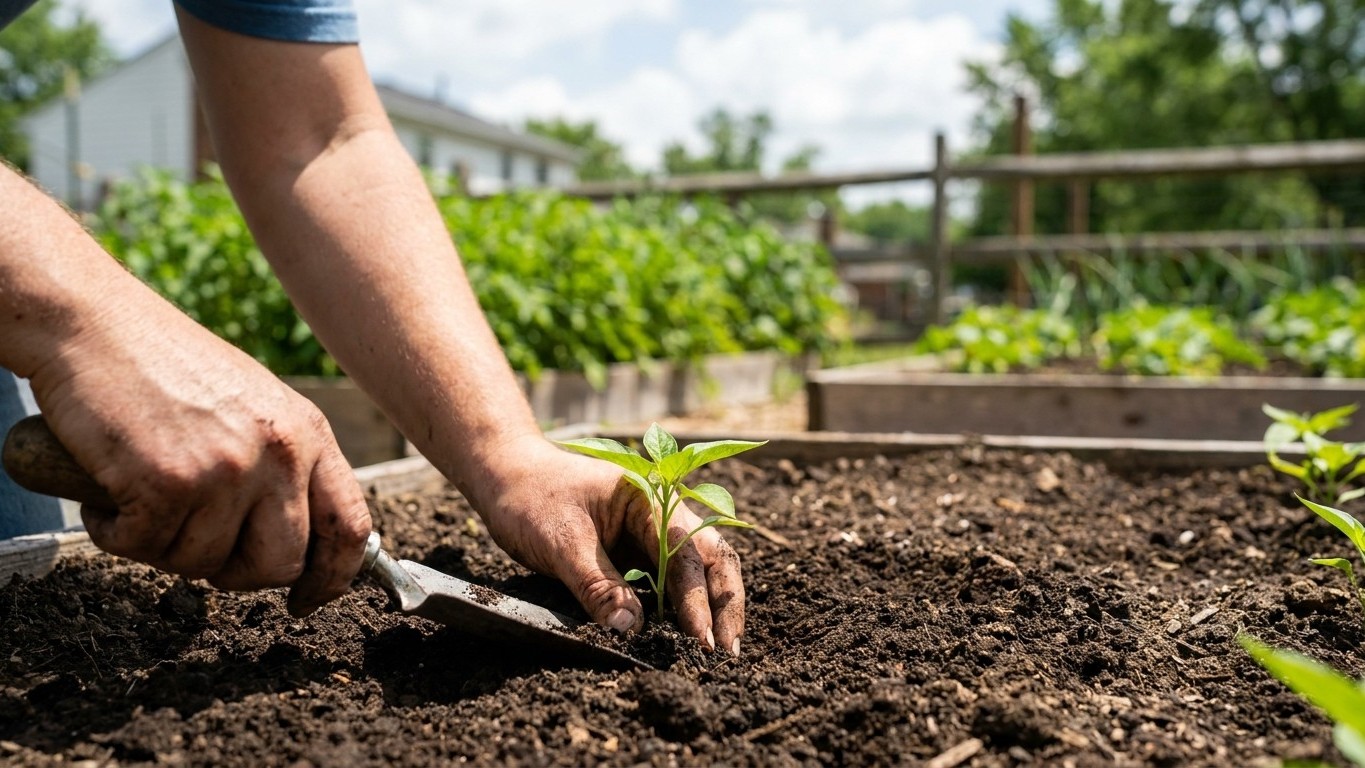

July sits deep inside Newfoundland and Labrador’s short growing window, which on average runs from May 30 to October 17. That’s the heart of the season for hardy vegetables, and it’s the last realistic month to start quick crops that need to finish before the cooler weather that arrives even before that fall frost date shows up.
What goes in the ground in July

The frost risk isn’t the limiting factor this month, the soil and air temperature are. Newfoundland and Labrador’s growing season averages roughly 20 weeks between the last spring frost and the first fall frost, and by July the ground has finally warmed up enough for the crops that sulk in cold, wet spring soil. That’s different from the calendar-driven advice you’ll see for warmer provinces: here, the question isn’t “has frost passed” but “has the soil actually caught up.”
Direct sowing works well now for anything that matures quickly. Bush beans, summer squash, and cucumbers can go straight into warmed beds, especially in a sheltered spot away from coastal fog. Beets, carrots, turnips, and radishes can still be sown for a second round, since the cool nights that persist even in midsummer suit root crops better than heat-lovers. Peas sown now will crop later than a spring planting but still have time before autumn cools things down. Cabbage, broccoli, and kale transplants set out in early July are aimed squarely at a fall harvest, giving them the 60 to 90 days most need before the season turns.
What’s a gamble: corn, melons, and outdoor tomatoes. The frost window says they’re safe, but Newfoundland and Labrador’s maritime summers rarely deliver the sustained heat these crops want, even in the warmest weeks. Growers who push them outdoors without cover are usually disappointed by slow, stunted plants rather than frost damage.
| Crop | July action | Why it works now |
|---|---|---|
| Bush beans | Direct sow | Soil finally warm enough for germination |
| Beets, carrots, turnips | Succession sow | Cool nights favor steady root growth |
| Cabbage, broccoli, kale | Transplant | Timed to mature before fall frost |
| Corn, melons, outdoor tomatoes | Avoid or cover | Summer heat is too unreliable |
What to start under cover
Starting seed indoors in July is almost always aimed at the fall harvest, not the current crop. Count backward from October 17, the average first fall frost, rather than from today’s date. A storage cabbage or a fall broccoli generally needs 80 to 100 days from transplant to harvest. Subtract that from the frost date and you land somewhere in mid-to-late July for setting transplants out, which means the seed itself needs to go into trays now or within the next couple of weeks, depending on how large the transplants need to be before they go into the garden.
Lettuce and spinach are more forgiving. A fresh batch started indoors now, then moved out once the hottest stretch of summer passes, can give a second flush of tender greens through late summer and into fall, since both bolt fast in warm soil but recover well once temperatures ease.
The two ways this goes wrong are familiar to anyone who’s gardened in a short-season climate. Start too early and the seedlings sit in their trays far longer than they should, turning leggy and rootbound while they wait for outdoor conditions or garden space to open up. Start too late, especially for anything needing 90-plus days, and the young transplants run straight into the average October frost before they’ve finished sizing up. Given that Environment and Climate Change Canada’s frost date is a mean, not a guarantee, half of all years bring frost later than October 17, but planning around the earlier end of that range keeps the risk on the safe side rather than the sorry side.
What is ready to pick
July harvests in Newfoundland and Labrador tend to be the early, quick-maturing crops that went into the ground as soon as the soil allowed. Rhubarb planted in previous seasons is usually in full production and ready for repeated cutting. Spring-sown lettuce, spinach, and radishes should be at their peak, and the trick with all three is not to wait: lettuce and spinach bolt fast once the days lengthen and warm, and radishes turn woody and hot within days of being ready.
Early peas sown as soon as the ground was workable often start producing pods by mid-to-late July, and the tell is simple: pods that are plump but still bright green and snap cleanly, not the dull, swollen ones left too long. Scallions and bunching onions planted earlier in the season can be pulled as needed. By the end of the month, the very first new potatoes may be ready in beds that were planted early, checked by gently digging at the edge of a hill to see if tubers have sized up to golf-ball or egg size.
Herbs like chives, parsley, and dill are usually productive by now and benefit from regular cutting, which encourages more growth rather than letting the plant bolt to seed.
The jobs that matter this month
Hilling potatoes is one job that genuinely cannot wait. As the plants grow, mounding soil up around the stems keeps developing tubers covered and out of the light, since exposed potatoes turn green and inedible. Skipping this in July costs part of the harvest later.
Mulching matters more here than in drier provinces, but for a different reason: Newfoundland and Labrador’s coastal fog and frequent rain keep soil surfaces damp, which suits slugs perfectly. A layer of mulch around vulnerable crops like lettuce, cabbage, and strawberries helps regulate moisture swings and makes it harder for slugs to move freely, but it should be checked regularly rather than left to become a slug shelter itself.
Staking and supporting peas, beans, and any sprawling squash needs to happen before the plants collapse under their own growth, not after. Once vines are tangled on the ground, working supports in without damaging stems becomes far harder.
Succession sowing every two to three weeks for quick crops like lettuce, radishes, and beans keeps the harvest steady rather than delivering one glut followed by a gap. Watering rhythm matters too: deep, less frequent watering encourages roots to grow downward, while light daily sprinkling keeps roots shallow and plants more vulnerable when a dry spell does hit.
Pest scouting should focus on slugs after rain, aphids on the undersides of brassica leaves, and early signs of cabbage root maggot around young transplants. Catching any of these in the first week saves a much bigger cleanup later.
What not to do in July
The most common mistake is treating a mild, sunny stretch as proof that summer heat has arrived and pushing corn, melons, or unprotected tomatoes outdoors on that basis. Newfoundland and Labrador’s summer air can feel warm for a few days and then swing back to cool, foggy conditions with no frost involved at all, and heat-loving crops simply stall in those conditions rather than growing on.
Pulling row covers or cold frame lids off permanently after a warm week is another one. The frost date of October 17 is an average, which means frost has arrived earlier than that in roughly half of past years, and cool nights well short of frost can still damage tender seedlings. Covers are cheap insurance; removing them for good based on one good stretch of weather isn’t worth the risk.
Heavy nitrogen feeding on root crops like carrots, beets, and turnips at this stage of the season pushes leafy top growth at the expense of the root itself, leaving gardeners with lush greenery and disappointing roots underneath. A balanced feed, or none at all on already-fertile soil, generally serves root crops better in July.
Letting succession sowing slip is a quieter mistake, but it shows up later as a hole in the harvest during August and September when there’s nothing new coming on, just because nothing new was sown in July to replace what’s already been picked.
Checking this against your own county
These averages come from the ST JOHN’S A weather station, and Newfoundland and Labrador is not one climate. The Avalon Peninsula’s coastal fog, the interior’s more continental swings, and Labrador’s colder, shorter season can shift these windows by weeks in either direction, and elevation alone can change frost timing on a single property. Treat everything above as a starting point built from one station’s normals, not an instruction sheet for a specific garden.
For local guidance tuned to your district, the Newfoundland and Labrador Department of Fisheries, Forestry and Agriculture is the province’s extension resource and a better source for county-level timing than any provincial average.
Common questions
Is July too late to plant vegetables in Newfoundland and Labrador?
No. It’s actually a strong month for succession sowing quick root crops and greens, and for transplanting brassicas timed to mature before the average October 17 fall frost.
Can tomatoes be grown outdoors in July here?
They can, but the average frost-free window doesn’t guarantee enough sustained warmth. Most gardeners get better results from a cold frame, greenhouse, or a sheltered south-facing spot with cover on cool nights.
Why is the hardiness zone listed as 6a if summers are cool?
That 6a figure comes from Natural Resources Canada’s plant hardiness system, which weighs seven climate variables together, not just winter minimums. It describes the reference city in this province and doesn’t translate directly to a USDA zone used elsewhere.
What’s the single most important job in the garden this month?
Hilling potatoes and staking sprawling crops before they get away from you. Both are easy to postpone and costly to skip once plants have grown past the point where support or soil coverage can be added cleanly.