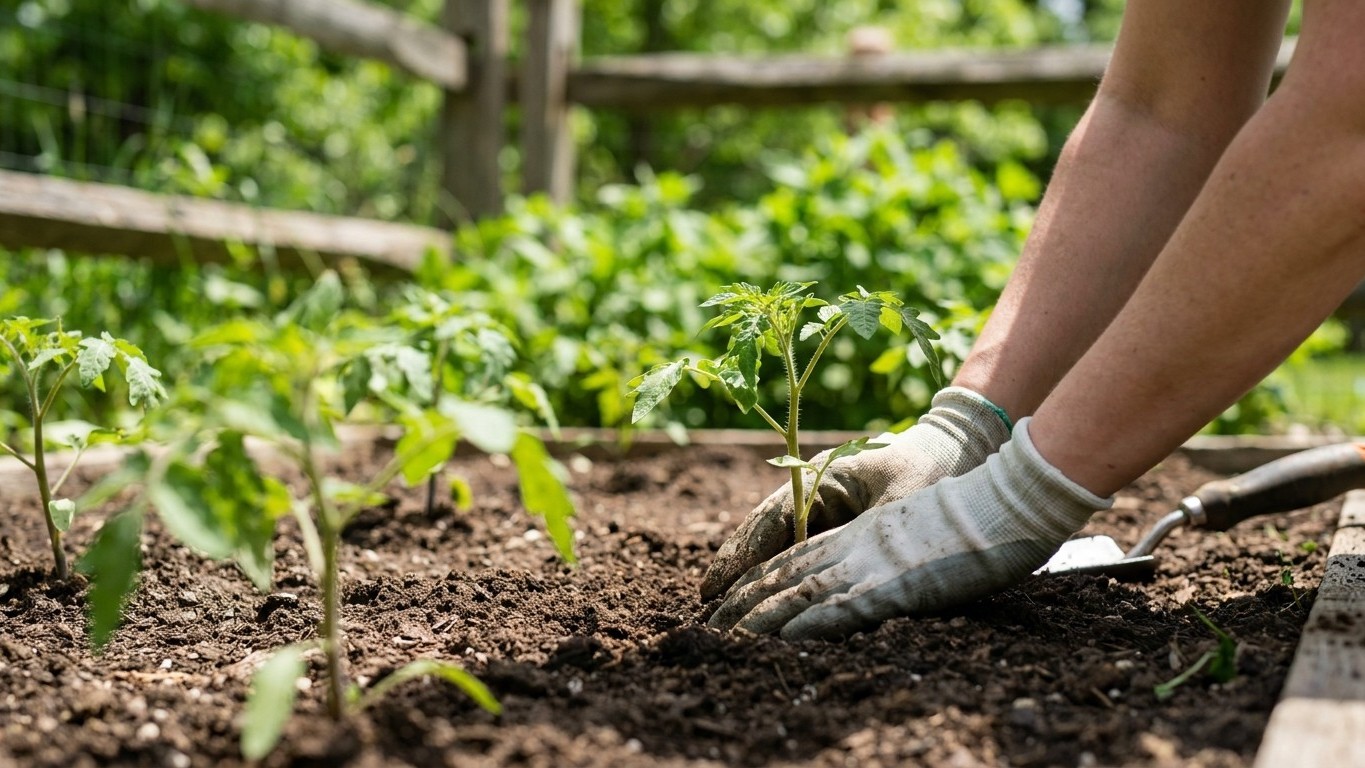

June is the month Newfoundland and Labrador gardeners have been circling on the calendar since the last of the snow melted off the beds. The average last spring frost at St. John’s falls on May 30, so most of the month sits past that line for hardy crops. Peas, onion sets, leeks, and cold-tolerant greens can go straight into open soil now. Tender crops like beans, squash, and tomatoes still need patience, warm soil, and some frost insurance before they leave a cold frame or greenhouse.
What goes in the ground in June

The frost date is a mean, not a promise. Environment and Climate Change Canada’s own normals put the average last spring frost at St. John’s on May 30, which means in roughly half of all years frost arrives later than that. Treat it as the midpoint of a window, not a green light. What actually decides whether a seed or transplant survives is soil temperature, and in Newfoundland and Labrador’s maritime climate, soil warms slower than the air does. A mild, sunny week in early June can feel like summer while the ground four inches down is still cold to the touch, especially near the coast where fog keeps things damp and sluggish.
That gap between air and soil is why the safe list and the gamble list look so different this month.
| Ready to plant now | Wait for consistently warm soil |
|---|---|
| Peas, both shelling and snap | Beans, bush and pole |
| Onion sets, leeks, shallots | Squash and pumpkins |
| Lettuce, spinach, kale, chard | Cucumbers |
| Carrots, beets, turnips, radish | Tomatoes and peppers, outdoors |
| Broccoli and cabbage transplants | Corn |
Everything in the left column tolerates a light frost brush or simply germinates fine in cool ground. Everything on the right stalls or rots if the soil hasn’t warmed through, no matter how warm the afternoon feels. If a cold spell is forecast, hold the tender crops back another week or two rather than risk a full replant. Where the site sits low and holds frost, such as a valley bottom or a yard that backs onto open water, push these dates later still.
What to start under cover
By June, most seed starting under cover isn’t for spring anymore. It’s for fall. The average first fall frost at St. John’s is October 17, and that number carries the same caution as the spring one: it’s a mean, so frost can and does arrive earlier in a given year. Counting backward from that date gives a working window rather than a guess. Many fall cabbages and broccoli varieties run roughly two months from transplant to harvest, so seeds started under cover now, hardened off and set out in early to mid-July, still leave a real cushion before the average frost, even allowing for a season that ends a couple of weeks early.
Heat-loving crops belong under cover for a different reason. Tomatoes, peppers, and even some squash do better started or grown on in a cold frame or small greenhouse through June, then moved to open soil once nights stay reliably above the low 50s. Newfoundland and Labrador’s cool, foggy summers along the coast rarely give these crops the heat they’d get further inland, so a few extra weeks of protected growth often makes the difference between a harvest and a green tomato pile in September.
The two ways this goes wrong are predictable. Start too early under cover and the seedlings outgrow their containers before the soil is ready, ending up rootbound and leggy, stretching for light they aren’t getting indoors. Start too late and there isn’t enough season left to reach maturity before the average frost date closes things down, particularly for anything that needs the full length of a Newfoundland and Labrador summer to finish.
What is ready to pick
June is a thin harvest month here, but it isn’t an empty one. Rhubarb planted in previous seasons is usually in full production by now, ready to pull whenever the stalks reach a good length; established asparagus crowns can offer a light cut as well, though asparagus takes patience to get going in this climate. Perennial herbs like chives and mint that overwintered outdoors are back and ready for cutting.
Anything sown directly in the ground in May starts paying off toward the end of June. Radishes sown then are usually ready within three to four weeks, so early June sowings are pulling by late in the month. Spinach and lettuce sown early can be cut as baby greens well before they bolt, and a cold frame or low tunnel used through spring often has a head start of a week or two on anything grown in the open.
None of this is a big harvest yet. The bulk of the season is still ahead. But between rhubarb, early greens, and whatever perennial herbs came through winter, there’s enough coming out of the garden to make the wait for tomatoes and squash a little easier.
The jobs that matter this month
Hardening off transplants is the job most likely to get skipped, and the one that costs the most when it does. Seedlings raised indoors or in a greenhouse need seven to ten days of gradually increasing outdoor exposure before they go into open beds permanently. Skip that step and a plant that looked fine under glass can scorch or stall within days outside.
Mulching should follow, not precede, soil warming. Put mulch down once the soil has had a chance to heat up in the sun; mulch too early and it traps the cold in, working against the very crops it’s meant to help. Peas and any climbing crop need staking or trellising in place before they start sprawling, since untangling vines after the fact damages roots and stems.
Watering rhythm matters more in June than gardeners here expect, since raised beds and containers dry out fast on windy, sunny days even in a generally damp province. Check moisture at finger depth rather than going by how the surface looks. Succession sowing keeps the harvest coming: a fresh short row of lettuce or radish every couple of weeks through June avoids the glut-then-gap pattern that catches a lot of first-time gardeners off guard.
Pest scouting starts now too. Slugs thrive in Newfoundland and Labrador’s damp soil and go after seedlings overnight; cutworms and leafminers show up on brassicas as the weather warms. A quick evening check of the undersides of leaves catches most problems before they spread. Weeding while roots are still shallow is far easier than pulling established weeds later, and it matters more in June than any other month because this is when weeds and vegetables are competing for the same narrow window of warm soil.
What not to do in June
The most common mistake is trusting the air temperature over the soil. A warm, sunny stretch in early June tempts a lot of gardeners into setting out tomatoes or beans, and then a cool damp week rolls in off the water and the plants sit stunted or rot at the base. Soil temperature, not how the day feels on skin, is what these crops actually respond to.
Removing row covers or cold frame lids too early after a mild spell is a close second. Newfoundland and Labrador’s coastal fog and cool nights can return with little warning even once the calendar says June, and a few unprotected hours at the wrong temperature can undo weeks of careful hardening off. Leave the cover on a bit longer than seems necessary rather than pulling it at the first warm afternoon.
Fertilizer timing trips people up too. Heavy nitrogen early on tomatoes and squash pushes lush leafy growth at the expense of flowers and fruit later in the season. On root crops like carrots and beets, too much nitrogen at planting encourages forked, hairy roots instead of clean ones. Hold off on nitrogen-heavy feeds until plants are established and, for fruiting crops, until flowering begins.
Checking this against your own county
A province-wide frost date is a starting point, not an instruction for a specific yard. Newfoundland and Labrador covers coastal fog belts, interior valleys, and Labrador’s much colder inland climate, and these move the safe planting window by weeks in either direction from the St. John’s average. Elevation matters too: a garden a few hundred feet higher than the nearest weather station will run behind it every season, not just once.
For local guidance that accounts for these differences, the province’s Department of Fisheries, Forestry and Agriculture maintains an extension service at gov.nl.ca/ffa, which is the right first stop before adjusting any date on this page for a specific address.
Common questions
Is it too late to plant vegetables in June in Newfoundland and Labrador?
No. June is close to prime planting time here since the average last frost at St. John’s falls on May 30. Hardy crops go in right away, and there’s still time for tender crops once soil warms further into the month.
Can tomatoes go outside in June in Newfoundland and Labrador?
Only once nights are reliably mild and the soil has warmed, which in this maritime climate often means later in June rather than the start of it. Many gardeners keep tomatoes under cover through much of the growing season given how cool coastal summers run here.
What is the hardiness zone for Newfoundland and Labrador?
St. John’s is rated zone 6a under the Canadian hardiness system, which is built on seven climate variables and does not convert directly to the USDA zones used elsewhere in the United States. Use it only alongside the Canadian system, not as a stand-in for a USDA rating.
What should I avoid planting outdoors too early in June?
Beans, squash, cucumbers, corn, and outdoor tomatoes or peppers are the biggest risks. They tolerate no frost and stall in cold soil even without a frost event, so waiting for warmer ground pays off more than sticking to a fixed date.