Growing Onions in North Dakota: Which Varieties Actually Bulb
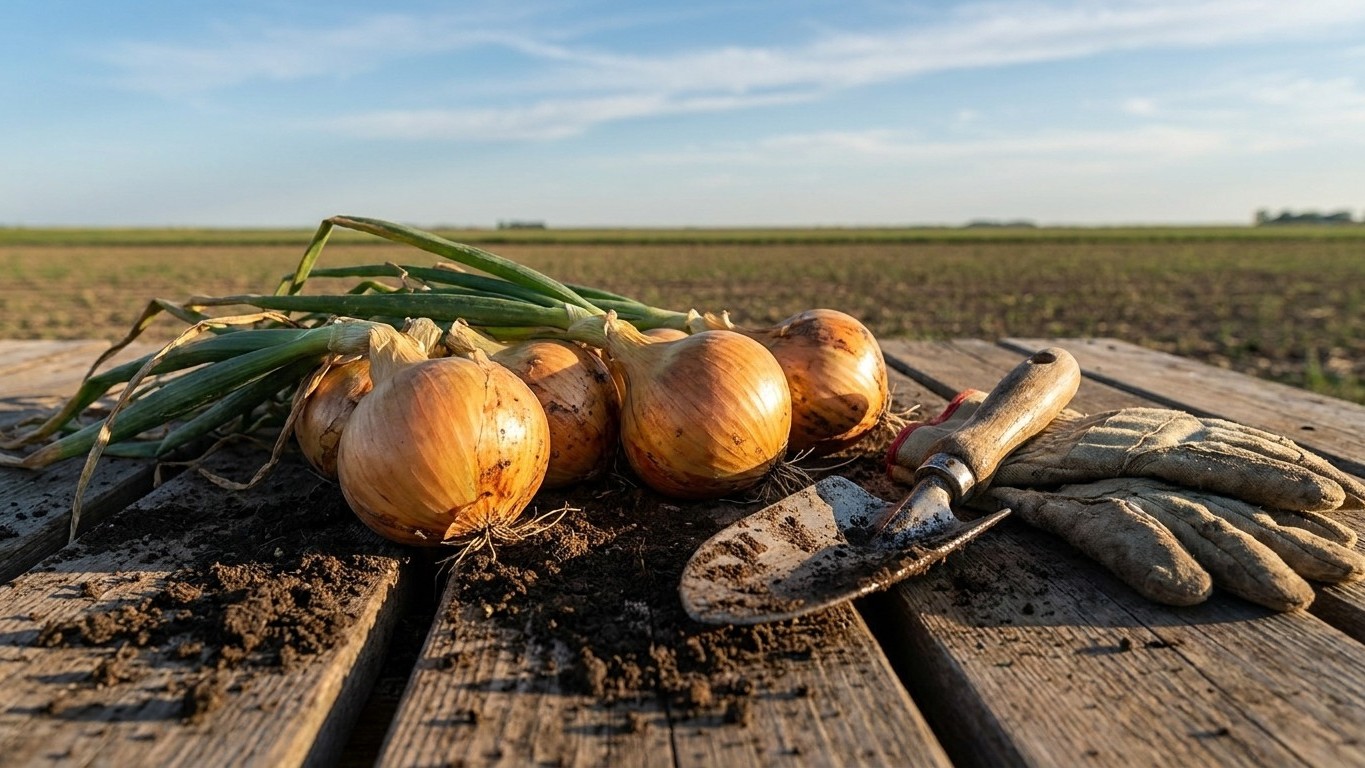
Fargo sits at 46.93 degrees north, and on the longest day of the year it gets 15 hours and 41 minutes of daylight.
Home & garden, state by state
Everything we have worked out for North Dakota: what to plant and when, which varieties finish in time, the pests that actually turn up here, and the jobs that pay off month by month. We also cover the rest of the property, from lawns and soil to home care and energy, because a garden rarely stops at the vegetable bed.
The numbers first, because everything else follows from them. Measured at the weather station in Fargo, the last spring freeze runs May 4 to May 15 and the first fall freeze runs September 25 to October 5, USDA zones 3a-4b, 2,673 growing degree days in the year.
Garlic does well: 30.4 weeks below 40 °F, comfortably past the six it needs to form a proper head.
Elsewhere on the property in North Dakota: the pests that turn up here.
Figures from NOAA's 1991-2020 climate normals. A state is not one climate: elevation, a large lake or the coast can move these dates by two weeks either way, so check your own county with the extension service before you spend money.
Fargo sits at 46.93 degrees north, and on the longest day of the year it gets 15 hours and 41 minutes of daylight.
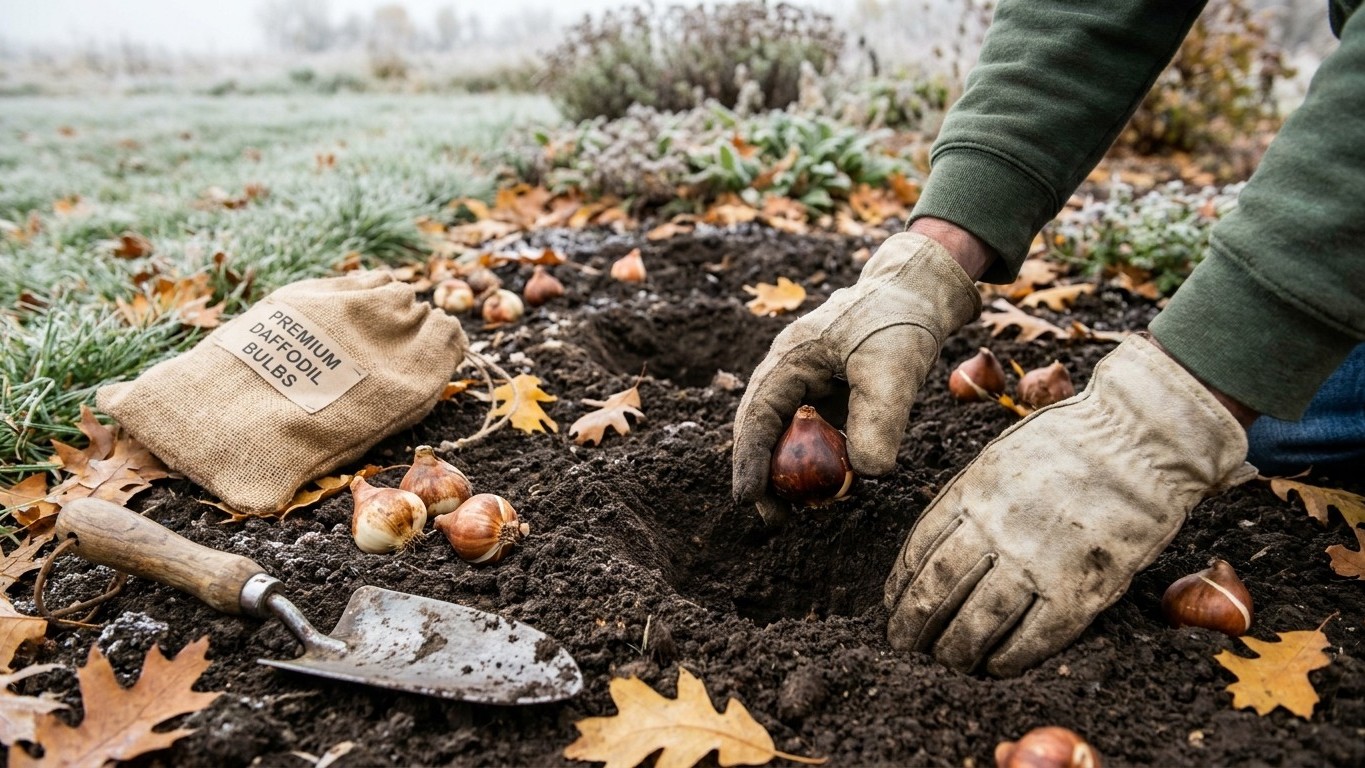
Spring-flowering bulbs can absolutely thrive in North Dakota, but not all of them will come back year after year.
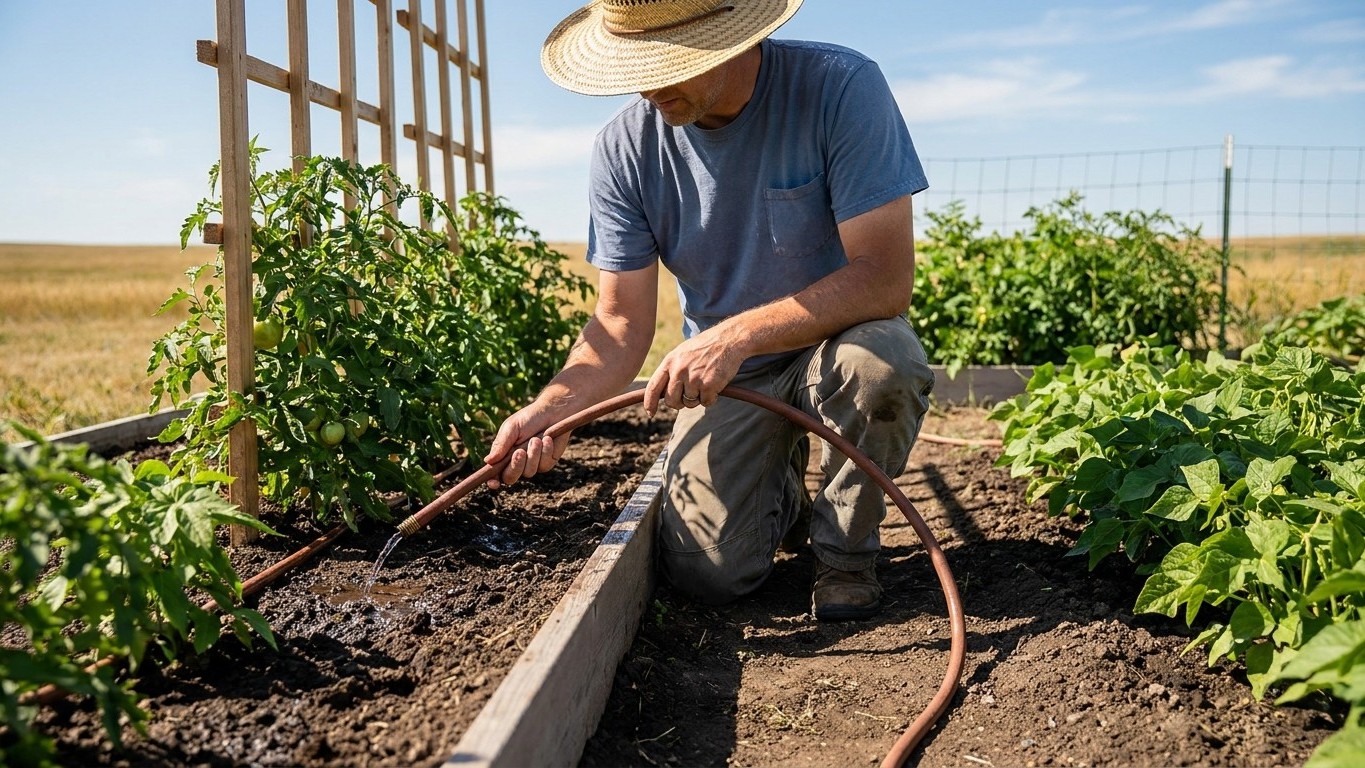
North Dakota gardens face a short, hot growing season and rainfall that can’t be counted on.
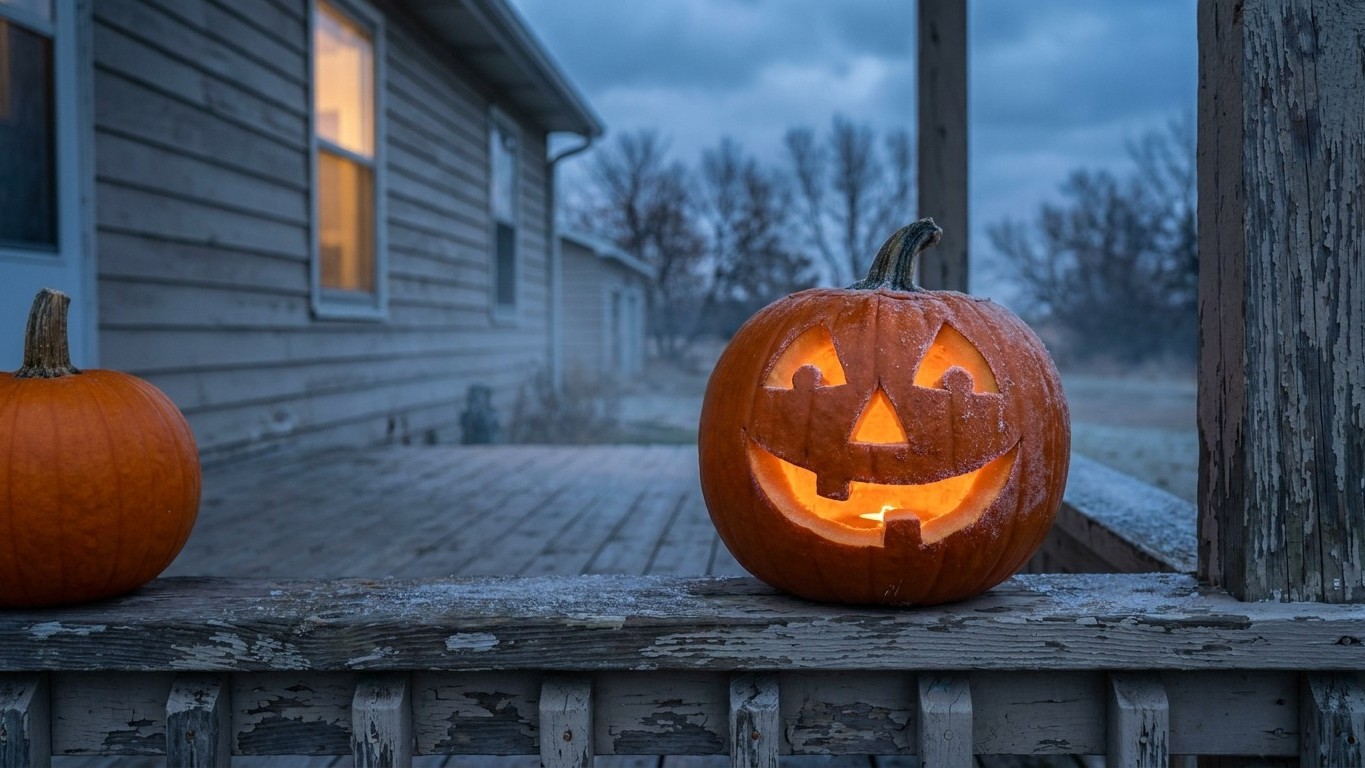
Around Fargo, the mean first fall frost lands between September 25 and October 5, weeks ahead of Halloween.
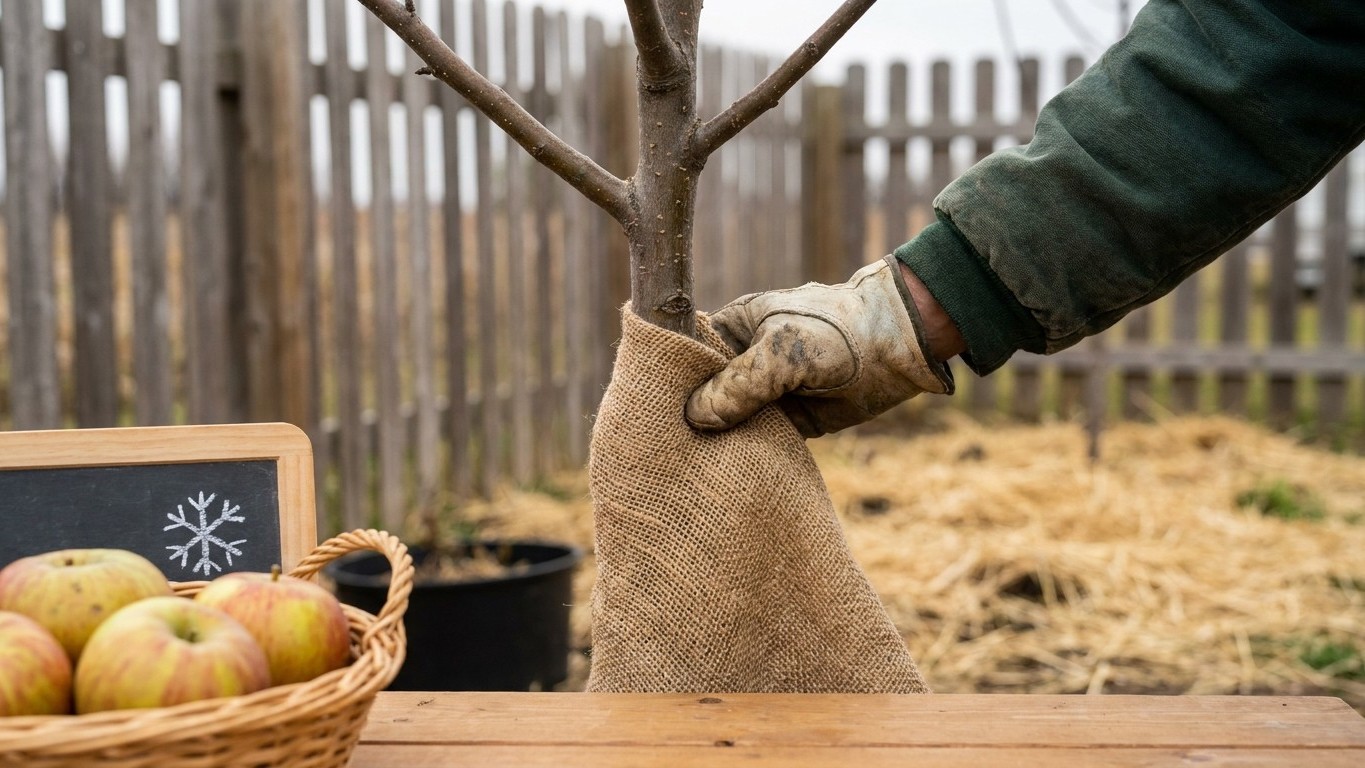
North Dakota apple growers need cold-hardy varieties rated to zone 3, paired for pollination, and timed around Fargo’s spring and fall frost windows.
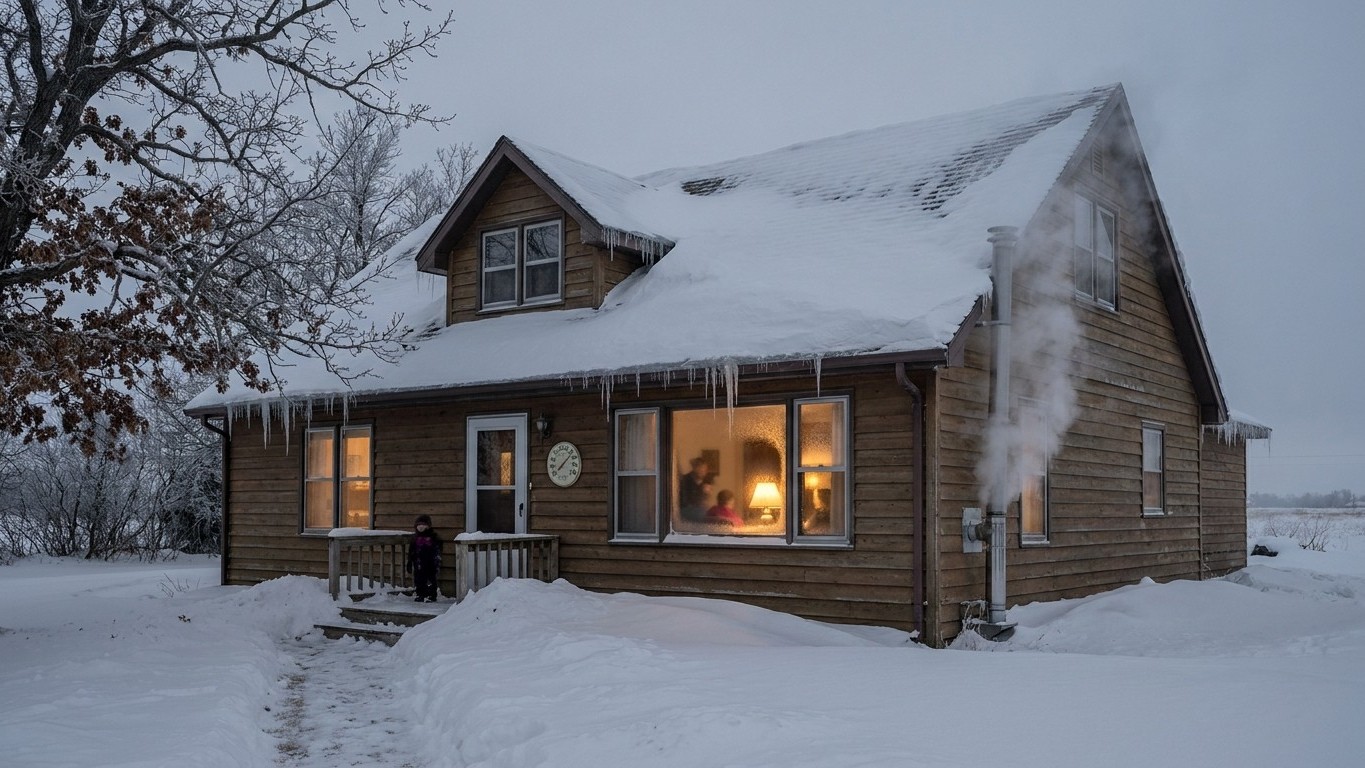
Fargo’s coldest month averages a low of just 0.2°F, and that single number explains why North Dakota heating bills run higher than almost anywhere else…
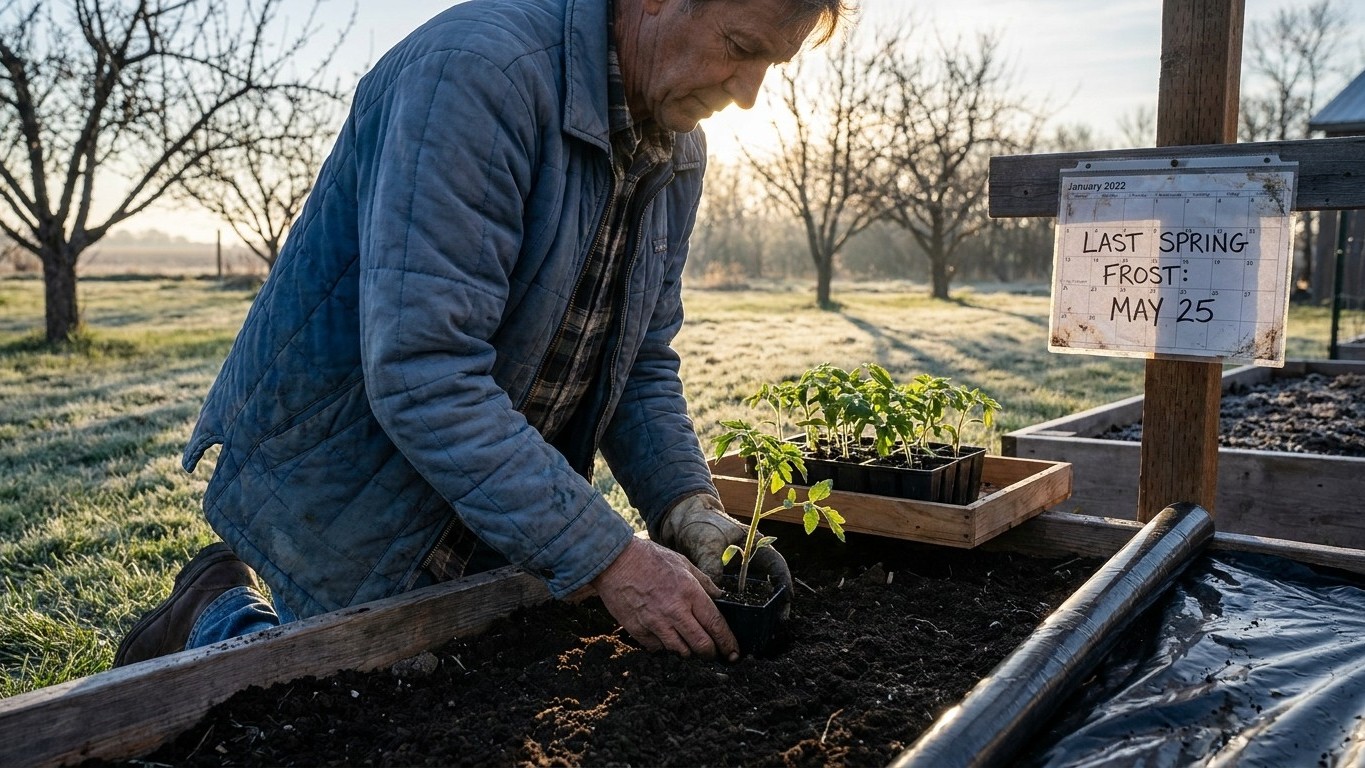
North Dakota gardeners work with one of the shortest frost-free windows in the Lower 48, sandwiched between a late spring thaw and an early fall freeze.
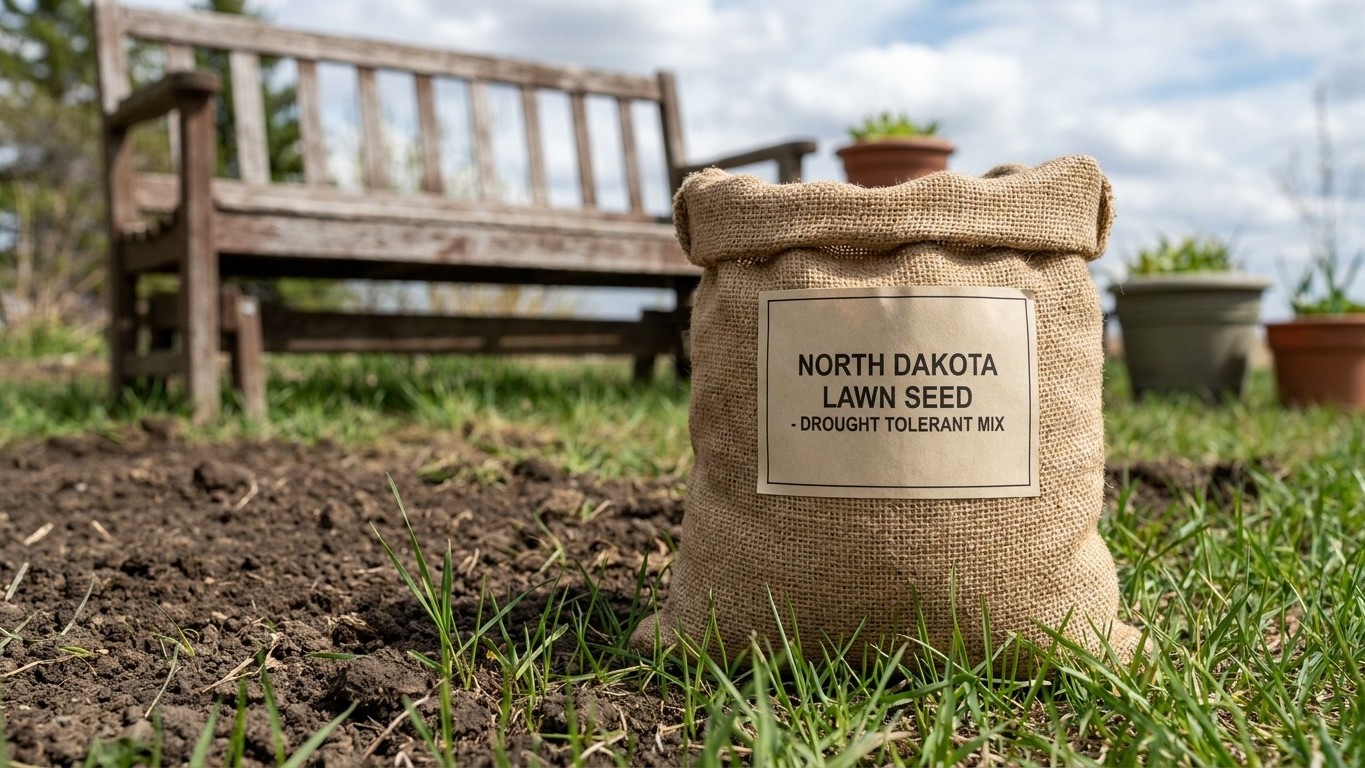
North Dakota’s cool climate favors Kentucky bluegrass, fine fescue, and perennial ryegrass blends, seeded in late summer ahead of the first fall frost near Fargo.
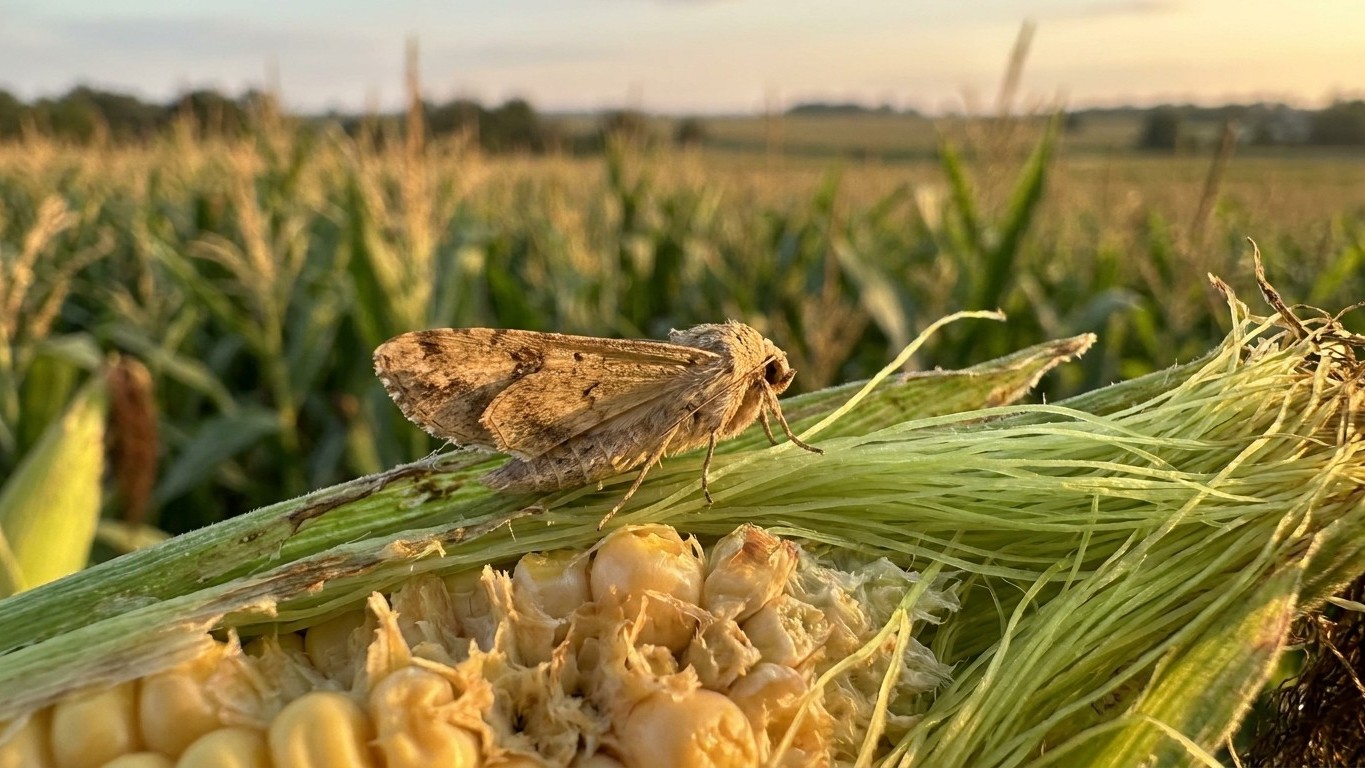
Corn earworm can’t survive a North Dakota winter on its own. Every population that shows up in the state’s cornfields each year arrived on the wind…
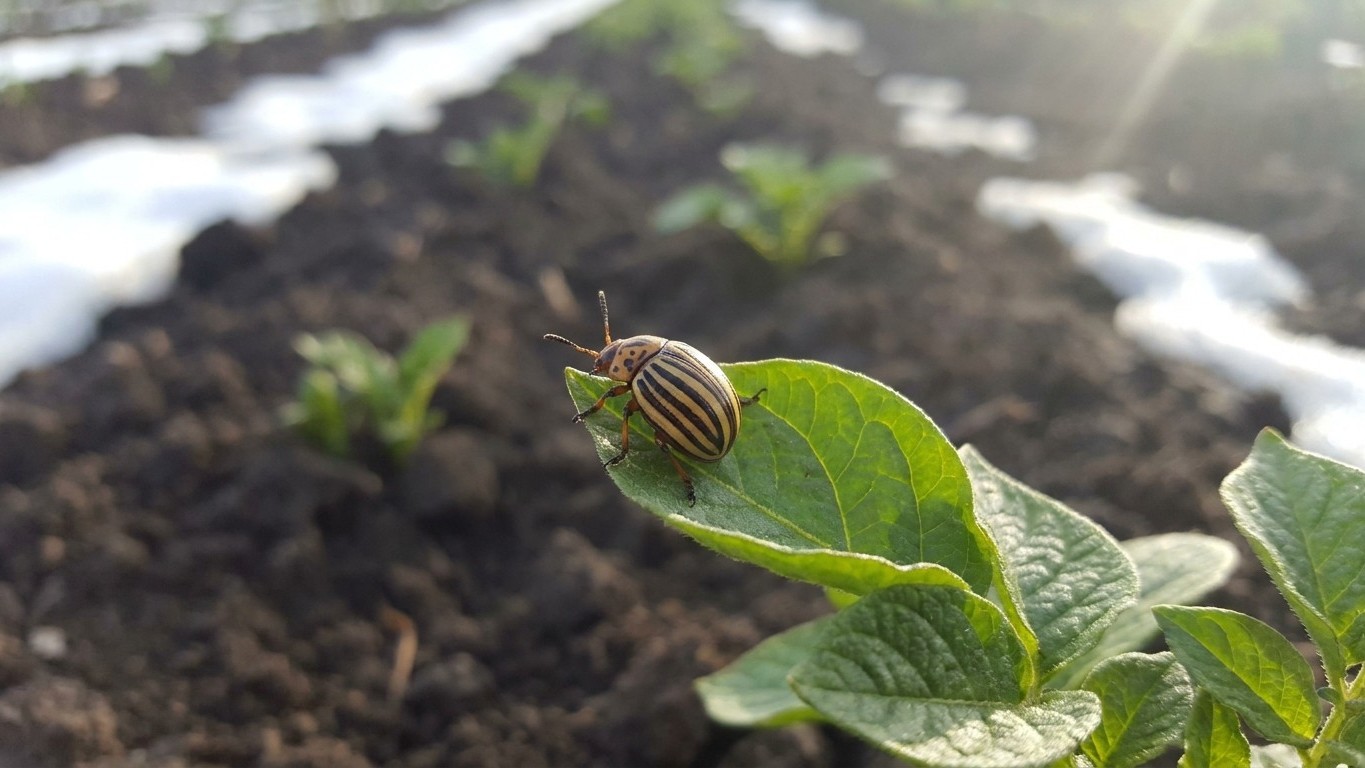
Overwintered Colorado potato beetle adults start crawling out of the soil in North Dakota once ground temperatures hit roughly 50 to 55 degrees…