What Eats Parsnip in Ohio, and When
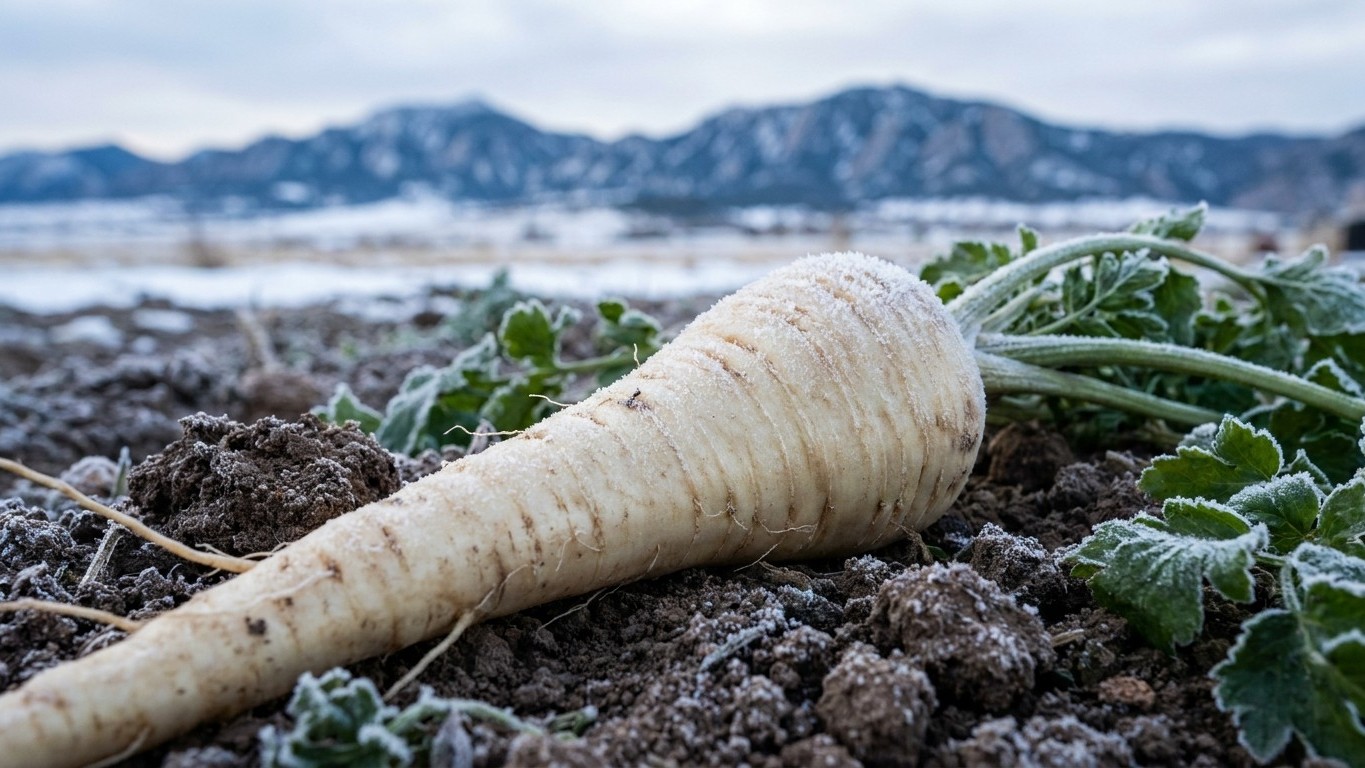
Ohio State University Extension (Ohioline) documents nine garden pests for this territory, but only a handful of them have any business on a parsnip bed.
Home & garden, state by state
Everything we have worked out for Ohio: what to plant and when, which varieties finish in time, the pests that actually turn up here, and the jobs that pay off month by month. We also cover the rest of the property, from lawns and soil to home care and energy, because a garden rarely stops at the vegetable bed.
The numbers first, because everything else follows from them. Measured at the weather station in Columbus, the last spring freeze runs May 5 to May 15 and the first fall freeze runs October 5 to October 15, USDA zones 5b-6b, 3,783 growing degree days in the year.
Garlic does well: 21.8 weeks below 40 °F, comfortably past the six it needs to form a proper head.
Elsewhere on the property in Ohio: lawn care, soil and amendments, watering, flowers and borders and the pests that turn up here.
Figures from NOAA's 1991-2020 climate normals. A state is not one climate: elevation, a large lake or the coast can move these dates by two weeks either way, so check your own county with the extension service before you spend money.
Ohio State University Extension (Ohioline) documents nine garden pests for this territory, but only a handful of them have any business on a parsnip bed.
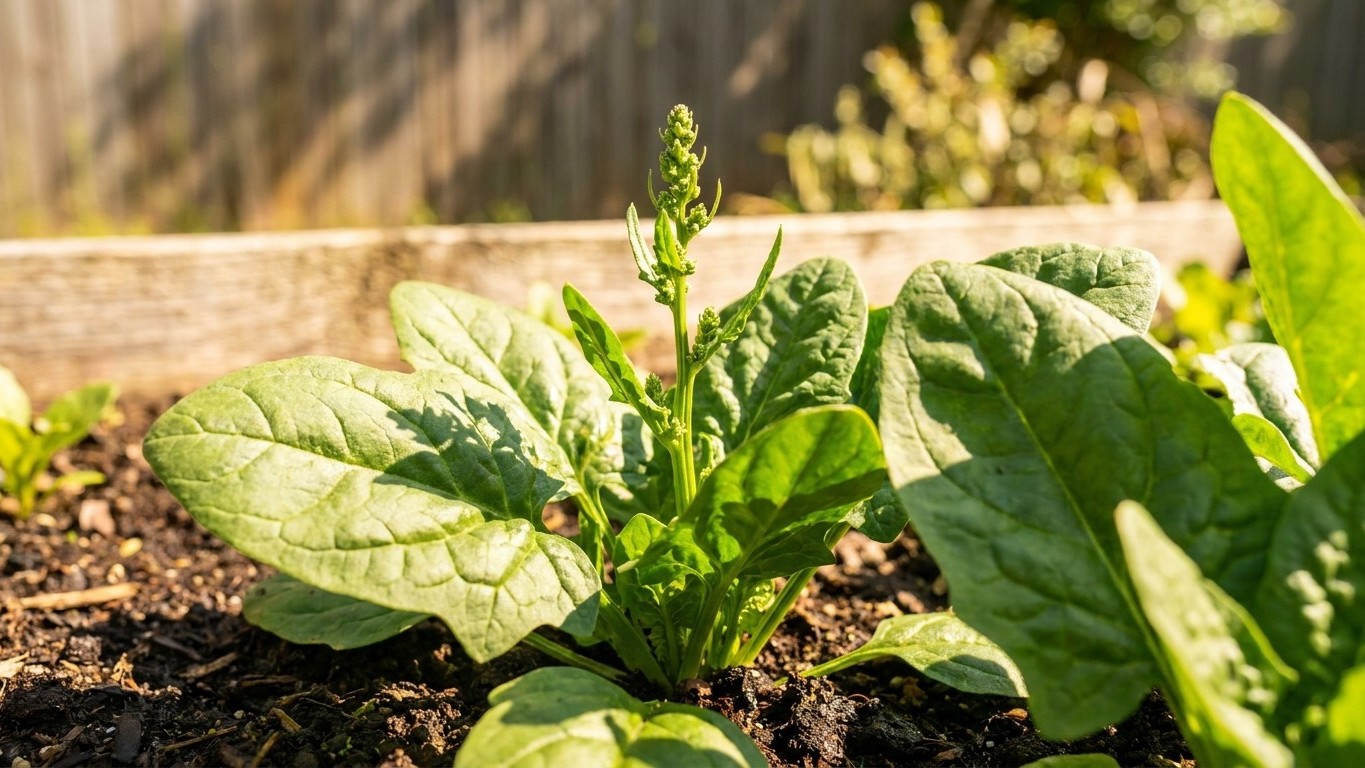
Spinach signals its own harvest window through leaf size and bolting, and Ohio’s frost dates plus UC Davis storage data set the real limits.
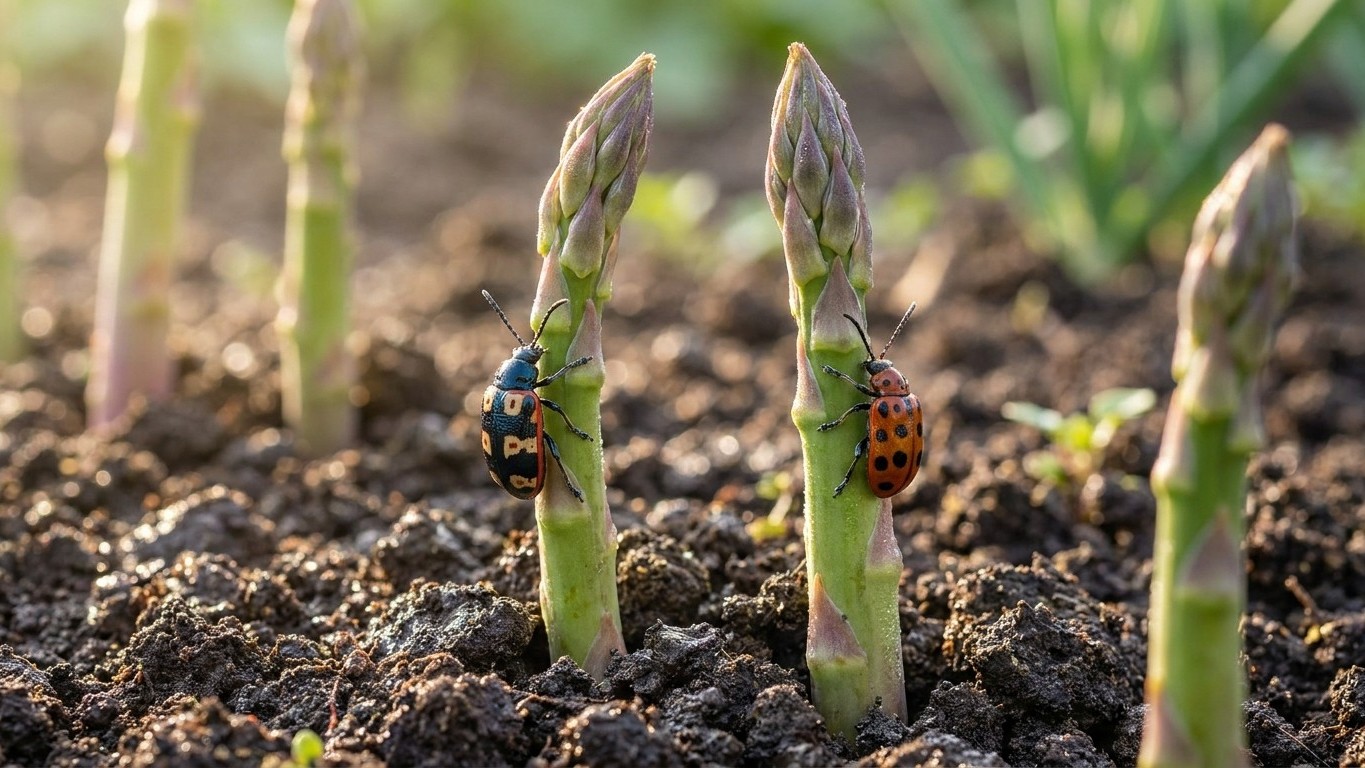
Ohio asparagus harvest ends by spear thickness, not the calendar, and proper chilling right after cutting keeps spears from toughening.
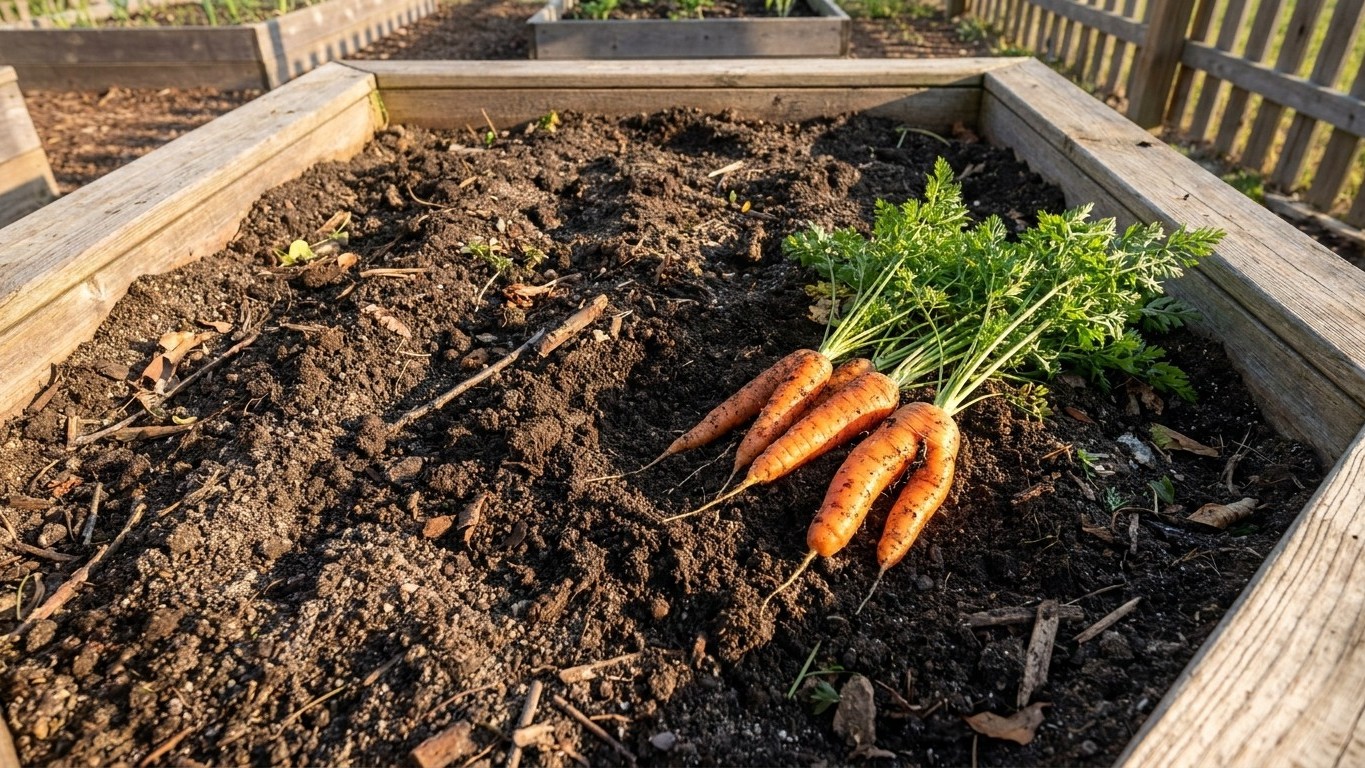
The tops answer the question before the calendar does. Once the foliage stops pushing new growth and the shoulders of the roots start showing at the soil…
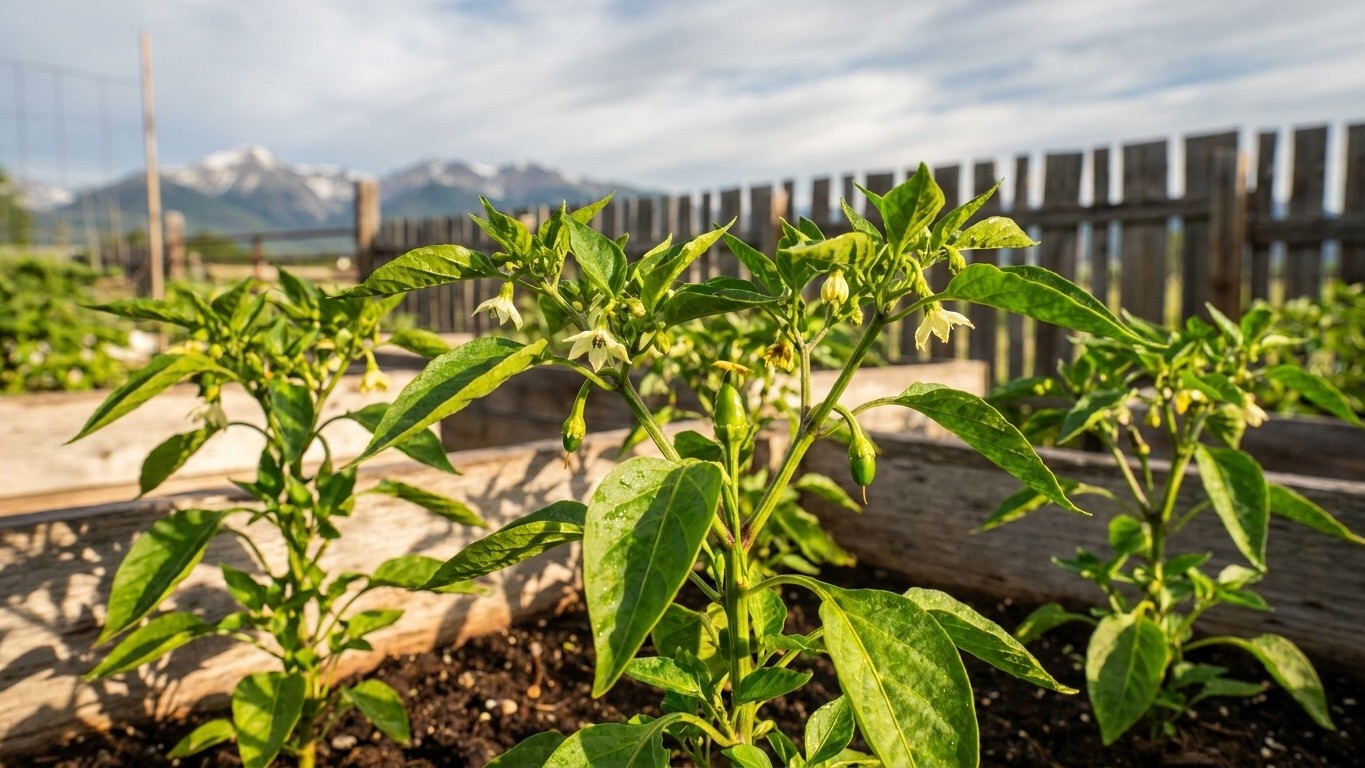
In Ohio, peppers are ready to pick once the fruit stops growing, the skin turns glossy and taut, and it holds firm under light pressure, whether it’s…
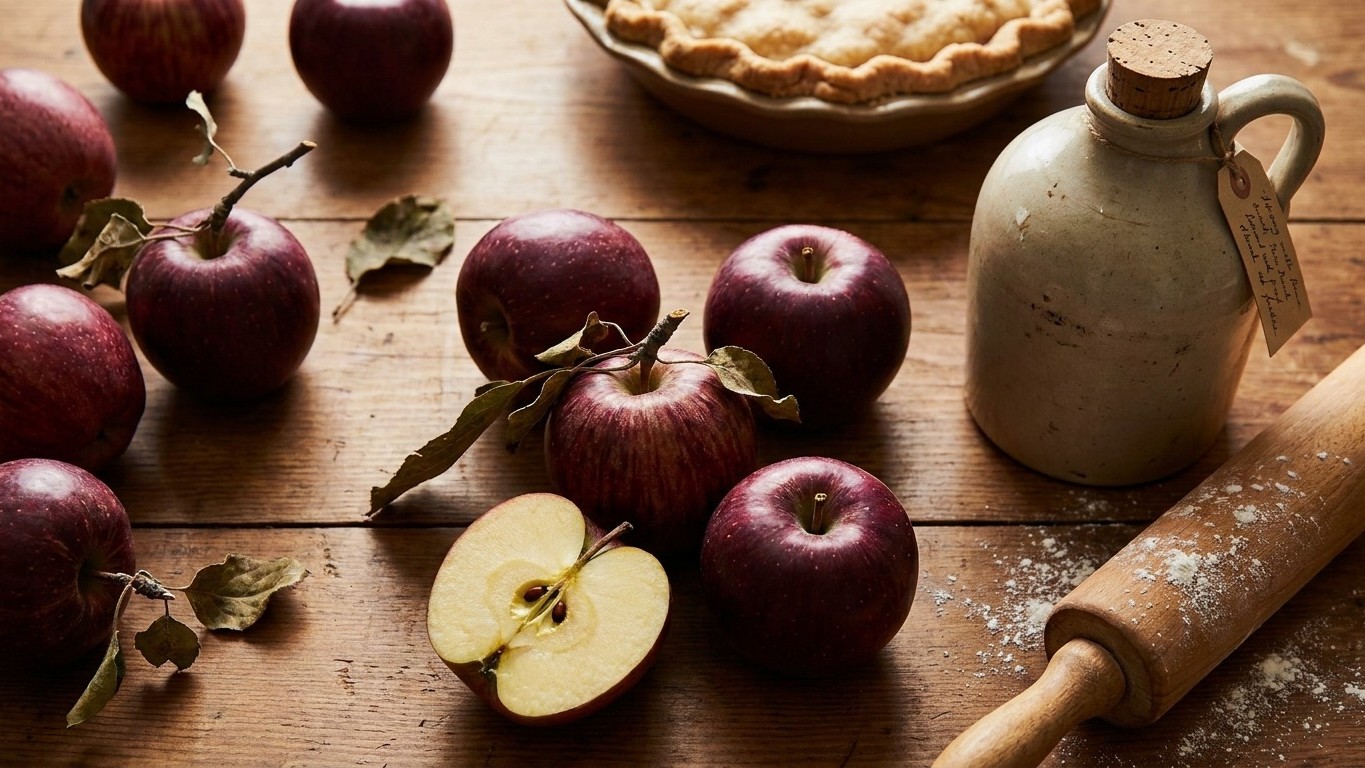
In Ohio, apple picking runs from mid-August into late October, with the exact date set by variety and by how close you are to the region’s frost windows…
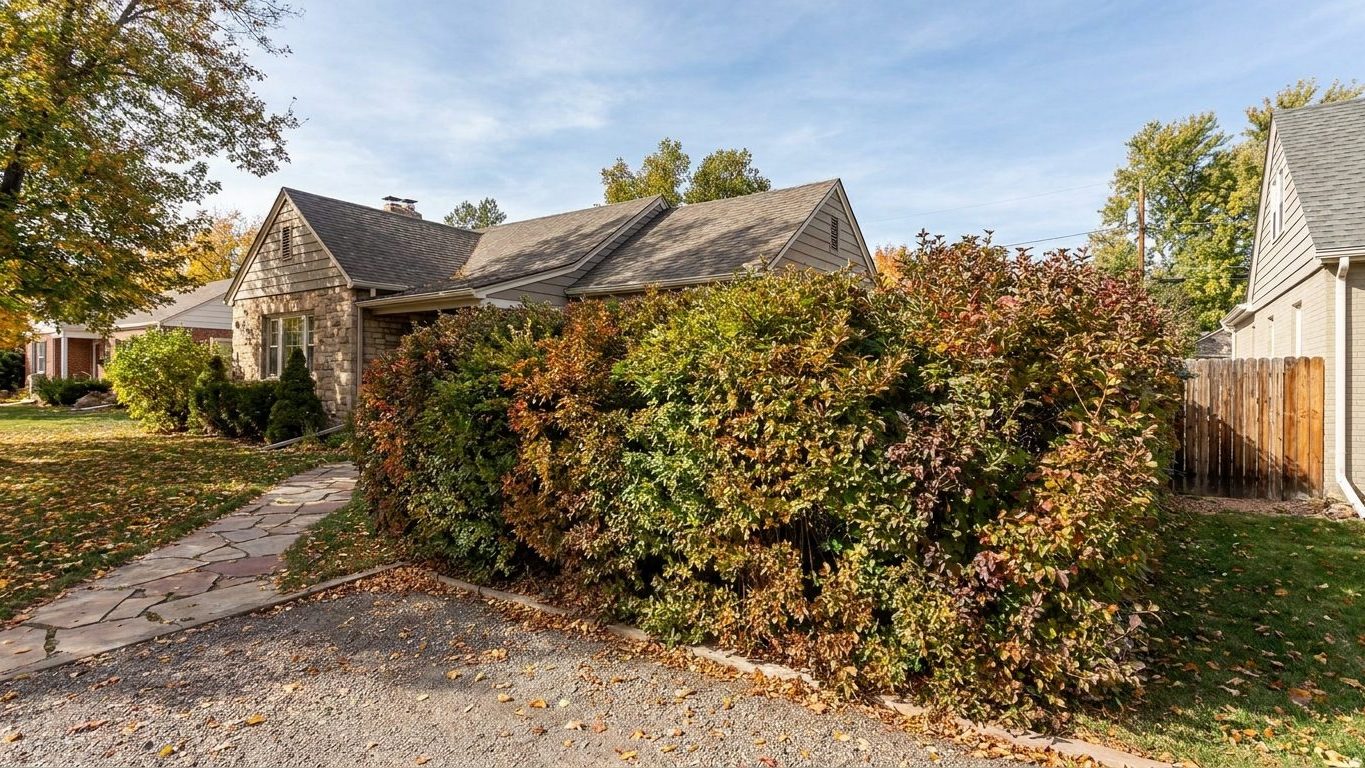
Ohio has no statewide hedge height limit. Search all you want through the Ohio Revised Code and you won’t find a number that tells you how tall your…
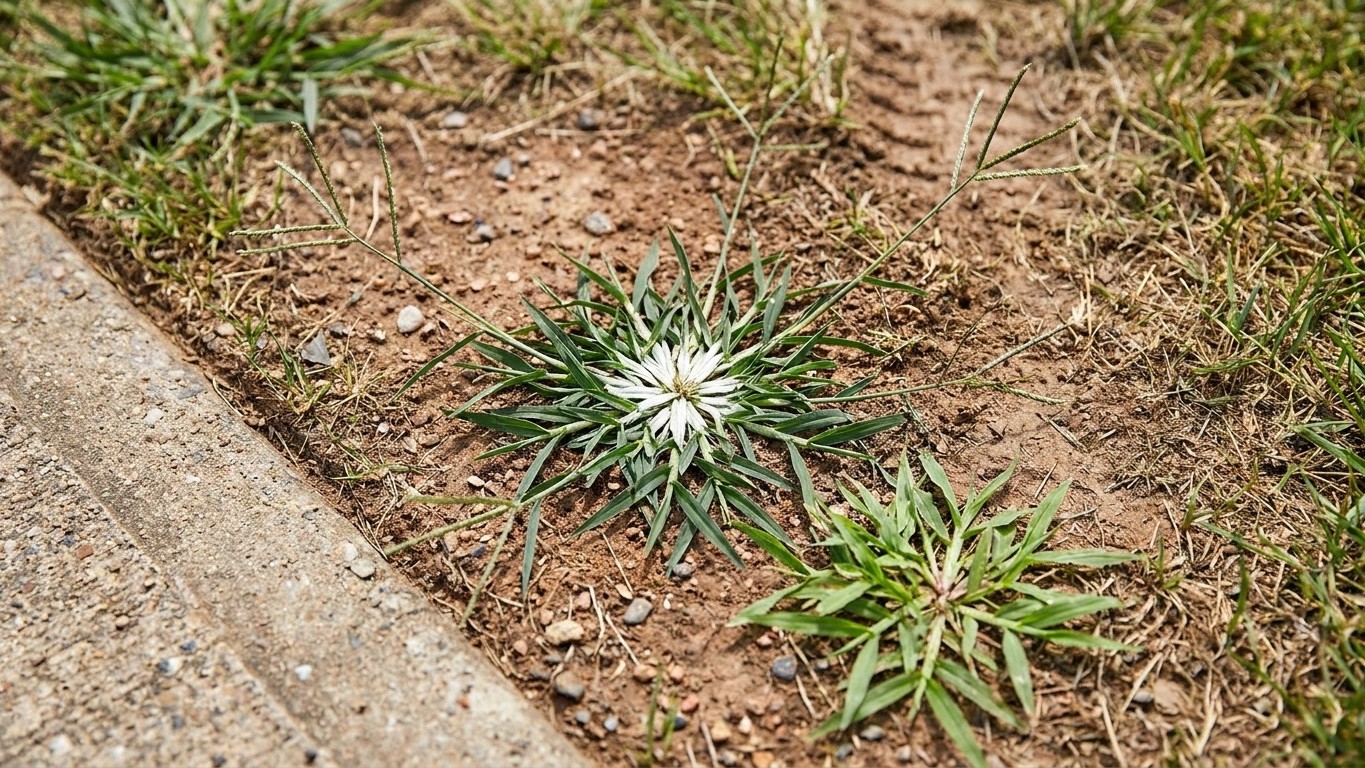
The safe window to overseed a cool-season lawn in Ohio runs from mid-August through mid-September, timed so new grass gets roughly 45 days of active…
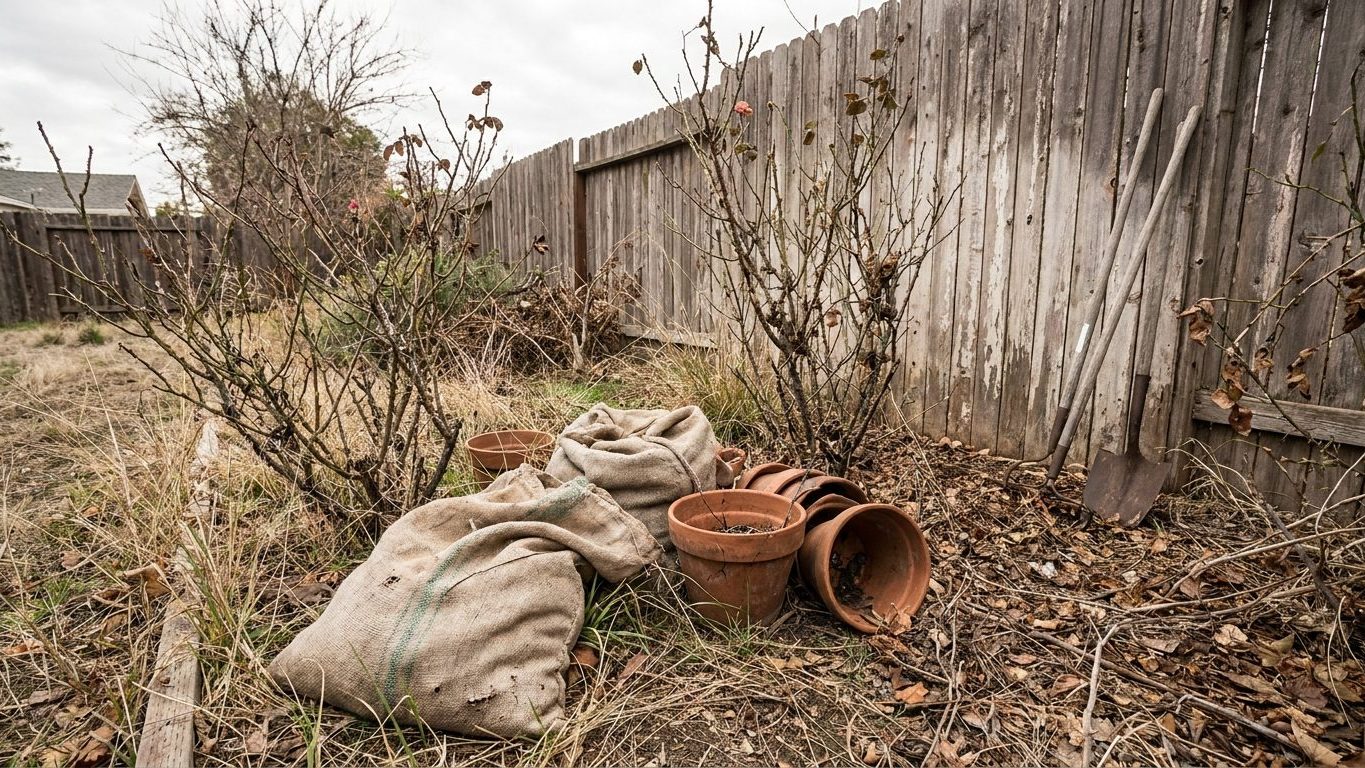
Ohio’s spring and fall frost dates near Columbus, what the USDA hardiness zones mean for your yard, and how to turn both into an actual planting date.
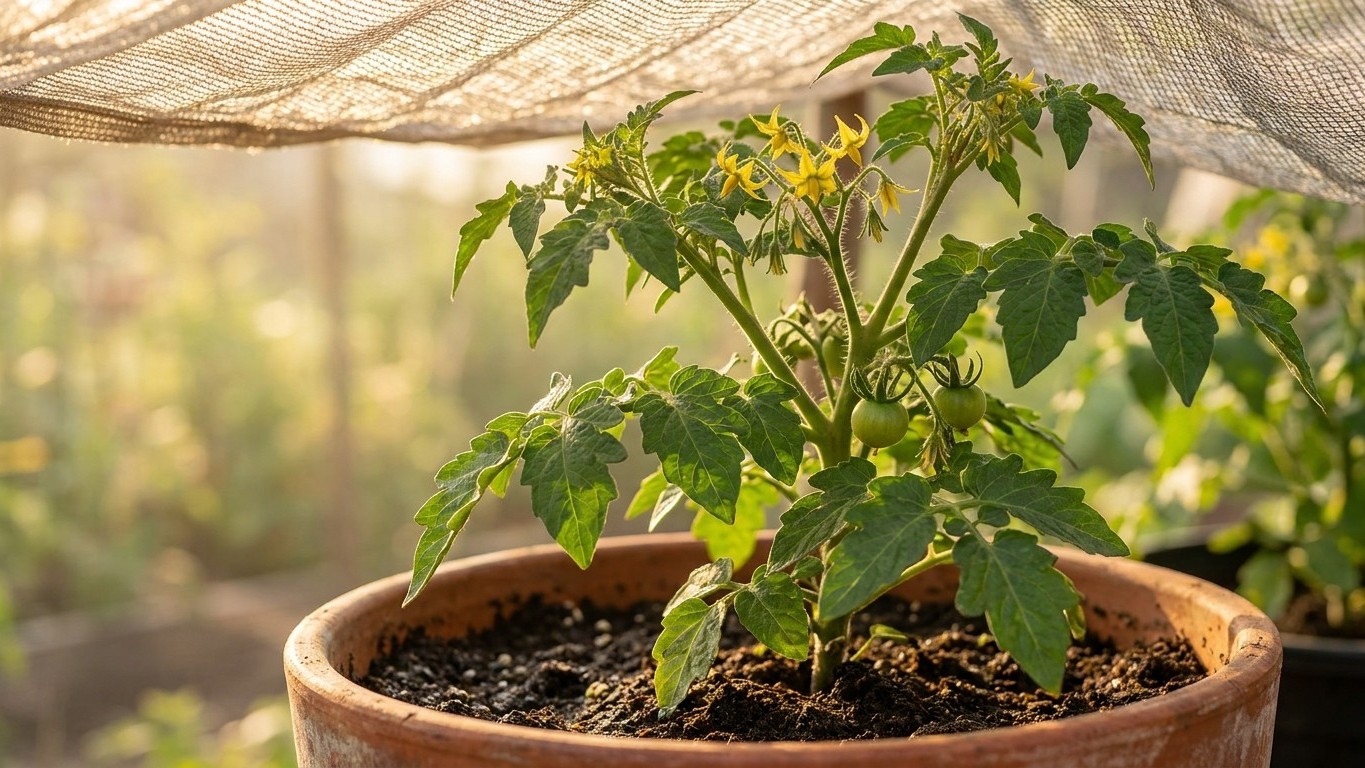
The short answer: pick by color and firmness, not by the calendar, but let the first fall frost set your final deadline.