The Ontario Apple Calendar, Stage by Stage
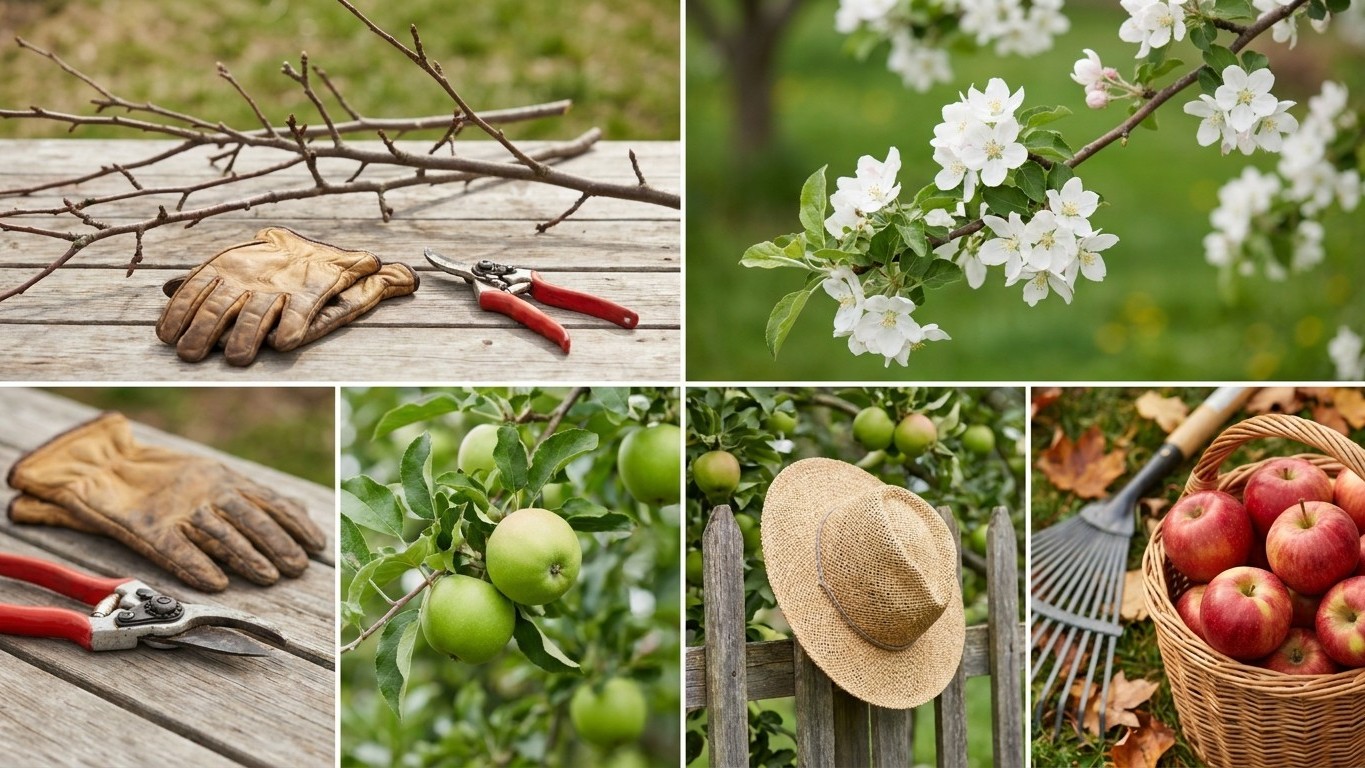
A stage-by-stage look at the Ontario apple year, keyed to Toronto’s mean frost dates rather than the calendar.
Home & garden, state by state
Everything we have worked out for Ontario: what to plant and when, which varieties finish in time, the pests that actually turn up here, and the jobs that pay off month by month. We also cover the rest of the property, from lawns and soil to home care and energy, because a garden rarely stops at the vegetable bed.
The numbers first, because everything else follows from them. Measured at the weather station in Toronto, the last spring freeze falls around April 30 and the first fall freeze falls around October 16, 2,297 growing degree days in the year.
That is enough for early varieties, tight for anything late. Garlic does well: 30.4 weeks below 40 °F, comfortably past the six it needs to form a proper head.
Elsewhere on the property in Ontario: the pests that turn up here.
Figures from Environment and Climate Change Canada. A state is not one climate: elevation, a large lake or the coast can move these dates by two weeks either way, so check your own county with the extension service before you spend money.
A stage-by-stage look at the Ontario apple year, keyed to Toronto’s mean frost dates rather than the calendar.
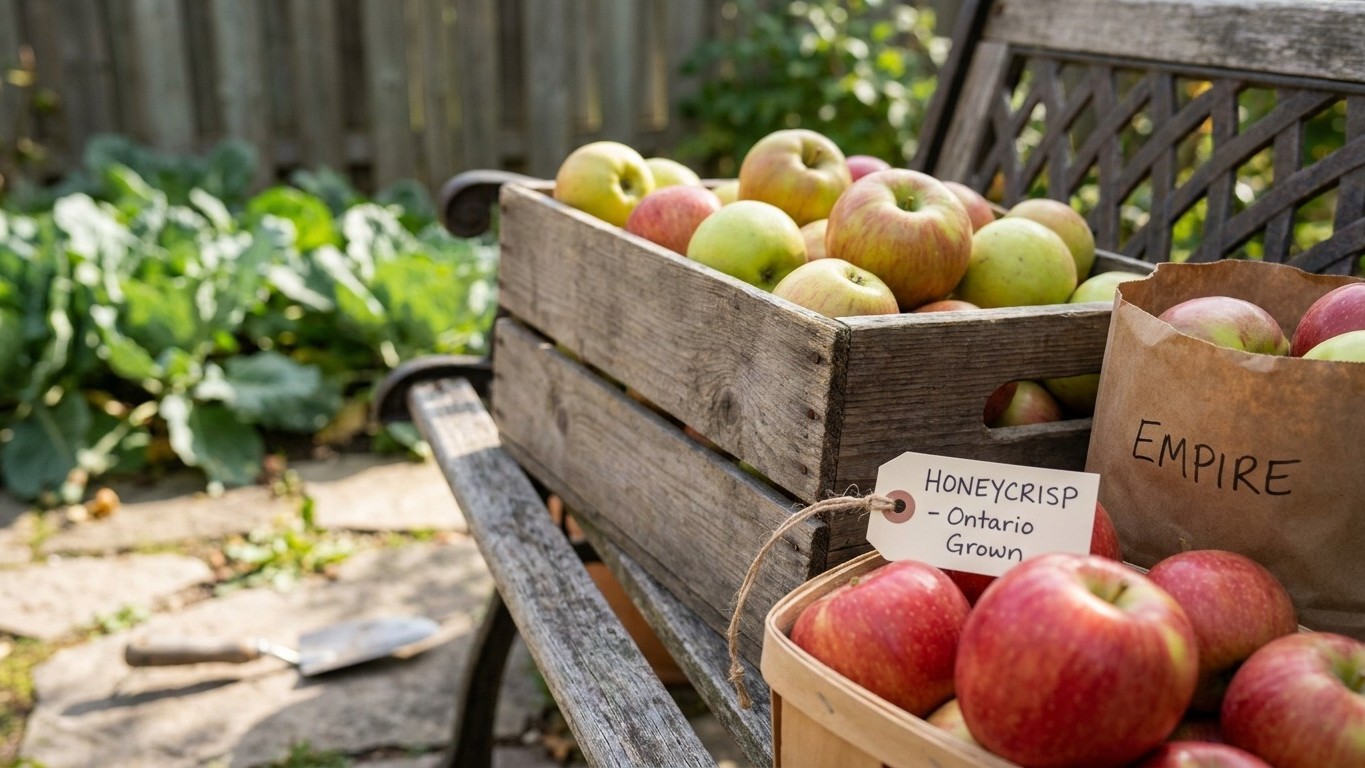
Ontario’s climate rarely kills an apple tree outright. The real risk is bloom timing against the region’s mean frost dates, and this piece shows how to check it.
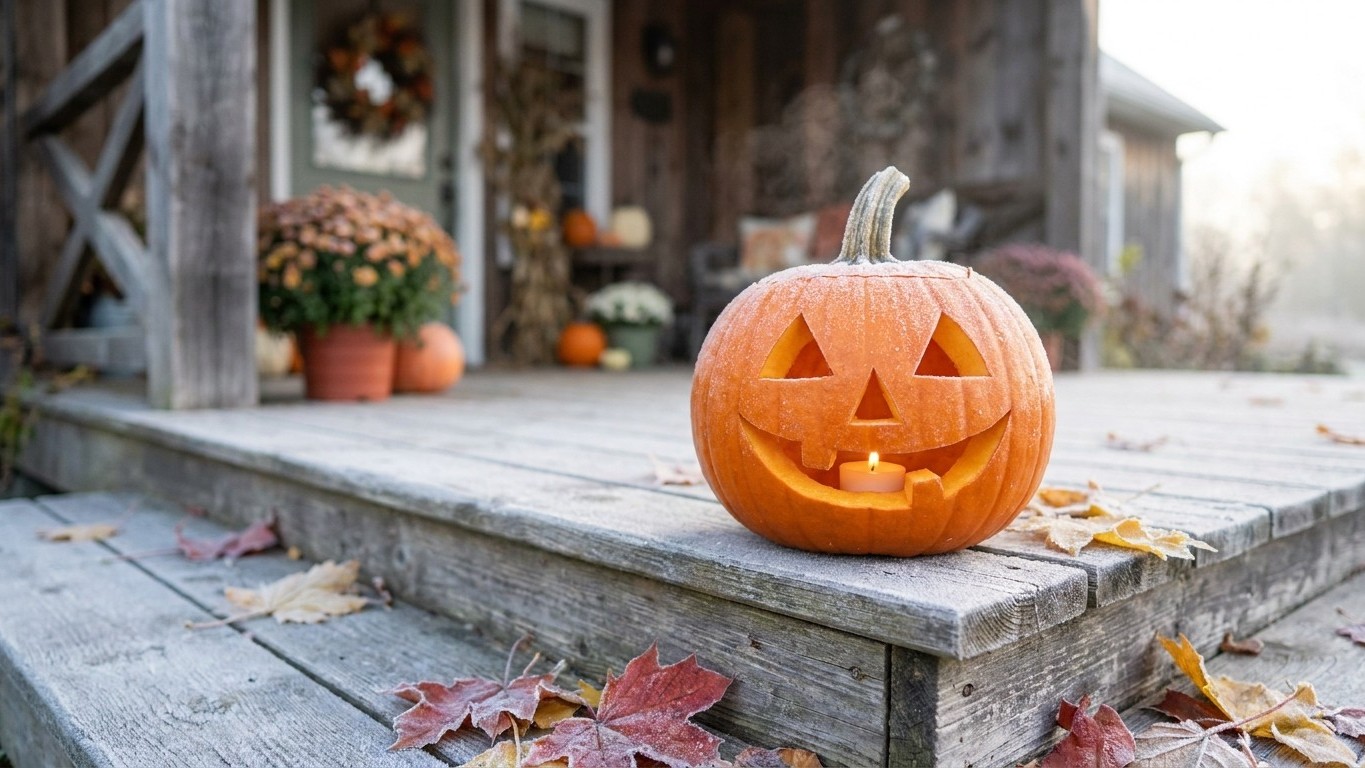
In the Toronto area, the average first fall frost lands around October 16, roughly two weeks before Halloween.
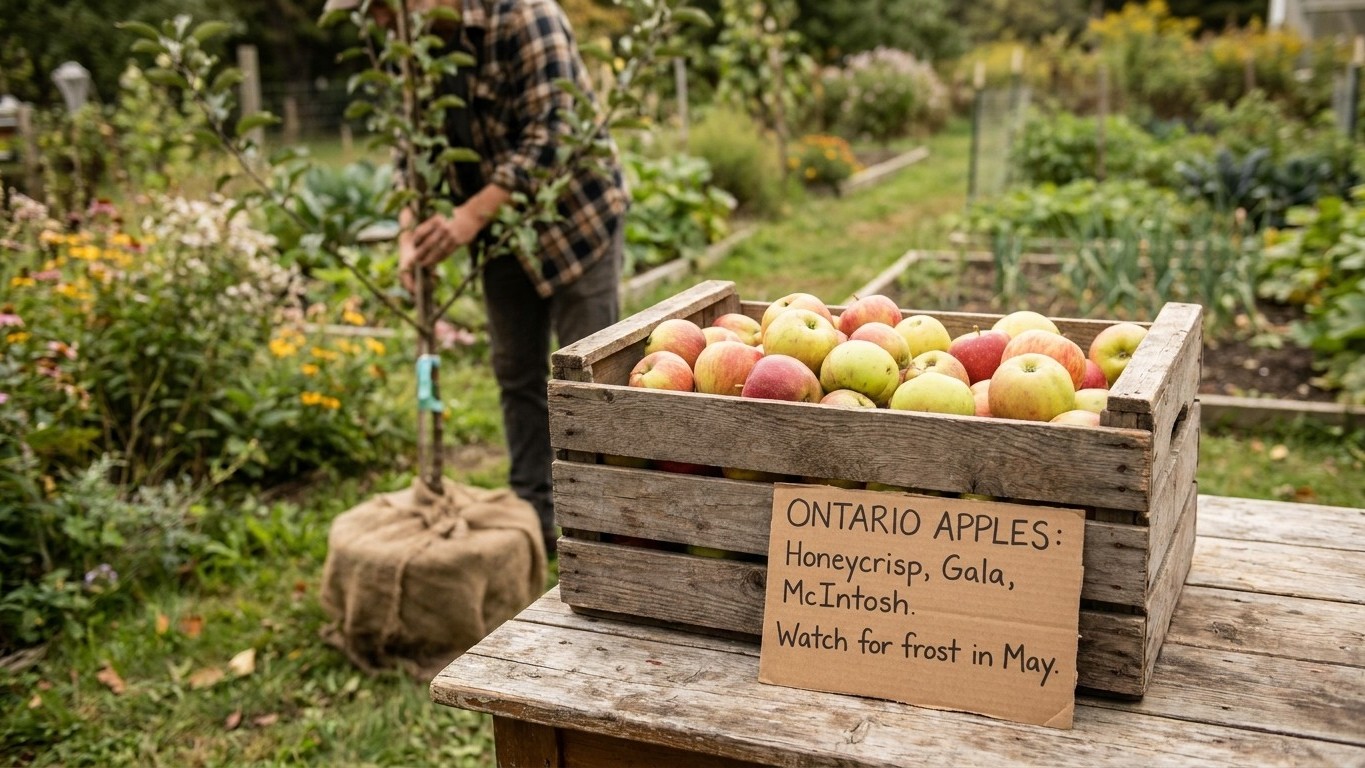
Ontario’s cold winters and a mid-spring frost date shape which apple varieties bloom safely and bear reliably across the province.

Winter in Ontario means a heating season that stretches from late fall into April, with a furnace or wood stove doing steady work rather than occasional…
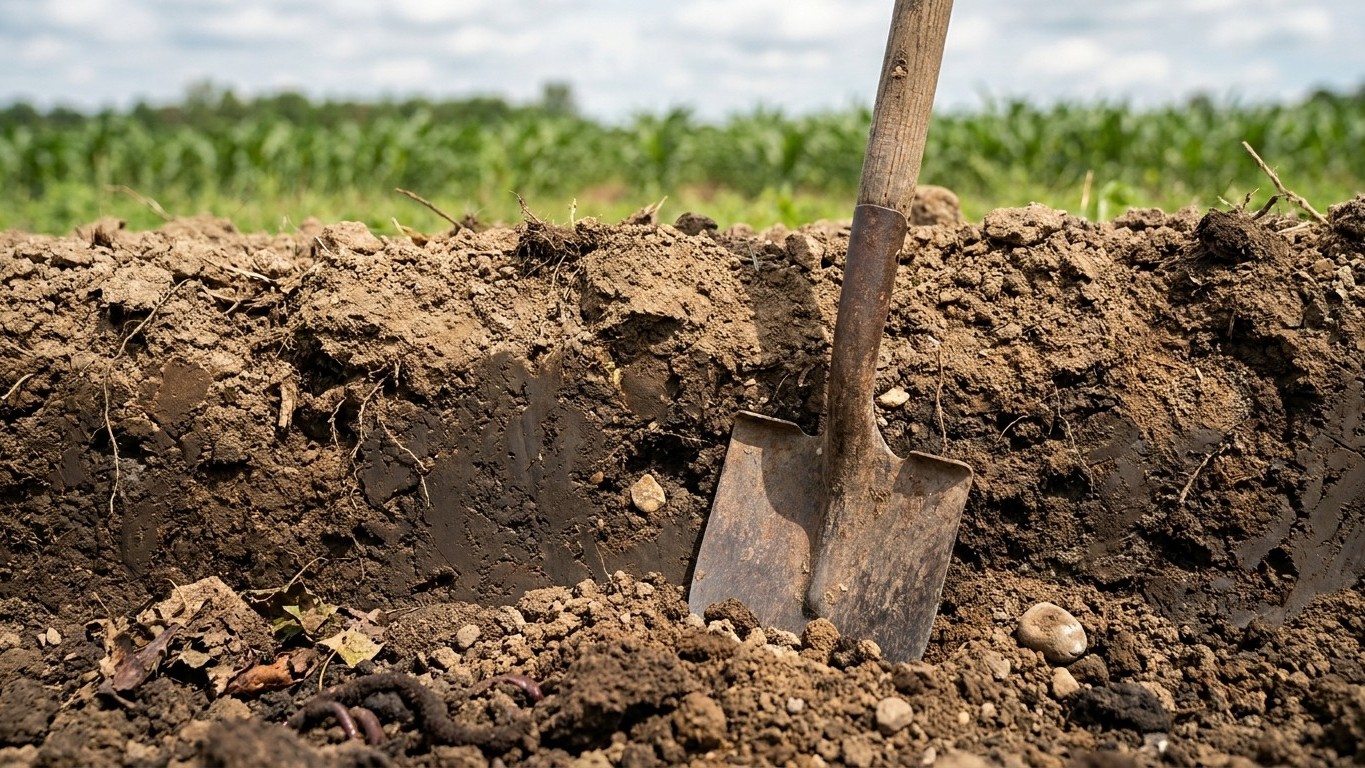
Most agricultural ground in Ontario sits on a Luvisol, a forest-formed soil where clay has washed downward out of the topsoil, leaving a paler, lighter…
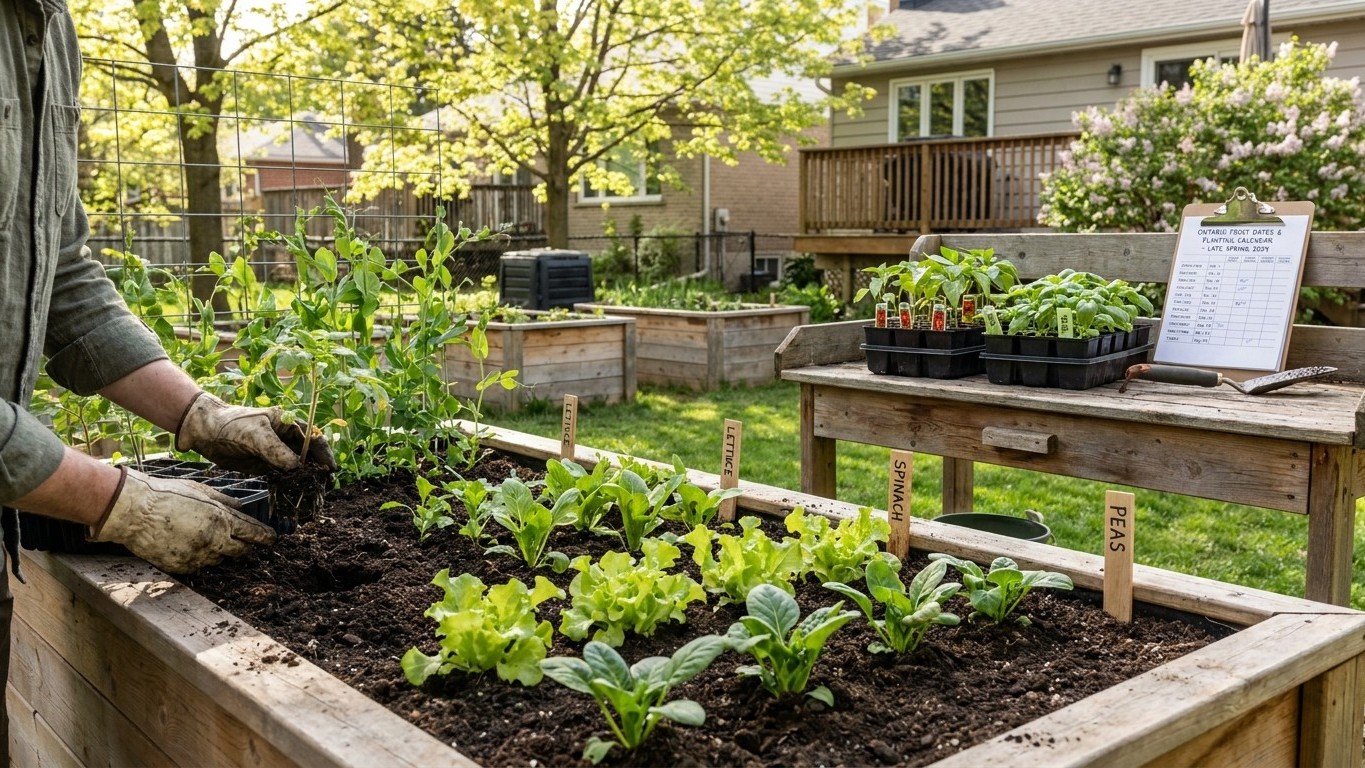
Ontario’s growing conditions come down to three numbers: a hardiness zone of 7a on the Canadian scale, a frost-free window of roughly 169 days, and…
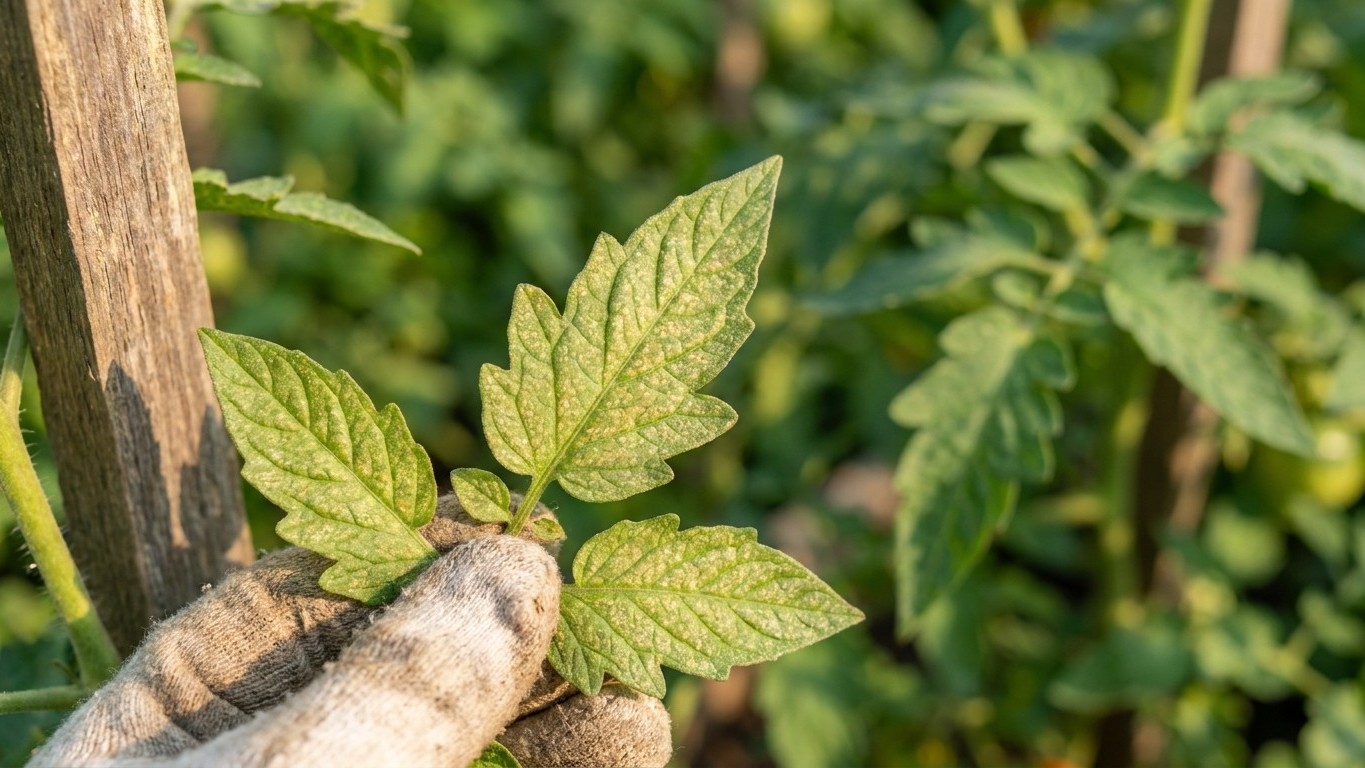
Twospotted spider mites show up in Ontario gardens once the weather turns warm and dry, usually a few weeks after transplanting, and the first sign is…
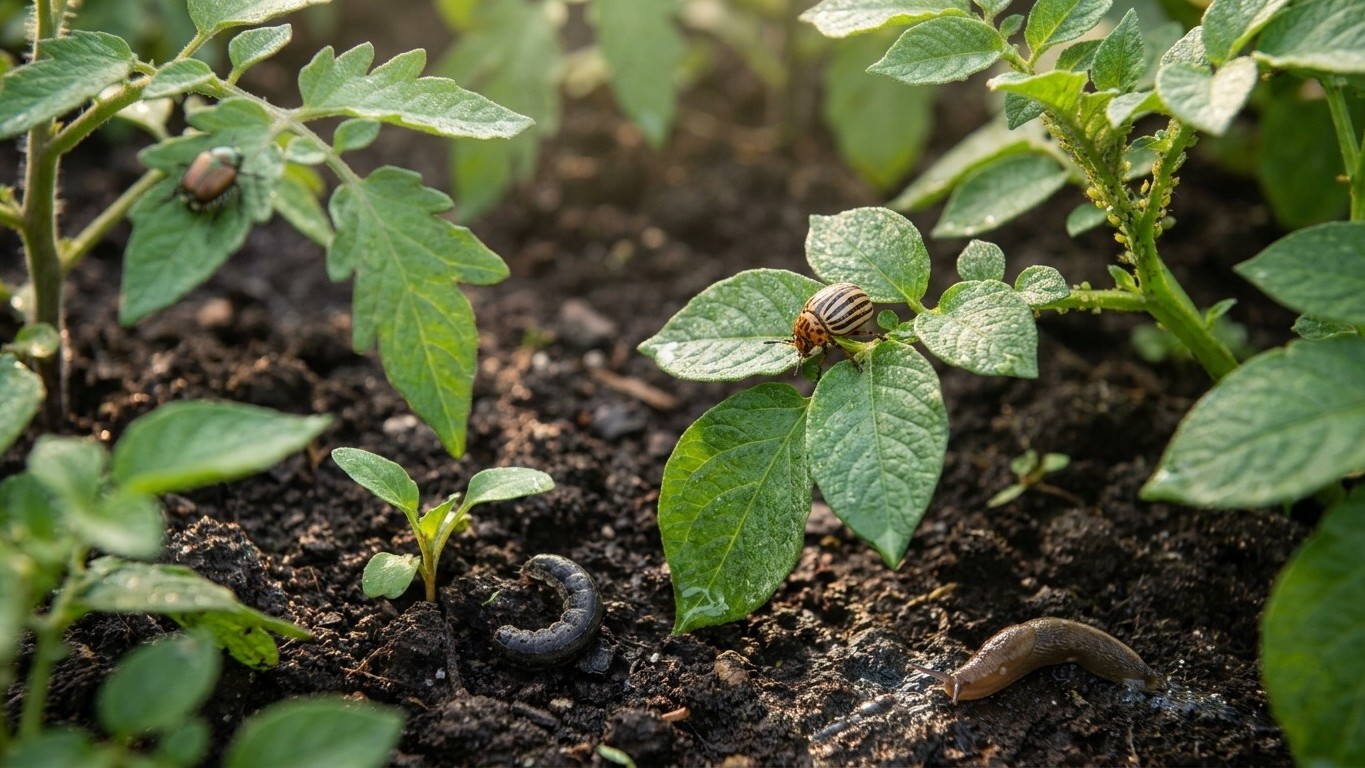
Southern Ontario gardeners deal with Japanese beetles, Colorado potato beetles, aphids, and squash vine borers all summer long, while cutworms and flea…
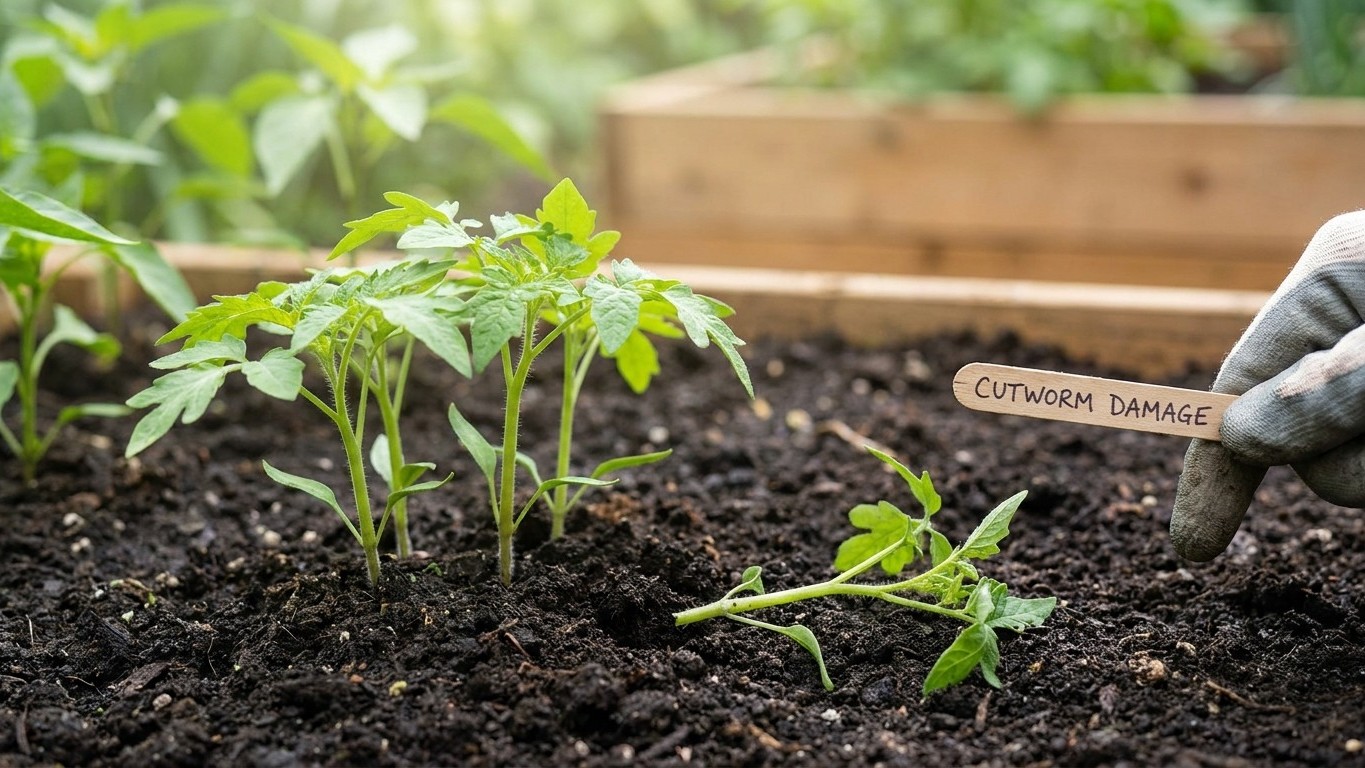
Cutworms show up in Ontario gardens and field crops starting in mid-May, right when soil temperatures climb past 50°F and overwintering larvae or newly…