Everything we have worked out for Oregon: what to plant and
when, which varieties finish in time, the pests that actually turn up here, and
the jobs that pay off month by month. We also cover the rest of the property,
from lawns and soil to home care and energy, because a garden rarely stops at
the vegetable bed.
The numbers first, because everything else follows from them. Measured at
the weather station in Portland,
the last spring freeze runs March 6 to March 21 and the first fall freeze runs November 11 to November 27, USDA zones 4a-9b, 2,942 growing degree days in the year.
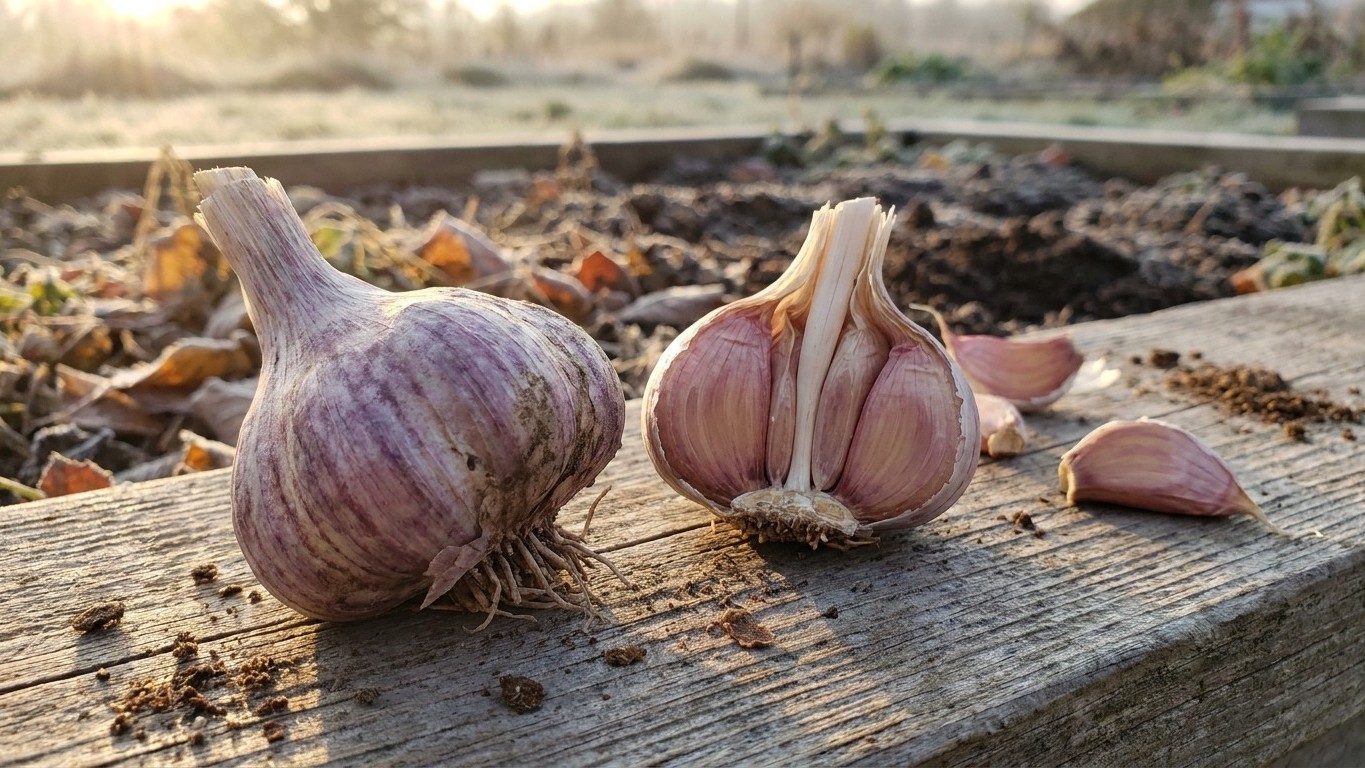
Garlic does well: 17.4 weeks below 40 °F, comfortably past the six it needs to form a proper head.
Figures from
NOAA's 1991-2020 climate normals.
A state is not one climate: elevation, a large lake or the coast can move these
dates by two weeks either way, so check your own county with the extension service before you spend money.
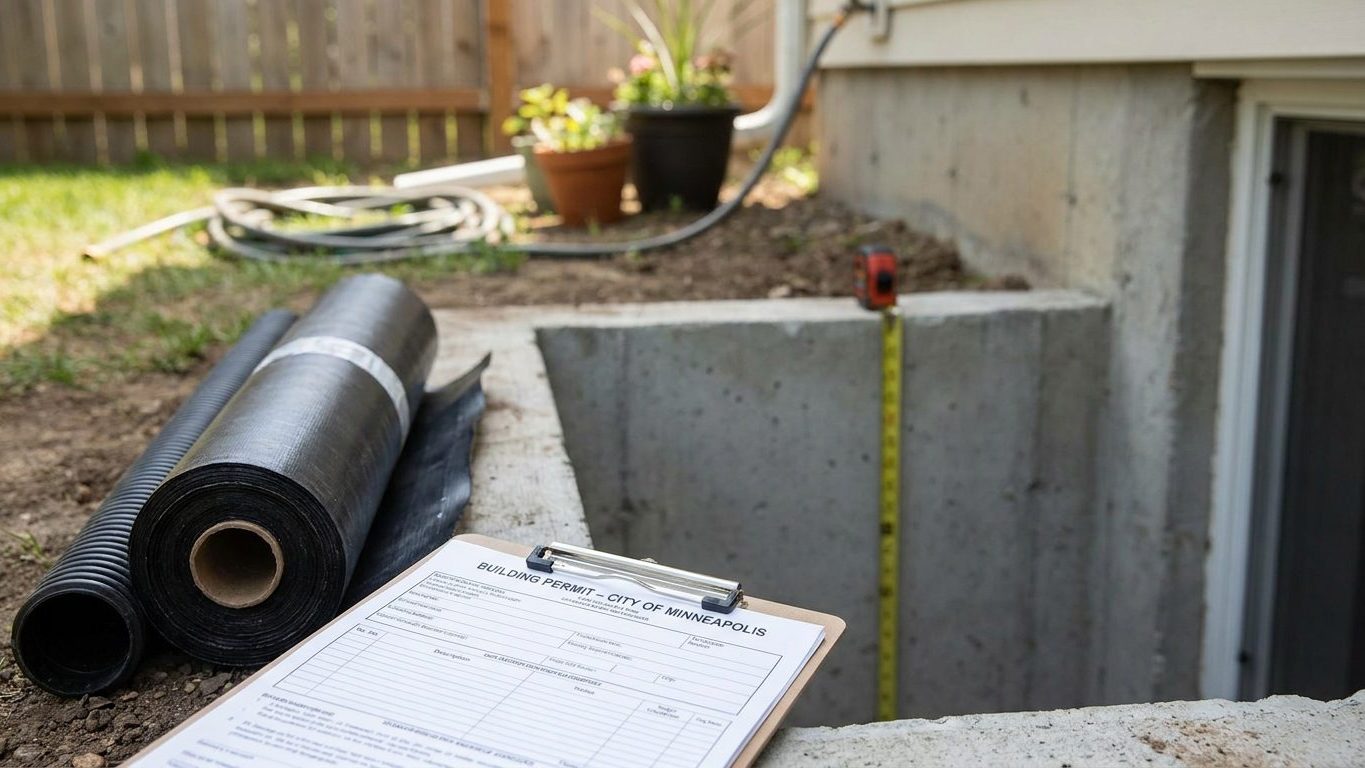
Oregon amends the model building code for basement ceiling height and egress on existing conversions, and sets its own rules for permits, waterproofing, and insulation.
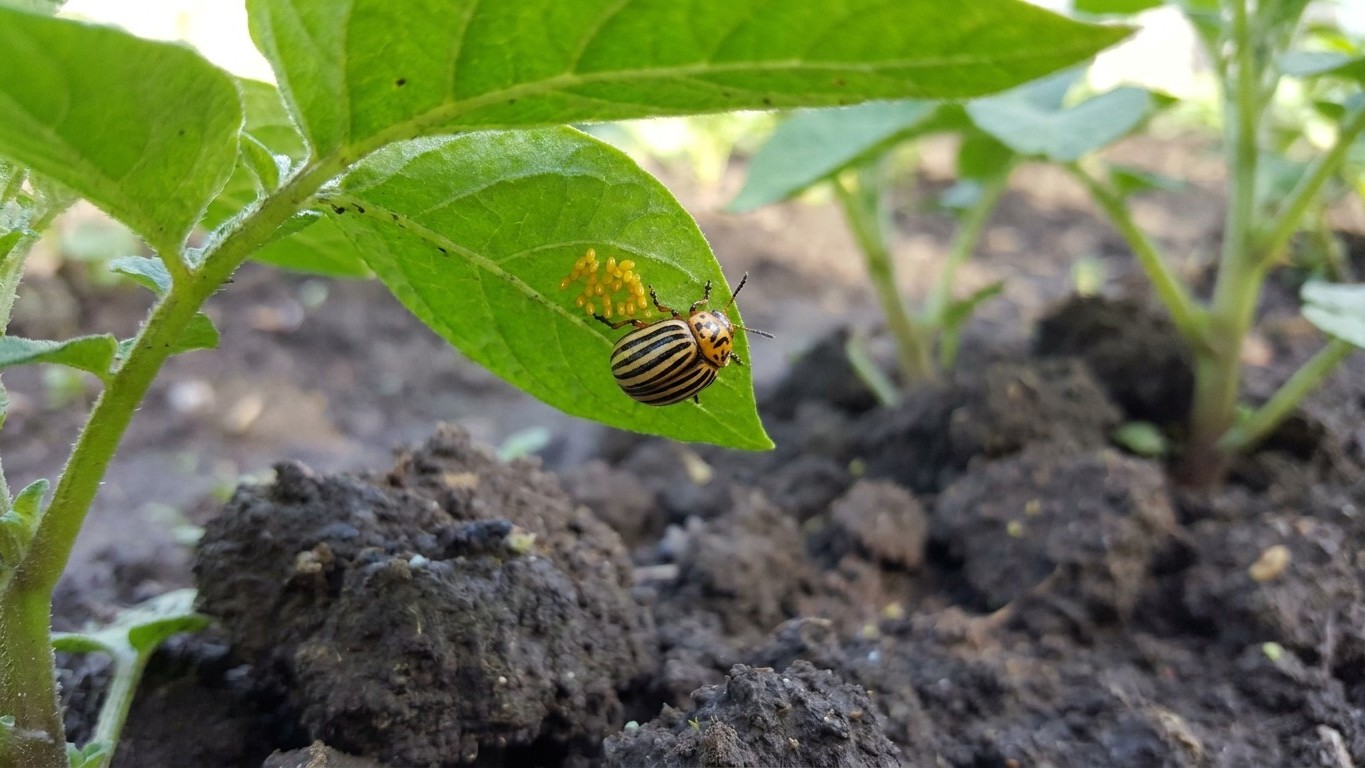
Oregon State University Extension documents four pests that actually feed on potato foliage or tubers in home gardens across the state: aphids, European…
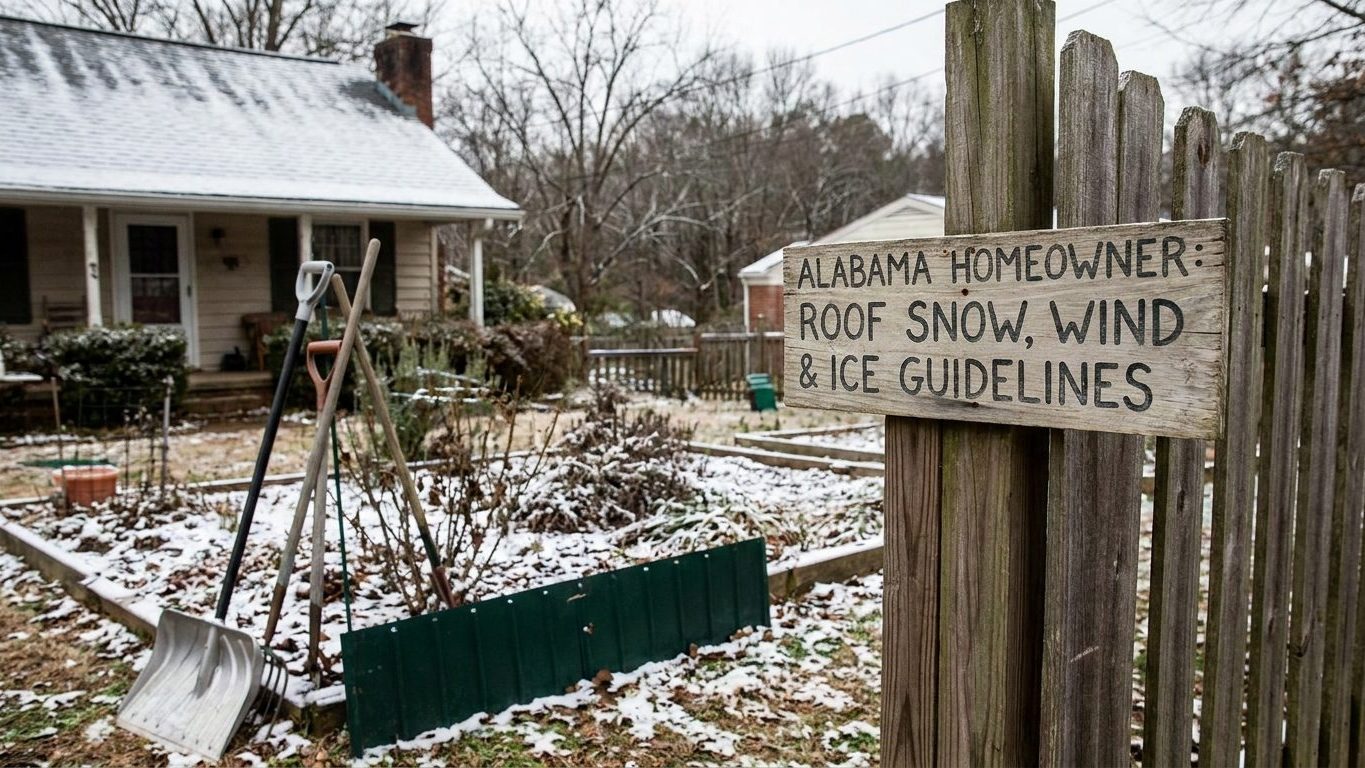
Oregon’s design snow load, wind speed and ice-barrier rules come from Portland’s ASCE figures and the state’s own residential code, not a single statewide number.
Oregon State University Extension documents eleven garden pests active on vegetable crops in this state, but only about half of them have any real reason…
The safest overseeding window for most of Oregon runs from mid-August through mid-September, timed to give seed roughly 45 days of growing weather before…
West of the Cascades, garlic planted last fall is usually ready to lift sometime in late June through July, when about half the leaves have browned and…