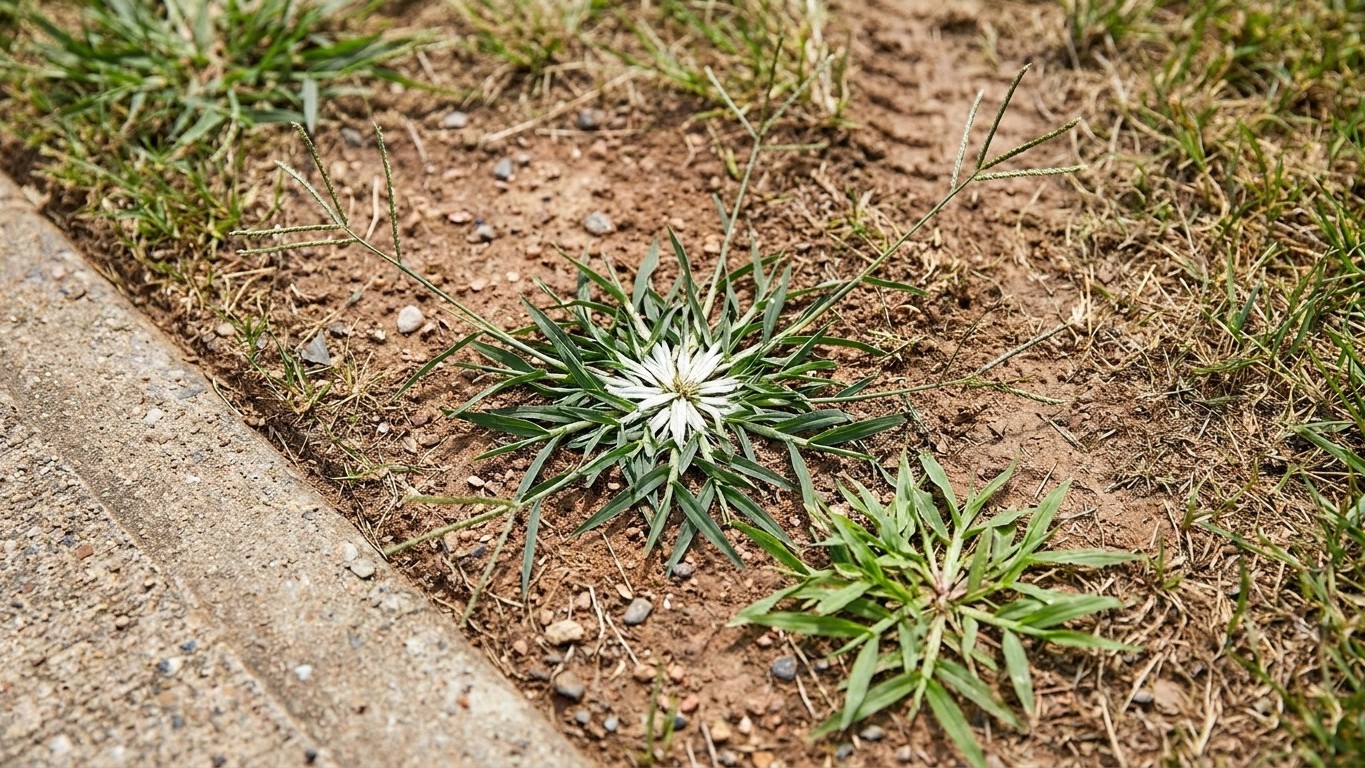

In Prince Edward Island, the right window to overseed a cool-season lawn runs from late August through the first week or two of September, with the goal of getting seed down at least 45 days before the average first fall frost on October 17. Wait past mid-September and new grass may not root deeply enough to survive winter.
The overseeding window in Prince Edward Island
That October 17 date comes from Environment and Climate Change Canada’s Climate Normals, measured at the CHARLOTTETOWN A station over the 1981-2010 period. It’s a mean, not a guarantee. Averages work both ways: in roughly half of all years, the first fall frost actually lands later than October 17, sometimes by a week or more. In the other half, it arrives earlier. Nobody hands you a calendar that says which kind of year you’re in until it happens.
That’s why the 45-day rule matters more than the calendar date itself. Cool-season turf, the kind PEI relies on almost exclusively, needs about 45 days of active growing weather to get from germination to a root system strong enough to survive its first winter. Count backward from October 17 and you land around September 2. That’s not a hard deadline so much as the point where your margin for error runs out. Sow in late August instead, and you’re working with a cushion instead of a countdown.
Geography inside the province complicates the picture further. The Charlottetown A station sits in the milder, more central part of PEI. Higher ground and the far edges of the island, particularly toward the north shore and inland areas away from the moderating effect of the water, tend to cool down earlier in fall. If you garden outside the Charlottetown area, treat October 17 as an optimistic marker and shift your own planting window a week or so earlier to be safe.
One more wrinkle worth flagging: these Canadian normals cover 1981-2010, a different reference period than the 1991-2020 window used for US climate data elsewhere on this site. It doesn’t change the practical advice, but it’s a reason not to directly compare PEI’s frost dates to a Maine or Vermont county number and assume they’re apples to apples. The Prince Edward Island agriculture resources are the place to check for any provincial updates on the growing season.
The soil temperature that actually decides it
Calendar dates get you in the right neighborhood, but seed doesn’t germinate because a date arrived. It germinates because the soil temperature is right. For the cool-season species that hold up in PEI, that means soil between 50 and 65°F, measured about two inches down, checked mid-morning before the sun has warmed the surface layer and skewed the reading.
A basic soil thermometer, the kind sold for a few dollars at most garden centers, is the only reliable way to know where you stand. Air temperature swings faster than soil temperature, so a warm afternoon in late August doesn’t mean the ground underneath has caught up yet. Soil holds onto both heat and cold longer than air does, which is exactly why fall seeding works better than spring seeding for cool-season grass: the soil is already warm from summer, then cools gradually, giving seed a long, steady window instead of the unpredictable freeze-thaw swings of spring.
This is also where the frost-date math and the soil-temperature math meet. Late August soil in most of PEI sits comfortably in that 50-65°F range following a normal summer. As the season moves toward the September 2 cutoff implied by the 45-day rule, soil temperatures are still workable, but they’re heading downward. Push into mid-September and you’re gambling on a soil profile that may drop below the germination floor before seedlings get established, especially in the cooler pockets of the island away from Charlottetown’s moderating coastal influence.
Check twice, roughly a week apart, rather than relying on a single reading. Soil temperature can plateau or even dip after a cool, wet stretch, and a plateau in late August is a useful early warning that your window is closing faster than the average date suggests.
How much seed, and what it costs to guess
PEI’s growing conditions favor the same cool-season lineup used across the northern tier of North America: Fine Fescues, Kentucky Bluegrass, Perennial Ryegrass, Rough Bluegrass, and Tall Fescue. These species tolerate cold winters and don’t go dormant in summer heat the way warm-season grasses do. Warm-season species like bermudagrass or zoysia, common further south, simply aren’t built for this climate: they need sustained heat to thrive and would struggle to establish, let alone survive, a PEI winter.
Seeding rates are set for new lawns started from bare soil. Overseeding an existing, thinning lawn uses half those figures, because you’re filling gaps in an already-rooted stand, not building one from scratch.
| Grass species | New lawn rate (per 1,000 sq ft) | Overseeding rate (per 1,000 sq ft) |
|---|---|---|
| Tall Fescue | 6 to 8 lb | 3 to 4 lb |
| Perennial Ryegrass | 6 to 8 lb | 3 to 4 lb |
| Fine Fescues | 4 to 5 lb | 2 to 2.5 lb |
| Kentucky Bluegrass | 1.5 to 2 lb | 0.75 to 1 lb |
| Rough Bluegrass | 1.5 to 2 lb | 0.75 to 1 lb |
Guessing high on seed rate feels like insurance. It isn’t. Overcrowded seedlings compete for the same limited water and light, and the stand ends up thinner and weaker than if you’d used the correct rate to begin with. Guessing low wastes the trip that matters most: the 45-day window doesn’t repeat itself until next fall, so a patchy result from underseeding means living with bare spots through winter and trying again next August.
The three weeks after you sow
Seed down is the easy part. What happens in the following three weeks decides whether it survives to spring. Keep the top half-inch of soil consistently damp, which usually means light watering once or even twice a day in dry stretches, rather than one deep soak. Deep watering matters later, once roots are established; early on, the seed and the emerging root hair sit right at the surface and dry out fast if that layer goes dry even for a few hours.
Foot traffic is the other silent killer. Keep pets, kids, and mower wheels off the seeded area until grass has filled in and reached a mowable height for its species. Compaction from even light traffic can crush emerging shoots or press seed too deep to reach the surface.
Given the 45-day establishment window, timing your first mow matters less than making sure it happens gently and with a sharp blade, avoiding tearing at seedlings still finding their footing. As the window narrows toward the season’s first frost, growth naturally slows. That’s expected, not a sign of failure. The goal by mid-October isn’t a full, lush lawn, it’s a root system dense enough to hold through winter dormancy and green back up on its own in spring.
Common questions
Can I overseed in spring instead of fall in Prince Edward Island? Fall is the stronger window for cool-season grass because soil is already warm and cooling gradually, giving seed a steady germination period instead of the unpredictable freeze-thaw cycles of spring, when soil temperatures swing widely from one week to the next.
What happens if I seed after the recommended window? Seed sown too close to the first fall frost may germinate but won’t have time to build the root mass needed to survive winter. It typically dies off, meaning the effort and seed cost are lost until the following fall.
Does the October 17 frost date apply to all of PEI? No. It reflects the CHARLOTTETOWN A station specifically. Higher and more northern parts of the island tend to see frost earlier, so gardeners outside the Charlottetown area should plan on an earlier cutoff for sowing.
How do I know if my soil is actually ready, not just the calendar? Use a soil thermometer two inches down, checked mid-morning, and look for a reading between 50 and 65°F. Test more than once, since a single warm afternoon doesn’t mean the soil underneath has caught up.