Growing Pumpkins in Prince Edward Island: Will They Ripen in Time?
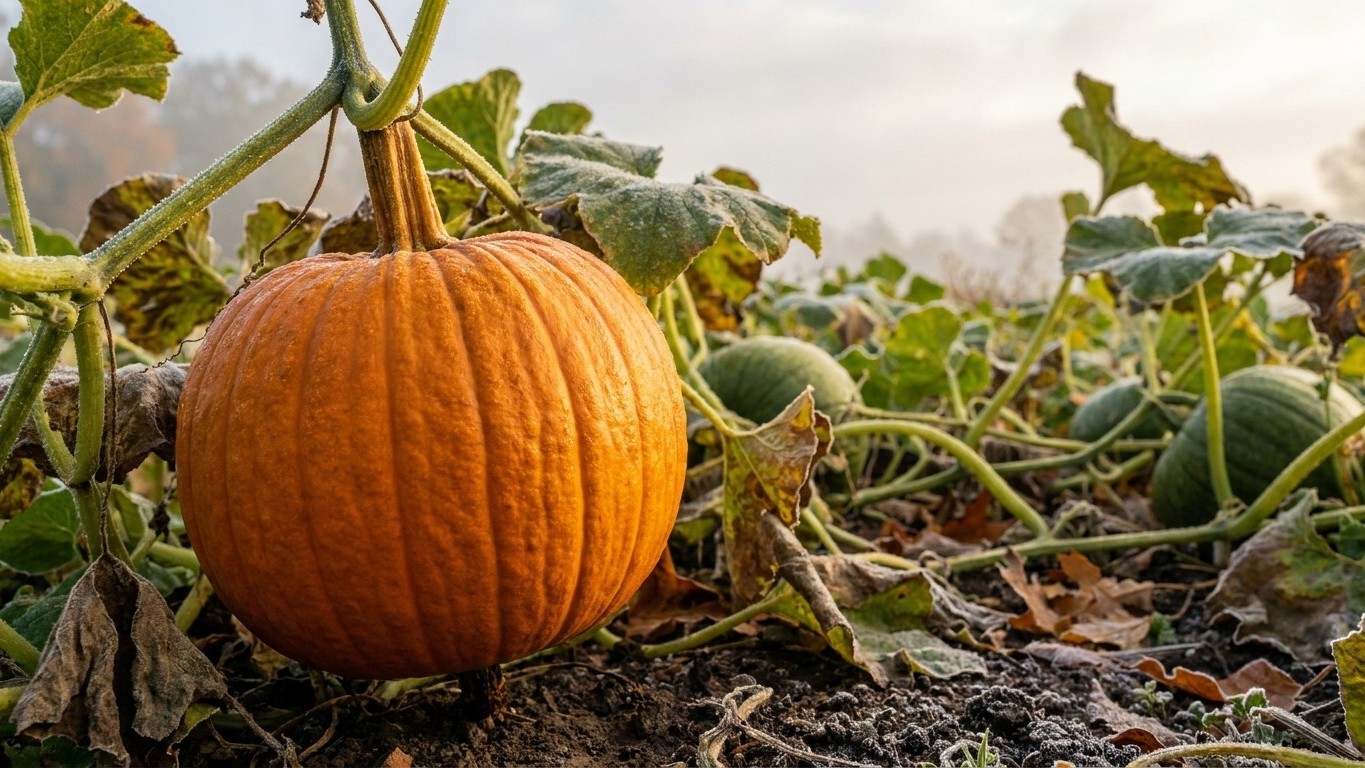
Pumpkins in Prince Edward Island can ripen in time, but only if the flower opens by early September.
Home & garden, state by state
Everything we have worked out for Prince Edward Island: what to plant and when, which varieties finish in time, the pests that actually turn up here, and the jobs that pay off month by month. We also cover the rest of the property, from lawns and soil to home care and energy, because a garden rarely stops at the vegetable bed.
The numbers first, because everything else follows from them. Measured at the weather station in Charlottetown, the last spring freeze falls around May 16 and the first fall freeze falls around October 17, 1,569 growing degree days in the year.
That is enough for early varieties, tight for anything late. Garlic does well: 34.8 weeks below 40 °F, comfortably past the six it needs to form a proper head.
Elsewhere on the property in Prince Edward Island: the pests that turn up here.
Figures from Environment and Climate Change Canada. A state is not one climate: elevation, a large lake or the coast can move these dates by two weeks either way, so check your own county with the extension service before you spend money.
Pumpkins in Prince Edward Island can ripen in time, but only if the flower opens by early September.
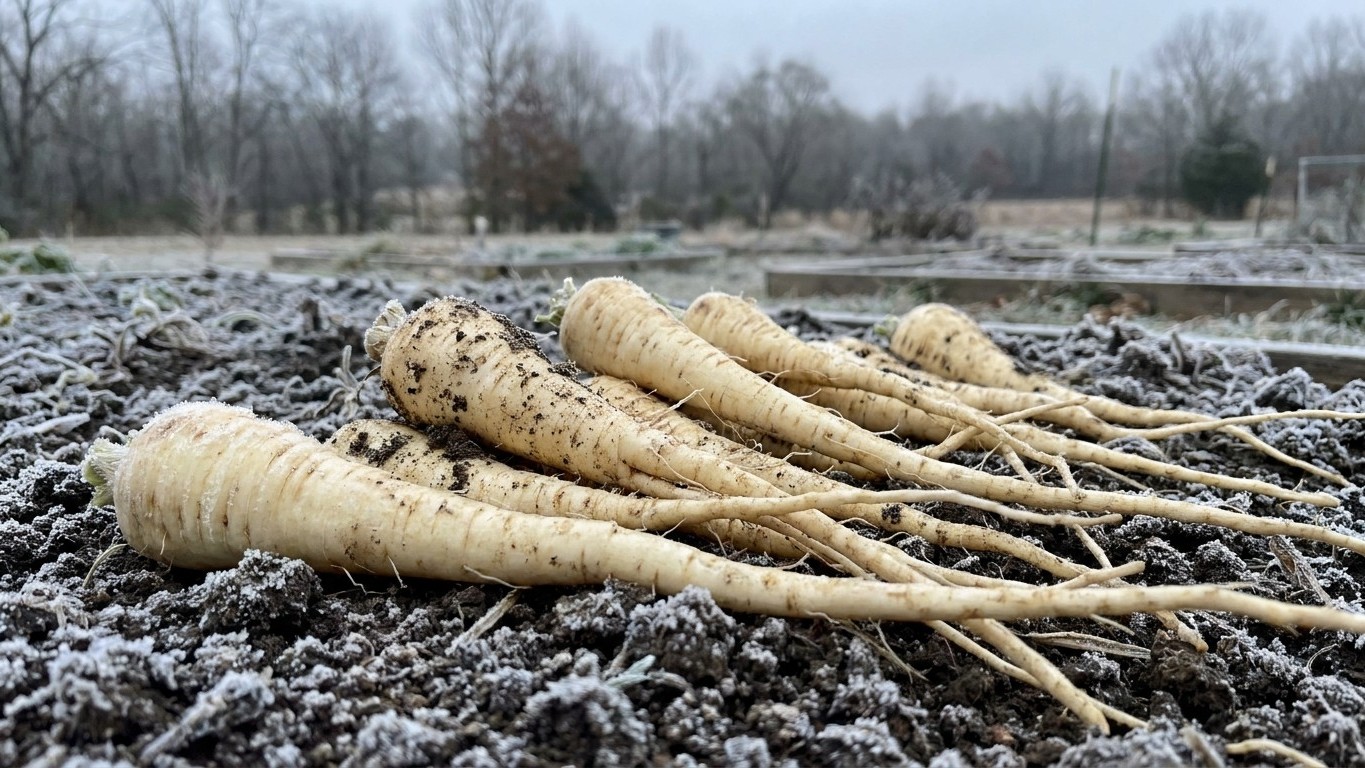
Yes, parsnips grown on Prince Edward Island will sweeten, and the reason has nothing to do with the province’s hardiness zone.
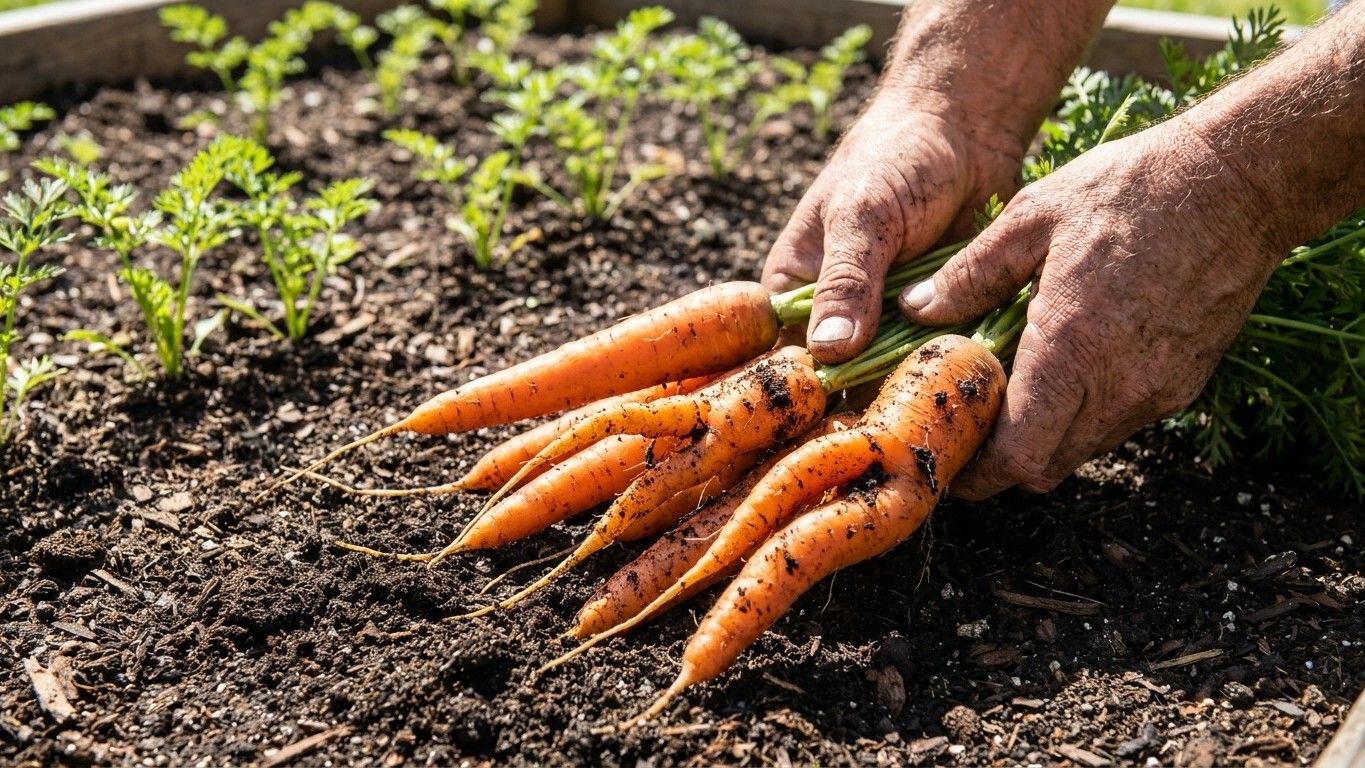
Counting back from the last frost gives you a calendar window for sowing carrots in Prince Edward Island, but the soil under your boots decides whether…
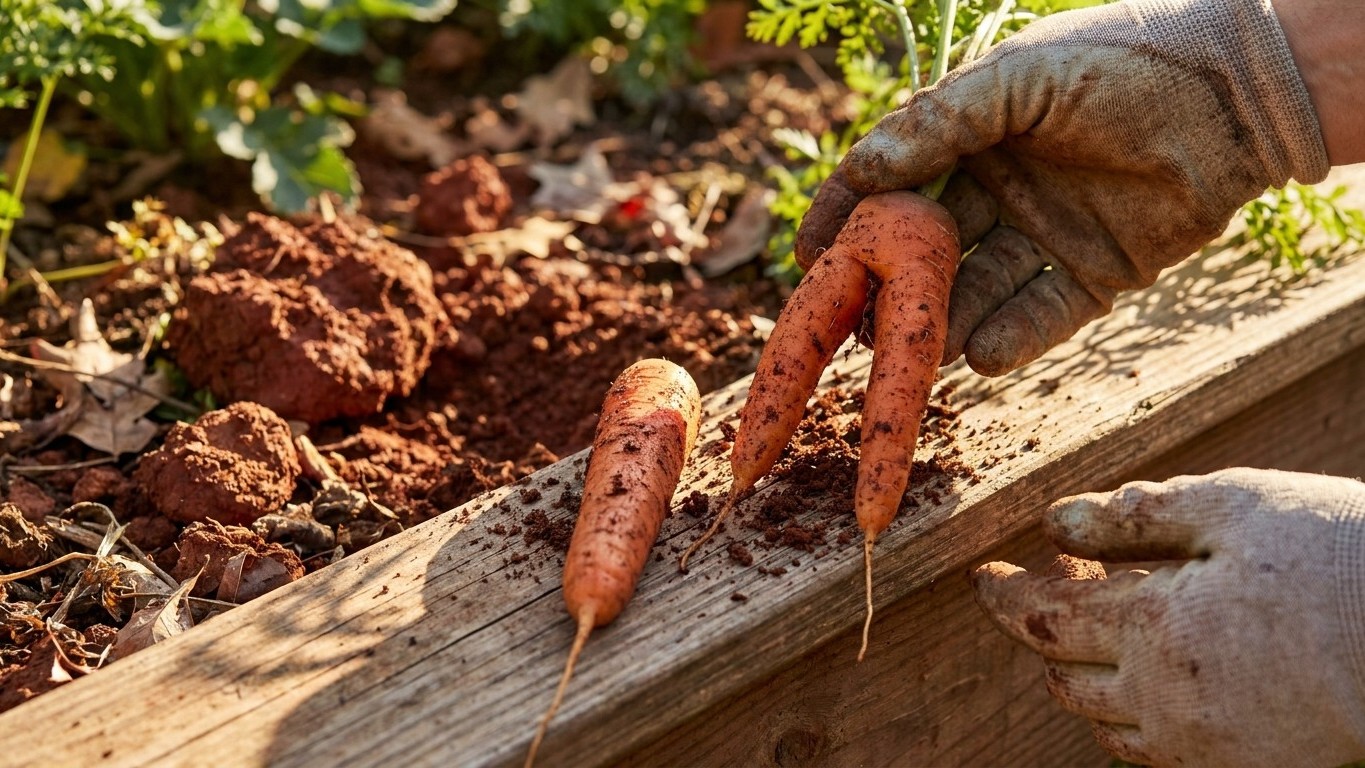
Most garden soil across Prince Edward Island is sandy, not heavy clay, so carrots planted there have decent odds of growing straight.
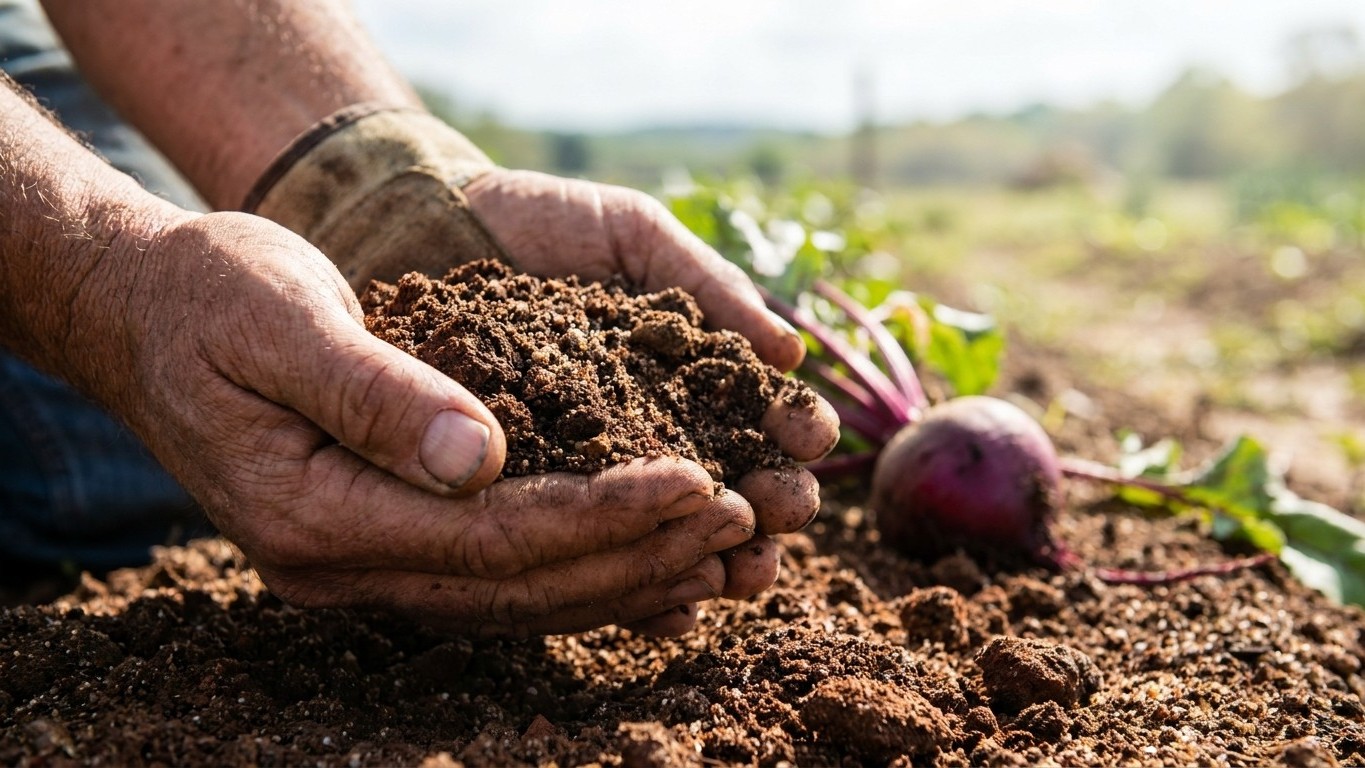
Prince Edward Island’s ground defaults to something beets don’t love: strongly acid, imperfectly drained, sandy soil built under conifers rather than…
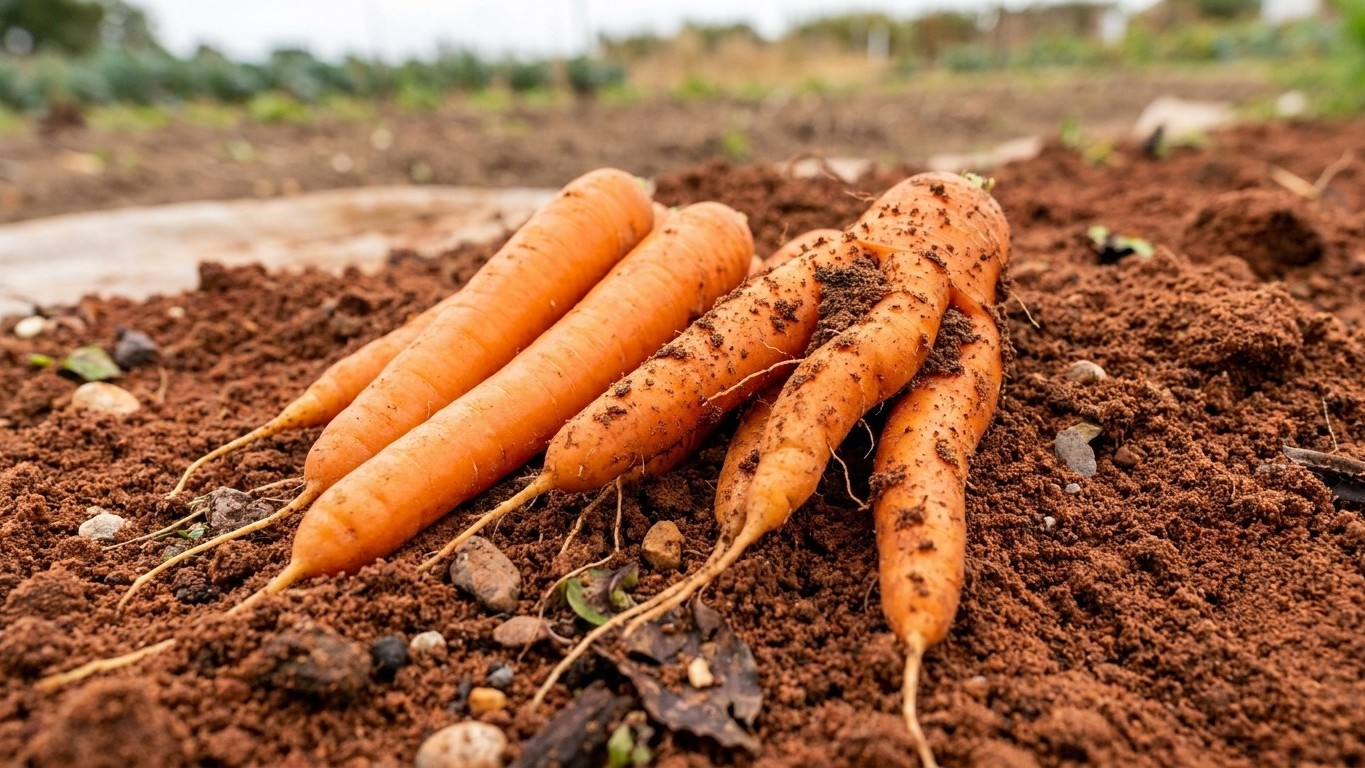
Prince Edward Island’s red soil has a reputation for being sandy, and the numbers back it up: 66 percent sand across the province’s mapped agricultural…
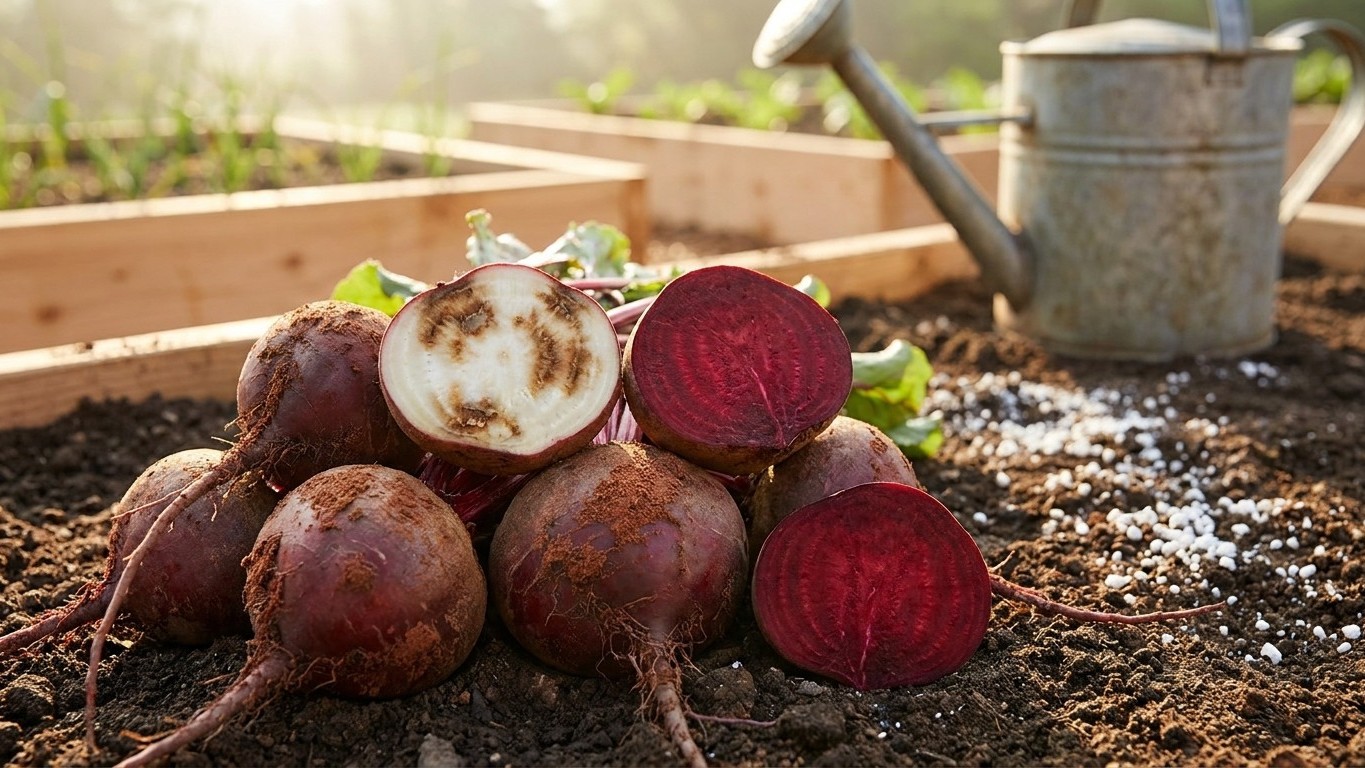
Prince Edward Island’s farmland leans acidic, sandy, and only fair at draining, which pushes beet growing toward raised beds, lime, and steady watering…
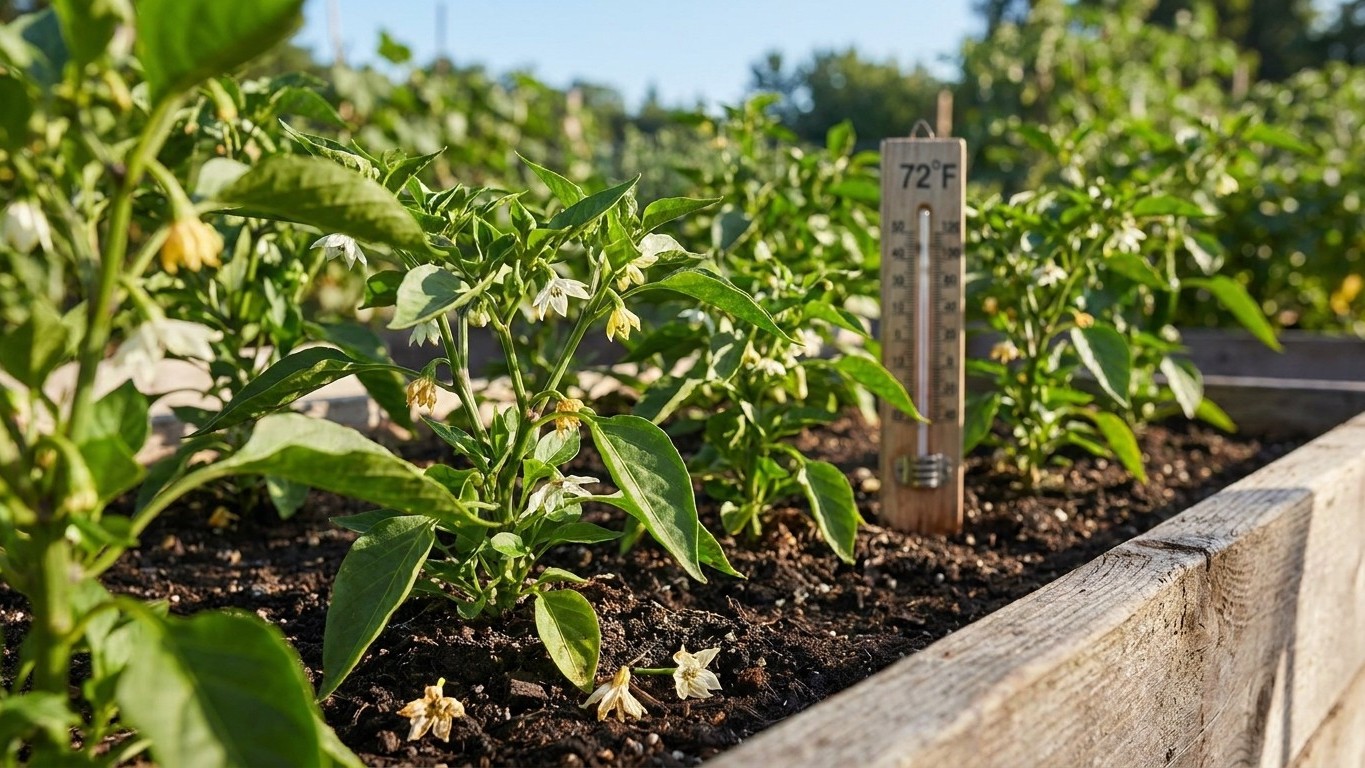
In Prince Edward Island, the seed-starting math works backward from two outdoor benchmarks: the average last frost near May 16 and soil that has actually…
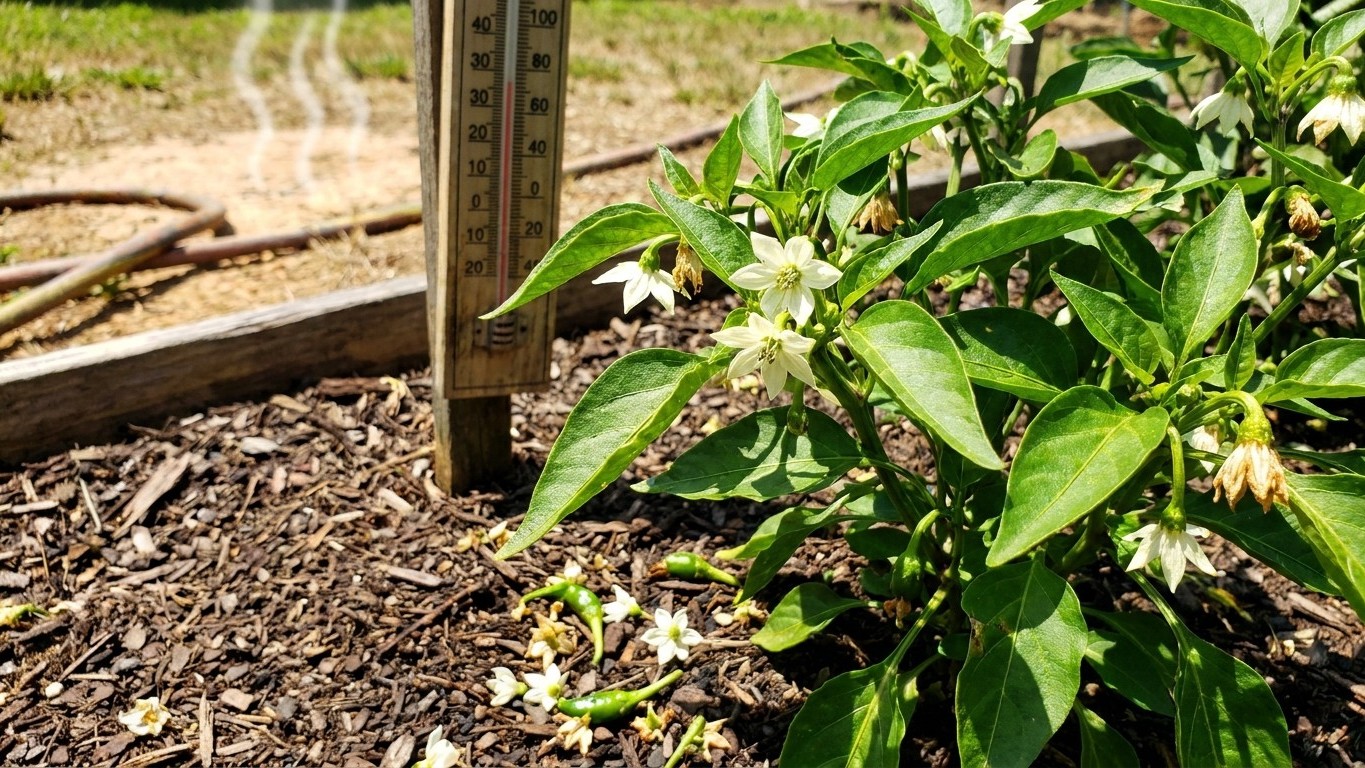
Peppers in Prince Edward Island rarely struggle because of excess heat. The Island’s summers stay mild enough that heat-driven blossom drop is almost a…
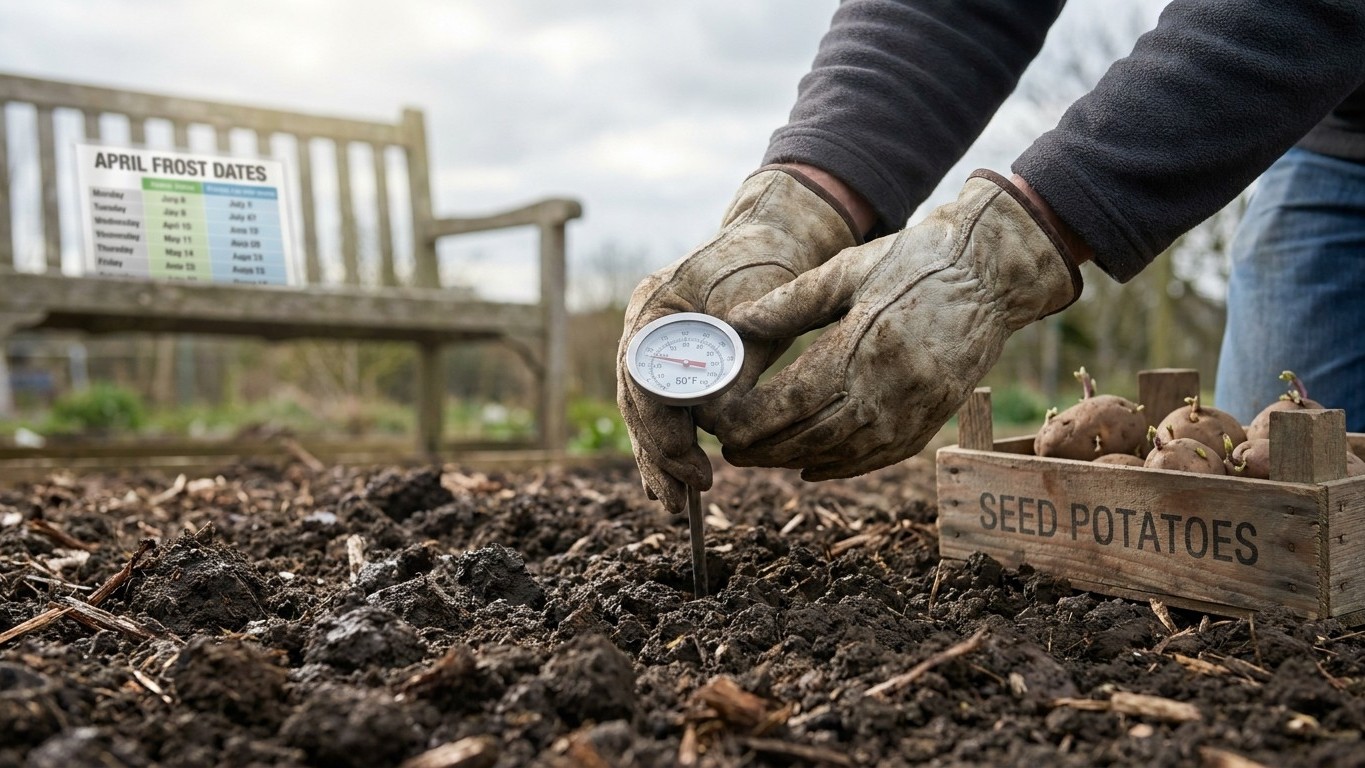
Prince Edward Island gardeners aiming for spring-planted potatoes should target roughly late April through the first days of May, counting back from the…