Roof Snow Load, Wind Speed and Ice Barrier Rules in Quebec
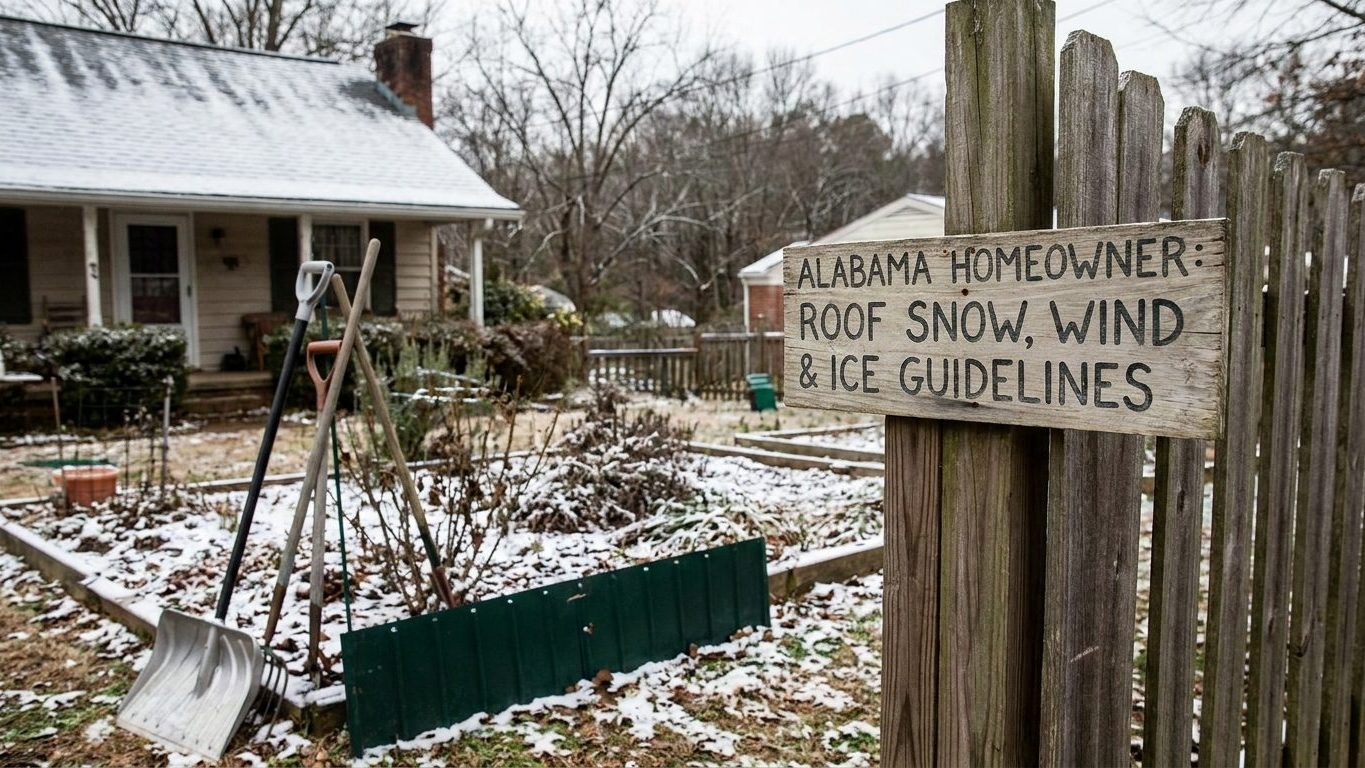
Quebec’s roof snow load, wind pressure and ice-barrier rules come from Montréal’s NBC 2020 figures, with municipal by-laws deciding the rest for houses.
Home & garden, state by state
Everything we have worked out for Quebec: what to plant and when, which varieties finish in time, the pests that actually turn up here, and the jobs that pay off month by month. We also cover the rest of the property, from lawns and soil to home care and energy, because a garden rarely stops at the vegetable bed.
The numbers first, because everything else follows from them. Measured at the weather station in Montreal, the last spring freeze falls around May 6 and the first fall freeze falls around October 5, 2,268 growing degree days in the year.
That is enough for early varieties, tight for anything late. Garlic does well: 30.4 weeks below 40 °F, comfortably past the six it needs to form a proper head.
Elsewhere on the property in Quebec: the pests that turn up here.
Figures from Environment and Climate Change Canada. A state is not one climate: elevation, a large lake or the coast can move these dates by two weeks either way, so check your own county with the extension service before you spend money.
Quebec’s roof snow load, wind pressure and ice-barrier rules come from Montréal’s NBC 2020 figures, with municipal by-laws deciding the rest for houses.
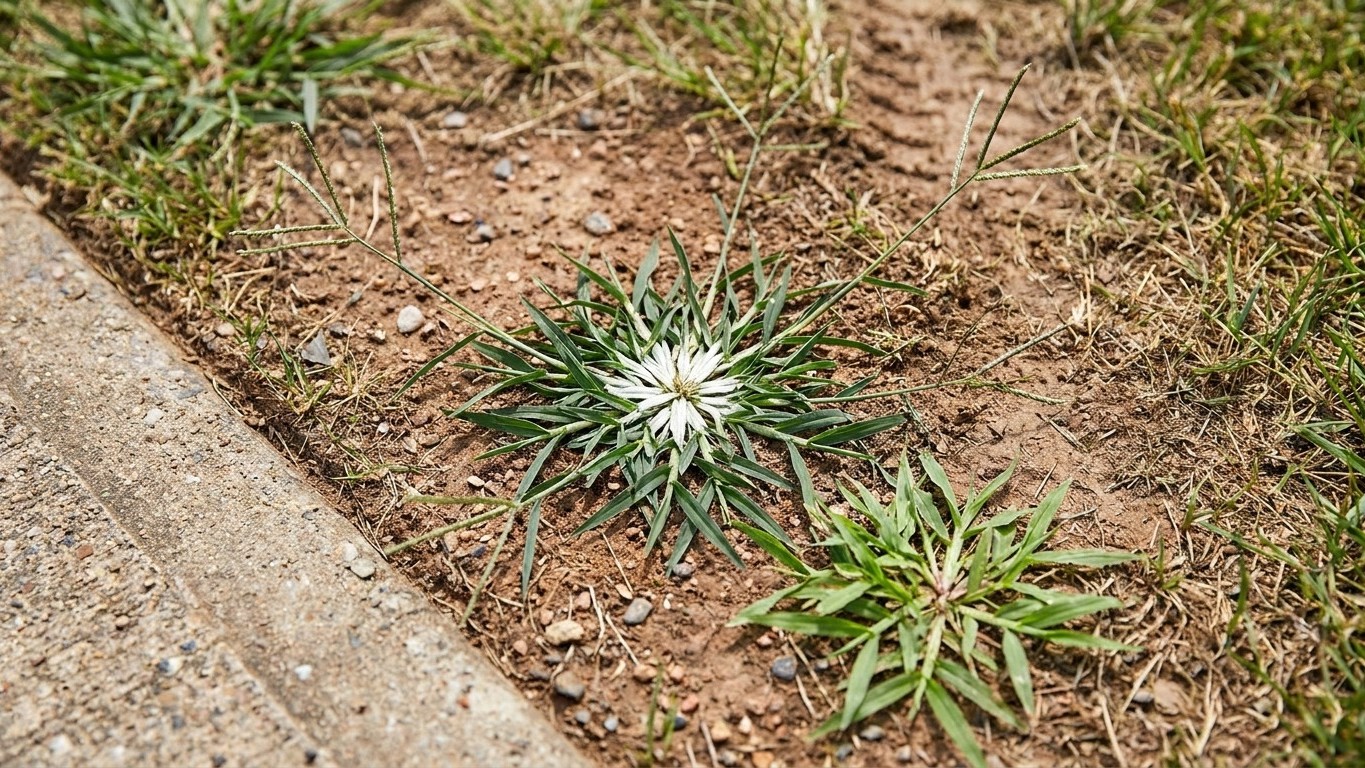
The safe window for overseeding a cool-season lawn in Quebec runs from mid-August through the first weeks of September, with the cutoff landing around…
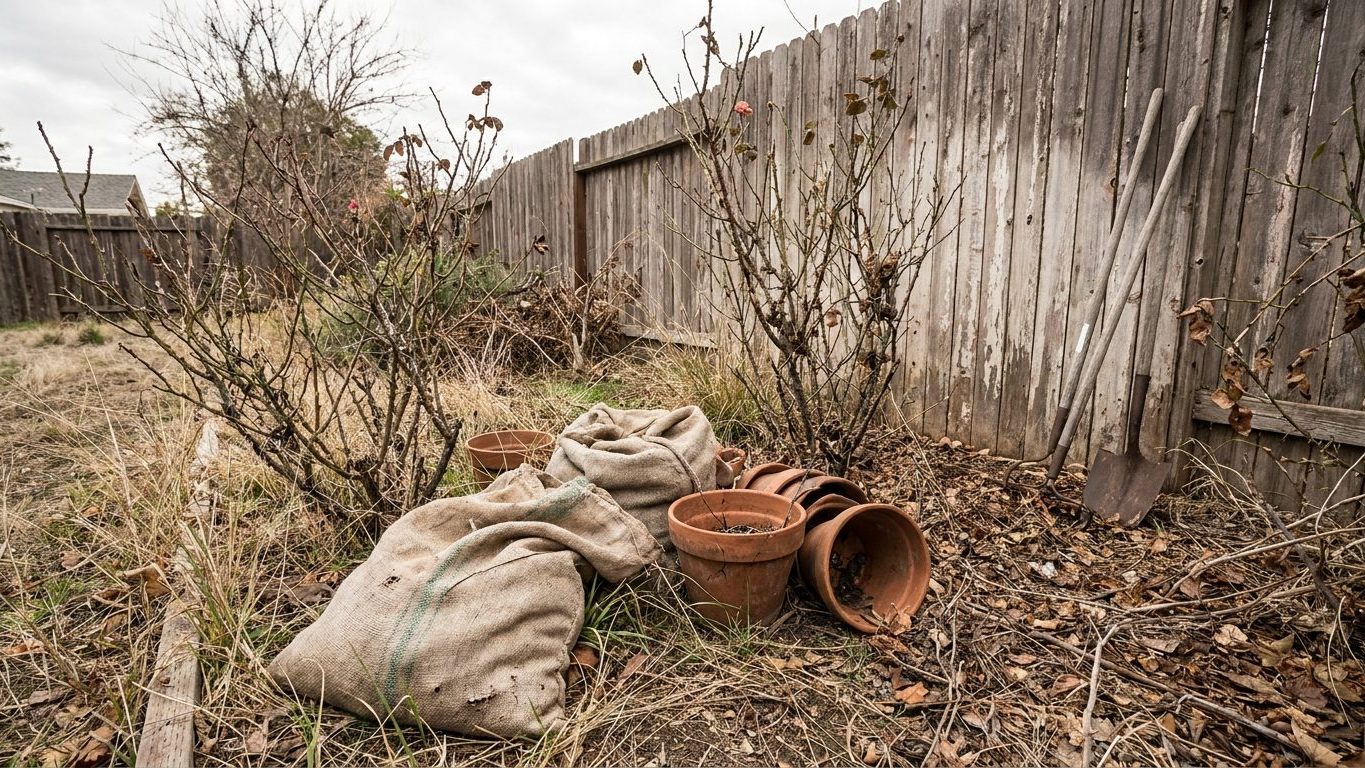
The average last spring frost for the Montreal area lands on May 6, and the average first fall frost arrives October 5, based on Environment and Climate…
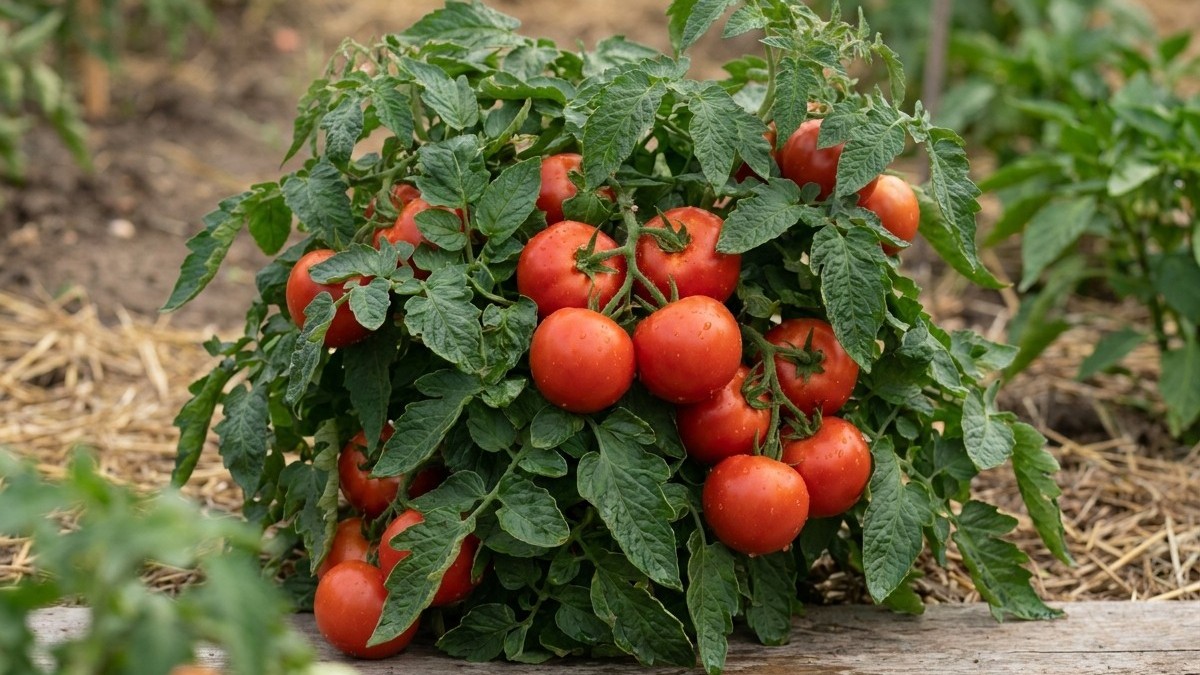
The safest rule for Quebec tomatoes: get every fruit off the vine before frost settles in, whether it’s blushed pink or still rock-hard and green.
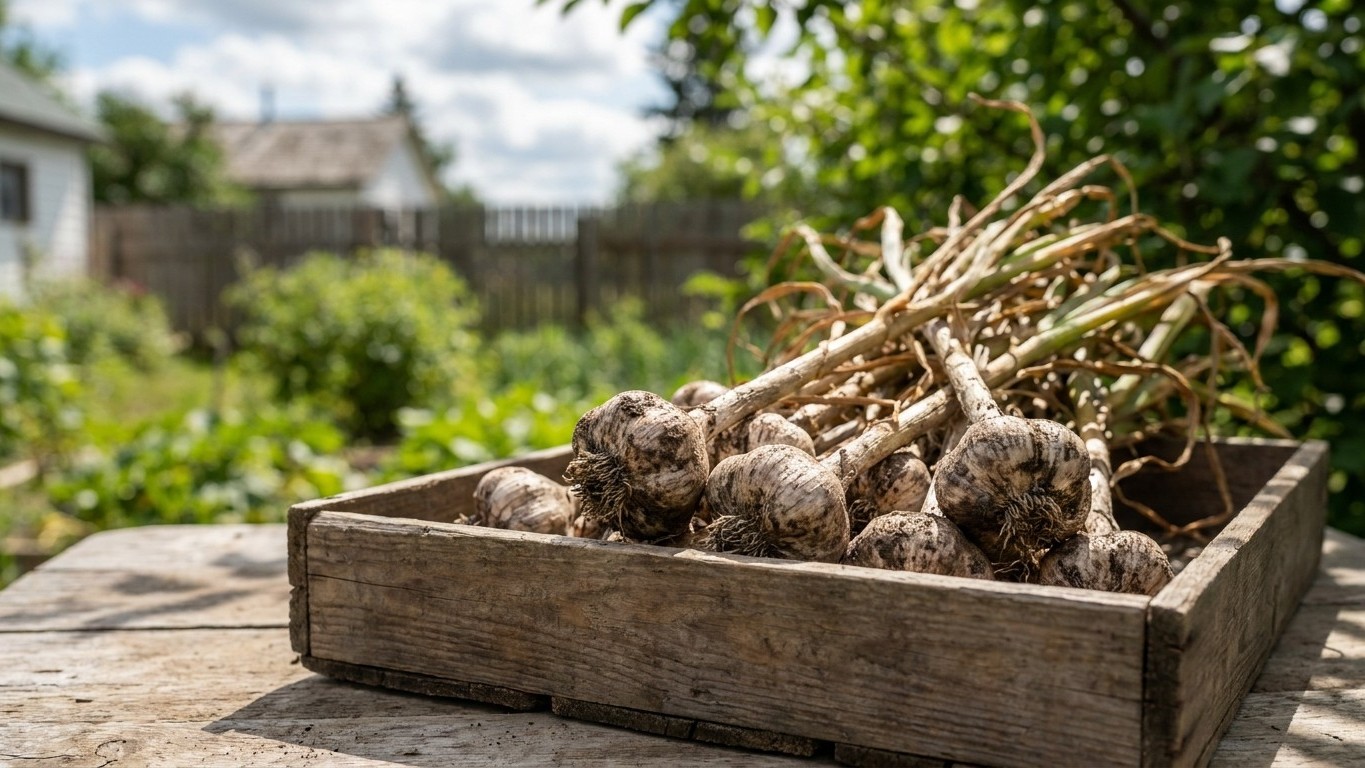
Garlic planted the previous fall in Quebec is typically ready to lift in mid-to-late July, once the bottom third to half of the leaves have browned while…
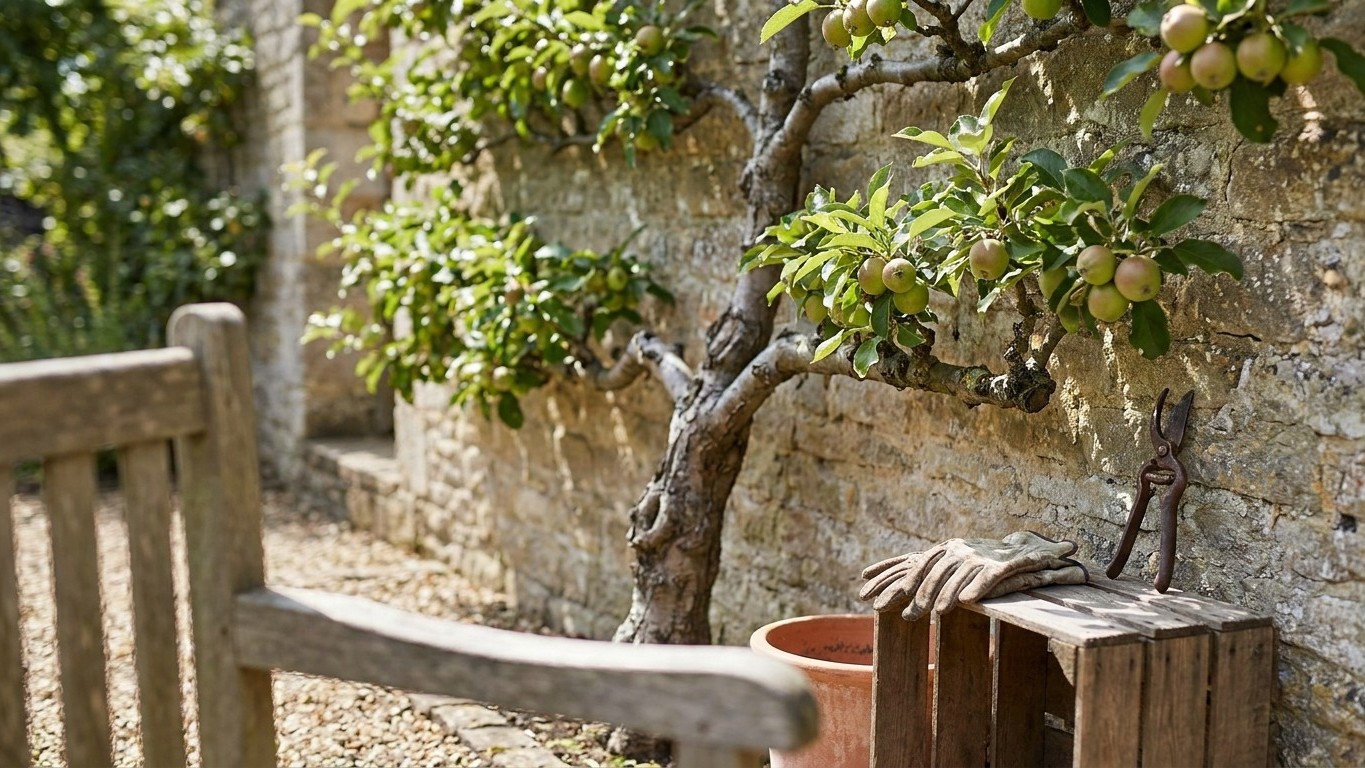
Quebec’s growing season runs from an average last frost on May 6 to an average first frost on October 5, a window of roughly five months that decides…
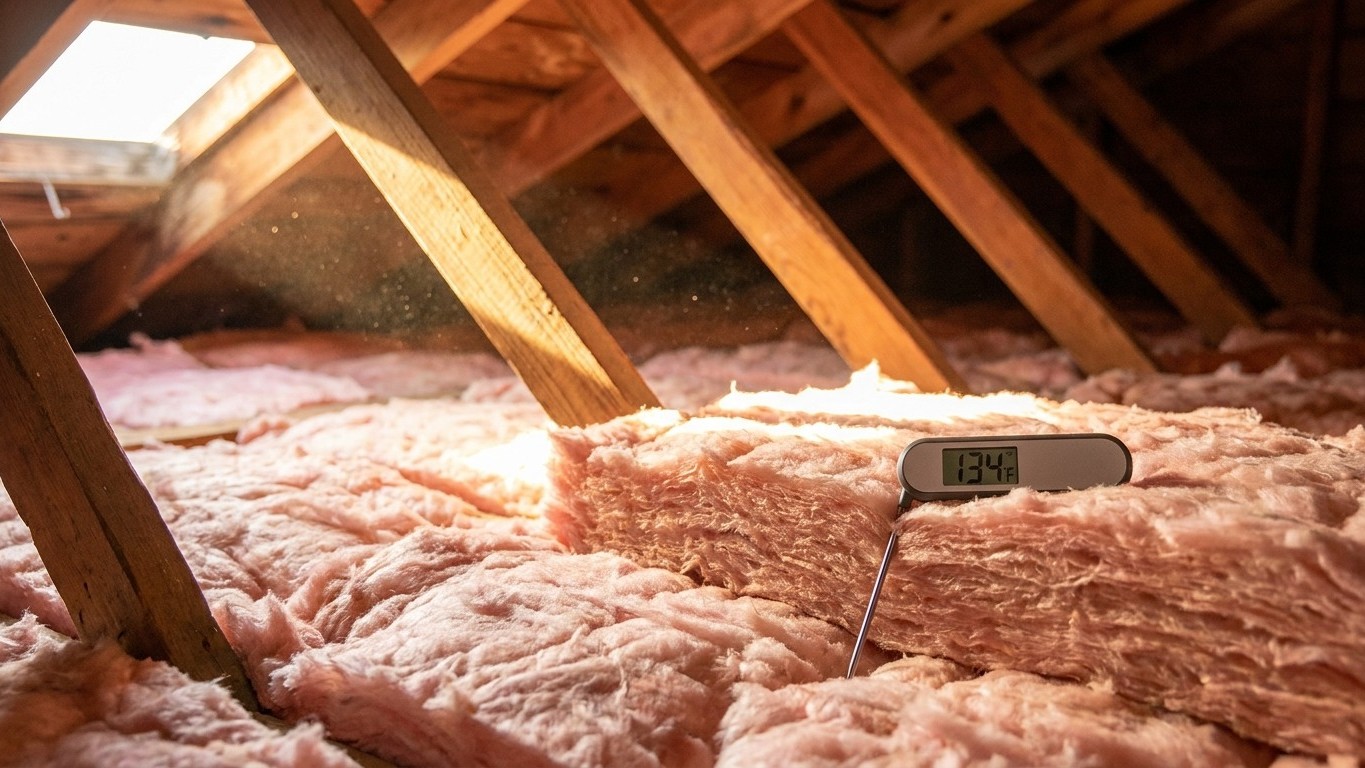
Yes, but in Quebec the reason has little to do with air conditioning. The reference station for the province shows essentially zero days above 90°F a…
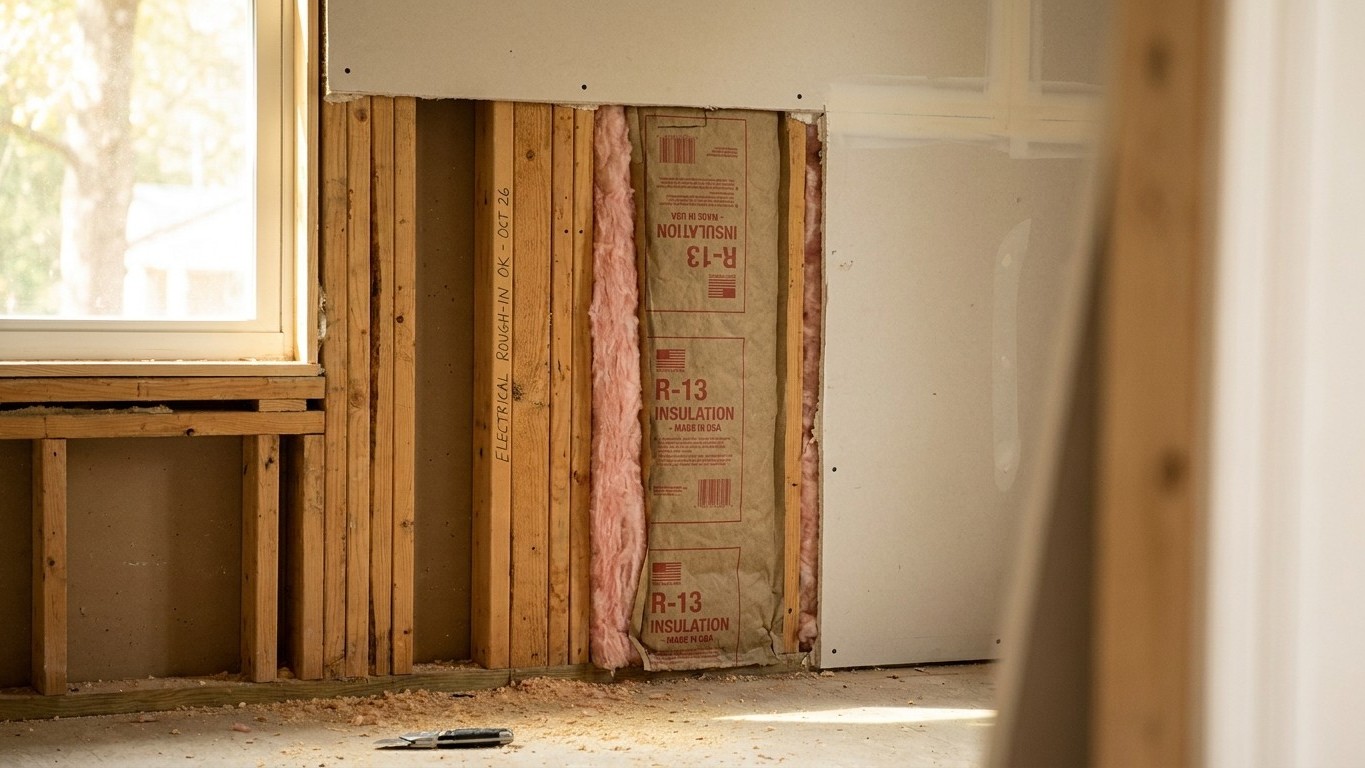
Yes. Quebec follows the National Building Code of Canada, and Part 9, Article 9.25.4 requires a vapour barrier in insulated wall assemblies, full stop.
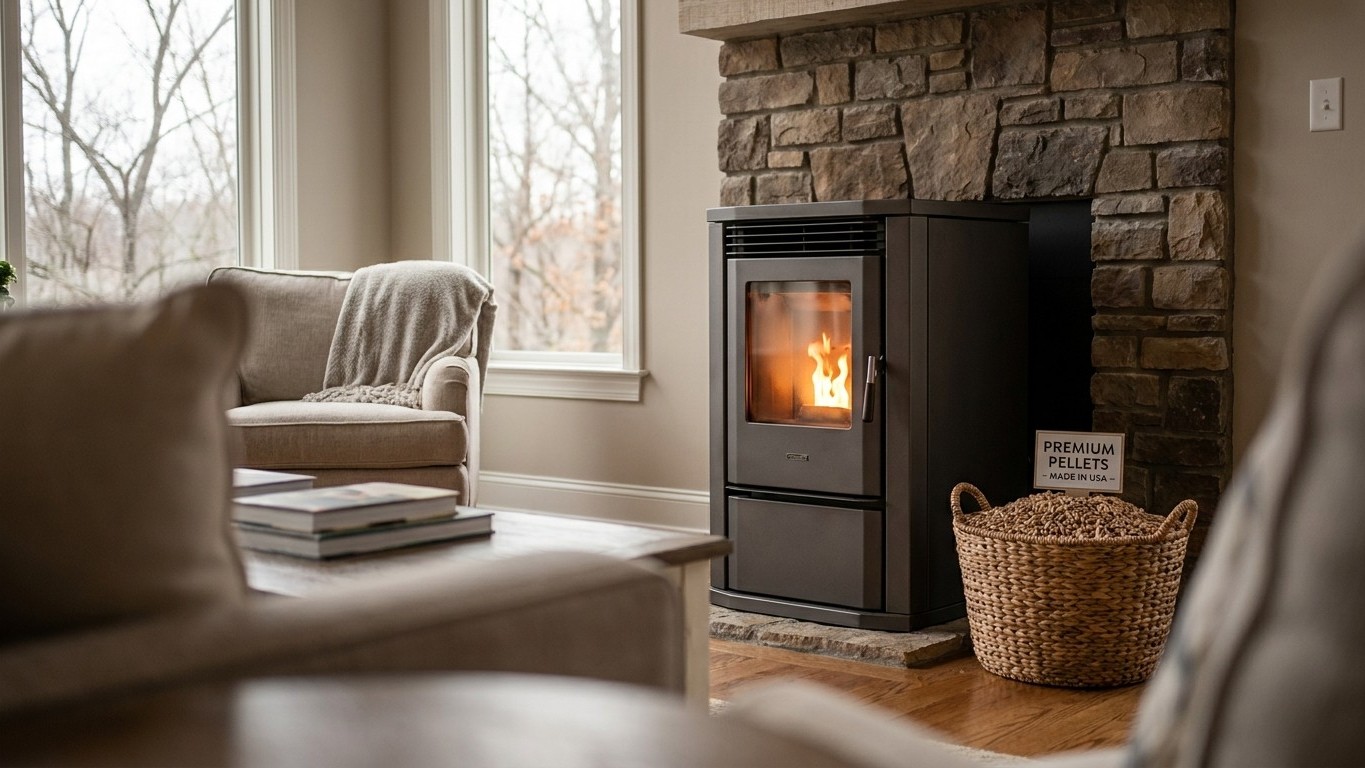
A Quebec winter isn’t a cold snap you ride out with the thermostat down. It’s a nine-month heating season built on one of the highest degree-day totals…
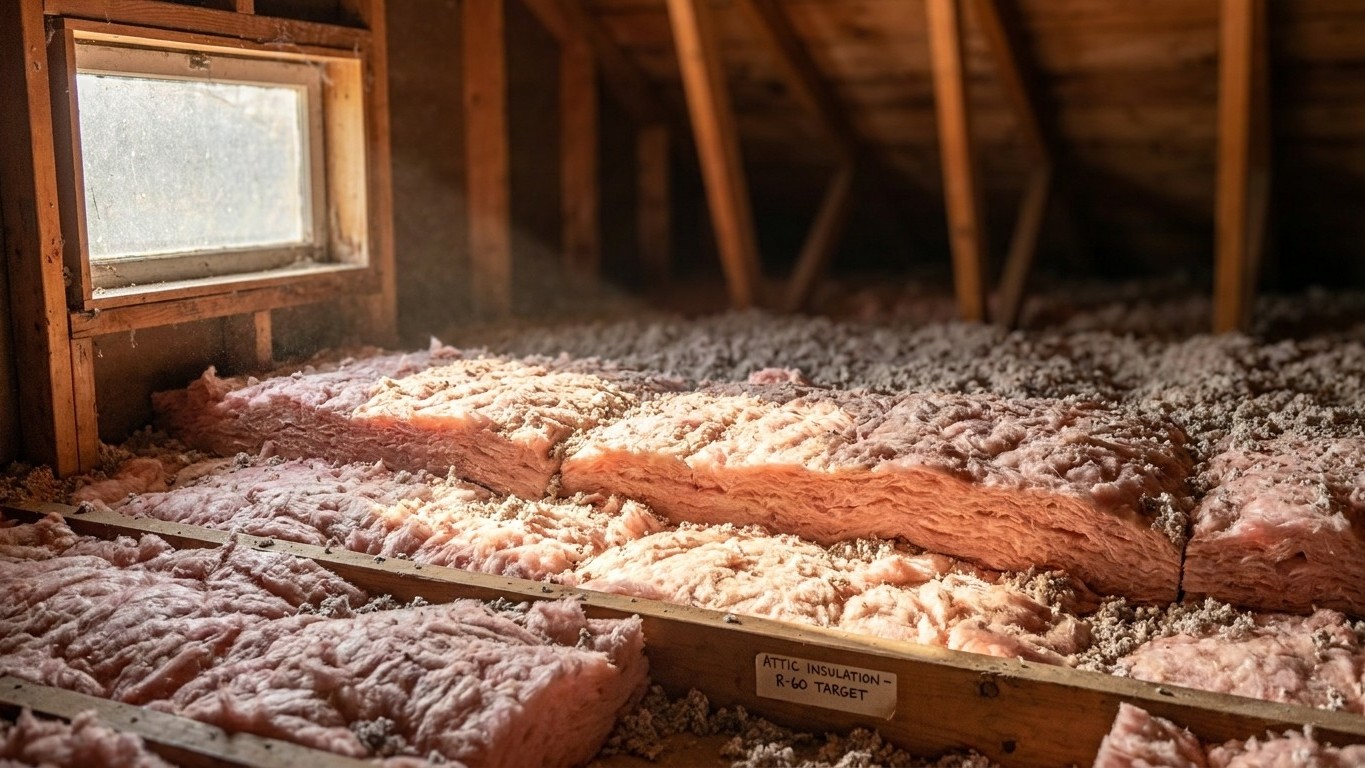
Quebec’s benchmark weather station, at Montreal-Trudeau, logs about 4,363 heating degree days a year below 18°C.