Will Parsnips Sweeten in Rhode Island?
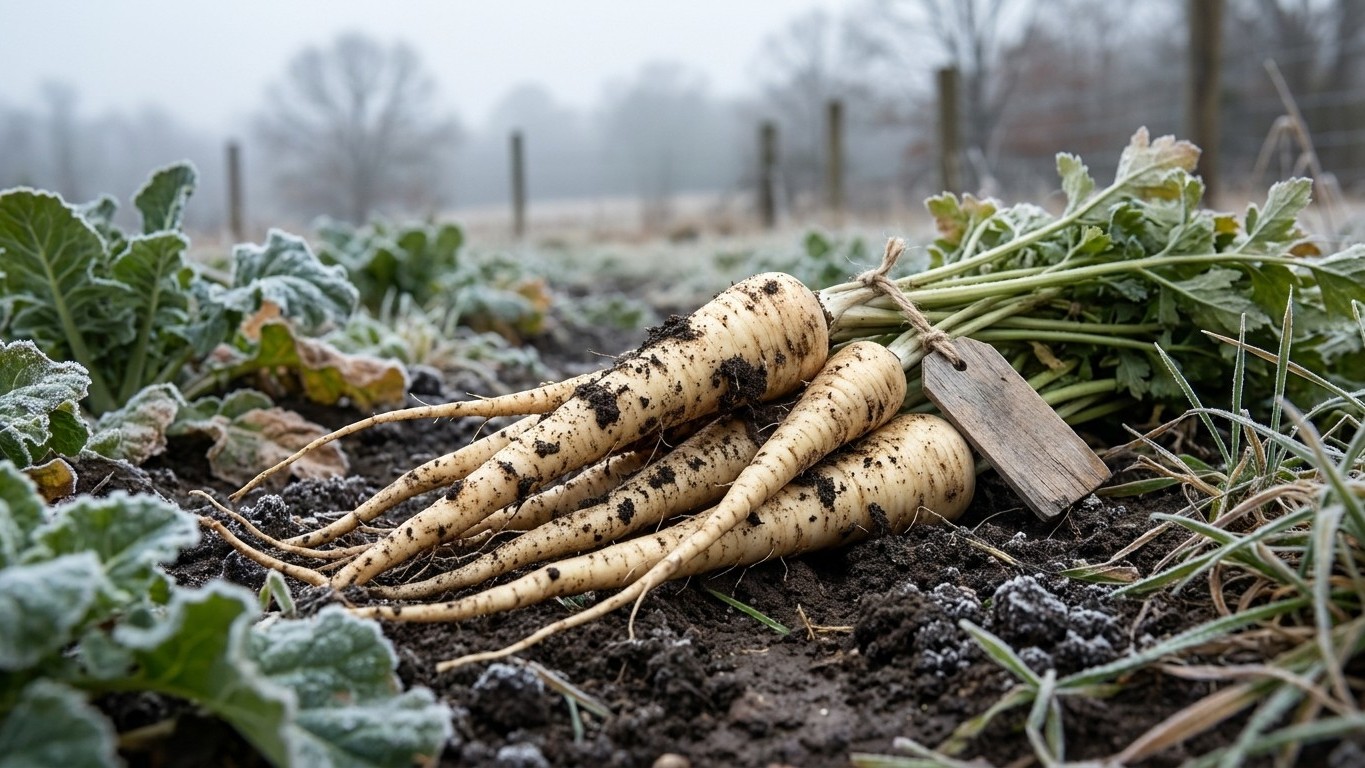
Yes, but the sweetness depends on timing, not luck. Providence’s coldest month averages a nightly low of 22.1°F, a genuine stretch of freezing weather…
Home & garden, state by state
Everything we have worked out for Rhode Island: what to plant and when, which varieties finish in time, the pests that actually turn up here, and the jobs that pay off month by month. We also cover the rest of the property, from lawns and soil to home care and energy, because a garden rarely stops at the vegetable bed.
The numbers first, because everything else follows from them. Measured at the weather station in Providence, the last spring freeze runs April 7 to April 17 and the first fall freeze runs October 24 to November 3, USDA zones 6a-7b, 3,229 growing degree days in the year.
Garlic does well: 26.1 weeks below 40 °F, comfortably past the six it needs to form a proper head.
Elsewhere on the property in Rhode Island: the pests that turn up here.
Figures from NOAA's 1991-2020 climate normals. A state is not one climate: elevation, a large lake or the coast can move these dates by two weeks either way, so check your own county with the extension service before you spend money.
Yes, but the sweetness depends on timing, not luck. Providence’s coldest month averages a nightly low of 22.1°F, a genuine stretch of freezing weather…
Heating season in Rhode Island opens in October, when the state’s normal mean temperature first drops below the 65°F mark used to calculate heating…
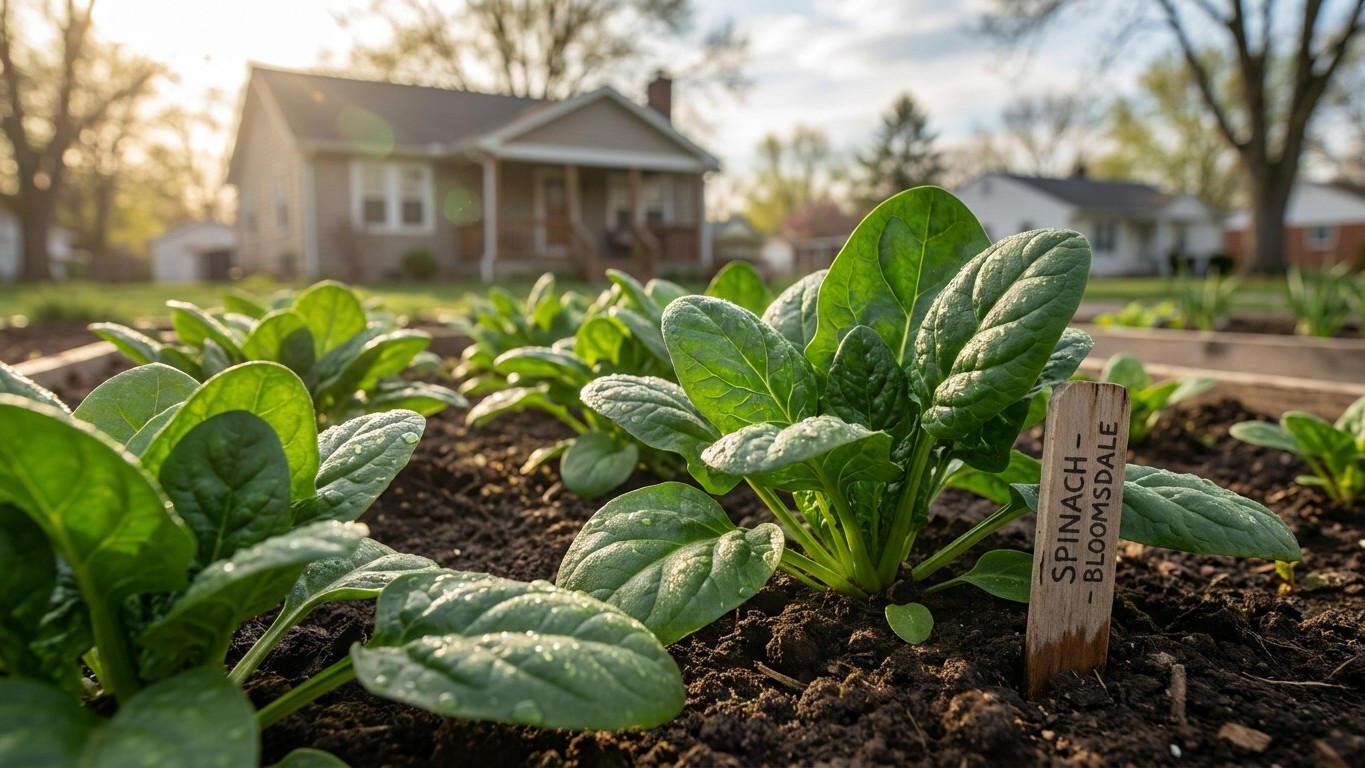
Spinach in Rhode Island bolts for two reasons at once: the state’s summer days stretch past 15 hours, and its air warms past the point spinach can stand.
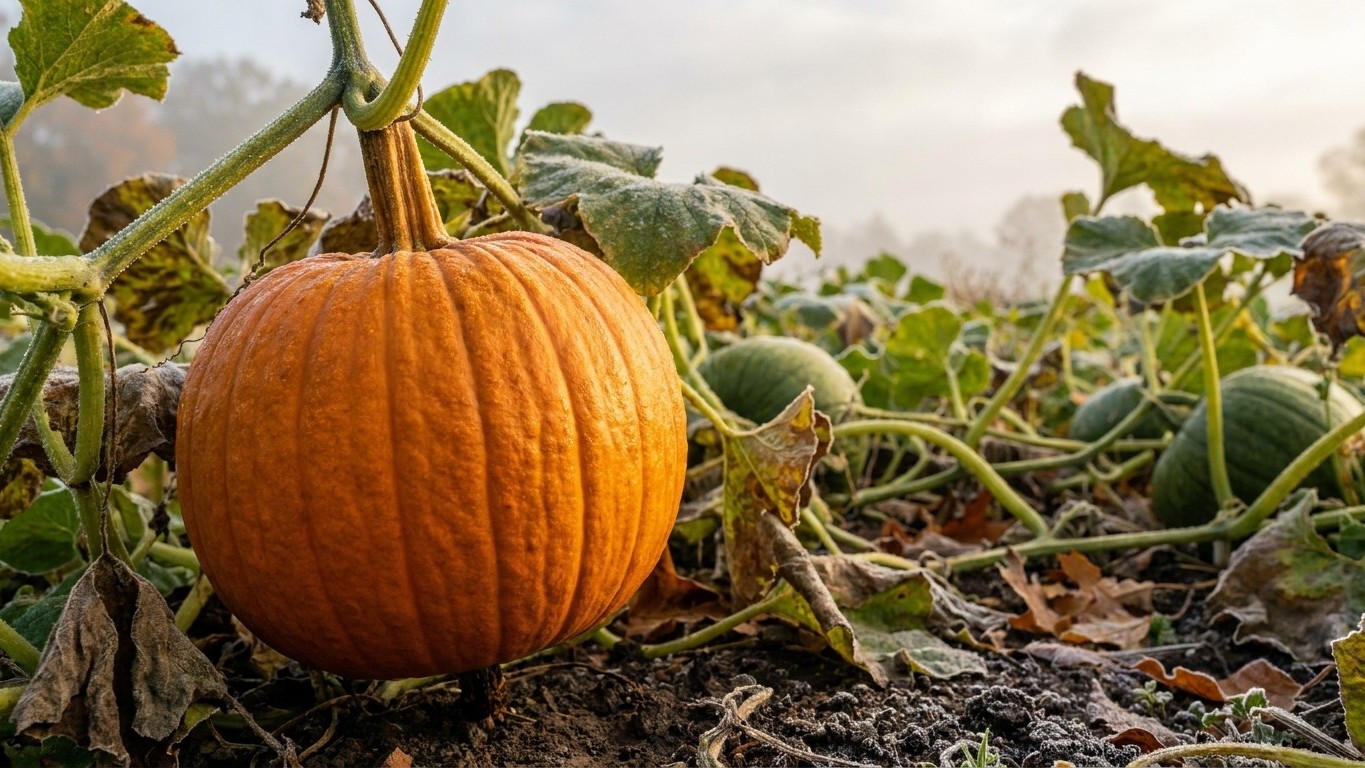
Yes, but the margin is tight. A Rhode Island pumpkin has to flower by roughly the last days of August through mid-September to reach the 45 to 55 days it…
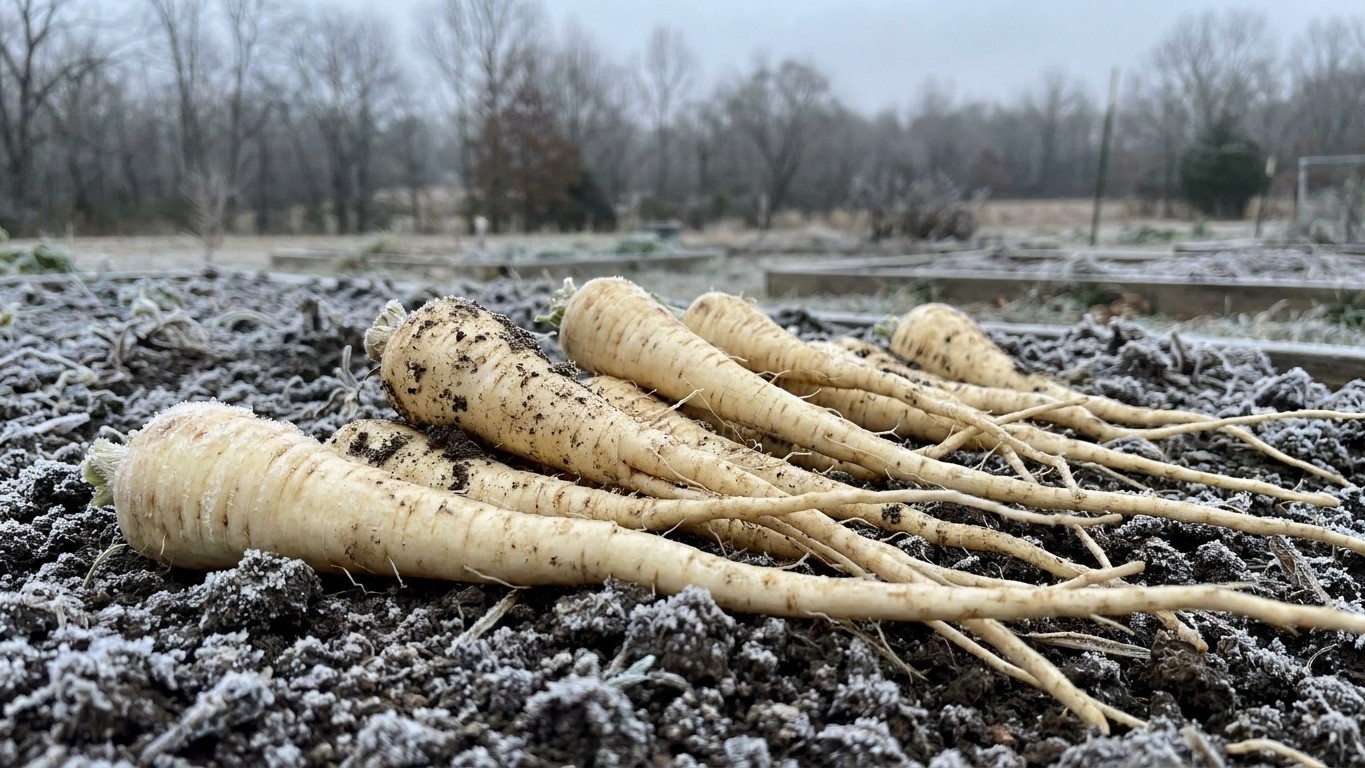
Rhode Island’s winters get cold enough, and the growing season is long enough, to answer both parsnip questions with a yes.
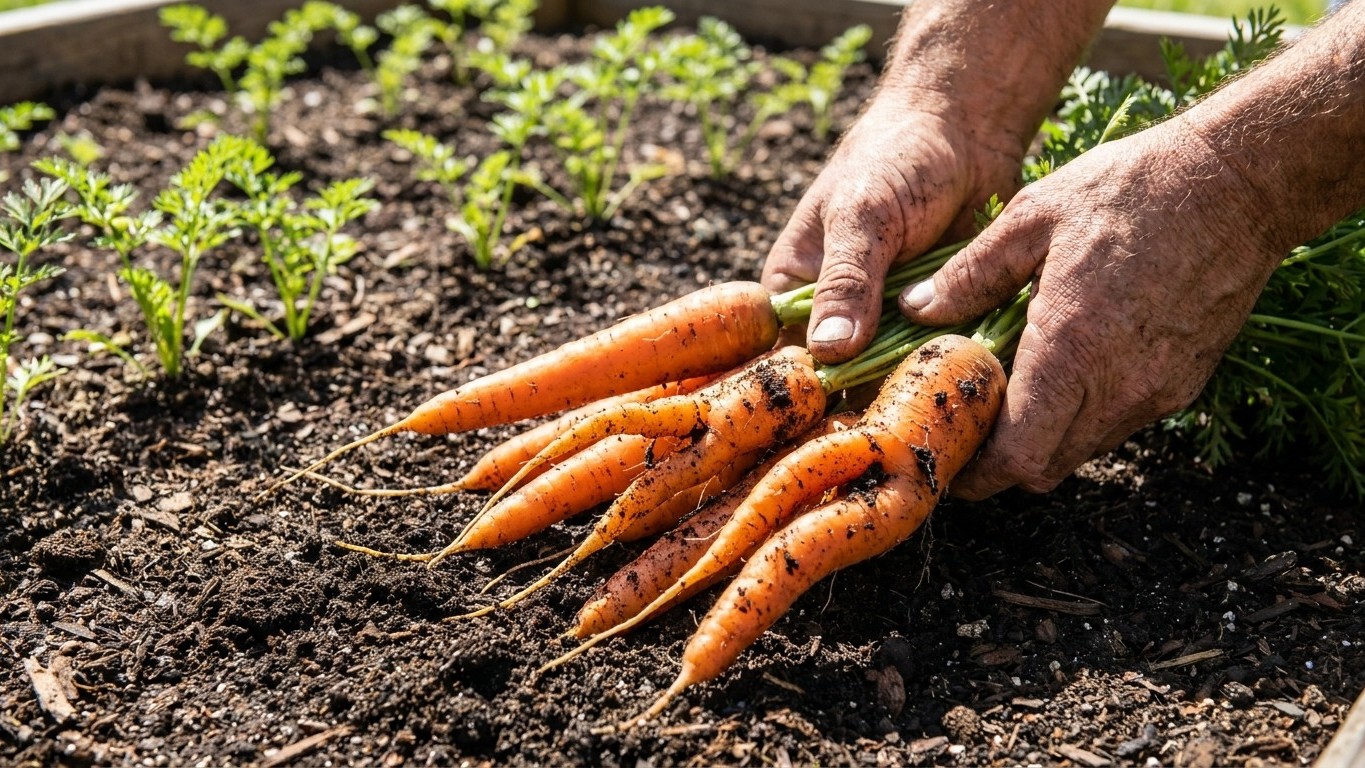
Rhode Island’s carrots don’t fail because gardeners plant on the wrong day. They fail because of what’s under the surface.
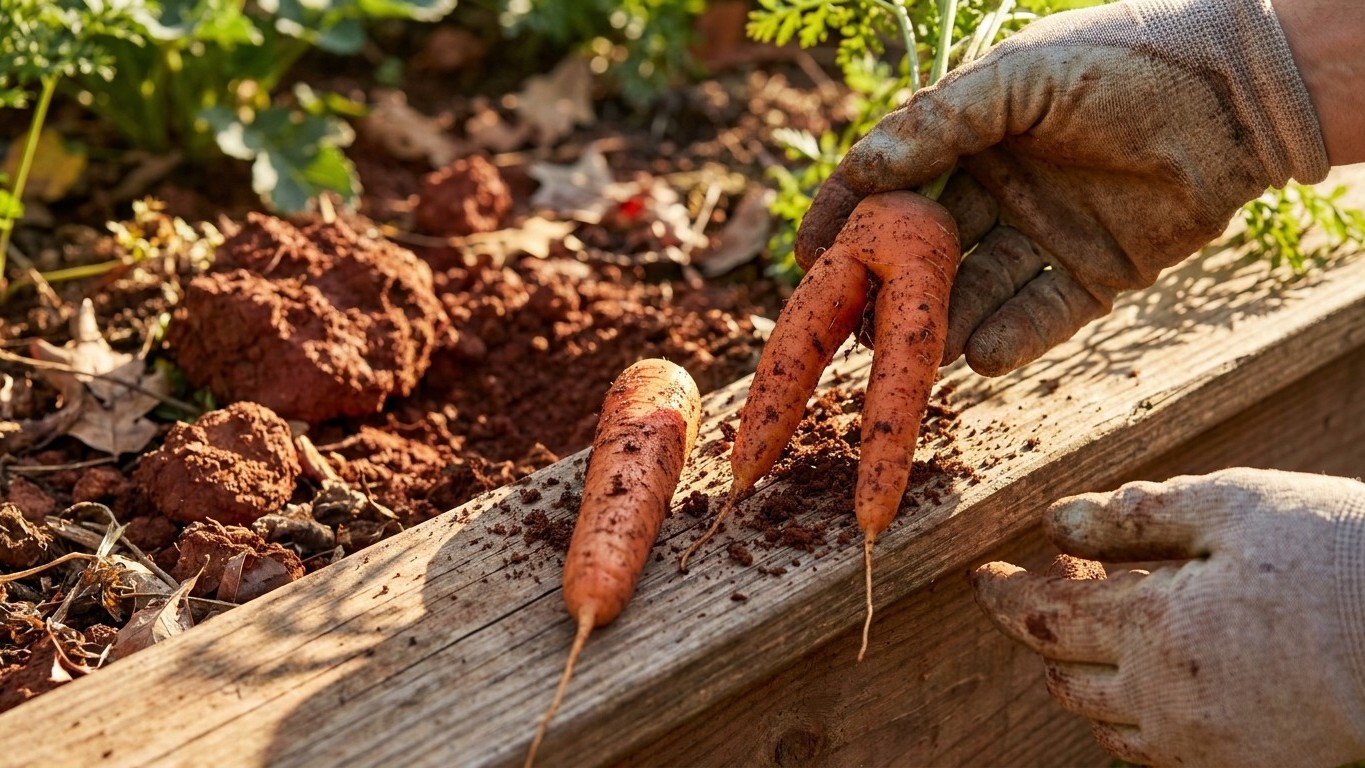
The soil that represents Rhode Island, the Narragansett series, is well drained, low in clay and closer to loam than to heavy ground.
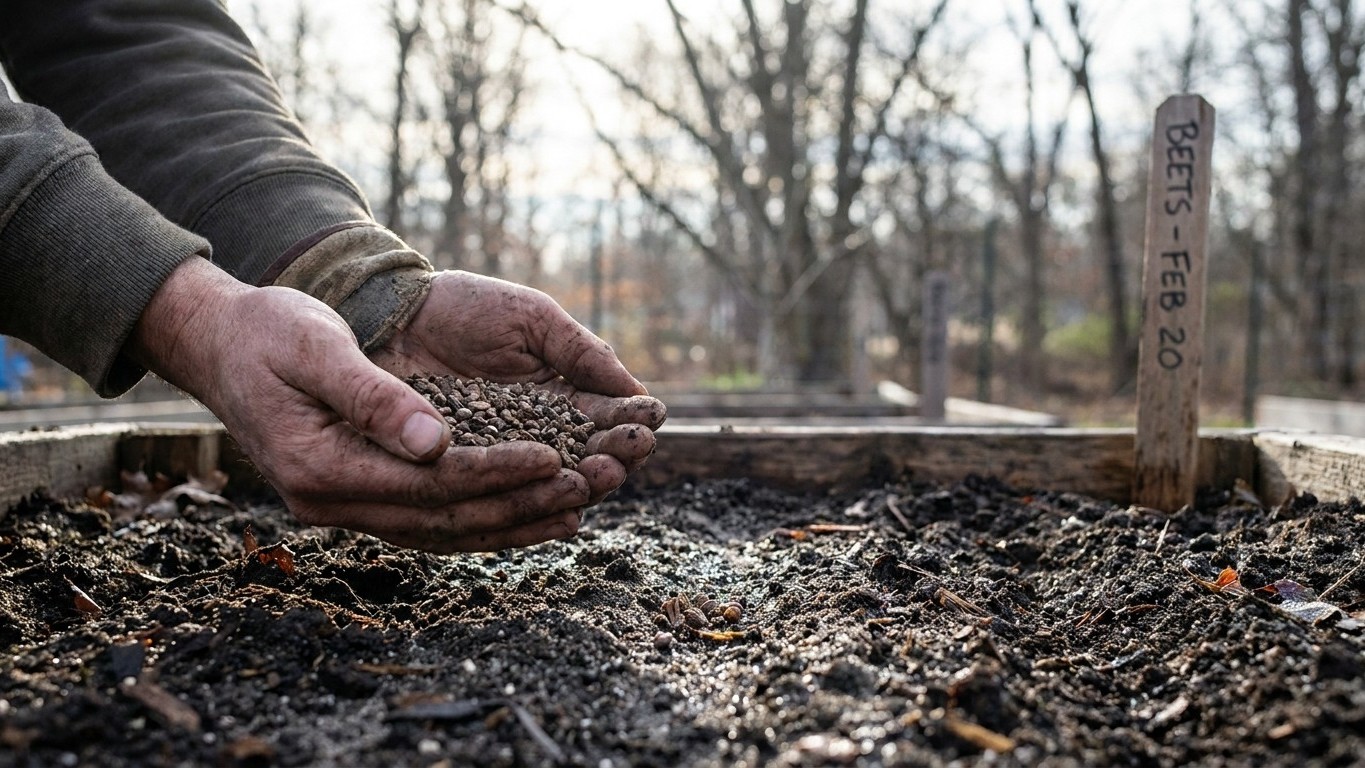
In Rhode Island, the safest window to sow beets outdoors runs from about mid-March through the first days of April, roughly two to three weeks ahead of…
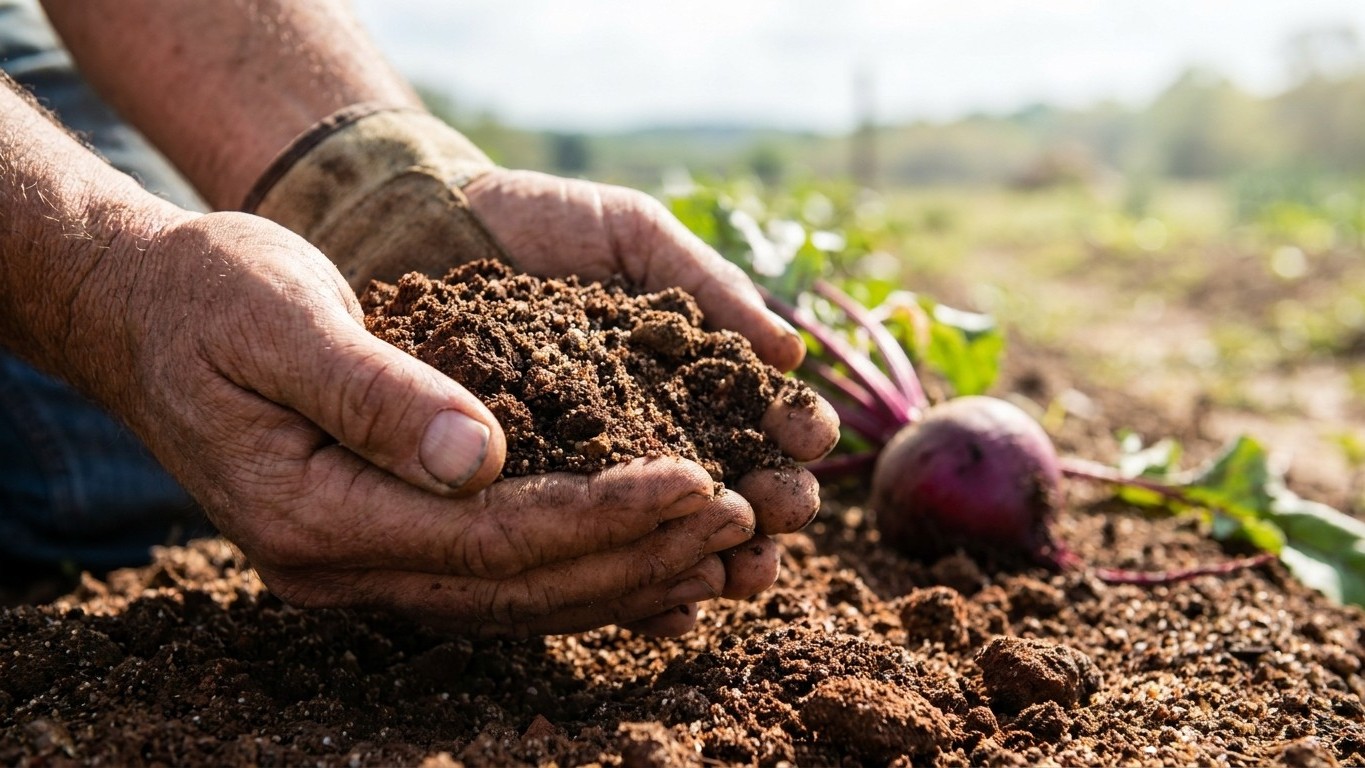
Rhode Island’s representative soil, the Narragansett series, is a silty loam that drains well but runs strongly acid, close to pH 5.3.
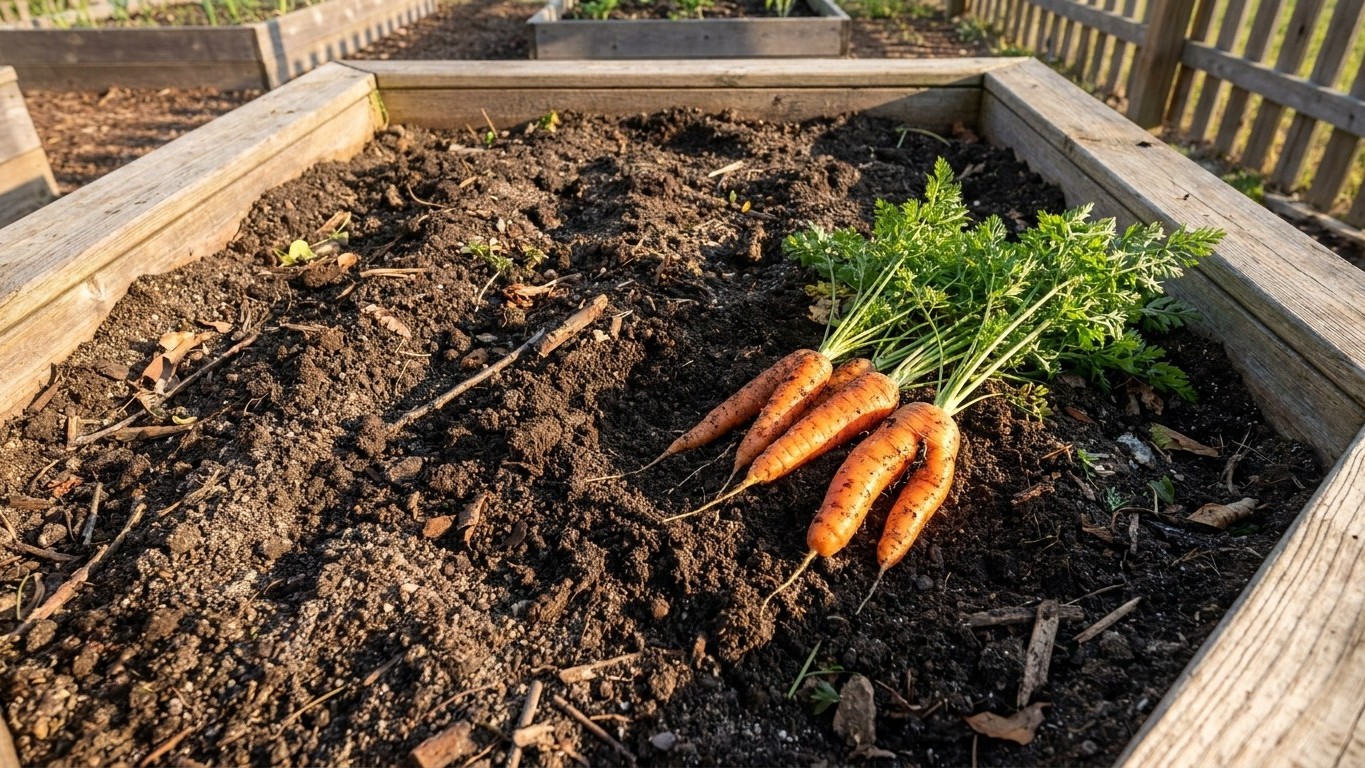
Rhode Island’s representative topsoil, the Narragansett series, is a well-drained silt loam: 34 percent sand, 60 percent silt, only 6 percent clay, with…