Does Insulation Keep a Home in Texas Cool?
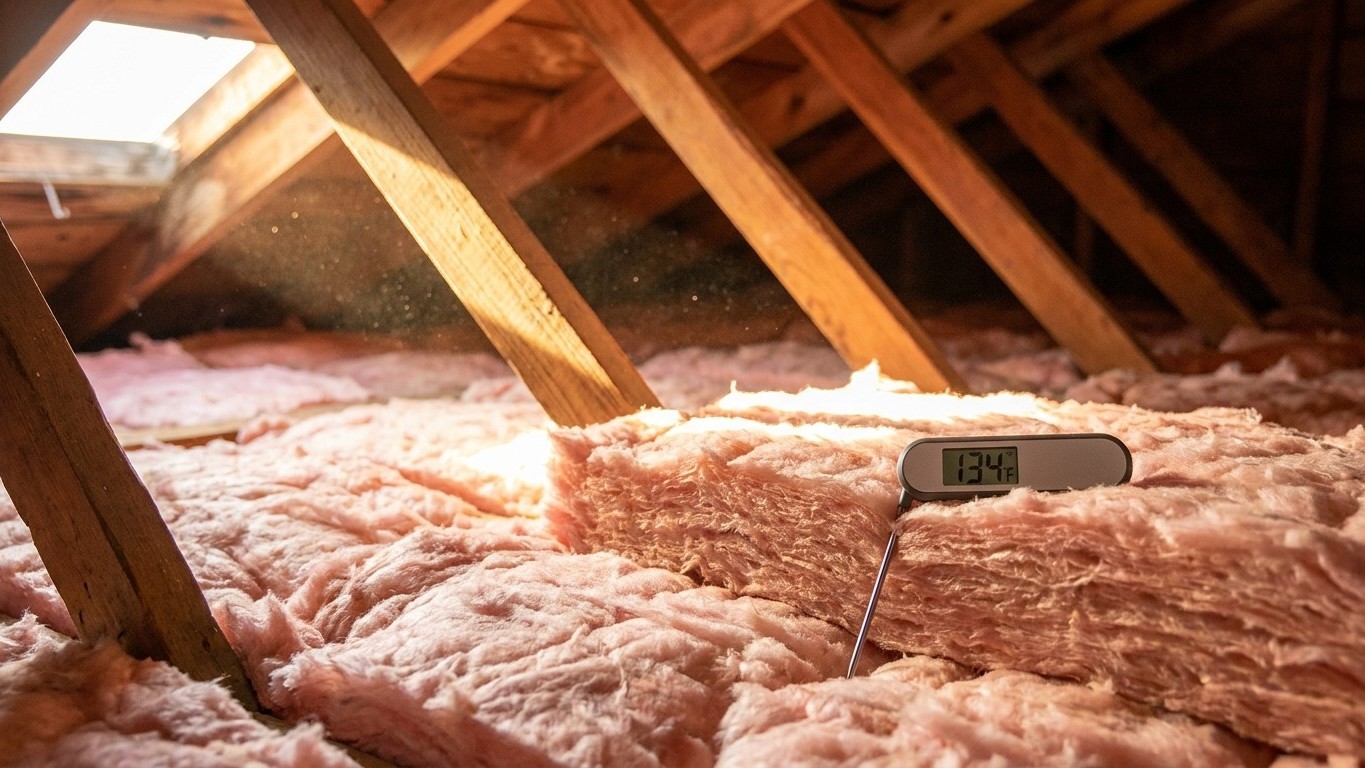
Yes, insulation keeps a Texas home cooler, and here the summer isn’t a side issue, it’s most of the year’s energy story.
Home & garden, state by state
Everything we have worked out for Texas: what to plant and when, which varieties finish in time, the pests that actually turn up here, and the jobs that pay off month by month. We also cover the rest of the property, from lawns and soil to home care and energy, because a garden rarely stops at the vegetable bed.
The numbers first, because everything else follows from them. Measured at the weather station in Houston, the last spring freeze runs February 4 to March 1 and the first fall freeze runs December 1 to December 19, USDA zones 6a-10a, 7,280 growing degree days in the year.
Heat, not frost, is what shortens the season here: above 86 °F tomato pollen goes sterile, so growers run a spring crop and an autumn one rather than a single long season. Garlic is the awkward one: only 0 weeks below 40 °F, where it needs six to split into cloves. Chill the cloves before planting, or grow a softneck type.
Elsewhere on the property in Texas: the pests that turn up here.
Figures from NOAA's 1991-2020 climate normals. A state is not one climate: elevation, a large lake or the coast can move these dates by two weeks either way, so check your own county with the extension service before you spend money.
Yes, insulation keeps a Texas home cooler, and here the summer isn’t a side issue, it’s most of the year’s energy story.
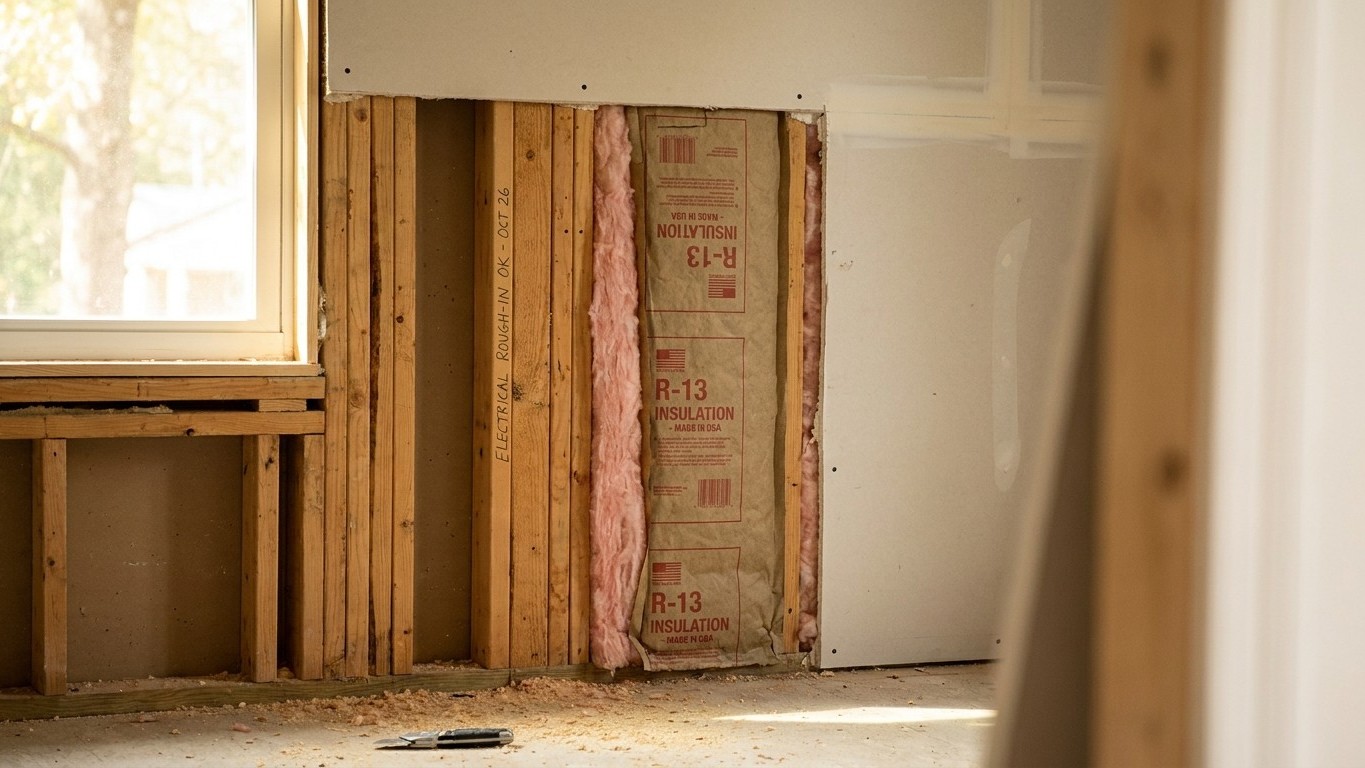
The IRC exempts Climate Zones 1, 2 and 3 from the interior vapor retarder requirement.
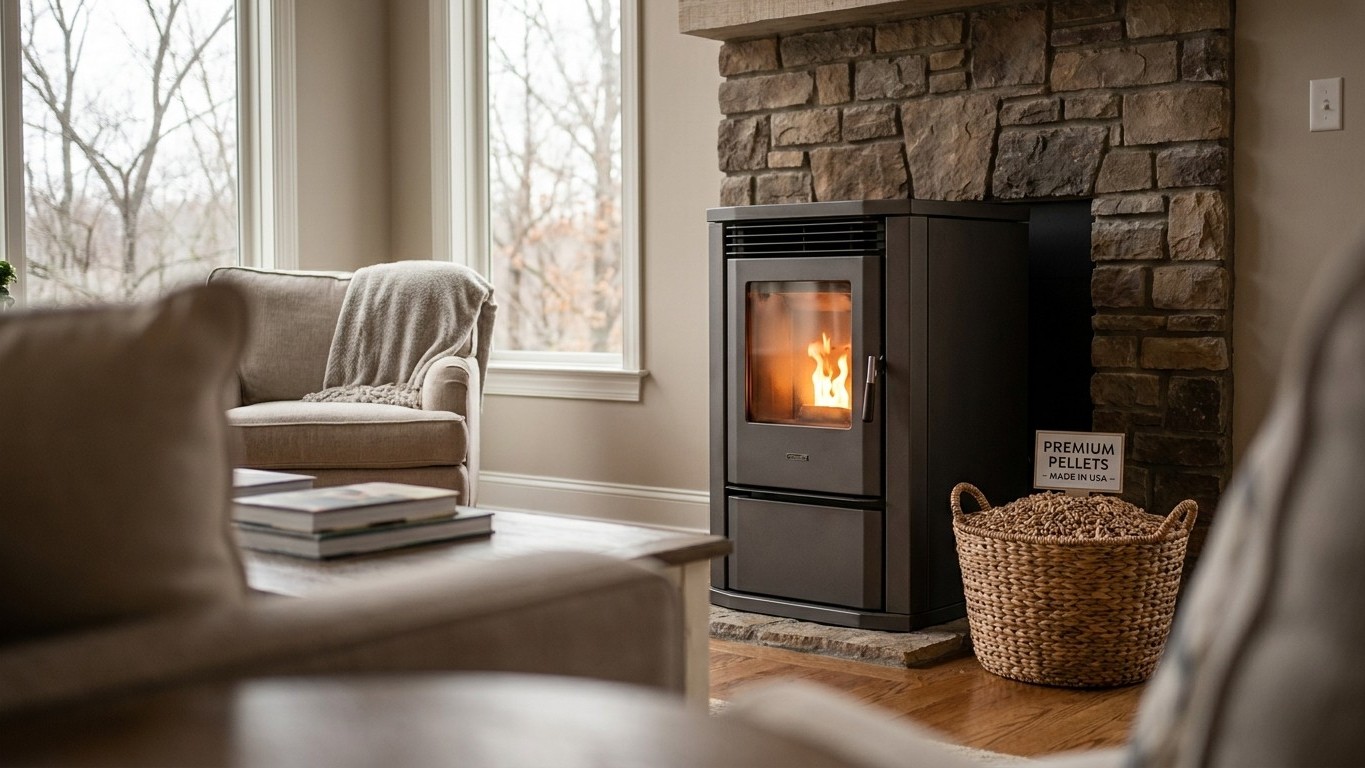
Around Houston, a Texas winter adds up to about 1,266 heating degree days a year, which is a mild number by national standards.
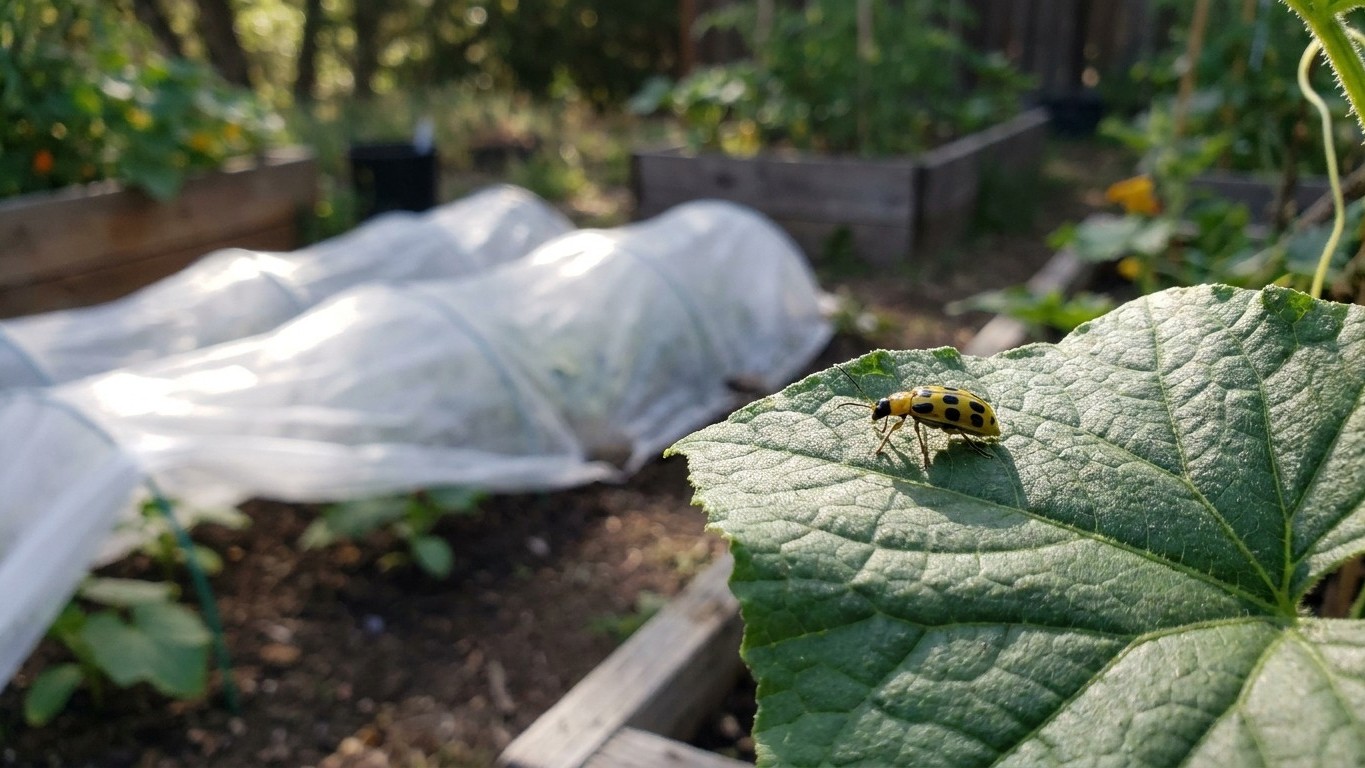
Cucumber beetles show up in Texas gardens as soon as cucurbit seedlings poke through the soil, which on the Gulf Coast can mean late winter and farther…
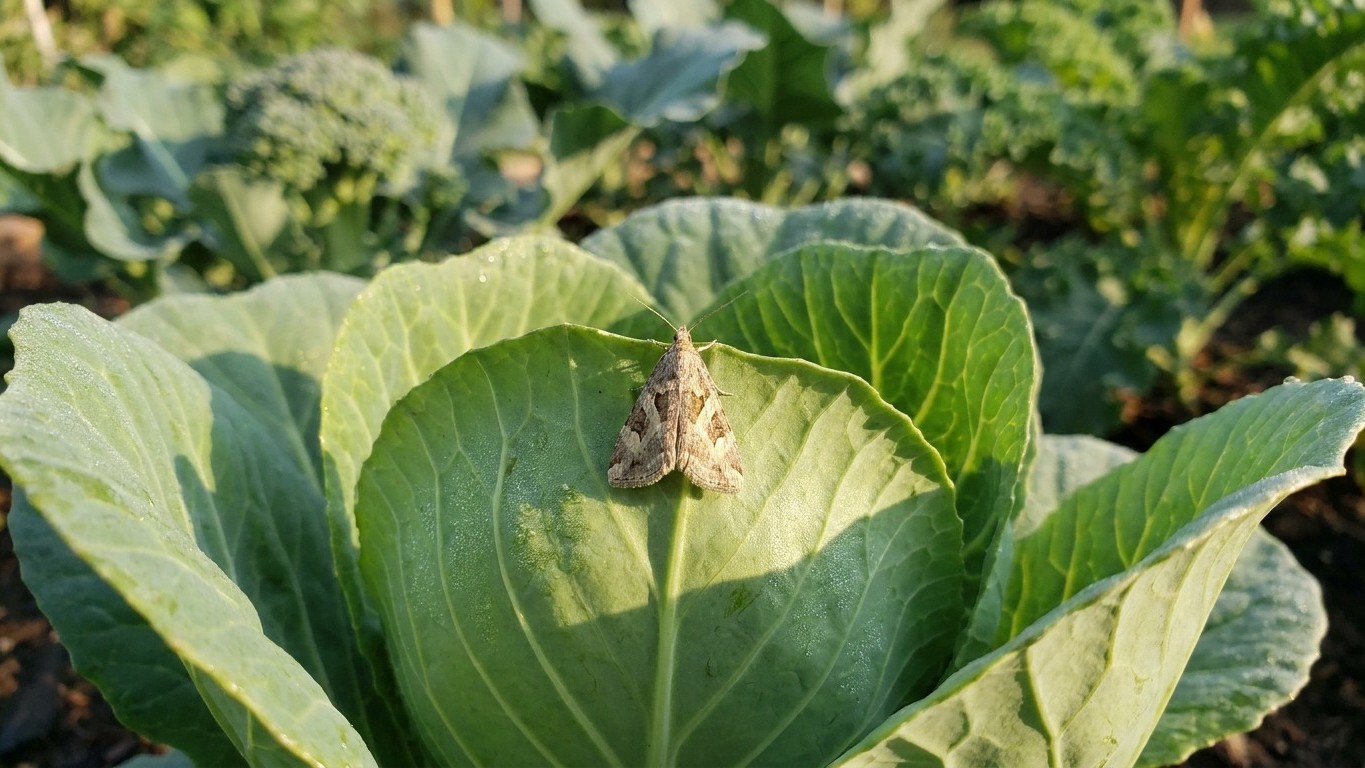
Diamondback moth turns up in Texas gardens whenever brassica crops are in the ground and temperatures stay above freezing, which in much of the state…
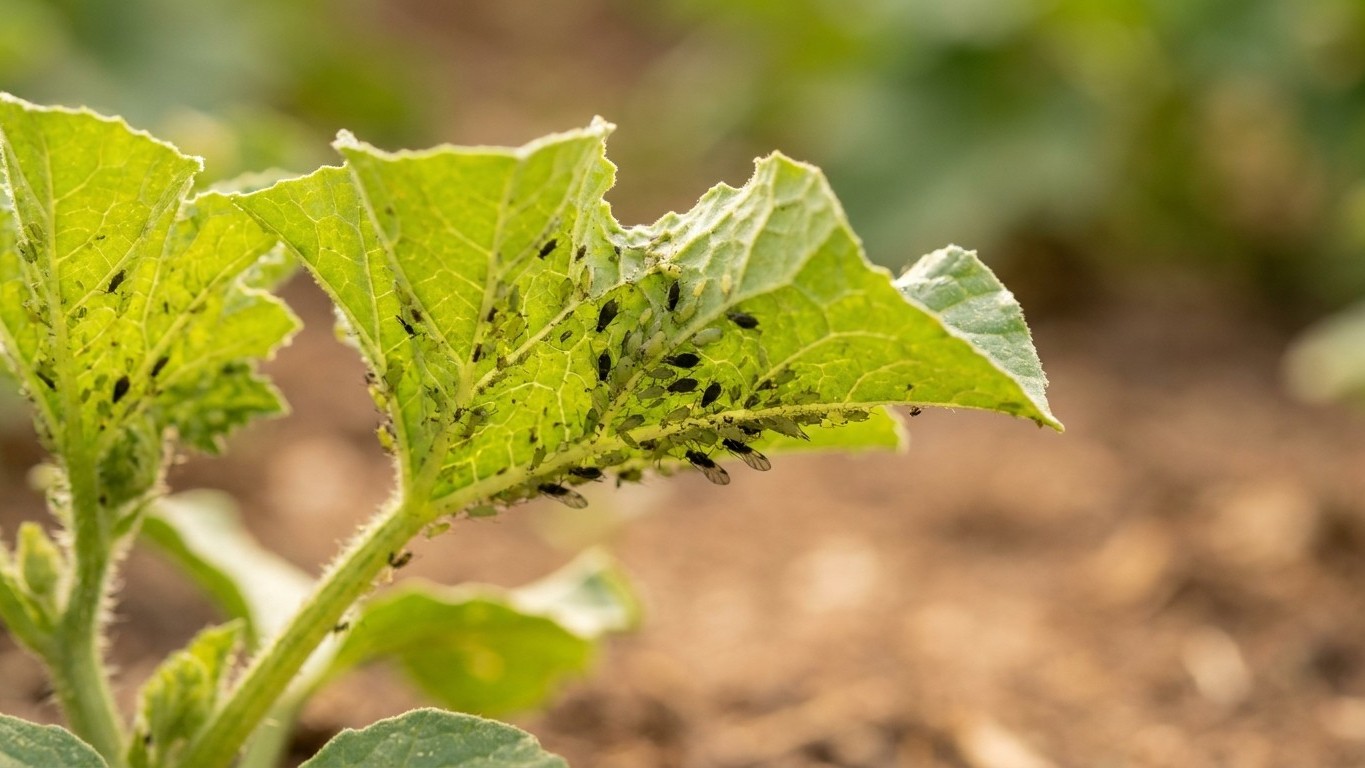
Melon aphid becomes active in Texas whenever daytime temperatures climb into the 65-80°F range, which in most of the state means late winter through…
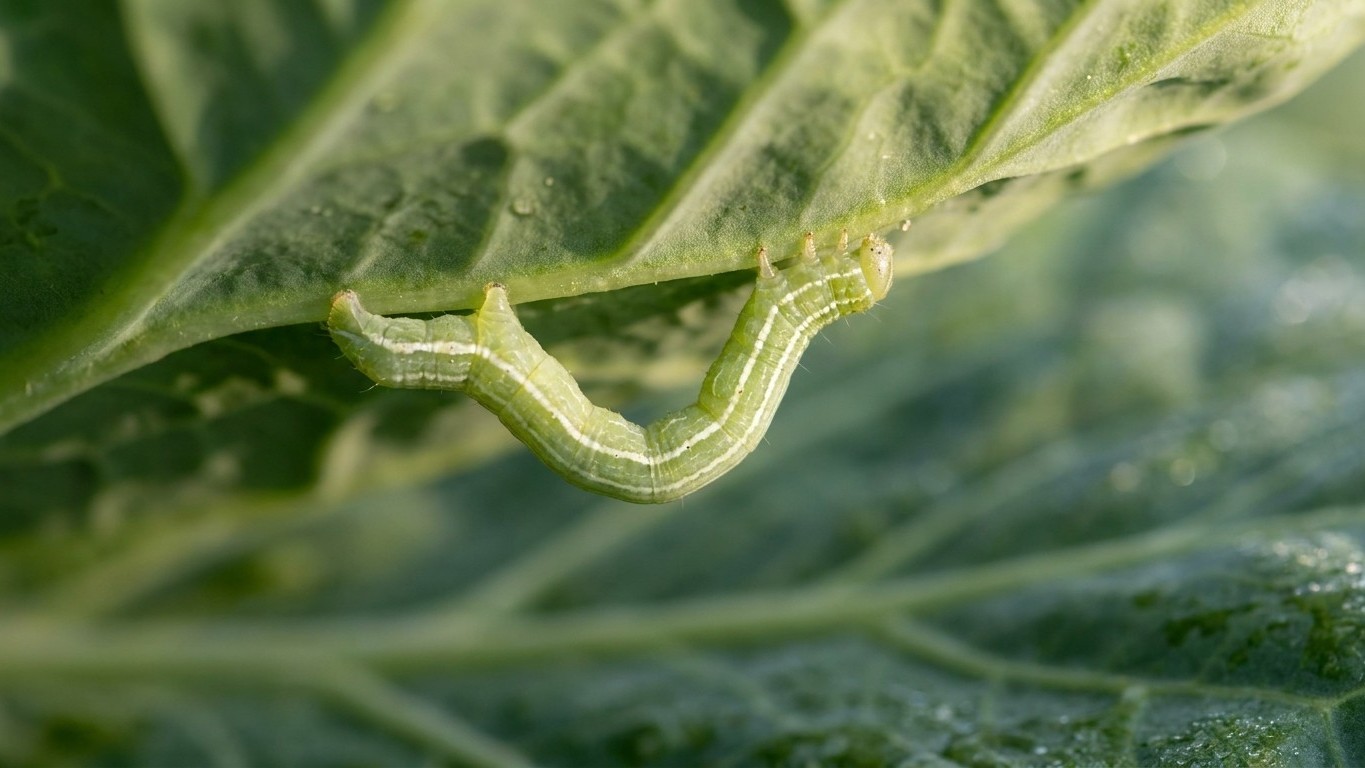
Cabbage looper caterpillars show up in Texas gardens as soon as spring temperatures climb into the 70s, and thanks to the state’s mild winters, they can…
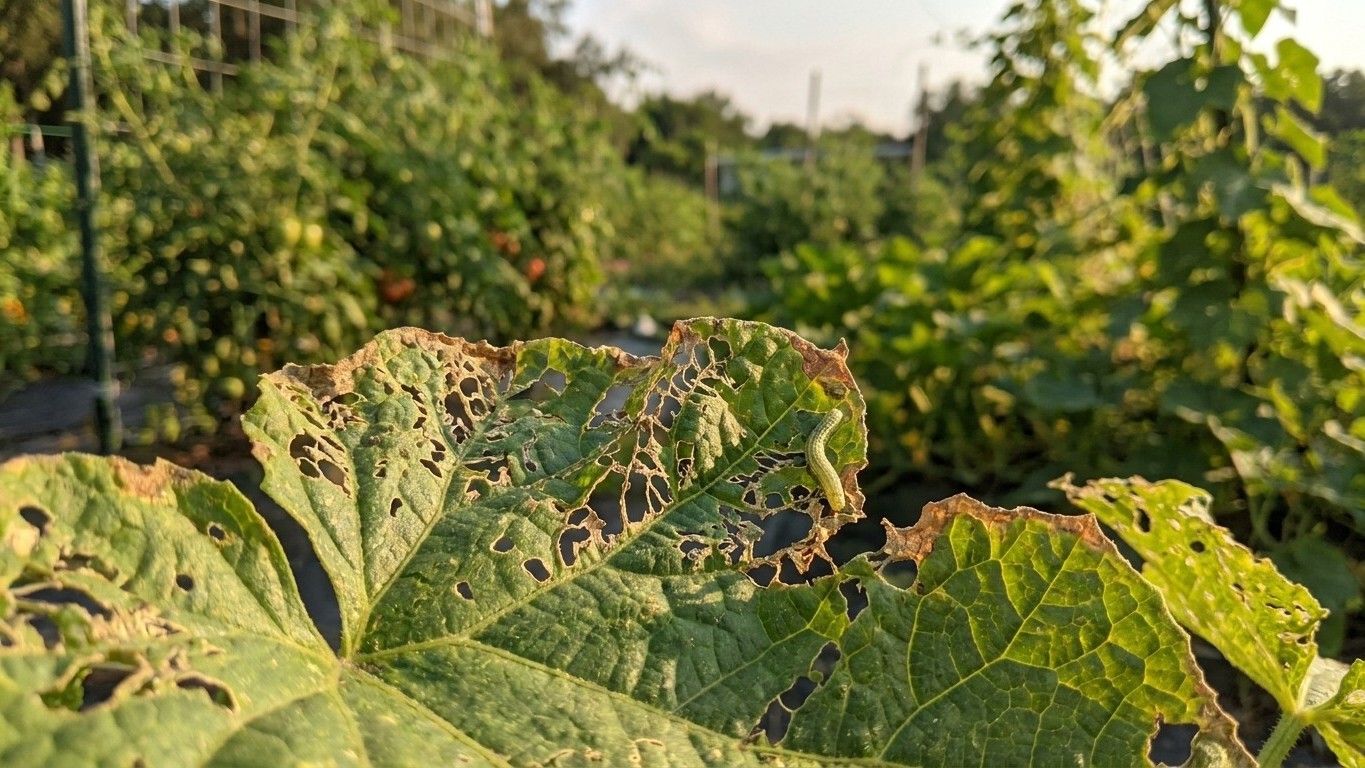
Melonworm shows up in Texas gardens during the warm months, typically from midsummer into fall, riding in on adult moths that can’t survive a hard freeze…
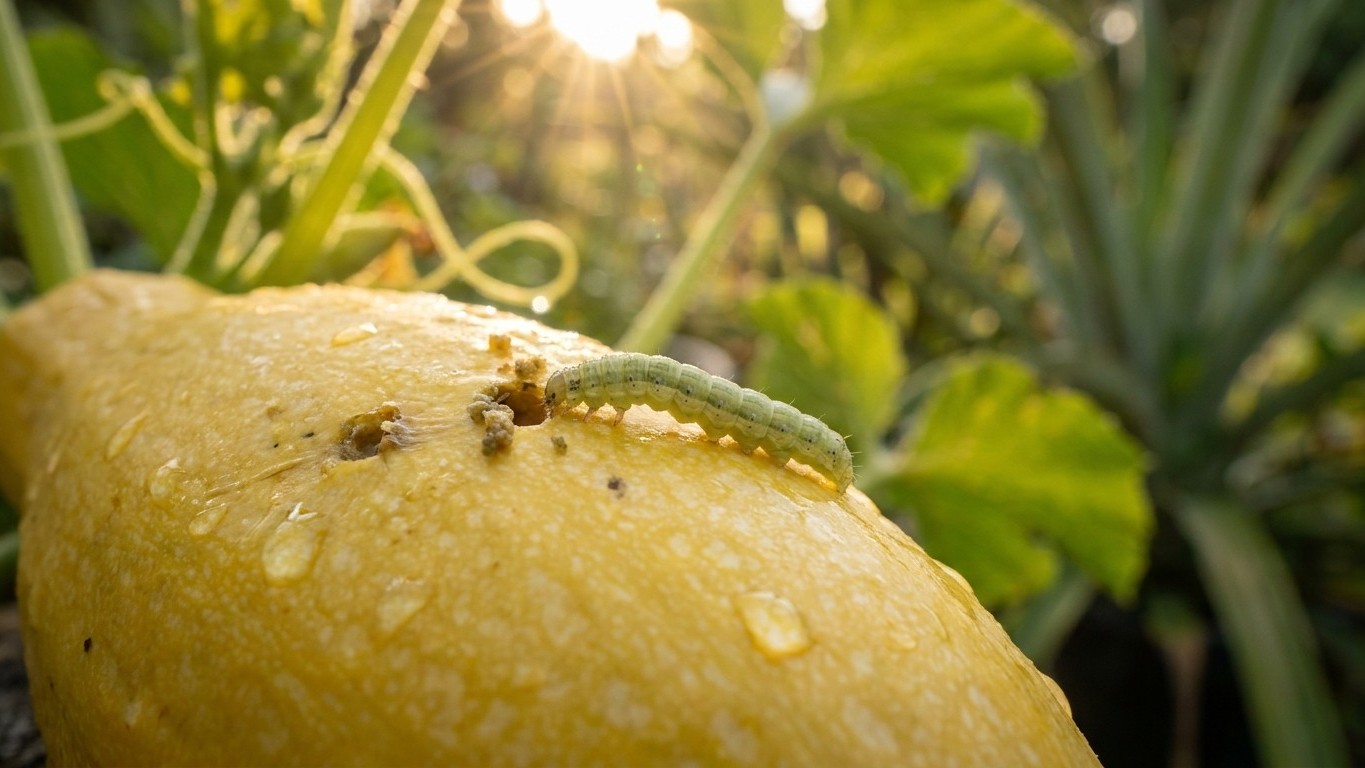
Pickleworm doesn’t survive a hard Texas freeze, so its yearly return depends on migration from warmer ground, not a fixed date on the calendar.
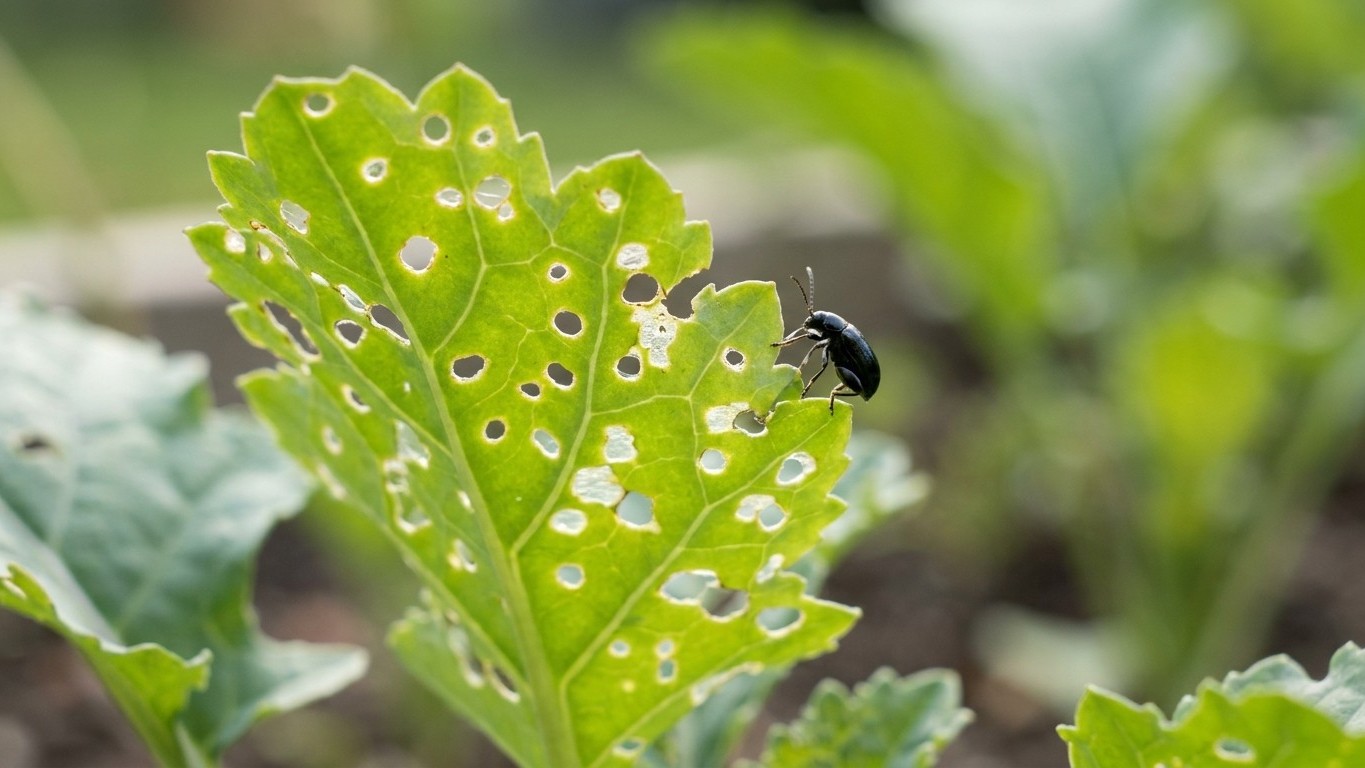
Flea beetles show up in Texas as soon as soil temperatures climb into the 50s Fahrenheit, which in most of the state means late winter through early…