When to Winterize Sprinklers and Outdoor Faucets in Texas
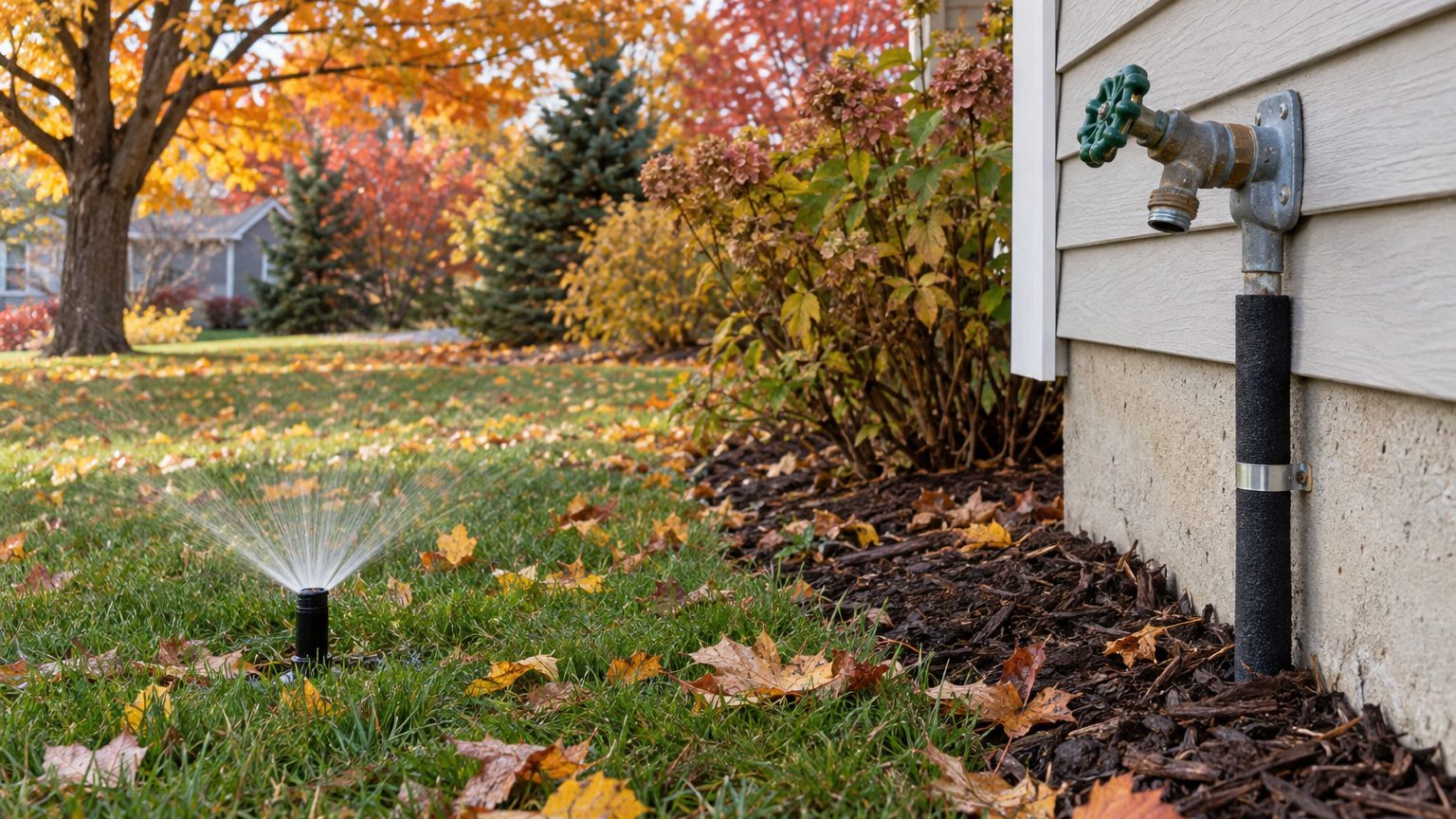
Texas has no single winterizing date, because the first hard freeze can arrive weeks apart in the Panhandle and on the Gulf Coast.
Home & garden, state by state
Everything we have worked out for Texas: what to plant and when, which varieties finish in time, the pests that actually turn up here, and the jobs that pay off month by month. We also cover the rest of the property, from lawns and soil to home care and energy, because a garden rarely stops at the vegetable bed.
The numbers first, because everything else follows from them. Measured at the weather station in Houston, the last spring freeze runs February 4 to March 1 and the first fall freeze runs December 1 to December 19, USDA zones 6a-10a, 7,280 growing degree days in the year.
Heat, not frost, is what shortens the season here: above 86 °F tomato pollen goes sterile, so growers run a spring crop and an autumn one rather than a single long season. Garlic is the awkward one: only 0 weeks below 40 °F, where it needs six to split into cloves. Chill the cloves before planting, or grow a softneck type.
Elsewhere on the property in Texas: the pests that turn up here.
Figures from NOAA's 1991-2020 climate normals. A state is not one climate: elevation, a large lake or the coast can move these dates by two weeks either way, so check your own county with the extension service before you spend money.
Texas has no single winterizing date, because the first hard freeze can arrive weeks apart in the Panhandle and on the Gulf Coast.
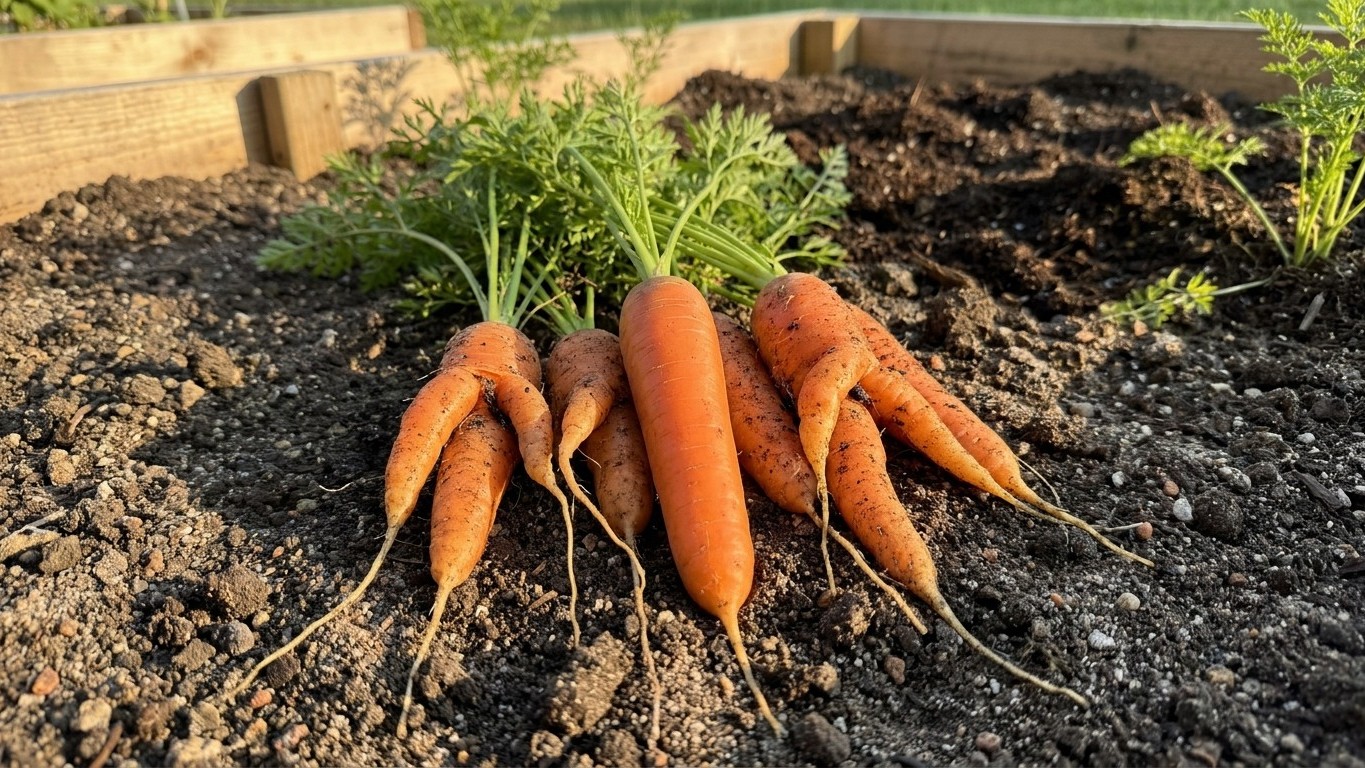
Pull carrots once they have had enough days from seeding, about 65 to 75 by Clemson Cooperative Extension’s count, and once a test pull shows full…
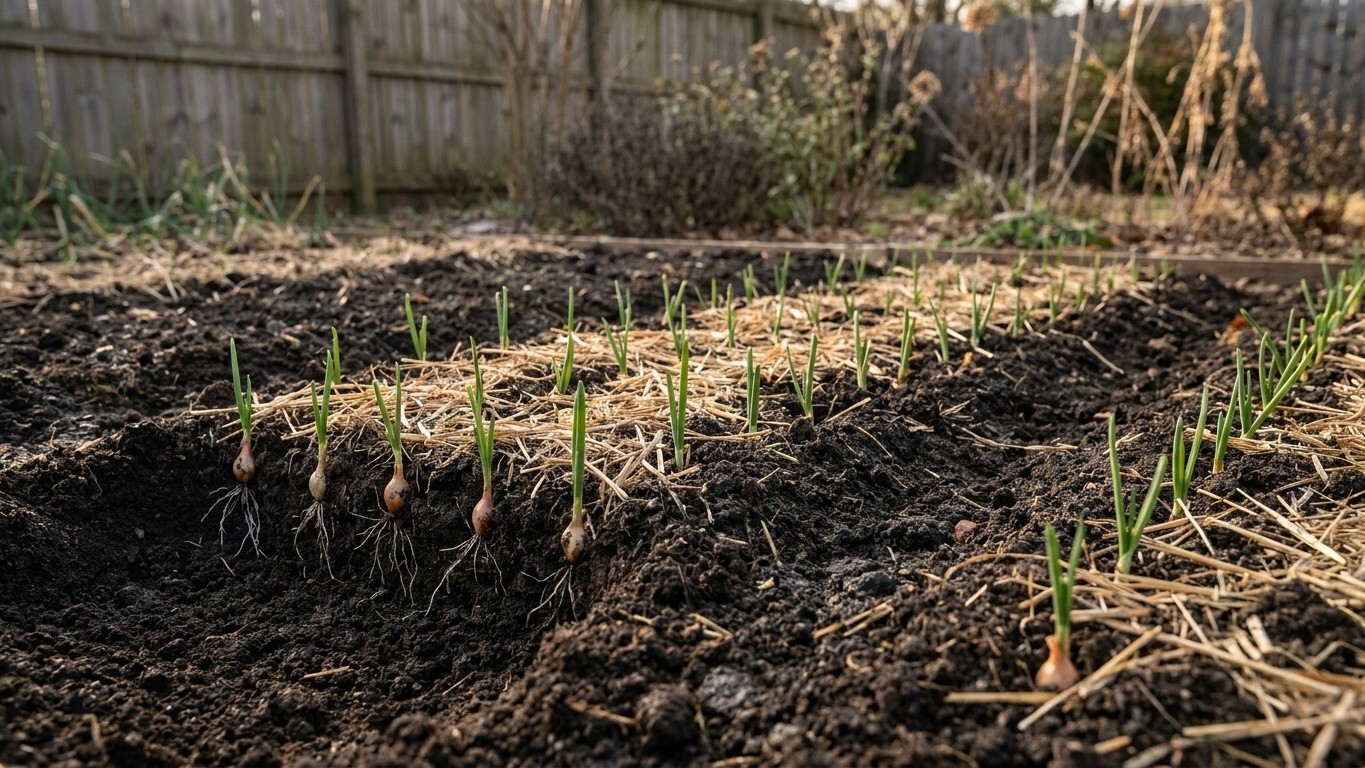
Garlic in Texas gets hit from three directions: insects that feed on the leaves, pests that work in the soil and the bulb, and problems that look like…
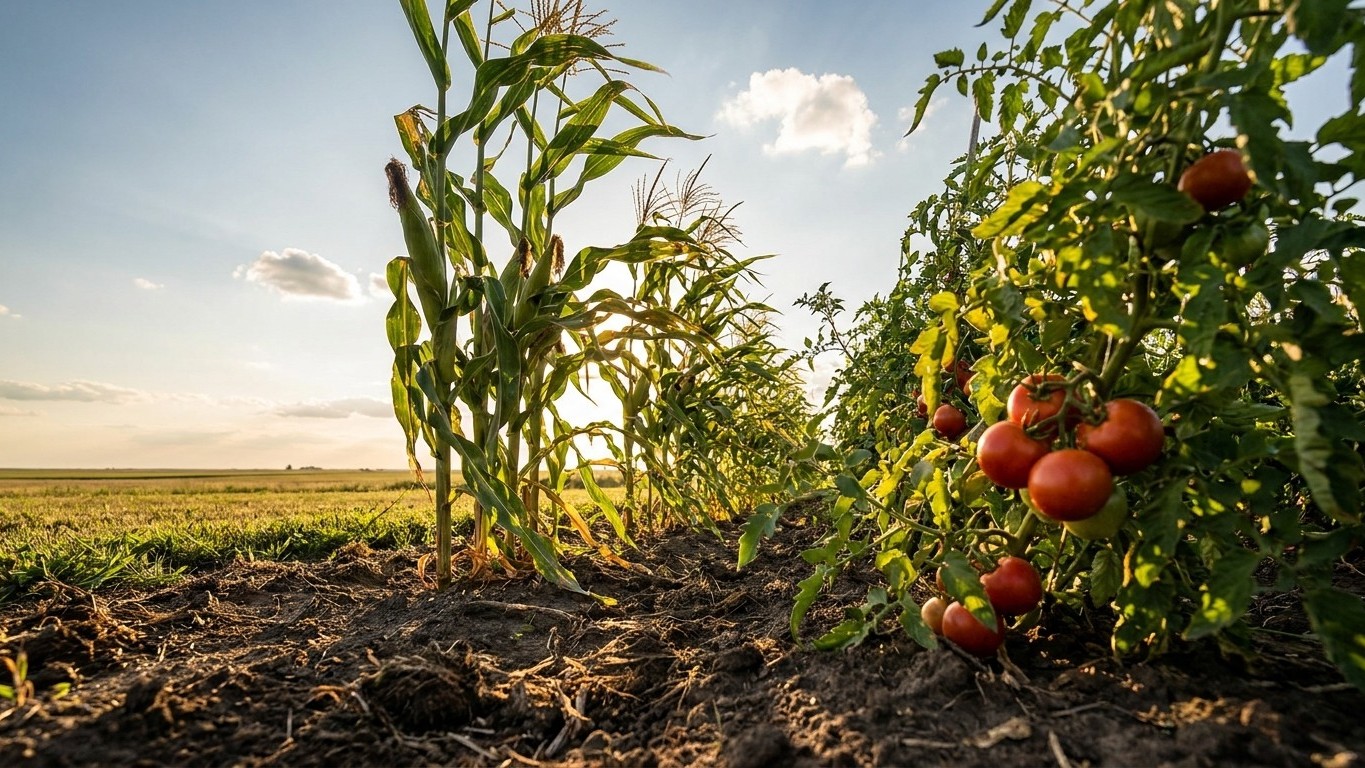
Sweet corn starts losing sugar the hour it comes off the stalk, and heat speeds the loss.
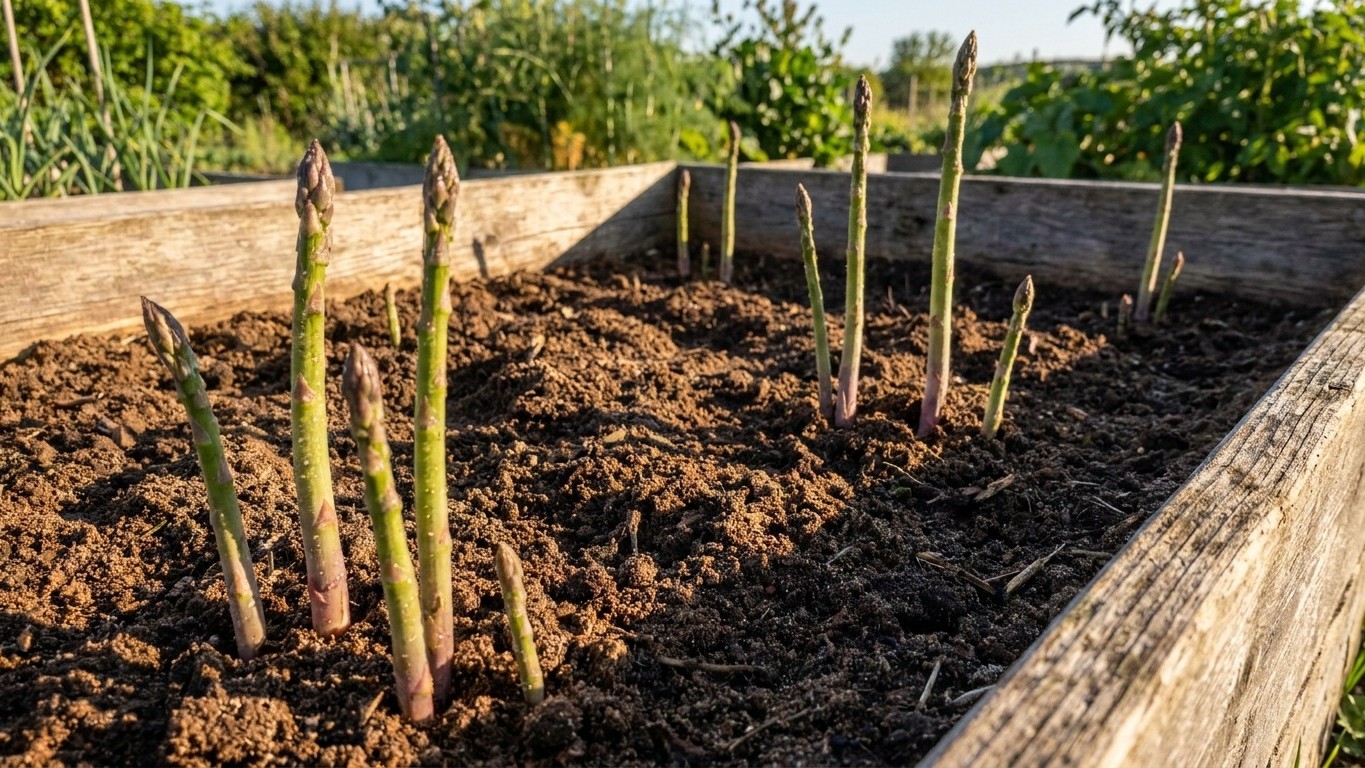
Asparagus in Texas gets chewed at two separate moments: when spears push up after the last spring freeze, and when the ferns fill out through the hot…
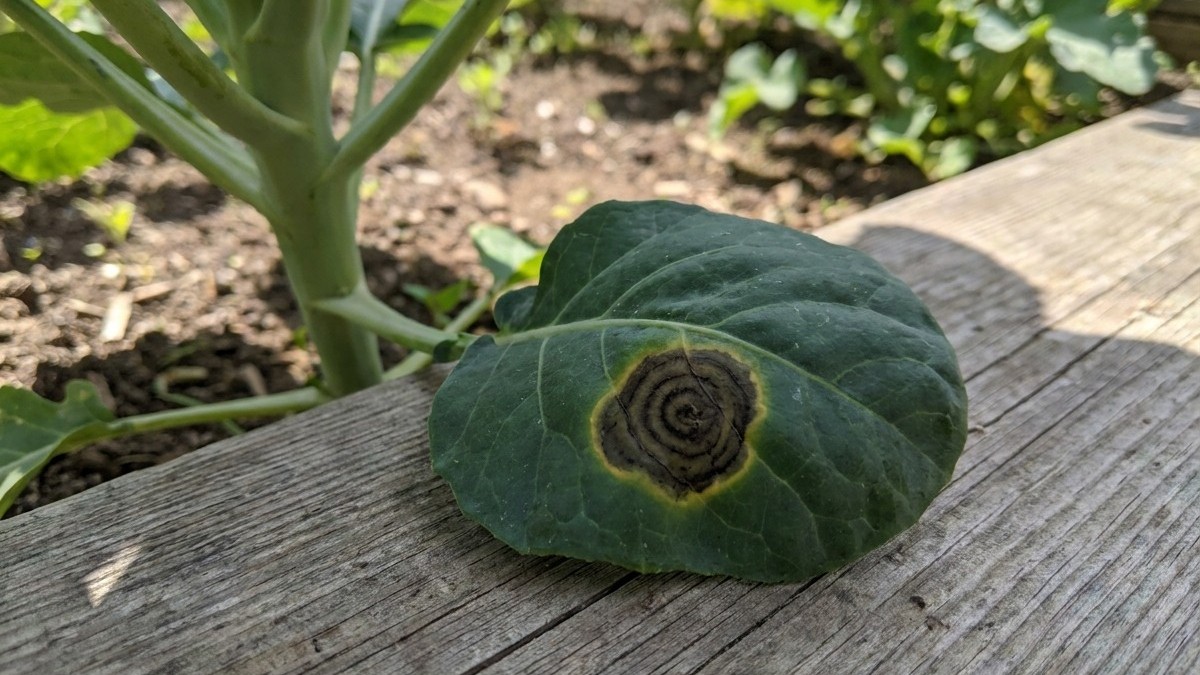
Cut pumpkins when the rind is hard and fully colored and the stem has dried, and always before the first freeze.
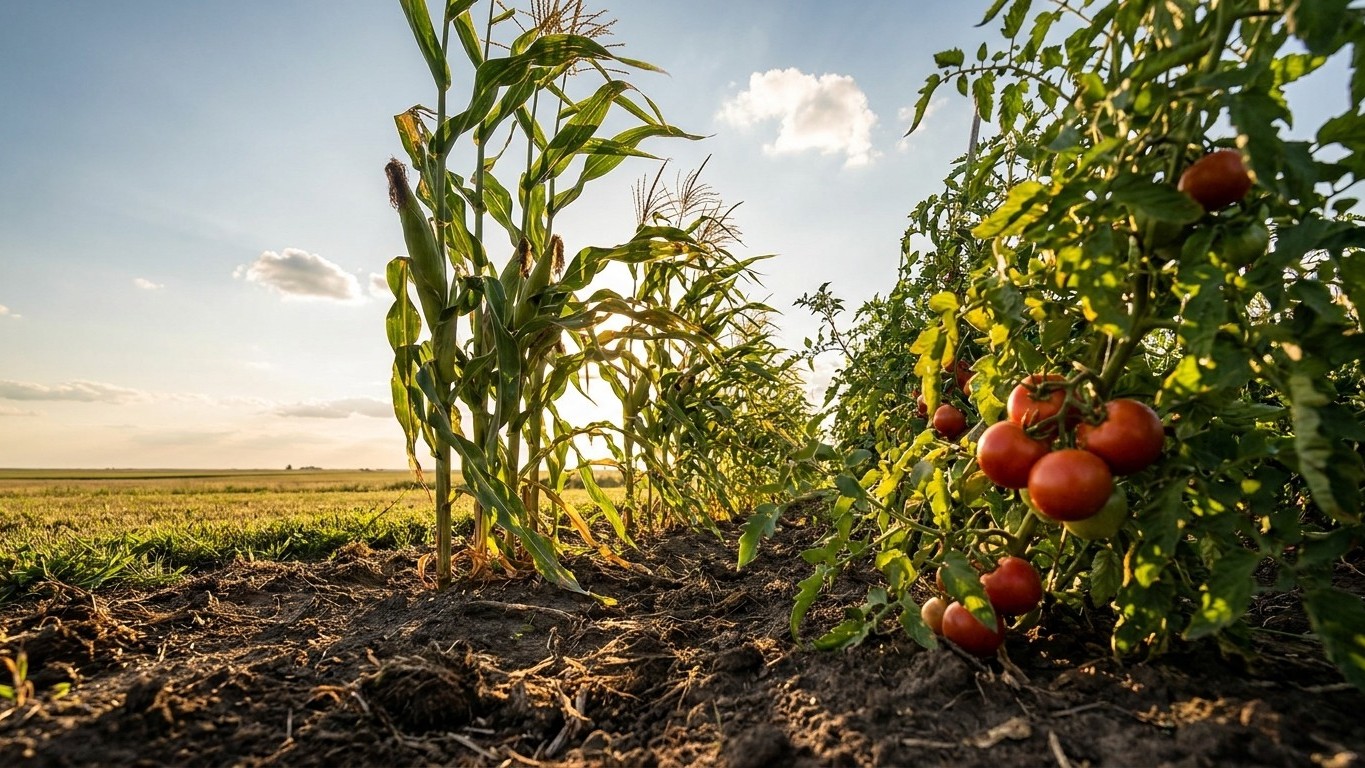
Sweet corn gets eaten in stages, and each stage has its own diner. Seedlings lose leaves or whole plants to pests working at the soil line.
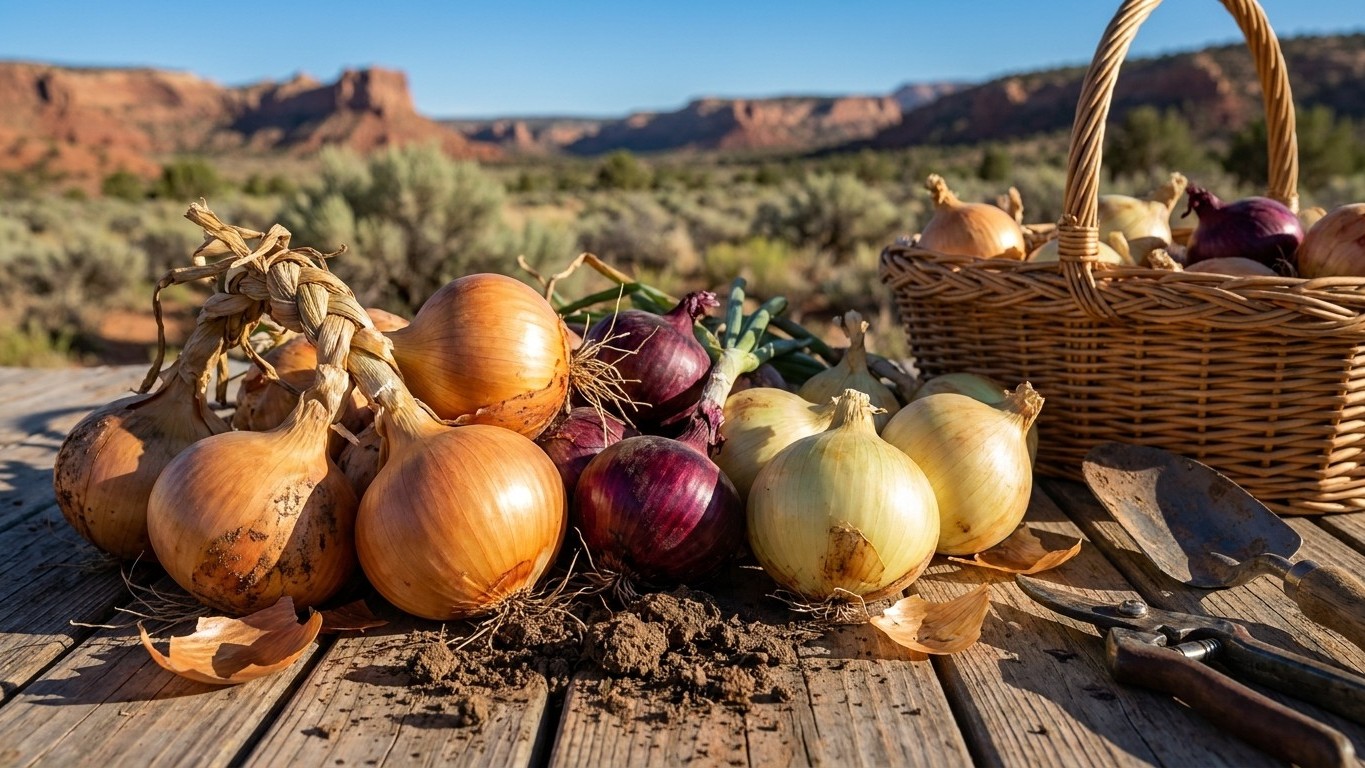
Lift onions once most of the tops have fallen over and the necks have gone soft.
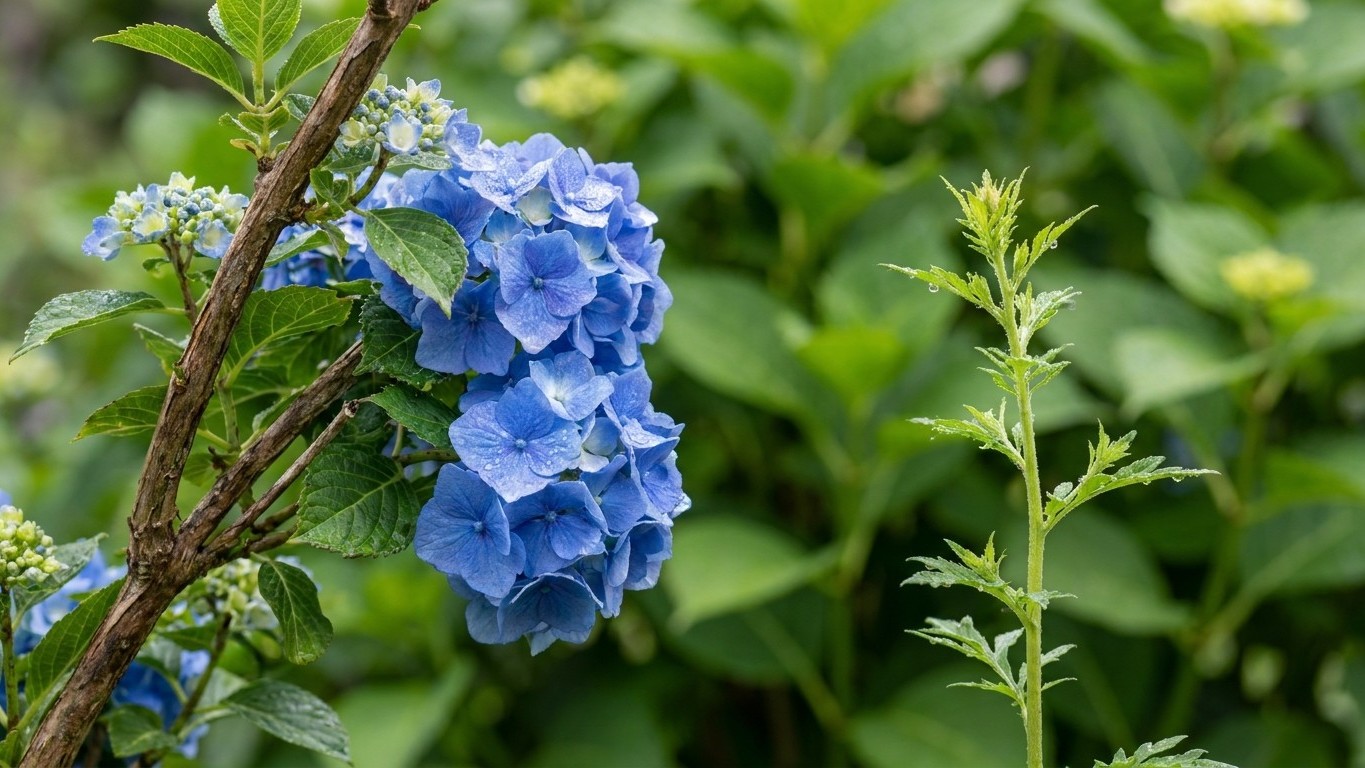
The best time to plant hydrangeas in Texas is fall, with early spring as the backup.
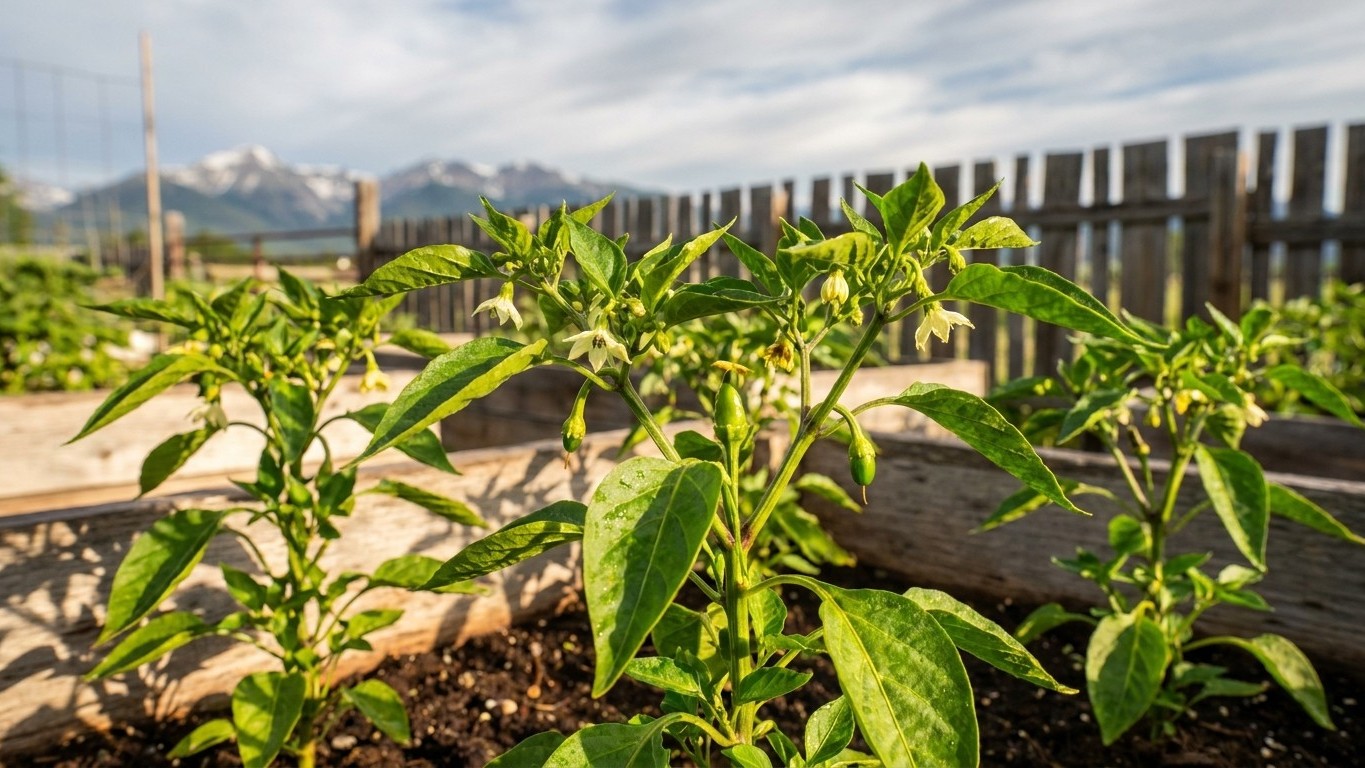
Pick peppers when they are full size, firm and glossy, which Clemson Cooperative Extension puts at about 70 to 85 days after transplanting.