Watering a Garden in Vermont: How Much, How Often, and the Local Rules
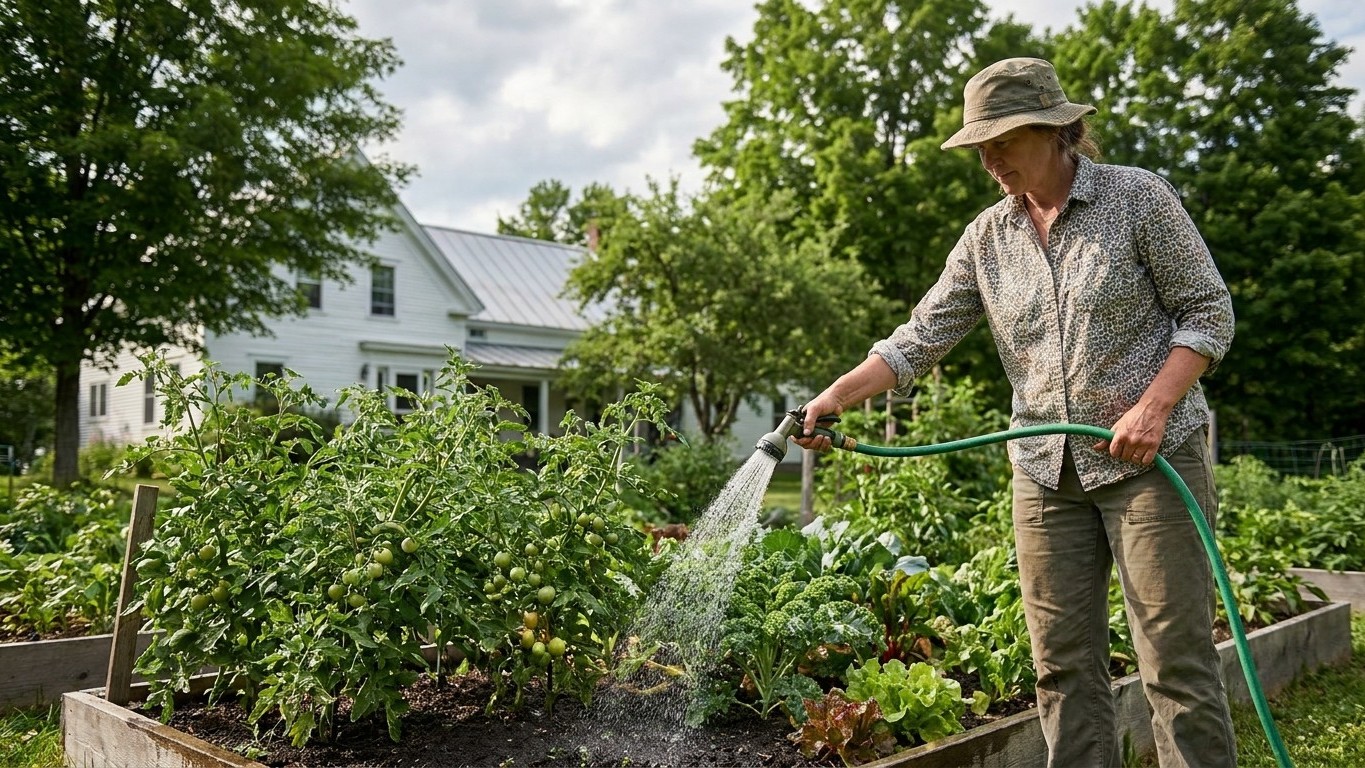
Vermont’s watering math starts with a number most gardeners don’t expect: this is a cool state, with only 5.4 days a year hitting 90F at the Burlington…
Home & garden, state by state
Everything we have worked out for Vermont: what to plant and when, which varieties finish in time, the pests that actually turn up here, and the jobs that pay off month by month. We also cover the rest of the property, from lawns and soil to home care and energy, because a garden rarely stops at the vegetable bed.
The numbers first, because everything else follows from them. Measured at the weather station in Burlington, the last spring freeze runs April 30 to May 10 and the first fall freeze runs October 3 to October 13, USDA zones 3b-5b, 2,644 growing degree days in the year.
Garlic does well: 30.4 weeks below 40 °F, comfortably past the six it needs to form a proper head.
Elsewhere on the property in Vermont: the pests that turn up here.
Figures from NOAA's 1991-2020 climate normals. A state is not one climate: elevation, a large lake or the coast can move these dates by two weeks either way, so check your own county with the extension service before you spend money.
Vermont’s watering math starts with a number most gardeners don’t expect: this is a cool state, with only 5.4 days a year hitting 90F at the Burlington…
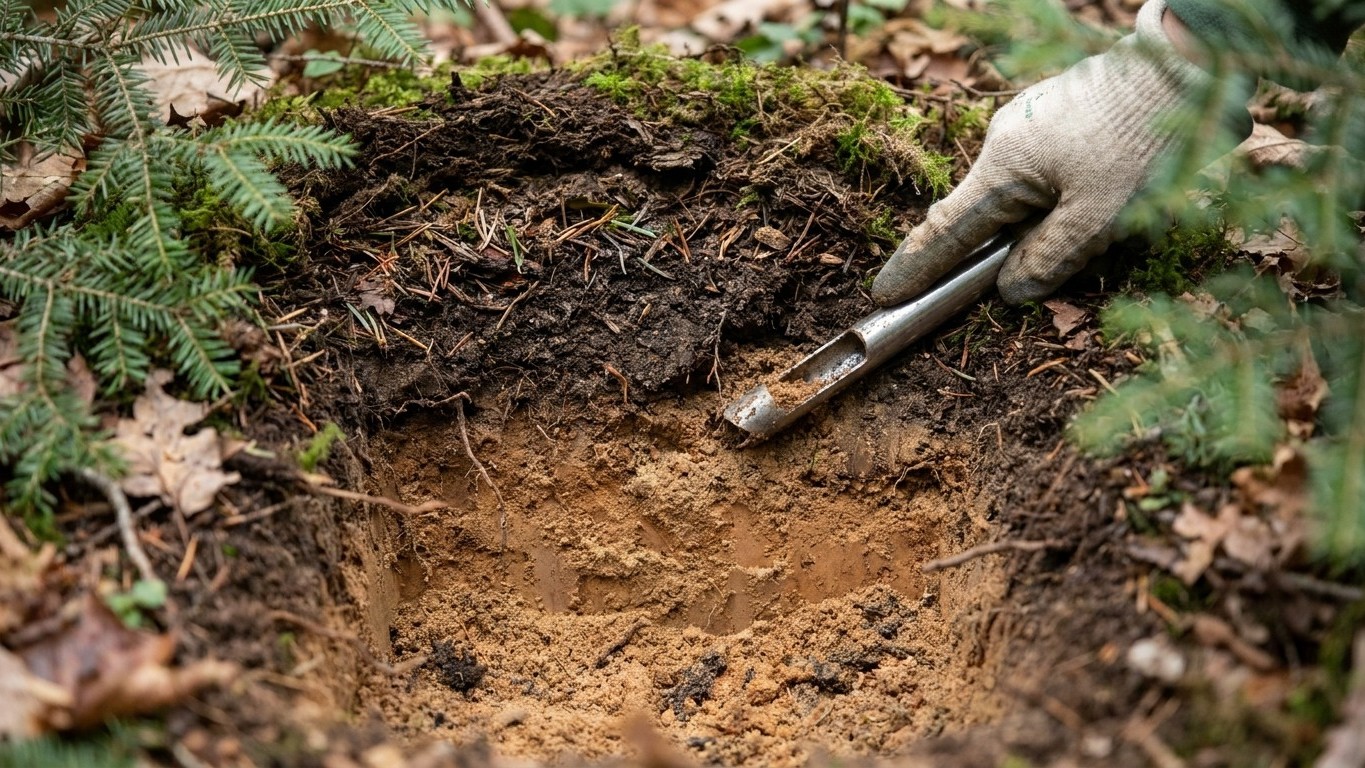
Vermont soil is officially represented by the Tunbridge series, a sandy, strongly acid, well-drained Spodosol formed under conifer forests across the…
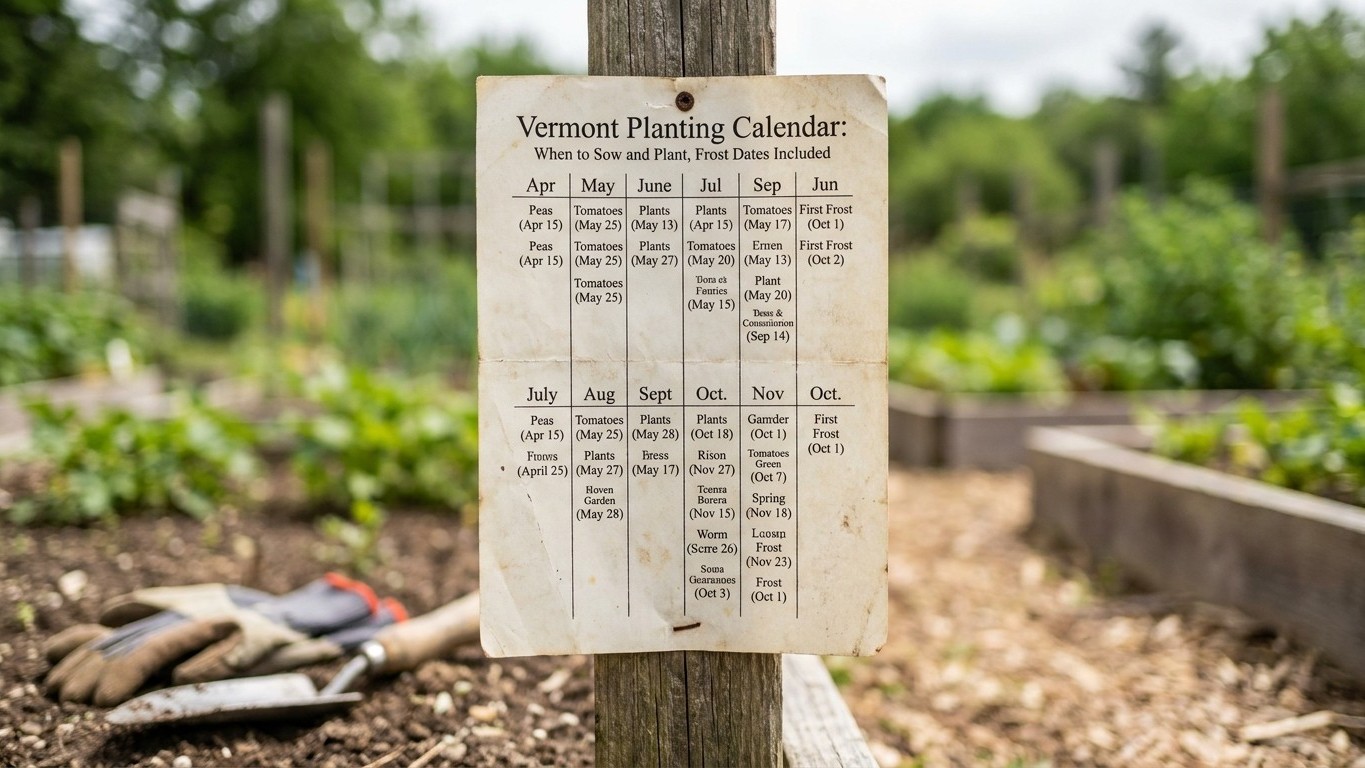
A practical Vermont planting calendar built from NOAA’s Burlington frost dates, with cool-season, warm-season, and fall sowing windows explained.
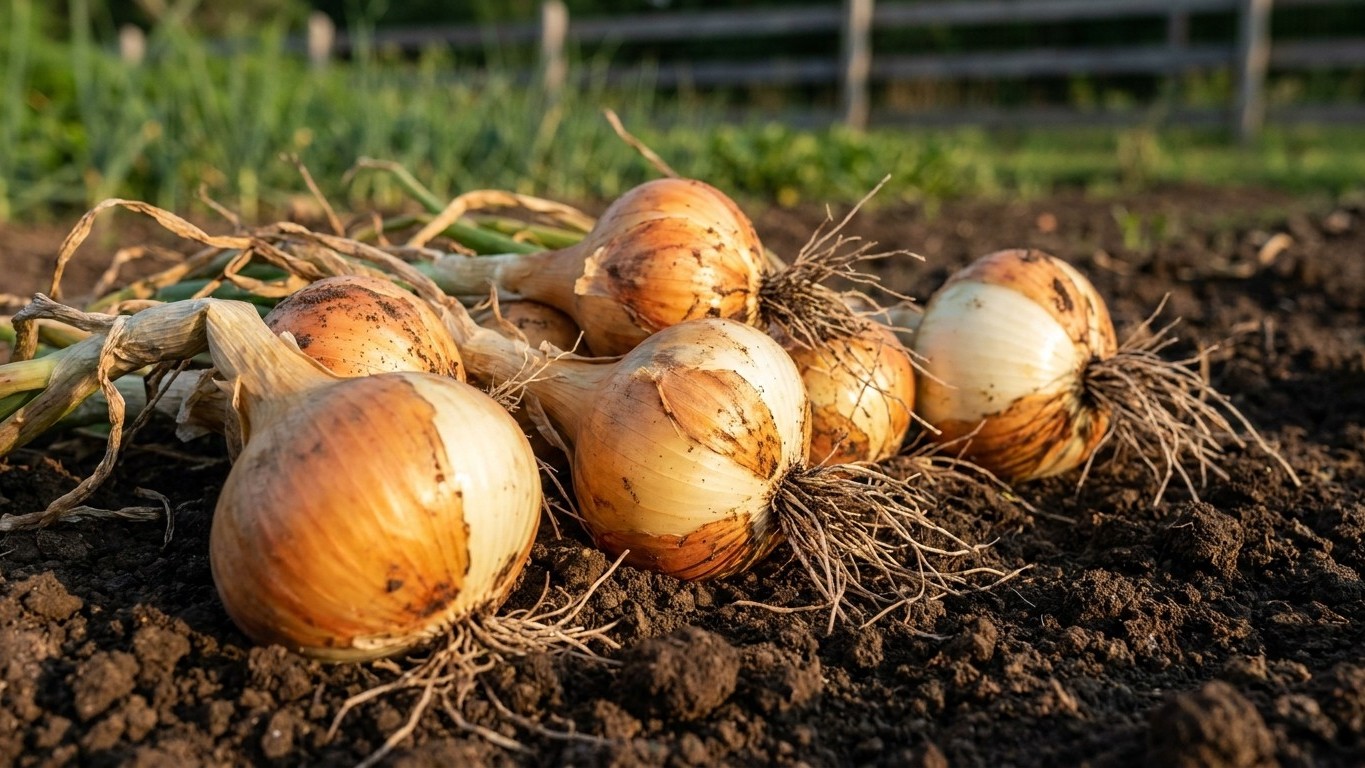
Burlington sits at 44.47 degrees north, and on the longest day of the year it gets 15 hours and 22 minutes of daylight.
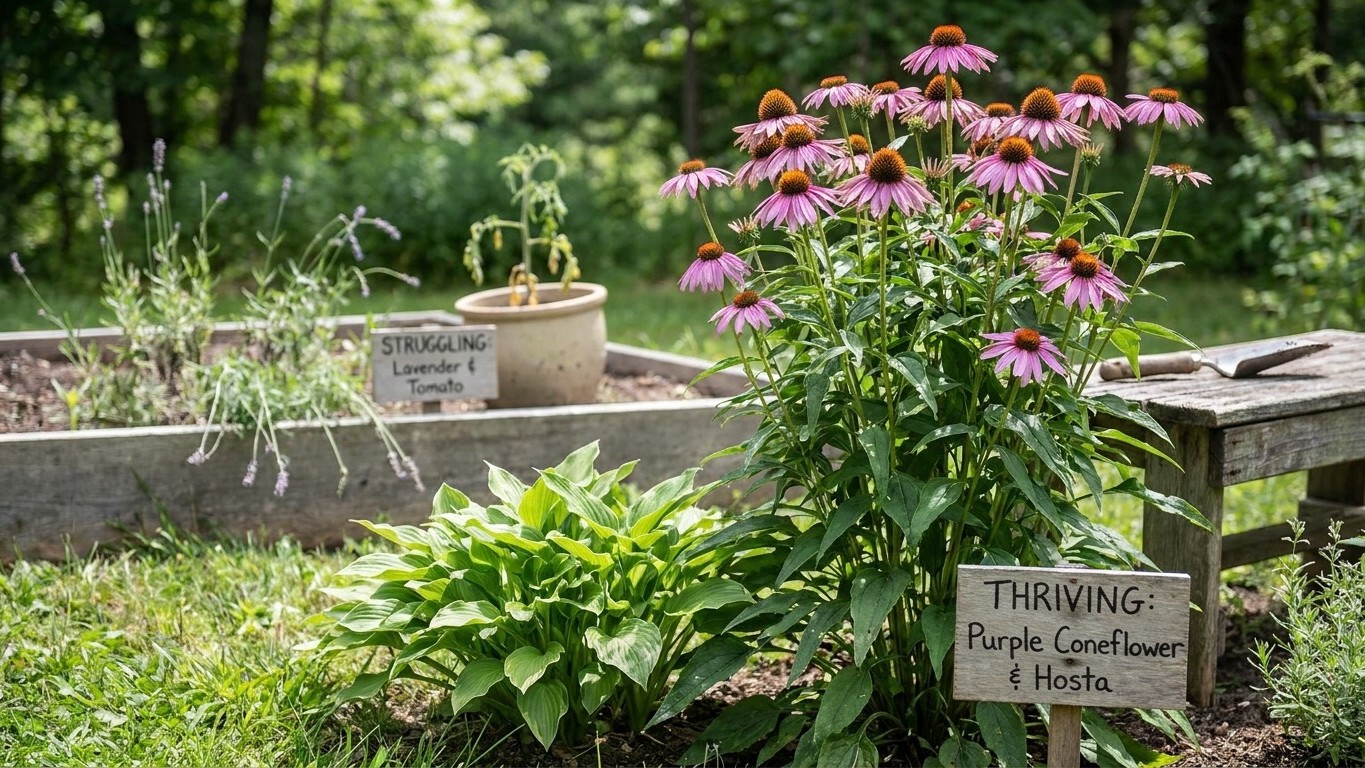
A look at which flowers hold up through Vermont winters and short summers, and which ones need extra help or should be skipped.
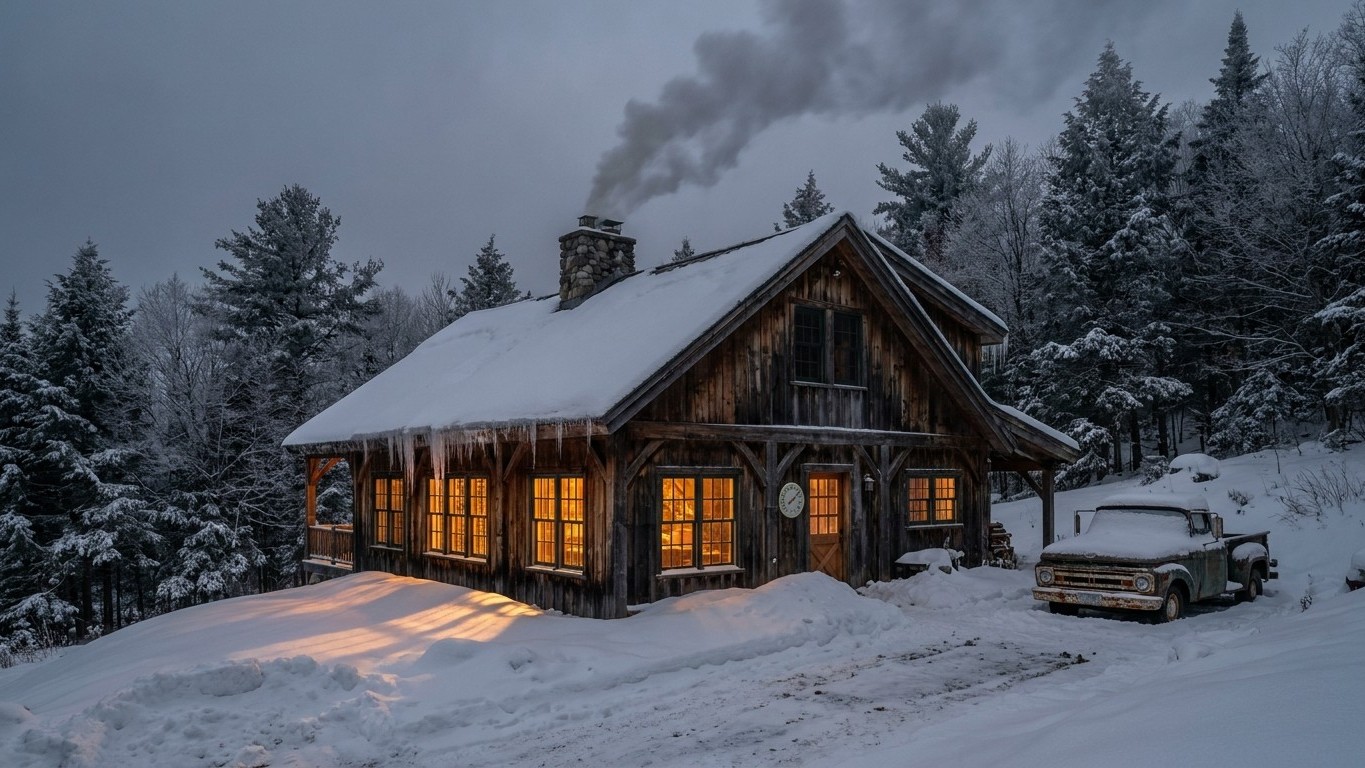
Burlington’s coldest month averages a daily low of 12.9°F, but the number that actually shapes a heating bill is how many months that cold sticks around.
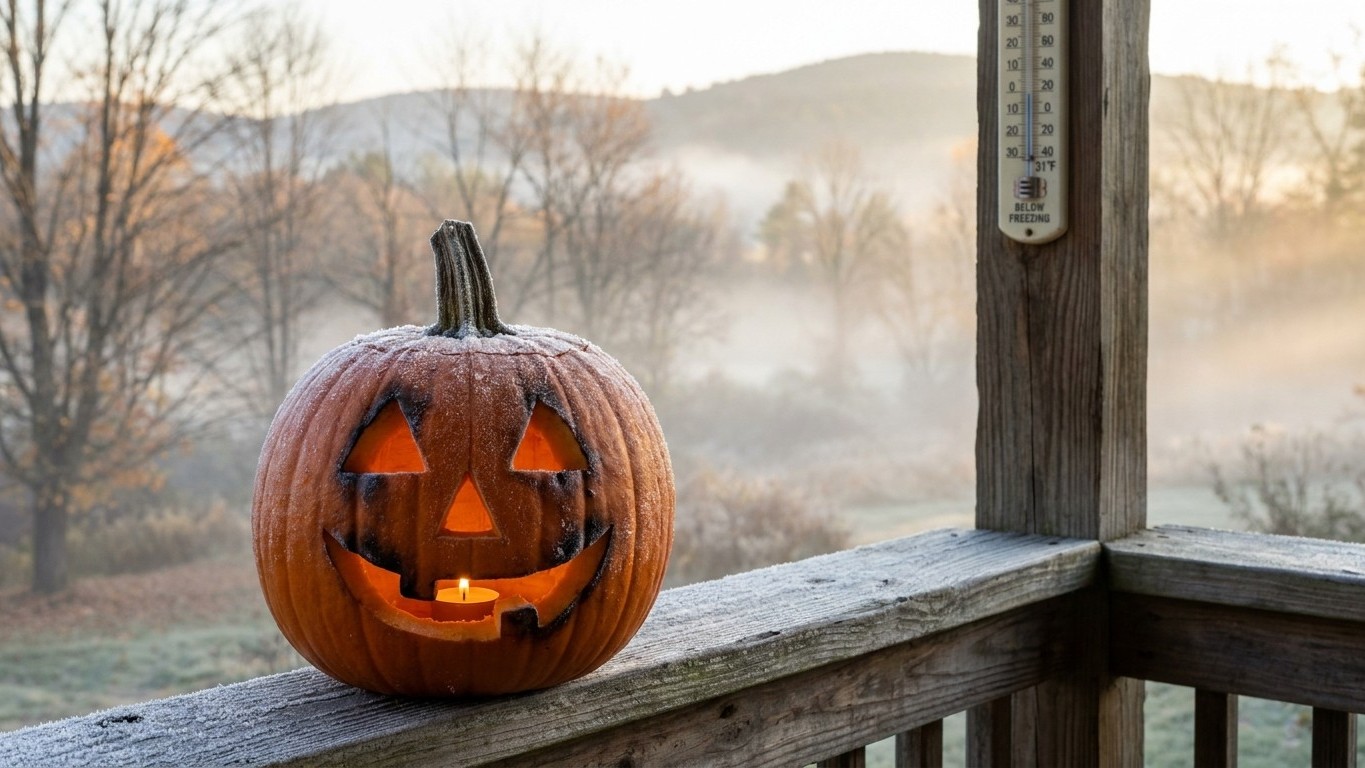
Burlington’s average first fall frost lands around October 3 to October 13, weeks ahead of Halloween.
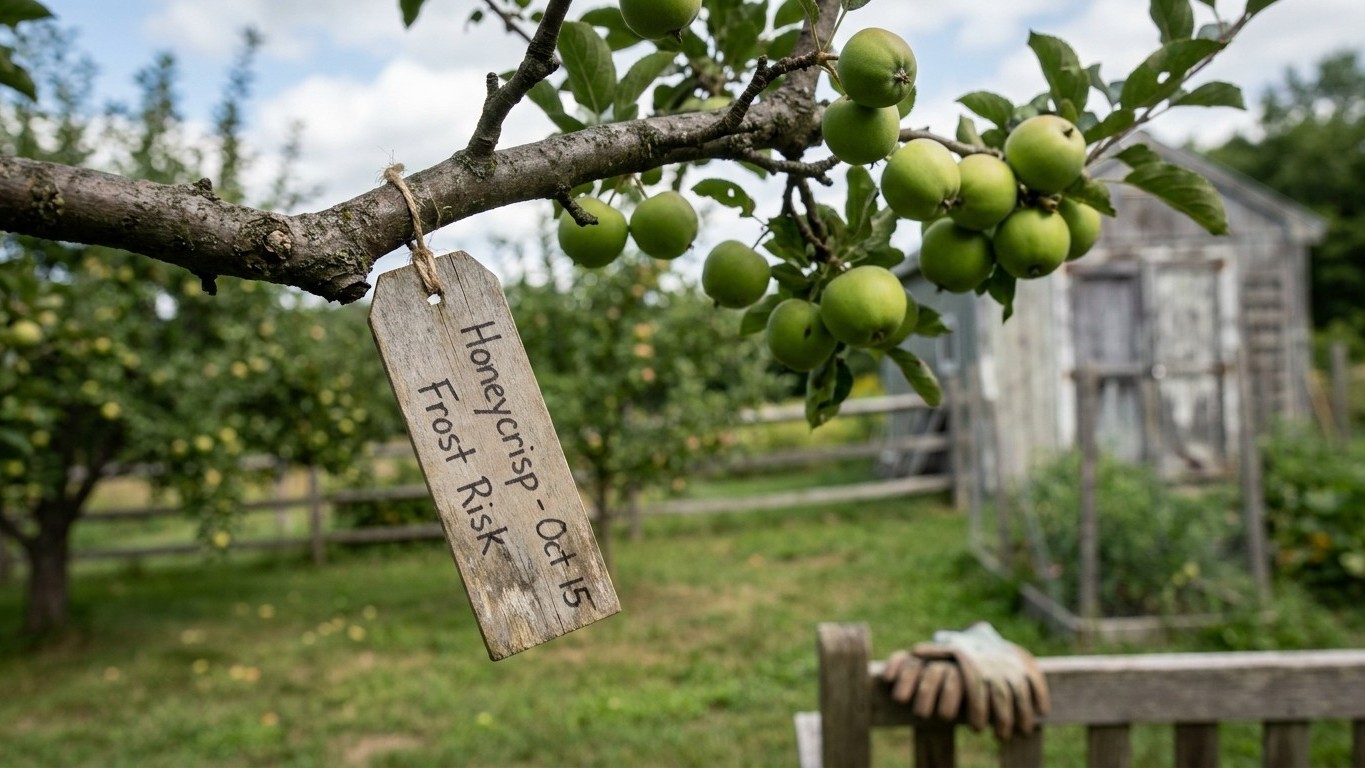
How Vermont’s hardiness zones, winter chill and Burlington frost dates determine which apple varieties actually bear fruit, and how to pair them.
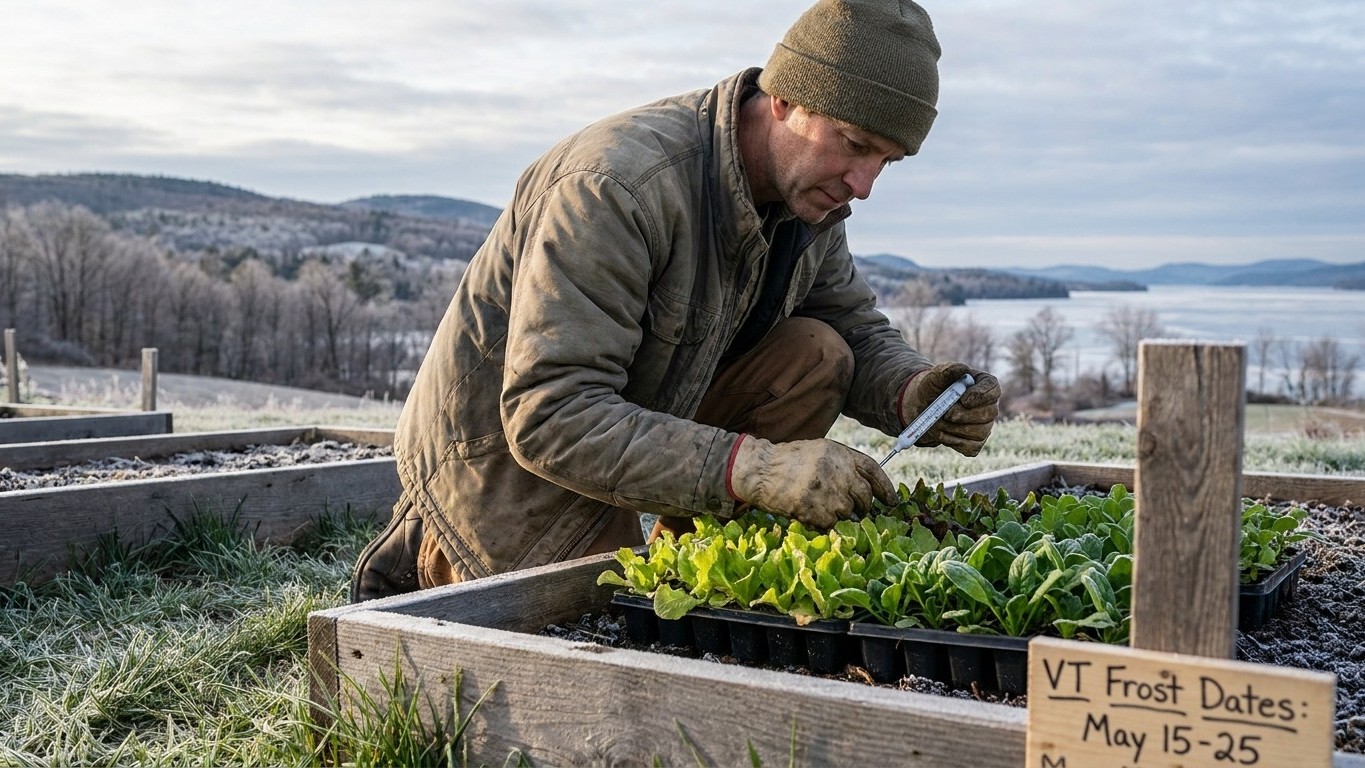
Vermont gardeners work with a short, cool window bookended by real frost risk on both ends.
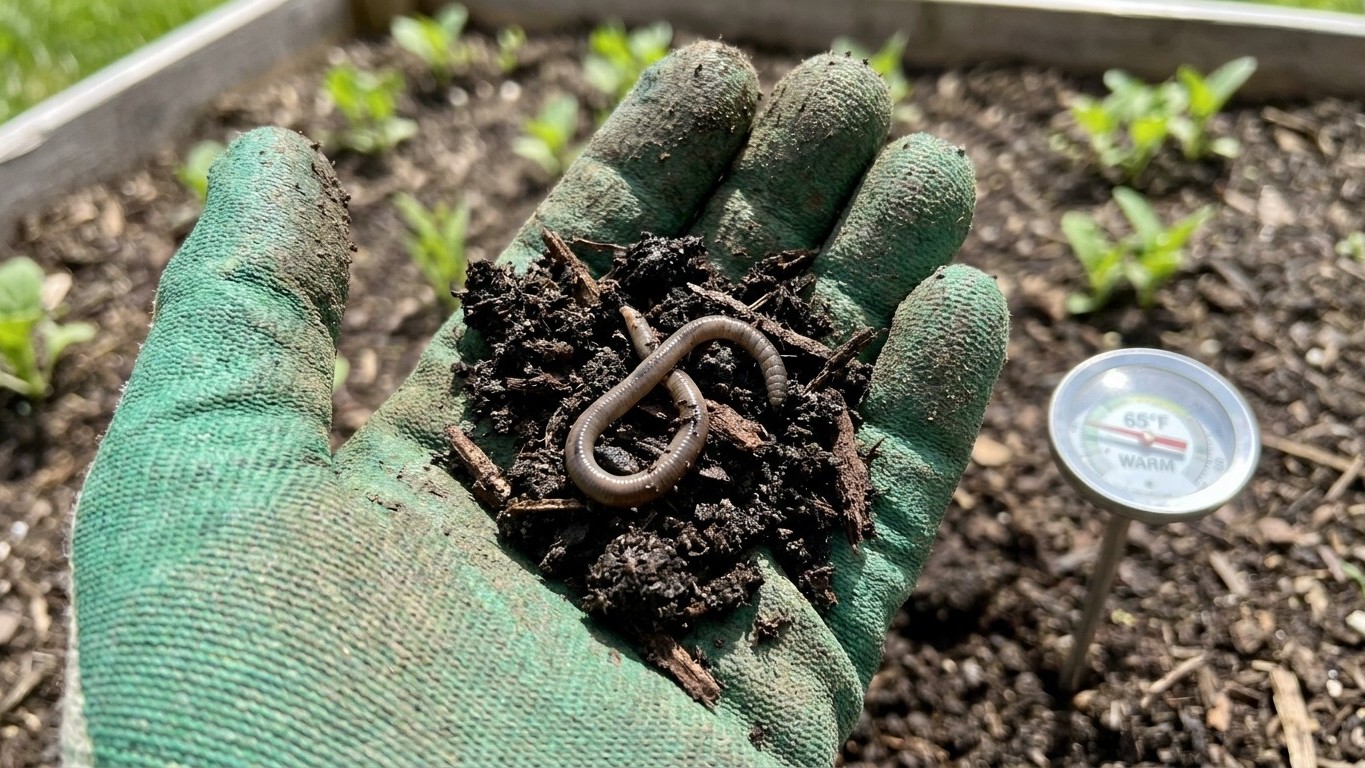
Asian jumping worms become active in Vermont gardens once soil temperatures climb past the point where cocoons hatch, usually not far behind the region’s…