European chafer in Vermont: When It Shows Up and What Stops It
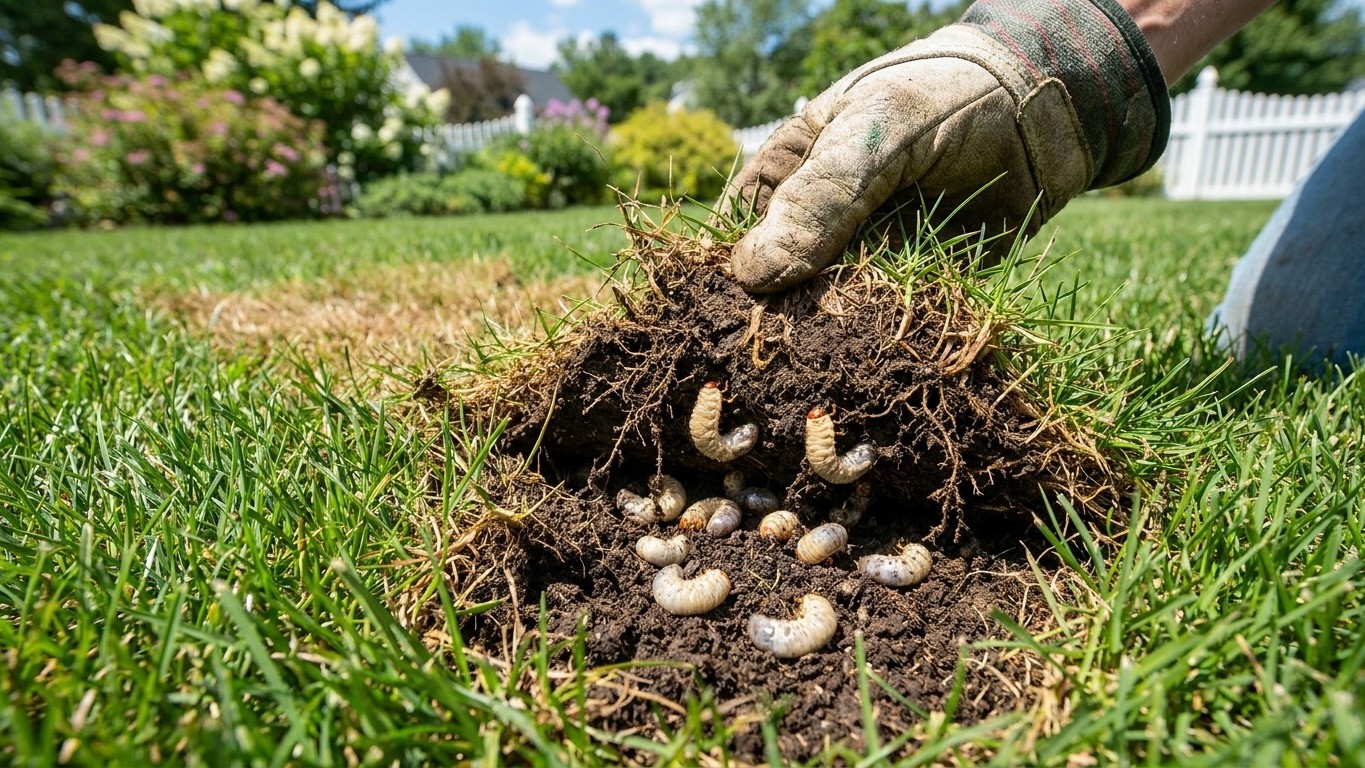
European chafer beetles show up in Vermont in early summer, when their grub stage begins chewing through lawn and garden roots.
Home & garden, state by state
Everything we have worked out for Vermont: what to plant and when, which varieties finish in time, the pests that actually turn up here, and the jobs that pay off month by month. We also cover the rest of the property, from lawns and soil to home care and energy, because a garden rarely stops at the vegetable bed.
The numbers first, because everything else follows from them. Measured at the weather station in Burlington, the last spring freeze runs April 30 to May 10 and the first fall freeze runs October 3 to October 13, USDA zones 3b-5b, 2,644 growing degree days in the year.
Garlic does well: 30.4 weeks below 40 °F, comfortably past the six it needs to form a proper head.
Elsewhere on the property in Vermont: the pests that turn up here.
Figures from NOAA's 1991-2020 climate normals. A state is not one climate: elevation, a large lake or the coast can move these dates by two weeks either way, so check your own county with the extension service before you spend money.
European chafer beetles show up in Vermont in early summer, when their grub stage begins chewing through lawn and garden roots.
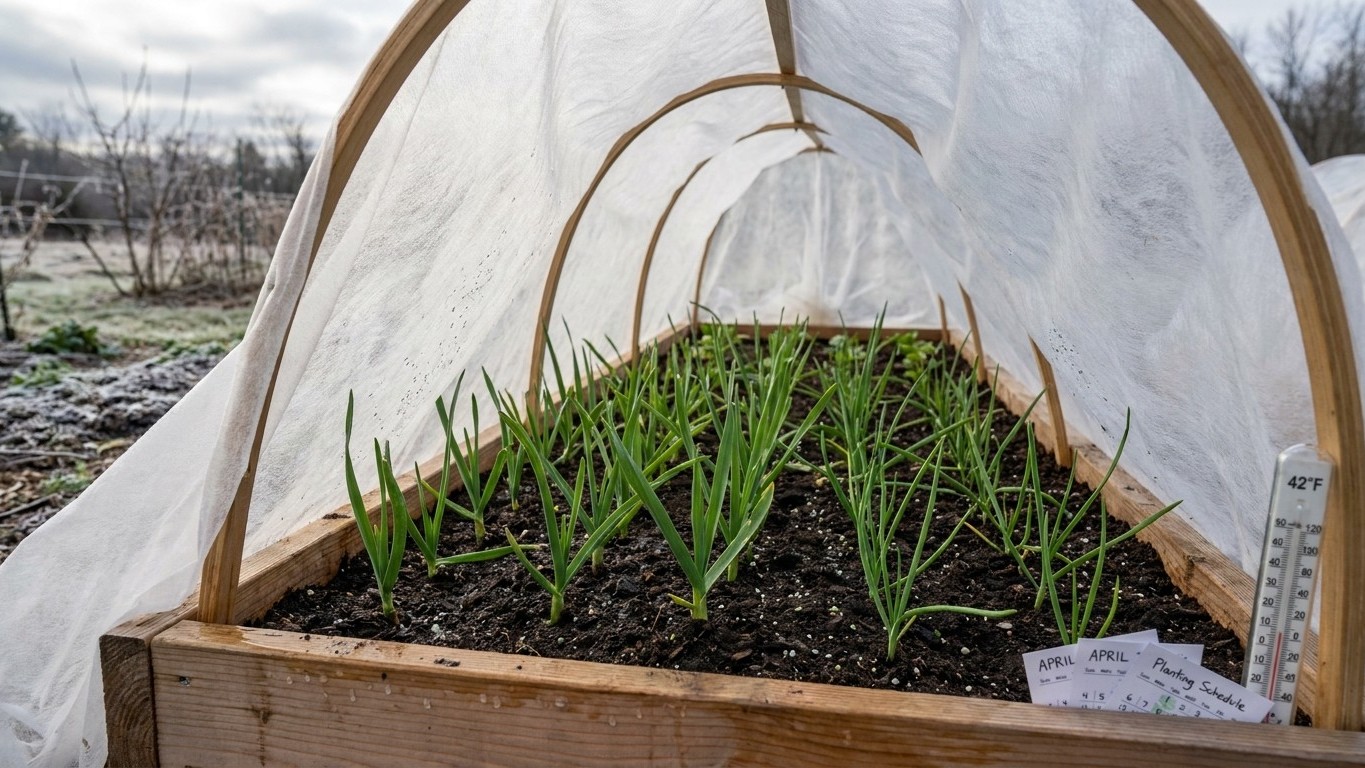
Leek moth shows up in Vermont gardens once the soil warms enough for adult moths to fly and lay eggs, typically a few weeks after the last frost.
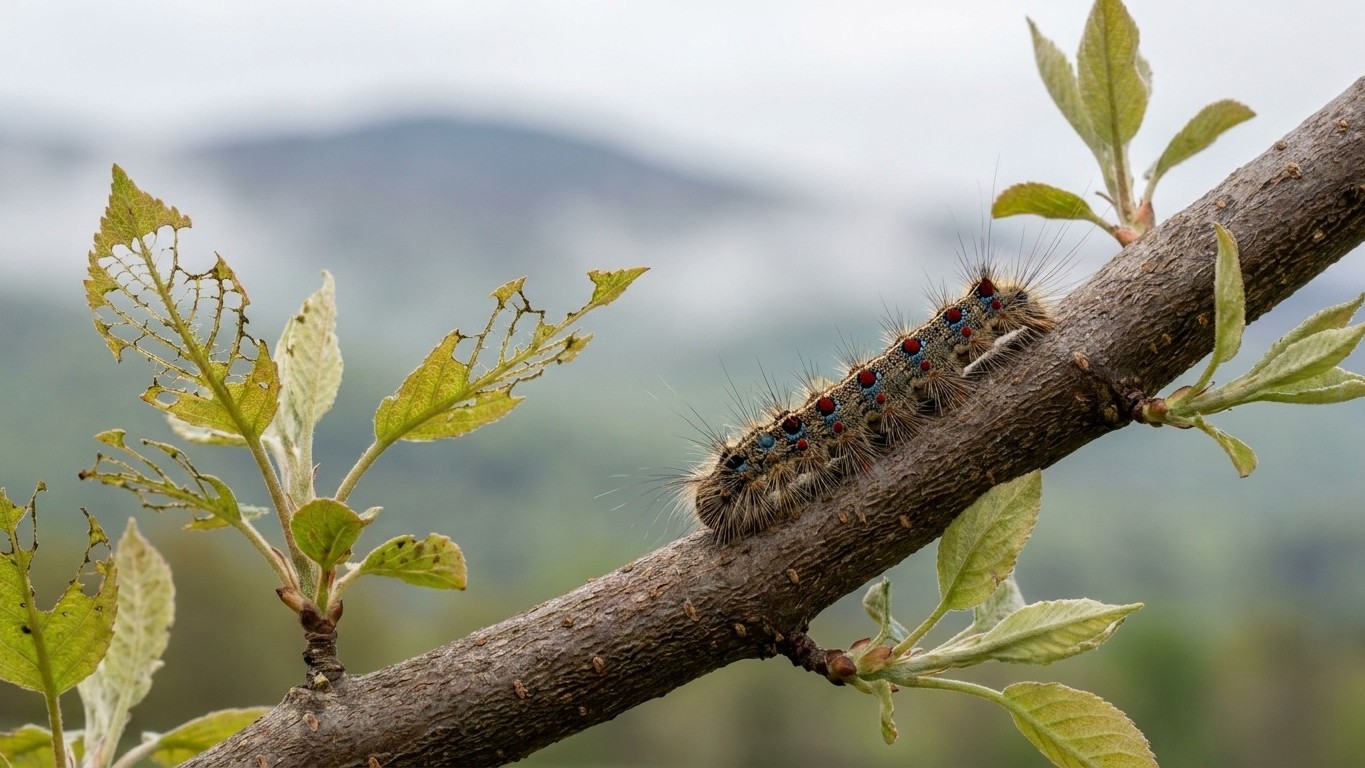
Spongy moth caterpillars start feeding right around the time hardwood trees leaf out in spring, which tracks close to Vermont’s last frost window of…
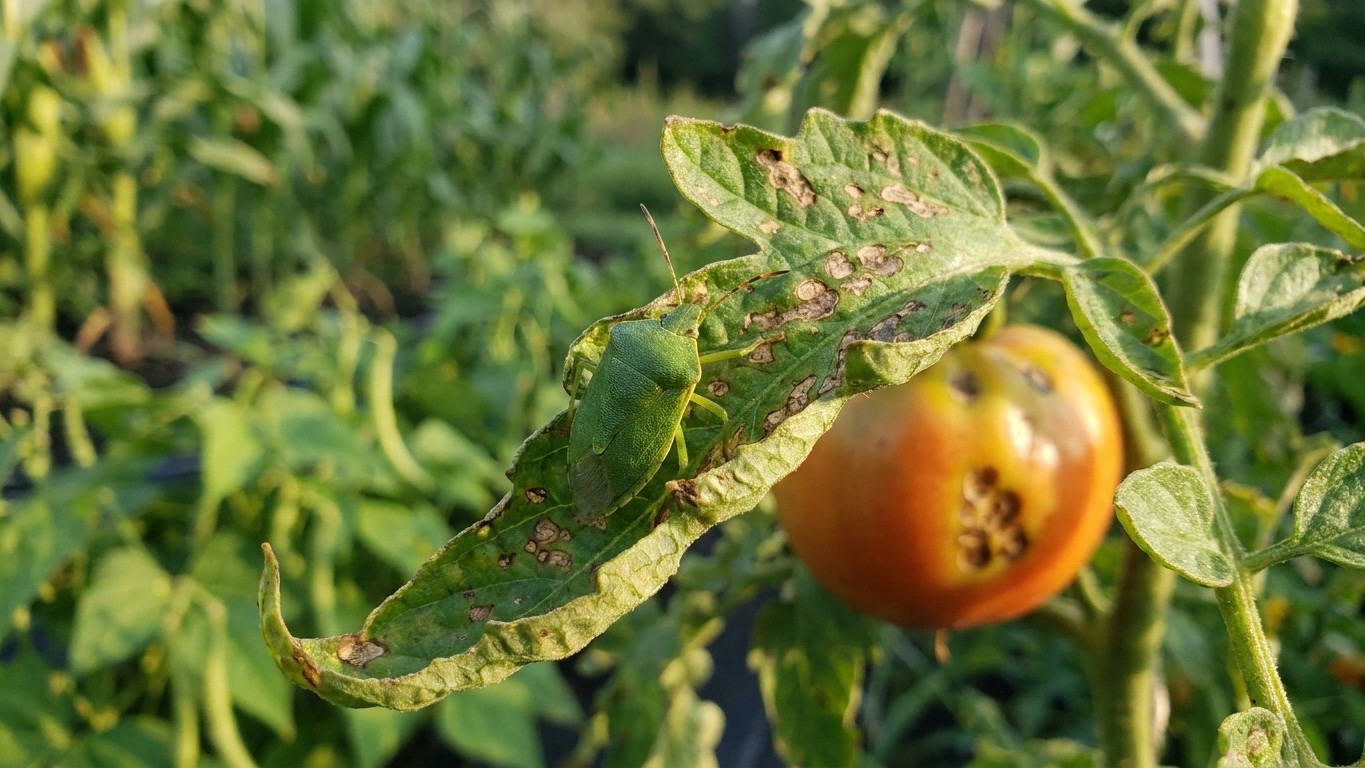
Green stink bugs show up in Vermont gardens every summer, feeding on beans, tomatoes, and sweet corn with a piercing bite that leaves pitted, discolored…
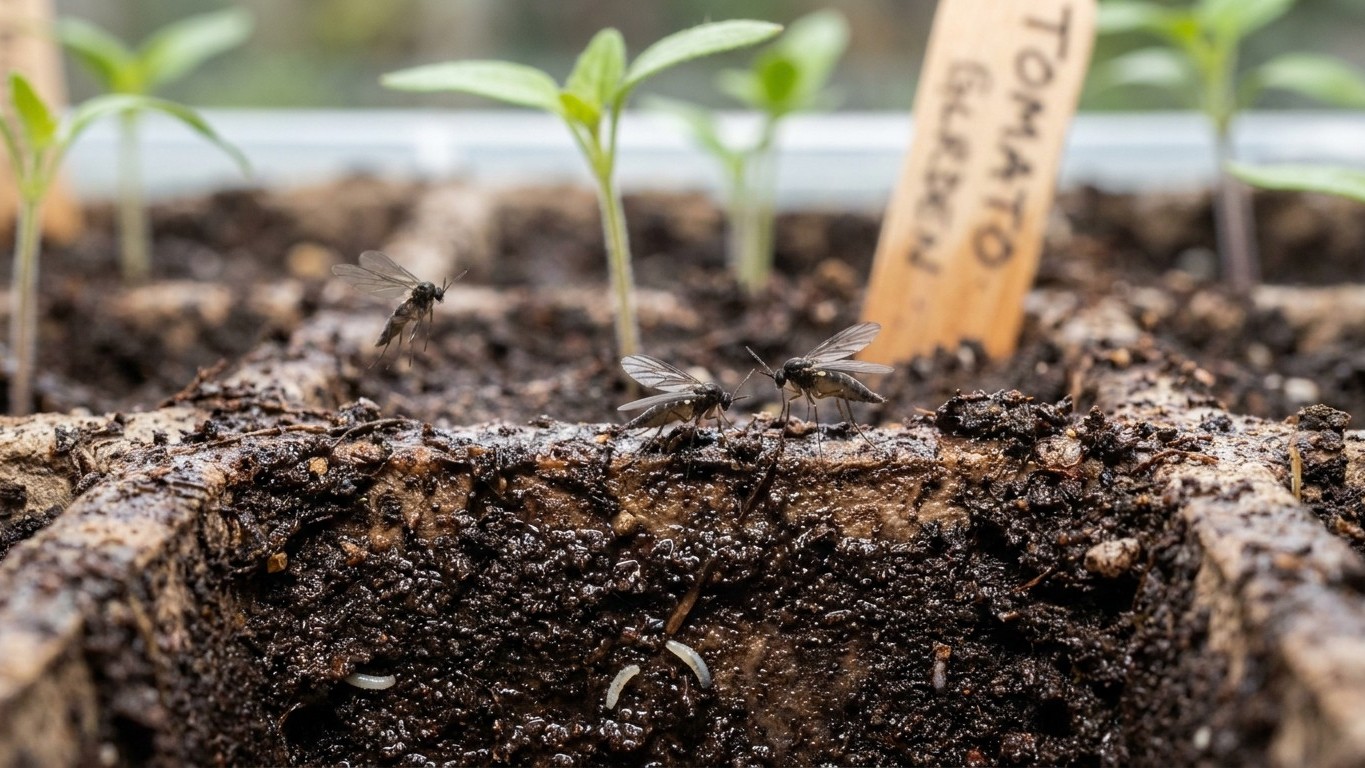
Dark-winged fungus gnats show up in Vermont soil and seedling trays once ground temperatures climb past the mid-50s, usually within a couple weeks of the…
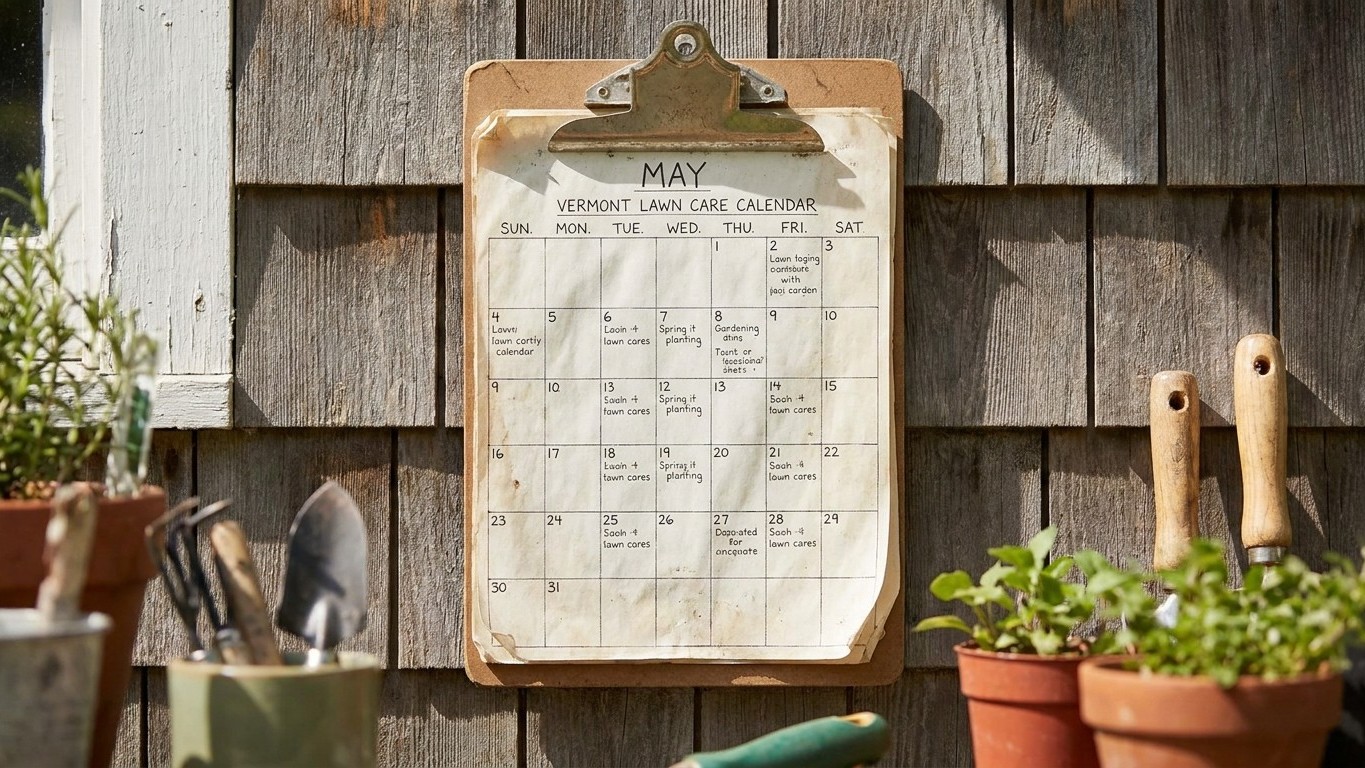
A month-by-month look at Vermont’s cool-season lawn calendar, keyed to Burlington’s fall frost window, tall fescue mowing rates, and the grasses that actually survive winter here.
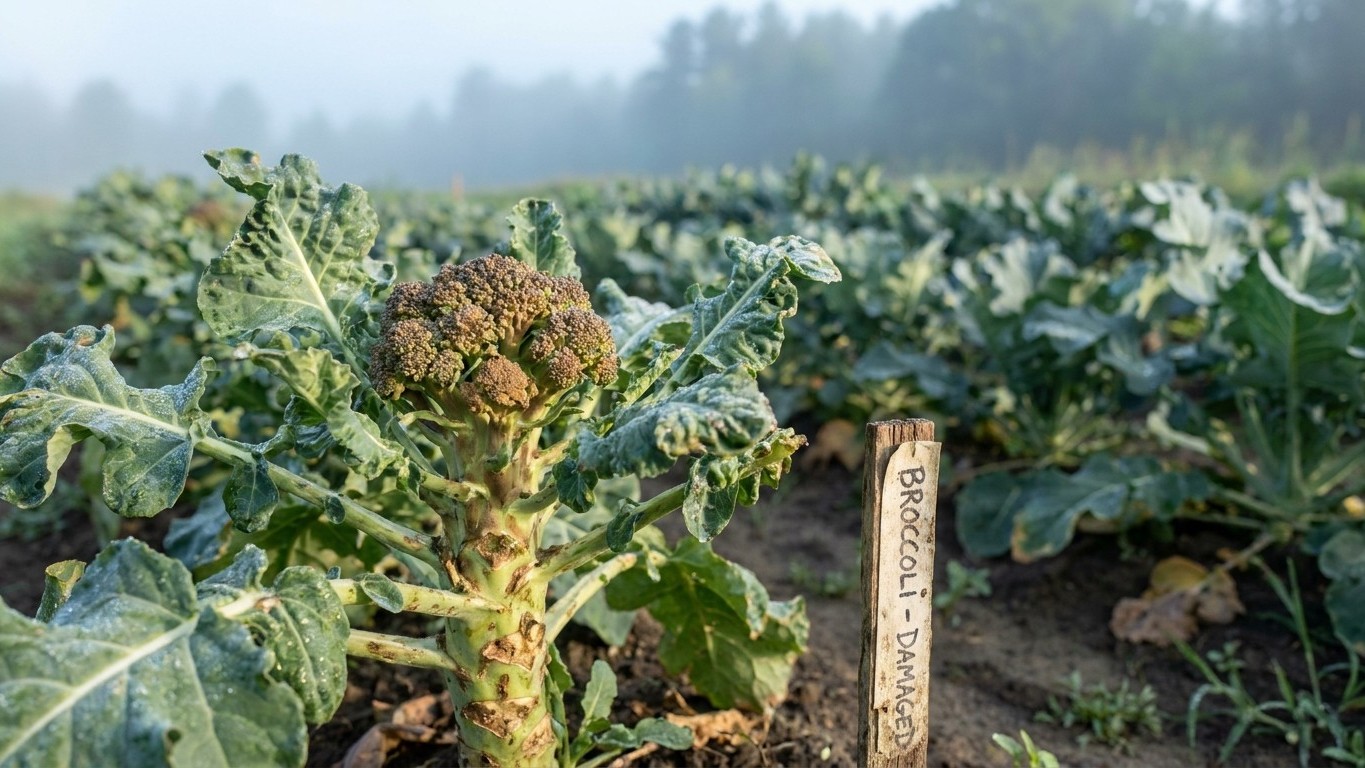
Swede midge shows up in Vermont brassica fields as early as mid-May, with the heaviest damage typically landing between late May and September.
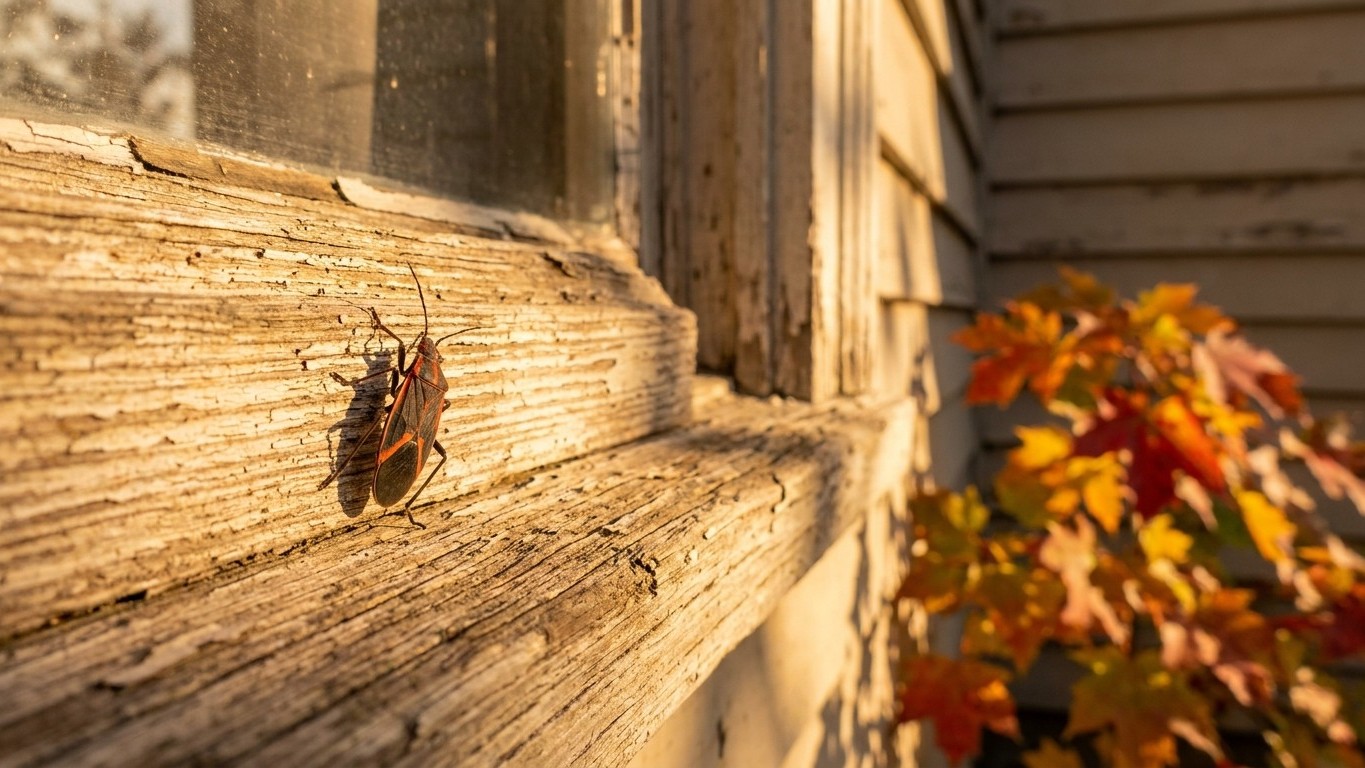
In Vermont, boxelder bugs show up twice a year with clockwork reliability: a spring emergence in April and May as overwintering adults leave their hiding…
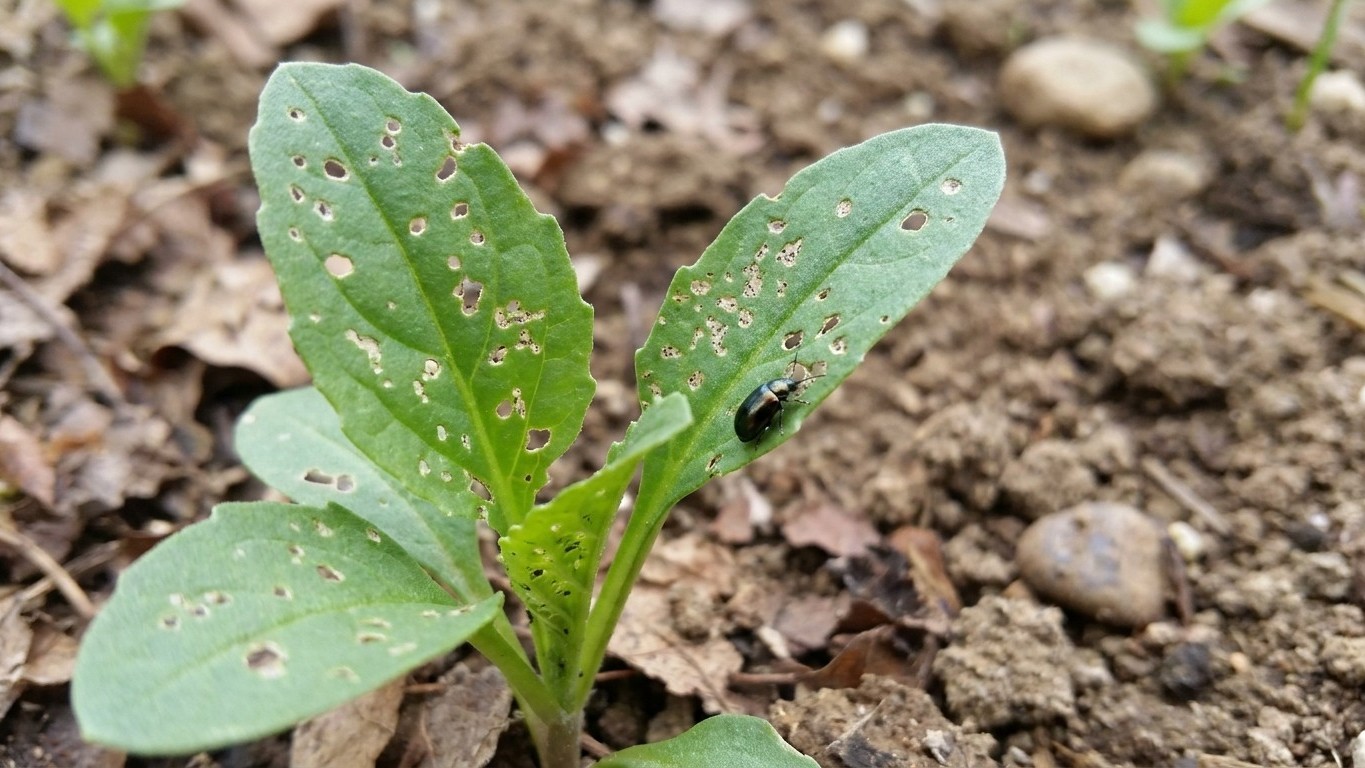
Flea beetles show up in Vermont gardens as soon as the soil hits roughly 50°F, which typically lands somewhere between late April in the Champlain Valley…
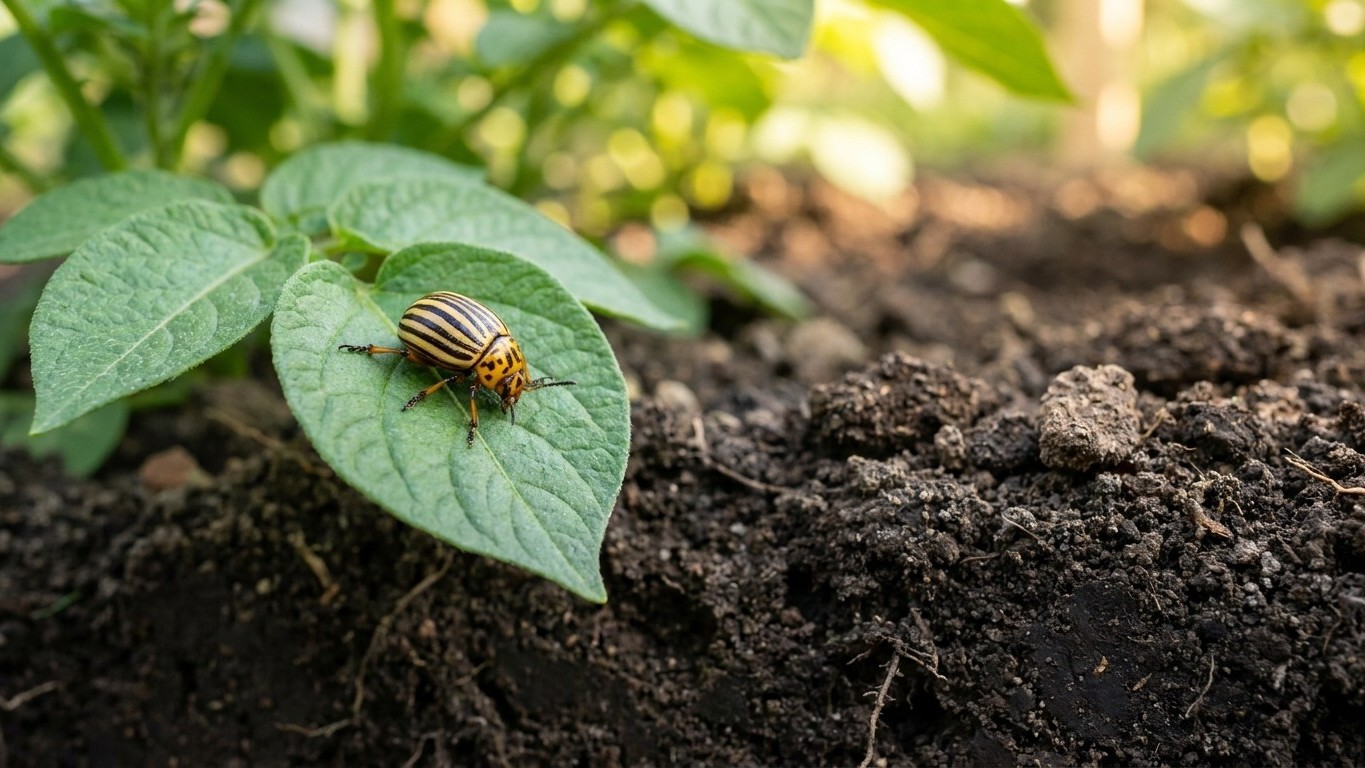
Colorado potato beetles wake up in Vermont soil once temperatures climb past 50°F for several consecutive days, which typically lands somewhere between…