Will Pumpkins Ripen Before Frost in Virginia?
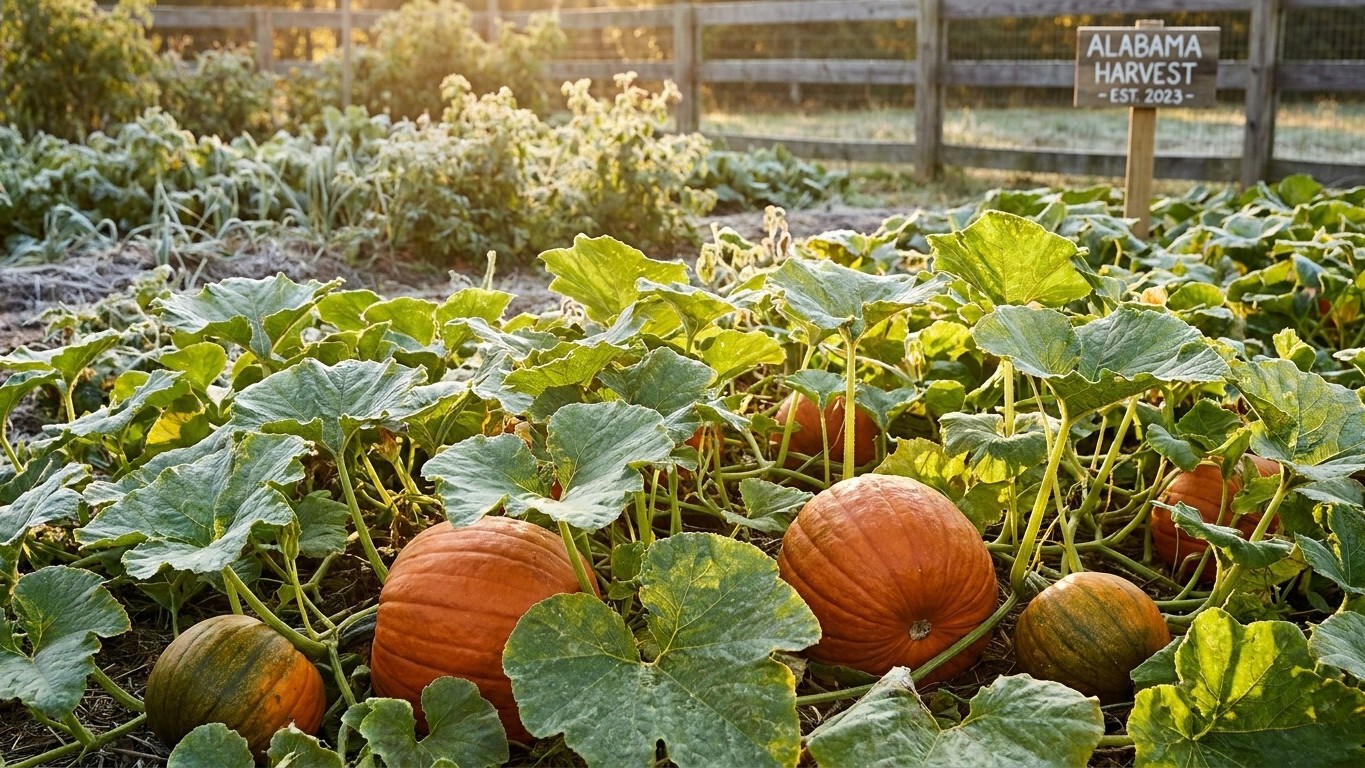
Yes, but only if the flowers open early enough. In coastal Virginia, first fall frost typically lands between November 10 and November 24.
Home & garden, state by state
Everything we have worked out for Virginia: what to plant and when, which varieties finish in time, the pests that actually turn up here, and the jobs that pay off month by month. We also cover the rest of the property, from lawns and soil to home care and energy, because a garden rarely stops at the vegetable bed.
The numbers first, because everything else follows from them. Measured at the weather station in Virginia Beach, the last spring freeze runs March 20 to April 3 and the first fall freeze runs November 10 to November 24, USDA zones 5a-8b, 4,864 growing degree days in the year.
Garlic does well: 17.4 weeks below 40 °F, comfortably past the six it needs to form a proper head.
Elsewhere on the property in Virginia: the pests that turn up here.
Figures from NOAA's 1991-2020 climate normals. A state is not one climate: elevation, a large lake or the coast can move these dates by two weeks either way, so check your own county with the extension service before you spend money.
Yes, but only if the flowers open early enough. In coastal Virginia, first fall frost typically lands between November 10 and November 24.
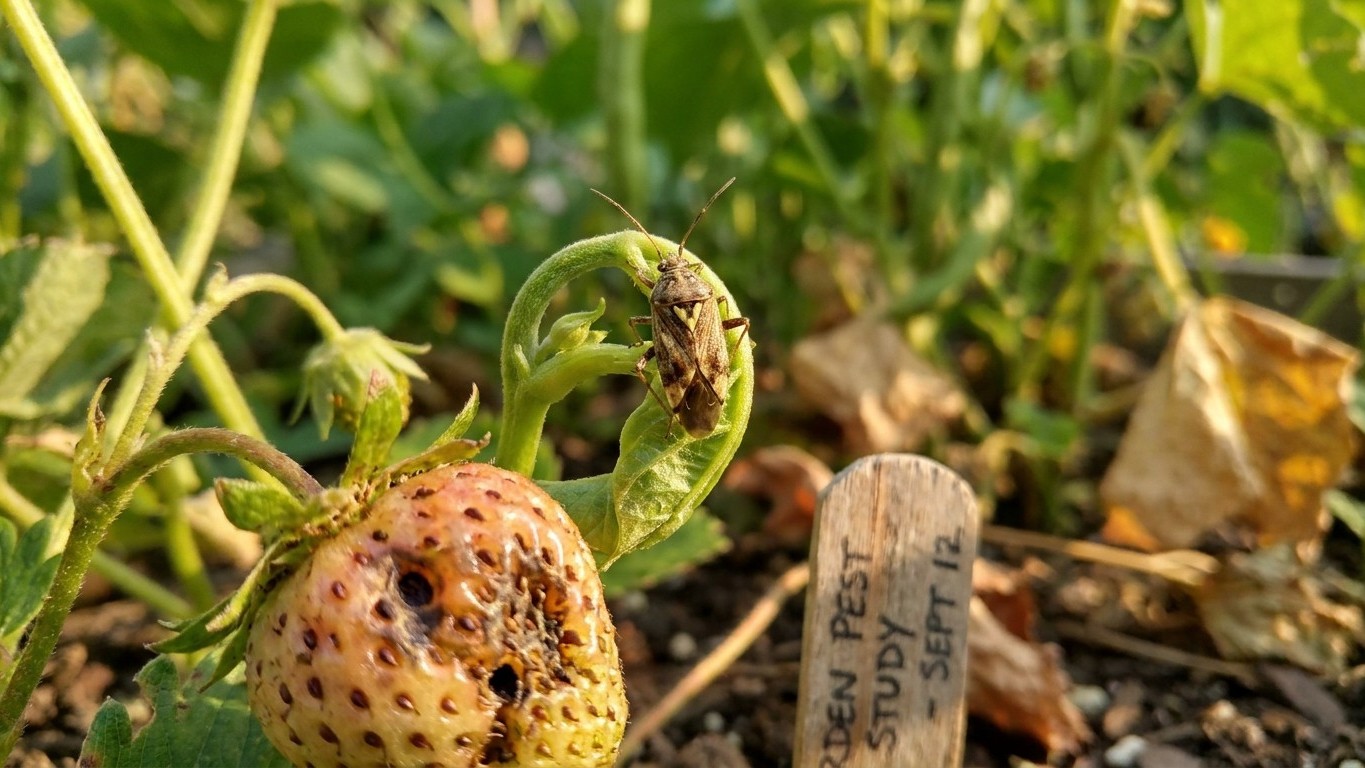
Tarnished plant bugs show up in Virginia gardens as soon as nighttime temperatures climb past the mid-50s, usually in April along the coast and into May…
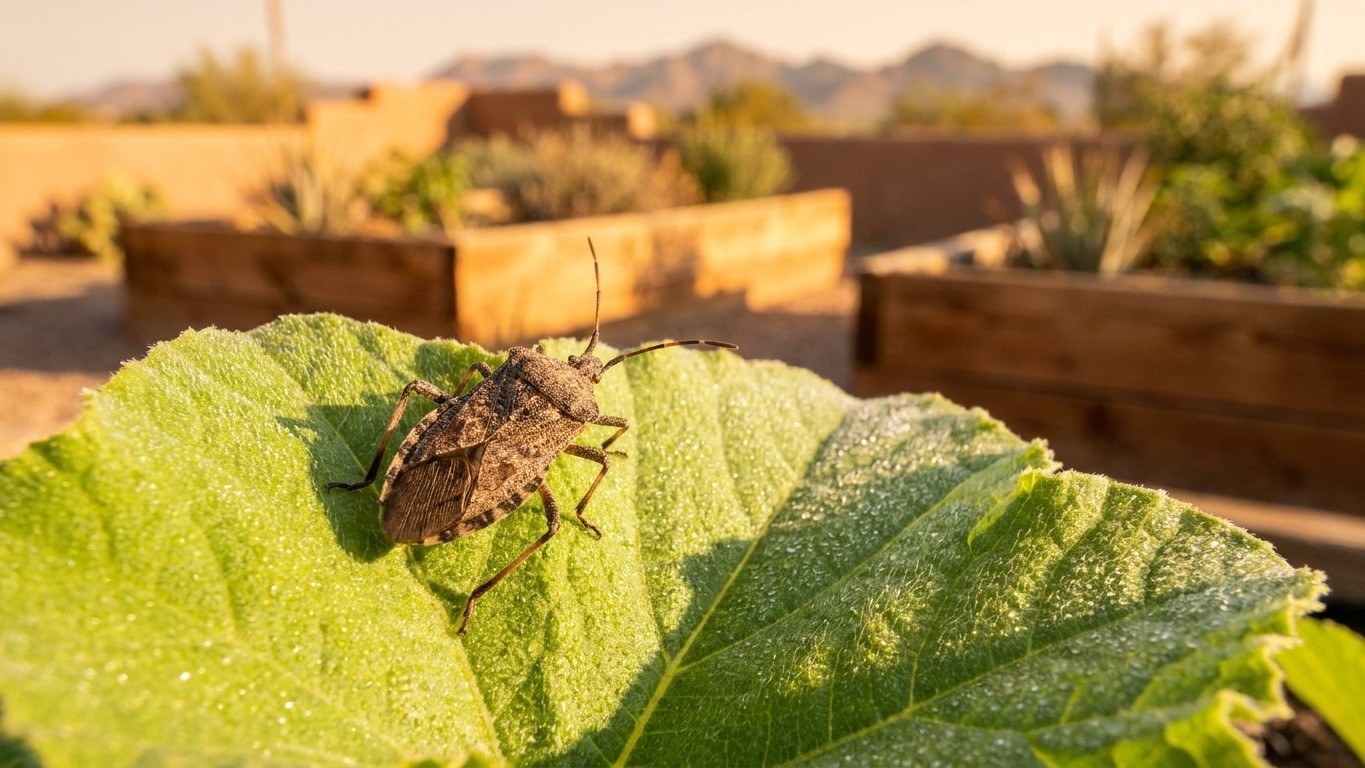
Squash bugs show up in Virginia once the vines start running, usually from late May into June as overwintered adults crawl out of leaf litter and mulch.
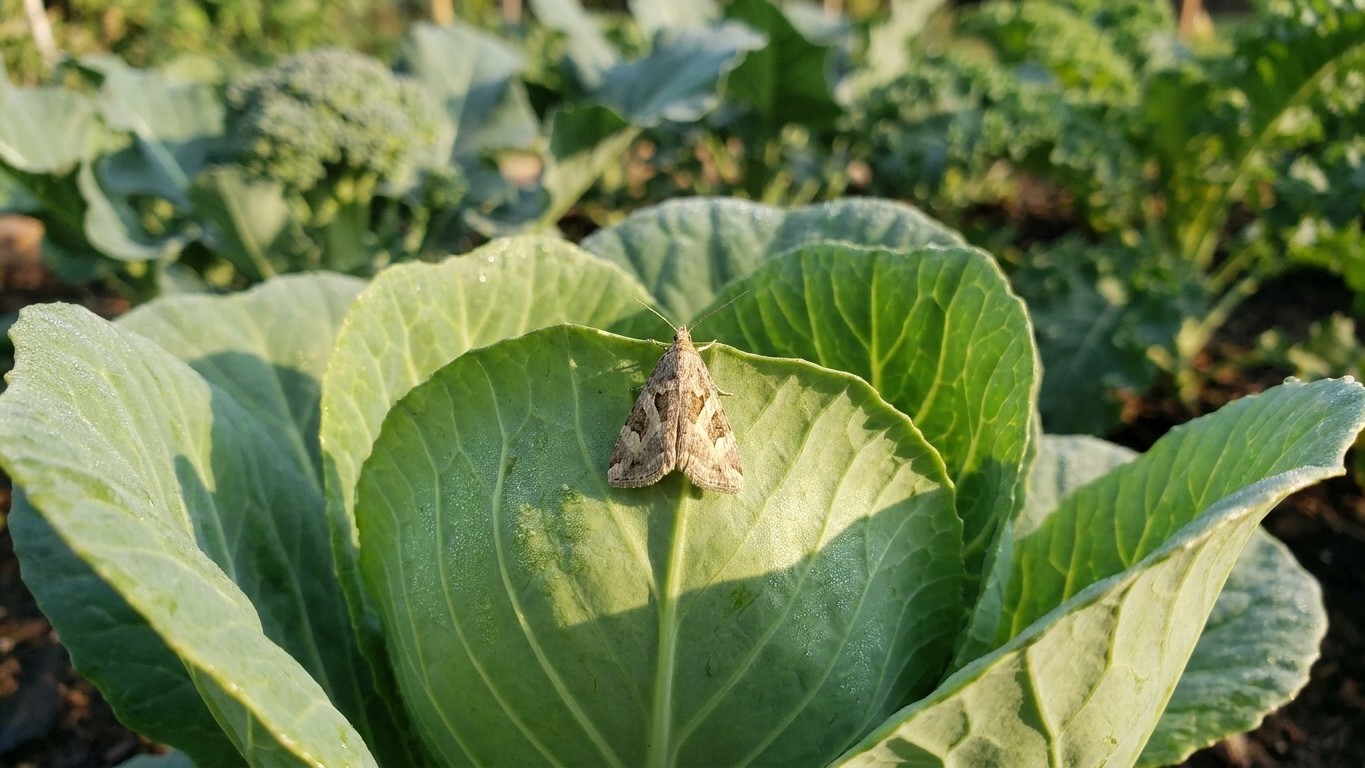
Diamondback moth shows up in Virginia every growing season, typically riding warm southerly winds into the state by mid-spring and building through…
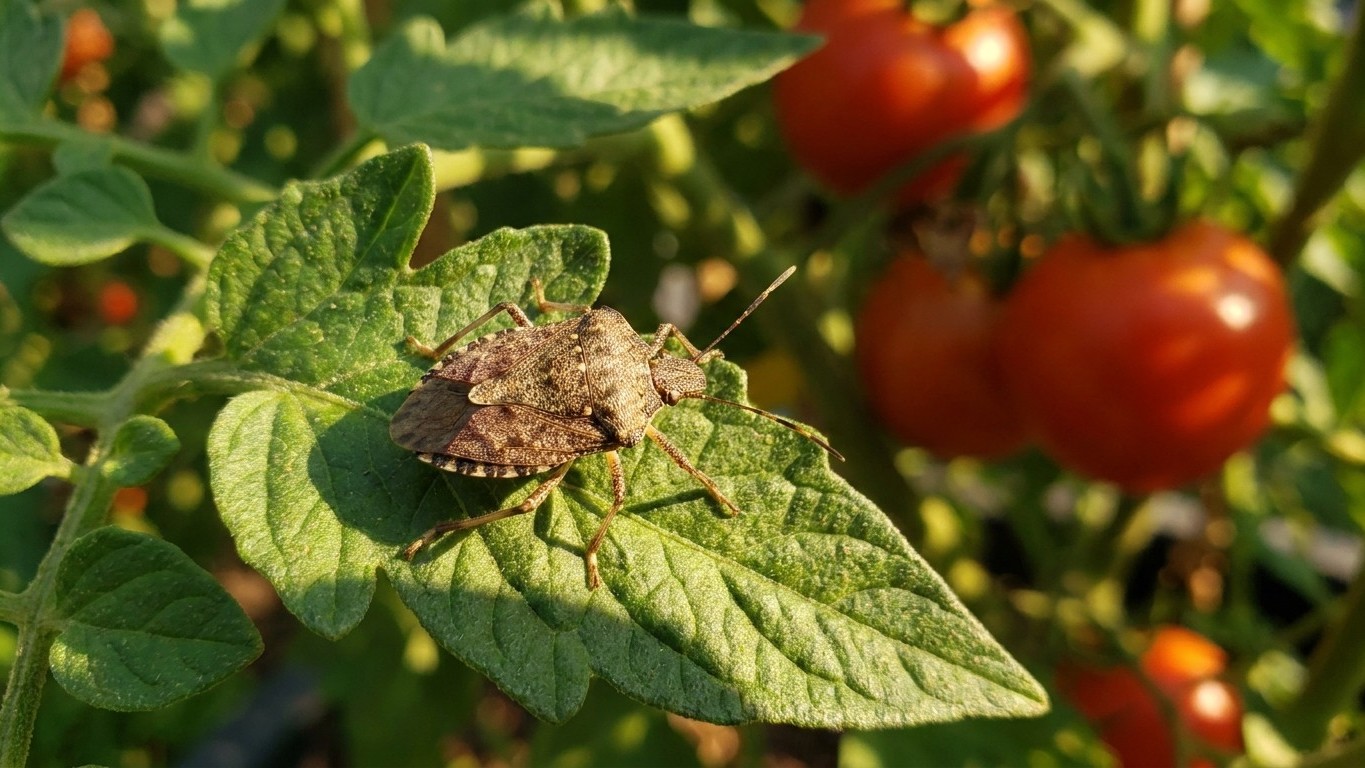
Stink bugs show up in Virginia homes and gardens mainly in two waves: a spring emergence once overwintering adults leave their winter hiding spots, and a…
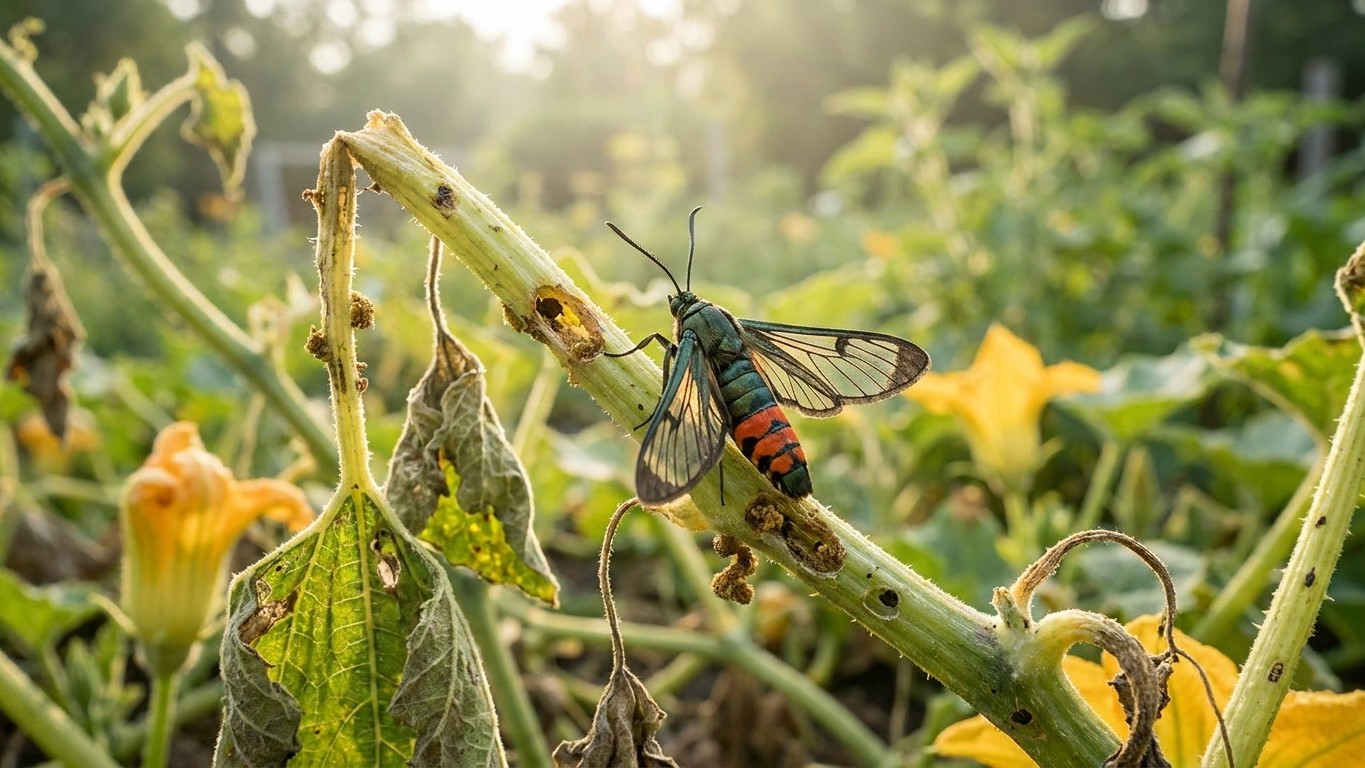
Squash vine borer shows up in Virginia gardens from late May through July, with adult moths active longest in the coastal plain and arriving latest in…
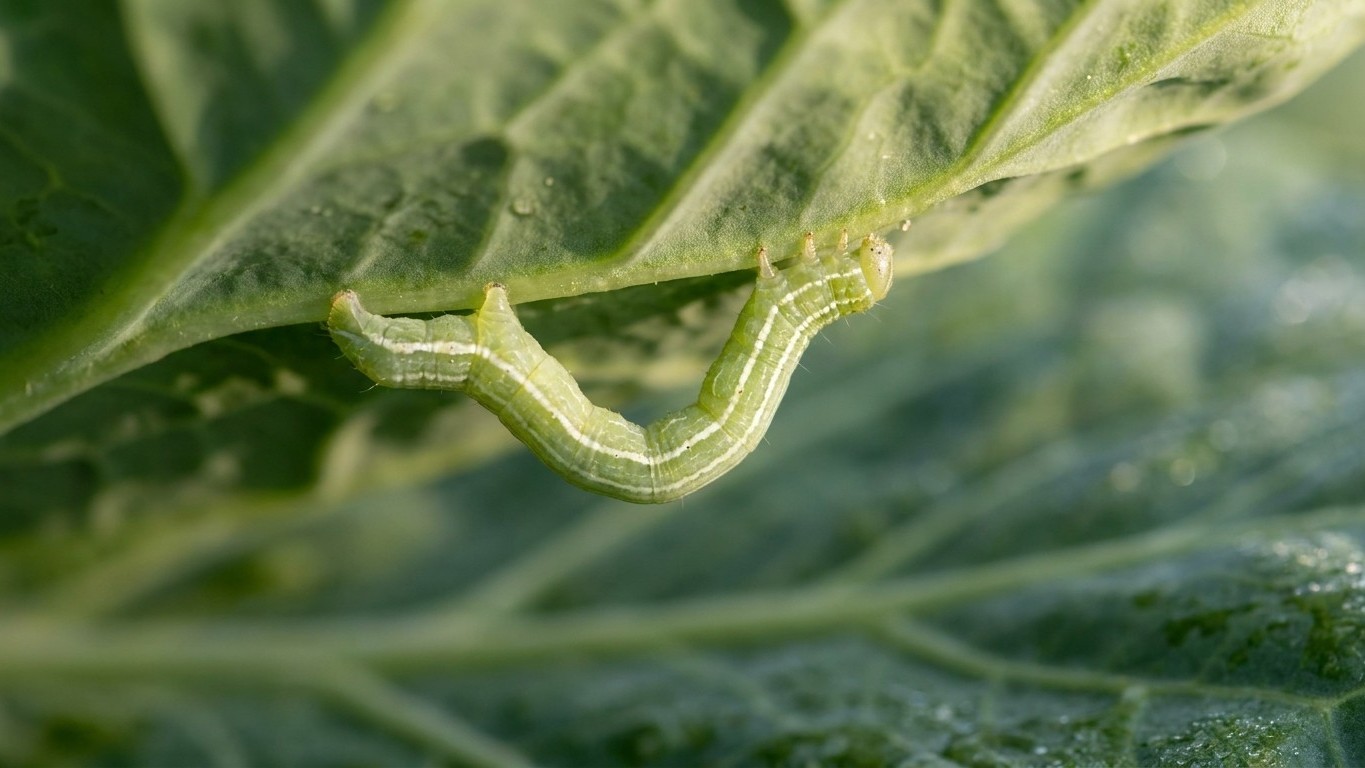
Cabbage looper moths show up in Virginia gardens as early as May, with populations building through several overlapping generations until the first hard…
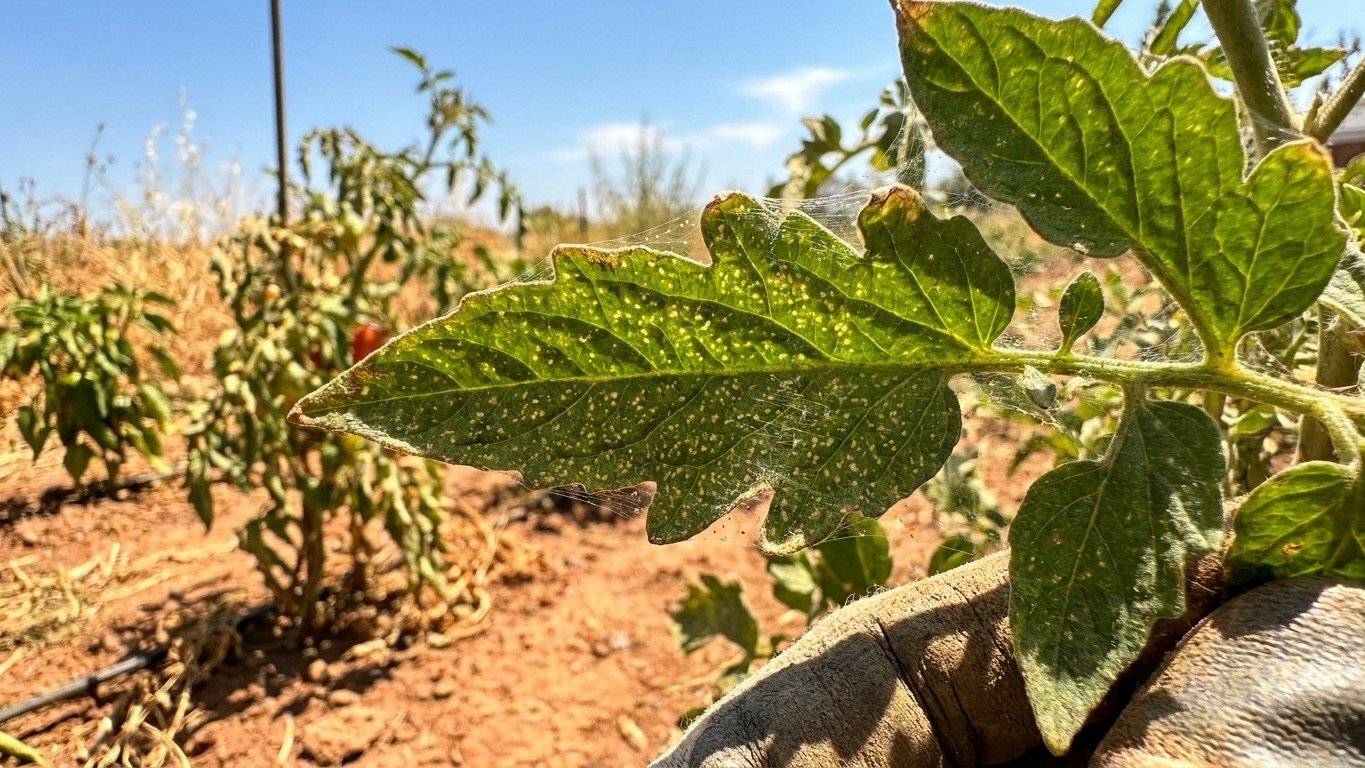
Spider mites turn up in Virginia gardens whenever a stretch of hot, dry weather settles in, most often from late May through September.
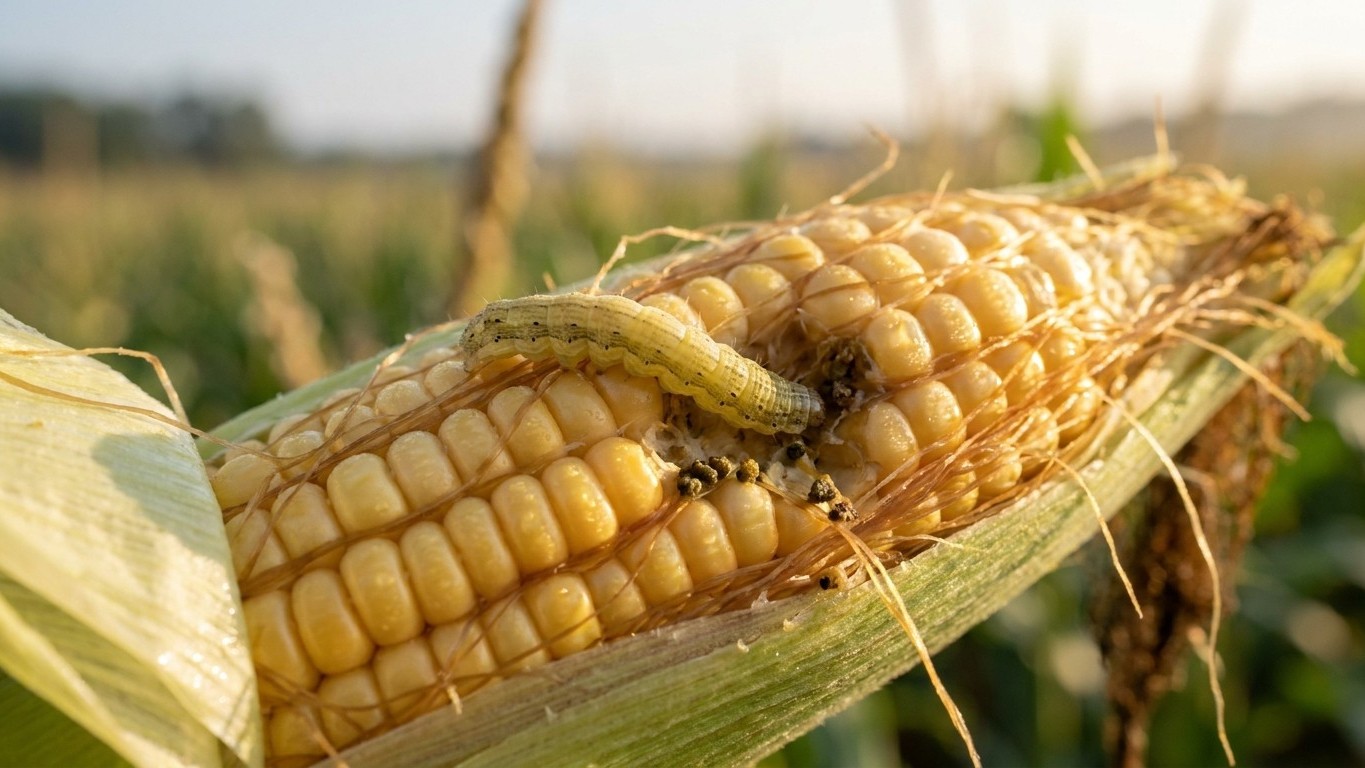
Corn earworm moths reach Virginia gardens by late spring, migrating north from warmer states, and their numbers build steadily through summer.
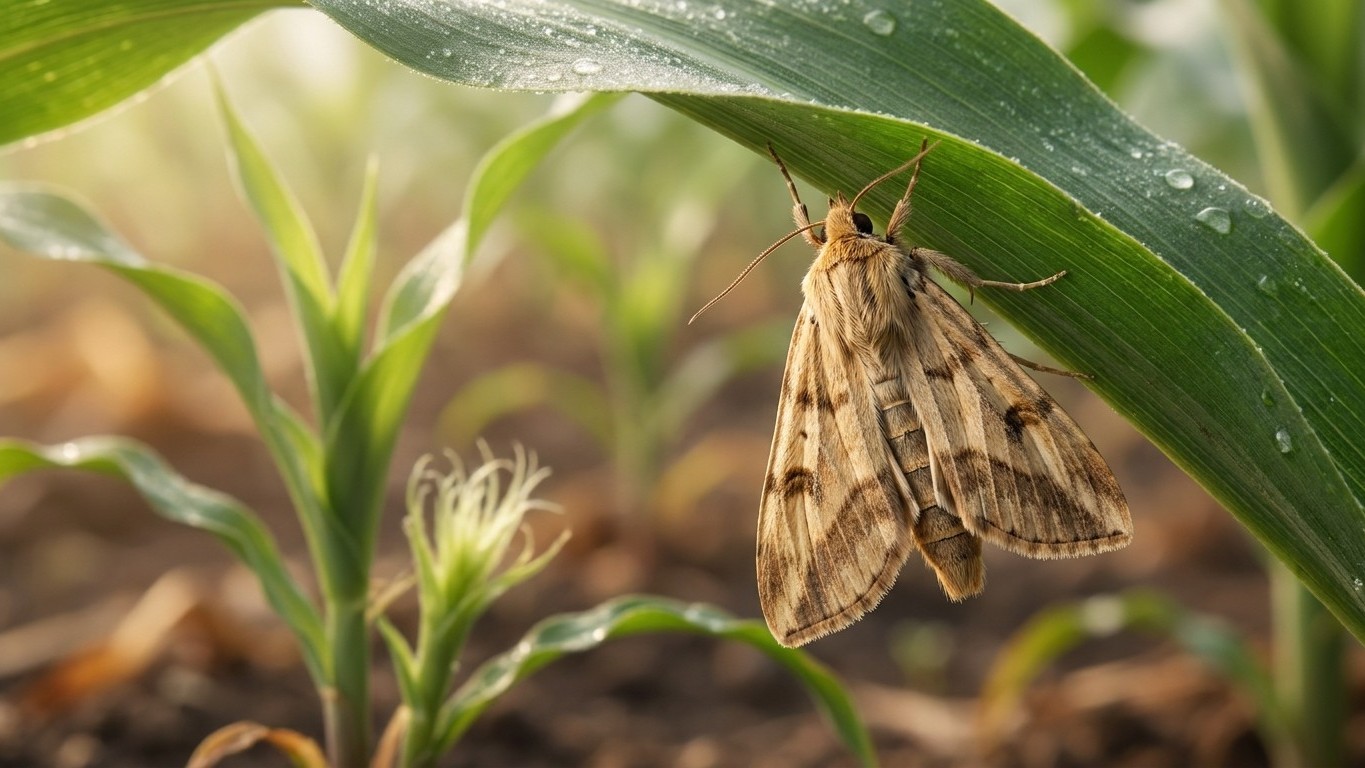
European corn borer moths typically start flying in Virginia from late May through June, with a second generation active in July and August in most of…