The Best Grass Seed for Virginia Lawns
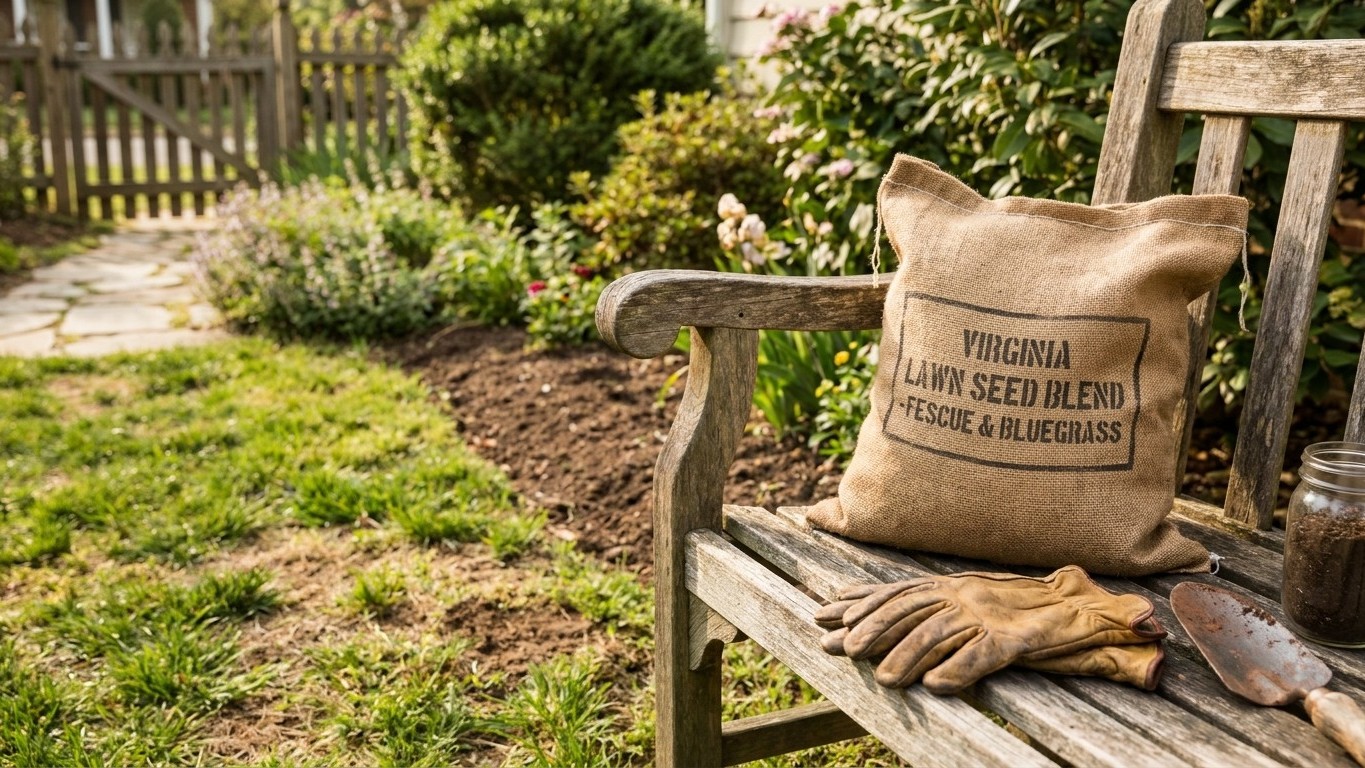
Virginia’s climate sits between cool-season and warm-season turf zones, so this guide compares Tall Fescue, Kentucky Bluegrass, Zoysiagrass and Bermudagrass side by side.
Home & garden, state by state
Everything we have worked out for Virginia: what to plant and when, which varieties finish in time, the pests that actually turn up here, and the jobs that pay off month by month. We also cover the rest of the property, from lawns and soil to home care and energy, because a garden rarely stops at the vegetable bed.
The numbers first, because everything else follows from them. Measured at the weather station in Virginia Beach, the last spring freeze runs March 20 to April 3 and the first fall freeze runs November 10 to November 24, USDA zones 5a-8b, 4,864 growing degree days in the year.
Garlic does well: 17.4 weeks below 40 °F, comfortably past the six it needs to form a proper head.
Elsewhere on the property in Virginia: the pests that turn up here.
Figures from NOAA's 1991-2020 climate normals. A state is not one climate: elevation, a large lake or the coast can move these dates by two weeks either way, so check your own county with the extension service before you spend money.
Virginia’s climate sits between cool-season and warm-season turf zones, so this guide compares Tall Fescue, Kentucky Bluegrass, Zoysiagrass and Bermudagrass side by side.

A month-by-month Virginia lawn calendar built around NOAA frost data and Clemson’s separate cool-season and warm-season maintenance schedules for fescue, zoysia, and bermudagrass.
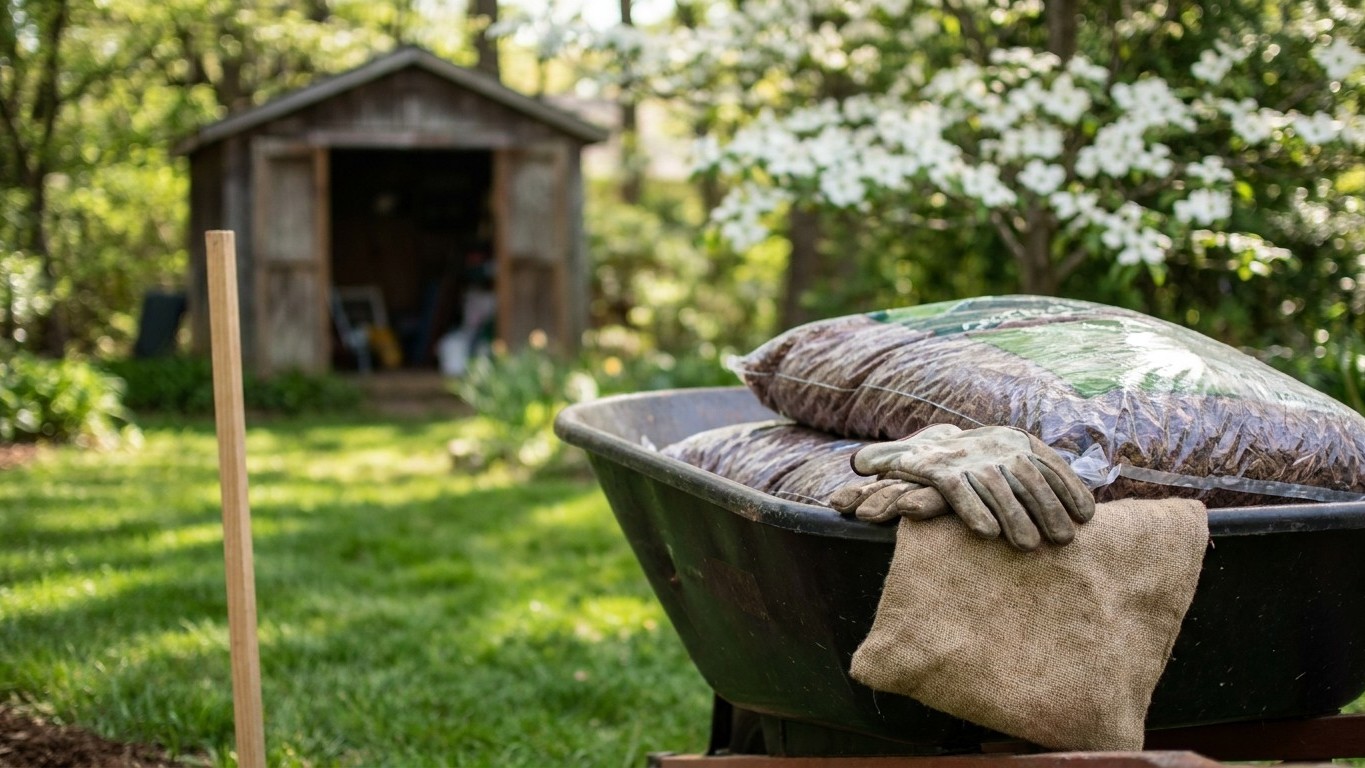
Climate normals for Virginia Beach explain why no one grass wins here, and what that means for choosing, seeding, and feeding a lawn.
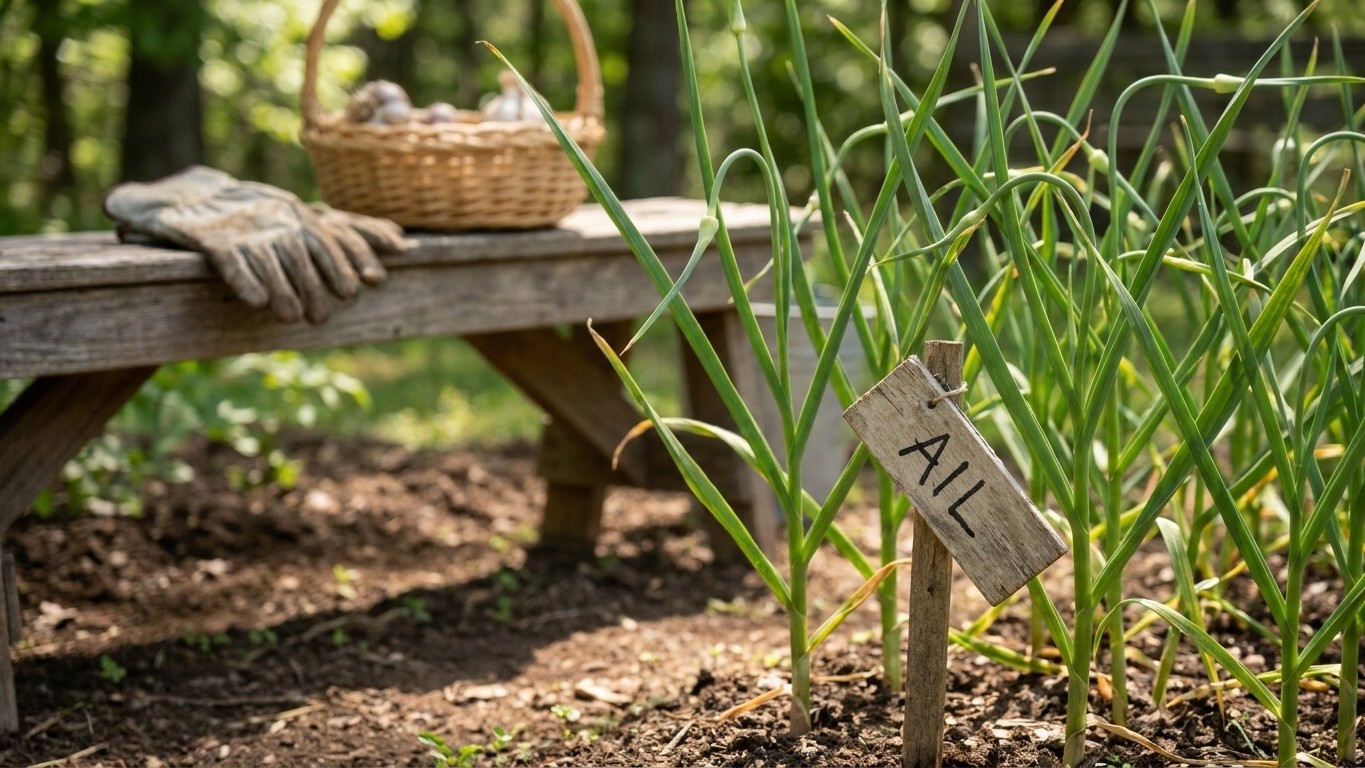
Virginia Cooperative Extension can refine the mid-October to early-November garlic planting window for your county, but this guide gives the statewide calculation and fourteen cultivar options.
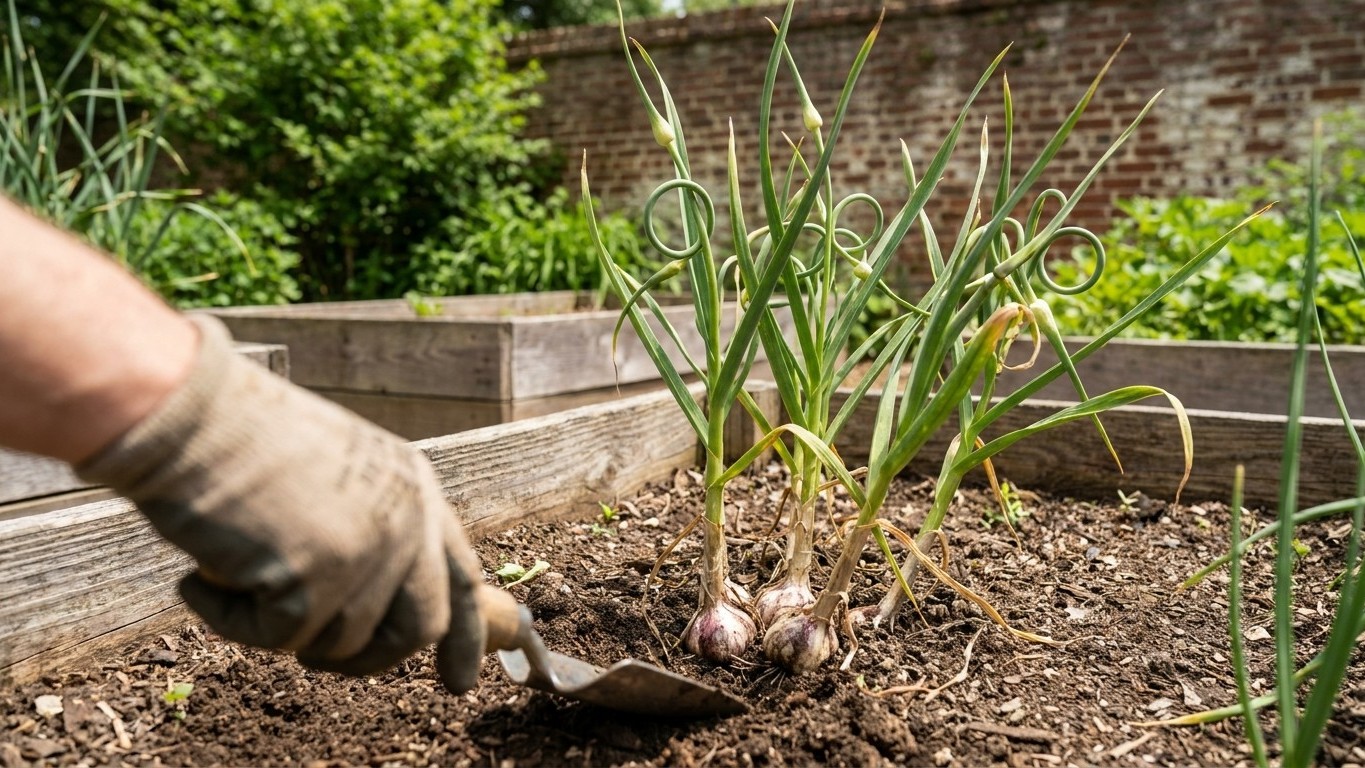
Virginia’s fall frost window runs November 10 to 24 near the coast, which sets the garlic planting range at mid October to early November.
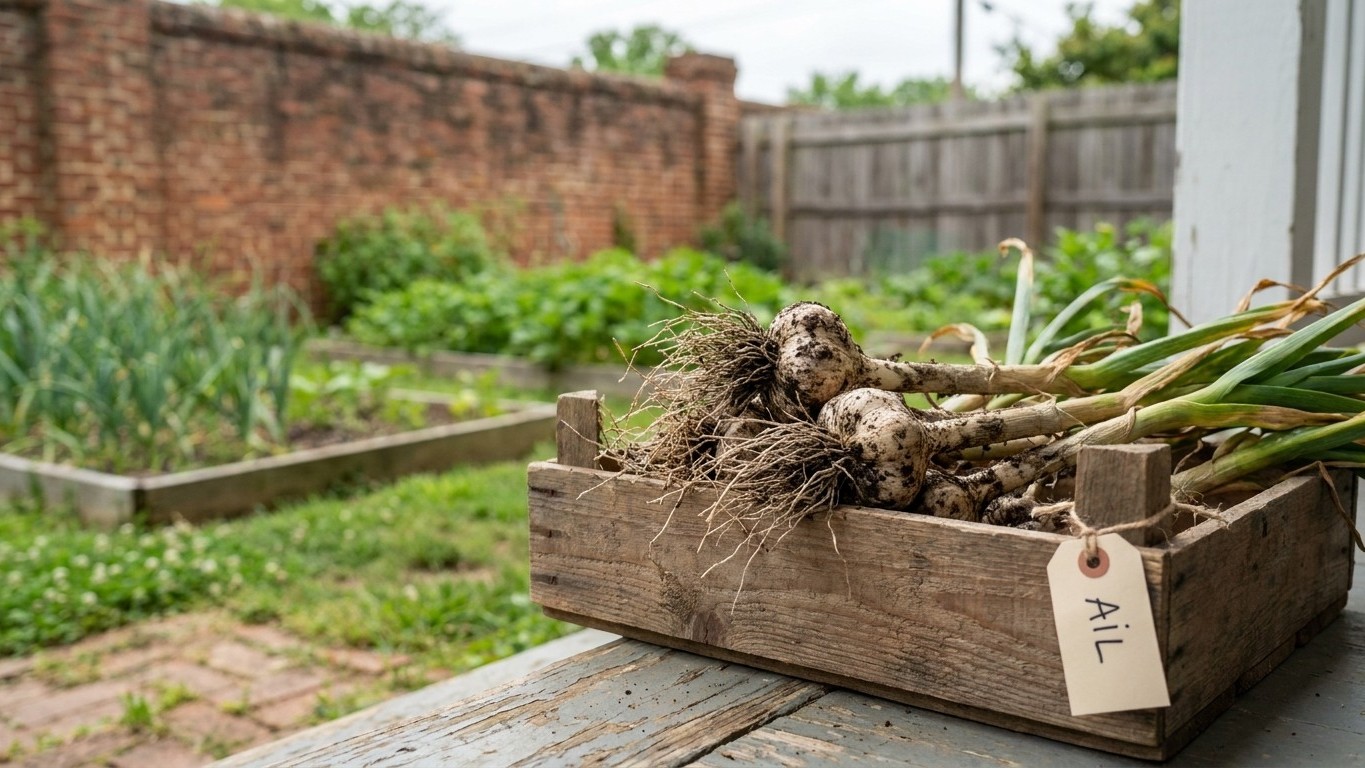
Virginia’s winters supply the cold spell garlic needs, with planting windows, hardneck versus softneck choices, and curing advice for the state’s climate.
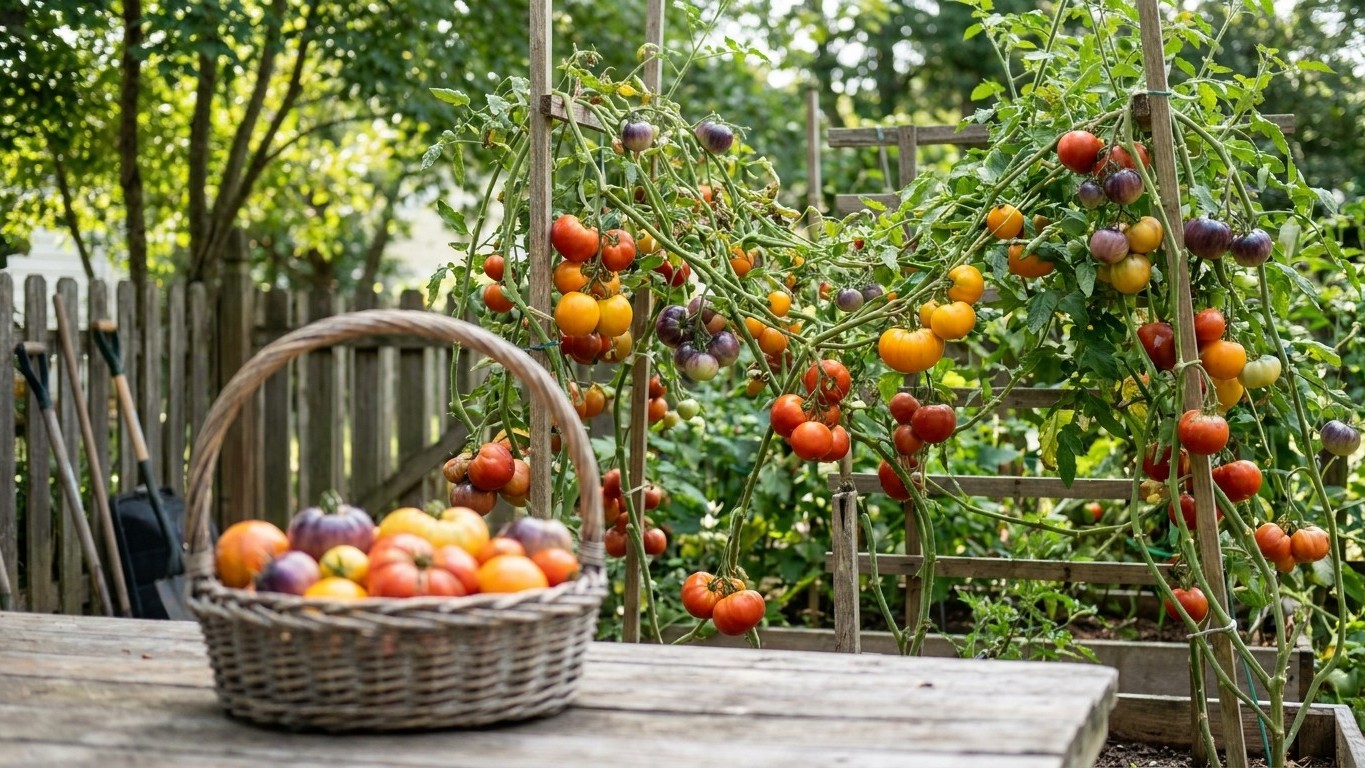
A rundown of tomato varieties, from fifty-day slicers to hundred-day heirlooms, matched against Virginia’s frost-free growing season length.
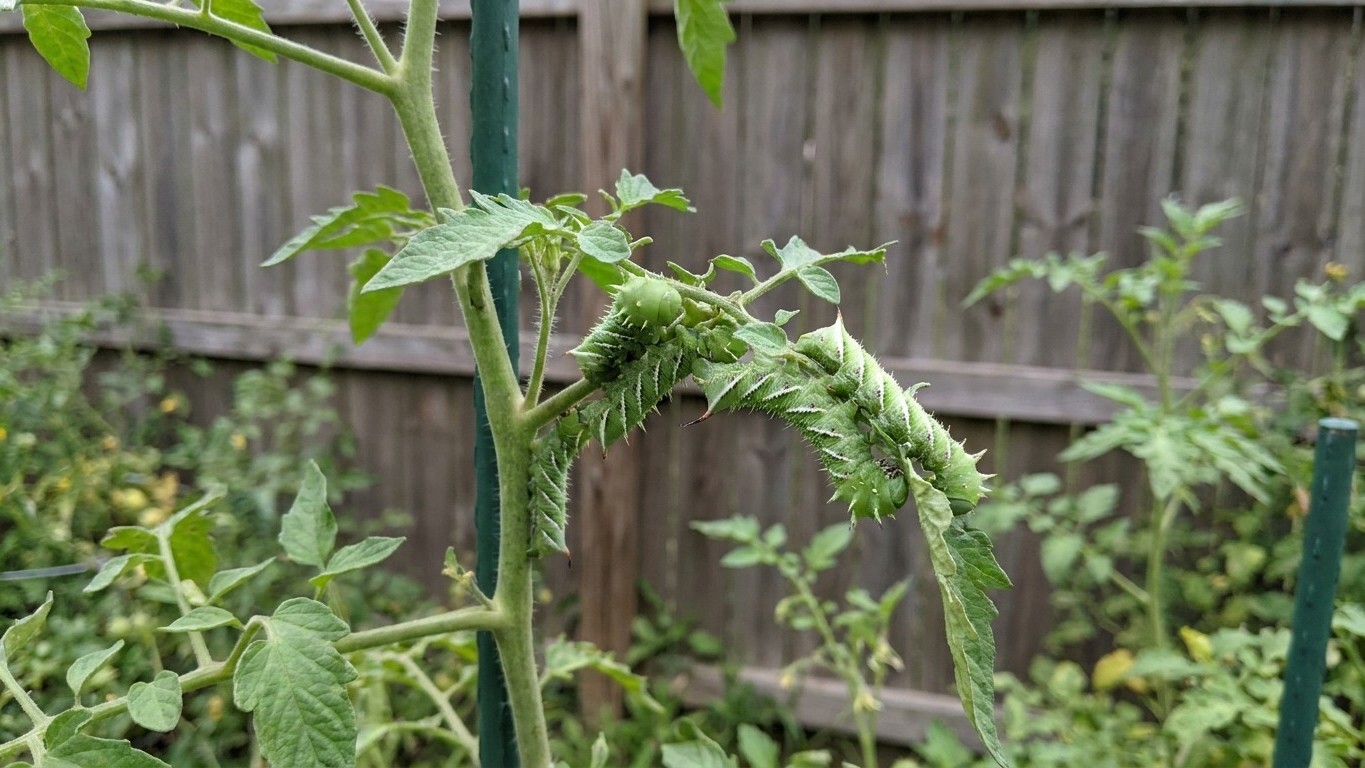
A season-by-season rundown of the tomato pests confirmed in Virginia, how to identify each by sight, and what actually controls them.
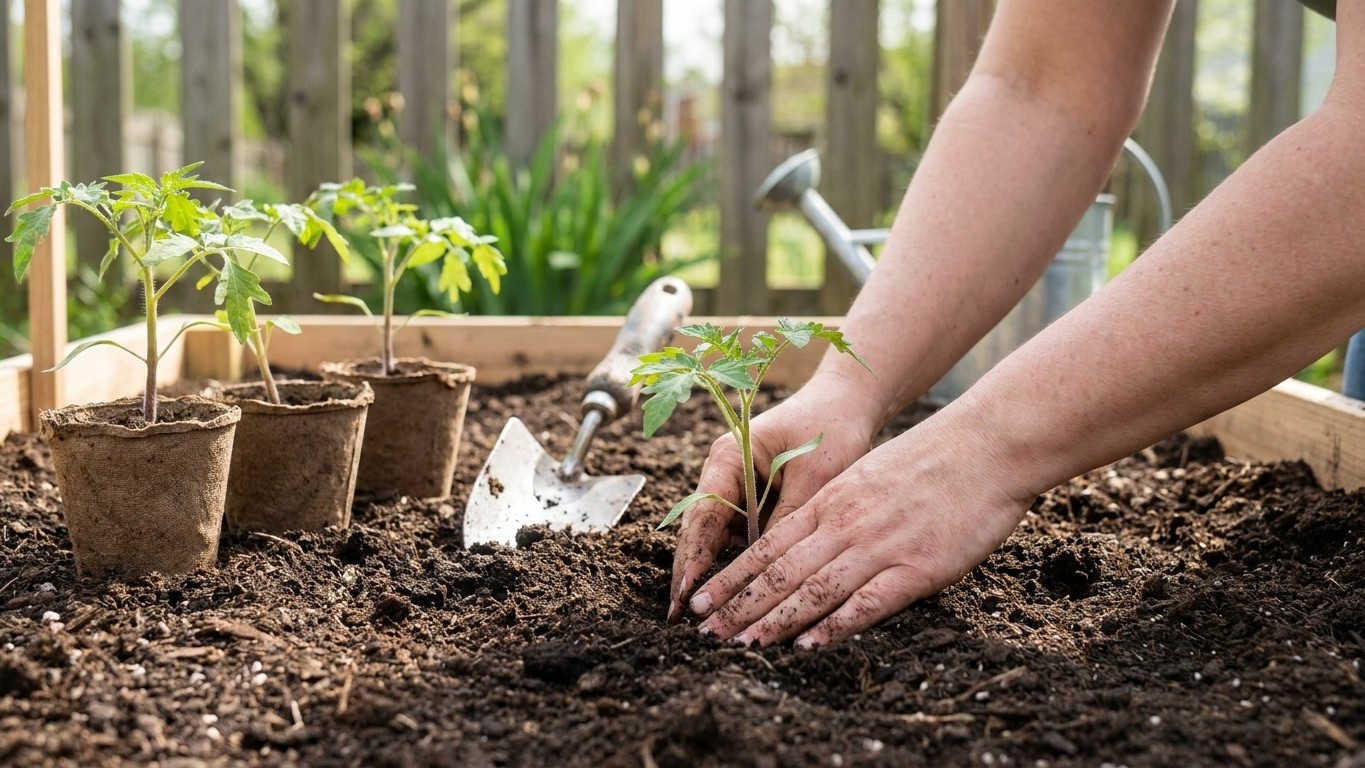
Learn how to calculate your tomato planting date in Virginia using NOAA’s frost window and days-to-maturity math, plus where the numbers change.
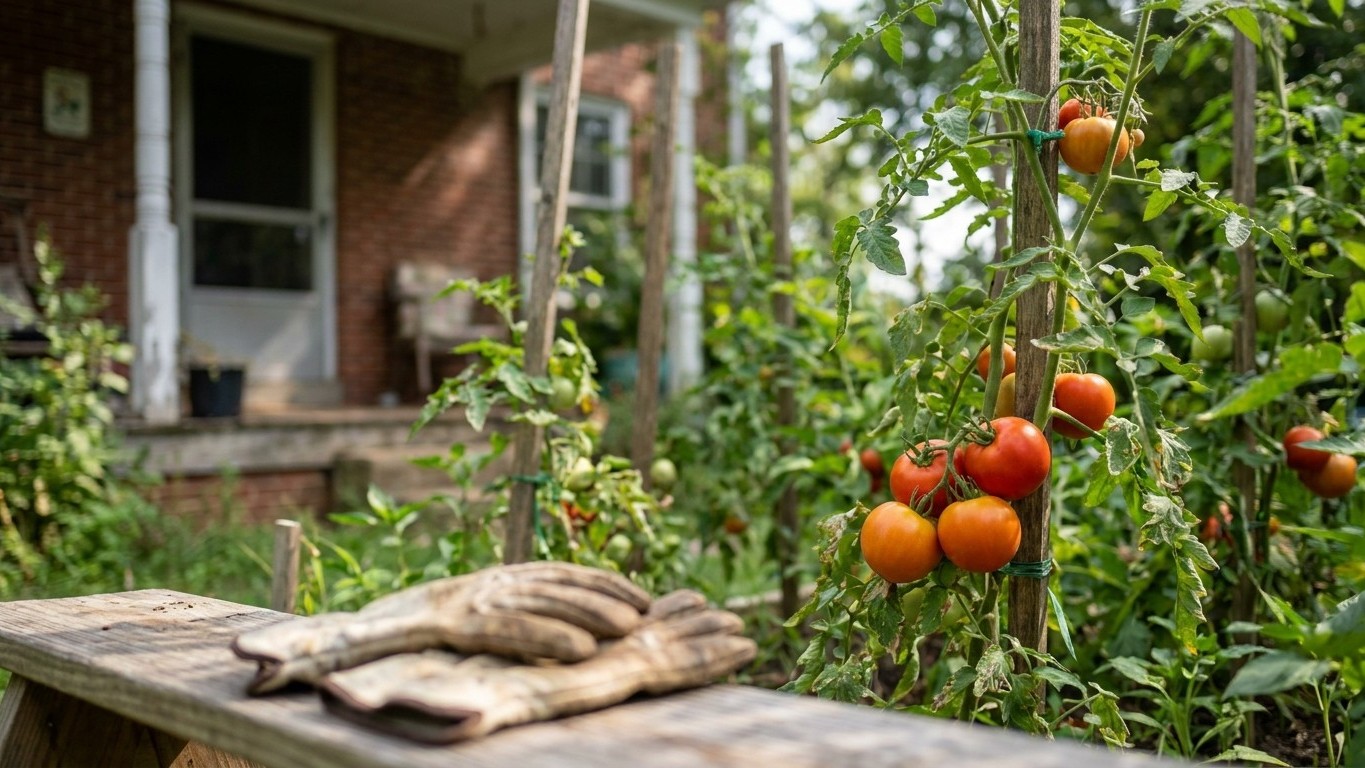
A frost-date breakdown for Virginia tomato growers, with cultivar picks, companion planting notes and fixes for the season’s most common problems.