Will Pumpkins Ripen Before Frost in Washington?
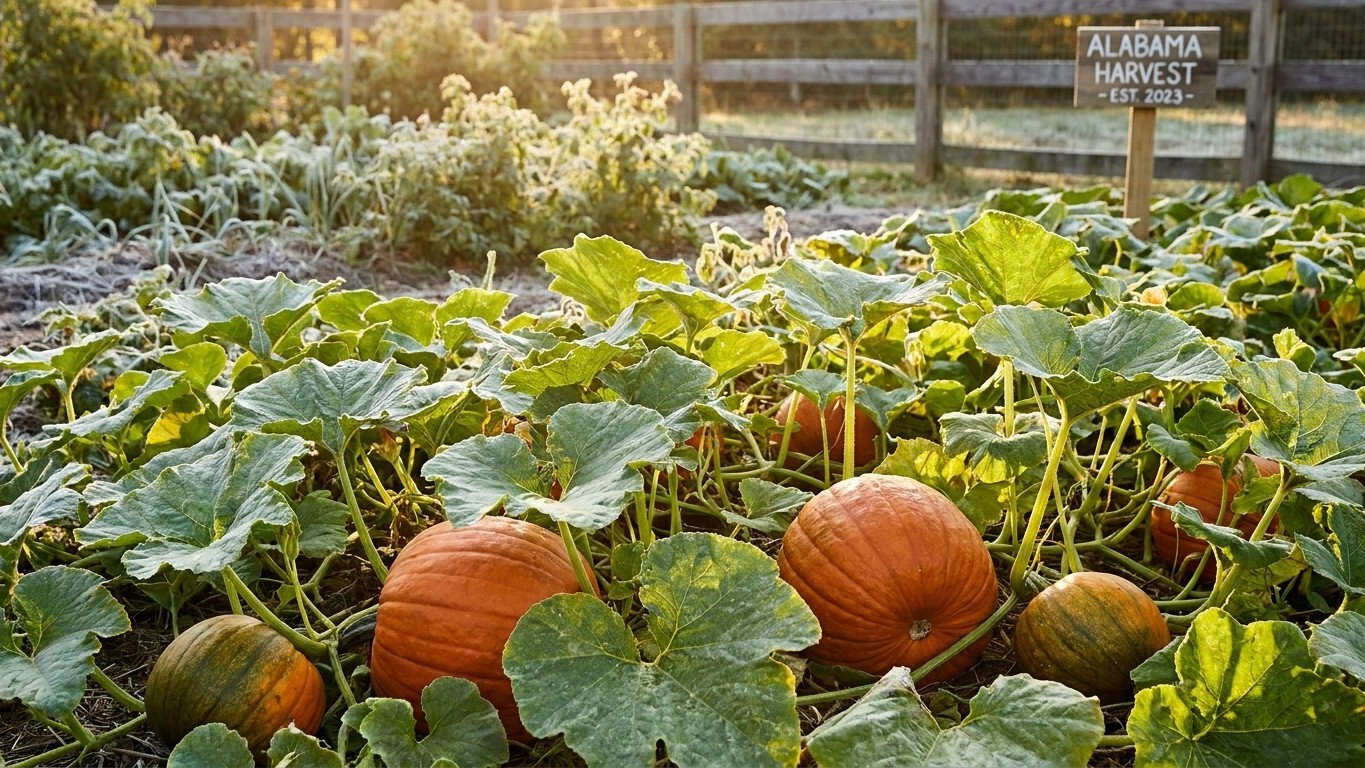
In western Washington, most pumpkins sown once the soil hits 65°F have enough season left to ripen before the first fall frost, which lands between…
Home & garden, state by state
Everything we have worked out for Washington: what to plant and when, which varieties finish in time, the pests that actually turn up here, and the jobs that pay off month by month. We also cover the rest of the property, from lawns and soil to home care and energy, because a garden rarely stops at the vegetable bed.
The numbers first, because everything else follows from them. Measured at the weather station in Seattle, the last spring freeze runs February 27 to March 18 and the first fall freeze runs November 13 to November 30, USDA zones 4a-9a, 2,353 growing degree days in the year.
That is enough for early varieties, tight for anything late. Garlic does well: 17.4 weeks below 40 °F, comfortably past the six it needs to form a proper head.
Elsewhere on the property in Washington: the pests that turn up here.
Figures from NOAA's 1991-2020 climate normals. A state is not one climate: elevation, a large lake or the coast can move these dates by two weeks either way, so check your own county with the extension service before you spend money.
In western Washington, most pumpkins sown once the soil hits 65°F have enough season left to ripen before the first fall frost, which lands between…
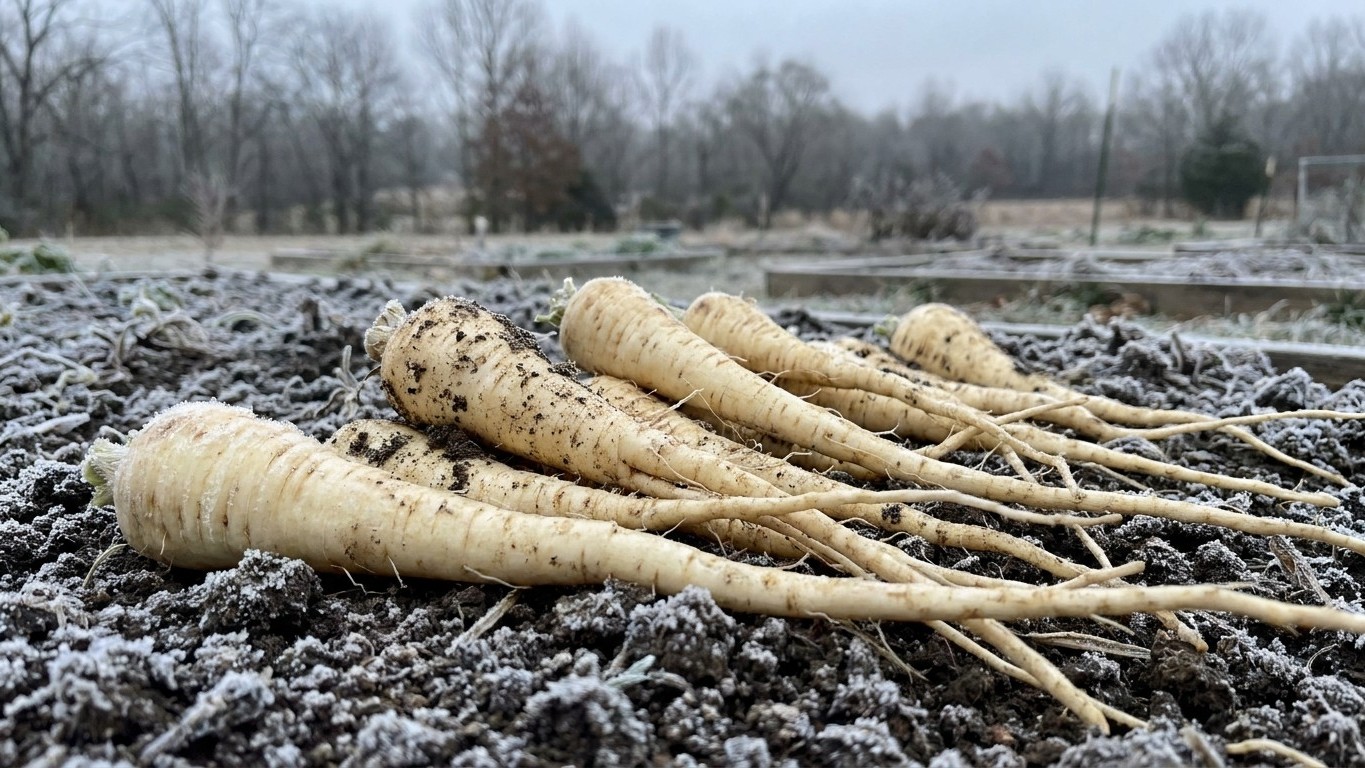
Western Washington’s frost pattern is thin, not absent. Parsnips sown here will size up into fine roots most years, but the deep, sustained cold that…
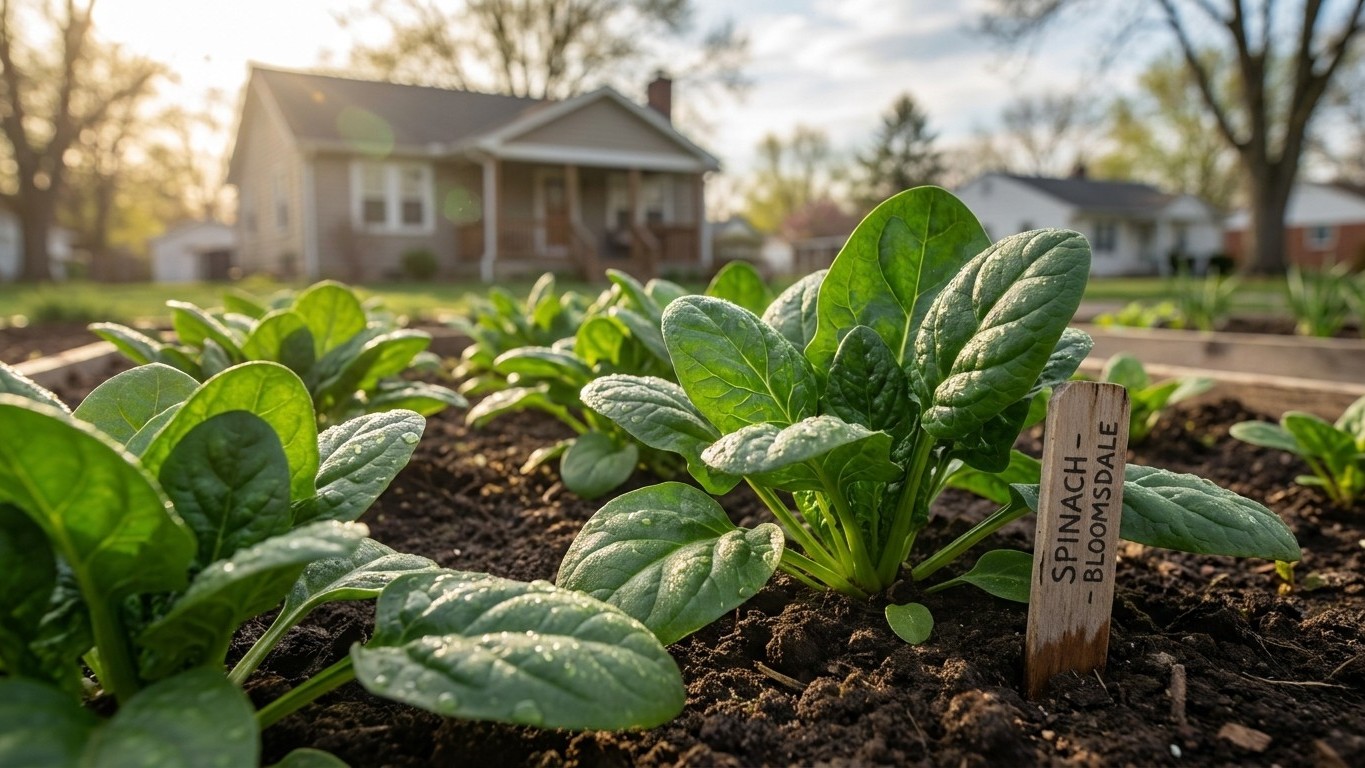
In western Washington, spinach bolts because of day length, not heat. The reference station near Seattle logs just 3.0 days a year above 90 F, so summer…
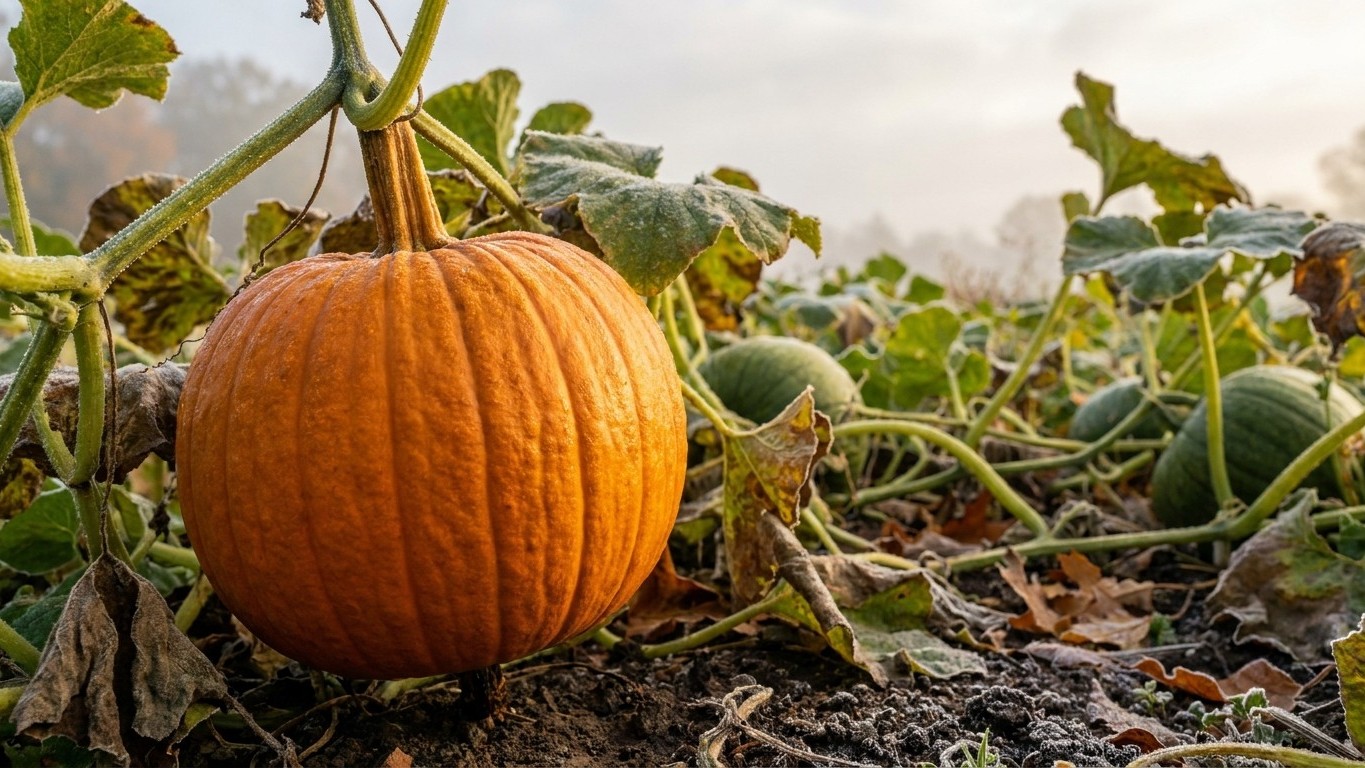
In western Washington, the safe cutoff for a pumpkin flower to open and still turn into a ripe, orange fruit falls somewhere between late September and…
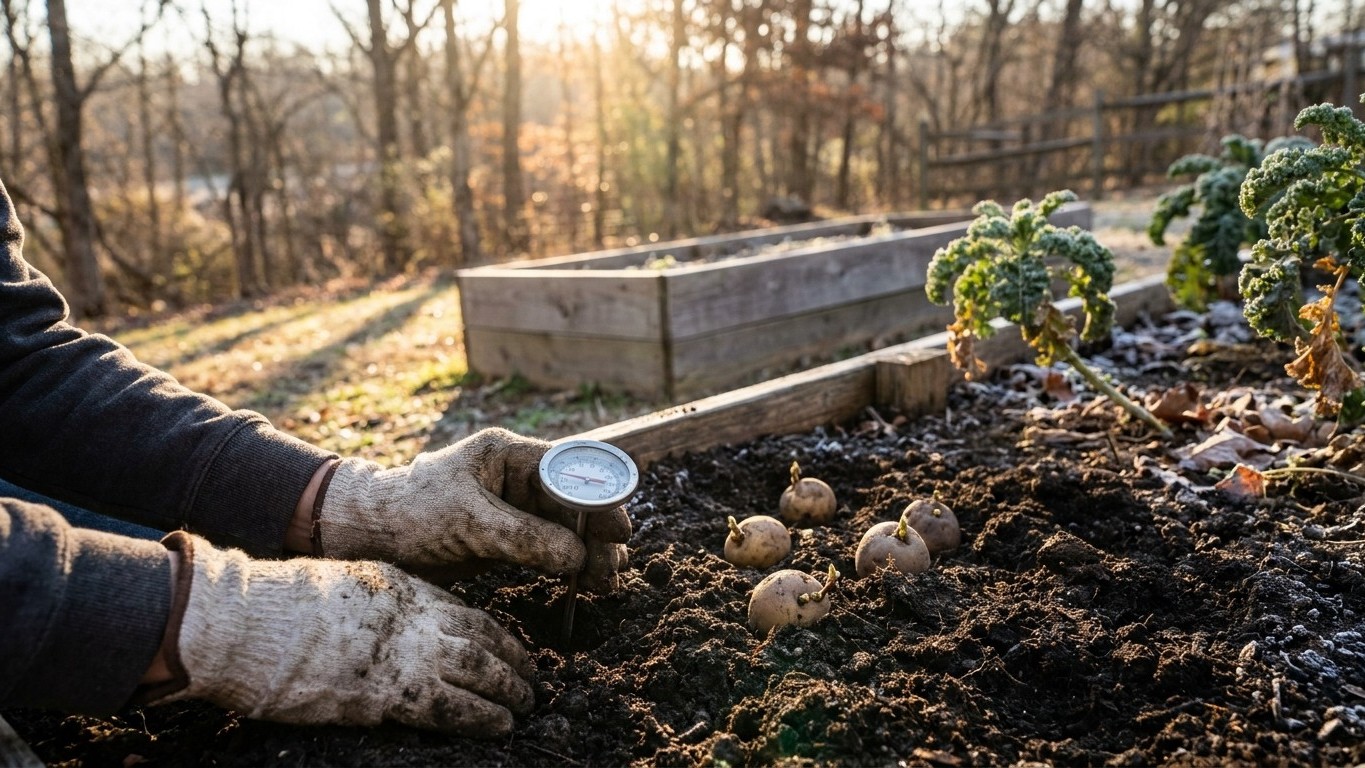
Count back 14 to 21 days from your last frost date, but let the soil thermometer settle the argument.
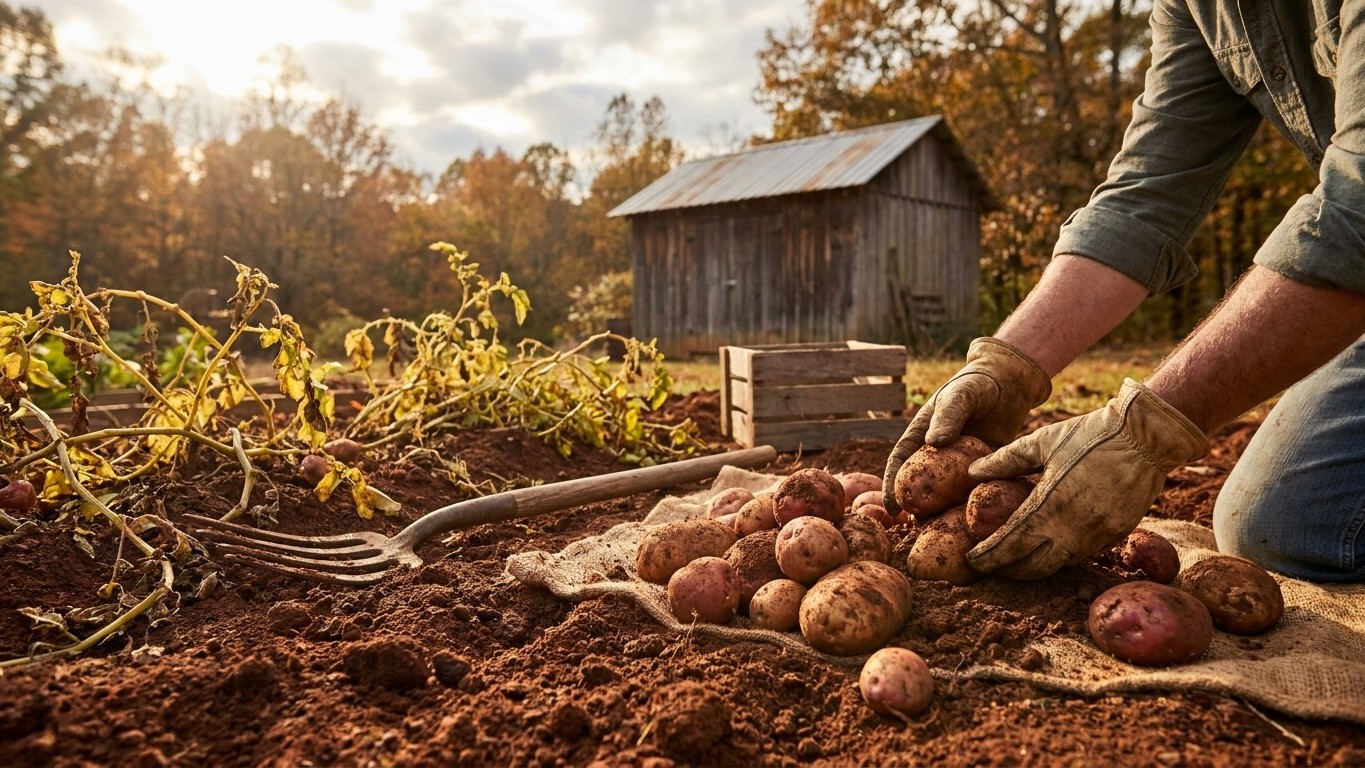
In western Washington, potatoes typically come out of the ground before the first fall frost, which arrives sometime between November 13 and November 30…
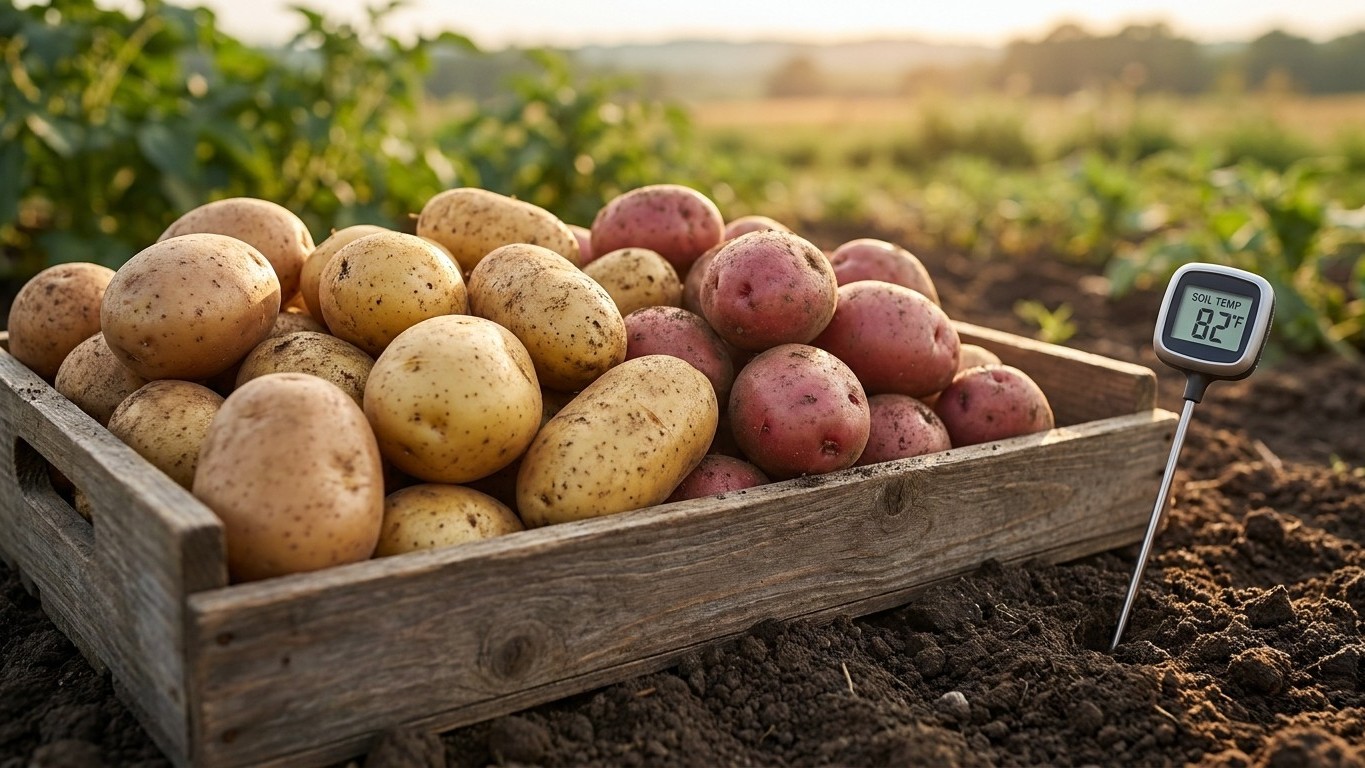
Washington doesn’t have one climate, so it doesn’t have one answer. West of the Cascades, the last spring frost falls between February 27 and March 18…
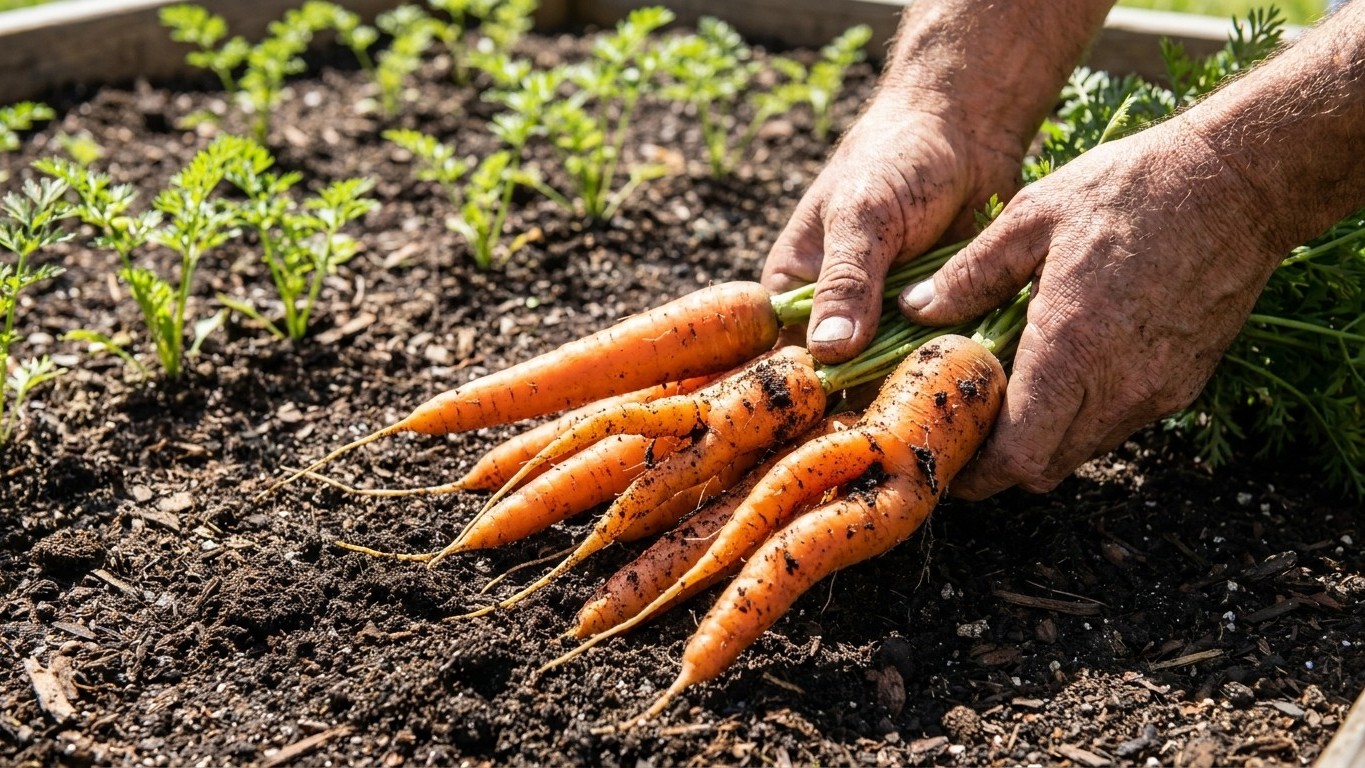
Carrots go into Washington ground as seed, sown directly where they’ll mature, since the crop is never transplanted.
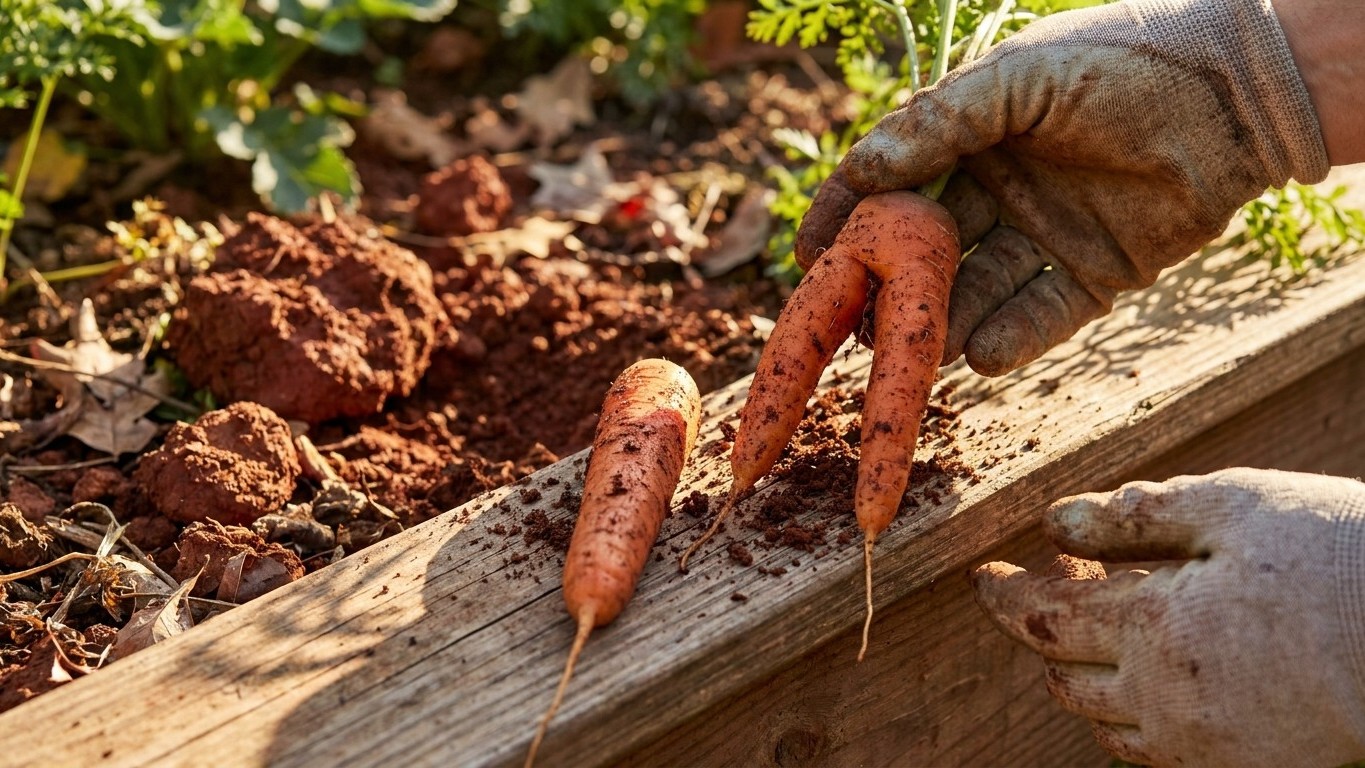
The short answer: probably not from texture alone. Washington’s official representative soil, the Tokul series, is a light volcanic-ash soil with only 10…
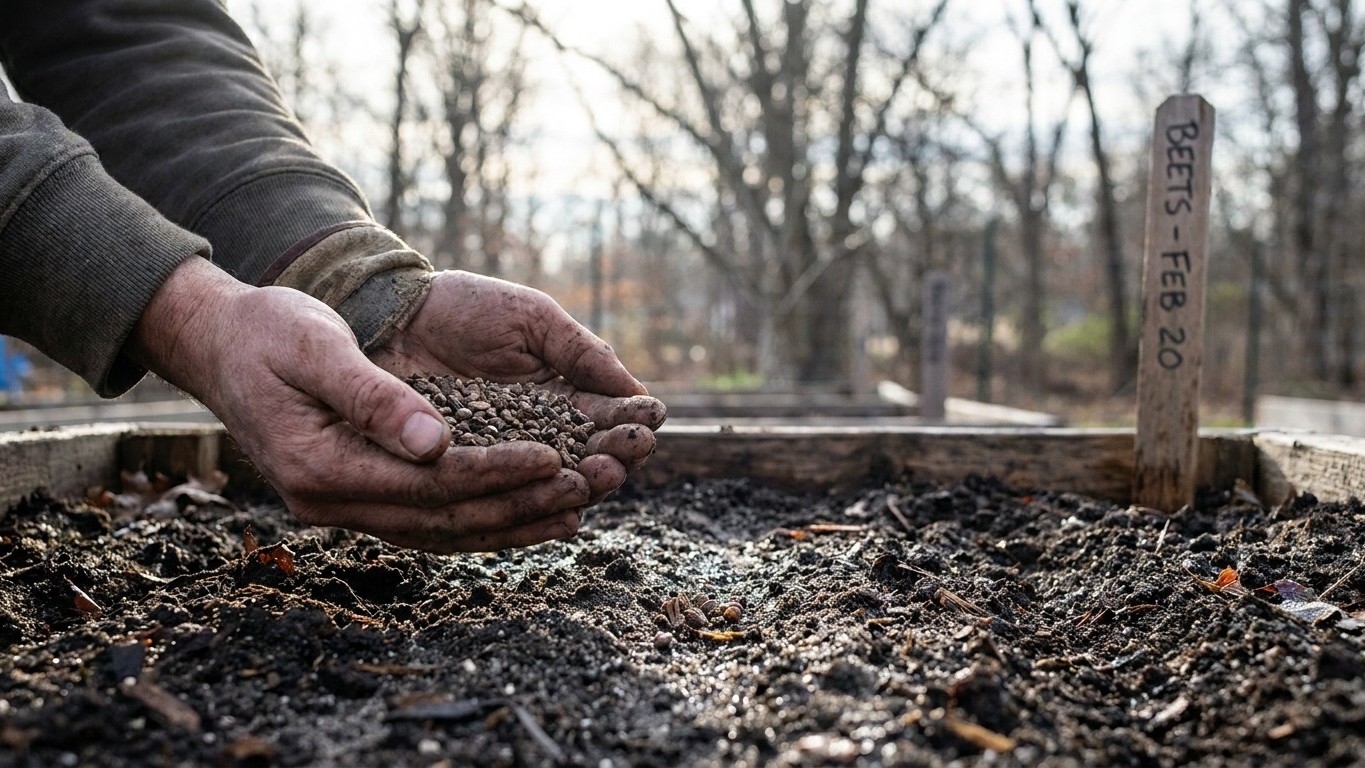
For most of western Washington, beet seed goes into the ground directly, two to three weeks before the last spring frost, which falls between February 27…