Beet Soil in Washington: What the Root Will Meet
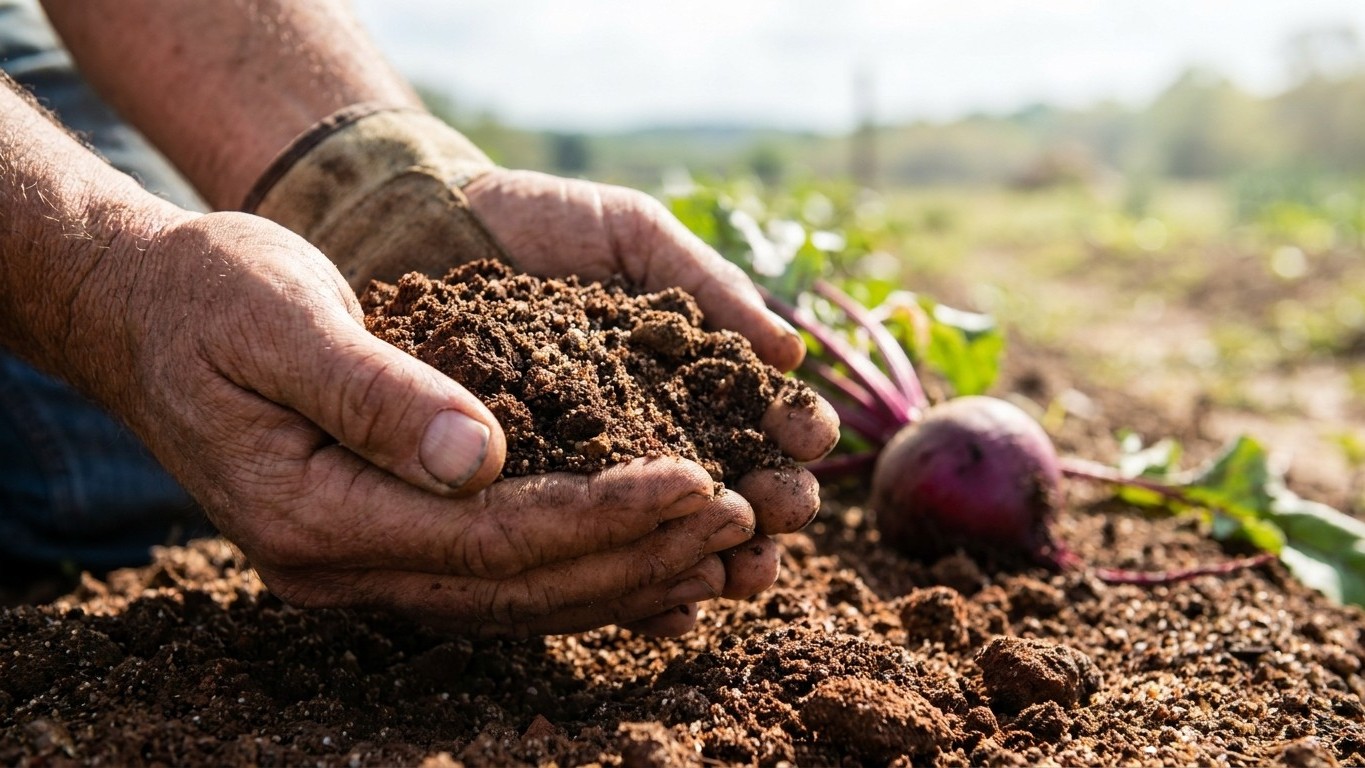
Washington’s official state soil, the Tokul series, is a volcanic-ash soil so acidic and so different from a working vegetable bed that it barely…
Home & garden, state by state
Everything we have worked out for Washington: what to plant and when, which varieties finish in time, the pests that actually turn up here, and the jobs that pay off month by month. We also cover the rest of the property, from lawns and soil to home care and energy, because a garden rarely stops at the vegetable bed.
The numbers first, because everything else follows from them. Measured at the weather station in Seattle, the last spring freeze runs February 27 to March 18 and the first fall freeze runs November 13 to November 30, USDA zones 4a-9a, 2,353 growing degree days in the year.
That is enough for early varieties, tight for anything late. Garlic does well: 17.4 weeks below 40 °F, comfortably past the six it needs to form a proper head.
Elsewhere on the property in Washington: the pests that turn up here.
Figures from NOAA's 1991-2020 climate normals. A state is not one climate: elevation, a large lake or the coast can move these dates by two weeks either way, so check your own county with the extension service before you spend money.
Washington’s official state soil, the Tokul series, is a volcanic-ash soil so acidic and so different from a working vegetable bed that it barely…
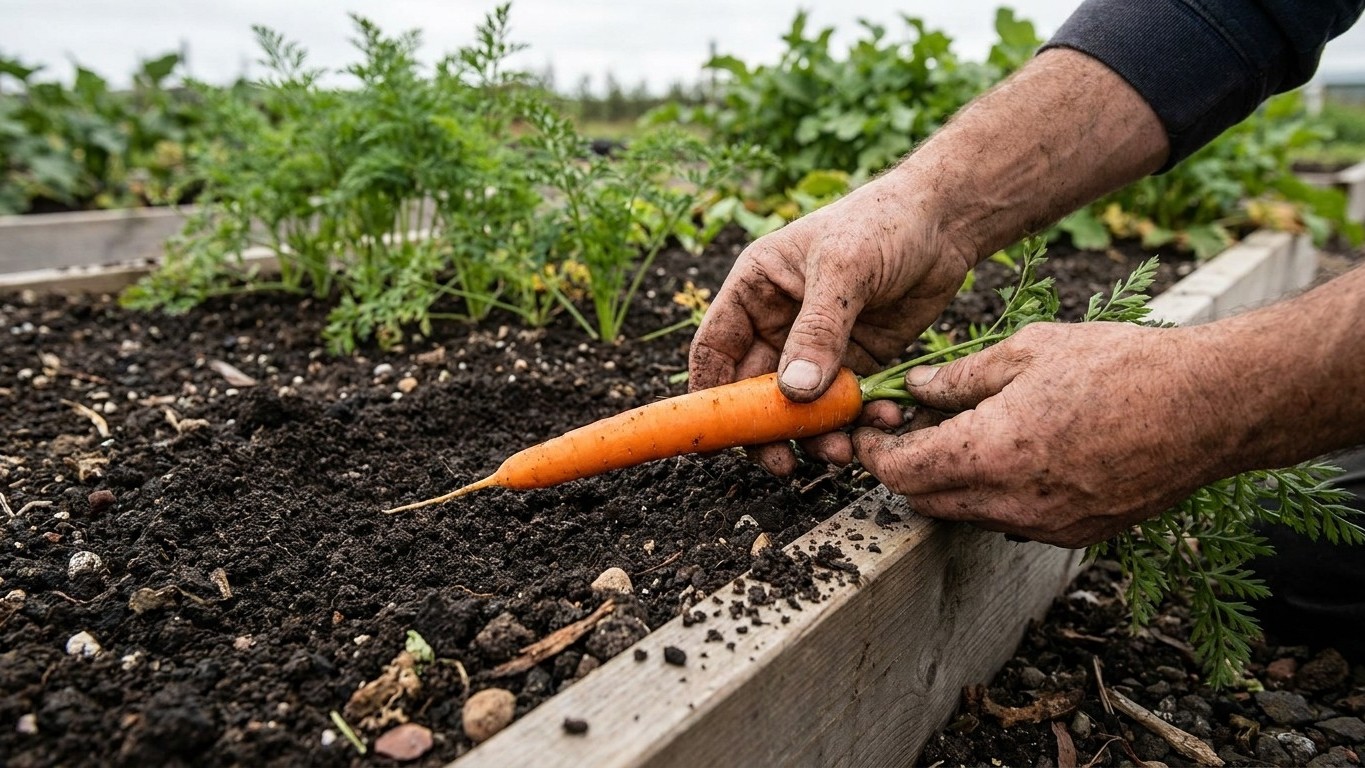
Washington’s representative soil, the Tokul series, is a volcanic-ash Andisol that’s light, porous, and strongly acid.
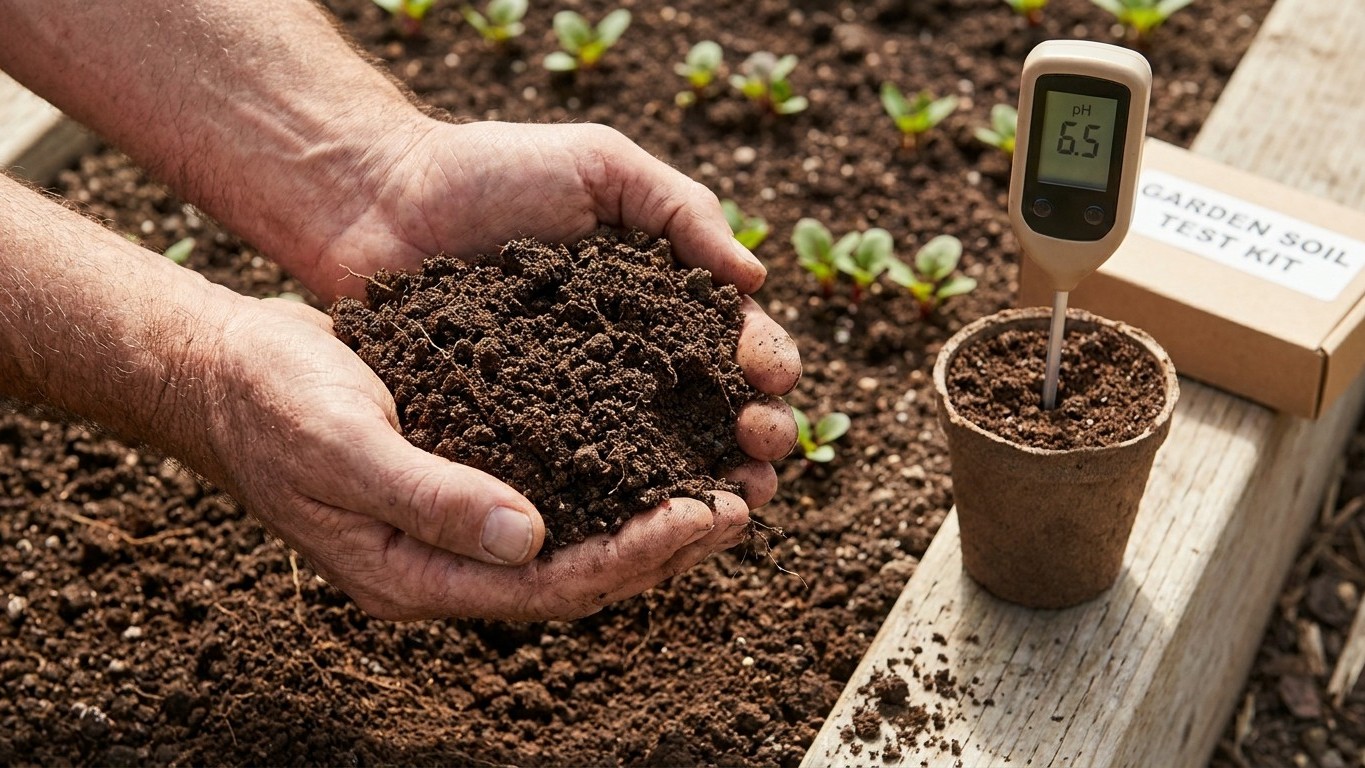
Washington’s official state soil, the Tokul series, is a volcanic-ash Andisol: light, porous, and unusually good at holding both water and phosphorus…
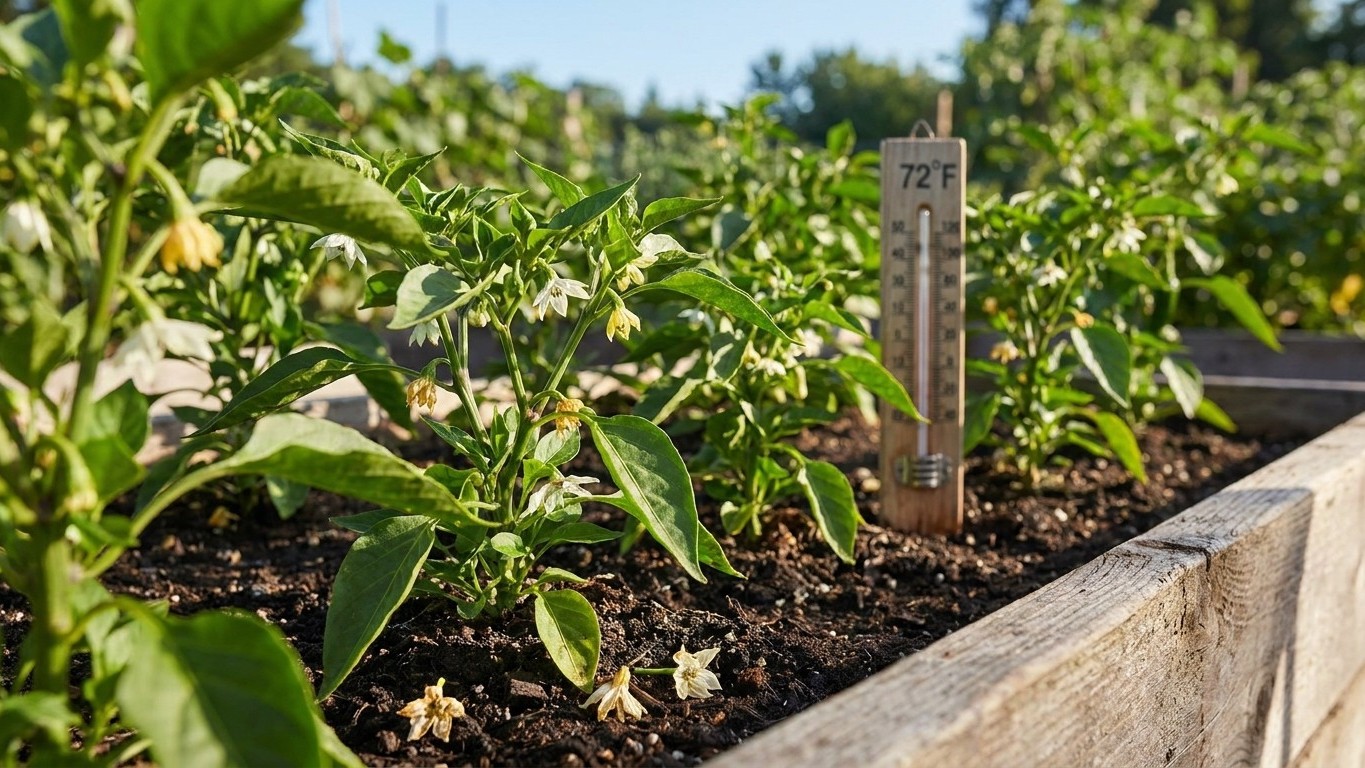
In western Washington, start pepper seed indoors sometime between mid-January and late February, counting 8 to 10 weeks back from the day your garden…
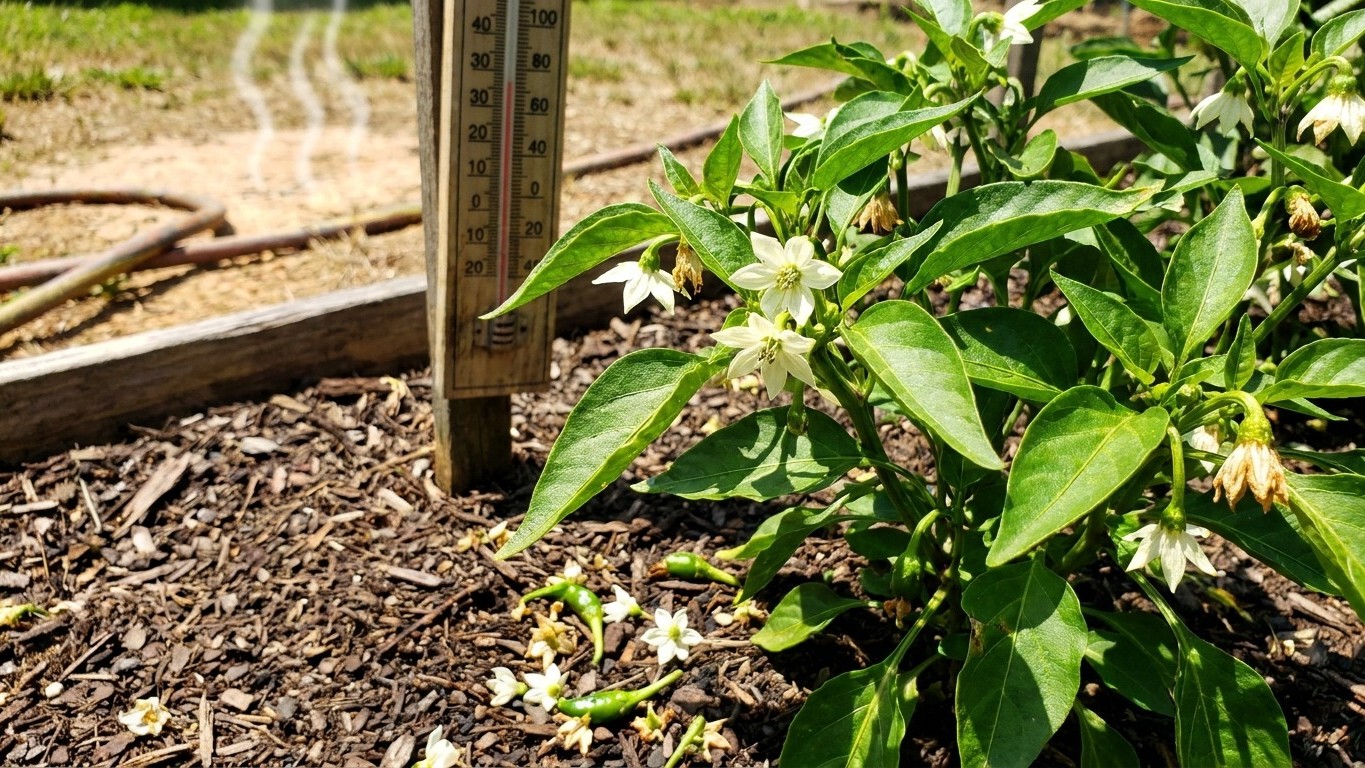
Peppers drop their blossoms in Washington gardens for one of two reasons: a run of nights below 55 F, or an afternoon that climbs past 90 F.
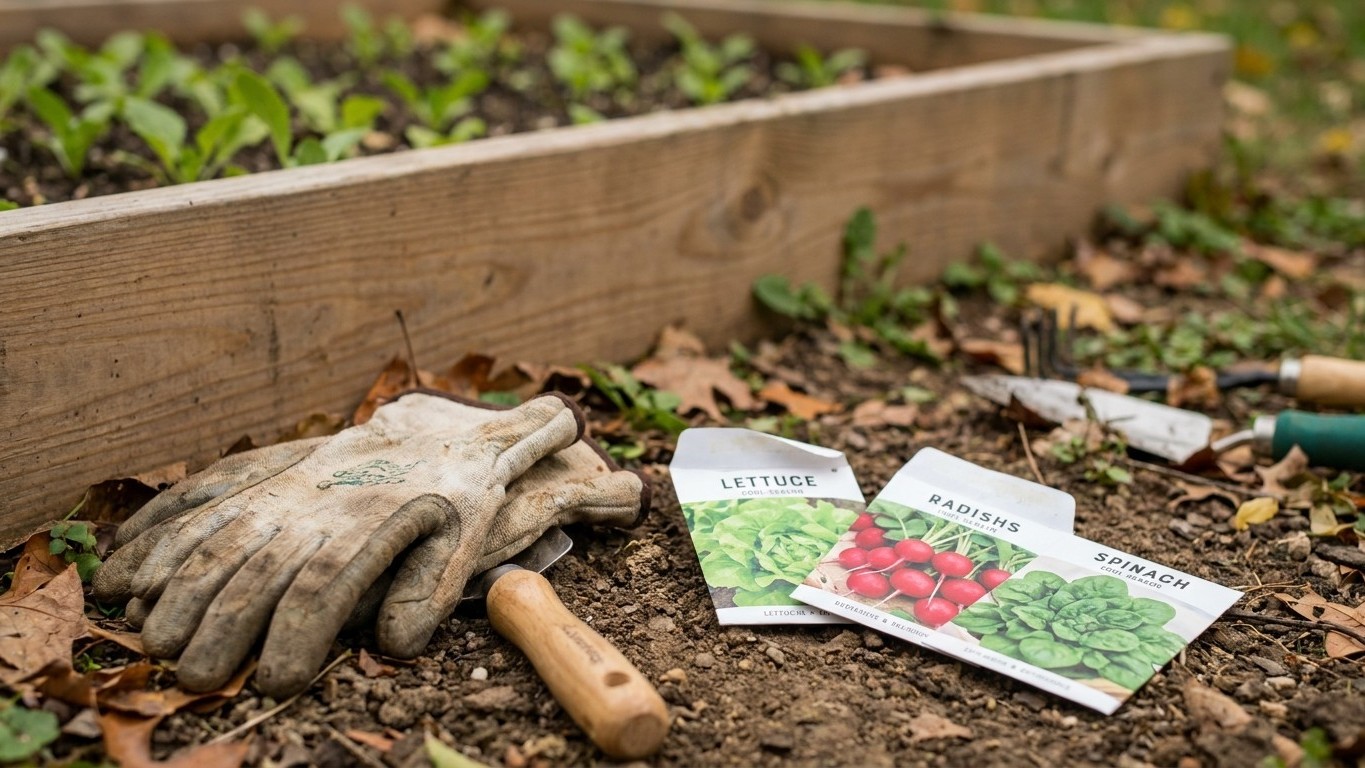
September is a working month in Washington gardens, not a wind-down. With the first fall frost still weeks away across most of the state, there’s time to…
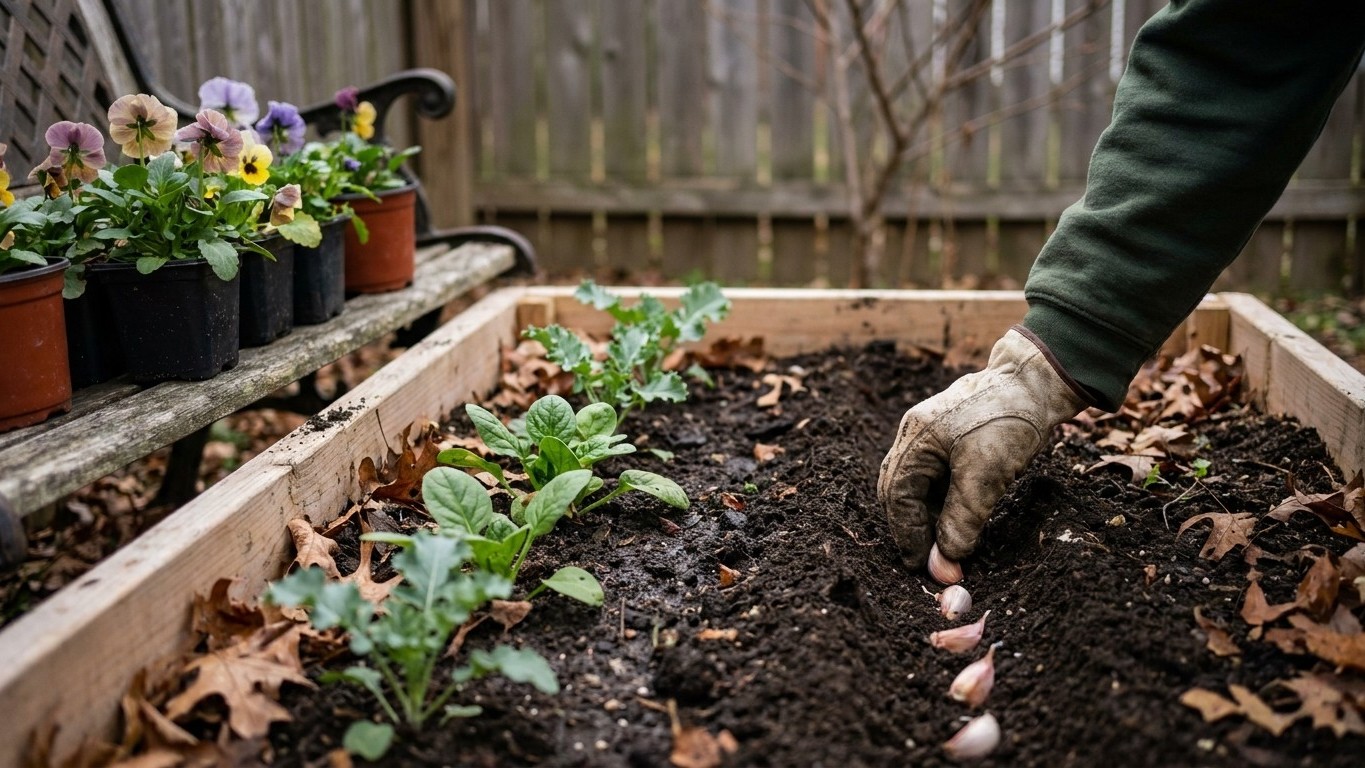
October in Washington still means planting, at least west of the Cascades. With first fall frost running November 13 to November 30 in the Seattle area…
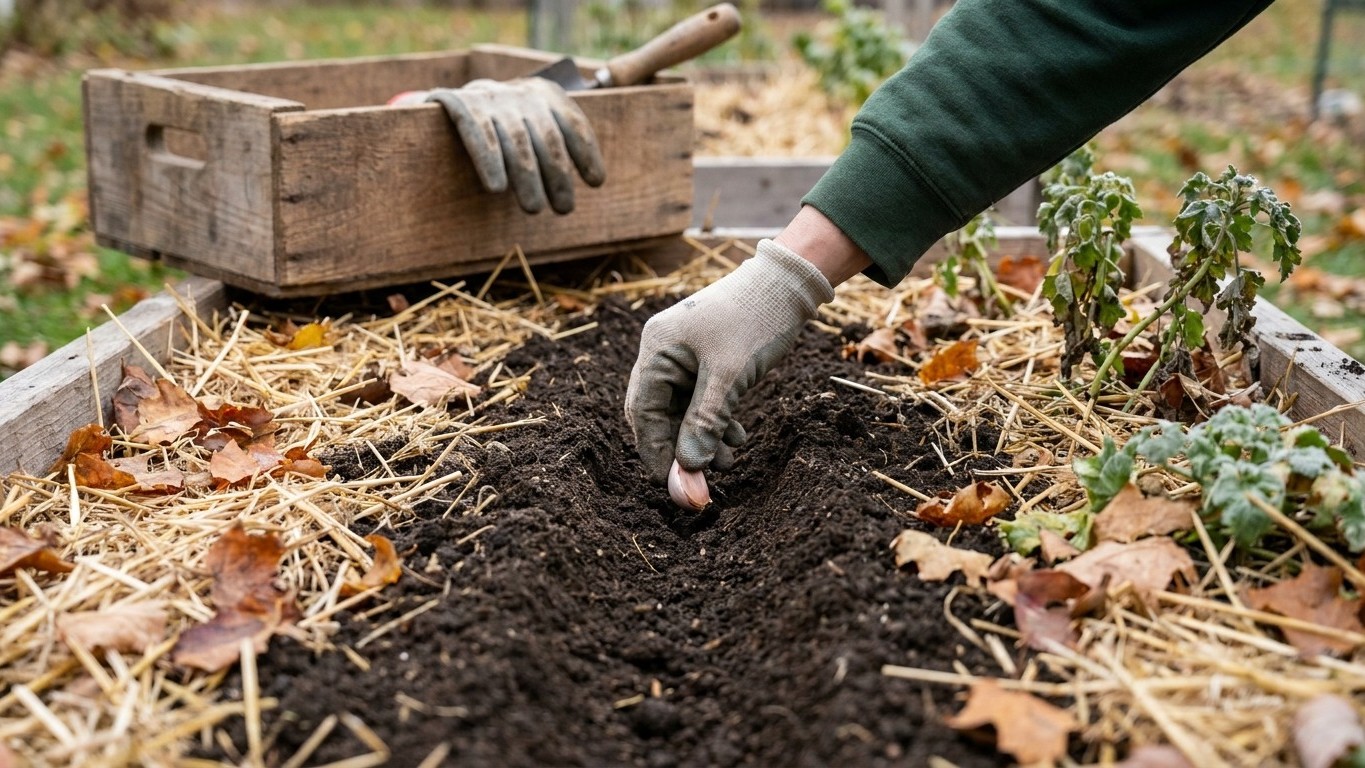
Washington gardeners can still tuck garlic and shallots into workable soil, set out bare-root fruit trees and cane berries, and build cold frames over…
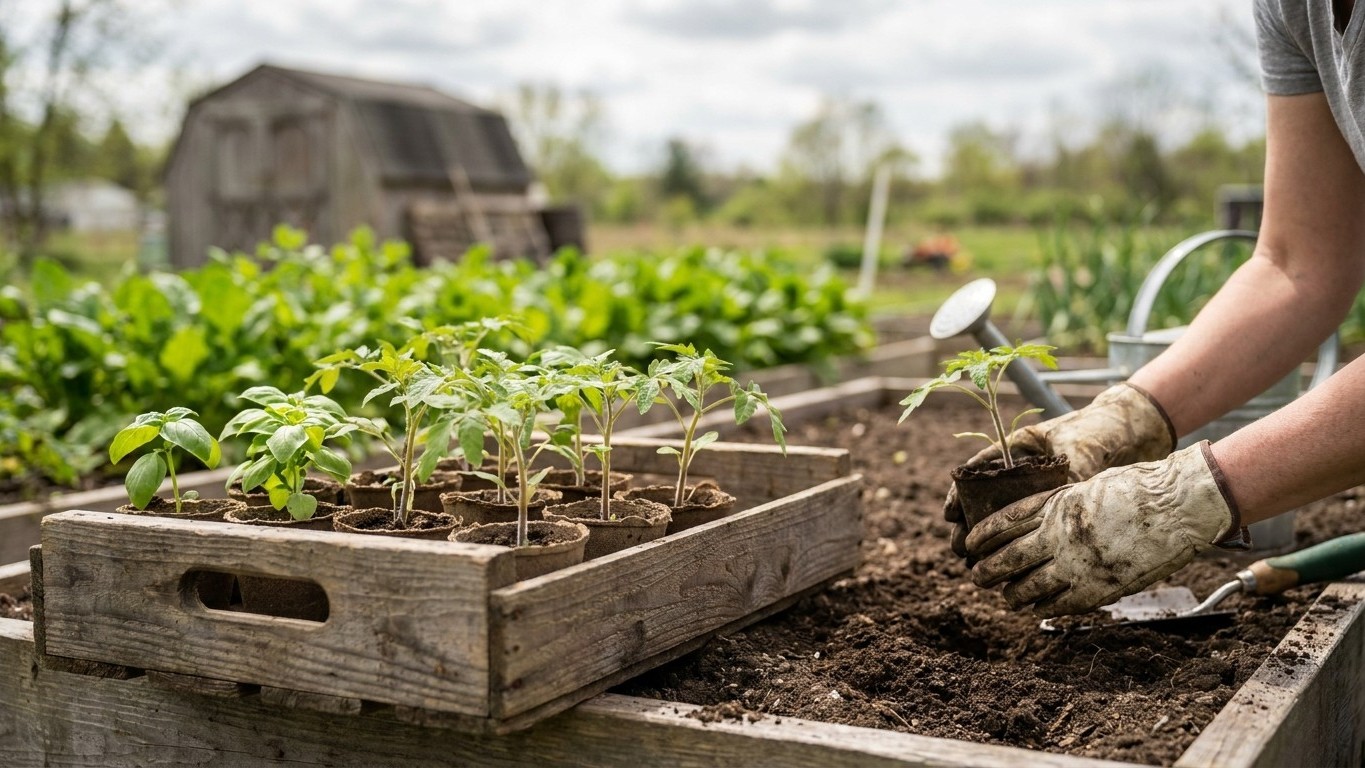
May is prime planting month across most of Washington. West of the Cascades, the last frost window (February 27 to March 18) is long behind you, and…
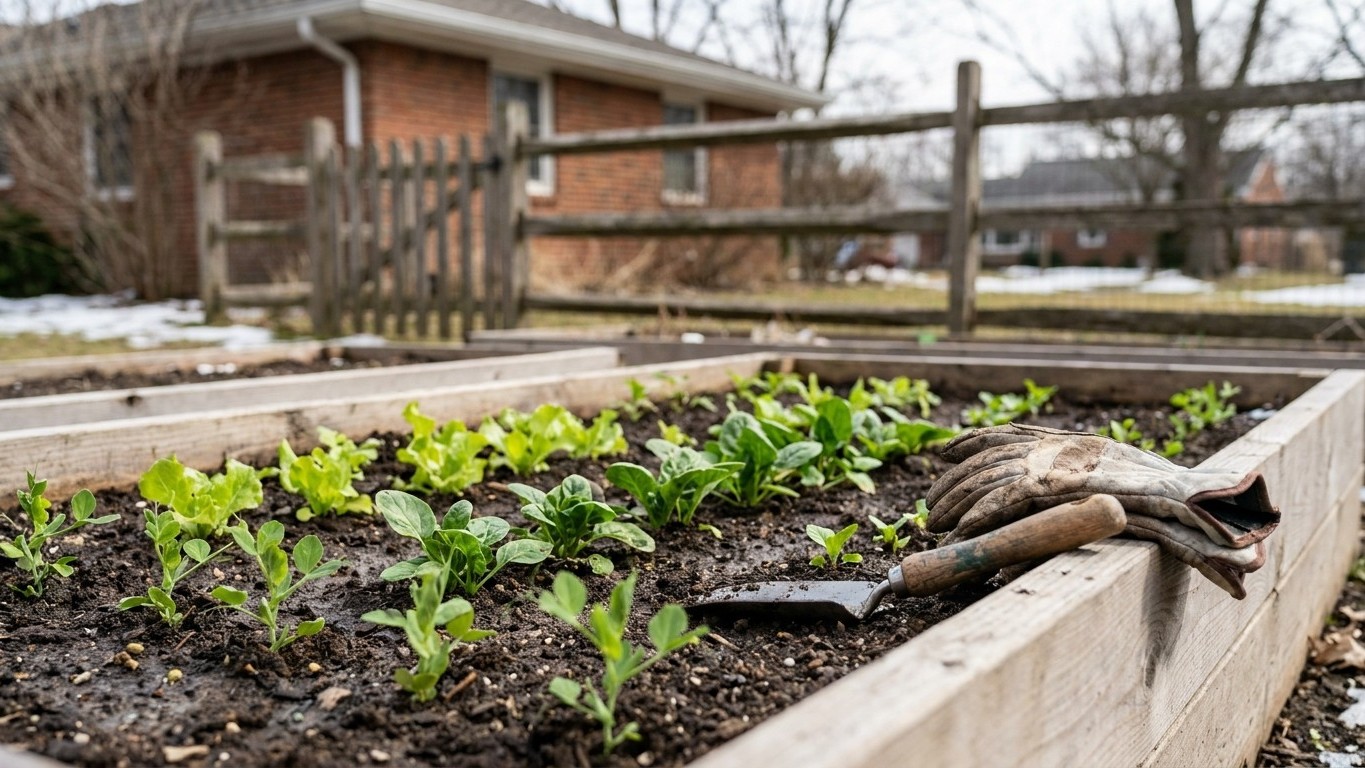
March in Washington splits the state in two. West of the Cascades, the last frost window (February 27 to March 18, per NOAA) is closing out, and the…